Close-up of an eye with a red, swollen upper eyelid

What Is a Stye in the Eye and Why Does It Cause Eyelid Pain?

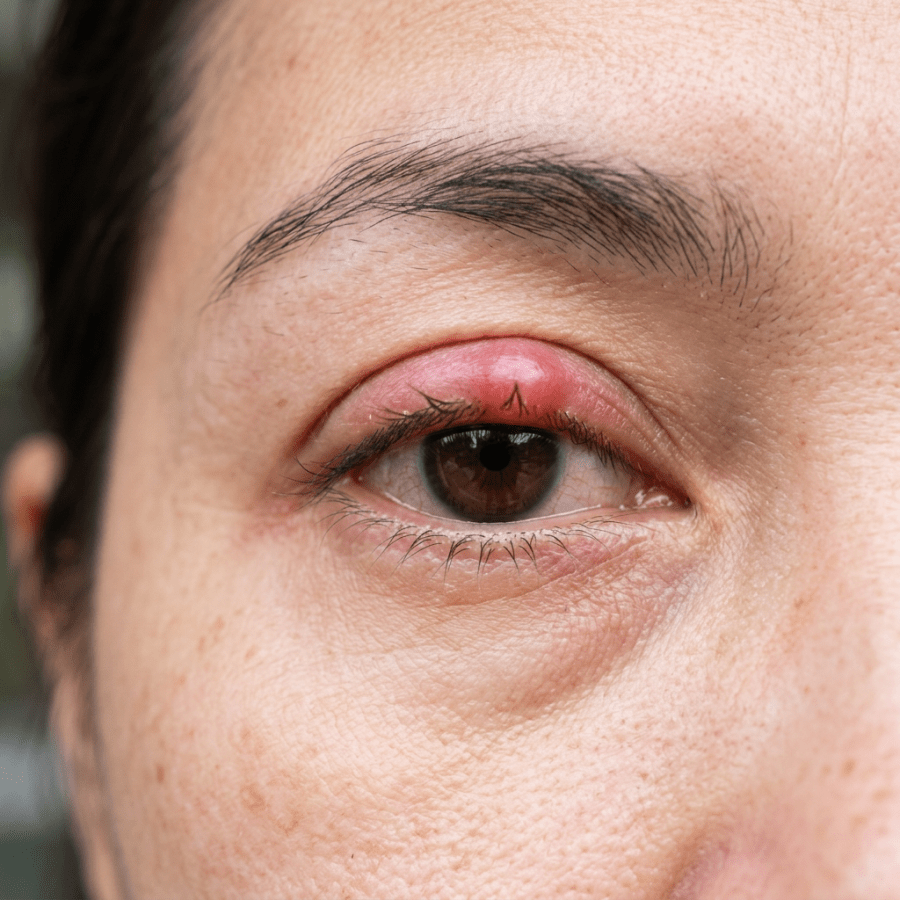
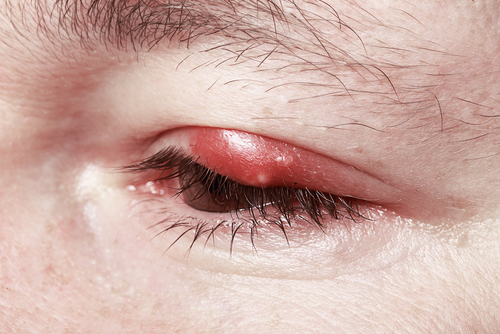
shutterstock_147818714A style (also called a hordeolum) is a red and painful lump on the eyelid.  This occurs when a small gland in the edge of the eyelid become infected or inflamed.  Styes can occur on the upper or the lower eyelid and usually get better on their own after a few days to week even if untreated. Symptoms:  Red or painful lump on the edge of the eyelid.  It often looks like a pimple, and can cause tearing as well as eyelid pain. When to see a healthcare provider: 1)   It doesn’t go away after 1 week. 2)   It gets large, bleeds or affects your vision 3)   The entire eye or eyelid becomes red/swollen 4)   The redness or swelling spread to your cheek or face Home treatments: 1)   Wet a clean wash cloth with warm water and put it over your stye for 10-15 minutes 3-4x/day 2)   DO NOT squeeze or pop the stye 3)   Avoid wearing eye backup or contact lenses Prevention: 1)   Wash your hands before touching your eyes or eyelids 2)   Wash your hands before putting in contact lenses and keep the lenses them clean 3)   Take off eye makeup at night if you use it 4)   Do not use old eye makeup or share with others Medical provider treatments:  Most of the time we prescribe antibiotic ointments or drops if the stye is not improving on its own.  If it persists or gets larger, a referral to an eye doctor is usually made who can drain the stye. The American Academy of Ophthalmology has a great resource for locating an ophthalmologist near you: http://www.aao.org/find_eyemd.cfm   I hope that you have found this information useful.  Wishing you the best of health,

Scott Rennie, D.O.
Board Certified in Obesity Medicine and Family Medicine

This blog is for educational purposes only and does not constitute individual medical advice. Always consult your own physician before making changes to your health, medications, or treatment plan.

Blue cushion on a wooden chair in front of a fireplace

Hemorrhoids Explained: Why They’re a Real Pain in the Rear

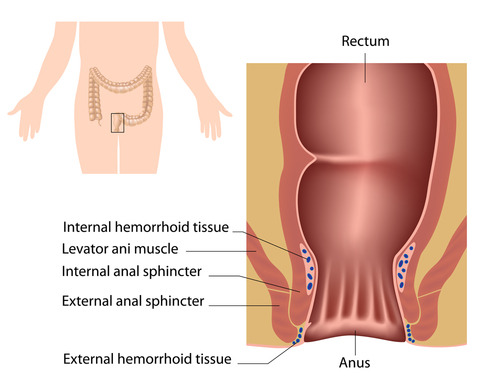
shutterstock_125891585Hemorrhoids are a common problem in both men and women who come to see their primary care or urgent care doctor.  Hemorrhoids are enlarged or swollen veins in the lower rectum.  They can cause pain, itching and rectal bleeding.  Sometimes you can feel or see hemorrhoids around the outside of the anus.  Other times they may be hidden from view inside the rectum (internal hemorrhoids). They are more common in older individuals and patients during and after pregnancy, those with diarrhea or constipation or in people who sit for prolonger periods of time. Symptoms: 1)   Anal pain or itching 2)   Tissue bulging around anus 3)   Painless rectal bleeding 4)   Difficulty cleaning or leakage of feces after bowl movement Diagnosis:  Your healthcare provider will examine the rectum and anus to inspect for hemorrhoids.  This exam may include inserting a gloved finger into the rectum.  The reason for the digital exam is to inspect for possible rectal cancers and also to collect any stool that’s present and test for blood.  If there is blood present, your healthcare provider may use a special tube called an anoscope, that is clear and allows visualization of the rectum/anus. Treatment:  If hemorrhoids are diagnosed, one of the most important steps is avoiding constipation because they can lead to rectal bleeding or tearing the anus (called a fissue).  Also, it is important to avoid pushing or straining during bowl movements because that can worsen existing hemorrhoids and risk causing development of additional hemorrhoids.  Reducing constipation can be done by: 1)   Increasing fiber – increasing fruits and vegetables contain fiber.  In addition fiber supplements such as Metamucil may be helpful. 2)   Laxatives – These are not “addictive” or increase your risk of constipation in the future. 3)   Warm sitz baths – soaking the rectal area in warm water for 10 minutes 3x/day improve blood flow by relaxing the internal anal sphincter. 4)   Topical treatments – Suppositories are creams with hydrocortisone may be helpful to relieve pain, itching and irritation. More invasive procedures: 1)   Rubber band ligation – a rubber band or ring is place around the base of the internal hemorrhoid which restricts the blood supply to that area.  This shrinks the hemorrhoid and reduces it. 2)   Laser surgery – uses a laser or infrared light to destroy internal hemorrhoids 3)   Sclerotherpay – a chemical solution is injected into the hemorrhoidal tissue causing it to break down and form a scar 4)   Surgery – hemorrhoidectomy is the treatment of choice for patients with large internal hemorrhoids. A gastroenterologist is a doctor who specializes in the gastrointestinal tract.  If you are looking for a gastroenterologist in your area, the American Gastroenterological Association has a locator:  https://secure.gastro.org/GILocator/locator.asp   I hope that you have found this information useful.  Wishing you the best of health,

Scott Rennie, D.O.
Board Certified in Obesity Medicine and Family Medicine

This blog is for educational purposes only and does not constitute individual medical advice. Always consult your own physician before making changes to your health, medications, or treatment plan.
Mother holding smiling baby beside folded diapers and nursery supplies

Elimination Communication: Potty Training a Diaper Free Baby

Have you heard that some parents almost completely stop using diapers with their babies as early as 3 months of age?  The idea is not new, and I’ve heard the theory explained as “early potty training” or “a gentle, natural, non-coercive process by which a baby, learns with the loving assistance of parents and caregivers to communicate about and address his or her elimination needs.” The thought of not needing diapers is certainly appealing, considering the cost involved and the fact that cleaning diapers is still considered a rather “messy” process.  There are those that believe that with the advent of larger and disposable diapers, parents have become less “tuned into” their babies’ sometimes subtle signs that they are ready for help with elimination.  I became interested in doing a bit of research in the topic as my brother and sister-in-law just had their second baby (Nathan) and they are back in the word of diaper changing again after a 2+ year break from their first child (Jacob). So what do the experts think about elimination communication or the “Diaper Free Baby?” Potty-training success hinges on physical and emotional readiness, not a specific age. Many kids show interest in potty training by age 2, but others might not be ready until age 2 1/2 or even older — and there’s no rush. If you start potty training too early, it might take longer to train your child. Some of the potential benefits of being diaper free or at least wearing diapers less often may include: 1)   Reduces the risk of diaper rash 2)   Is less messy than conventional diapering. Eliminations are in a toilet or potty rather than on the baby. 3)   Reduces the use of disposable diapers, a major contributor to landfill. 4)   Reduces the use of disposable wipes used to clean baby’s bottom. 5)   Has been practiced for centuries around the world. 6)   Is more enjoyable than changing diapers. 7)   Encourages the development of a trusting relationship with children through communication about a basic human need. 8)   Increases comfort of carrying a baby: there is less bulk than a diaper and it feels better for both caregiver and baby. A discussion about toilet training from the Mayo Clinic Website: Is your child ready? Ask yourself these questions: Does your child seem interested in the potty chair or toilet, or in wearing underwear? Can your child understand and follow basic directions? Does your child tell you through words, facial expressions or posture when he or she needs to go? Does your child stay dry for periods of two hours or longer during the day? Does your child complain about wet or dirty diapers? Can your child pull down his or her pants and pull them up again? Can your child sit on and rise from a potty chair? A quote about toilet training from the American Academy of Pediatrics Website: “There is no set age at which toilet training should begin. Before children are 12 months of age, they have no control over bladder or bowel movements. While many children start to show signs of being ready between 18 and 24 months of age, some children may not be ready until 30 months or older. This is normal.  Most children achieve bowel control and daytime urine control by 3 to 4 years of age.” A quote from the Seattle Times article “Early Potty Training, a New Experiment” October 9, 2005 “Even if you’re getting them to go in a pot as a young infant, I don’t know if it will have any long-term impact for all the effort you have to go through,” said Dr. Mark Wolraich, author of the academy’s “Guide to Toilet Training” (Bantam Books, 2003). “The risk is, if it’s not working and the parents are frustrated, they’re creating more negative interactions with their child.” A parent using “Elimination Communication” says the following on the topic: “By the time Simon was three and a half months old he had proven to us that EC is more than just ‘parent training.’ He started signaling his need to pee by making his own imitation of our ‘sss’ cue! We were delighted to be in such two way communication with him.” –       Rachel, mom to Simon, began EC at birth Some parents might be curious about my opinion on the topic.  The subject is certainly controversial here in the U.S. but I like the potential advantages, especially the fact that it’s more environmentally friendly, less messy and encourages the parents to be more in tune to their babies.  In my patients who come here from other countries, it seems more intuitive. In the end, I think it might be reasonable to try and I support parents who wish to get their children out of diapers sooner rather than later.   I hope that you have found this information useful.  Wishing you the best of health,

Scott Rennie, D.O.
Board Certified in Obesity Medicine and Family Medicine

This blog is for educational purposes only and does not constitute individual medical advice. Always consult your own physician before making changes to your health, medications, or treatment plan.

Passenger pinching her nose and covering her ear aboard an airplane

Eustachian Tube Dysfunction: Ear Pain Without Infection

shutterstock_742214The Eustachian tube connects the middle ear to the back of the throat and nose.  It equalizes the pressure of the ear and is often responsible for the pop sensation that you may feel as you are gaining elevation if you ride on an airplane or drive your car up a mountain pass.  If there is a problem with the Eustachian tube, the air pressure inside the middle ear becomes different than the outside air pressure.  This leads to pain and a pressure sensation of the ear drum.  It can also caused decreased hearing on the affected side.  In the medical profession, we use the term “barotrauma” to describe this phenomenon. Symptoms of Eustachian tube dysfunction (ETD): 1)   Ear pain – this can feel just as painful as an ear infection 2)   Trouble hearing 3)   Ringing in the ear 4)   Feeling dizzy 5)   Feeling pressure or fullness in the ear Most of the time Eustachian tube problems are not serious and they get better on their own.  They rarely can lead to a more serious problem such as: 1)   Middle ear infection 2)   Torn eardrum 3)   Hearing loss If a child has Eustachian tube problems for long periods of time, they can have language or speech problems as a result of not hearing well. Causes:  Anything that make the Eustachian tube swollen or inflamed such as recent upper respiratory infection or common cold, allergies, sinus infection or sudden air pressure changes (happens when people fly on an airplane, scuba dive or drive in the mountains). When to seek medical help:  If the symptoms are severe, getting worse or are not improving within a few days. Treatment:  The treatment of Eustachian tube dysfunctions is tailored to the individual patient and the cause of the disorder.  Some possible treatment options might be: 1)   Nasal sprays – for example Flonase, Nasonex, or Rhinocort 2)   Oral antihistamine medications such as Benedryl, Zyrtec, Claritin or Allegra 3)   Oral or topical decongestant medications such as Sudafed or Afrin nasal spray 4)   Surgery:  Most of the time ear tubes are not needed for this problem, however some people do have tube placed in the ear drugs to help with this disorder 5)   Special ear plugs that are used on an airplane, or when driving that help decrease the pressure on the ear drum. Otolaryngologists are doctors that specialize in the Ears, Nose and Throat (ENT).  If you are looking for an Otolaryngologist in your area, the American Academy of Otolaryngology has a useful locator on their website: http://www.entnet.org/   I hope that you have found this information useful.  Wishing you the best of health,
Scott Rennie, D.O.
Board Certified in Obesity Medicine and Family Medicine

This blog is for educational purposes only and does not constitute individual medical advice. Always consult your own physician before making changes to your health, medications, or treatment plan.

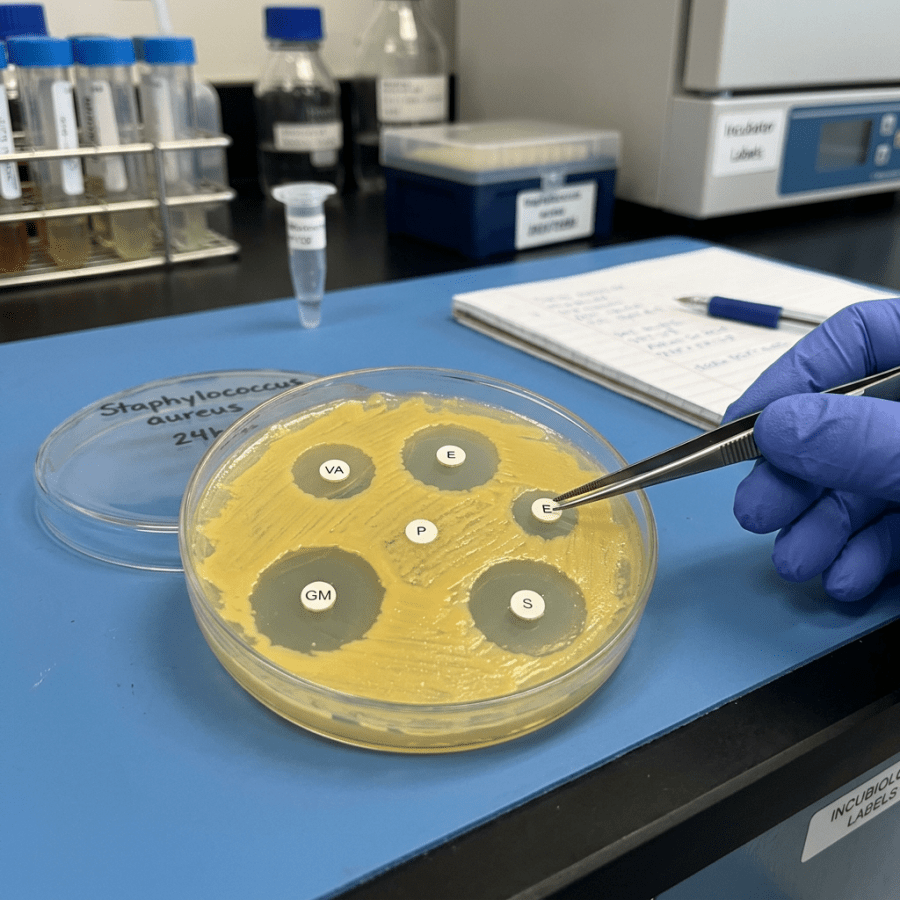
Staphylococcus aureus culture plate with antibiotic discs and inhibition zones

Antibiotic Resistance Could End Modern Medicine, WHO Warns

The world is entering an antibiotic crisis which could make routine operations impossible and a scratched knee potentially fatal, the head of the World Health Organisation has claimed.

shutterstock_120021052
Bacteria carried by humans are becoming increasingly resistant to antibiotics Photo: JOHN TAYLOR
By Hannah Furness From:  The Telegraph
7:00AM GMT 16 Mar 2012
Margaret Chan, director general of the WHO, warned that bacteria were starting to become so resistant to common antibiotics that it could bring about “the end of modern medicine as we know it.”
As a result, she claimed, every antibiotic ever developed is at risk of becoming useless, making once-routine operations impossible.
This would include many of the breakthrough drugs developed to treat tuberculosis, malaria, bacterial infections and HIV/AIDS, as well as simple treatments for cuts.
Speaking to a conference of infectious disease experts in Copenhagen, Dr Chan said we could be entering into a “post-antibiotic era”. Replacement medicines could become more expensive, with longer periods of treatment required to bring about the same effect, she added. Dr Chan said: “Things as common as strep throat or a child’s scratched knee could once again kill. “Antimicrobial resistance is on the rise in Europe and elsewhere in the world. We are losing our first-line antimicrobials. “Replacement treatments are more costly, more toxic, need much longer durations of treatment, and may require treatment in intensive care units. “For patients infected with some drug-resistant pathogens, mortality has been shown to increase by around 50 per cent. “A post-antibiotic era means, in effect, an end to modern medicine as we know it.” The stark warning comes shortly after the World Health Organisation published a new book warning of the “global crisis”, entitled “The evolving threat of antimicrobial resistance.” It reads: “Bacteria which cause disease react to the antibiotics used as treatment by becoming resistant to them, sooner or later. “A crisis has been building up over the decades, so that today many common and life-threatening infections are becoming difficult or even impossible to treat, sometimes turning a common infection into a life-threatening one.” The paper blamed the current situation largely on the misuse of antibiotics, which are not prescribed properly and used too frequently and for too long. It added that an “inexorable increase in antimicrobial-resistant infections, a dearth of new antibiotics in the pipeline and little incentive for industry to invest in research and development” had led to a need for innovation”. The WHO has now appealed to governments across the world to support research into the antimicrobial resistance.

Related Reading

Why Won’t Antibiotics Cure a Viral Infection? Doctor Explains I hear it almost every day now. “I think I just need a Z-Pak.” Antibiotic Superbugs CRKP and MRSA: Who Is at Risk? Tuberculosis in 2025: Kansas Outbreak, Vaccines, and Staying Safe

Scott Rennie, D.O.
Board Certified in Obesity Medicine and Family Medicine

This blog is for educational purposes only and does not constitute individual medical advice. Always consult your own physician before making changes to your health, medications, or treatment plan.

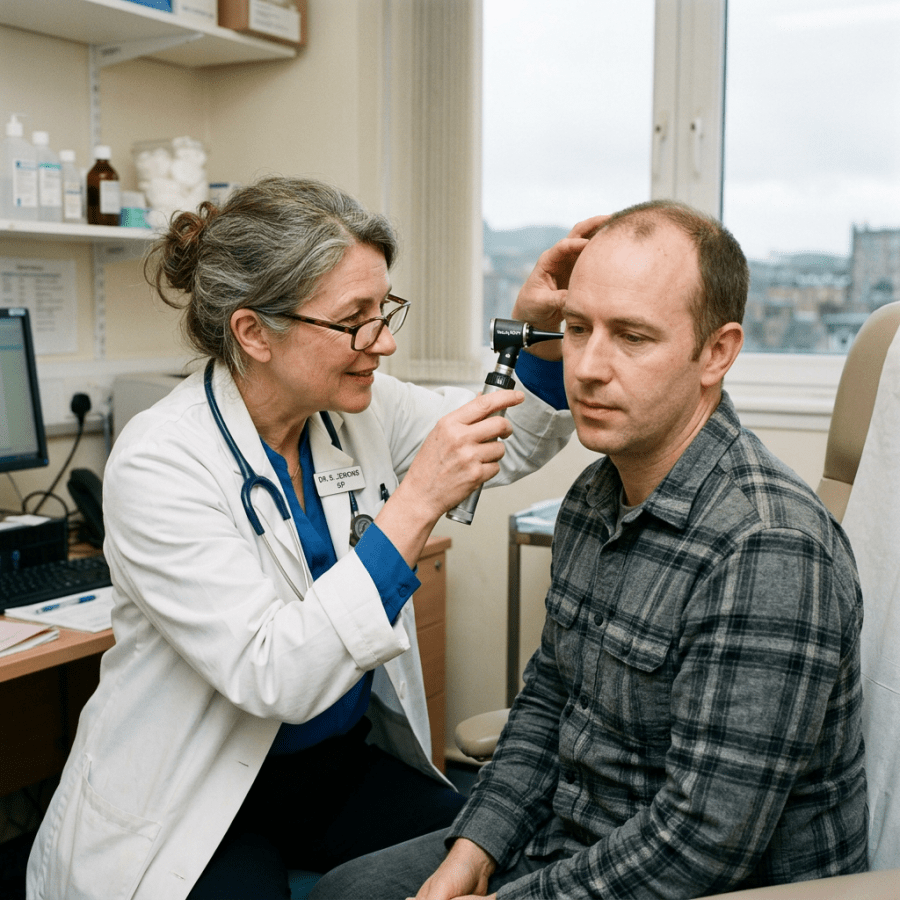
Clinician examining a seated patient’s ear with an otoscope

Ear Wax (Cerumen): What to Know About This Annoyance

shutterstock_147242300Ear wax, also called cerumen is a water resistant coating in the ear canal that protects the skin of the canal from water damage, infection, trauma and debris.  If it accumulates it is usually not noticeable, but can lead to hearing loss as well as pain/infection.  Normally it is supposed to migrate from near the ear drum along the canal and fall out of the ear. Cerumen is a mixture made up of secretions of both sebaceous (oil), dried skin cells, and sometimes hair.  It is identified in the ear canal in your doctor’s office with an instrument called an otoscope.  It’s appearance and texture vary widely – sometimes it has the appearance and texture of a liquid, and other times it looks like clay or rock. Causes of ear wax accumulation:  Narrowing of the ear canal can make it difficult for the ear wax to fall out of the ear. Skin disorders such as eczema can cause excessive cerumen.   Also as people age, they produce less fluid in the cerumen and it gets harder migrates slower out of the ear canal.  Epithelial migration can also occur as a result of using cotton swabs in the ears.  Q-tips tend to push ear wax deeper into the ear canal and over time can cause complete blockage of the ear canal in some people.  Earing aids, ear plugs and swim molds also after prolonged use can contribute to ceumen accumulation. Overproduction:  Some people produce more cerumen than others and this overcomes the ear canal’s ability to eliminate it. Symptoms of ear wax accumulation:  Hearing loss, earache, ear fullness, itchiness, dizziness, and/or ear ringing. Removal methods:  Ear wax is usually removed with one of three popular methods –medication to break down the wax, irrigation and manual removal with a small ear spoon to scoop it out. How to prevent cerumen accumulation:  Many people have difficulty preventing ear wax accumulation, especially if they have predisposing conditions such as a narrow ear canal, eczema or produce more was than average.  For many patients, topical drops such as mineral oil soaked on a cotton ball and left in the ear for about 10-20 minutes once a week while also not using a hearing aid overnight (if applicable) is helpful. Routine cleaning of the ears by a healthcare provider every 6-12 months is also helpful to many people.  If the wax becomes very difficult to remove, an Ear/Nose/Throat doctor can use a ear microscope and special instruments to help remove it more easily.   I hope that you have found this information useful.  Wishing you the best of health,

Scott Rennie, D.O.
Board Certified in Obesity Medicine and Family Medicine

This blog is for educational purposes only and does not constitute individual medical advice. Always consult your own physician before making changes to your health, medications, or treatment plan.

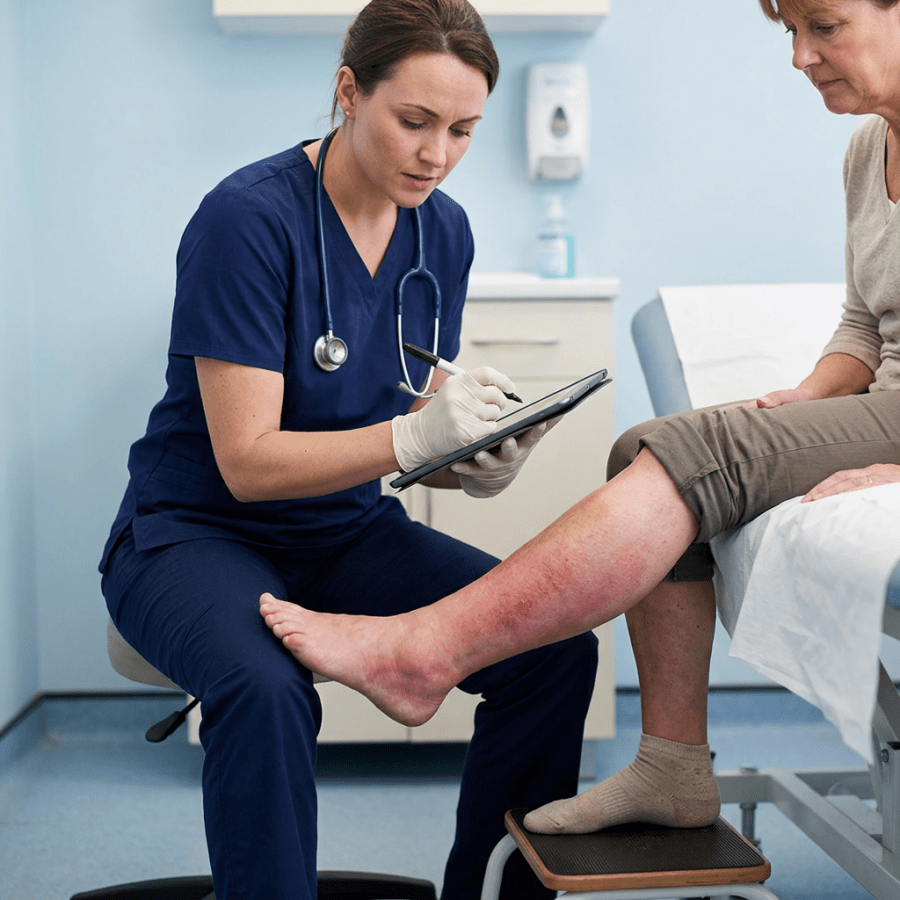
Nurse documenting examination of patient's reddened lower leg

Cellulitis – a soft tissue/skin infection – is it MRSA?

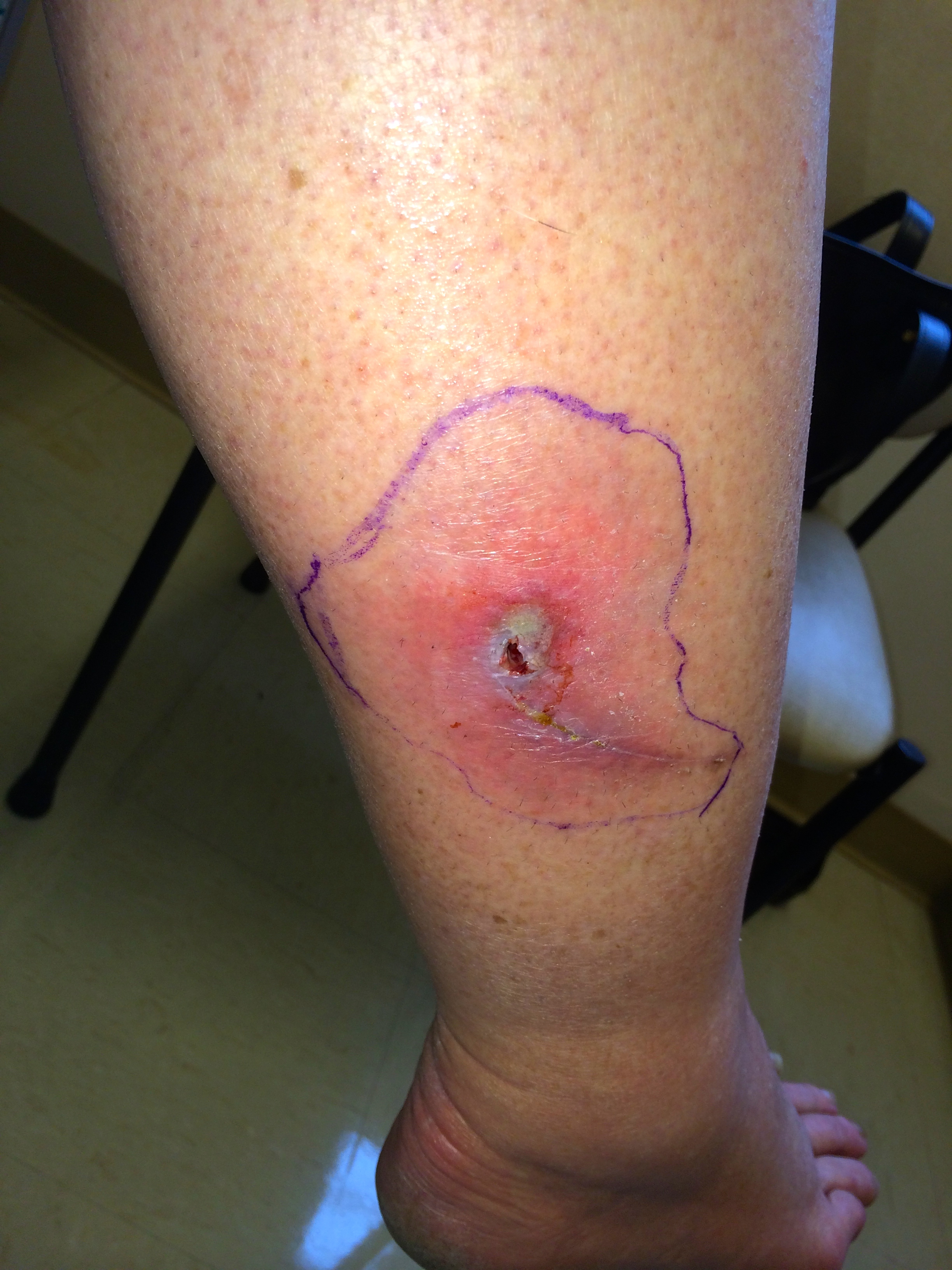
IMG_5864Cellulitis is an infection of the skin and soft tissues.  It is common and most often it’s caused by bacteria that normally live on the skin.  These bacteria don’t normally cause any problems unless the skin is scratched, torn or punctured.  The most common bacteria that cause cellulitis are streptococci “Strep” or staphylococci “Staph.” Most of the time cellulitis is mild and heals with the use of antibiotics, however it can become severe and cause an infection that spreads throughout the body if left untreated.  It can also lead to deep infections called abscesses. Risk factors: 1)   Chronic skin condition such as eczema or psoriasis 2)   Accumulation of fluid (edema) due to poor circulation possibly from heart failure, liver disease, or removal of lymph nodes 3)   Recent injury, wound, cut or laceration to the skin 4)   Current skin infection such as athlete’s foot or impetigo 5)   Being overweight Symptoms:  Pain, tenderness, increased warmth, redness and swelling in a distinct area of skin.  The skin can be smooth and shiny in this area.  Fever and chills are not usually present. Other skin infections:  different kinds of infections that can be confused with cellulitis include an abscess or boil.  These are different because they are usually bumpy, raised and filled with pus.  Abscesses are usually caused by a staph bacteria which may be MRSA.  Cellulitis is more commonly caused by “strep” bacteria. Treatment:  We commonly use antibiotics and also treat the underlying problem that caused the skin infection (such as athlete’s food or increased edema, eczema or psoriasis) if present. Keeping the area elevated to reduce inflammation is also helpful.  It is important to keep the infected area clean and dry.  Showering or bathing can be done normally, but pat the area dry with a clean towel afterwards to dry the area completely.  You can also use a bandage or gauze to protect the skin if needed. Antibiotics are often used and will be tailored to the individual patient.  The patient’s specific area of infection, medical history, history of allergies and examination will be important in determining the proper antibiotics to use.  Sometimes the antibiotics will need to be given by IV in more serious cases of cellulitis. Treatment time:  In most cases, the swelling, warmth and redness should improve within 1-3 days after starting the antibiotics.  We often use a Sharpie marker and draw a circle around the area of redness so that we can examine the red area over a few days to see if it’s increasing, decreasing or staying the same.  Symptoms of redness and swelling can persist for up to 2 weeks but it should be gradually decreasing.  If it’s not improving, you should call or return to your health care provider for re-evaluation.   I hope that you have found this information useful.  Wishing you the best of health,

Cellulitis of the lower leg often starts at a crack or a small cut on the foot, and with diabetic neuropathy that break can go unnoticed until the whole leg is red. It is the reason I keep after people about the diabetic foot check and what to look for.

Updated for 2026: Pus or No Pus Decides the Antibiotic

The most useful thing I can add to this post is a distinction that was fuzzy in 2012 and is now the thing the whole treatment decision turns on. Is there pus, or is there not. If there is an abscess, a pocket of pus you can feel giving under your finger, that is usually staph, MRSA is on the table, and it needs drainage plus an antibiotic that covers MRSA. I have written about that separately. If it is plain cellulitis, meaning spreading red, warm, tender skin with no drainable pocket, that is usually strep, and a cephalosporin like cephalexin is the right drug. Adding MRSA coverage on top does not help, and this has been tested directly. Moran and colleagues randomized patients with uncomplicated cellulitis to cephalexin plus trimethoprim-sulfamethoxazole or cephalexin alone. Cure was 83.5 percent against 85.5 percent (1). No benefit, two drugs, more side effects. So if you have been handed two antibiotics for a red leg with no abscess, that is worth a conversation. The 2014 infectious disease guidelines remain the operative document here and have not been superseded (2).

Draw a Line Around It

This is the single most useful thing you can do, and it is more valuable to me on a video visit than almost anything else. Take a pen and trace the edge of the redness. Write the time next to it. Then photograph it. When we talk tomorrow, or if you end up in an urgent care instead, that line answers the only question that really matters, which is whether this is advancing, holding, or retreating. Redness that has crossed well past the line in a few hours is a different problem from redness that has not moved. Without the line, everyone is guessing from memory, and memory is bad at this.

What I Can and Cannot Tell From a Screen

I can see color, extent, and whether there is an obvious pocket. I can ask about fever, chills, how fast it came on, whether there was a break in the skin, and how your blood sugars have been. What I cannot do is feel it. Warmth and firmness are things I am taking your word for, and the difference between cellulitis and something deeper and far more dangerous is partly a matter of how the tissue feels and how much pain there is relative to how it looks. That last one matters. Pain out of proportion to the appearance is a red flag I take seriously, and it is a reason for me to send you in rather than treat from here. Good photographs help more than people expect. Natural light, the same angle each time, and something for scale.

When To Be Seen, Today

Fever or chills. Redness advancing visibly past your marked line. Pain that seems far worse than the skin looks, or skin that is dusky, blistering, or numb. Cellulitis on the face. Any of this in someone diabetic, immunosuppressed, or with poor circulation. And no improvement after forty eight hours on the right antibiotic. The rapidly advancing, severely painful ones are surgical emergencies, not prescriptions, and they are the reason I would rather over-refer than under-refer on this particular condition.

The Bottom Line

No pus means a cephalosporin, and adding a second antibiotic for MRSA does not improve anything. Pus means drainage. Draw a line around the redness and note the time, because that line is the best data anyone will have.

Sources

1. Moran GJ, et al. Effect of Cephalexin Plus Trimethoprim-Sulfamethoxazole vs Cephalexin Alone on Clinical Cure of Uncomplicated Cellulitis. JAMA. 2017;317(20):2088-2096. https://jamanetwork.com/journals/jama/fullarticle/2627970 2. Stevens DL, et al. Practice Guidelines for the Diagnosis and Management of Skin and Soft Tissue Infections: 2014 Update. Clin Infect Dis. 2014;59(2):e10-e52. https://www.idsociety.org/practice-guideline/skin-and-soft-tissue-infections/

Related Reading

Abscesses and MRSA: What To Do About a Skin Infection Am I Truly Allergic to Penicillin? When to Use Telemedicine vs. Urgent Care: How I Spot the Sick One Newly Diagnosed With Type 2 Diabetes: What You Should Know Deep Vein Thrombosis (DVT): Blood Clot in the Leg Explained Ringworm, Athlete’s Foot and Jock Itch and Fungal Nail Infections – “There Are Fungus Among Us” Scott Rennie, D.O.

Board Certified in Obesity Medicine and Family Medicine

This blog is for educational purposes only and does not constitute individual medical advice. Always consult your own physician before making changes to your health, medications, or treatment plan.

A clinician in scrubs and gloves preparing a length of sterile gauze for a dressing.

Abscesses – What to do about MRSA (Methicillin-resistant Staphylococcus aureus)

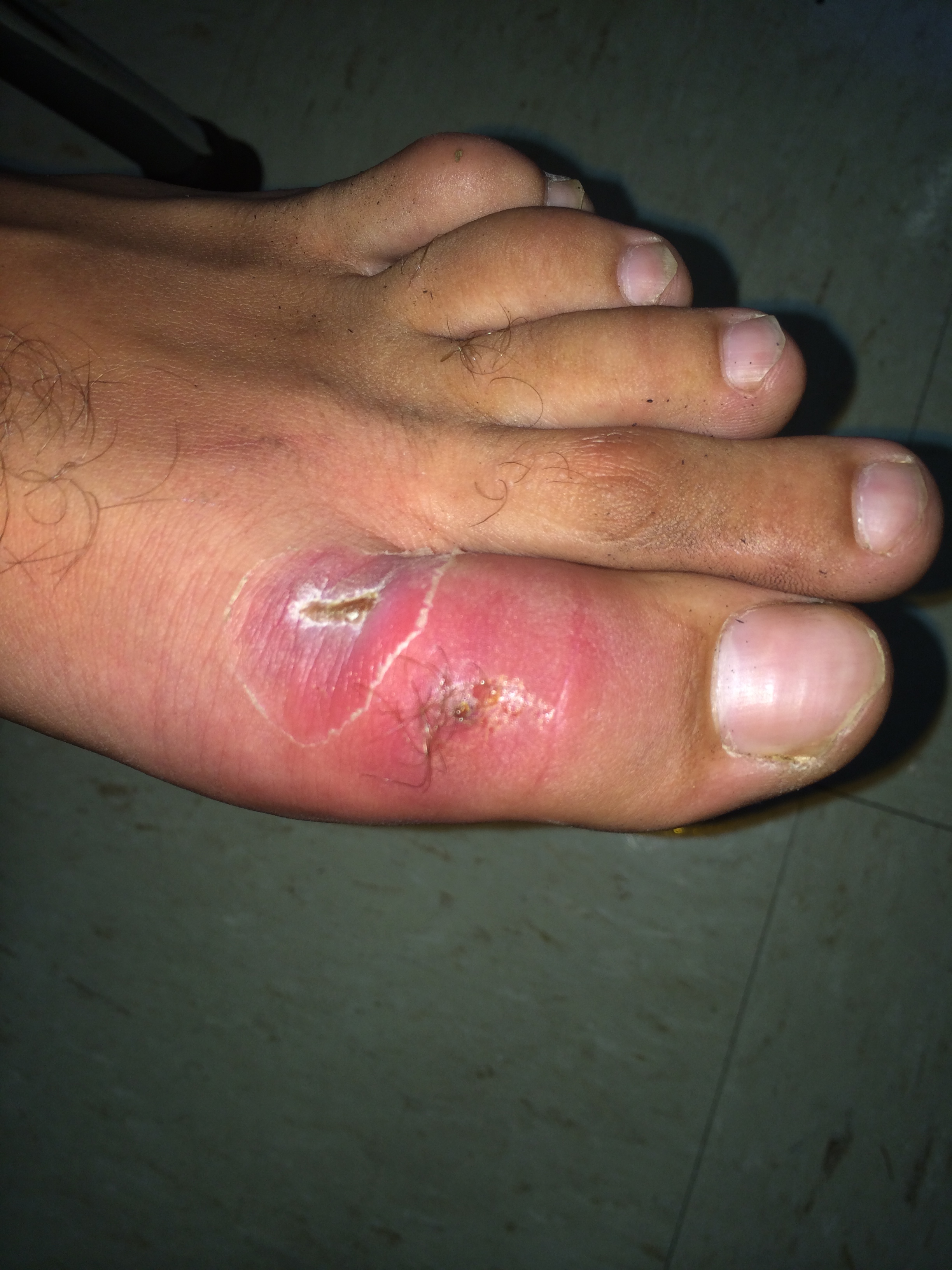
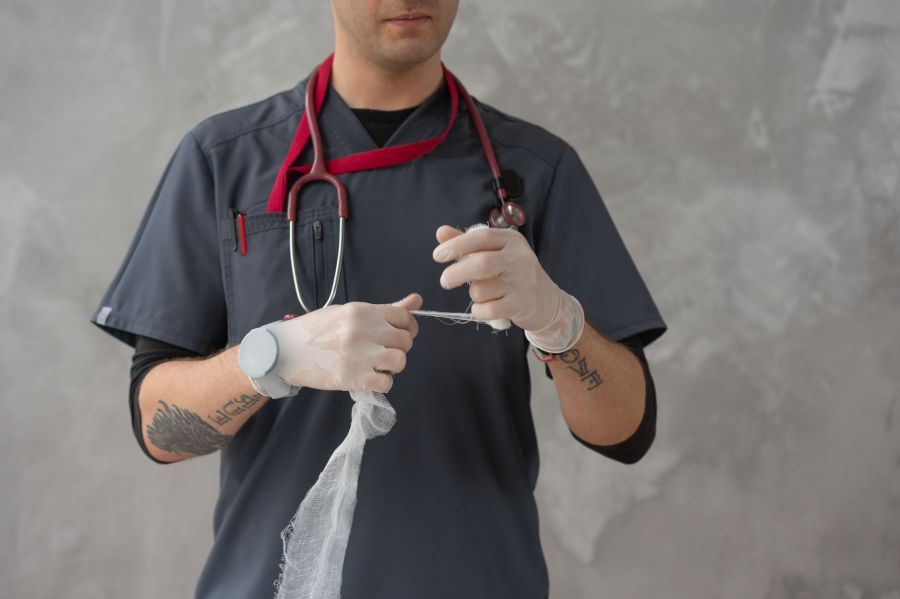
IMG_5872“Staph” infections are most often caused by the organism Staphylococcus aureus, a bacterium that is carried on the skin of about 30% of healthy individuals.  Most of the time, these bacteria do not cause any symptoms. They just hang out on the skin because the skin is a natural layer of defense against infections.  If the skin is damaged, even from a small scratch however, Staph can cause anything from a mild skin infection to a severe, life-threatening illness, especially in young children or older adults. The difference between normal Staph infections and MRSA Infections:  Staph infections in the past were treated with antibiotics such as penicillin.  Some strains of Staph have unfortunately become resistant to penicillin and related antibiotics.  These strains of MRSA cannot be cured with traditional penicillin-related medications.  MRSA is now found in up to 70% of people in the community with a diagnosed staph infection. The spread of MRSA:  Many people become “colonized” with MRSA and that means that they carry the bacteria on their skin or in their nose.  It doesn’t cause any problems unless there is an opening in the skin from a scratch or cut.  You can become colonized with MRSA bacteria in several ways: 1)   Touching the skin of someone else who has been colonized with MRSA 2)   By touching or inhaling small droplets from breathing, coughing or sneezing 3)   By touching a contaminated surface such as a phone headset, countertop or door handle Community MRSA:  You can more easily pick up MRSA by: 1)   Being overweight or obese 2)   Shaving body hair 3)   Sharing personal items or equipment that is not cleaned 4)   Skin trauma such as turf burns, cuts or sores 5)   Physical contact with someone with a draining cut or sore that has MRSA Symptoms:  A skin infection is the most common symptom and it may be mistaken for a spider bite.  A raised, red lump that is tender or cluster of  “pimples,” or large tender lump that drains pus may also be present.  If the bacteria enter the bloodstream, it is possible to develop an infection in areas other than the skin.  A staph infection can occur in a heart valve, inside a bone, a joint or in an implanted device such as an IV line, pacemaker or replacement joint.  Symptoms of these types may include fever, fatigue as well as swelling in the infected area. Diagnosis:  To actually diagnose a true MRSA infection, a culture of the infected area must be performed.  A small sample of bacteria or pus collected from the skin or bloodstream is collected and allowed to grow in an environment that the bacteria thrive in, and then we test these bacteria for resistance to certain antibiotics, including penicillin. Treatment:  in patients with community acquired MRSA we use antibiotics that may be different than patients who develop MRSA in the hospital.  This is because community acquired MRSA is usually sensitive to antibiotics such as Bactrim, clindamycin, or doxycycline.  MRSA that is acquired in the hospital often has to be treated with antibiotics given through an IV such as Vancomycin. A surgical procedure called an I&D (incision and drainage) can be done to drain the pus and heal the infection. If you’ve had an incision and drainage done at your doctor’s office:  After having a surgical procedure done at your doctors office, the wound is often packed with sterile gauze to allow the wound to heal from the bottom upwards.  This way, the wound doesn’t close up at the top and leave a space underneath the top of the skin where bacteria can start growing and cause an infection.  This type of wound needs special attention and observation each day. Basics of wound care after an I&D (incision and drainage): 1)   Keep the bandage/wound clean and dry. 2)   Only remove the bandage to clean around the wound and follow the advice of your medical provider on how to do this. 3)   The packing gauze should be removed little by little until the wound heals completely.  The decision on how much to remove (if any) should be made by a medical provider but this can be explained to the patient on an individual basis (ie. Wounds heal differently depending on the situation). 4)   You may need to wear a splint to decrease movement to the area and allow wound healing. 5)   Antibiotics and pain medication may be prescribed. Prevention:  The CDC has made several recommendations about how to prevent and control MRSA in our communities: 1)   Wash hands with soap and water paying special attention to the fingernails, wrists and between the fingers. 2)   If a sink is not available, alcohol-based hand sanitizers are a good alternative. 3)   Cover all cuts and scrapes and keep them clean until healed. 4)   Don’t touch wounds or bandages from other people 5)   Avoid sharing towels, razors, clothing, uniforms, towels, brushes, combs, make-up and towels. 6)   Athletes should shower after every sports activity and use soap and clean towels. 7)   Exercise equipment at sports clubs and schools should be wiped down with an alcohol-based solution after using it. Care for family members:  Our guidelines do not recommend that family members with MRSA be treated with antibiotics.  Proper preventative measures as described above, should be used. Should I be tested?:  Experts do not recommend widespread testing for MRSA because of the small risk of infection.  Currently only 4 out of 10,000 people in our communities develop a MRSA infection per year.   I hope that you have found this information useful.  Wishing you the best of health,

Recurrent boils and abscesses are one of the reasons I end up asking about someone’s blood sugar, since diabetes both invites skin infections and slows the healing after they are drained. If that is where you are, start with what a new diagnosis of type 2 diabetes actually means. Most of my writing now is obesity and metabolic medicine, including what Wegovy and Zepbound cost without insurance.

Updated for 2026: What Has Changed Since I Wrote This

I first published this in 2012. Most of it held up. One part did not, and the change matters enough that I would rather correct it here than leave it sitting. Back then the teaching was that a small abscess, once drained, did not need antibiotics. Drainage was the treatment. Antibiotics were for people who looked sick, ran a fever, or had redness spreading past the lump. That is what I wrote. It is what most of us were taught. Two randomized trials changed it. In 2016, Talan and colleagues published a placebo-controlled trial in the New England Journal of Medicine. Everyone got drainage. Half then got trimethoprim-sulfamethoxazole and half got placebo. Cure was 92.9 percent with the antibiotic against 85.7 percent with placebo (1). The following year Daum and colleagues ran a similar trial in smaller abscesses, adults and children together, comparing clindamycin, TMP-SMX, and placebo after drainage. Cure came in at 83.1 percent, 81.7 percent, and 68.9 percent. Clindamycin had fewer recurrences, 6.8 percent against 13.5 percent, and more diarrhea (2). Drainage still does the heavy lifting. But adding an antibiotic afterward buys a real, measurable improvement, and I now recommend it for most drained abscesses instead of holding it back for the ones who look ill. One limit worth knowing, because it cuts the other way. The benefit is specific to pus. In 2017 Moran and colleagues tested cephalexin plus TMP-SMX against cephalexin alone in uncomplicated cellulitis with no abscess. No difference, 83.5 percent against 85.5 percent (3). No pocket of pus, no reason to add MRSA coverage.

What This Actually Means on a Video Visit

I practice entirely by video, so let me be straight about what I can and cannot do with an abscess on a screen. I can look at it. I can ask you to press on it and tell me whether it feels like a firm knot or a soft pocket that gives under your finger. I can ask how fast it came up, whether you have had fever, how your blood sugars have been running. What I cannot do is drain it. If there is pus under there, somebody has to open it, and that somebody has to be in the room with you. So here is the honest version. Send me a photo of a red, painful, fluctuant lump and I am going to tell you it needs to be drained, and help you work out where to go. Once it has been drained, the antibiotic afterward is something I can handle from here without any trouble.

When You Need To Be Seen Today

Fever or chills. Redness spreading well past the edge of the lump. An abscess on your face, particularly near your eyes or nose. Poorly controlled diabetes, or a suppressed immune system. No improvement forty eight hours after drainage and antibiotics. Any of those and you belong in front of someone in person, not on a screen (4).

The Bottom Line

Cutting it open is still what fixes an abscess. The 2012 version of this post told you that was usually enough by itself. The evidence since then says an antibiotic afterward makes a real difference, and that is how I practice now.

Sources

1. Talan DA, et al. Trimethoprim-Sulfamethoxazole versus Placebo for Uncomplicated Skin Abscess. N Engl J Med. 2016;374(9):823-832. https://pmc.ncbi.nlm.nih.gov/articles/PMC4851110/ 2. Daum RS, et al. A Placebo-Controlled Trial of Antibiotics for Smaller Skin Abscesses. N Engl J Med. 2017. https://pmc.ncbi.nlm.nih.gov/articles/PMC6886470/ 3. Moran GJ, et al. Effect of Cephalexin Plus Trimethoprim-Sulfamethoxazole vs Cephalexin Alone on Clinical Cure of Uncomplicated Cellulitis. JAMA. 2017;317(20):2088-2096. https://jamanetwork.com/journals/jama/fullarticle/2627970 4. Stevens DL, et al. Practice Guidelines for the Diagnosis and Management of Skin and Soft Tissue Infections: 2014 Update. Clin Infect Dis. 2014;59(2):e10-e52. https://www.idsociety.org/practice-guideline/skin-and-soft-tissue-infections/

Related Reading

When to Use Telemedicine vs. Urgent Care: How I Spot the Sick One Allergic Antibiotic Drug Reactions: Am I Truly Allergic to Penicillin? Cellulitis – a soft tissue/skin infection – is it MRSA? What is Hidradenitis suppurativa? Pilonidal Cysts – A pain in the rear Epidermal Inclusion Cysts Explained: What Are They? Scott Rennie, D.O.

Board Certified in Obesity Medicine and Family Medicine

This blog is for educational purposes only and does not constitute individual medical advice. Always consult your own physician before making changes to your health, medications, or treatment plan.

Clustered fluid-filled blisters on reddened skin of the torso

Shingles – “You mean I have Herpes?”

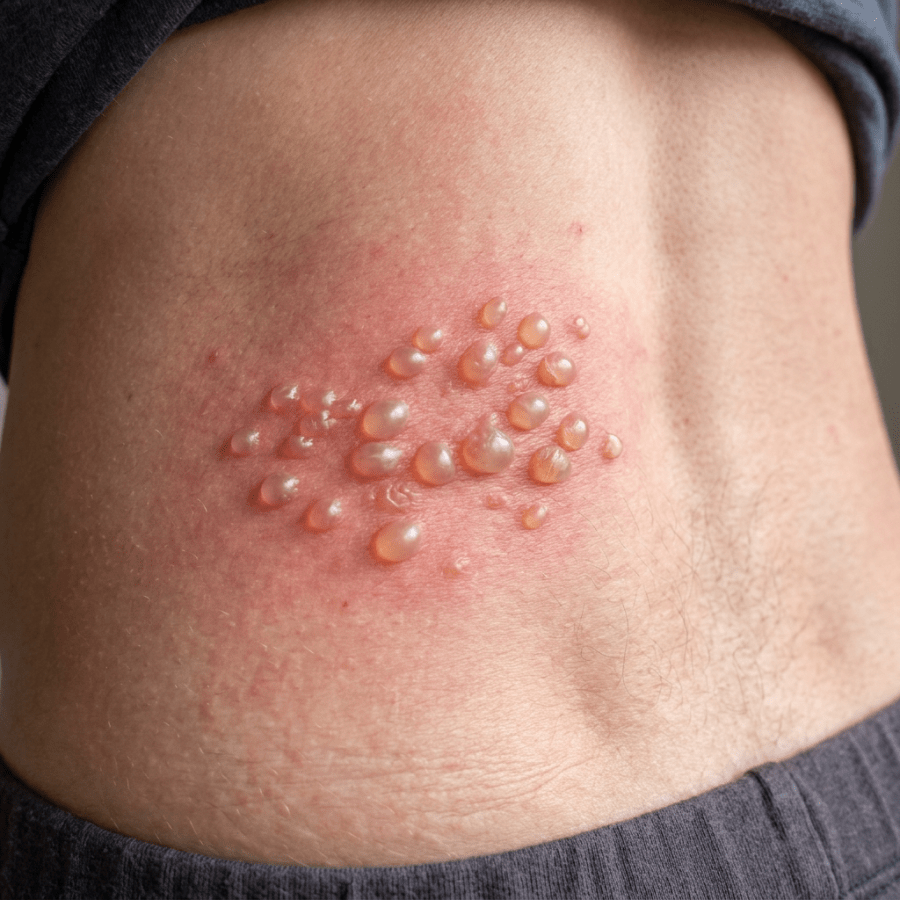
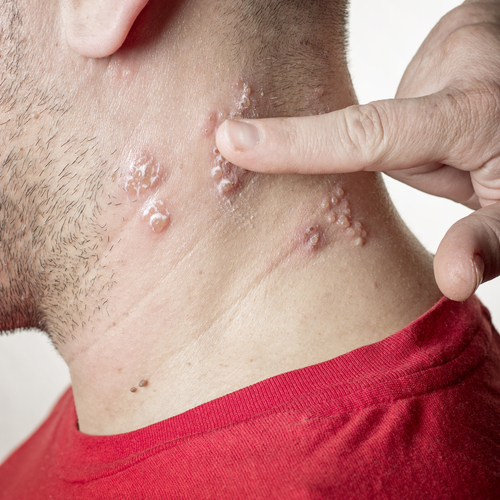
shutterstock_134601161Shingles, also called Herpes zoster is a painful rash caused by the same virus that causes chickenpox.  The term “shingles” comes from the latin word “cingulum” which means belt or girdle; the rash usually appears in a band or belt-like pattern. Singles can occur in people of all ages, but is more common in adults over age 50.  It can also be more common in those people with a weakened immune system. Cause:  After chickenpox goes away, the virus retreats to cells in the nervous system and hides out there quietly for many years.  Later in life, the varicella zoster virus can become active again and cause shingles.  There are many different types of herpes virus and shingles/chickenpox are a different form of herpes than the type that cause cold sores or genital herpes.   You are not at risk for getting cold sores or genital herpes by being around someone who has shingles or chickenpox. Risk of getting shingles:  About 20% of people will get shingles at some point in their life.  Some people actually get the recurrence of shingles multiple times.  Although it only occurs in people who have had chicken pox in the past, sometimes the chickenpox is mild enough that you might not even be aware that you have had it. Weakened immune system:  Certain people are more at risk for developing shingles if their immune system is compromised: 1)   Chemotherapy treatment for cancer 2)   Cancer itself can lower the immune system 3)   HIV 4)   Medications that suppress the immune system – such as after an organ transplantation or medications used to treat rheumatoid arthritis Symptoms:  Parasthesias are unusual sensations that may occur before any rash is noted.  It’s described as a tingling, itching or burning in the area of skin on one side of the body.  Some individuals develop a fever or headache, but many do not.  Within a day or two a rash of blisters occur on one side of the body in a band-like pattern.  The rash may occur on the chest, upper or lower back or even on the face.  If it occurs on the face near the eye, it can permanently affect the vision, so we will often have those patients be seen by an eye doctor. Shingles pain can be mild, moderate or severe and is usually described as a stabbing or burning pain.  The pain usually stays in the area of the rash and can interfere with sleep and daily activities.  Older adults typically have worse pain than younger patients. After 3-4 days the blisters usually become open sores or ulcers.  Rarely, the patient can develop a secondary bacterial infection in the area of the shingles rash.  We treat any underlying bacterial infection with antibiotics.  The sores then crust over and are not infectious after 7-10 days and the rash gradually resolves within 3-4 weeks.  Scarring or skin changes can occur.  Most of the time, no chronic problems occur after someone has a shingles outbreak. Can I catch it from someone else?   You can’t catch shingles from someone else but you can become infected with the varicella zoster virus.  If you’ve never had chickenpox or the vaccine, you can develop it after being in contact with someone who has shingles.  Even inhaling virus particles that are in the air can spread the infection.  If you have had chickenpox or the vaccine, being near someone with shingles will not cause shingles or chickenpox. Possible complications of shingles:  Possible complications of a shingles infection can occur: 1)   Pain called postherpetic neuralgia is the most common complication.  Is is usually described as a burning pain that affects 10-15% of patients after the rash has resolved. 2)   Skin infection from a bacteria can delay healing 3)   Eye complications can occur if the virus is on the face near the eyes Treatment:  There are multiple medications that can be used to treat shingles.  We try to keep the skin clean and dry to decrease the chance of developing a bacterial infection.  Some options might include: 1)   Antivirals such as acyclovir, famciclovir or valacyclovir are most effective when started within 3 days after the rash appears.  They stop the virus from multiplying and speed the healing of skin lesions.  This decreases the amount of pain the patient experiences 2)   Pain medication such as Ibuprofen, Aleve or prescription pain medication may be prescribed Return to work:  If the blisters are on the face, it is best to remain off work until the area has crusted over which is usually 7-10 days.  If the blisters can be covered, you can return to work after you are feeling well.  If you work in a healthcare facility, please consult your healthcare provider. Prevention:  There is a vaccine to help reduce the risk of shingles.  If a shingles infection occurs after the vaccine, it is usually less severe and there is less chances of developing post-herpetic neuralgia.  We recommend the vaccine for adults over age 60.  Even if you are unsure if you had chickenpox, we recommend the vaccine.  We don’t give the vaccine to pregnant women, or those with a weakened immune system.   I hope that you have found this information useful.  Wishing you the best of health,
When the pain outlasts the rash, gabapentin is one of the first drugs offered for postherpetic neuralgia, so it is worth reading where the gabapentin and dementia risk question stands before you start it.

Updated for 2026: The Vaccine in This Post No Longer Exists

That is not an exaggeration. When I wrote this in 2012, the shingles vaccine was Zostavax, a single live vaccine for adults sixty and over. Zostavax was discontinued in the United States on November 18, 2020 (1). You cannot get it. If this post sent you looking for it, that is on me, and here is what replaced it. Shingrix is now the only zoster vaccine available here. It is not live, it is given as two doses two to six months apart, and it is recommended for immunocompetent adults fifty and older (2). Two things people get wrong about it. You still need it if you have already had shingles. Having had it once does not protect you, and plenty of people get it twice. You also still need it if you had Zostavax years ago. Shingrix is recommended regardless (2).

If Your Immune System Is Suppressed

This is the group that had nothing in 2012, and it is the change that matters most. Because Zostavax was a live vaccine, immunocompromised patients could not have it, and they are precisely the people at highest risk. Shingrix is not live. In October 2021 the recommendation was extended to immunocompromised adults nineteen and older (2). The protection is real, though lower than in healthy adults, and it varies by situation. In people who had received their own stem cell transplant it was 68.2 percent. In people with blood cancers, 87.2 percent. In people on immunosuppressants for immune mediated disease, 90.5 percent (2). If you are on a biologic, on chemotherapy, or post transplant and nobody has raised this with you, raise it yourself. The interval can be shortened to one to two months if you need protection sooner. One technical point worth knowing: if the second dose lands less than four weeks after the first it does not count and has to be repeated. If more than six months go by, you do not start over, you just get the second dose (2).

Treatment, and the Seventy Two Hour Window

This part has not changed and it is still the thing that decides how your next few months go. Acyclovir 800 milligrams five times daily, valacyclovir 1,000 milligrams three times daily, or famciclovir 500 milligrams three times daily, all for seven days, and started within seventy two hours of the rash appearing (3). Seventy two hours. That is the whole game. Antivirals started inside that window shorten the illness and reduce the chance of the nerve pain that follows. Started late, they do much less. This is one of the better arguments for a same day video visit. You do not need anyone to touch you to start this, you need somebody to look at the rash quickly and act.

The Pain That Comes After

Postherpetic neuralgia is the reason shingles has a reputation. For what actually helps, the numbers are worth seeing side by side, expressed as how many people need treating for one to benefit. Tricyclics like nortriptyline do best on paper, around three, though roughly a quarter of people stop them over side effects. Pregabalin up to 600 milligrams a day comes in around four. Gabapentin, at a genuinely therapeutic 1,800 to 3,600 milligrams a day, around eight. The clinician applied capsaicin 8 percent patch, around seven. The lidocaine 5 percent patch has a very good safety profile and thinner evidence behind it (3). The gabapentin number is the one I would flag. It works, but only if it is pushed to a real dose. A great deal of gabapentin gets prescribed at 300 milligrams at bedtime, never titrated, and then written off as ineffective. That is an under dosing problem, not a drug problem.

When This Needs More Than a Video Visit

Shingles on the forehead, around the eye, or on the tip of the nose. That last one, the Hutchinson sign, predicts eye involvement, and this needs an ophthalmologist the same day, not tomorrow. A rash crossing more than about three dermatomes or scattered widely, especially if your immune system is suppressed, because that can mean the virus has spread internally. Facial droop, hearing change, or vertigo with a rash in or around the ear, which suggests Ramsay Hunt syndrome. Confusion, a stiff neck, or any neurologic change.

The Bottom Line

If you are fifty or over, or nineteen and over with a suppressed immune system, get Shingrix, two doses, even if you have had shingles before and even if you had the old vaccine. If a rash starts, be seen within seventy two hours. And if you end up on gabapentin for the nerve pain afterward, make sure somebody actually titrates it.

Sources

1. CDC. Zostavax discontinued in the United States as of November 18, 2020. https://archive.cdc.gov/www_cdc_gov/vaccines/vpd/shingles/public/zostavax/index.html 2. Anderson TC, et al. Use of Recombinant Zoster Vaccine in Immunocompromised Adults Aged 19 Years and Older: ACIP Recommendations, United States, 2022. MMWR. 2022;71(3):80-84. https://pmc.ncbi.nlm.nih.gov/articles/PMC8774159/ 3. Herpes Zoster and Postherpetic Neuralgia: Prevention and Management. American Family Physician. November 15, 2017. https://www.aafp.org/pubs/afp/issues/2017/1115/p656.html

Related Reading

When to Use Telemedicine vs. Urgent Care: How I Spot the Sick One Am I Truly Allergic to Penicillin? All about Cold Sores (Oral Herpes) The Viral Rash – Exanthem How to Manage Chronic Pain Without Relying on Medication Scott Rennie, D.O.

Board Certified in Obesity Medicine and Family Medicine

This blog is for educational purposes only and does not constitute individual medical advice. Always consult your own physician before making changes to your health, medications, or treatment plan.

Swimmer’s Ear (Otitis Externa): How to Spot and Treat It

Otitis externa, commonly known as “Swimmer’s Ear,” is a frequent condition we see in the clinic—especially in the warmer months or among frequent swimmers. It occurs when the delicate skin lining the ear canal becomes inflamed, often due to moisture, infection, or irritation.

What Causes It?

Swimmer’s ear can result from bacterial or fungal infections, but it can also be triggered by allergies, eczema, or psoriasis. The nickname “Swimmer’s Ear” comes from its strong association with prolonged water exposure, which creates an ideal environment for bacteria to grow.

How It Differs from a Middle Ear Infection

Many people use the term “ear infection” to refer to otitis media, which affects the middle ear behind the eardrum. Otitis externa, on the other hand, affects the outer ear canal—and the treatment and causes are different.

Risk Factors

Several things can increase your risk of developing otitis externa:

  • Over-cleaning the ears, which strips away protective earwax and may scratch the canal.

  • Swimming, especially in untreated water, can trap moisture in the ear.

  • Hearing aids, ear plugs, or in-ear headphones that block airflow and may trap moisture.

  • Skin trauma, such as from Q-tips or fingernails, can create entry points for infection.

Symptoms

Look out for:

  • Ear pain, especially when tugging on the outer ear.

  • Itching deep in the ear canal.

  • Fluid drainage, including pus or clear fluid.

  • Swelling or muffled hearing—the canal may swell shut in more severe cases.

Diagnosis

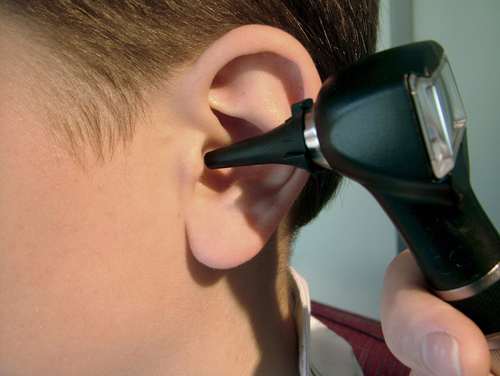
Your healthcare provider will examine the ear using an otoscope—a small lighted tool that allows them to see signs of redness, swelling, or discharge in the ear canal.

Treatment

The main goals of treatment are to:

  1. Clear the infection.

  2. Reduce inflammation and pain.

  3. Prevent recurrence.

Depending on the case, we may flush the ear canal gently with a mix of water and hydrogen peroxide to remove debris and bacteria. Most patients will be prescribed antibiotic ear drops, often with a small amount of steroid to reduce inflammation.

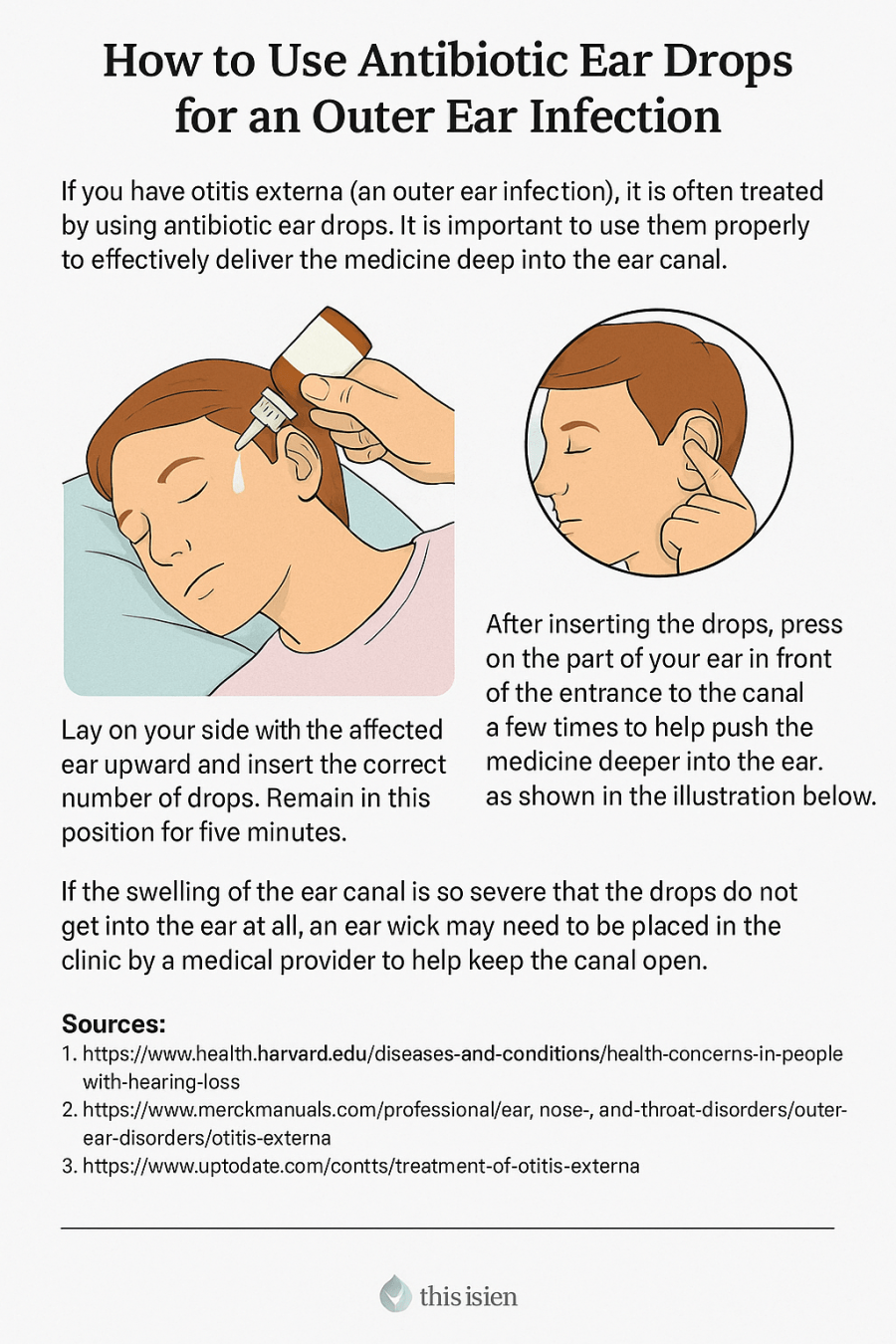
How to Use Ear Drops Properly

Correct technique matters. Follow these steps to make sure the medication gets deep into the canal:

  1. Lie on your side with the affected ear facing up, or tilt your head.

  2. Place the prescribed number of drops into the ear canal.

  3. Stay in that position for 20 minutes, or use a small cotton ball at the ear opening to help hold the drops in.

  4. Finish the full course of treatment, even if you feel better in a few days.

  5. Call your provider if symptoms persist after 36–48 hours.

If the ear canal is too swollen for drops to enter, this may require an in-person visit for placement of a wick—a small sponge that helps carry the medication deeper into the canal.

Pain Management

Most cases respond well to ibuprofen or naproxen (Aleve). Prescription pain relievers are rarely needed.

Protect the Ear During Treatment

  • Avoid getting the ear wet. During showers, cover the ear with a dry cotton ball.

  • Do not swim for 7–10 days after starting treatment.

  • Avoid inserting hearing aids, earbuds, or Q-tips until fully healed.

Prevention Tips

To reduce the risk of future infections:

  • Never insert Q-tips, fingers, or towels deep into the ear canal.

  • Dry your ears after swimming by shaking them out or using a blow dryer on low, held at least 12 inches away.

  • Use over-the-counter drying drops after swimming.

  • Swim with earplugs designed to keep water out of the canal.


Scott Rennie, D.O.
Board Certified in Obesity Medicine and Family Medicine

This blog is for educational purposes only and does not constitute individual medical advice. Always consult your own physician before making changes to your health, medications, or treatment plan.