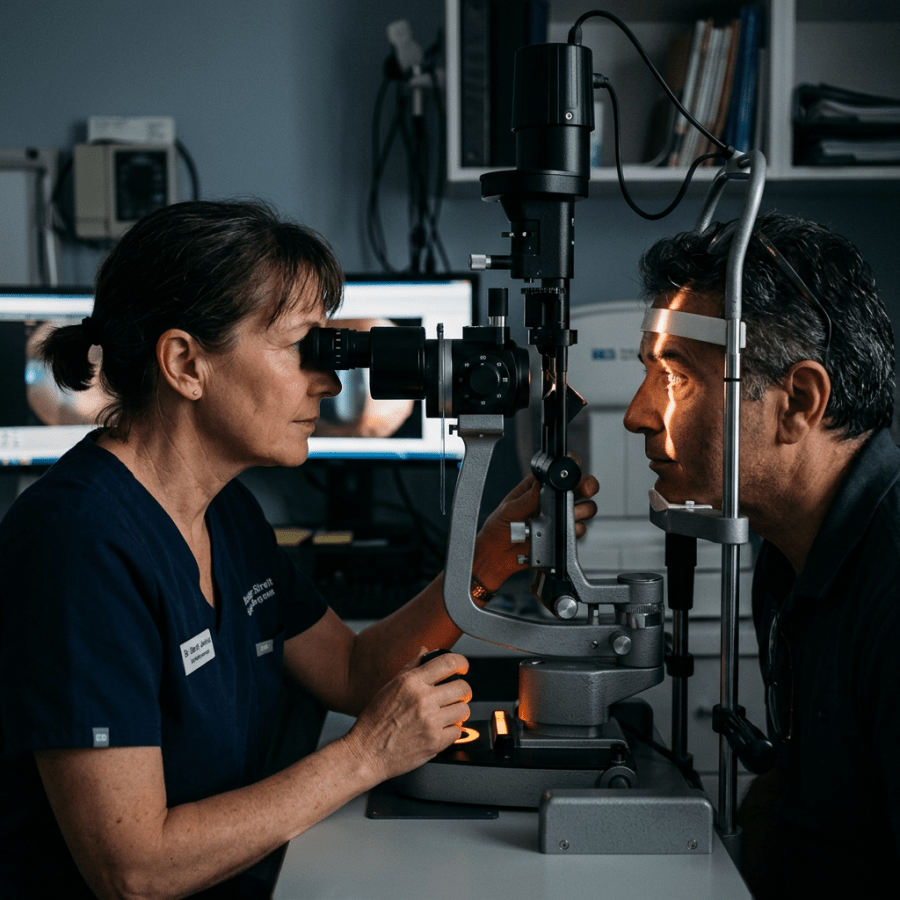
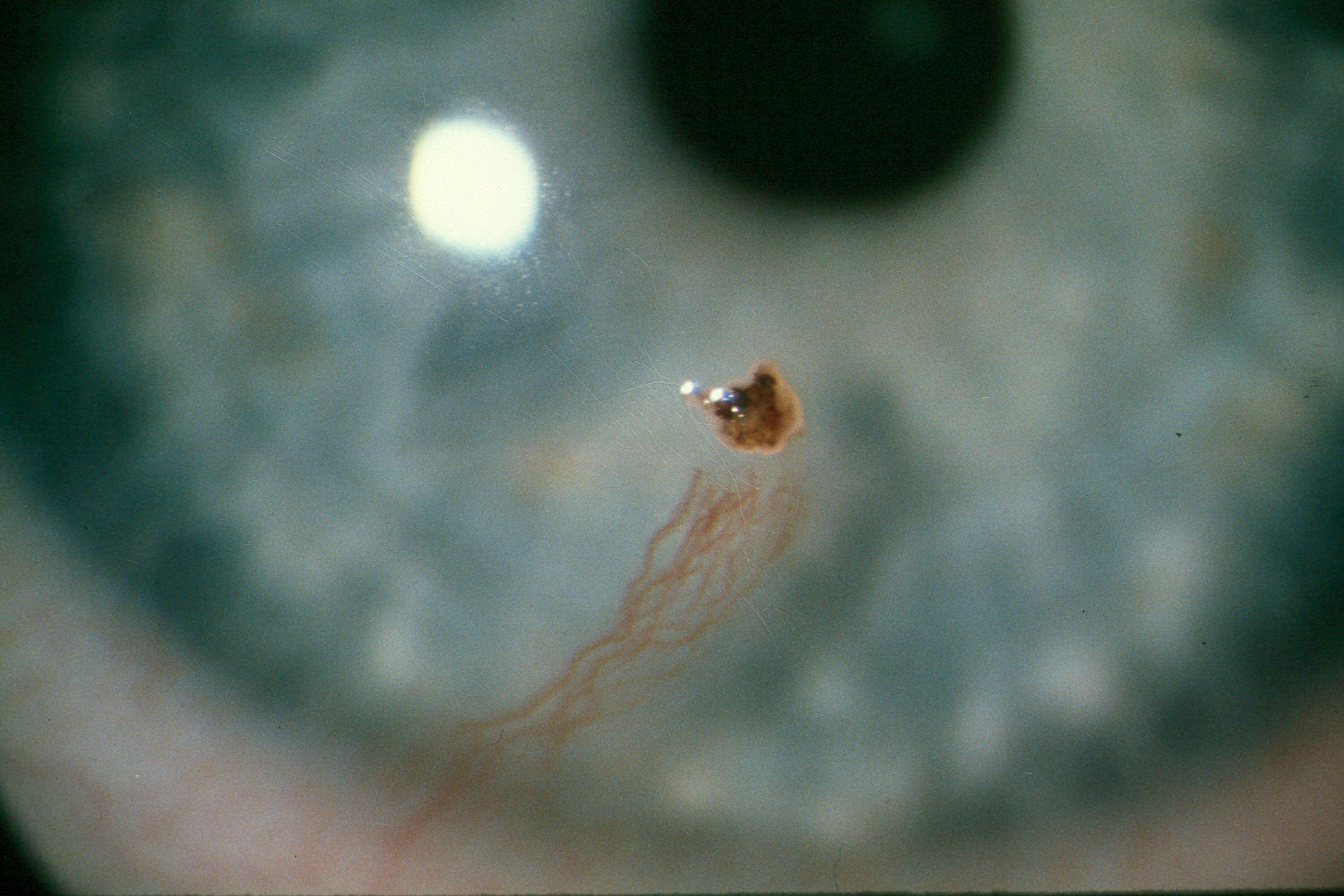
Eye care professional examining a patient's eye with a slit-lamp microscope

Help, I got something into my eye – Corneal Abrasions and foreign bodies

Photo credit:  http://www.varga.org/Physician%20Assistant%20Photos.htm This morning a patient came into the urgent care complaining that he felt like he got something into his right eye after doing some weed whacking with a string trimmer yesterday afternoon.  He tried irrigating his eye at home with his wife’s help but it still feels very irritated so he decided to come in for evaluation.  Patient’s often wonder what to do when they get something in their eye and whether they should be seen in the clinic. When we get something in our eye and it disrupts the surface layer, we call this a corneal abrasion.  Even if the piece of dirt, sand or other object has been removed, simply having scratched the surface layer of the eye can be painful for days and even lead to an eye infection.  We usually classify this type of injury based on whether the reason for the scratch to the surface layer of the eye is due to trauma, a foreign body such as a piece of dirt or sand, contact lens related or spontaneous. Symptoms:  The outside layer of the eye called the cornea has lots of sensory pain fibers.  Patients typically complain of excruciating eye pain and difficulty opening the eye due to feeling like they have something in the eye.  Patients are often not comfortable enough to drive, read or work and often cannot sleep.  If patients keep trying to wash the object out, it can lead to further damage to the surface of the eye. Complications:  If a piece of metal becomes embedded within the surface layer of the eye, it can rust and can cause a permanent rust ring within the eye than can affect vision.  It’s important to make sure any metal is removed as soon as possible.  Foreign objects within the eye can also lead to bacterial infections that can cause redness, swelling, drainage and even permanent eye damage if not treated. Treatment:  After a thorough evaluation often with specialized equipment to look at the cornea, visual testing and specialized eye tests, the treatment will depend on what we find, but may include: 1)   Remove the foreign body – this may be done using irrigation, or with instrumentation and a slit lamp (if available) 2)   Topical antibiotic therapy to prevent or treat infection 3)   Pain relief 4)   Do not wear contact lenses for 7-10 days until after the abrasion is healed Home treatment recommendations: 1)  If you think there is something embedded in your eye (such as a glass or metal fragment), do not try to remove it.  Go directly to your healthcare provider. 2)  If you get a chemical burn to your eye, this is a medical emergency and you should be evaluated by your healthcare provider as soon as possible.  If you’re at work, you should flush your eye with water at the nearest eyewash station.  If you are at home, you can flush your eye by holding your head under the faucet or by pouring water into your eye from a clean container.  Continue flushing for 15 to 30 minutes.  You should be evaluated by a medical professional. 3)  Never rub your eye 4)  Wash your hands 3)  Look in the mirror and try to find the object in your eye 5)  If the object is under the upper eyelid, grasp the lashes of your upper eyelid and pull it down while looking upwards.  After your’ve done this and if you see the object is out from under the top eyelid, flush the eye with saline 6)  If the object is under the lower eyelid, remove it with a clean wet cotton swab or the corner of a clean cloth while holding the lower lid open. 7)  Flush the eye with lukewarm water   I hope that you have found this information useful.  Wishing you the best of health,

Scott Rennie, D.O.
Board Certified in Obesity Medicine and Family Medicine

This blog is for educational purposes only and does not constitute individual medical advice. Always consult your own physician before making changes to your health, medications, or treatment plan.

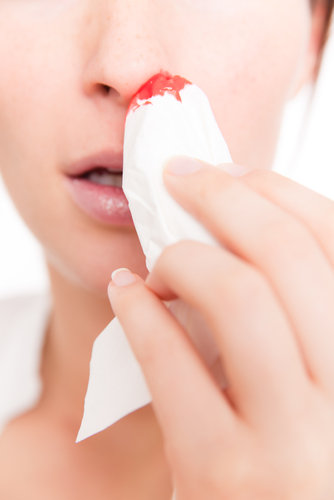
Woman wiping her nose beside a bathroom sink and mirror

Bloody Noses (Epistaxis): Causes and How to Stop Them

shutterstock_80516140A patient came into the urgent care today with a bloody nose after being hit with a baseball in the nose while playing catch.  The bleeding was so intense that blood was actually coming up through the tear ducts of his eyes.  His nose had been bleeding for about an hour prior to me seeing him and by that he came to the exam room the bleeding had almost stopped.

Nosebleeds can be dramatic and frightening but usually they stop on their own without need for intervention by a doctor.  I do however have some recommendations about what to do if you get a bloody nose (also called epistaxis) that will not stop.

1)   If your nose has been bleeding for awhile and is not stopping, blow all that goo that’s in the affected nostril out. This might cause the bleeding to increase temporarily and that’s ok.

2)   Get into a comfortable position and relax.  Don’t lay on your back, just sit up straight.

3)   If you have some Afrin (Oxymetazoline)

spray into the affected nostril.  It’s a nasal decongestant and causes the blood vessels to shrink down and this slows the bleeding down

4)   Grip the soft part of your nose  – both notrils (do not grip the bony part of the nose as that will not stop the bleeding).  Hold pressure over the nose for 15 minutes.  This is easier said than done.  You need to have a watch with you and actually keep holding pressure without letting go for the entire 15 minutes.  I’ve asked patients to hold pressure for this period of time and watched them let the pressure off after 2 minutes, thinking that they’d held for long enough, so make sure you have a watch and time this procedure.  If you take the pressure off too early, the bleeding will restart

5)   If, after performing all the above treatments your nose is still bleeding then you need to come in for evaluation.

There are two main types of nosebleeds.  The most common type is the anterior nosebleed that starts towards the front of the nose and causes blood to flow out through one of the nostrils.  The other type originates in the back of the nose near the throat.  Posterior nosebleeds are much less common and can be serious because stopping the bleeding can be more difficult.

When to seek medical care:

1)   The bleeding makes it difficult to breathe

2)   You become disoriented or light-headed

3)   The bleeding doesn’t stopped after you’ve tried the steps above

4)   You’ve recently had nasal surgery

5)   You’re having other symptoms such as chest pain

6)   You’ve had facial trauma and may have broken your nose

7)   You’re bleeding won’t stop and you’re taking a blood thinner such as Coumadin or Plavix

Prevention:  Some people seem to have issues with frequent nosebleeds.  Part of the reason is that sometimes the mucus membrane inside the nose become dry.  When that occurs the skin can rip or tear more easily and cause bleeding.  Also if the inside of the nose becomes itchy, often a patient might scratch the nose in the middle of the night and not realize it, causing trauma to the skin, bleeding and scab formation. The first line of prevention involves keeping fingers out of the nose.  I also recommend using a small amount of petrolium jelly (Vasoline) applied to the skin inside the nose to moisturize the skin and prevent bleeding for those people with recurrent nosebleeds.


I hope that you have found this information useful.  Wishing you the best of health,

Scott Rennie, D.O.
Board Certified in Obesity Medicine and Family Medicine

This blog is for educational purposes only and does not constitute individual medical advice. Always consult your own physician before making changes to your health, medications, or treatment plan.


Woman sneezing into a tissue beneath blooming cherry trees

Doctor Said You Have Allergies? How to Know for Sure

shutterstock_126144308Spring is here, and so is the pollen count.  I’ve had countless patients who’ve come into the clinic lately suffering from season allergies.  Seasonal allergies can cause symptoms in the nose, the eyes and the throat.  The nasal passages are the areas that are affected by most people with allergies.  Allergic rhinitis is the term that we use in the medical field to refer to the inflammation of the nasal passages due to allergies.  The inflammation can cause a variety of symptoms including sneezing, itching, nasal congestion, runny nose and post-nasal drip (the sensation that mucus is draining from the sinuses down the back of the throat). Who is affected:  Allergic rhinitis (also called hay fever) affects about 20% of people of all ages.  Patients who have asthma or eczema have a higher chance of developing allergies. Causes:  Symptoms of allergic rhinitis are caused by a reaction in the nasal passages to small airborne particles known as allergens.  These particles could be pollen, dust or dust mites.  These particles can also cause reactions in the lungs such as asthma or in the eyes (allergic conjunctivitis). Symptoms:  The term “rhinitis” refers only to nasal symptoms, but many patients experience symptoms in their eyes, throat, and ears. 1)   Nose:  watery nasal discharge, blocked nasal passages, facial pressure, loss of taste, post-nasal drip, nasal itching, sneezing 2)   Sleep:  daytime fatigue, frequent awakening at night, mouth breathing, difficulty performing work 3)   Eyes:  swelling and blueness of the skin below the eyes, red eyes, itching, clear discharge 4)   Throat:  sore throat, hoarse voice, itching 5)   Ears:  popping of the ears, itching of the ears Diagnosis:  A physical exam by a medical provider usually is usually all that is required to make the diagnosis, however further testing can be done to identify the allergen. Allergy and asthma specialists often perform testing for patients to determine the substance that they are allergic to. Treatment:  Identifying the triggers that provoke allergic rhinitis is important so that patients can reduce exposure.  Sometimes recalling events prior to symptoms starting such as a recent camping trip, visit to friend’s house who has animals or spending time on a farm may be helpful.  Noting the time, date and potential allergens in the school as well as home and work can be helpful.    Other possible treatments include: 1)   Nasal irrigation and saline sprays 2)   Nasal glucocorticoids such as Fluticasone 3)   Nasal antihistamines such as Astelin 4)   Oral antihistamines such as diphenhydramine or cetirizine 5)   Oral decongestants such as Pseudoephedrine 6)   Nasal decongestants such as Afrin 7)   Mast cell stabilizers such as Cromolyn 8)   Leukotriene modifiers such as Singular Skin testing can be performed by allergists to help determine the allergen so that it can be avoided in the future.  Sometimes allergy shots are recommended to help the body become accustomed to the allergen with the hope that repeated exposure will reduce allergic symptoms.
There are several sources of information to determine the allergen/pollen count in your area.  One example is below: Accuweather.Com – Dust, Dander and Pollen Counts USA To find an allergy doctor in your area, the American Academy of Allergy, Asthma and Immunology’s Find an Allergist Website is:  http://aaaai.execinc.com/find-an-allergist/   I hope that you have found this information useful.  Wishing you the best of health,

Scott Rennie, D.O.
Board Certified in Obesity Medicine and Family Medicine

This blog is for educational purposes only and does not constitute individual medical advice. Always consult your own physician before making changes to your health, medications, or treatment plan.
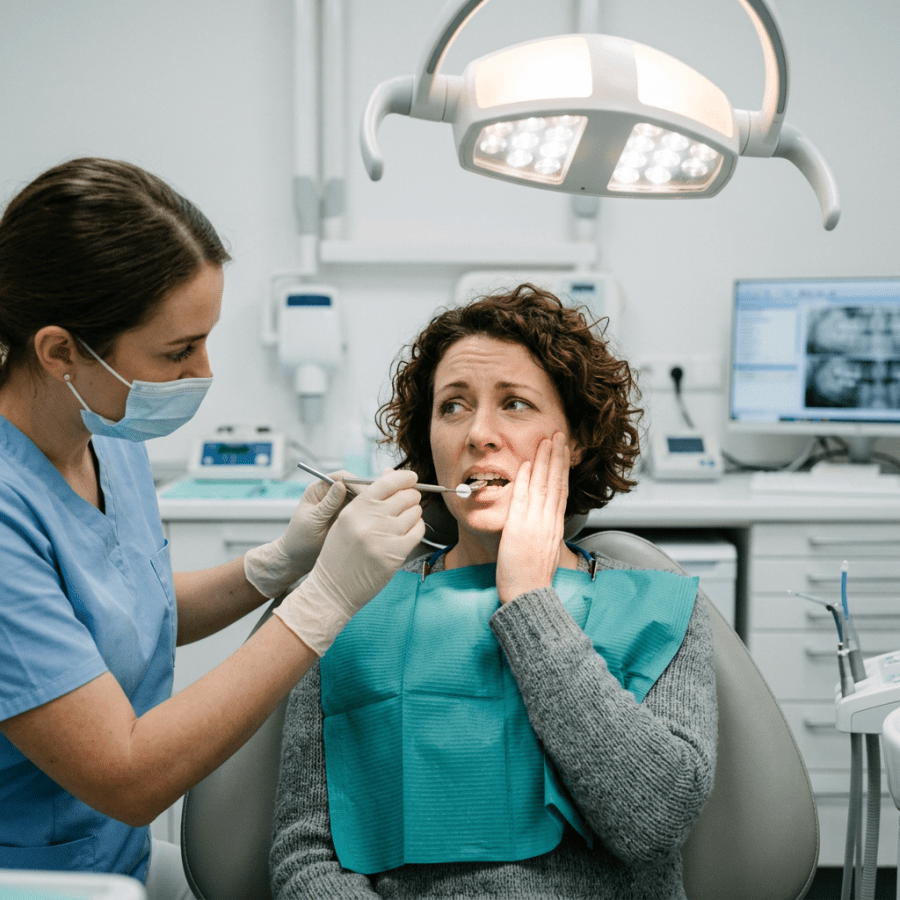
Dentist examining a patient's teeth in a dental treatment room

Abscessed Tooth Pain: What to Do Before You See a Dentist

Even though I’m not a dentist or oral surgeon, I have patients who come in to get treatment for their dental infections.  A tooth infection is a result of bacteria that can extend into the gums, cheeks, throat, behind the tongue or even into the jaw or facial bones.  These infections are known as dental abscesses and can become very painful. Patients with a weakened immune system, autoimmune disorder or who experience trauma to the mouth or gums can also be more susceptible to have dental infections. Pus from the infection can collect at the site of the infection and may become more painful until the abscess either ruptures and drains on it’s own or is drained surgically.  If the infection progresses, it can become so severe that it may block the patient’s airway and cause difficulty breathing.  This is rare, but is a medical emergency requiring immediate surgical attention. Symptoms:  Patients with dental infections often complain of pain, swelling and redness of the mouth or face.  It can feel like a sinus infection if the involved tooth is on the upper jaw.  There is always tenderness with pushing over the area of infection.  Late signs of a dental infection might be fever, chills, nausea, or vomiting. Diagnosis:  Usually a doctor or dentist can determine if you have an abscess or dental infection by physically examining the affected area.  Sometimes x-rays of the mouth may be necessary if the infection is located in the deepest part of the tooth. Treatment:  Pain relievers may be helpful such as ibuprofen or Aleve.  For more severe infections, narcotic-type medications such as Vicodin may be prescribed.  Antibiotics are helpful to treat the infection, but usually are not the cure.  Dental abscesses are infections that involve the teeth, gums, jaw and sometimes the cheek or throat so they need surgical attention by a dentist or oral surgeon.  Your local family physician, urgent care doctor or emergency physician is generally not trained in how to perform dental surgery so it is important to be seen by the dentist.  A dentist can also perform a dental block that numbs the nerve causing the pain.  Generally this is far more helpful that oral pain relievers.  They may also cut open the abscess if it’s along the gum line to allow the pus to drain. They may also pull the tooth or perform a root canal.  An abscess that has extended to the floor of the mouth or to the neck may need to be drained in the operating room under anesthesia. Prevention:  A major role is maintaining excellent dental health is prevention with brushing, flossing and regular dental checkups.  If tooth decay is discovered it should be treated early so that cavities do not develop into abscesses.  Avoiding tobacco (chewing and smoking) is also helpful for prevention of decay. To find a dentist in your area, the American Dental Association has a useful Dentist locator:  http://www.ada.org/ada/findadentist/advancedsearch.aspx   I hope that you have found this information useful.  Wishing you the best of health,

Scott Rennie, D.O.
Board Certified in Obesity Medicine and Family Medicine

This blog is for educational purposes only and does not constitute individual medical advice. Always consult your own physician before making changes to your health, medications, or treatment plan.
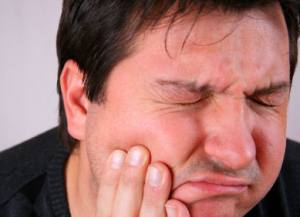
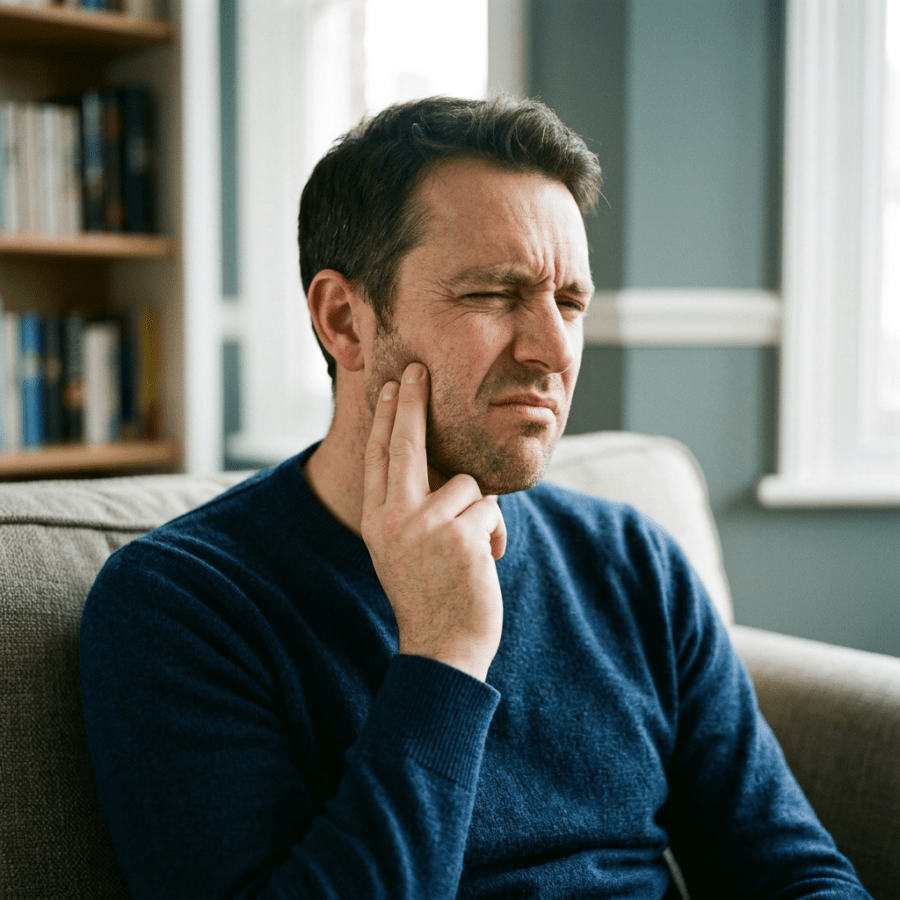
Man touching his cheek with a pained expression while seated indoors

Jaw Clicking and Pain: What Causes TMJ Joint Disorders?

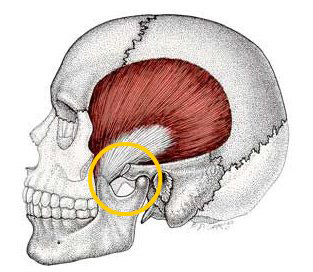
Photo credit:  http://ttocs.hubpages.com/hub/Exercises-to-Help-Alleviate-TMJJaw-Pain The mandible of the jaw is a modified hinge joint that is supported by muscles and allows you to chew your food.  The joint that allows this movement is the jaw joint, called the temporomandiublar joint or TMJ.  It is located just in front of your ear.  You can feel the joint by putting your finger on your cheek in front of your ear and open/close your mouth. Inflammation of this joint can cause pain and that can sometimes be confusing because the average person often does not think about this area as a source of pain. Symptoms of TMJ inflammation can be: 1)   A dull pain in the jaw muscles on one side 2)   Pain around the ear that can be confused for an ear infection 3)   Jaw pain that can sometimes make you think you have a tooth infection 4)   Neck pain or tenderness 5)   Pain when chewing food 6)   Popping when opening your mouth 7)   Difficulty opening your mouth widely because of pain 8)  Headache Causes:  Because the jaw is a hinge joint, it can become inflamed with arthritis.  Other possible causes are: 1)   Stress that causes jaw clenching 2)   Teeth grinding – especially at night when you are asleep 3)   If your teeth/bite is not quite right, sometimes a dentist can help adjust this Treatment: For many people the symptoms occur only occasionally and do not last very long. There is not a “usual” treatment for TMJ.  Treating the cause of the problem is the goal, and that might be fixing your teeth/bite or decreasing stress that might lead to jaw clenching or teeth grinding.  Dentists will sometimes fit patients with a dental appliance that helps protect the teeth and also decreases grinding.  For some people this has been very helpful in reducing the pain from TMJ.   Other possible treatments include: 1)   Medications to reduce inflammation and relieve pain such as non-steroidal anti-inflammatory drugs (ibuprofen, naproxen, etc.) or muscle relaxants 2)   Jaw exercises that stretching of the muscles around the TMJ 3)   Stress reduction and biofeedback to decrease teeth griding/clenching 4)   Appropriate dental care 5)  Avoiding actions that cause your symptoms such as yawning, singing or chewing gun To find a dentist in your area, the American Dental Association has a useful Dentist locator:  http://www.ada.org/ada/findadentist/advancedsearch.aspx   I hope that you have found this information useful.  Wishing you the best of health,

Scott Rennie, D.O.
Board Certified in Obesity Medicine and Family Medicine

This blog is for educational purposes only and does not constitute individual medical advice. Always consult your own physician before making changes to your health, medications, or treatment plan.
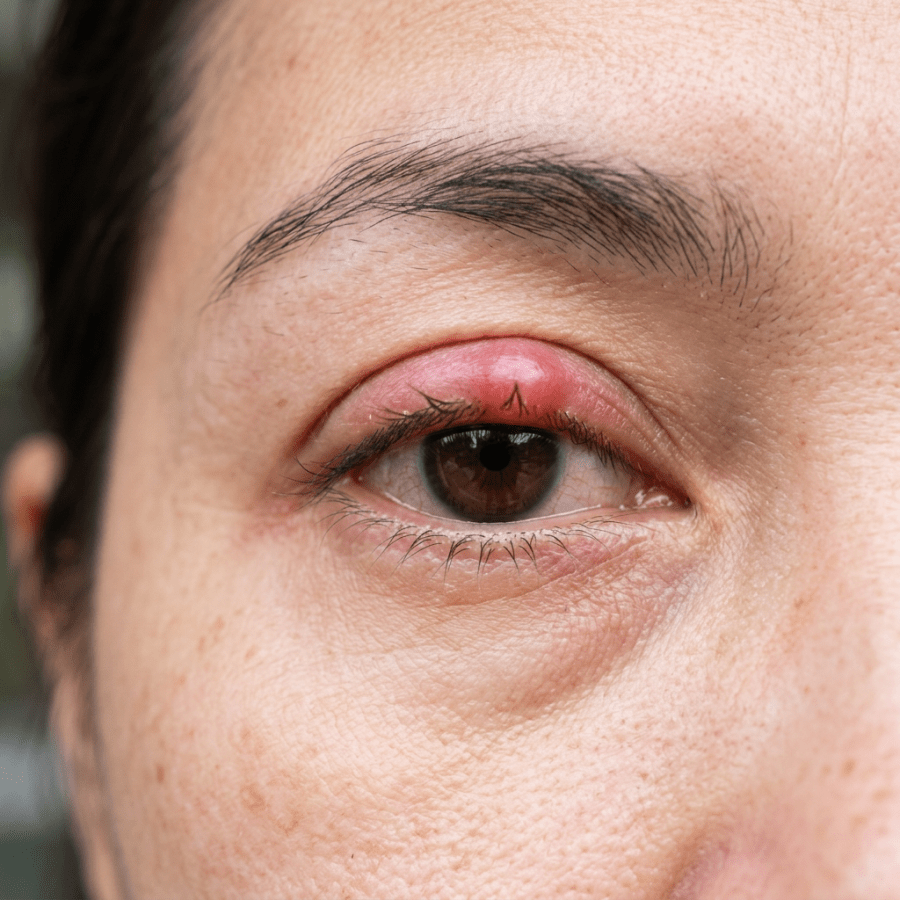
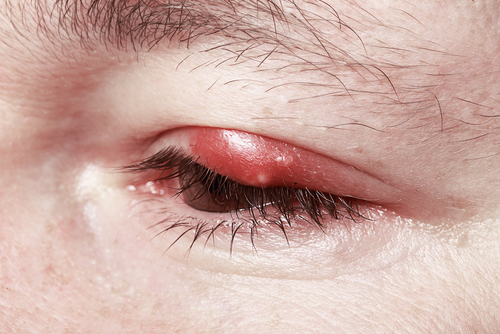
Close-up of an eye with a red, swollen upper eyelid

What Is a Stye in the Eye and Why Does It Cause Eyelid Pain?

shutterstock_147818714A style (also called a hordeolum) is a red and painful lump on the eyelid.  This occurs when a small gland in the edge of the eyelid become infected or inflamed.  Styes can occur on the upper or the lower eyelid and usually get better on their own after a few days to week even if untreated. Symptoms:  Red or painful lump on the edge of the eyelid.  It often looks like a pimple, and can cause tearing as well as eyelid pain. When to see a healthcare provider: 1)   It doesn’t go away after 1 week. 2)   It gets large, bleeds or affects your vision 3)   The entire eye or eyelid becomes red/swollen 4)   The redness or swelling spread to your cheek or face Home treatments: 1)   Wet a clean wash cloth with warm water and put it over your stye for 10-15 minutes 3-4x/day 2)   DO NOT squeeze or pop the stye 3)   Avoid wearing eye backup or contact lenses Prevention: 1)   Wash your hands before touching your eyes or eyelids 2)   Wash your hands before putting in contact lenses and keep the lenses them clean 3)   Take off eye makeup at night if you use it 4)   Do not use old eye makeup or share with others Medical provider treatments:  Most of the time we prescribe antibiotic ointments or drops if the stye is not improving on its own.  If it persists or gets larger, a referral to an eye doctor is usually made who can drain the stye. The American Academy of Ophthalmology has a great resource for locating an ophthalmologist near you: http://www.aao.org/find_eyemd.cfm   I hope that you have found this information useful.  Wishing you the best of health,

Scott Rennie, D.O.
Board Certified in Obesity Medicine and Family Medicine

This blog is for educational purposes only and does not constitute individual medical advice. Always consult your own physician before making changes to your health, medications, or treatment plan.
Passenger pinching her nose and covering her ear aboard an airplane

Eustachian Tube Dysfunction: Ear Pain Without Infection

shutterstock_742214The Eustachian tube connects the middle ear to the back of the throat and nose.  It equalizes the pressure of the ear and is often responsible for the pop sensation that you may feel as you are gaining elevation if you ride on an airplane or drive your car up a mountain pass.  If there is a problem with the Eustachian tube, the air pressure inside the middle ear becomes different than the outside air pressure.  This leads to pain and a pressure sensation of the ear drum.  It can also caused decreased hearing on the affected side.  In the medical profession, we use the term “barotrauma” to describe this phenomenon. Symptoms of Eustachian tube dysfunction (ETD): 1)   Ear pain – this can feel just as painful as an ear infection 2)   Trouble hearing 3)   Ringing in the ear 4)   Feeling dizzy 5)   Feeling pressure or fullness in the ear Most of the time Eustachian tube problems are not serious and they get better on their own.  They rarely can lead to a more serious problem such as: 1)   Middle ear infection 2)   Torn eardrum 3)   Hearing loss If a child has Eustachian tube problems for long periods of time, they can have language or speech problems as a result of not hearing well. Causes:  Anything that make the Eustachian tube swollen or inflamed such as recent upper respiratory infection or common cold, allergies, sinus infection or sudden air pressure changes (happens when people fly on an airplane, scuba dive or drive in the mountains). When to seek medical help:  If the symptoms are severe, getting worse or are not improving within a few days. Treatment:  The treatment of Eustachian tube dysfunctions is tailored to the individual patient and the cause of the disorder.  Some possible treatment options might be: 1)   Nasal sprays – for example Flonase, Nasonex, or Rhinocort 2)   Oral antihistamine medications such as Benedryl, Zyrtec, Claritin or Allegra 3)   Oral or topical decongestant medications such as Sudafed or Afrin nasal spray 4)   Surgery:  Most of the time ear tubes are not needed for this problem, however some people do have tube placed in the ear drugs to help with this disorder 5)   Special ear plugs that are used on an airplane, or when driving that help decrease the pressure on the ear drum. Otolaryngologists are doctors that specialize in the Ears, Nose and Throat (ENT).  If you are looking for an Otolaryngologist in your area, the American Academy of Otolaryngology has a useful locator on their website: http://www.entnet.org/   I hope that you have found this information useful.  Wishing you the best of health,

Scott Rennie, D.O.
Board Certified in Obesity Medicine and Family Medicine

This blog is for educational purposes only and does not constitute individual medical advice. Always consult your own physician before making changes to your health, medications, or treatment plan.
Clinician examining a seated patient’s ear with an otoscope

Ear Wax (Cerumen): What to Know About This Annoyance

shutterstock_147242300Ear wax, also called cerumen is a water resistant coating in the ear canal that protects the skin of the canal from water damage, infection, trauma and debris.  If it accumulates it is usually not noticeable, but can lead to hearing loss as well as pain/infection.  Normally it is supposed to migrate from near the ear drum along the canal and fall out of the ear. Cerumen is a mixture made up of secretions of both sebaceous (oil), dried skin cells, and sometimes hair.  It is identified in the ear canal in your doctor’s office with an instrument called an otoscope.  It’s appearance and texture vary widely – sometimes it has the appearance and texture of a liquid, and other times it looks like clay or rock. Causes of ear wax accumulation:  Narrowing of the ear canal can make it difficult for the ear wax to fall out of the ear. Skin disorders such as eczema can cause excessive cerumen.   Also as people age, they produce less fluid in the cerumen and it gets harder migrates slower out of the ear canal.  Epithelial migration can also occur as a result of using cotton swabs in the ears.  Q-tips tend to push ear wax deeper into the ear canal and over time can cause complete blockage of the ear canal in some people.  Earing aids, ear plugs and swim molds also after prolonged use can contribute to ceumen accumulation. Overproduction:  Some people produce more cerumen than others and this overcomes the ear canal’s ability to eliminate it. Symptoms of ear wax accumulation:  Hearing loss, earache, ear fullness, itchiness, dizziness, and/or ear ringing. Removal methods:  Ear wax is usually removed with one of three popular methods –medication to break down the wax, irrigation and manual removal with a small ear spoon to scoop it out. How to prevent cerumen accumulation:  Many people have difficulty preventing ear wax accumulation, especially if they have predisposing conditions such as a narrow ear canal, eczema or produce more was than average.  For many patients, topical drops such as mineral oil soaked on a cotton ball and left in the ear for about 10-20 minutes once a week while also not using a hearing aid overnight (if applicable) is helpful. Routine cleaning of the ears by a healthcare provider every 6-12 months is also helpful to many people.  If the wax becomes very difficult to remove, an Ear/Nose/Throat doctor can use a ear microscope and special instruments to help remove it more easily.   I hope that you have found this information useful.  Wishing you the best of health,

Scott Rennie, D.O.
Board Certified in Obesity Medicine and Family Medicine

This blog is for educational purposes only and does not constitute individual medical advice. Always consult your own physician before making changes to your health, medications, or treatment plan.
Swimmer’s Ear (Otitis Externa): How to Spot and Treat It

Otitis externa, commonly known as “Swimmer’s Ear,” is a frequent condition we see in the clinic—especially in the warmer months or among frequent swimmers. It occurs when the delicate skin lining the ear canal becomes inflamed, often due to moisture, infection, or irritation.

What Causes It?

Swimmer’s ear can result from bacterial or fungal infections, but it can also be triggered by allergies, eczema, or psoriasis. The nickname “Swimmer’s Ear” comes from its strong association with prolonged water exposure, which creates an ideal environment for bacteria to grow.

How It Differs from a Middle Ear Infection

Many people use the term “ear infection” to refer to otitis media, which affects the middle ear behind the eardrum. Otitis externa, on the other hand, affects the outer ear canal—and the treatment and causes are different.

Risk Factors

Several things can increase your risk of developing otitis externa:

  • Over-cleaning the ears, which strips away protective earwax and may scratch the canal.

  • Swimming, especially in untreated water, can trap moisture in the ear.

  • Hearing aids, ear plugs, or in-ear headphones that block airflow and may trap moisture.

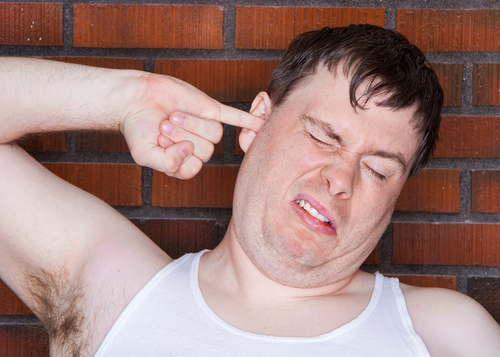
  • Skin trauma, such as from Q-tips or fingernails, can create entry points for infection.

Symptoms

Look out for:

  • Ear pain, especially when tugging on the outer ear.

  • Itching deep in the ear canal.

  • Fluid drainage, including pus or clear fluid.

  • Swelling or muffled hearing—the canal may swell shut in more severe cases.

Diagnosis

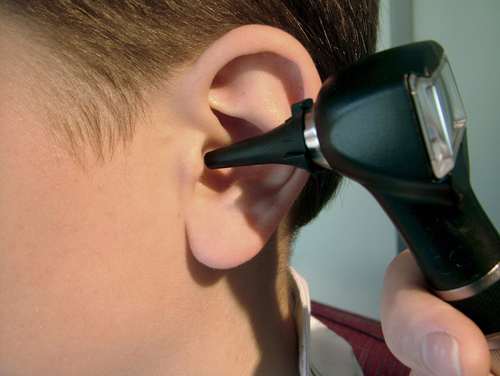
Your healthcare provider will examine the ear using an otoscope—a small lighted tool that allows them to see signs of redness, swelling, or discharge in the ear canal.

Treatment

The main goals of treatment are to:

  1. Clear the infection.

  2. Reduce inflammation and pain.

  3. Prevent recurrence.

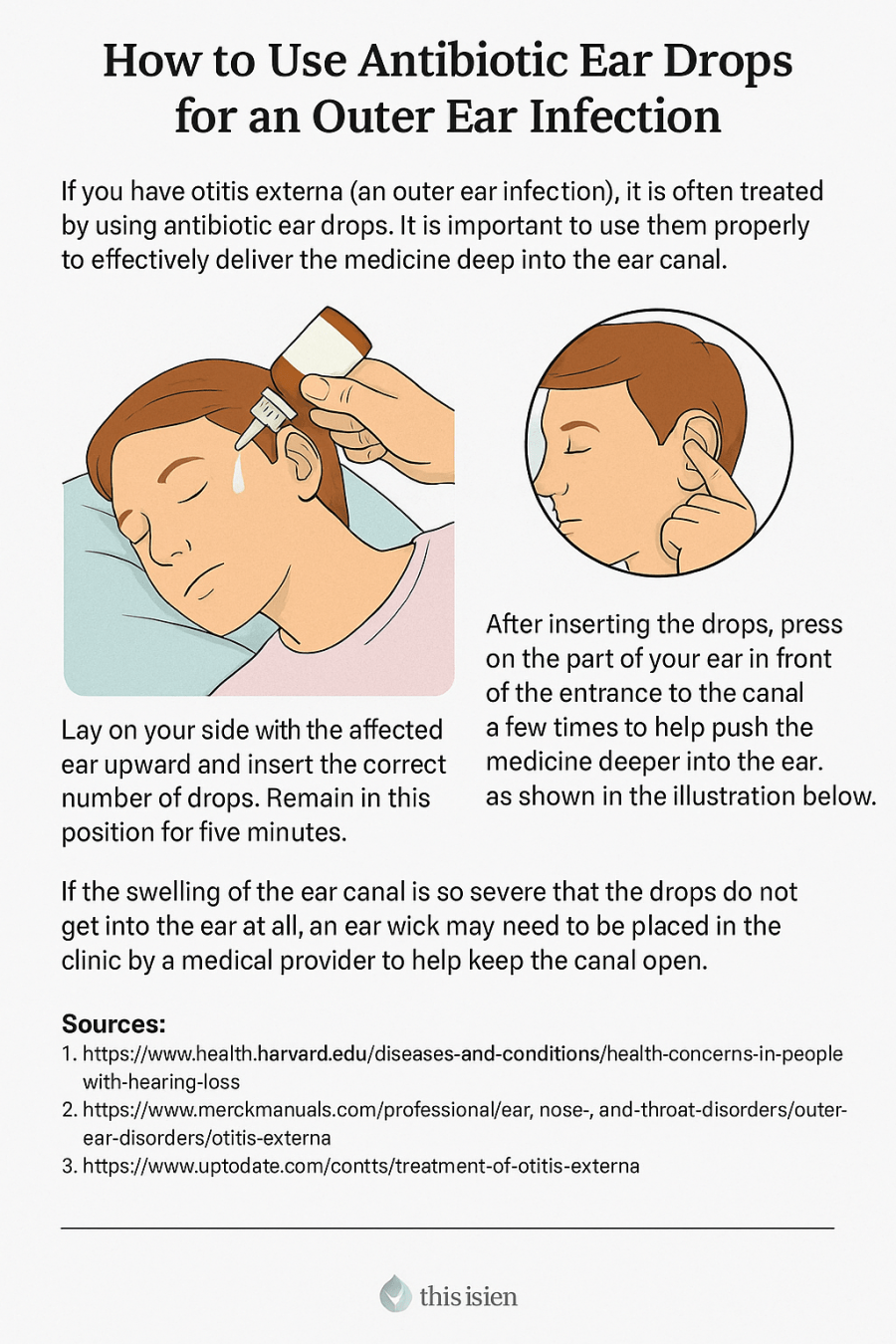
Depending on the case, we may flush the ear canal gently with a mix of water and hydrogen peroxide to remove debris and bacteria. Most patients will be prescribed antibiotic ear drops, often with a small amount of steroid to reduce inflammation.

How to Use Ear Drops Properly

Correct technique matters. Follow these steps to make sure the medication gets deep into the canal:

  1. Lie on your side with the affected ear facing up, or tilt your head.

  2. Place the prescribed number of drops into the ear canal.

  3. Stay in that position for 20 minutes, or use a small cotton ball at the ear opening to help hold the drops in.

  4. Finish the full course of treatment, even if you feel better in a few days.

  5. Call your provider if symptoms persist after 36–48 hours.

If the ear canal is too swollen for drops to enter, this may require an in-person visit for placement of a wick—a small sponge that helps carry the medication deeper into the canal.

Pain Management

Most cases respond well to ibuprofen or naproxen (Aleve). Prescription pain relievers are rarely needed.

Protect the Ear During Treatment

  • Avoid getting the ear wet. During showers, cover the ear with a dry cotton ball.

  • Do not swim for 7–10 days after starting treatment.

  • Avoid inserting hearing aids, earbuds, or Q-tips until fully healed.

Prevention Tips

To reduce the risk of future infections:

  • Never insert Q-tips, fingers, or towels deep into the ear canal.

  • Dry your ears after swimming by shaking them out or using a blow dryer on low, held at least 12 inches away.

  • Use over-the-counter drying drops after swimming.

  • Swim with earplugs designed to keep water out of the canal.


Scott Rennie, D.O.
Board Certified in Obesity Medicine and Family Medicine

This blog is for educational purposes only and does not constitute individual medical advice. Always consult your own physician before making changes to your health, medications, or treatment plan.
Woman sitting on bed with hand to her head, looking distressed

Dizziness, Vertigo and Lightheadedness: Possible Causes

shutterstock_134577920Patients present to the urgent care or medical clinic with dizziness quite frequently.  Finding the cause is sometimes challenging.  Hopefully a discussion on the topic will answer some questions if you or someone you know has dizziness/vertigo. Dizziness:  often described as feeling that you are spinning or tiliting, or that you are about to fall or pass out.  Dizziness can also cause you to feel light headed or have difficulty walking straight. Vertigo:  A specific type of dizziness that causes a sense of spinning, dizziness, swaying or that you are moving or the world is moving around you.  Several different issues within the inner ear or brain can cause vertigo.  Some of these issues are not serious and others are more concerning. These feelings can last days, hours or just seconds and can come and go.  It may feel worse when you change positions (roll over or stand up) or move your head.  You may also feel nauseated or vomit, have a headache and be sensitive to light or noise, have double vision, have a racing heart Causes:  Possible causes include: 1)   Inner ear problems – infection in the vestibular system, or small pieces of calcium can cause dizziness 2)   Meniere’s disease 3)   Benign paroxysmal positional vertigo 4)   Medications 5)   Migraine headaches 6)   Stroke or TIA 7)   Bleeding in the brain 8)   Brain tumor 9)  Heart problems such as low blood pressure or a rapid heart rate 10)  Motion sickness from a boat ride or similar motion 11)  Infection such as a bladder infection (especially in the elderly When to seek help:  Warning signs that should prompt you to speak with a medical provider include: 1)   New or severe headache 2)   Fever greater than 100.4 degrees F 3)   Trouble seeing or double vision 4)   Trouble talking or hearing 5)   Weakness of an arm or leg 6)   Inability to walk without assistance 7)   Passing out 8)   Numbness or tingling 9)   Chest pain 10)  Persistent vomiting 11)  The patient is elderly 12)  The patient has had a stroke in the past 13)  The patient has high blood pressure, diabetes or smokes Treatment:  The treatment is tailored to the individual patient and the cause of their dizziness/vertigo.  In addition to treating the underlying cause, other treatments may include: 1)   An antihistamine such as Benadryl or meclizine 2)   Anti-nausea medications such as Phenergan or Zofran 3)   Eply maneuver:  If the problem is due to benign positional vertigo due to small stones in the inner ear being out of place.   I hope that you have found this information useful.  Wishing you the best of health,

Scott Rennie, D.O.
Board Certified in Obesity Medicine and Family Medicine

This blog is for educational purposes only and does not constitute individual medical advice. Always consult your own physician before making changes to your health, medications, or treatment plan.