
2026 Travel Medicine Guide: Vaccines, Antibiotics, Safety Tips, and What You Don’t Need

Travel has fully returned, and patients are planning international trips again, with a wide range of destinations and styles. On these video visits, the questions almost always start with vaccines or antibiotics. The real foundation of travel medicine is something else entirely: understanding the specifics of the trip. When I talk with someone preparing to travel, I start with where they are going, how long they will be away, what kind of environment they will be in, and whether they have a chronic condition that might change their risk. Those details matter. A medication or vaccine that is essential for one itinerary may be unnecessary for another.

The first step is confirming routine immunizations. MMR, Tdap, influenza, COVID, and varicella should be current for every traveler, regardless of destination. People sometimes think travel preparation means exotic vaccines. But many illnesses that interrupt trips are the same preventable infections we vaccinate against at home. Once routine protection is confirmed, I look at travel-specific vaccines based on destination and activities. Hepatitis A is worth adding for most international travel where sanitation varies. Hepatitis B belongs on the list for long-term travel, healthcare exposure risk, or an uncertain vaccination history. Typhoid covers travel to many parts of Asia, Africa, and Central America. Yellow fever is required for entry into several countries in sub-Saharan Africa and South America, and Japanese encephalitis matters for long stays in rural areas of Asia or frequent outdoor exposure. Ghana is the example I reach for. Yellow fever vaccination is required for entry, and travelers turn up regularly who have never had it and did not know it was mandatory. That gets sorted first, then malaria prevention if the itinerary runs rural. My view: skipping a vaccine that’s actually required for entry is the most avoidable mistake I see. It’s an easy one to catch, too, if we go through the itinerary first.

Rabies vaccination before travel is another example of something that depends heavily on the details. Someone visiting large cities in Europe for a week has almost no need for it. Someone staying in remote areas, volunteering with animals, or hiking in places where medical care is difficult to access may benefit from receiving it ahead of time. Exposure risk drives that decision, not the destination’s reputation.

Antibiotics come up frequently, and this is where expectations and guidelines often differ. Many travelers assume an antibiotic is something they should take with them in case they get sick. In reality, travelers diarrhea is the most common illness during international travel. Most mild cases respond to hydration and over the counter medications rather than antibiotics. When antibiotics are appropriate, the choice depends on symptom severity and regional resistance patterns. Rural Cambodia is the one that comes up. Travelers remember taking ciprofloxacin on a previous trip and want it again. Updated resistance data has made ciprofloxacin a poor choice there, so the plan changes, and food and water safety carries more of the load. My own bias here. I’d rather a patient carry the right antibiotic and never use it than assume hydration will be enough on a five-day trek.

For a basic travel kit, I usually start with acetaminophen and ibuprofen, which cover pain, fever, and the aches that come with viral illnesses; for gastrointestinal symptoms, loperamide and bismuth subsalicylate handle most mild travelers diarrhea, and oral rehydration salts matter just as much, since dehydration from diarrhea or heat is often the bigger problem than the diarrhea itself. If nausea or motion sickness is a concern, I’ll prescribe ondansetron ahead of time. For moderate or severe diarrhea, azithromycin or a clinician-selected alternative is the antibiotic I reach for, not something to use for every loose stool. Acetazolamide comes up for rapid ascent or high-altitude destinations. For malaria prevention, the choice sits between atovaquone-proguanil, doxycycline, and mefloquine. It depends on the region, the length of the trip, and the traveler’s medical history. Antihistamines and intranasal steroids round out the kit for anyone with seasonal or environmental triggers.

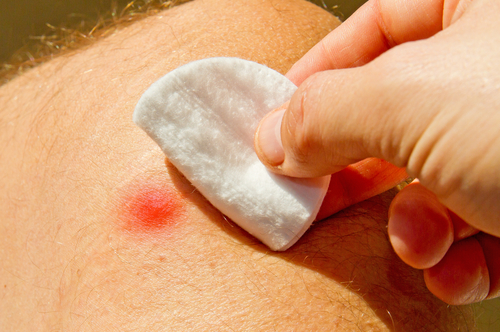
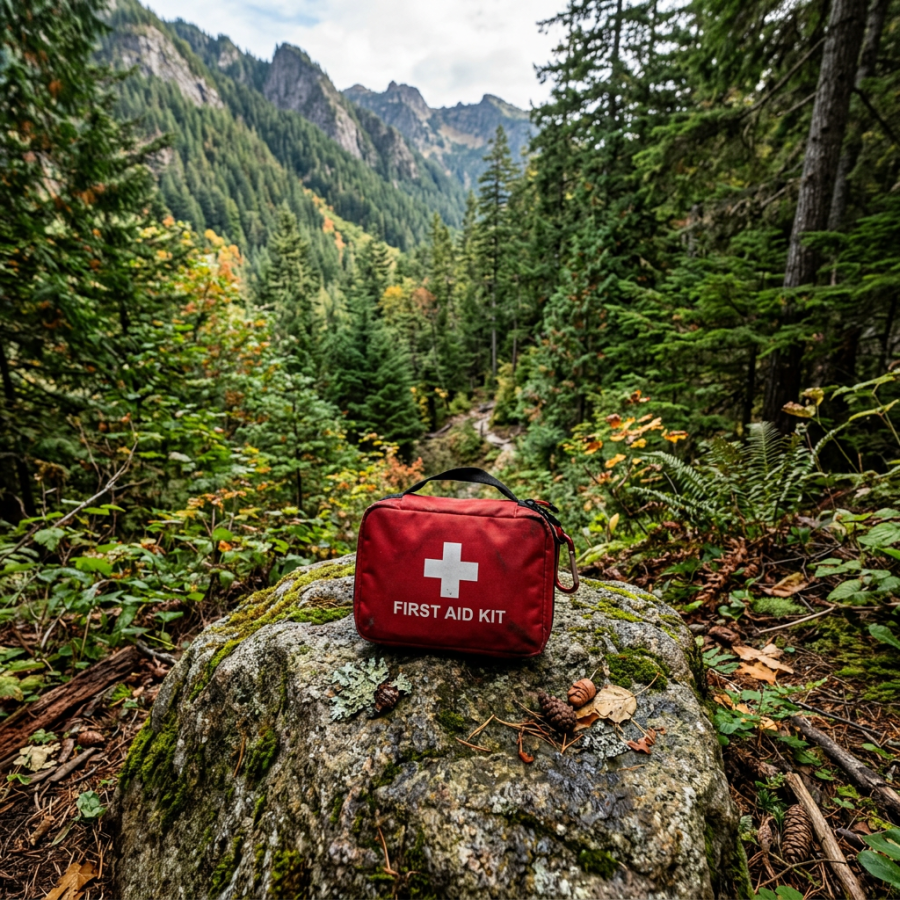
Safety planning is a major part of effective travel preparation, but it often gets the least attention; we discuss how to carry a medication list, a brief summary of medical conditions, and insurance information, along with knowing how to access care in the destination country. Food and water hygiene still matters in many regions. So does mosquito protection for illnesses like dengue and chikungunya that do not have widely recommended vaccines for travelers. For destinations with malaria risk, prophylactic medications and mosquito avoidance measures remain a core part of the plan; and for high altitude trips, preventive medications can help if ascent is rapid or unavoidable. If I had to rank these, food and water discipline prevents more sick days than any pill I prescribe. A basic first aid kit rounds this out: adhesive bandages for cuts, scrapes, and blisters; sterile gauze and medical tape for larger wounds; antibiotic ointment to prevent minor wound infections; hydrocortisone cream for itching and insect bites; alcohol or antiseptic wipes to clean a wound before dressing it; tweezers for splinters or ticks; an elastic compression wrap for sprains or mild injuries; a digital thermometer, essential for evaluating fever or illness on the road; and gloves for basic hygiene when handling a wound.

Many travelers also assume they need more than they actually do. Someone visiting Western Europe with up to date routine vaccines usually does not need any additional travel specific vaccines. Travelers often believe they need antibiotics for every trip or that malaria medication protects them from dengue or chikungunya. Which it does not. Correcting these misconceptions is, in my view, as valuable as any vaccine I give: it keeps people from paying for protection they don’t need.

Combine all of this with a clear discussion of itinerary, health history, and realistic risk. Most travelers leave the visit feeling better prepared, not overwhelmed by unnecessary steps. Travel medicine should be individualized. What someone needs for a two week trip to Western Europe is very different from what is needed for remote backpacking in Southeast Asia or trekking at high altitude in Peru. Once the plan matches the destination, everything else becomes much clearer.

Scott Rennie, D.O.

Sources

CDC Yellow Book (cdc.gov)

CDC Travel Vaccine Guide (cdc.gov)

CDC Travelers Diarrhea (cdc.gov)

WHO Travel and Health (who.int)

WHO International Travel Requirements (who.int)

UPMC Travel Health (upmc.com)

TravelHealthPro (travelhealthpro.org.uk)

National Library of Medicine Travelers Diarrhea Review (ncbi.nlm.nih.gov)

Pyllola Travel Vaccines Guide (pyllola.com)

Immunize.org Travel Vaccines (immunize.org)

Board Certified in Obesity Medicine and Family Medicine

This blog is for educational purposes only and does not constitute individual medical advice. Always consult your own physician before making changes to your health, medications, or treatment plan.

Shifting to Telemedicine: Reflections for Fellow Physicians

Not long ago, two of my medical school classmates reached out to me. One is an emergency room physician. The other is a dermatologist. Both wanted to talk about telemedicine and whether they should make the transition. Their questions reminded me of my own when I started, and it got me thinking about how different this kind of work really is compared to in-person care.

Telemedicine has real upsides. The flexibility is genuine: you can work from anywhere with a reliable internet connection, from home while helping with your kids, or on the road while staying productive. The lack of a commute alone changes your day. No traffic, no wasted time. Hours flex more easily when family emergencies or illnesses come up. Exposure to infectious disease drops significantly too, a lesson plenty of us learned the hard way during COVID. On top of that, paperwork drops. Charts are streamlined and forms are lighter, which frees up the time you’d otherwise spend on documentation to actually talk with patients; if you’re efficient, the pay is good, and seeing more patients per day brings a sense of making a difference on a large scale. You can meet people from all over the country, provided you are licensed in multiple states. For many providers, this is one of the best work-life balance opportunities in medicine.

Some patients treat telemedicine like a transaction, logging on expecting a specific medication and pushing back when your judgment doesn’t match what they came for. That’s one of the real downsides. You lose the camaraderie of the clinic or hospital, the in-person interaction with colleagues that a lot of physicians miss. Hands-on procedures disappear entirely. Loved draining an abscess, suturing a laceration, placing a central line? You won’t get that satisfaction here. Some days it feels like you’re redirecting more patients than you’re treating, sending people in for care you’d rather deliver yourself; and the liability is identical to an in-person visit, just with fewer tools to manage it.

The monotony can creep in too. During winter, you may see upper respiratory complaints on repeat. You have to be skilled at quickly identifying the patient who sounds much sicker than they realize. That judgment call, who can be safely treated virtually and who needs in-person evaluation, has to be made fast and accurately. Get it wrong and the consequences can be serious.

Guidelines from telemedicine companies like Teladoc, MDLive, and Amwell are conservative for a reason: they steer providers toward in-person evaluation whenever there’s doubt. It keeps patients safe. It protects the practice of telemedicine itself, too. You have to be comfortable following those guidelines, even if it feels restrictive at times.

I have had both frustrating and rewarding cases.

One that stands out was a patient who logged on for hives. Her husband was telling the story while she was in the background, but when she finally spoke, her voice was high-pitched and strained. I realized she was in anaphylaxis. She had access to her child’s epinephrine auto-injector, used two doses, and her breathing improved almost immediately. EMS was called. She got the care she needed. That visit was one of my first telemedicine visits. I was still working 1099, part time, treating telemedicine as something on the side. Walking away from that call believing I might have just saved someone’s life is what changed my mind, and I went looking for a full-time W2 telemedicine role not long after.

Rashes and Telemedicine: A Special Challenge

One of the trickiest areas of telemedicine is dermatology. Rashes seem like they should be simple. A patient shows you a patch of red skin or bumps, you identify it, and you prescribe a cream. The reality is that it is rarely that easy.

The biggest issue is image quality. Patients often upload photos that are poorly lit, out of focus, or taken from too far away; sometimes they only capture a tiny area of skin without showing the bigger picture; diagnosing a rash accurately takes more than a photo: distribution, texture, timing, and whether there are associated systemic symptoms all factor in; and without good photos and without the ability to do a full physical exam, we are often working with incomplete information.

I ask for photos for telemedicine rashes rather than relying on video alone. Video is generally not as good quality as a high-resolution image. The challenge is getting a patient to take that photo well: right distance, multiple angles, not blurry. I like a distance shot and a macro shot up close if I can get one.

History-taking matters just as much: was the rash itchy or painful, did it spread quickly, was there a recent medication change, a new detergent, an insect bite, or outdoor exposure? Even careful questioning doesn’t always yield the full story. Some rashes are harmless. Others can be signs of serious systemic illness. Sorting out which is which over video can be challenging and sometimes unsafe. One diagnostic call that turns entirely on photo quality: angular cheilitis. It can be hard to distinguish from perioral dermatitis without a close-up image. A good macro shot of the corners of the mouth and the two conditions look different. A blurry photo taken from three feet away, and you are guessing between them.

That is why tele-dermatology has emerged as a subspecialty. Some telemedicine companies, including Teladoc, now offer patients access to board-certified dermatologists who can focus exclusively on skin issues; having a dermatologist review high-resolution photos, sometimes with dermatoscopic images, makes accurate diagnosis and treatment more reliable. Even so, patients need to understand that when the photo quality is poor or the history is incomplete, a referral for in-person evaluation may still be necessary.

Would I tell my classmates to make the switch? Yes, eyes open. Real flexibility and real reach, but you give up procedures, in-person camaraderie, and full control over what you can safely rule out on a screen. Know the limits, tell patients the truth about them, and telemedicine works, for them and for you.

Scott Rennie, D.O.
Board Certified in Obesity Medicine and Family Medicine

This blog is for educational purposes only and does not constitute individual medical advice. Always consult your own physician before making changes to your health, medications, or treatment plan.
Red first aid kit with white cross on a rock in green forest

Wilderness Medicine: A Discussion on Hawaii Public Radio

Here’s a link to a discussion I had with Dr. Kathy Kozak about Wilderness Medicine on Hawaii Public Radio on 1/6/14.   Listen Here:   Happy New Year,

Scott Rennie, D.O.
Board Certified in Obesity Medicine and Family Medicine

This blog is for educational purposes only and does not constitute individual medical advice. Always consult your own physician before making changes to your health, medications, or treatment plan.
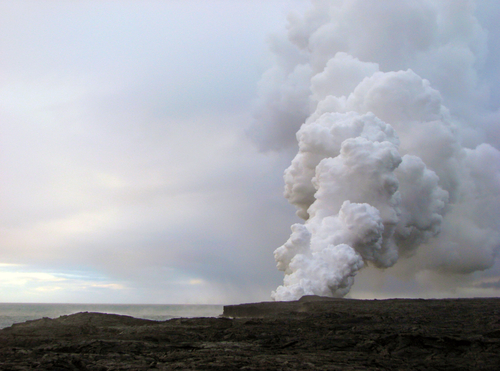
Erupting volcano emitting thick yellowish smoke with hikers on nearby rocky ridge

What Are the Long Term Effects of Vog (Volcanic Pollution)?

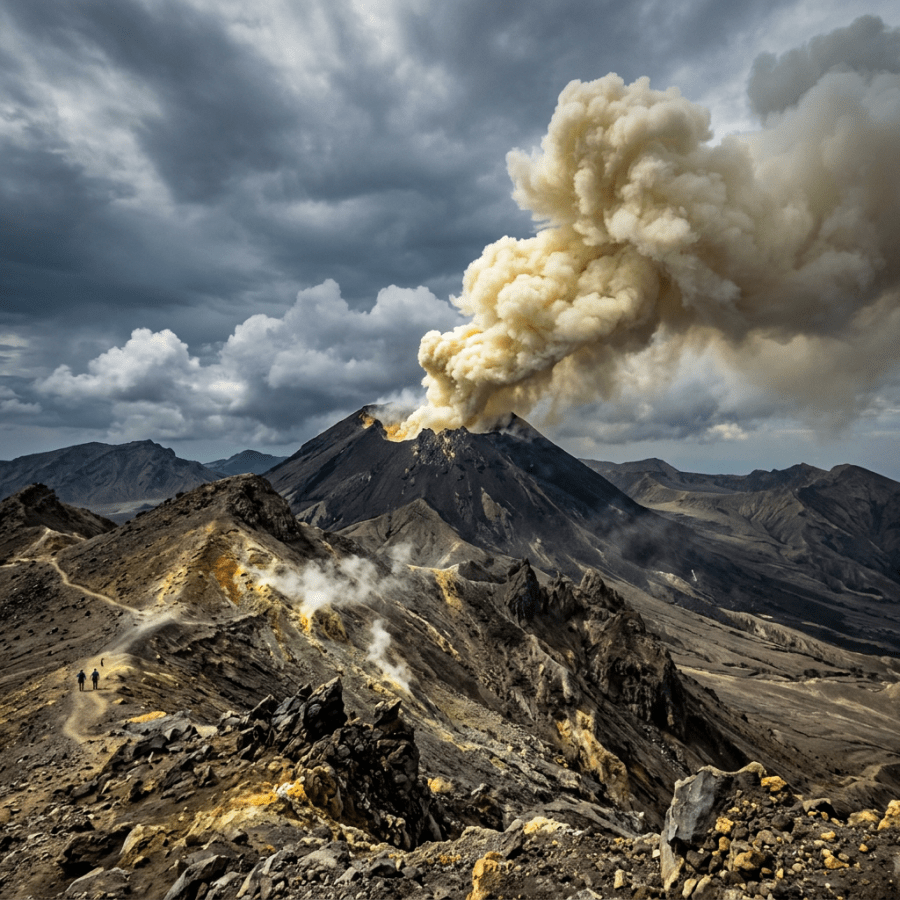
shutterstock_153524036Vog is a form of air pollution that results when sulfur dioxide and other gases and particles emitted by an erupting volcano react with oxygen and moisture in the presence of sunlight. The word is a portmanteau of the words “volcanic” and “smog“. The term is in common use in the Hawaiian islands, where the Kīlauea volcano, on Hawaiʻi Island (aka “The Big Island”), has been erupting continuously since 1983. Based on June 2008 measurements, Kīlauea emits 2,000 – 4,000 tons of sulfur dioxide every day. Vog poses a health hazard by aggravating preexisting respiratory ailments, and acid rain damages crops and can leach lead into household water supplies. The U.S. Geological Survey’s Hawaiian Volcano Observatory is closely monitoring gas emissions from Kilauea and working with health professionals and local officials to better understand volcanic air pollution and to enhance public awareness of this hazard. Like smog, the presence of vog reduces visibility. Moisture in the air causes vog particles to enlarge, decreasing visibility still further. On the Island of Hawai`i, people often turn their headlights on during daylight hours when driving in vog, and vog sometimes limits visibility for air traffic. By Roger Mari – KEWALO BASIN (KHNL) – Months of heavy vog might have some wondering what the long term affects the sulfur oxide in the air has on our health. A respiratory expert shared information on a study of volcanic pollution.   The results might come as a surprise to many. Leading the ongoing research is Doctor Elizabeth Tam.  She believes volcanic pollution or vog can trigger an asthma attack in people including children already diagnosed with the condition. “We don’t think volcanic air polution actually causes asthma,” said Dr. Tam. The March eruption of Kilauea’s Halemaumau crater sent large amounts of sulfur dioxide into the air making for more voggy days this year.   Not ideal for photographs, jogging and other outdoor activities, but the vog provides the perfect lab for research. “There have been times we’ve been in the schools studying, doing our thing and the air polution is much more than before,” Tam said. The group of children were first examined before they were teens.   Voggy days had the usual effects on them as they would on those who were otherwise healthy. “We get more of the upper respiratory effects nose, eyes, stinging throat etc., but it doesn’t appear to be asthma,” said Tam. Researchers including Doctor Tam, will continue the study on the select group of children which began six years ago. “We’re actually studying the long term effects of the kids, so we continue to study the children which is good,” she said. So far vog does not appear to be the cause of asthma in the select group of big island children. But one thing is certain, island residents could be living with vog for years to come. The idea is to study the children as they grow up.   They were as young as 12 to 14 when research began. The plan is to monitor their respiratory conditions until they are 18.

Scott Rennie, D.O.
Board Certified in Obesity Medicine and Family Medicine

This blog is for educational purposes only and does not constitute individual medical advice. Always consult your own physician before making changes to your health, medications, or treatment plan.
Lightning bolt striking the ground under dark storm clouds at night over a rural landscape

Lightning Injuries: What They Are and How to Prevent Them

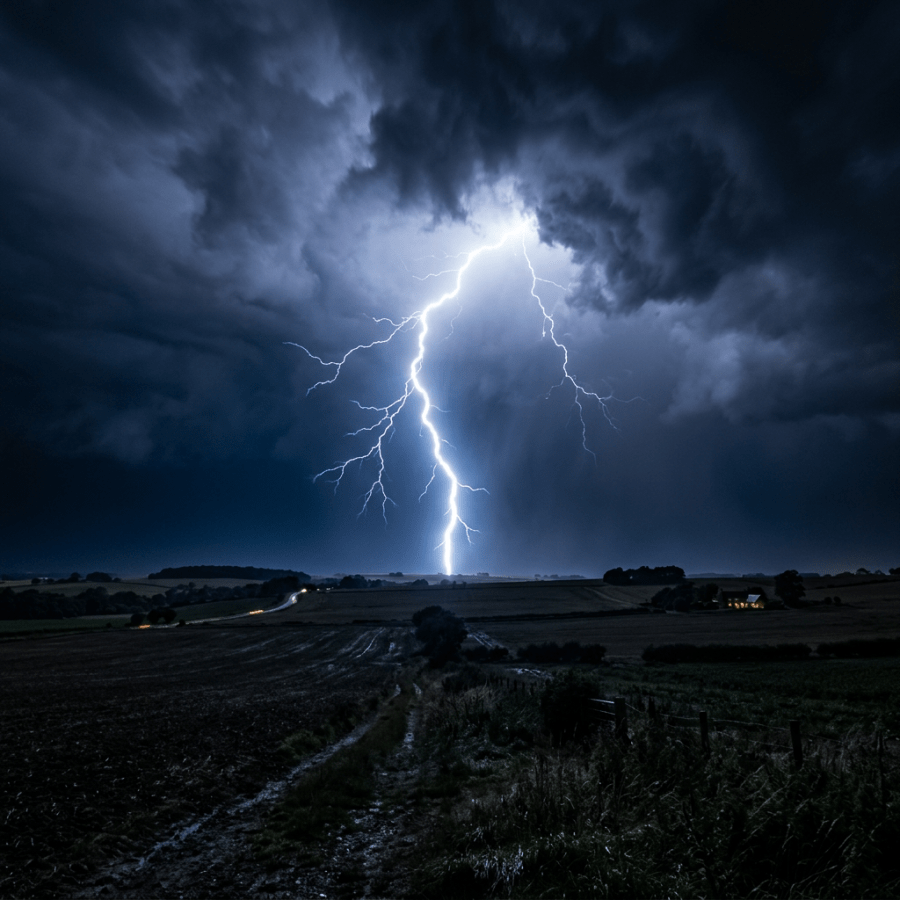
shutterstock_15532345I’ve met a few people who have been struck by lightning and lived to tell about it, and I thought I’d pass along some information about lightning injuries and how to prevent them.  Much of this information comes a recent class in Advanced Wilderness Life Support (AWLS) Interesting facts about lighting: •  Lightning strikes are the second leading environmental cause of death (behind flash floods) in the United States, with an average of 50-300 deaths per year. •  There are 3-5x as many people who are struck by lightning and survive than die. •  Nationally, there are 20 million cloud-to-ground flashes detected annually.  In some summer afternoons, more than 50,000 flashes per hour are detected. •  The most common months of injury are June, July and August, although lightning strikes may occur during any time of year (even in snowstorms). •  The most common time of day for deaths due to lightning strikes is in the afternoon between 3pm and 6pm local time and this is because of the sun heating the ground which causes vertical cumulus clouds to form that may be tall enough to produce lightning. •  Florida is the worst state for lightning deaths with nearly 2x as many deaths than the next state. •  The most dangerous times for a severe lightning strike are before the storm appears and after it has passed. •  Lightning may travel nearly horizontally as far as 10 miles in front of a thunderstorm and seem to occur out of a “clear blue sky,” or at least when it is sunny. •  Lightning does commonly strike twice in the same place. •  A lightning bolt is a unidirectional massive current impulse carrying up to 30 million volts. •  A lighting bolt is about 6-10cm in diameter, but the ionized sheath is much broader (up to 20cm).  The temperature of the sheath is usually around 8,000 degrees centigrade. •  There is no need to be concerned about getting shocked or injured by rescuing a person who has been struck by lightning because lighting does not leave a residual charge on a victim. •  Contrary to popular myth and what is seen in cartoons, deep burns are unusual after lightning injury.  At the most, some minor second-degree burns may occur from superheated metal objects. Mechanisms of injury:  People can be injured by lightning in several ways: 1)   Direct strike:  a person is hit directly by a bolt of lightning and this happens most commonly with people who are caught in the open and unable to find cover.  This is the deadliest type of strike. 2)   Side splash:  lightning directly strikes another object such as a tree or building, but the current flow, which seeks the path of least resistance, jumps from its original pathway onto the victim.  This is the most common cause of lighting injury. Side splashes may also splash indoors from metal objects such as plumbing or telephones and may even occur from person to person when several people are standing close together. 3)   Contact exposure:  occurs when a person is holding onto or touching an object that is either directly hit or splashed by lightning.  The current passes through the object onto the victim. 4)   Ground current or step voltage:  lightning strikes the ground or a nearby object and the current spreads through the ground.  If a person has one foot closer to the strike than the other foot, an electrical potential difference between the two feet may occur and the current may pass up one leg and down the other leg.  This is a common mechanism for several people being injured at the same time. 5)    Blunt trauma:  injury due to the impact of the concussive force of the strike itself or from being thrown due to the extreme nature of the muscular contraction from the electrical charge. How lightning affects the body:  injuries occur from a “short circuiting” of several of the body’s electrical systems as well as the more direct trauma and indirect trauma due to the muscular contraction and being thrown.  The most common cause of death in a lighting strike victim is cardiopulmonary arrest. Treatment:  I think it’s important for everyone to be trained in CPR.  In lightning victims, we usually perform reverse triage and initiate CPR on those patients who are pulseless and apneic (not breathing) before caring for those who have spontaneous signs of life.  This is because those with no spontaneous breathing or heartbeat may recover and will require assisted breathing until their respiratory drive returns.  Assisted breathing for these patients may prevent a secondary cardiac arrest due to low oxygen intake.  If a victim does not regain a pulse within 20-30 minutes we usually then discontinue the resuscitation.  The patient will need evacuation to the nearest medical facility even if the individual does not have any overt evidence of damage.  There is a high likelihood of some sort of injury that is not served best by staying in the outdoors.  Splinting fracture and spinal precautions is necessary. Avoiding lightning injuries: 1)   30-30 Rule:  The first “30” is when the time between seeing the lightning and hearing the thunder is 30 seconds or less, then people are in danger and should be seeking appropriate cover.  The second “30”:  outdoor activities should not be resumed until 30 minutes after the last lightning is seen or last thunder is heard. 2)   Seek shelter in a substantial building or in an all metal vehicle:  small shelters such as golf, bus and rain shelters may increase a person’s risk of being struck due to side splash as the lightning flows over the building.  All metal vehicles are safe because the metal will diffuse the current around the occupants to the ground.  A convertible is not a safe alternative.  It is a myth that rubber tires provide insulation. 3)   If you are caught in a storm outside without a safe building or vehicle:  Stay away from metal objects and those items that are taller than you. 4)   Avoid areas near power lines, pipelines, ski lifts, and other large steel objects. 5)   Do not stand near or under tall isolated trees, hilltops, or at a lookout or other exposed area. 6)   In a forest, seek a low area under a growth of saplings or small trees.  Seeking a clearing free of trees makes a person the tallest object in the clearing. 7)   If you are completely in the open, stay far away from single trees to avoid lightning splashes and ground current. 8)   If you are on the water, seek the shore and avoid being the tallest object near a large body of water. 9)   If indoors, avoid open doors, windows, fireplaces and metal objects such as sinks and plugged in electrical appliances.  Do not talk on the telephone, as the telephone lines are not usually grounded like electrical wires. References:  Advanced Wilderness Life Support Handbook   I hope that you have found this information useful.  Wishing you the best of health,

Scott Rennie, D.O.
Board Certified in Obesity Medicine and Family Medicine

This blog is for educational purposes only and does not constitute individual medical advice. Always consult your own physician before making changes to your health, medications, or treatment plan.
Open red DENTAL EMERGENCY KIT with dental supplies beside a tent

Wilderness Dentistry: How to Handle a Dental Emergency

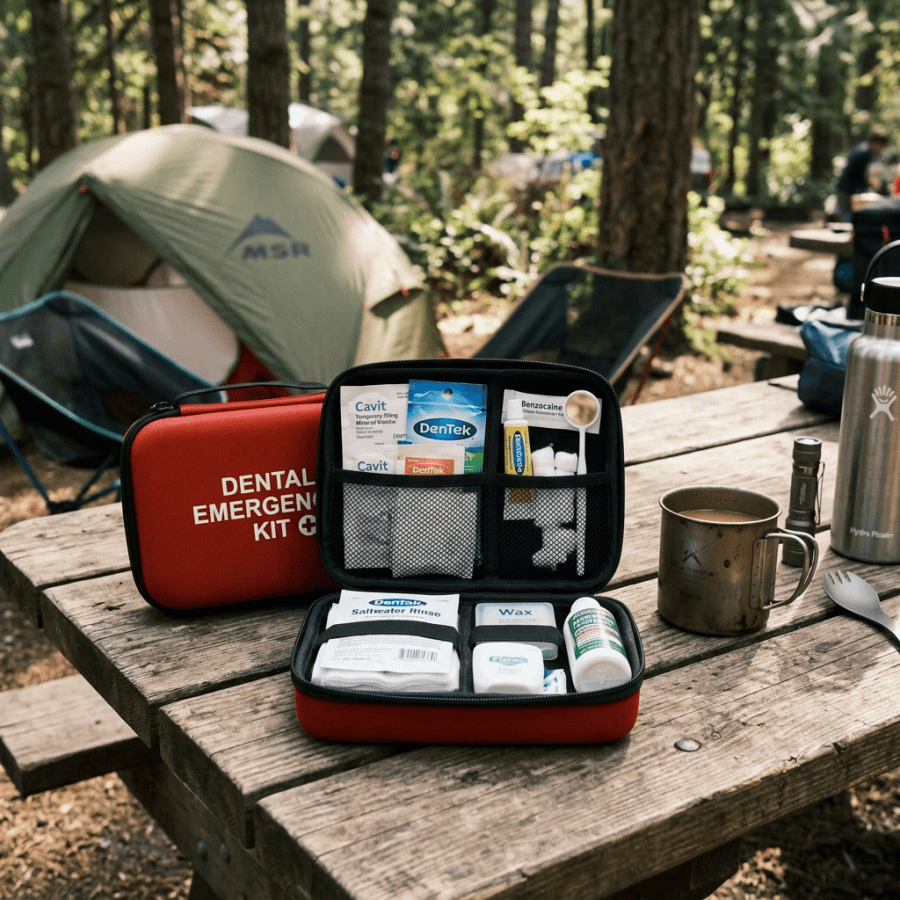
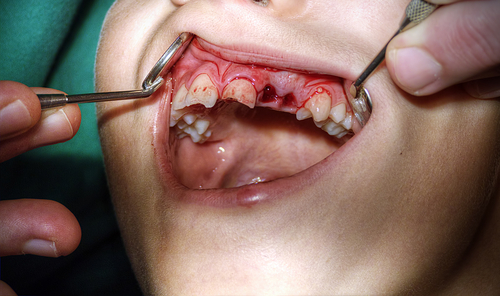
shutterstock_101677420I recently returned from a wilderness medicine conference in Whistler, British Columbia.  Eric Johnson, MD gave a great talk on dentistry in the wilderness so I give him credit for much of the information presented here. On wilderness backpacking adventures there are many possible dental problems.  Many patients have dental crowns or veneers that get broken.  Dental cavities or broken teeth can often be spotted before leaving for a three week journey, so it’s important to get a dental pre-trip exam to look for problems before departure. Some of the most commonly encountered dental problems in the wilderness are: 1)  Cracked or dislodged fillings 2)  Inflammation of the gums around the tooth (the piece of popcorn stuck between the tooth and gum) 3)  A cracked tooth or crown 4)  A chipped tooth 5)  Trauma causing a completely knocked out tooth (exodontia) 6)  Dental abscess Treatment:  Treatment of dental problems should always be attempted by someone trained in dental surgery, however in an emergency situation in the wilderness a dentist may not be available.  Adequate lighting is essential when treating dental problems in the backcountry.  I like to carry a headlamp so that my hands are free to work with the patient. Cavit is a temporary filling material that is self curing that you can bring with you and is very helpful to treat problems such as dental crown or filling that has broken or come off.  It comes in small tubes or containers and is similar in consistency to silly puddy but hardens and can be very helpful to reduce dental pain from exposed pulp/nerve. If a tooth needs to come out, it can be removed in the back country but it should only be attempted by someone with experience in this procedure. Exodontia:  The extraction of a tooth.  If the tooth is not extracted in its entirety or there is a root that does not come out they can get infected.  Extracting a tooth is not as simple as simply pulling it, there are many possible complications of tooth extraction such as: 1)  Accidentally removing the wrong tooth  – it’s easy to do because pain from one tooth can feel like it’s coming from somewhere else in the mouth 2)  Breaking a tooth while pulling it – can cause severe abscess 3)  Excessive bleeding 4)  Dry socket – extreme pain after the extraction Extrusion:  Dental trauma causing the tooth to get knocked out completely. If a tooth gets knocked out, it’s important to protect the tooth and try to get it re-implanted as soon as possible.  If re-implantation is done within 20 minutes there is usually a very good chance that there will be a good outcome.  If it’s longer than 1 hour, there is less chance that the tooth will live.  Some tips on what to do if a tooth gets knocked out: 1)  Keep the tooth moist with saliva (keep it in your mouth) 2)  If there is not a dentist in the back country with you, a medical provider may be able to anchor the tooth into the socket using a figure of eight stitch (suture).  I have also heard that dental floss can be used to tie one tooth to another. 3)  Do not chew Dental Blocks:  Sometimes it can be very helpful to provide local anesthesia using a dental block to help alleviate pain.  On the upper teeth, injecting on either side of the tooth (around the tooth) with lidocaine may provide adequate analgesia rather than having to do full dental block.  Anesthesia for teeth on the lower jaw (mandible) is more difficult and may require a block. 20% Benzocaine gel can decrease the discomfort at the injection site and is a good item to have in your dental kit.  It can also be used on tongue or lip ulcers or canker sores. Equipment:  1” 27 gauge needle, 3ml syringe, 2% lidocaine with epi (or similar agent) Back Country Dental Kit:  Here are some items that you might consider taking with you into the back country if you are the medical officer on an expedition with a group of hikers: 1)  Number 150 or 151 universal extraction forceps 2)  Straight elevator 3)  Mouth mirror 4)  Orabase with benzocaine 5)  Orthodontic wax 6)  Dental floss 7)  Dental syringe 8)  27 gauge needles with anesthetic 9)  Cavit or IRM for temporarily filling/sealing a tooth 10)  #11 blade scalpel 11)  20% benzocaine gel If you’re in the Seattle area and are looking for an excellent dentist, I highly recommend Robert Odegard, DDS.  He has been my dentist for more than 20 years and has excellent skills and his staff are great.   I hope that you have found this information useful.  Wishing you the best of health,

Scott Rennie, D.O.
Board Certified in Obesity Medicine and Family Medicine

This blog is for educational purposes only and does not constitute individual medical advice. Always consult your own physician before making changes to your health, medications, or treatment plan.
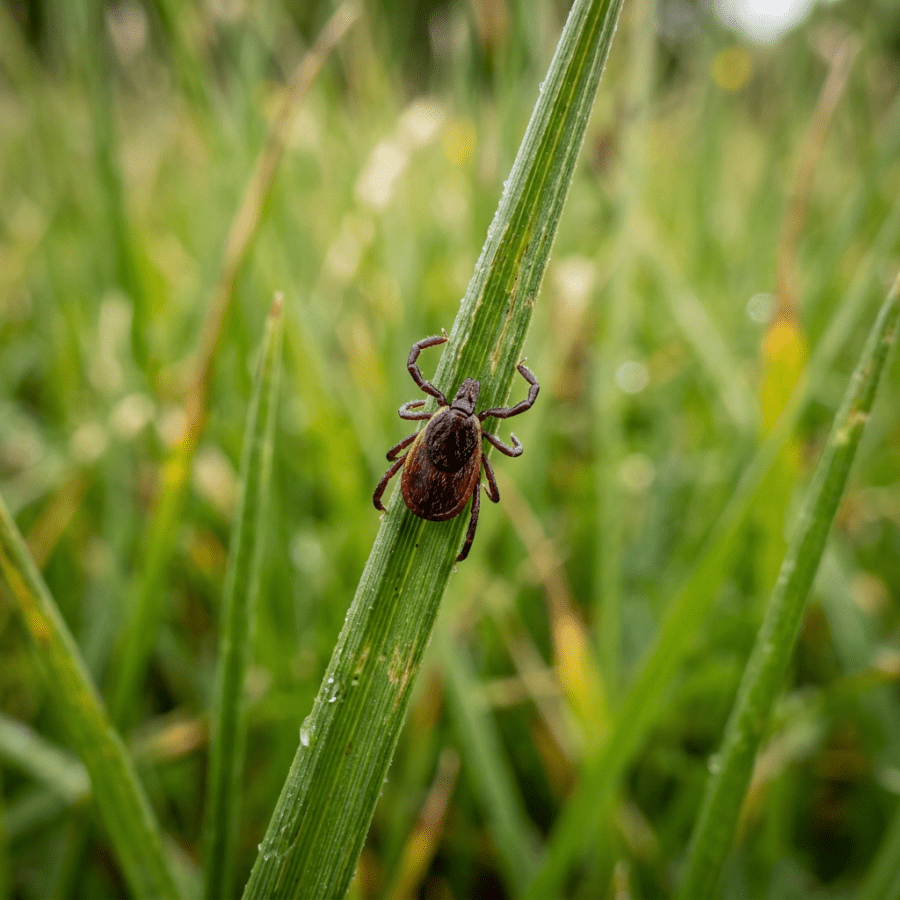
Tick clinging to a dew-covered blade of grass

Tick Bites – Will I Get Lyme disease?

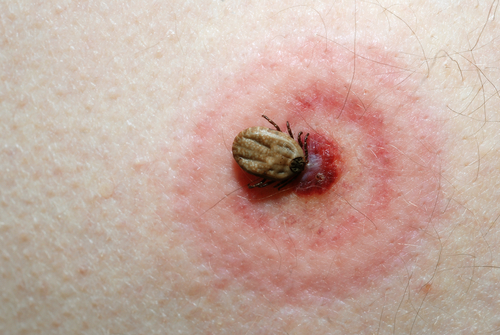
shutterstock_17720305shutterstock_148613042Last night a patient came into the Urgent Care with a tick on his belly.  He recently returned from a trip to New York State and he was concerned about the possibility of developing Lyme disease.  When I looked at the tick, I noticed that it was small and almost translucent.  It was attached to his skin but its head was still clearly visible and had not burrowed below the surface of the skin on his abdomen. Tick bites are common this time of year.  They occur on humans as well as animals such as dogs.  Many different types of ticks in the United States, only some of which are capable of transmitting infections.  The risk of developing an infection such as Lyme disease after being bitten depends upon the geographic location, season of the year, type of tick and how long the tick was attached to the skin. The risk of acquiring an infection from a tick is actually quite low.  In the case of my patient, the tick hadn’t even taken a blood meal – ie. it was not engorged with blood.  His risk of developing Lyme disease from that tick was absolutely 0%.  Ticks transmit infection only after they have attached and become engorged with blood.  Deer ticks that transmit Lyme disease must feed for more than 36 hours before transmission of the organism called Borrelia burgdorferi. If you come in to see me after you’re bitten by a deer tick (the type that carries Lyme disease), I would generally advise one of two approaches: 1)   Observe the area and treat with antibiotics only if signs of infection develop 2)   Treat with antibiotics immediately as a preventative measure The individual patient’s history, the type of tick and how long it was attached and the patient’s wishes will help determine which approach to take. How to Remove a Tick:  Some patients come in to see me after they’ve already tried removing a tick and have been unsuccessful or partially successful.  I commonly see patients who come in after they’ve removed only part of the tick and the head and are concerned because the tick head is still buried below the skin.  Here is the technique that I use to remove a tick: 1)   Do not attempt to use a match, cigarette, nail polish, Vaseline, liquid soap or kerosene because it may just irritate the tick and cause it to inject the harmful organism into the wound 2)   Use fine tipped tweezers to grasp the tick as close to the skin as possible 3)   Pull back gently but firmly using even, steady pressure without jerking or twisting the tick 4)   After removing the tick, wash the skin and hands with warm soapy water 5)   If any part of the tick is still in the skin, they generally come out on their own.  I don’t recommend attempting to remove little pieces of the tick at home as this can cause skin trauma and scarring. 6)   Go see your medical provider if you are concerned about not being able to remove the tick. Treatment:  The Infectious Diseases Society of America recommends treatment with antibiotics preventatively only in people who meet ALL the criteria below: 1)   The attached tick was identified as an adult or nymph deer tick 2)   The tick was attached for more than 36 hours based on how engorged the tick appears and the amount of time since outdoor exposure 3)   Antibiotic treatment can begin within 72 hours of tick removal 4)   The area where the tick bite occurred was in an area where the organism B. burgdorferi infection rate is greater than 20% – generally in parts of New England, parts of the mid-Atlantic states and parts of Minnesota and Wisconsin. 5)   The patient can take doxycycline – i.e. the patient is not pregnant or breastfeeding a young child or allergic to this antibiotic. If all the criteria above are met, the treatment is a single dose of doxycycline 200mg for adults and 4mg/kg up to a maximum of 200mg for children older than 8 years of age. Symptoms of Lyme disease:  What the area where the tick bite occurred and observe for expanding redness.  The rash that is associated with Lyme disease is called erythema migrams (EM).  This rash is a salmon color usually and typically expands over a few days or weeks and can reach up to 8 inches in diameter.  The center of the rash tends to become skin colored (clear) as the rash grows in size.  This gives the rash a sort of “bull’s eye” appearance.  The rash generally doesn’t cause any symptoms. Other associated symptoms of Lyme disease could include: 1)  A few days to a month after the bite:  fatigue, malaise, lethargy, mild headache, mild neck stiffness, aches, joint pain and enlarged lymph nodes. 2)  Weeks to months after the bite:  Inflammation of the heart, heart rhythm problems, meningitis, encephalitis, severe joint pain, multiple areas of rash, eye pain/vision problems, liver disease, kidney disease.   I hope that you have found this information useful.  Wishing you the best of health,

Ticks aside, most of what goes up on this blog now is obesity medicine and GLP-1 therapy, including whether Ozempic and Zepbound cause muscle loss.

Updated for 2026: The Preventive Dose Has Rules Now

When I wrote this in 2012, the single preventive dose of doxycycline after a tick bite existed but was applied loosely. The 2020 joint guideline from the infectious disease, neurology, and rheumatology societies tightened it into something specific, and the specifics are what decide whether you should get it (1). All three of these have to be true. The tick was an Ixodes species. The bite happened somewhere Lyme is genuinely common. And it had been attached at least thirty six hours. If all three hold, a single dose of doxycycline, 200 milligrams for an adult or 4.4 milligrams per kilogram up to 200 for a child, given within seventy two hours of pulling the tick off. If you cannot confidently say all three, the guideline says to watch and wait rather than treat. That is a real recommendation, not a hedge. Most tick bites do not need antibiotics. The seventy two hour window is the part people miss. If your child was bitten on a camping trip four days ago, the preventive dose has passed its usefulness and the plan becomes watching for a rash instead.

Doxycycline and Young Children

Here is a change worth knowing about if you were told otherwise years ago. The old rule kept doxycycline away from children under eight because of tooth staining. That concern came from older tetracyclines. Doxycycline binds calcium far less readily, and short courses are now considered appropriate at any age. The American Academy of Pediatrics updated this position in 2018, and prescribing followed: one analysis found use in young children with Lyme disease rose from 6.9 percent in 2015 to 67.9 percent in 2023 (2). If someone tells you your five year old cannot have doxycycline for a tick borne illness, that is out of date.

Two Things That Barely Existed Here in 2012

Alpha gal syndrome is the big one. A bite from a lone star tick can leave you allergic to red meat, with reactions that come on hours after eating rather than minutes, which is why it goes unrecognized for so long. Between 2017 and 2022 there were just over 90,000 positive tests among roughly 295,000 people tested, concentrated across the South, Midwest, and Mid Atlantic (3). If you developed hives or stomach trouble in the middle of the night after a steak dinner and nobody can explain it, this belongs on the list. Powassan virus is rarer and worse. It is a tick borne encephalitis with no treatment and no vaccine, and the case counts have climbed, from 64 reported across 2004 to 2013 up to 270 across 2014 to 2023, with a record year in 2024 (4). Testing has changed too. Alongside the traditional two tier serology with a Western blot, there is now a modified two tier approach using two sequential immunoassays, which performs better in early disease and comes back faster.

What a Video Visit Is Good For Here

Tick bites suit this format better than most things. What I need is mostly information, and a photograph. Where were you, geographically. When did you find it. How long had it been on, and if you do not know, was it flat or engorged. Did you keep it. A clear photo of the tick, even in a plastic bag, often settles the species question, and that is one of the three criteria. A photo of a spreading rash is also something I can act on. Erythema migrans does not require a blood test to treat, and I would rather start treatment on a convincing rash than wait for serology that is frequently negative in the first couple of weeks. One practical thing: put the tick in a bag and photograph it against something for scale before you throw it out. It costs you nothing and it changes the advice.

When To Be Seen Rather Than Call

Any neurologic symptom after a tick bite. Facial droop, a bad headache with a stiff neck, confusion, weakness. Palpitations, fainting, or shortness of breath, which can mean cardiac involvement. A rash with high fever and looking genuinely unwell. And the time sensitive one, a tick attached a day and a half or more in an endemic area, where you have seventy two hours to make a decision.

The Bottom Line

Most tick bites need nothing but a careful look and a few weeks of attention. The exceptions are specific and time limited. Know whether your bite meets all three criteria, keep the tick, and treat a spreading rash without waiting for a blood test.

Sources

1. Lantos PM, Rumbaugh J, et al. 2020 Guidelines for the Prevention, Diagnosis and Treatment of Lyme Disease. IDSA, AAN, and ACR. Clinical Infectious Diseases. 2021;72(1):e1-e48. https://academic.oup.com/cid/article/72/1/e1/6010652 2. Increased usage of doxycycline for young children with Lyme disease. Frontiers in Antibiotics. May 21, 2024. https://www.frontiersin.org/journals/antibiotics/articles/10.3389/frabi.2024.1388039/full 3. Kennedy J, et al. Geographic Distribution of Suspected Alpha-gal Syndrome Cases, United States, January 2017 to December 2022. MMWR. 2023;72(30):815-820. https://pmc.ncbi.nlm.nih.gov/articles/PMC10390090/ 4. CIDRAP. West Nile accounted for most US arboviral cases in 2024 as Powassan cases hit record high. https://www.cidrap.umn.edu/west-nile/west-nile-accounted-most-us-arboviral-cases-2024-powassan-cases-hit-record-high

Related Reading

When to Use Telemedicine vs. Urgent Care: How I Spot the Sick One Allergic Antibiotic Drug Reactions: Am I Truly Allergic to Penicillin? Scott Rennie, D.O.

Board Certified in Obesity Medicine and Family Medicine

This blog is for educational purposes only and does not constitute individual medical advice. Always consult your own physician before making changes to your health, medications, or treatment plan.
Backpacker filtering stream water beside a mountain trail

How to Safely Disinfect Drinking Water in the Wilderness

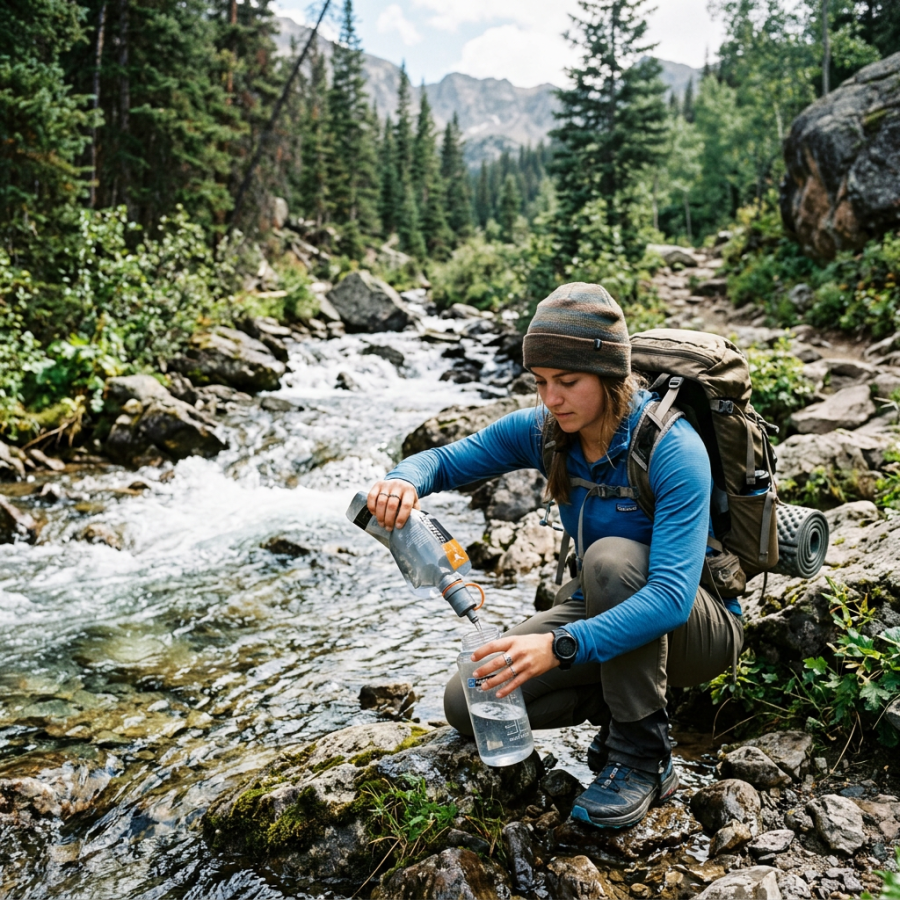
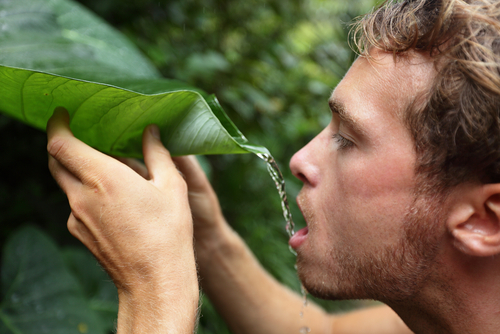
shutterstock_125263139I credit much of this information to Dr. Howard Donner who has incredible knowledge of both medicine and the wilderness.  He is also an excellent teacher. Drinking water can be contaminated with bacteria, viruses, protozoa and other parasites.  The risks of getting ill depends on the number of organisms that are consumed which is determined by the volume of water, concentration of organisms and how well the water treatment system is working. Disinfection:  Removal or destruction of harmful microorganisms Pasteurization:  Similar to disinfection but uses heat at temperatures below 100 degree C to kill most pathogenic organisms Sterilization: Destruction or removal of all life forms – not to be confused with disinfection or pasteurization Purification:  Removal of organic and inorganic chemicals and particulate matter to remove offensive color, taste and odor.  It may not remove or kill enough microorganisms to ensure microbiologic safety. The goal of disinfecting water is to achieve minimal microbial hazard so that the likelihood of illness is acceptable. Sterilization is not necessary because all life forms are not human pathogens. Water treatment methods:  Heat, Filtration and Clarification, Ultraviolet light Disinfection by Heat: 1)   The boiling time required is important when fuel is limited 2)   Most pathogens including cysts, bacteria, viruses and parasites can be killed at a temperature well below boiling 3)   Thermal death is a function of both time and temperature; therefore, lower temperatures are effective with longer contact times 4)   Microorganisms have varying sensitivity to heat; however all common bacteria that cause diarrhea are readily inactivated by heat 5)   Hepatitis A is a special concern because it seems to have greater thermal resistance 6)   Elevation should not make a large difference unless hepatitis A is a concern because heat inactivation occurs below typical boiling temperatures 7)   The 10 minute boiling rule is for sterilization of water.  Enteric pathogens are killed within seconds by boiling water and rapidly above 140 degrees.  The majority of the time required raiding the temperature of the water to boiling point works toward disinfection so water is safe to drink by the time it has reached a full boil.  For extra safety against hepatitis A, keep the water covered and hot for several minutes after boiling 8)   A pressure cooker saves times and fuel at all elevations 9)   Pasteurization has been achieved using solar heating using a foil-lined cardboard box with a glass window in the lid. Disinfection by Filtration: 1)   Field filters rely on mechanical removal of microorganisms and are adequate for cysts, and bacteria but do not reliably remove viruses which are a major concern in water where high levels of fecal contamination are present (e.g., in developing countries) 2)   The advantage is they are simple and require no holding time 3)   They do not add any unpleasant taste and may improve taste and appearance of the water 4)   Most viruses adhere to larger particles or clump together into larger aggregates that me be removed by a filter, but filtration alone is not adequate because the infectious dose of the virus may be quite small. 5)   Filters are often expensive and can add considerable weight and bulk to the backpack 6)   The filter pore size that is required to remove microorganisms is difficult to determine because the organisms possess elasticity and deform under pressure and that makes it possible for them to squeeze through filter pores. 7)   Filters are rated by their ability to retain particles of a certain size which is described by two terms.  Absolute rating means that 100% of a certain size of particle is retained in the filter.  Nominal rating indicates that more than 90% of a given particle size will be retained. 8)   All filters eventually clog from suspended particulate matter even in clear streams.  This means that they require cleaning or filter replacement.  The ability to field service the unit easily is an advantage. 9)   As the filter clogs, it requires increasing pressure to drive the water through which can force microorganisms through the filter. Reverse Osmosis Disinfection: 1)   Reverse osmosis filters use high pressure (100 to 800 psi) to force water through semipermeable membranes that filter out dissolved ions, molecules and solids 2)   Generally used for desalinating water, but may also be used to remove biological contaminants 3)   Small hand-pumped reverse osmosis units have been developed but their high price and slow output currently limit their use by land based wilderness travelers.  They are an essential survival item for ocean travelers Clarification of cloudy water can be achieved by sedimentation, coagulation-flocculation(CF), or adsorption. 1)   Large particles settle by gravity over 1-2 hours in sedimentation. Which can help if you are using a filter.  Although filters remove particulate debris, thus improving the appearance and taste of “dirty” water, they clog quickly if the water contains large particles. Using sedimentation allows the larger particles to settle out to the bottom of the container helps prevent the filters from clogging so quickly. 2)   Smaller suspended particles can be removed by coagulation-flocculation(C-F).  This is accomplished in the field by adding alum (aluminum potassium sulfate).  Alum is used in the food industry as a pickling powder and is nontoxic.  C-F will remove contaminants that cause unpleasant color and taste as well as some dissolved metals and some microorganisms. Water Clarification using Alum: 1)   Add a pinch of alum to each gallon of water 2)   Mix well, and stir occasionally for 30 minutes then allow 30-60 minutes for settling 3)   The water should be clear, if it is not then add another pinch of alum and repeat 4)   Decant or pour the water through a paper filter to remove clumps of flocculate. Charcoal filters/Granular Activated Charcoal (GAC):  Removes organic pollutants, chemicals, and radioactive particles by adsorption.  This improves the color, taste and smell of the water.  Although some microorganisms adhere to the GAC or become trapped in the charcoal filters, GAC does not remove all microorganisms, so it does not disinfect. 1)   Useful for removing halogens such as iodine or chlorine after disinfection 2)   Wait until after the contact time for disinfection before running water through charcoal if you use it to remove the iodine or chlorine from your water 3)   Some filters use iodine resins followed by GAC and rely on a different dynamic Halogens:  Chlorine and Iodine are effective disinfectants against bacteria, viruses, Giardia and cysts of amebae but not Cryptosporidium.  They are not expensive. 1)   Disinfection with halogens depends on both the concentration of the halogen and the amount of time the halogen is in contact with the water (contact time).  Increase in one allows a decrease in the other (inverse relationship). 2)   Water temperature and the presence of organic contaminants in the water affect this method (colder temperatures slow and organic contaminants decrease its disinfection action).  Thus, in cold water, the contact time or dose should be increased and in polluted water the dose must be increased 3)   Use 4 parts per million (ppm) as a target concentration for surface water and allow extra contact time if the water is cold. 4)   In cloudy water that will not settle out by sedimentation, the halogen dose should be at least 8ppm.  Ideally, use C-F to clarify the water before halogenation, then a smaller amount of halogen may be used. Organism sensitivity to halogens: 1)   Bacteria are very sensitive to halogens 2)   Viruses and Giardia require higher concentrations or longer contact times 3)   Certain parasite eggs such as round worms are resistant but they are usually not spread in the water.  These eggs or cysts are susceptible to heat or filtration 4)   Cryptosporidium cysts are extremely resistant to halogens Chlorine vs. Iodine: 1)   Iodine is less affected by pH and tastes better than Chlorine 2)   Chlorine and Iodine are available in liquid or tablet forms 3)   Some people have allergic reactions to iodine 4)   Iodine use is not recommended for people with unstable thyroid disease or unknown iodine allergy 5)   Iodine should not be used during pregnancy for longer than several weeks because of risk of neonatal goiter 6)   Limit exposure to drinking iodinated water to 1 month or less if all water being consumed is treated with iodine 7)   Iodine resins with GAC filters may reduce iodine exposure because they have lower concentration of iodine and remove it with the filter Problems with halogens: 1)   The taste of water can be unpleasant 2)   The potency of some products (both tablets and solution) decrease with time an are affected by heat or moisture 3)   Liquids are corrosive and can stain clothes or equipment 4)   Cryptosporidium are resistant 5)   The actual concentration (after halogen demand – ie amount of organic material in water) is unknown Improving the Taste of Water that has been disinfected with halogens:  Add flavoring to the water only after adequate contact time because the sugar and additives can reduce the amount of free iodine available.  Also using charcoal (GAC) to remove the halogen after contact time.  You may also reduce the concentration and increase the contact time for clean water.  You can use a collapsible plastic container to disinfect water with low doses of iodine during the day or overnight.  You can also add a few granules per liter of ascorbic acid (vitamin C) in powder or crystal form after the contact time and this will take out the color and taste of the chlorine or iodine.  Superchlorination-Dechlorination:  High doses of chlorine are added to the water in the form of calcium hypochlorite crystals to achieve concentrations of 30-200 ppm of free chlorine that are above the margin of safety for field conditions and rapidly kill all bacteria, viruses and protozoa.  After 10-15 minutes, several drops of 30% hydrogen peroxide solution are added.  The minor disadvantage of the two-step process is excellent taste.  This is a good technique for highly polluted or cloudy water and for disinfecting large quantities of water. Mixed Species Disinfection (Miox Purifier):  Passing a current through a simple brine sale solution generates free available chlorine, as well as other “mixed species” disinfectants that have been demonstrated effective against bacteria, viruses and bacterial spores.  There is potential for malfunction and battery depletion.  A new point-of-use commercial product is available – Miox marketed by MSR. Chlorine Dioxide:  This is capable of inactivating most waterborne pathogens including Cryptosporidium parvum oocysts at practical doses and contact times.  It is at least as effective a bactericide as chlorine and in many cases it’s superior.  It’s far better against viruses. Ultraviolet Light:  In sufficient doses, all waterborne enteric pathogens are inactivated by UV radiation.  UV treatment does not require chemicals and does not affect the taste of the water.  UV works rapidly and overdose to the water does not cause any problems.  It has no residual disinfection power and water may become re-contaminated or regrowth of bacteria can occur.  Particulates in the water however can shield microorganisms from UV rays.  Where strong sunshine is available, solar disinfection of drinking water is an effective, low-cost method for improving water quality and may be very useful in refugee camps and disaster areas. If you are interested in learning more about wilderness medicine, a great resource for information is the wilderness medicine society:  http://www.wms.org/   I hope that you have found this information useful.  Wishing you the best of health,

Scott Rennie, D.O.
Board Certified in Obesity Medicine and Family Medicine

This blog is for educational purposes only and does not constitute individual medical advice. Always consult your own physician before making changes to your health, medications, or treatment plan.
Cluster of brown mushrooms growing among moss and fallen leaves

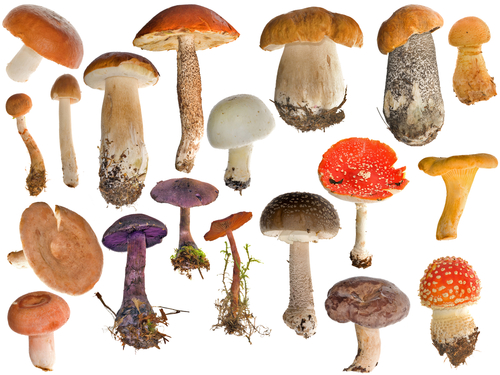
Poisonous Plants and Mushrooms You May Encounter Outdoors

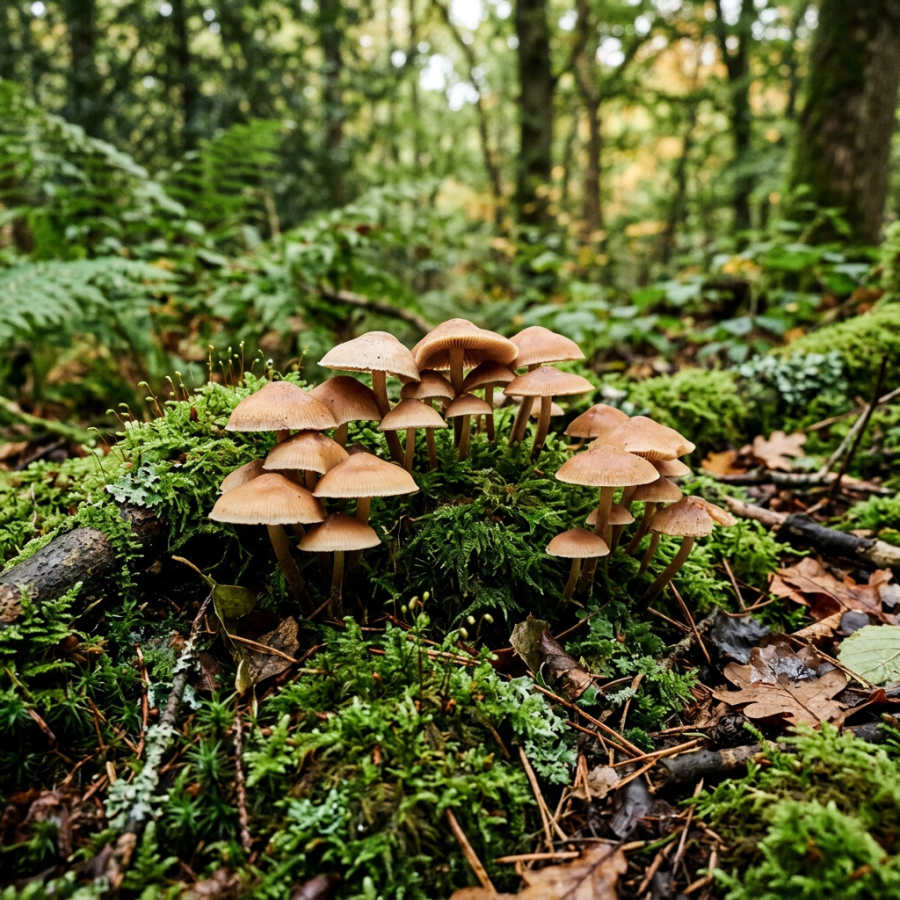
shutterstock_78360337Traveling out in the wilderness or being in a survival situation can bring people to look for or depend on plants for food/nourishment.  Sometimes these plants can be extremely poisonous and cause illness. Anything in the correct dose can be poisonous.  “The dose makes the poison.” I credit the information that I’ve learned and written here to Richard Clark, MD who is medical toxicologist and expert in Wilderness Medicine. Mushroom ingestion: It’s difficult even for a trained botanist to identify all mushroom varieties and 95% of the time the type ingested is unknown.  There are less than 100 reported fatalities related to mushroom ingestions in 25 years.  Most patients are treated at home.  Most cases reported to the poison control center were related to children, however all reported deaths were in adults.  Mushroom toxicity varies widely.  Management and prognosis often depend on the history and geographical location of the ingestion as well as the initial signs/symptoms.  The largest and most diverse group are the “little brown mushrooms.”  These are often mistaken for edible varieties. Symptoms of toxic mushroom ingestion can be classified as early or late. Early gastrointestinal symptoms may begin in ½ hour to 3 hours after ingestion and may be:
1)  Severe nausea, vomiting and diarrhea
2)  Stools may be bloody
3)  Symptoms may last 6-24 hours
4)  Most of the time no labs are needed, but when symptoms are severe liver enzymes may be monitored
Treatment:  Hydration and anti-nausea medication and possible narcotics for pain. Mushroom ingestion with late gastrointestinal symptoms:  may begin 6-12 hours after ingestion. Mainly differentiated between 2 varieties – Amanita/Galerina and Gyromitra.  There are several liver toxic Amanita species:  phalloides, virosa, verna.  They have a greenish color cap and like to live under oak trees.  They are the most common vegetable cause of human death in the USA.  Phase 1: 8-12 hours after ingestion – abdominal pain, vomiting and diarrhea.  Phase 2:  Begins 12-36 hours after ingestion and patients may actually improve.  Phase 3:  2-6 days after ingestion, the patient may get severe liver death and kidney disease.  There are no antidotes available.  Treatment is supportive care and organ transplant if necessary. Several species may look like a morel (Morchella esculenta) and are the esculenta, infula, ambigua.  These false morel may be edible in some parts of the U.S.  In areas where they are toxic, the toxins may sometimes be destroyed by cooking.  Symptoms including nausea, vomiting, diarrhea seizures and possible liver damage begin 6-12 hours after ingestion. Treatment:  Rehydration, activated charcoal, benzodiazepines, pyridoxine. Plant induced itchy rash (contact dermatitis):
1)  Poison Ivy
2)  Poison Oak
3)  Poison Sumac
Exposure to mango, pistachio and cashew can also cause the reaction. 50% of the population is highly sensitive.  Oils on plant turn black on contact with air.  These plants are found in all 48 continental states.  P. Ivy is mostly in the eastern states, P. oak is mostly in the west and Sumac is mostly in the southeast. Severe cases can progress to a severe type 1 hypersensitivity reason.  Symptoms usually begin with 2-4 hours after exposure and may include:
1)  Redness
2)  Itching
3)  Blisters
4)  More severe cases may cause fever, nausea, vomiting, dehydration
5)  Skin infection secondary
Treatment:  prevent severe symptoms by early washing with soap and water (toxin is oily).  Treat with systemic corticosteroids and topical lotions, steroid creams and antihistamines. There are several products that help prevent exposure to the plants by wearing them – including barrier creams, lotions or sprays – these are poorly protective.  Stoko Gard Outdoor Cream provides great protection if washed off by 8 hours post-exposure.  IvyBlock is another product that can provider good protection. The “Unknown” Berry Ingestion:  Most of these are non-toxic but can cause gastrointestinal illness.  Large quantities of almost any plant can cause nausea/vomiting.Decontamination with pumping the stomach or charcoal is rarely needed.  Rehydrate and give anti-nausea medicines or benzodiazepines for seizures or agitation. Holly:  Over 300 species, causes nausea, vomiting and diarrhea.  Treat with rehydration Pokeweed:  Native to Eastern USA along roads and moist areas.  Rapid onset of severe nausea, vomiting and diarrhea.  Treat with rehydration. Castor bean:  Grows wild in southern California.  The seed is the most toxic part.  Whole seeds are “nontoxic” except for severe gastroenteritis.  Treat with rehydration. Jequirity bean:  Native to Florida and the Keys.  The bean is the toxic portion of the plant.  Causes severe nausea, vomiting and diarrhea.  Treat with rehydration. Ricin and Abrin:  Two of the most toxic substances with the highest concentration in the seeds.  Intoxications result in multisystem organ failure.  Seed coat must be destroyed.  There are few if any reported cases of fatalities when seeds ingested Water Hemlock (Cowbane, false parsley):  Grows throughout the USA along roads and ditches and is often mistaken for wild carrots or wild parsley.  It was used extensively for suicide in ancient Greece.  Most lethal plant in North America.  Tuberous root.  Causes rapid onset of seizures.  Treat with airway protection and anticonvulsants. Nicotine:  Found in woodlands and along roads.  Poisoning from touching on the skin, inhalation or gastrointestinal exposure.  Rapid onset of severe nausea, vomiting, diarrhea, headache, dizziness, confusion, seizures and possible coma and paralysis. Jimson Weed:  Grows along roads and fences throughout the USA.  Seeds are particularly potent.  Mind altering properties noted in ancient literature.  Seeds contain atropine (50-100 seeds may contain 3-6mg).  Anticholinergic toxicity.  Treat with sedation and possibly physostigmine. Foxglove, Lily of the Valley, Oleanders:  Contain heart glycosides that can lead to stopping of the heart, rapid pulse, or arrhythmias. Hellebore:  Found in moist woodlands of eastern and western USA.  Used as a sneezing powder.  Can cause nausea, vomiting, low blood pressure, slow heart rate and heart dysrhythmias. Aconite (Monkshood, wolfsbane):  Can cause cardiotoxicity (dysrhythmias) or neurotoxicity (paresthesias).  Treat with lidocaine and supportive care. Rhododendron including azaleas and laurels:  Leaves and flowers contain small amount of Andromedotoxin or grayantoxin that can cause cardiac dysrhythmia but there has only been one reported case in the last 20 years. Unknown plant ingestion with patient having seizures:  Wide differential of plants that cause this.  Symptoms can advance quickly.  Often symptoms begin with nausea and vomiting and can progress to coma and paralysis. There are many other plants that are toxic.  Please contact your medical provider or your local poison control center.  There are more than 40 nationally certified and they are open 24 hours/day and staffed by specialists in poison information.  There is backup from medical toxicologists. If you have a poison exposure or question, the poison helpline number is:  1-800-222-1222 and is available 24/7 365 days of the year.  Also, the American Association of Poison Control Centers website has some valuable information as well:  http://www.aapcc.org/dnn/default.aspx If you are interested in learning more about wilderness medicine, a great resource for information is the wilderness medicine society:  http://www.wms.org/   I hope that you have found this information useful.  Wishing you the best of health,

Scott Rennie, D.O.
Board Certified in Obesity Medicine and Family Medicine

This blog is for educational purposes only and does not constitute individual medical advice. Always consult your own physician before making changes to your health, medications, or treatment plan.
Grilled fish, salad, and rice served overlooking a turquoise seaside village

Gluten Free Travel Tips: How to Eat Well While Abroad

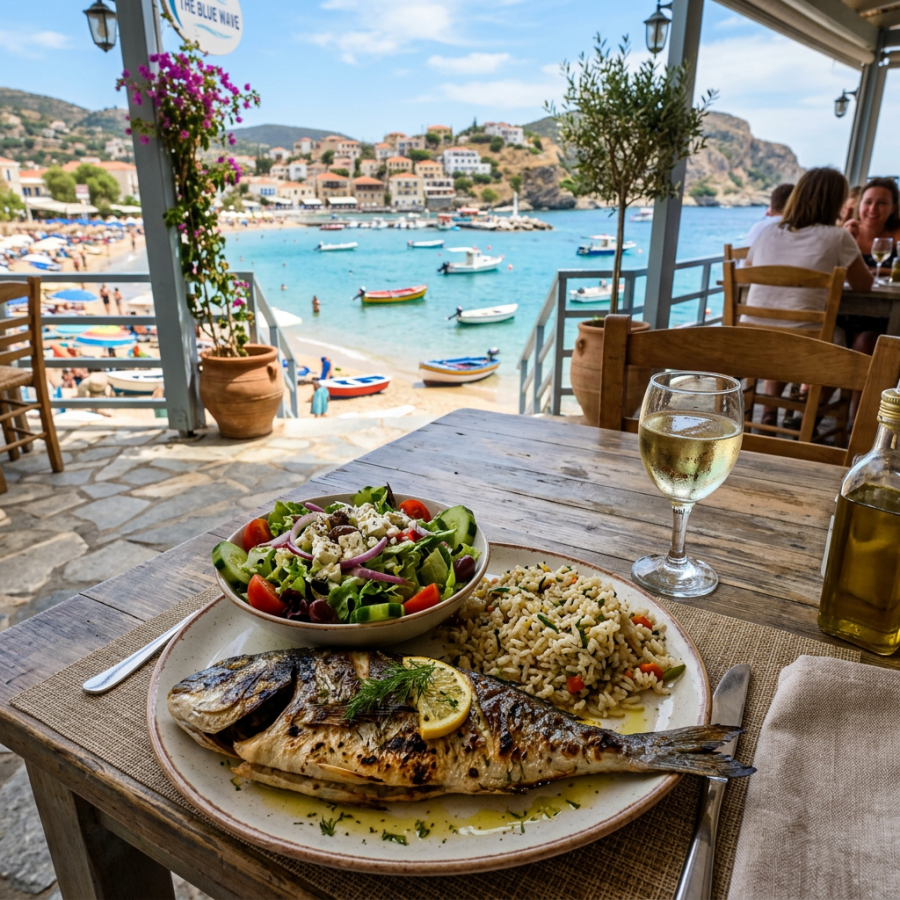
For a variety of reasons, some patients prefer a gluten-free diet.  I am not promoting a Gluten-Free diet here, but just pointing out what some patients are doing and some ways to continue to be Gluten-Free if that is your choice. Gluten is a protein that is found in foods processed from wheat and related grains including barley and rye.  It gives a kind of chewy texture to many of the food products that we eat. 1)   The Airlines are not “Gluten Friendly” so it’s safe to assume that you’ll need to pack your own pic-nick style meals.  Bringing fruits, nuts, tail-mix, cheeses and meats that you would normally eat at home and pack them into soft-sided cooler type containers or your carry on bag. 2)   Packing your own nutritional supplements containing digestive enzymes may be helpful if you can’t be entirely sure that the food your eating is totally free of glutens.  Digestive Gold is one supplement may be helpful.  Your local health-food store or Amazon.com may have digestive enzymes, but your favorite drug store may not. 3)   Cook for meals yourself.  When you travel, consider renting a place with a kitchenette if you can so you have the space available to create your own meals that you know are gluten free. 4)   Find a decent grocery store with a good deli instead of eating out at restaurants and fast food joints.  That way you can make your own salads, buy some meats and cheeses and create something both tasty and healthy. Eating gluten free is definitely more work, but for those of us with Celiac Disease, on dietary restrictions or who just want to eat healthier I think the advance preparation is worth the investment. For more information about the Gluten Free Diet, check out the Mayo Clinic Article – Gluten-Free: What’s Allowed, What’s Not: http://www.mayoclinic.com/health/gluten-free-diet/my01140   I hope that you have found this information useful.  Wishing you the best of health,

Scott Rennie, D.O.
Board Certified in Obesity Medicine and Family Medicine

This blog is for educational purposes only and does not constitute individual medical advice. Always consult your own physician before making changes to your health, medications, or treatment plan.