Man wearing protective mask with smoky industrial city background

LA Wildfires: Health Risks and a Doctor’s Perspective

On January 7, 2025, powerful winds sparked wildfires across Los Angeles. I live only a few blocks from one of the burn zones, and like many in the city, I was trying to keep up with the immediate challenges while also absorbing what it meant for health and safety. Those fires were a reminder of just how fragile our environment and infrastructure can be when nature takes over.

The air was heavy with smoke and ash in those first weeks. Step outside and you could taste it, feel it in your throat. Air quality monitors showed “unhealthy” or “very unhealthy” levels for days, mainly due to fine particulate matter, PM2.5. Even indoors, it was hard to escape. The smell crept through closed windows and doors. I’ve had patients call worried about worsening asthma, chest tightness, or headaches after only short exposures.

The winds drove the flames and knocked out power across neighborhoods. My own area went days without electricity, which made it harder to stay updated on evacuation alerts or even preserve basic supplies. There was concern about the water too. Ash and debris can wash into reservoirs and pipes, and that raised real questions about whether tap water was safe to drink. Many of us turned to bottled water, but the shelves emptied fast.

In those weeks, each day brought news of flare-ups in other parts of the region. Containment lines held in one spot, only to break in another. Watching the wind shift kept you tense. We’d all packed bags and set them by the door, not knowing when an evacuation order might come.

Ash settled over yards, on car hoods, across rooftops. The instinct is to clean it as fast as possible, but that can cause more harm than good: leaf blowers just push particles back into the air, where neighbors and children breathe them in. A safer approach is low-tech: a vacuum indoors, or a wet mop and gentle sweeping outside. When I cleaned my porch, I wore an N95 mask, gloves, and goggles. Ash went into sealed trash bags so it wouldn’t scatter again.

Protecting yourself during a wildfire comes down to layers of defense. Stay indoors if the air is poor. Use HEPA filters if you have them. Step outside only if you need to, and wear an N95 mask against fine particles. Skip the outdoor exercise. For water, use bottled supplies when you can, or follow boil-water notices if officials issue them. Keep a go-bag ready with medications, documents, food, and water, and know your evacuation routes and how you’ll get updates, whether that’s a radio, phone alerts, or a neighbor who checks in.

These fires took a toll on health, both physical and mental. But I saw resilience too. A neighbor came by to offer us extra bottled water when supplies ran low. Others opened their doors to families who had to evacuate. The community response was one of the few bright points in a difficult stretch.

It’s clear that Los Angeles needs to strengthen preparedness, both individually and collectively. Climate change is making fire seasons longer and more intense. Infrastructure will have to adapt, but so will we as individuals. Preparedness, whether that’s sealing a window with weather stripping, having an air purifier ready, or knowing your evacuation plan, can make a real difference.

At the time, the focus was on protecting ourselves and helping each other through it. Nobody knew how many more weeks the fires would burn, but people in LA were resourceful, and determined to get through it together.

Scott Rennie, D.O.
Board Certified in Obesity Medicine and Family Medicine

This blog is for educational purposes only and does not constitute individual medical advice. Always consult your own physician before making changes to your health, medications, or treatment plan.


Sources

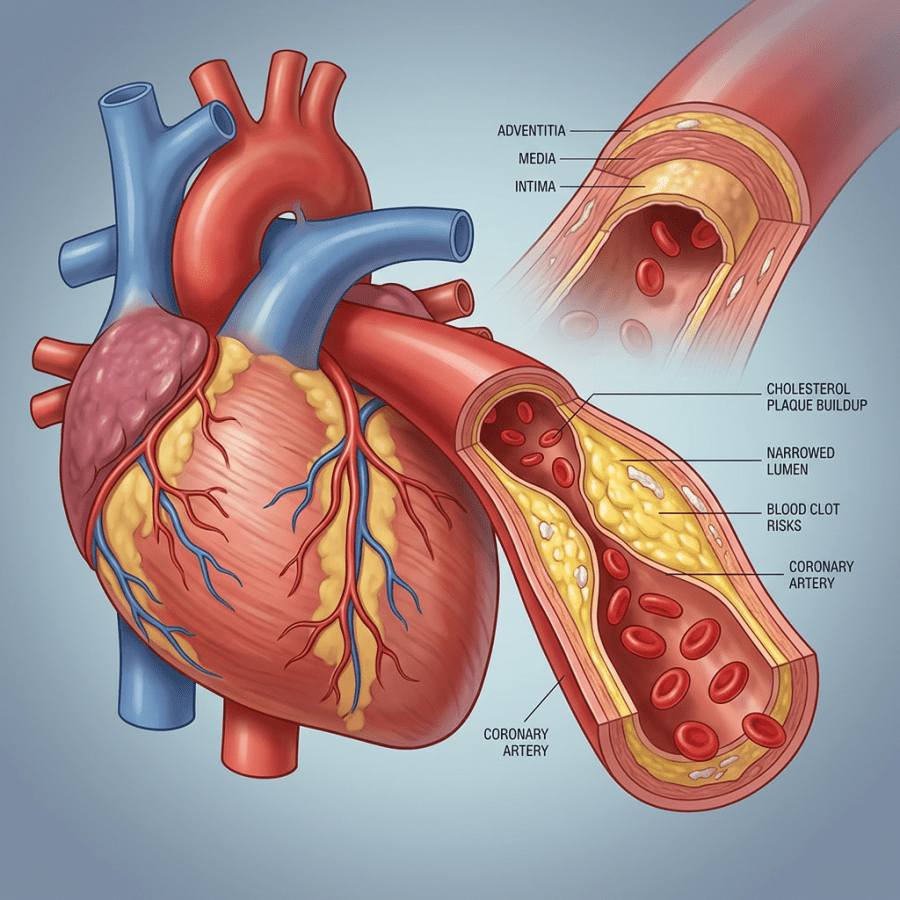
Heart anatomy with coronary artery cross-section showing cholesterol plaque buildup, narrowed lumen, and blood clot risks

Why Does High Cholesterol Matter? A Doctor Explains

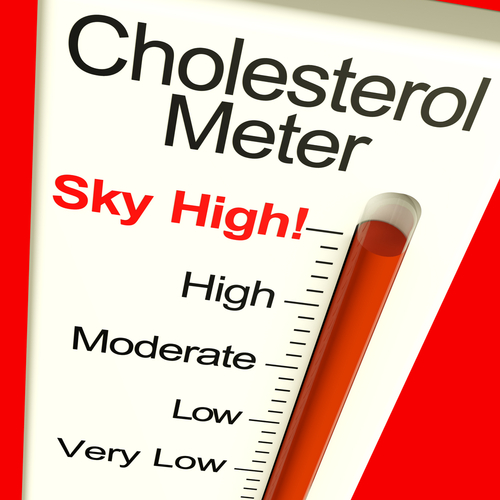
shutterstock_92612734One of the most common questions that patients ask me is why they should take medication for cholesterol.  They often don’t have any symptoms of high cholesterol and many people don’t like the idea of taking a medication for something that they don’t feel is causing them any problems.  I felt like it was important to write a little bit about cholesterol, triglycerides, goals and treatment options. So why should you care if your cholesterol is high?  Did you know that there are both good and bad forms of cholesterol?  What’s the difference between high cholesterol and hyperlipidemia?  These are all great questions and I will attempt to answer them in this article. When we use the term hyperlipidemia, we are generally speaking about the amount of fats in the bloodstream being elevated.  Fats include both cholesterol and triglycerides.  When the level of fat is elevated in the bloodstream it can collect in your blood vessels and cause blockages. If you think about your blood vessels as being hoses that feed the different organs of your body, you can imagine cholesterol as a substance which collects or coats the inside of these vessels so that the blood has a narrowed space to flow through.  If too much cholesterol fills up in the blood vessels it can make it difficult for the blood to flow through this area and reach certain areas of the body. If the blood flowing through your body is blocked and cannot get to a certain area of your heart, you could have a heart attack.  If blood has trouble reaching an area of your brain, you could have stroke.  So how do you know if your blood vessels are being blocked by fats such as cholesterol or triglycerides? Will you have symptoms?  It can be very challenging to know if you are getting fat from cholesterol and triglycerides stuck in your blood vessels. You might not have symptoms until the blood vessels become plugged to such a degree that blood cannot get through.  At this time, your heart or brain may suffer permanent damage from a heart attack or stroke.  It’s very important to prevent the blood vessels in the body from becoming plugged with cholesterol or triglycerides that we refer to a plaque when it combines with other cells of the body such as platelets. Why are doctors even more worried about my cholesterol levels now that I was diagnosed with diabetes?  Diabetes means that your blood sugars are likely higher than they should be.  High sugar within the blood vessels causes damage that makes the inside of the vessels (where the blood flows) become sticky and the cholesterol and platelets stick inside the blood vessels that have been damaged by high blood sugar much easier.  Smoking also causes damage (increased stickiness) to the insides of the blood vessels and makes it easier for cholesterol plaque to stick inside the arteries and potentially lead to a heart attack or stroke. Most of us have heard the terms “good cholesterol and bad cholesterol.”  Two difference forms of cholesterol known and LDL (Low density Lipoprotein) and HDL (High Density Lipoprotein) are commonly measured in your lipid tests.  We like to see a high level of HDL because this type of cholesterol actually lowers the risk of heart disease and stroke by destroying the plaques that build up within the blood vessels.  We like to see low levels of LDL because this type of cholesterol is the bad kind that combines with platelets and sticks inside the blood vessels and can increase the risk for heart attack or stroke.  Total cholesterol is a combined measure of both the HDL and LDL cholesterol.  You don’t need to fast anymore to be able to measure your cholesterol.  There is a direct LDL and HDL test that can be done at your office visit without fasting (only if the local lab offers it).  When I’m looking at the patients lab results, I’m more concerned about the HDL and LDL than I am with the total cholesterol because I want the HDL to be high and the LDL to be low.  So what should your cholesterol numbers be?  Well that depends on your risk factors for heart attack, stroke, kidney disease and whether you have diabetes.  We try to get the levels of LDL cholesterol lower in patients who have diabetes, kidney disease or who have already had a heart attack or stroke. So how low should you go?
  1. For someone who has had a heart attack or stroke:  an LDL below 70-80 mg/dL is recommended, especially if they have diabetes or smoke
  2. If you have heart disease but do not smoke, have kidney disease or diabetes then we try to get the LDL below 100mg/dL
  3. If you do not have heart disease but have risk factors such as diabetes or tobacco use then we try to get the LDL below 130mg/dL
  4. If you have zero or only one risk factor for heart disease then we he try to get the LDL lower than 160 mg/dL
The ideal for the LDL has been changing over the years, but in general we now recognize that getting the LDL as low as possible is usually beneficial. What about the triglycerides?  We have some evidence to suggest that elevated triglyceride levels increase the risk of heart disease but high triglycerides have not generally been thought to pose the same risk of heart disease as high LDL cholesterol.  We consider normal to be below 150mg/dL, borderline high to be 150-199 and high to be over 200.  Triglycerides need to be measured after fasting for at least 12 hours (nothing to eat or drink except water).  We usually treat a patient to lower the triglycerides if they are higher than 500-1000 mg/dL, if they also have high LDL, strong family of heart disease or other risk factors. When should I start getting my cholesterol checked?  Most experts believe that you should start getting your cholesterol checked at age 35 in men (if they don’t have risk factors such as
  1. High blood pressure
  2. Smoking
  3. Diabetes
  4. Kidney problems
  5. Family history of heart disease in a close relative under age 50
  6. Family history of high cholesterol
Or at age 20 in men who have any of the risk factors above.  Women should get their cholesterol checked at age 45 if they don’t have the risk factors above or at age 20 if they do have any of the risk factors above. Treatment for hyperlipidemia (High cholesterol/triglycerides): The decision to treat high cholesterol (LDL) or high triglycerides should be a joint decision with you and your medical provider.  There are several possible treatment options and the decision may be better may by use of a Framingham 10-year risk of coronary heart disease calculator (http://hp2010.nhlbihin.net/atpiii/calculator.asp).  There is one for women and a separate one for men based on the patient’s age, blood pressure, total cholesterol, HDL cholesterol, whether they are taking blood pressure medication, whether they smoke and whether they have diabetes.  1)      Lifestyle changes:  Every medical provider has been trained to educate patients that LDL cholesterol can be reduced by reducing total and saturated fat in the diet and losing weight (if you are overweight).  In addition, exercising aerobically for 30 minutes a day, 5 days a week (at least) and eating a diet rich in fruits and vegetables can also help reduce the bad LDL cholesterol and increase the good HDL cholesterol. 2)     Statins such as Lipitor (also called Atorvastatin), Lovastatin, Pravastatin, Simvastatin, Fluvastatin and Rosuvastatin are usually the first line of treatment for patients with high LDL cholesterol because they work very well for most people.  They can reduce cholesterol levels by as much as 20-60%.  Statins have also been shown to reduce triglycerides (but they don’t work as well for that as some other medications) and slightly increase the good HDL cholesterol.  Some patients have complained of constipation, heart burn or muscle cramps while taking a statin medication.  Usually switching to a different statin can help.  In addition, you should generally not drink grapefruit juice while taking statins because this increases the risk for muscle cramps or other side effects. We also need to monitor your liver function closely while taking a statin.  3)     Zetia is a newer medication which supposedly has fewer side effects than statins and has been shown to lower LDL cholesterol but studies are still ongoing to discover if patients who take this medication daily have fewer heart related problems than those who don’t take it.  4)     Cholestyramine, colesevelam and colestipol are bile acid sequestrants that reduce the amount of cholesterol absorbed from food.  Some people who take these medications however complain of nausea, bloating and abdominal cramping. Patients taking digoxin or Coumadin need to be careful when taking this medication as they can interfere with each other.  5)     Niacin is a B vitamin that can lower cholesterol.  It can have an unpleasant side effect of causing skin flushing however.  A friend of mine in medical school took a high dose of niacin to help lower his cholesterol after hearing a lecture about it and developed itchy red skin (it got better) because he started out at a dose that was too high too quickly.  We usually start taking it at a very low dose and gradually increase the dose along with taking aspirin. Your body becomes acclimated to the Niacin so you don’t have to worry about the skin flushing, itching or tingling after about 10 days.  If you forget to take it for a day and then re-start Niacin at the same dose you took it at previously however, you can be in for a rude surprise when the flushing starts again.  We don’t usually recommend niacin for patients who have gout because it can cause an increase in uric acid levels.  6)     Gemfibrozil, fenofibrate and fenofibric acid  or Tricor are a group of medications called “Fibrates”.  These medications are good at lowering the triglycerides but don’t help very much with lowering the bad LDL cholesterol.  They can help raise the good HDL cholesterol slightly though.  Some patients have complained of muscle pain when taking these medications and you need to be careful if you take them at the same time you take a statin because there is more risk of muscle pain and we have to monitor the liver function closely. Non-prescription treatments for high cholesterol:
  1. As I already mentioned lifestyle modification including healthy dietary changes and increased exercise can be beneficial
  2. Niacin – see above
  3. Fish oil – Eating a diet rich in oily fish such as anchovies or tuna has been shown to help reduce triglyceride levels in some people.  There are various companies that make fish oil supplements and most studies have recommended a daily 1 gram fish oil supplement to be tried if you do not eat enough fish.
How often should I have my cholesterol checked?  There is no concrete data that tell us how often your cholesterol should be checked once it has been treated adequately with medication or it has been shown to be within acceptable limits.  Purposed data suggest rechecking every 5 years for those without heart disease, diabetes or other risk factors.  We usually however check cholesterol and liver enzymes for those patients on medication every three months if they are not at their goal and at least once a year once they have reached their goal LDL and/or triglyceride levels. For more information check out the resources below: Framingham Heart Study:  www.framingham.com/heart/ National Cholesterol Education Program of the National Heart, Lung and Blood Institute (NIH):  http://www.nhlbi.nih.gov/health/public/heart/chol/cholesterol_atglance.htm   I hope that you have found this information useful.  Wishing you the best of health,

Updated for 2026: The Risk Calculator Itself Was Replaced This Year

This post is from 2013, which turned out to be the exact year the ground started moving. Cholesterol guidance has been rewritten more than once since, and in March 2026 it changed again in a way that will affect whether some people are advised to take a statin at all. Start with what happened right after I wrote this. The old approach chased numbers. You had an LDL target, and treatment was titrated until you hit it. The 2013 guideline threw that out, because nobody had ever run the trial that tested treating to a target. What replaced it was risk based: estimate a person’s ten year cardiovascular risk, then pick a statin intensity to match (1). That is why your doctor may have stopped talking about your LDL number and started talking about your risk percentage. It confused a lot of people, including a fair number of physicians.

What Changed in March 2026

The cardiology societies issued a new guideline on March 13, 2026, and the headline is that the risk calculator has been swapped out (2). The old Pooled Cohort Equations, in use since 2013, have been replaced by the PREVENT calculator. Two things about it are worth your attention. It no longer uses race as an input. The old equations adjusted risk by race in a way that was never biologically sound, and removing it is overdue. It also recalibrates risk downward. The older equations were overestimating ten year risk substantially. In practice that means some people previously told they should be on a statin will now calculate as lower risk than they did before. I want to be careful about how I put the next part. The 2026 guideline also revisits numeric LDL goals, which is a partial return to the target based thinking that was abandoned in 2013. I am not going to publish specific thresholds here, because I have not read them in the primary document rather than a summary of it, and a cholesterol number is not something to be approximately right about. Ask your own physician what target, if any, applies to you under the current guideline.

Statin Intensity, Which Is the Part That Actually Matters

When someone says they are on a statin, the dose tells you more than the name does. High intensity means atorvastatin 40 to 80 milligrams or rosuvastatin 20 to 40 milligrams. Moderate intensity means atorvastatin 10 to 20, rosuvastatin 5 to 10, or simvastatin 20 to 40 (3). Plenty of people who believe they are treated are on a dose well below what their risk calls for. That is worth knowing about yourself. For prevention in people who have not had a cardiovascular event, the US Preventive Services Task Force position from August 2022 still stands: statins are recommended for adults aged 40 to 75 with at least one risk factor and a ten year risk of ten percent or more, and can reasonably be offered between 7.5 and ten percent. Above 75, they found the evidence insufficient to make a call either way (4).

There Are Options Beyond Statins Now

In 2013 this was essentially a statin conversation, with ezetimibe as the one add on. That is no longer true. PCSK9 inhibitors, bempedoic acid, and inclisiran have all arrived since. None of them displaces statins as first line, and the last of those in particular is still accumulating hard outcome data. But if you genuinely cannot tolerate statins, or you are on a maximum dose and still not where you need to be, there are real options now, and there were not. Lipoprotein(a) is the other addition. It is largely inherited, it is not something diet or exercise moves, and it is not on a standard lipid panel. It has moved toward being measured once in a lifetime rather than not at all. If heart disease runs early in your family and nobody can explain why, it is worth asking about.

Why This Suits a Video Visit Well

This is one of the things telemedicine handles about as well as anything. The lab draw happens near you, wherever is convenient. Everything after that is a conversation. Interpreting the panel, running your risk, deciding whether to treat, choosing an intensity, sorting out side effects, adjusting a dose. None of it requires me to be in the room. One practical note: for a baseline panel you generally do not need to fast anymore. Fasting still matters if your triglycerides run very high or there is a suspected inherited lipid disorder, so ask before you skip breakfast unnecessarily, or before you assume you can. What I cannot do from here is the blood draw, the liver or muscle enzyme checks if you develop symptoms, or a coronary calcium scan when your risk sits in the grey zone and we need a tiebreaker.

Get Seen Urgently If

Chest pain, pressure, jaw or arm pain, sudden breathlessness, or stroke symptoms. That is an emergency, not a lipid appointment. Severe muscle pain or weakness on a statin, particularly with dark urine, which needs same day evaluation rather than stopping the drug and waiting. Triglycerides in the very high range, which carries a real risk of pancreatitis. An LDL of 190 or above, especially with a family history of early heart disease, which raises the question of familial hypercholesterolemia and is a genetics conversation rather than a routine one.

The Bottom Line

If your risk was last calculated before 2026, it was calculated with equations that have since been replaced, and the answer may be different now. Find out what statin intensity you are actually on rather than just the name. And if you were told years ago that statins were your only option, that has not been true for some time.

Sources

1. ACC/AHA Release Updated Guideline on the Treatment of Blood Cholesterol to Reduce ASCVD Risk. American Family Physician. August 15, 2014. https://www.aafp.org/pubs/afp/issues/2014/0815/p260.html 2. American College of Cardiology. ACC and AHA Issue Updated Guideline for Managing Lipids and Cholesterol. March 13, 2026. https://www.acc.org/about-acc/press-releases/2026/03/13/18/01/accaha-issue-updated-guideline-for-managing-lipids-cholesterol 3. Overview of the New ACC/AHA Lipid Guidelines. American Family Physician. June 1, 2019. https://www.aafp.org/pubs/afp/issues/2019/0601/p716.html 4. US Preventive Services Task Force. Statin Use for the Primary Prevention of Cardiovascular Disease in Adults. August 23, 2022. https://www.uspreventiveservicestaskforce.org/uspstf/recommendation/statin-use-in-adults-preventive-medication

Related Reading

When to Use Telemedicine vs. Urgent Care: How I Spot the Sick One Scott Rennie, D.O.

Board Certified in Obesity Medicine and Family Medicine

This blog is for educational purposes only and does not constitute individual medical advice. Always consult your own physician before making changes to your health, medications, or treatment plan.
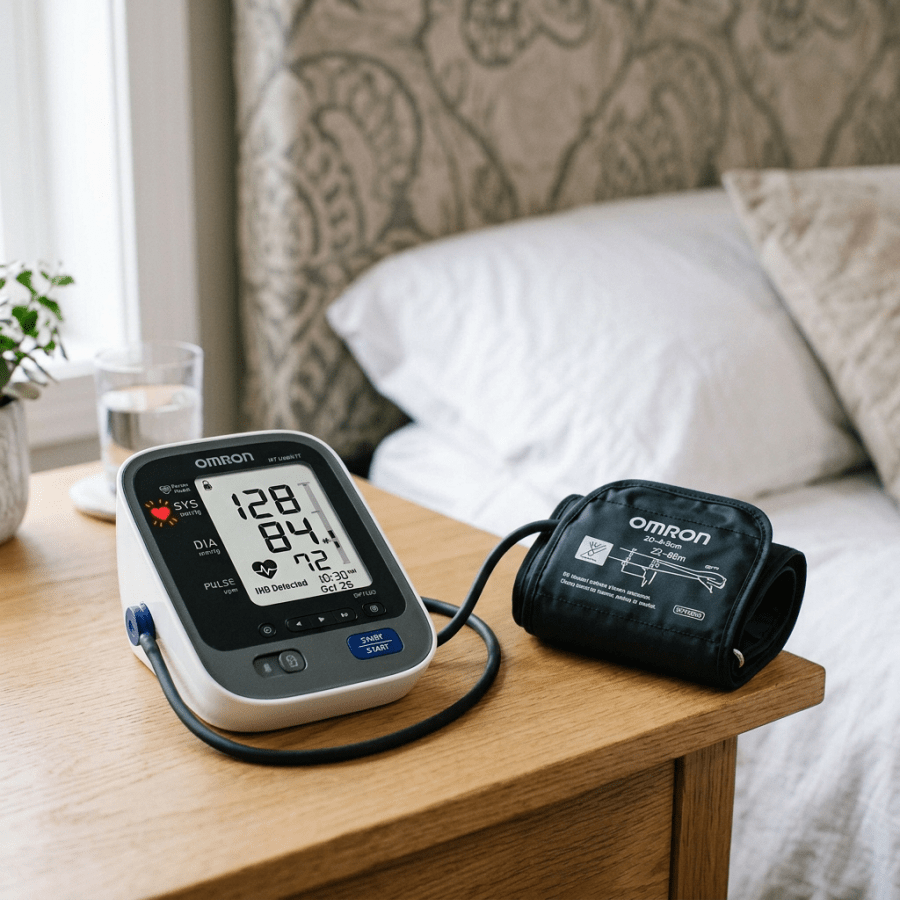
Digital blood pressure monitor displaying 128/84 mmHg and pulse 72 bpm on a person's arm

High Blood Pressure (Hypertension): Causes and Treatment

shutterstock_117887302What is blood pressure anyway?  Blood pressure is a measure of the force of the blood against the walls of your arteries. Blood pressure readings include two numbers, such as 120/80 (say “120 over 80”).  The first number is the systolic pressure and is the force of blood on the artery walls as the heart pumps.  The second number is the diastolic pressure and is the force of blood on the artery walls between heartbeats, when the heart is at rest. What is hypertension/high blood pressure?  Your blood pressure normally goes up and down depending on what you are doing. You’ve probably heard that a normal blood pressure is less than 120/80 but it is normal for it to go up when you’re exercising or under stress.  It’s normally higher for example when you’re exercising than when you’re sleeping.  If you’re rushing to make it to your doctor’s appointment, it might be higher when it’s measured in the doctor’s office then when you’re relaxed right before you go to bed. Despite what a lot of people think, high blood pressure usually does not cause headaches or make you feel dizzy or lightheaded.  It usually has no symptoms, but it does increase your risk for heat attack, stroke, kidney and eye damage.  The higher your blood pressure, the more your risk increases. Your doctor will probably look at several variables when trying to determine whether your blood pressure is elevated abnormally and whether your blood pressure needs to be treated.  If you have diabetes, kidney disease, an aneurism or if you’ve had a heart attack or a stroke we usually try to keep the blood pressure lower than for other patients because they are at higher risk of developing additional health related problems if their blood pressure is high. If a patient is normally healthy without any health related problems, we usually don’t consider them to have hypertension unless their blood pressure is 130/80 or higher – stage 1 hypertension based on Guidelines released in November of 2017. Guidelines released by the American Heart Association and American College of Cardiology in November of 2017 classify blood pressure in the following categories:
  1.  Normal <120/80
  2. Elevated:  Systolic between 120-129 and diastolic less than 80
  3. Stage 1: Systolic between 130-139 or diastolic between 80-89
  4. Stage 2: Systolic at least 140 or diastolic at least 90 mm Hg
  5. Hypertensive crisis: Systolic over 180 and/or diastolic over 120, with patients needing prompt changes in medication if there are no other indications of problems, or immediate hospitalization if there are signs of organ damage.
Why should you care if your blood pressure in high?  Most of the time when people have high blood pressure they don’t have any symptoms so they aren’t even aware that it’s elevated!  High blood pressure is sometimes called a “silent killer” because even though you don’t have symptoms from it being elevated, it can do damage to the arteries in the heart, brain, kidneys, eyes and other organs. Men are often most interested to know that having hypertension can cause a form of sexual dysfunction called erectile dysfunction (ED).  That’s right, if your blood pressure is elevated, your sex life may be negatively affected as a consequence.  Read my article on male sexual dysfunction in men here. It may take years to develop symptoms from this damage but it is usually permanent and can make patients more likely to have a heart attack or stroke, kidney damage (sometimes requiring dialysis), vision problems, and even lead to early death. Some patients might not have thought about why they would want to stay healthy, so I usually ask them to make a list of what’s important in their life.  For some people it’s important for them to be alive and healthy so they can spend time with their family members (wife/husband, children, siblings, pets, etc.)  Some people enjoy traveling and they may not have considered that it’s much more difficult to travel if you have problems with your heart, brain, kidneys or eyes for example.  I think it’s important to think about what your short term and long term goals are, and use this as motivation for keeping healthy. Who is at risk?  High blood pressure is a very common problem!  Elevated blood pressure is more common as we get older but can affect anyone.  Among people over age 60, hypertension occurs in 65 percent of African-American men, 80 percent of African-American women, 55 percent of white men, and 65 percent of white women. I’ve had patients who are children with abnormally elevated blood pressures.  Oftentimes high blood pressure runs in the family, so if your father, mother or siblings have hypertension it’s important to be aware that you are at higher risk of developing hypertension yourself.  High blood pressure is also more common in people who have diabetes, drink more than two alcoholic drinks/day, are overweight, eat an unhealthy diet or don’t exercise regularly. If you have sleep apnea, you are also at greater risk of high blood pressure.  Until correcting the sleep apnea, it may be very difficult to control your blood pressure. High Blood Pressure Treatment:  There are certain lifestyle modifications that can help get your blood pressure in the normal range and also medications that your doctor might prescribe.  Usually a combination of both medications and lifestyle changes achieves the greatest success in achieving a blood pressure that is within the healthy range for you. Lifestyle modifications: 1)     Reducing the amount of salt in your diet 2)     Losing weight if you are not at your goal 3)     Avoiding excessive amounts of alcohol 4)     If you smoke, decreasing or stopping 5)     Exercising for at least 30 minutes on most days Reducing sodium intake is important because with increased salt (or sodium chloride) intake from food that we eat, our bodies naturally absorb more wate.  The increased water absorbed into the body then contributes to an increased amount of fluid in the blood vessels and heart and that in tern leads to hypertension.  Diuretic medications (discussed below) work in almost an exact opposite way to decrease the amount of salt and water in the bodies and lower blood pressure. Medications:  If lifestyle changes alone are not successful in getting the blood pressure under control, your doctor may prescribe certain medications to help decrease the strain on the heart and arteries. The constant stress from the elevated blood pressure that may lead to organ damage if not treated adequately. With such a variety of blood pressure medications available, medical providers try to make the best decisions based on the latest scientific research as well as an individual patient’s past medical history and other medical conditions.  The Joint National Committee on Prevention, Detection, Evaluation, and Treatment (JNC) has had seven publications that have been released based on scientific research about blood pressure since 1976.  The guidelines are constantly changing as we acquire new data from scientific data. Most blood pressure medications are tolerated well, but just like any medication, there is the possibility of side effects.  I will discuss some of the possible side effects of the various classes of blood pressure medications.  If you experience side effects, allergies or just don’t like the medication prescribed, I recommend discussing this with your doctor right away rather than just stopping the medication because there might be some reason (other than the medication) that could be causing an undesired effect.  It’s also true that you might not notice an immediate drop in blood pressure right after starting some types of blood pressure medications.  It can take a few days or even weeks to achieve the full effect with certain medications. You should know that it often takes more than one blood pressure medication to get blood pressure under control.  These medications are often used together and work in different ways to reduce blood pressure.  We might use 1, but often use 2, 3 or 4 different blood pressure medications to achieve the blood pressure goal (less than 140/90 for example). ACE (angiotensin converting enzyme) inhibitors block a hormone in the body that causes narrowing of the blood vessels.  By allowing the blood vessels to widen, it lowers the blood pressure and improves the heart output.  This is usually the first type of medication that is prescribed for someone who has high blood pressure because it usually works so well and because there are usually not many side effects.  Some of the common ACE inhibitors are lisinopril, benazopril, enalopril, captopril and ramipril.  There are many more ACE inhibitors available that are not named here.  We also prescribe ACE inhibitors to patients who have chronic kidney disease, heart failure or diabetes.  Usually these patients also have hypertension, but not always.  If they don’t have high blood pressure, the ACE inhibitors are usually used because they protect the kidneys from damage due to elevated blood sugar. Possible side effects:  The most common complaint of patients who cannot tolerate an ACE inhibitor is a persistent, dry, hacking cough.  About 10% of people who are prescribed an ACE inhibitor may experience a cough (that goes away after stopping the medication), and if that happens to you, we can use another similar medication – see ARB (angiotensin II receptor blocker) medications.   A very small percentage of people can have an allergic reaction to ACE inhibitors that causes swelling of the lips/mouth (angioedema).  If you develop swelling of the lips, tongue or mouth you shouldn’t take this medication and talk to your doctor right away.  We don’t see it happen very often but severe allergic reactions to any medication can be life threatening so it’s important that if you have trouble breathing after taking any medication, you call 911 (an emergency/ambulance team) instead of trying to drive to a hospital yourself.   Angiotensin II Receptor Blockers (ARBs):  These medications work similar to ACE inhibitors to reduce blood pressure but have their effect at a different site in the kidney than the ACE inhibitor.  These are newer medications than ACE inhibitors and are generally more expensive.  Since they work in a similar way to ACE inhibitors, we usually use these mostly in patients who cannot tolerate and ACE inhibitor or have chronic kidney disease.  They also work to widen the blood vessels to lower the blood pressure.  Some examples of ARBs include losartan, valsartan, and candesartan.  Not all ARBs are mentioned here. Possible side effects:  The main difference between the ACE inhibitor and the ARB is that patients who cannot take the ACE inhibitor due to cough, can usually tolerate the ARB.  Angioedema (allergy) is also less common in ARBs.   Diuretics:  These medications lower your blood pressure by causing your kidney to produce more urine (which contains water, sodium and potassium).  You might notice that you have to get up to go to the bathroom more frequently when you take a diuretic blood pressure medicine.  Having less water/fluid in the blood vessels decrease the pressure inside the vessels (like having less volume of water running through a garden hose decreases the pressure inside of it).  There are different classes of diuretic medications to discuss: 1)      Thiazide diuretics:  Usually these medications are taken once a day.  Common examples are chlorthalidone and hydrochlorothiazide (HCTZ). 2)     Potassium-sparing diuretics:  Spironolactone, triamterene or amiloride are diuretics which do not cause as much loss of potassium in the urine as some of the other diuretics. 3)     Loop diuretics:  Lasix is an example of a stronger diuretic that lasts only 6 hours (so it has to be taken multiple times each day) but is used for patients who have high blood pressure and congestive heart failure.  We don’t use loop diuretics as often with high blood pressure because they we have to be very careful to monitor the potassium closely in patients who take loop diuretics.  This means that patients taking these medications may be asked to get blood work done fairly frequently. Possible side effects:  Diuretics are usually very well tolerated and the main complaint that I hear people complain about is having to urinate more frequently.  I usually recommend taking a diuretic in the morning rather than the evening so that if they do have to urinate more frequently, they get most of the effect in the day when they’re awake.  We need to check kidney function and electrolytes when patients take diuretics to make sure that the sodium and potassium do not get too low.  People who have gout sometimes have more attacks if they take thiazide diuretics.   Calcium channel blockers:  These medications reduce the amount of calcium that enters the cells of the heart thereby causing the cells of the heart to relax and dilate and reduce the pressure as well as reducing the force and rate of the heart.  There are two categories of calcium channel blockers: 1)      Dihydropyridine – examples include amlodipine, nifedipine, and felodipine.  There are many others  as well. 2)     Nondihydropyridines – examples include diltiazem and verapamil Possible side effects:  Sometimes patients who take calcium channel blockers may develop headache, dizziness, flushing, nausea or swelling of the gum tissue (gingival hyperplasia).  It the dose of medication is too strong, it can cause the heart rate to slow too much and lead to dizziness or falling.   Beta blockers:  These medications lower the blood pressure by decreasing the rate and force of the heart when it pumps blood.  Some examples of common beta blockers include metroprolol, atenolol, carvedilol and labetalol.  The last two beta blockers listed here also cause relaxation of the blood vessels (alpha blocking effect). Possible side effects:  Beta blockers have a higher chance of causing side effects than some of the other blood pressure medications that are commonly prescribed so they are often reserved for patients who have resistant hypertension or have had a heart attack or heart failure.  We often give beta blockers to patients who have migraine headache because the medication helps to reduce the frequency of migraine we believe by affecting the nervous system/blood vessels.  People with panic disorder or anxiety may also benefit from taking beta blockers because patients often feel more relaxed while on this medicine, perhaps because of the effect on the sympathetic nervous system. Patients who have asthma sometime get worsening symptoms from their asthma if they use beta blockers.  We are careful with the use of beta blockers in patients who have diabetes (and who sometimes get low blood sugar from their insulin) because the beta blockers can sometimes make it difficult for patients with a low blood sugar to feel symptoms of it coming on.  Beta blockers can also cause fatigue, dizziness, sleepiness, and decreased ability to exercise in some patients. Alpha blockers:  These medications relax the blood vessel s in the body and thus allow the diameter of the vessels to widen.  Since vessels are wider, the pressure is decreased – think about how a nozzle works on a hose.  If you widen the nozzle and amount of water that is able to go through the hose, the pressure will decrease.  Some common alpha blockers are doxazosin, prazosin and terazosin. Possible side effects:  The most common side effect of alpha blockers is dizziness, especially when standing up quickly.  We usually don’t use alpha blockers as a first medication for treating high blood pressure because of this possible side effect.  Men with an enlarged prostate and high blood pressure however may benefit from one of these medications because they can help to shrink the prostate and help increase the urine flow and decrease blood pressure. Direct vasodilators:  We sometime prescribe medications that directly relax the blood vessels quickly, especially in patients who come into the hospital with severe hypertension.  These medications are short acting and as they wear off they can lead to an increased heart rate so we usually only use these medications in combination with a medication such as a beta blocker.  Common direct vasodilators include hydralazine or minoxidil. Possible side effects:  headache, weakness, nausea and rapid heartbeat or possible side effects.  We also use minoxidil topically (Rogaine) for hair growth because it increases the blood flow to the hair follicles. My recommendations:  Patients who have high blood pressure and are motivated to get their blood pressure controlled can do so but it might take some time and effort on their part.  After consulting with their primary physician and coming up with a treatment plan, I next recommend obtaining a blood pressure cuff and measure blood pressure twice a day.  The first measurement should be done first thing in the morning after getting up and before having any coffee (or other caffeinated beverages).  Write this number down and also record another blood pressure right before going to bed.  It’s important to get your blood pressure less than 130/80 consistently. I have a tendency to value the home blood pressure records more than what we measure in the office because there is often some stress with getting to the doctor’s office on time, parking , waiting in an exam room, etc. all of which may not be a pleasant experience.  We can check your blood pressure cuff in the office and see how it compares to our cuff and ensure that it is accurate.  If your blood pressure is consistently higher than it should be, we may make changes in your medications by adding additional medications or increasing the dosage of medications that you are already taking. Again, do not stop taking your medications without telling your doctor.  If you don’t take your medications, medical providers cannot help you with your blood pressure.  We need to know if you cannot take them and we can even work with you to help you remember to take your medications if you forget. Tips on checking your blood pressure at home: 1)  Sit in a chair that supports your back.  Rest your arm on a table so that your upper arm is at the same level as your heart. 2)  Sit with your arm slightly bent with your palm up.  Keep your feet flat on the floor and your legs uncrossed. 3)  Use the same arm every time you check your blood pressure 4)  Make sure that you can put the blood pressure cuff directly on the skin of your upper arm.  You may need to remove any sweaters or pull up your sleeves. Be sure that your sleeves are not too tight around your arm. 5)  Wrap the blood pressure cuff snugly around your upper arm, palm facing up.  The lower edge of the cuff should be about 1 inch (2.5 cm) above the bend in your elbow. 6)  Press the on/off button on the electronic monitor.  Follow the manufacturer’s instructions for using the device. 7)  The blood pressure cuff will automatically inflate to about 180mmHg (unless the monitor decides you need a higher number).  Then the cuff will begin to delate automatically and the numbers on the screen will begin to drop. 8)  Wait at least 5 minutes before taking another blood pressure readings working properly. 9)  Look often at blood the blood pressure cuff and rubber tubing.  Make sure that they are in good condition and do not have any holes or cracks. 9)  When you purchase a blood pressure monitor, bring it to the doctor’s office to compare the reading you get with the reading that is taken in the office.  They should be close. Repeat this check yearly to make sure your machine is working properly.   I hope that you have found this information useful.  Wishing you the best of health,

Scott Rennie, D.O.
Board Certified in Obesity Medicine and Family Medicine

This blog is for educational purposes only and does not constitute individual medical advice. Always consult your own physician before making changes to your health, medications, or treatment plan.
Physical therapist examining a patient's knee on a treatment table

Deep Vein Thrombosis (DVT): Blood Clot in the Leg Explained

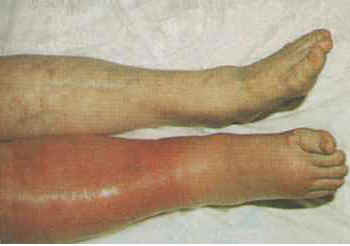
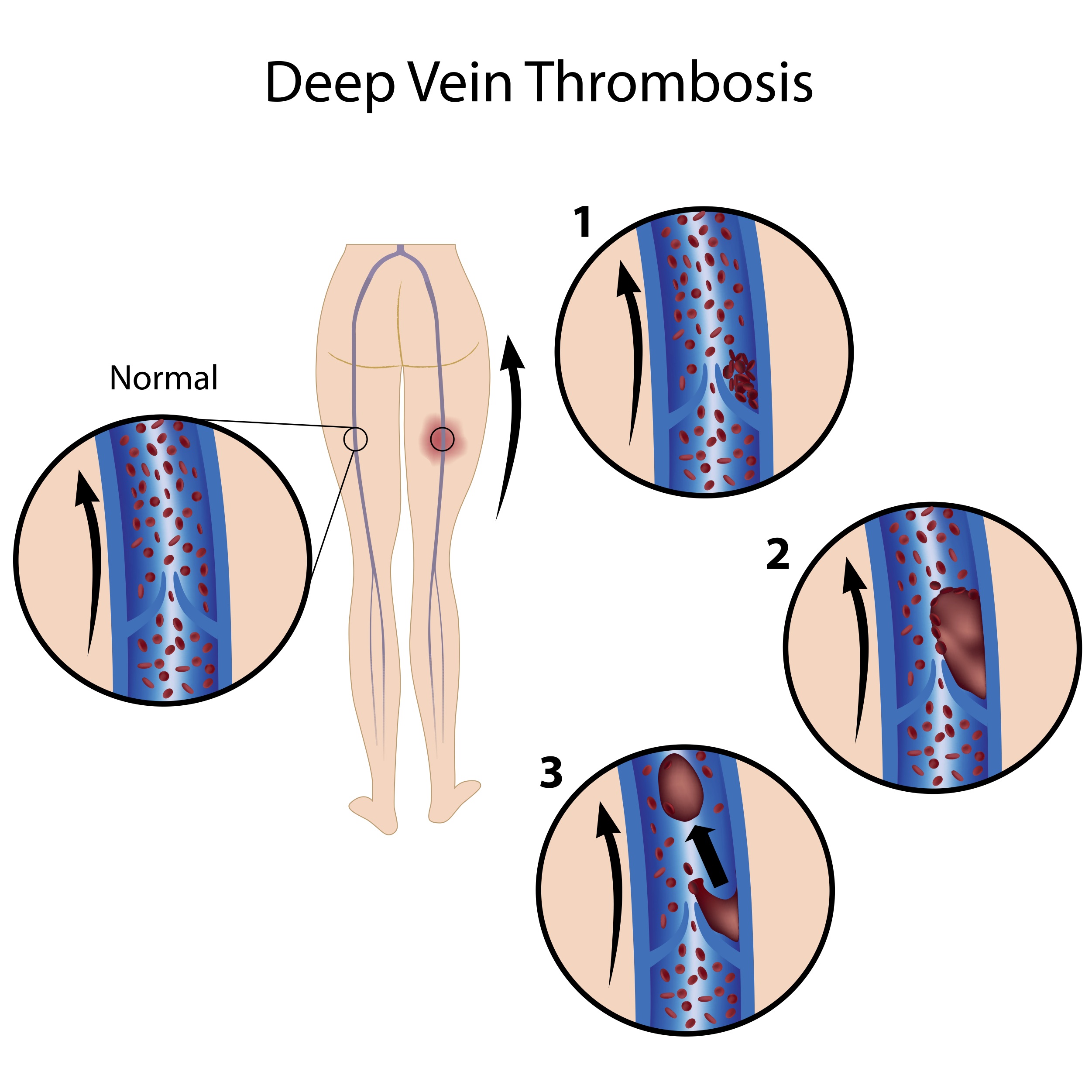
shutterstock_89651743http://www.dvtforum.com/index.asp?action=start A few days ago a patient came into the clinic with complaints of pain in the back of his knee after spending hours driving his car back to Washington from the east coast.  He didn’t recall injuring his leg or knee and told me that the pain was worse when he starts walking.  He also noted some swelling in the leg and ankle.  I became concerned about the possibility of a blood clot (also called a deep vein thrombosis or DVT) in his leg after hearing about his long journey because sitting for extended periods of time in a car or on an airplane are big risk factors for a deep vein thrombosis.  After the ultrasound confirmed a blood clot in his left leg, we started him on the treatment and he is doing great today. A blood clot (also called a thrombus) can be very serious and even life threatening if it breaks and travels through the circulatory system.  If that happens, the blot clot (now called an embolis to indicate that it broke off from the main clot and is traveling through the veins of the body) can lodge in the lung and cause a pulmonary embolism (PE) which is a serious condition that causes over 50,000 deaths a year in the U.S.A. A deep vein thrombosis (DVT) is a problem where a blood clot is created inappropriately within the vein.  Most commonly these veins are in the “deep veins” of the leg, pelvis, or thigh.  The thrombus can block or partially block the blood flowing through the vein and cause pain and swelling. Symptoms:  These may or may not all be present: 1)      Pain – usually in one leg, or knee 2)     Swelling in that leg or knee 3)     Warmth and redness in the leg or knee area Diagnosis:  If a medical provider suspects that you might have a DVT, there are certain tests that can be done to look for this including: 1)      Compression ultrasonography (ultrasound) which uses sound waves to allow the visualization of the blood flow through the veins of the leg. 2)     D-dimer is a blood test that is often elevated in people who have a blood clot.  It can also be elevated for other reasons, so an elevated D-dimer does not tell us that a patient has a blood clot, but if the D-dimer is not elevated and  the risk factors are low, there is less chance of the patient having a blood clot. 3)     MRI uses a very strong magnet to create photos inside the leg and is expensive so it’s not the first choice the diagnose blood clots. 4)     Contrast venography is when a small tube (called a catheter) is inserted into the vein and a liquid that shows up on x-ray (we call this contrast) is injected through the tube while xray is used to visualize the blood flow of the contrast through the vein.  We usually prefer to use ultrasound, but this test can be helpful when ultrasound is not available. Risk factors for DVT: 1)      Some people have a genetic problem called thrombophilia which causes blood to clot more easily than it should 2)     Cancer 3)     Smoking 4)     Heart failure 5)     Pregnancy 6)     Being overweight or obese 7)     Increased age 8)     Having had a DVT or PE in the past 9)     Certain kidney problems 10)  Medications such as birth control pills or hormone replacement therapy 11)  Recent surgery – especially involving the knee, hip or pelvis 12)  Trauma – such as a fall or deep bruise where the blood vessels may have become injured 13)  Sitting for long periods of time such on a long flight or a long drive in a vehicle.  We also think about this for elderly patients who don’t move around very much Treatment:  The goal in treating a DVT is to prevent the blood clot from dislodging or breaking off and becoming an embolism that could lodge into the lung (pulmonary embolism).  We also want to prevent the clot from getting larger or new clots from forming. Medications can be used to prevent new blood clots from forming(anticoagulants), and other medications can be used to dissolve a blood clot (thrombolytic).  Most people might think that the primary treatment would be to dissolve the clot using thrombolytic therapy, however this is usually not the case.  The body has natural substances to dissolve blood clots that are formed inappropriately in blood vessels and we usually prefer the body to do this naturally while assisting by giving medications to prevent new blood clots from forming.  Anticoagulant medications such as warfarin or heparin are the most common agents used to treat patients with DVTs at this time.  For patients who continually develop blood clots despite being on medications or who cannot take the recommended medications, a filter might be inserted into one of the largest veins in the body (the inferior vena cava) to block the circulation of blood clots.  We strategically place the filter so that if a blood clot forms, it is not allowed to reach the lungs. Prevention:  For patients at high risk of developing a blood clot such as a patient who just had surgery, or someone who has cancer, they might be started on anticoagulant medications to decrease the risk of a blood clot.  Some patients are fitted with inflatable compression devices that are worn on the legs and periodically fill with air and put compression on the legs and work similar to how an electronic blood pressure cuff inflates. If you or someone you know is having symptoms that you think might be related to a blood clot or DVT, I recommend that you have them evaluated immediately.   I hope that you have found this information useful.  Wishing you the best of health,

Scott Rennie, D.O.
Board Certified in Obesity Medicine and Family Medicine

This blog is for educational purposes only and does not constitute individual medical advice. Always consult your own physician before making changes to your health, medications, or treatment plan.
Clinician reviewing a chest CT scan on a computer monitor

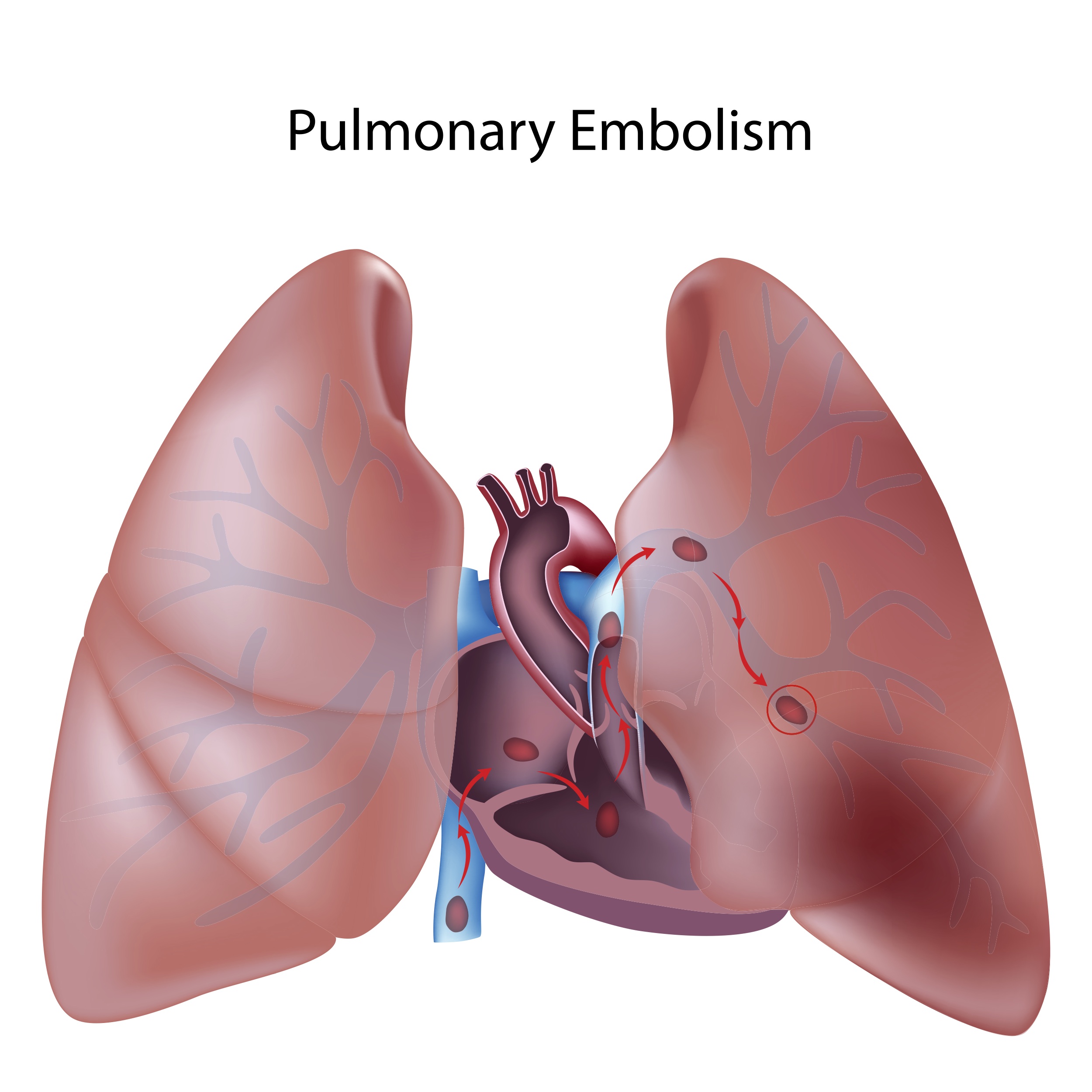
Blood Clot in the Lung: What Is a Pulmonary Embolism?

shutterstock_94626226A patient who regularly competes in Iron Man Triathlons came into the clinic tonight with complaints of pain with taking a deep breath.  She had coughed up some blood once today and complained that it hurts when she takes a big breath in.  She is an athlete and remembered running in a race about three weeks ago and developed pain in the right calf and behind the right knee.  That pain has been improving over the last few weeks.  As you can probably guess by the title of this blog entry, she had a blood clot in her lungs.  Actually she had large blood clots called pulmonary emboli in both lungs.  She required transport emergently to the hospital for treatment. Definition:  A pulmonary embolism (PE) is a blockage of one of the blood vessels to the lungs.  These are usually caused by a blood clot that travels from somewhere else in the body, most commonly from the legs.  Other causes of blockages to the blood vessels in the lungs are air bubbles, or from tiny pieces of fat. A pulmonary embolism is a serious condition that is a medical emergency.  A blocked artery or vein in the lung can make it hard to breath and can lead to damage to the lungs and can even cause death. Most of the time the blood clots start in the legs, or in the pelvic area and then move along the veins and travel to the lungs. Symptoms:  People who have blood clots in the lungs might complain of: 1)   Sharp, stabbing pain when they take a breath in 2)   Coughing up blood 3)   Rapid heart rate 4)   Trouble breathing or feeling short of breath If you have any of these symptoms, it is important to call 9-1-1 and be evaluated in the hospital.  Do not try to drive yourself to the urgent care or to the hospital yourself. Risk Factors:  There are some factors that can increase the chance of having a blood clot in your lungs including: 1)   Having a family history of blood clots or blood clotting disorders 2)   Having recent surgery – especially on the knees, lower legs or pelvis 3)   Smoking 4)   Taking birth control pills or estrogen replacement 5)   Having a previous history of DVT (Deep Venous Thrombosis) or PE 6)   Having a history of heart failure 7)   Patients with cancer 8)   History of kidney problems such as nephrotic syndrome 9)   Having a recent trauma or injury with a large clot (hematoma) – more likely to cause DVT if it’s in the legs Diagnosis:  To diagnose a pulmonary embolism, special tests such as a special x-ray called a CT scan (Cat-Scan) with contrast.  During this test, the patient has special a detailed x-ray of the lungs while contrast (a solution of medication that can be seen under x-ray) is put into a vein (usually in the arm) and circulates through the lungs and rest of the body.  The CT scan is used to see the blood vessels and determine if a blood clot is present.  There are other tests to determine if a pulmonary embolism is present as well such as a ventilation/perfusion lung scan, but we usually use CT scan instead because it is easier and less time consuming.  If we suspect that there might be a blood clot in a patient’s leg, we can perform a vascular ultrasound to look for blood clots in the vessels of the legs. Treatment:  We start treatment of a pulmonary embolism without delay to prevent a new blood clot from forming and to reduce the chance of enlargement of the existing clot.  Usually your own body’s enzymes dissolve the clot.  We treat patients by anticoagulation.  That means that we give medications to reduce the body’s abilities to form new blood clots – this is also sometimes called using “blood thinners.”  It isn’t actually thinning the blood however.  For patients who are at high risk for forming new blood clots, we sometimes put small screens or “filters” in a major blood vessel such as the inferior vena cava to prevent a new blood clot from reaching the lungs. Most of the time we use a combination of oral anticoagulation medications such as Coumdin and also use an injectable medication such as heparin.  Patients who have pulmonary embolisms often stay in the hospital for a few days and receive intravenous heparin to prevent more blood clots from forming.  It takes a few days for the medication that is taken orally to become effective, so during this time the patient is giving the heparin either through an IV or the heparin is injected under the patients skin. Patients who have had a PE usually take the Coumadin (also called Warfarin) for a minimum of three months.  Some doctors recommend that patients with a PE take Coumadin or something similar for the rest of their lives.  Other medications to prevent blood clots might be used if the patient is pregnant or cannot tolerate Coumadin. Prevention:  Patients who are in the hospital and confined to the bed for extended periods of time are usually started on a prophylactic dose of heparin each day or special compression devices on their legs to prevent blood clots.  People who are on long air plane flights, car, bus or train rides should get up regularly and stretch their legs to help prevent the development of the blood clot in their legs (DVT).  Patients who have had recent surgery often use heparin injections even at home for a few days to help prevent the development of a blood clot in their leg. If you or someone you know if having symptoms of a pulmonary embolism (PE), they should dial 9-1-1 and go to the hospital immediately.  They should not attempt to drive to the hospital or urgent care.   I hope that you have found this information useful.  Wishing you the best of health,

Scott Rennie, D.O.
Board Certified in Obesity Medicine and Family Medicine

This blog is for educational purposes only and does not constitute individual medical advice. Always consult your own physician before making changes to your health, medications, or treatment plan.

Man clutching his chest as two women assist him at home

Chest Pain: Could It Be a Warning Sign of a Heart Attack?

shutterstock_82528666Patients sometimes come to the urgent care or go to their family medicine clinic when they have chest pain.  Usually, they should be evaluated in the hospital emergency department where more advanced testing can be performed and quick treatments can be delivered in the event the pain is related to the heart. The cause of the pain is sometimes difficult to determine but it generally originates from an organ in the chest area such as the heart, lung, esophagus or from the chest wall (skin, muscle or bone).  Sometimes the gallbladder or stomach may cause referred pain that radiates to the chest. Angina:  pain related to the heart not getting enough oxygen.  In people with clogged arteries of the heart, there are deposits that are called plaques deposited into these vessels that narrow them and prevent a normal amount of oxygen-rich blood to reach the heart muscle.  Angina is the term used to describe this phenomenon of chest pain that is related to the decrease in blood flow to the heart (called ischemia). Heart attack: pain due to cardiac ischemia is more serious when a blockage in a cardiac vessel occurs as a result of the surface covering of a fatty plaque rupturing.  If a blood clot (also called a thrombus) forms on the plaque, it can partially or completely block the artery of the heart and slow or block the flow of blood to the heart.  If that occurs for more than 15 minutes the muscle may become damaged or cause death of that area of the heart that the blood vessel supports.  During a heart attack (also called a myocardial infarction) the patient may experience a sensation of chest pain that may be a sharp, dull or burning pain  that is usually located in either the middle or upper chest (possibly the left side), and sometimes this pain may radiate to the back, arms, jaw or neck.  The pain may get better or worse with activity or rest and there may be other symptoms such as sweating, nausea, rapid heart rate or shortness of breath. Risk factors for heart attack:  We know that there are some factors that may increase the risk of a person having chest pain that may be related to the heart.  Some of those can be:  previous heart attack, previously diagnosed stroke, history of smoking (especially recent), high blood pressure, diabetes, high cholesterol or family history of heart attacks. Other heart related reasons of chest pain:  Even though a heart attack is the diagnosis that is most classic to think about when we think about heart related chest pain, there are other heart related problems that can cause chest pain, such as: 1)   Angina variants – caused by temporary spasms of the arteries of the heart. 2)   Pericarditis – or inflammation of the membranes of the heart 3)   Mycocarditis – which is inflammation of the heart muscle itself.  This is most commonly causes by a viral infection 4)   Hypertrophic cardiomyopathy – problems related to the heart valves 5)   Aortic dissection:  the aorta is a main artery of the body that supplies blood to the body and lungs and is composed of layers of muscle cells similar to the layers of an onion.  Rarely, there can be separation of these layers of muscle in the aorta which can cause breakage of the blood vessel and that can cause severe pain that comes on suddenly and is often felt in the chest or back between the shoulder blades.  It is a serious life threatening condition and needs to be corrected by surgery right away. Chest pain related to the chest wall:  There are various conditions that can cause the muscles, bones, skin and soft tissues of the chest wall to become painful. 1)   Physical activity that is more strenuous than usual can cause muscle soreness.  This type of pain is usually made better or worse by a particular position.  Taking a deep breath or pressing on the chest wall may also worsen the pain 2)   Costochondritis is pain coming from the cartilage that connect the ribs to the breastbone 3)   Shingles, a viral infection of the skin (that may occur on the chest) can be very painful but is usually present with even light touch to the skin on the chest or even clothes moving against the skin.  There may be a rash present at the time of the pain or it can actually occur before a rash is present 4)   Trauma or injury to the chest from sports or even from a recent surgery can product pain in the chest wall Chest pain related to the esophagus:  The tube that connects the mouth and throat to the stomach is called the esophagus.  A group of the same nerves connect to the heart and also to the esophagus so pain coming from the esophagus can be confused with heart related chest pain.  To be even more confusing, in some patients nitroglycerine (often used to treat heart related chest pain) can also relieve the pain from esophageal spasms. Chest pain related to the gastrointestinal tract:  Problems related to the stomach, intestines, gallbladder, or pancreas can spread or even begin with pain in the chest. Chest pain related to the lungs:  Problems related to the lungs may also cause chest pain and usually the pain gets worse with breathing: 1)   Pulmonary embolism:  A blood vessel of the lung can become plugged from a blood clot.  These are more common in people who have had recent surgery, are pregnant or had a long airplane flight or been in bed for a long time.  Pulmonary embolisms (PEs) can be life threatening and need immediate attention 2)   Pneumonia:  An infection or inflammation of the lungs is usually associated with fever, and cough.  Chest pain related to pneumonia is common 3)   Pleurisy or pleuritis:  results from inflammation of the lining of the lungs and can happen as a result of injury or viral illness but is also seen with a pulmonary embolism (blood clot in the lung) 4)   Pneumothorax:  this is also called a collapsed lung and happens when air gets between the chest wall and the lung.  This can be due to trauma or even occur spontaneously As you have learned, there are many possible causes of chest pain and many of these could be life threatening and need immediate attention.  Rapid attention and treatment is most efficient in the hospital, and therefore we recommend that patients who experience chest pain be evaluated in the emergency department of the hospital rather than an outpatient urgent care center. In the event that you go to the urgent care or to your local primary care provider with chest pain, it might very well be recommended that you be urgently rushed to the hospital for evaluation of the pain because of the serious life threatening conditions that can cause chest pain related symptoms and the more advanced testing options available at the hospital.  In the event that you should need surgery or cardiac catheterization to treat the pain related to heart attack or heart muscle injury you will have rapid access to these treatments at the hospital. If you or someone that you know is experiencing chest pain, please have them evaluated by a medical provider.  If you are concerned about the possibility of pain related to your heart, you should get to your nearest hospital immediately.  Please don’t try to drive yourself to the hospital in this case – call 911 and have your local ambulance company bring you for evaluation.   I hope that you have found this information useful.  Wishing you the best of health,

Scott Rennie, D.O.
Board Certified in Obesity Medicine and Family Medicine

This blog is for educational purposes only and does not constitute individual medical advice. Always consult your own physician before making changes to your health, medications, or treatment plan.
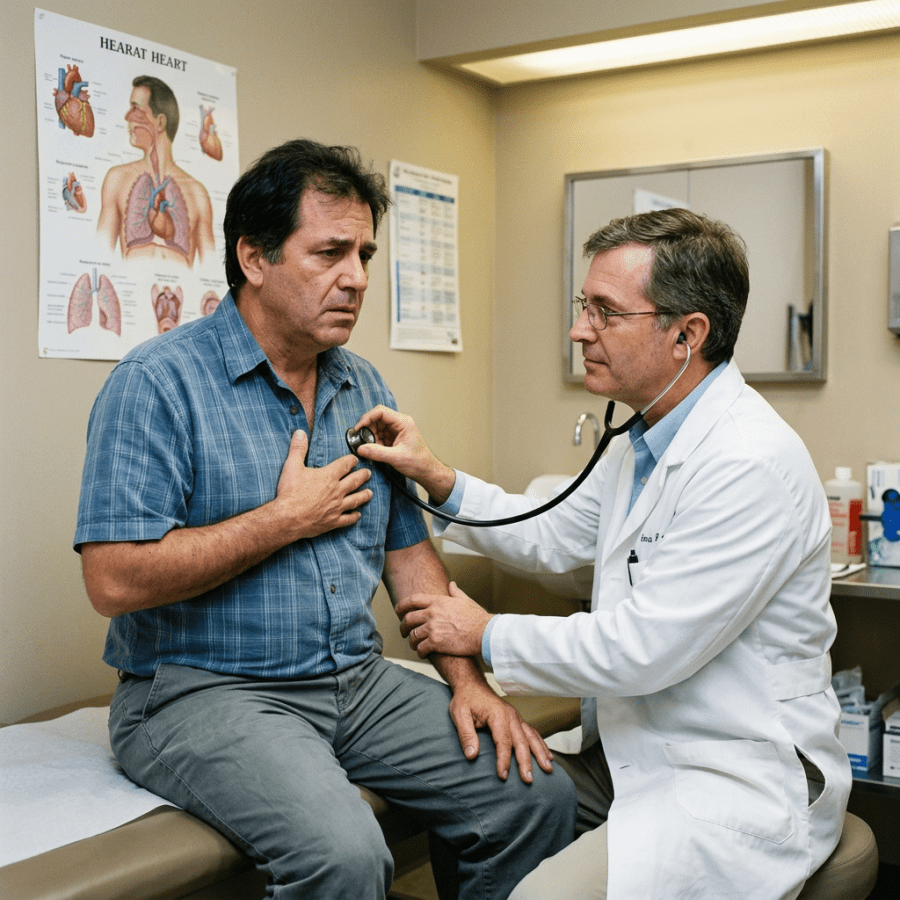
Doctor using a stethoscope to examine a seated patient who is holding his chest

Costochondritis: Chest Pain Not Related to Your Heart

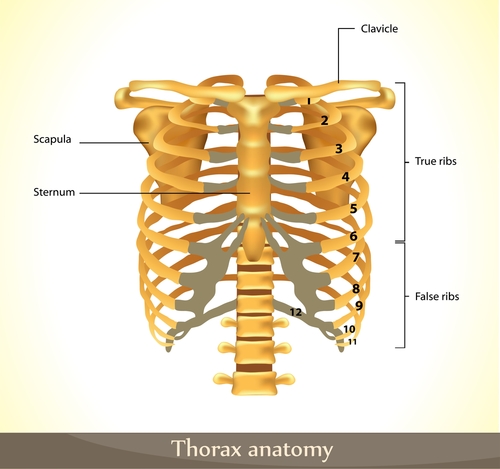
shutterstock_80287546This is for informational use only and should not be used to substitute for seeing a medical provider to determine the cause of your pain. Sometimes patients come into the clinic with complaints of pain in the chest and are worried about their heart.  It can be confusing because the pain can occur in the same general area as pain that we think of when we say cardiac chest pain, but the history and physical exam is different. A variety of terms have been used to describe this syndrome such as costochondritis, costosternal syndrome, anterior chest wall syndrome, Tietze’s syndrome (costochondritis with swelling at the painful area).  The diagnosis is based upon the ability to reproduce pain by pushing on the involved cartilage on the rib cage. In the photo, the grey colored areas represent cartilage.   It is caused by inflammation of the junctions where the upper ribs join with the cartilage that holds them to the breastbone (sternum).  It is very common syndrome that is seen in the medical clinic and often follows some sort of activity or trauma.  Many patients with a cough develop this as a result of the continued coughing and rapid expansion/contraction of the rib cage. Symptoms:  Pain and tenderness in the locations where your ribs attach to your breastbone (costosternal joints), often sharp pain, often worse when taking deep breaths, pain when coughing, and difficulty breathing. Causes:  We don’t know what exactly causes most cases of costochondritis, but some causes might be:  Injury such as a blow to the chest, physical strain from lifting or stenuous exercise, upper respiratory illness (produces cough/sneezing), pain from other areas of your body can sometimes be misinterpreted by your brain, causing pain in places far away from where the problem occurs – this is called referred pain. Treatment:  Heat or ice may be helpful in relieving symptoms.  Medications can also be used to reduce the inflammation  – ibuprofen or naproxen are commonly used for this.  Avoid unnecessary exercise or activities such as contact sports until there is improvement in your symptoms.   I hope that you have found this information useful.  Wishing you the best of health,

Scott Rennie, D.O.
Board Certified in Obesity Medicine and Family Medicine

This blog is for educational purposes only and does not constitute individual medical advice. Always consult your own physician before making changes to your health, medications, or treatment plan.
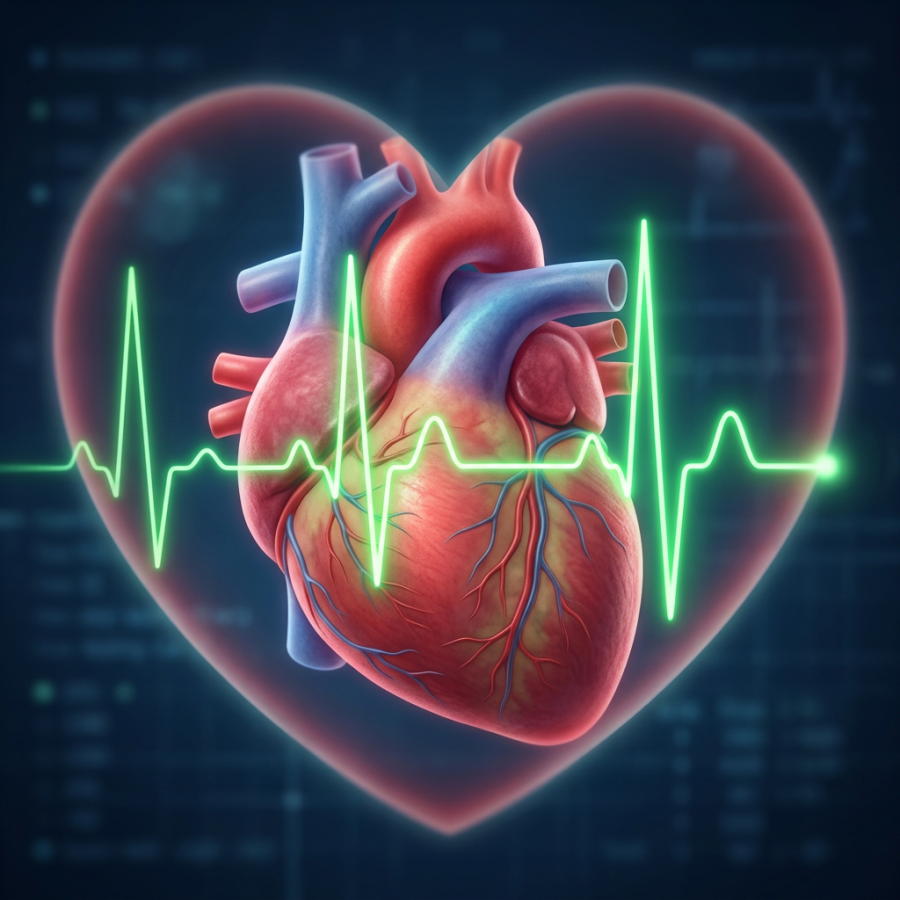
3D illustration of a human heart with arteries and veins alongside a green electrocardiogram heartbeat waveform

What New Anticoagulant Was Added to A-fib Guidelines?

By Todd Neale, Staff Writer, MedPage Today Published: February 15, 2011 Reviewed by Michael Mullen, MD; Clinical Instructor of Vascular Neurology, University of Pennsylvania and Dorothy Caputo, MA, RN, BC-ADM, CDE, Nurse Planner
The recently approved anticoagulant dabigatran (Pradaxa) has been recommended as an alternative to warfarin for stroke prevention with atrial fibrillation, according to a “focused” update of guidelines from the American Heart Association, American College of Cardiology, and the Heart Rhythm Society.The guideline update focuses specifically on dabigatran because, with its approval in October, it is the first new oral anti-clotting drug on the market in more than 50 years, the authors of the update wrote. The new recommendation was published online in Circulation: Journal of the American Heart Association, the Journal of the American College of Cardiology, andHeartRhythm.
Action Points
  • Dabigatran, an oral direct thrombin inhibitor, is recommended by the American Heart Association and other professional groups as a useful alternative to warfarin for the prevention of stroke and systemic embolism in patients with atrial fibrillation.
  • This is a Class I, Level B recommendation, which indicates support from a single randomized trial.
  • This guideline does not apply to patients with a prosthetic heart valve, hemodynamically significant valve disease, or severe renal failure.
Studies have shown that about 40% of patients with afib who should be taking an oral anticoagulant are not being treated. Ralph Sacco, MD, a neurologist at the University of Miami and president of the AHA, said he hopes having another option will reduce that number. “What we’re hoping is that more physicians will practice with the guidelines and get [patients] on oral anticoagulants — warfarin, or now, the new anticoagulant, dabigatran — and then we will hopefully reduce the number of patients with atrial fibrillation who go on to stroke,” he said. In a Class I, Level B recommendation — indicating support from a single randomized trial — the organizations advised that dabigatran is useful as an alternative to warfarin for preventing stroke and systemic thromboembolism in patients with paroxysmal to permanent afib and risk factors for stroke or systemic embolization. The guidance applies to patients who do not have a prosthetic heart valve or hemodynamically significant valve disease, severe renal failure, or advanced liver disease. Dabigatran’s approval and inclusion in the guidelines were based on the results of the 18,000-patient (Randomized Evaluation of Long-Term Anticoagulation Therapy) RE-LY trial, which compared the direct thrombin inhibitor with warfarin in patients with afib who had at least one additional risk factor for stroke. The RE-LY trial showed that the twice-daily 150-mg dose of dabigatran was superior to warfarin and that the 110-mg dose was noninferior to warfarin for preventing stroke and systemic embolism. In the trial, warfarin was associated with a major bleeding rate of 3.57% per year, which was comparable to the rate with the higher dose of dabigatran (3.32%, P=0.32) and significantly higher than that with the lower dose (2.87%, P=0.003). There was no mortality difference between the two drugs. Based on the results, the FDA approved two doses of dabigatran — the 150-mg dose for patients with a creatinine clearance of greater than 30 mL/min and a 75-mg dose, which was not evaluated in the trial, and for patients with a creatinine clearance of 15 to 30 mL/min. Dabigatran therapy does not require the continual INR testing that accompanies warfarin therapy and is less likely to have interactions with foods or other drugs. However, the authors of the update noted that because of its twice-daily dosing and greater risk of nonbleeding side effects — including dyspepsia — there may be little to gain from switching patients who have good INR control with warfarin to the new drug. Sacco agreed, telling MedPage Today that “the longer somebody is on oral anticoagulants with warfarin and doing well, I don’t necessarily feel strongly that one needs to switch.” For a new patient, Sacco said, the choice between dabigatran and warfarin will come down to several factors, including the need for INR monitoring with warfarin, the decreased likelihood of food interactions with dabigatran, the patient’s history of bleeding complications with oral anticoagulants, and patient preference. He said cost was one potential downside of the newer drug, which is more expensive than warfarin. Larry Goldstein, MD, director of the stroke center at Duke University, also acknowledged the higher cost but said the comparison was more complex than looking just at the expense of buying a new drug. The cost of the blood tests needed to monitor INR with warfarin, as well as the cost of treating any excess strokes with one agent over another, would also have to be considered, he said. Goldstein also added that dabigatran is not free from all drug interactions either — noting that the antibiotic, rifampin, can reduce its anti-clotting effects while the antiarrhythmic agent, amiodarone, and the antihypertensive drug, verapamil, can enhance its anticoagulation effects. Another potential drawback, he said, is the uncertainty about the safety of using systemic thrombolysis on patients taking dabigatran who have an acute stroke.
Wann reported that he had no conflicts of interest. The other members of the writing committee reported relationships with AfibProfessional.org, Boehringer Ingelheim, Medtronic, ARYx Therapeutics, AstraZeneca, Bristol-Myers Squibb, Daiichi Sankyo, and Portola Pharmaceuticals. The reviewers reported relationships with Medtronic, ARYx Pharmaceuticals, Boehringer Ingelheim, Daiichi Sankyo, Portola Pharmaceuticals, AstraZeneca, and Bristol-Myers Squibb.
Primary source: Circulation: Journal of the American Heart Association Source reference: Wann L, et al “2011 ACCF/AHA/HRS focused update on the management of patients with atrial fibrillation (update on dabigatran): a report of the American College of Cardiology Foundation/American Heart Association Task Force on Practice Guidelines” Circulation2011; DOI: 10.1161/CIR.0b013e31820f14c0.

Scott Rennie, D.O.
Board Certified in Obesity Medicine and Family Medicine

This blog is for educational purposes only and does not constitute individual medical advice. Always consult your own physician before making changes to your health, medications, or treatment plan.