

Mouse on wooden table in rustic cabin with oats, mug, and lantern

What Is Hantavirus? What You Need to Know Right Now

If you’ve been following the news lately, you’ve probably seen hantavirus come up more than once. First it was the tragic death of Betsy Arakawa, the wife of actor Gene Hackman, in Santa Fe in February 2025. Then, just days ago, a cruise ship in the Atlantic became the center of an international health response involving the WHO, multiple governments, and passengers scattered across more than a dozen countries. So let’s talk about what hantavirus actually is, where the risk really comes from, and why one particular strain of this virus is changing how we think about transmission.

The Basics: A Rodent-Borne Illness

Hantavirus isn’t new. In the United States, it first grabbed serious attention in 1993 when healthy young adults in the Four Corners region of the American Southwest started dying of a mysterious respiratory illness. The culprit turned out to be a newly identified pathogen called Sin Nombre virus, spread by the deer mouse. That outbreak gave us a new diagnosis, hantavirus pulmonary syndrome, or HPS, and it launched decades of surveillance that continues today. According to the CDC, from 1993 through the end of 2023, the United States recorded 890 total cases. (1)

In the U.S. strain, the virus spreads from rodents to humans, not from person to person. People get infected when they breathe in aerosolized particles from the urine, feces, or saliva of infected animals. You don’t have to be bitten. You don’t have to handle a dead mouse. You can be sweeping out a shed or a cabin that sat empty all winter, and if infected rodents were living in there, you’re at risk the moment those dried particles become airborne. That’s how Betsy Arakawa most likely got sick. She was found deceased at her Santa Fe home in late February 2025, and the New Mexico Office of the Medical Investigator confirmed she died of hantavirus pulmonary syndrome. (2) Her husband, Gene Hackman, tested negative for the virus and died of heart disease. (2)

That case was a painful reminder. Hantavirus doesn’t make headlines often, but it doesn’t disappear either. New Mexico, Colorado, Arizona, and the broader Southwest are endemic areas. We see cases here. Our patients are at risk.

What the Disease Actually Looks Like

The illness comes in stages. The early phase looks frustratingly like the flu: fever, muscle aches, headache, fatigue, sometimes nausea, vomiting, and diarrhea. (3) That prodromal period can last several days. Then comes the part that kills people. The lungs fill with fluid. Patients develop acute respiratory distress syndrome. Blood pressure drops. The heart begins to fail. According to the WHO, the case fatality rate for hantavirus in the Americas reaches up to 50%. (4) The CDC and other sources put HPS mortality in the 30 to 40 percent range, depending on the strain. (5)

There’s no specific antiviral treatment that works for HPS. Ribavirin, a drug that works for some other viral hemorrhagic fevers, was tested and didn’t show benefit. (6) What we have is supportive care: ICU management, mechanical ventilation when respiratory failure sets in, careful fluid management to avoid making pulmonary edema worse. The CDC is clear that if you suspect HPS, get the patient to the ICU immediately, before you even have lab confirmation. (6) Without early aggressive care, most deaths occur within 24 to 48 hours of the cardiopulmonary phase onset. (6)

This is a disease where the clock moves fast once it turns.

Andes Virus: A Different Transmission Pattern

Here’s where things get more complicated. Most hantaviruses, including Sin Nombre, the strain we deal with in the U.S., don’t spread person to person. A patient with HPS from Sin Nombre is, for practical purposes, a dead end for transmission. Standard precautions are appropriate. That’s reassuring.

The Andes virus is different.

Andes virus is found in South America, primarily Argentina and Chile, and it’s carried mainly by the pygmy rice rat. (7) It’s the only hantavirus known to be capable of human-to-human transmission. (8) That capacity was first documented in a 1996 outbreak in southern Argentina, where 18 cases occurred in and around the towns of El Bolson, Bariloche, and Esquel. Notably, five of the patients were physicians, three of whom had directly cared for infected patients. (9) Two additional people who had contact with the patients but hadn’t visited the affected area also got sick, which strongly suggested person-to-person spread. That outbreak was significant. It forced a rethinking of how we approach Andes virus cases in clinical settings.

The transmission appears to happen through close, sustained contact with an infected person, likely through respiratory secretions. It isn’t casual. It’s not the kind of spread you get from being in the same room briefly. But it happens, and it happens enough that the WHO has classified hantaviruses as emerging priority pathogens with high potential to spark international public health emergencies. (10)

The Cruise Ship: A Real-Time Case Study

What’s unfolding right now on the MV Hondius, a Dutch-flagged expedition cruise ship, is the most visible illustration of Andes virus transmission risk in years.

The ship departed Ushuaia, Argentina on April 1, 2026, carrying 147 passengers and crew from 23 countries. The leading theory, according to Argentine health officials, is that a Dutch passenger couple contracted the Andes virus during a bird-watching trip in Ushuaia before boarding. Investigators believe the couple may have been exposed at a landfill during that outing, where infected rodents were present. (11) They had been traveling through Argentina, Chile, and Uruguay for months prior, passing through areas where Andes virus is endemic. (11)

Two people got sick. What makes this case significant is what happened next. By the time the WHO was notified on May 2, 2026, there were already multiple cases on board. As of today, May 8, 2026, there are nine suspected cases, six confirmed, and three deaths. (12) Patients are hospitalized in South Africa, Germany, the Netherlands, Switzerland, and Saint Helena. (12) The WHO has acknowledged that some cases among close contacts, including cabin-sharing passengers, may represent person-to-person transmission. (13) That distinction is critical. The initial infections almost certainly happened on land in South America. But the chain didn’t stop there.

A WHO epidemiologist noted at a briefing that “we do believe that there may be some human-to-human transmission happening among really close contacts, the husband and wife, people who’ve shared cabins.” (14) This is how Andes virus behaves when it gets into a confined space with sustained close contact. It doesn’t spread like a respiratory virus through casual exposure. But it can move.

The infected passengers came from multiple countries, disembarked at multiple ports before the outbreak was understood, and are now dispersed globally. Health authorities in the U.S. are monitoring former passengers in at least five states. (15) No Americans have shown symptoms as of this writing. The WHO’s assessment is that the global public health risk remains low, and WHO Director-General Tedros has stated that a large epidemic similar to COVID-19 is not anticipated. (15) That assessment reflects what we know about Andes virus: its person-to-person transmission is real but limited, and typically tied to close, prolonged contact rather than broad community spread.

The Argentina Context: Cases Are Rising

This is happening against a backdrop of a significant increase in hantavirus cases in South America. Argentina has recorded 101 confirmed hantavirus cases since June 2025, roughly double the 57 cases recorded in the same period the year before. (16) The mortality rate in Argentina’s current season has been approaching one-third of confirmed cases. (17) Chile has confirmed 39 cases through May 2026, already approaching its full-year 2025 total, with a fatality rate around 33%. (18)

Researchers and health officials point to climate change as a contributing factor. Warming temperatures and shifting rainfall patterns are expanding the habitat of infected rodents, allowing them to move into areas that weren’t previously endemic. (17) More rodents in more places means more exposure risk for more people.

This isn’t a fluke uptick. It’s a trend that warrants attention.

What This Means for Clinicians and Patients

In my practice here in Colorado, I haven’t had a hantavirus case this season. None yet. For patients in the American Southwest generally, the risk remains what it has been: don’t disturb rodent habitats without protection. If you’re cleaning out a garage, barn, cabin, or shed that may have had rodent activity, wet the area down with a disinfectant before sweeping. Don’t dry-sweep. Use gloves and, ideally, an N95 mask. Ventilate the space well before working in it. Those measures aren’t complicated, but they genuinely matter. (19)

For clinicians, the Andes virus situation is a reminder: take travel history seriously. Ask about travel. Every time. A patient presenting with a febrile illness and early respiratory symptoms who recently traveled to Argentina, Chile, or Uruguay deserves a careful look, and the incubation period for hantavirus is one to six weeks after exposure (3), so someone who bird-watched in Ushuaia in early April might not get sick until May. If a patient’s rapid flu test is negative, their COVID test is negative, and they look like they’re heading toward respiratory compromise, hantavirus should be in your differential.

If you’re dealing with a confirmed or suspected Andes virus case, talk to your infection control team. The evidence for person-to-person transmission isn’t theoretical. The 1996 Argentine outbreak included healthcare workers. The WHO and CDC guidance is clear that for Andes virus, standard precautions aren’t sufficient. Enhanced droplet and contact precautions are appropriate. (8)

There’s no vaccine. There’s no proven antiviral. Early ICU admission genuinely changes outcomes. A study using convalescent plasma from HPS survivors showed a reduction in mortality from 32% to 14% in one analysis. (20) That approach isn’t widely available, but it’s worth knowing exists.

The Bottom Line

Hantavirus isn’t new, but the Andes outbreak is a reminder that a rare disease still deserves a place in the differential.

For our patients here in Colorado, the message is straightforward: rodent exposure is the primary risk, and it’s avoidable with the right precautions. For those traveling to South America, know that the Andes virus is endemic there and that the current season has been severe. For clinicians seeing febrile illness with respiratory symptoms, keep a broad differential and ask about travel.

This week, if you’re clearing out a shed, barn, or cabin that sat closed over the winter, wet it down before you touch it. Wear a mask. Don’t dry-sweep.

Scott Rennie, D.O.

Sources:

CDC. Reported Cases of Hantavirus Disease. https://www.cdc.gov/hantavirus/data-research/cases/index.html

Source New Mexico. NMDOH reports first hantavirus death of 2025: Betsy Arakawa. March 7, 2025. https://sourcenm.com/briefs/nm-health-department-reports-first-hantavirus-death-of-2025-betsy-arakawa-gene-hackmans-wife/

Mayo Clinic. Hantavirus pulmonary syndrome: Symptoms and causes. https://www.mayoclinic.org/diseases-conditions/hantavirus-pulmonary-syndrome/symptoms-causes/syc-20351838

WHO. Hantavirus cluster linked to cruise ship travel, Multi-country. May 4, 2026. https://www.who.int/emergencies/disease-outbreak-news/item/2026-DON599

StatPearls. Hantavirus Pulmonary Syndrome. NCBI Bookshelf. https://www.ncbi.nlm.nih.gov/books/NBK513243/

CDC. Clinician Brief: Hantavirus Pulmonary Syndrome. https://www.cdc.gov/hantavirus/hcp/clinical-overview/hps.html

NBC News. How hantavirus spreads: What to know about rare person-to-person transmission. May 6, 2026. https://www.nbcnews.com/health/health-news/hantavirus-outbreak-mv-hondius-cruise-ship-who-expert-explains-rcna343467

CDC. About Hantavirus. https://www.cdc.gov/hantavirus/about/index.html

Wells RM et al. An unusual hantavirus outbreak in southern Argentina: person-to-person transmission? Emerging Infectious Diseases. 1997;3(2). https://www.ncbi.nlm.nih.gov/pmc/articles/PMC2627608/

CNN. What doctors know about how the Andes hantavirus spreads. May 6, 2026. https://www.cnn.com/2026/05/06/health/andes-strain-hantavirus-explained

CNN. Hantavirus cruise ship heads for Spain’s Canary Islands. May 5, 2026. https://www.cnn.com/2026/05/05/africa/cruise-ship-hantavirus-who-intl

Wikipedia. MV Hondius hantavirus outbreak. Updated May 8, 2026. https://en.wikipedia.org/wiki/MV_Hondius_hantavirus_outbreak

WHO. WHO’s response to hantavirus cases linked to a cruise ship. May 7, 2026. https://www.who.int/news/item/07-05-2026-who-s-response-to-hantavirus-cases-linked-to-a-cruise-ship

NBC News. How hantavirus spreads. Op. cit.

Time. What Countries Are Linked to the Hantavirus Outbreak? May 7, 2026. https://time.com/article/2026/05/07/countries-hantavirus-hondius-cruise-ship/

Time. What Countries Are Linked to the Hantavirus Outbreak? Op. cit.

University of Nebraska Medical Center, The Transmission. Hantavirus is on the rise in Argentina. May 6, 2026. https://www.unmc.edu/healthsecurity/transmission/2026/05/06/hantavirus-is-on-the-rise-in-argentina-where-a-stricken-cruise-ship-began-its-journey/

UPI. Chile, Argentina report rise in deadly hantavirus cases. May 7, 2026. https://www.upi.com/Top_News/World-News/2026/05/07/latam-hantavirus-rising-cases-Argentina-Chile/3071778180123/

CDC. About Hantavirus. Op. cit.

StatPearls. Hantavirus Pulmonary Syndrome. Op. cit.

Board Certified in Obesity Medicine and Family Medicine

This blog is for educational purposes only and does not constitute individual medical advice. Always consult your own physician before making changes to your health, medications, or treatment plan.


Glass of water and digital thermometer on a bedside table

Measles Is Back: What Urgent Care and Telemedicine Clinicians Need to Watch For

Measles is back in our daily practice in a way many of us have never seen in our careers. In just the first weeks of 2026, the United States has already recorded more than 900 confirmed measles cases, with most linked to active outbreaks rather than isolated travel related infections. Those numbers are not abstract. They reflect real patients who often first appear with what looks like an ordinary viral upper respiratory infection.

In Virginia, where some of my colleagues practice, the health department has already confirmed 10 measles cases this year, the majority in young children in the Northern region. Public exposure sites in that region now include grocery stores, urgent care centers, emergency departments, churches, and big box retailers, with symptom watch dates stretching into early March. That list reads like a map of daily life, which is exactly the point. Measles is circulating in the same spaces our patients and our own families move through every day.

Clinically, we know this pattern. Early measles often looks like influenza or another common respiratory virus, with fever, cough, coryza, and conjunctivitis. The rash, when it appears, typically starts on the face or hairline and then spreads down the body over several days. The catch is timing. Patients are contagious for about four days before the rash and about four days after it appears, which means they have already spent several days at work, school, religious services, or stores while shedding virus. On a virtual visit, we are often meeting them right in the middle of that window.

On a 24/7 virtual care platform, measles usually does not present with a red flag label in the chief complaint. Instead, it shows up as “fever and cough,” “pink eye,” or “rash on face” typed into a symptom field at 10 p.m. A typical encounter might start with a parent worried about a toddler who has had three days of high fever, a worsening dry cough, a streaming nose, and eyes that are red and watery. The parent may have tried acetaminophen and fluids at home and is now concerned because the child just looks wiped out. At that point there may be no rash, or the parent might mention a few faint spots on the forehead that they are not sure about.

The current outbreaks highlight just how contagious measles is. The virus lives in the nose and throat and is released into the air when an infected person breathes, coughs, or sneezes. It can remain viable in the air or on surfaces for up to two hours after the person leaves. This is why unannounced walk ins to clinics or emergency departments are so risky and why strict infection control and coordination with public health are not optional. One infectious patient who sits in a crowded waiting room can trigger a long chain of secondary cases.

From an epidemiologic standpoint, the current U.S. numbers are sobering. As of mid to late February 2026, national case counts have passed 900 and are now over 1,100, with infections documented in more than two dozen states. A large share of these cases are tied to ongoing outbreaks that began in 2025 and spilled into this year. The vast majority of patients are unvaccinated or have unknown vaccination status, often children and adolescents. Hospitalization rates vary by age, but recent CDC data show that even in 2024, several percent of cases required inpatient care, with higher risk among young children and adults. Measles can lead to pneumonia, encephalitis, and death, even in high resource settings.

On the Virginia Department of Health dashboard, six of the ten cases reported in 2026 have occurred in children under five years old, a group that cannot always be fully immunized yet and that we worry about the most. That number is the one I keep coming back to. Exposure notifications list locations like a grocery store in Lorton, multiple retail sites and restaurants in Manassas, a church, and an office building in Alexandria, each with specific time windows and follow up symptom watch dates 21 days out. It is easy to imagine the scenarios. A preschooler with early measles sitting in a shopping cart. A young adult with mild symptoms walking into an urgent care center after work. These are ordinary moments that turn into public health events.

For virtual care clinicians, the practical question is what to do when that next “simple viral illness” consult pops up in the queue. First, we cannot afford to ignore vaccination status. Every patient with upper respiratory symptoms, especially in outbreak regions, should be asked directly about MMR doses and prior measles infection. This includes adults who vaguely recall “getting shots as a kid” but are not sure which ones. Second, we need to look closely at risk factors: unvaccinated or incompletely vaccinated patients, infants who are too young for full immunization, immunocompromised individuals, pregnant patients, and anyone with recent travel to areas with known outbreaks or exposure to crowded settings.

When clinical suspicion is high, escalation needs to happen quickly and in a structured way. Patients should be referred for immediate in person evaluation and diagnostic testing in a setting that is prepared to implement airborne precautions. Instead of showing up unannounced at a clinic or emergency department, patients should call ahead, so infection prevention teams can arrange safe arrival and isolation. Coordination with local health departments is key. I haven’t hit real friction getting a family to follow that plan, since I haven’t had a suspected measles case reach that point yet. What I do run into, often, is patients, mostly kids, who are unvaccinated because a parent made that choice on purpose and says so plainly when I ask. On the Virginia site, there is even a specific survey link for people who may have been exposed, which triggers public health follow up. Similar mechanisms exist in other states and are often underused.

Virtual clinicians also have a clear boundary here. On the Teladoc platform, for example, management of suspected or confirmed measles is explicitly prohibited, and all such cases must be referred to in-person care. That restriction exists because measles care and infection control require physical assessment, access to testing, immunoglobulin and vaccine for post-exposure prophylaxis, and the ability to initiate supportive treatment for complications, none of which can be delivered over video.

Vaccination remains the core prevention strategy. Two doses of MMR vaccine provide about 97 percent protection against measles. Breakthrough infections can occur, but they are uncommon, and most cases in the current outbreaks are in people who are unvaccinated or not fully vaccinated. The Virginia data show that over 90 percent of the state’s population, and roughly 95 percent of kindergarteners, are vaccinated against measles, yet small pockets of under vaccination have still allowed the virus to spread. In every virtual encounter, we have a chance to answer questions, correct misinformation, and nudge patients toward getting up to date on their shots.

I haven’t personally managed a confirmed measles case over telemedicine. But here’s the kind of scenario clinicians in virtual care should be watching for, a hypothetical built from the pattern these outbreaks produce, not a real patient of mine: A college student logs on late at night with a fever, sore throat, and mild cough after returning from a service trip where they worked in crowded community settings. They mention that their university recently sent out an email about a measles exposure but they “think” they had all their vaccines as a child. As the clinician, you dig a little deeper, learn there is no documentation of a second MMR dose, and find that the student has started to notice a faint rash near the hairline. In that moment, treating this as a routine viral upper respiratory infection would be a miss. Instead, you walk the student through the concern for measles, arrange urgent in person evaluation, instruct them to call ahead before arrival, and notify your internal public health liaison to coordinate with the local health department. That single decision can prevent dozens of secondary cases in a dormitory and on campus.

The current surge of measles cases is a reminder that this disease remains an ongoing threat, one that follows gaps in vaccination and public health infrastructure. For those of us working in virtual care, our role is to keep it on the differential, ask the extra questions, recognize the pattern a day or two earlier, and move swiftly when suspicion is high. The work can feel routine until it is not. Two years ago I wasn’t asking about immunization status at every visit. I do now, at any health-related visit, and especially with kids. I’ve also changed how I handle a rash over video, because video alone is generally not as good quality as a high-resolution photo. Getting a usable photo takes some coaching. The patient needs to stand back far enough, get the angle right, and hold the phone steady so it isn’t blurry. I like a distance shot to see the whole pattern and a macro shot up close if the patient can manage it.

Centers for Disease Control and Prevention. Measles Cases and Outbreaks. Updated February 26, 2026. Available at: https://www.cdc.gov/measles/data-research/index.html. Accessed February 27, 2026.

Centers for Disease Control and Prevention. Measles Vaccination. Updated December 29, 2025. Available at: https://www.cdc.gov/measles/vaccines/index.html. Accessed February 27, 2026.

Centers for Disease Control and Prevention. Measles, Mumps, and Rubella (MMR) Vaccination: Information for Healthcare Professionals. Updated January 25, 2026. Available at: https://www.cdc.gov/vaccines/hcp/by-disease/mmr.html. Accessed February 27, 2026.

Virginia Department of Health. Measles. 2026. Available at: https://www.vdh.virginia.gov/measles/. Accessed February 27, 2026.

Virginia Department of Health, Office of Emergency Preparedness. VDH OEP Weekly Situation Update. Published February 19, 2026. Available at: https://www.vdh.virginia.gov/emergency-preparedness/2026/02/20/vdh-oep-weekly-situation-update-137/. Accessed February 27, 2026.

Virginia Department of Health. Virginia Health Officials Investigating Two Confirmed Measles Cases in Northern Virginia. News release, February 18, 2026. Available at: https://www.vdh.virginia.gov/news/public-relations-contacts/2026-regional-news-releases/virginia-health-officials-investigating-two-confirmed-measles-cases-in-northern-virginia/. Accessed February 27, 2026.

Robinson A. VDH: Measles outbreak not likely in Northern Virginia despite uptick in cases. ALXnow. Published February 22, 2026. Available at: https://www.alxnow.com/2026/02/23/vdh-measles-outbreak-not-likely-in-n-va-despite-uptick-in-cases/. Accessed February 27, 2026.

WSBT / Sinclair Broadcast Group. Measles cases surpass 1,100 so far in 2026 as outbreaks continue to spread. Published February 26, 2026. Available at: https://wsbt.com/news/nation-world/us-measles-cases-surpass-1100-so-far-in-2026-health-experts-warn-centers-for-disease-control-and-prevention. Accessed February 27, 2026.

Scott Rennie, D.O.

Board Certified in Obesity Medicine and Family Medicine

This blog is for educational purposes only and does not constitute individual medical advice. Always consult your own physician before making changes to your health, medications, or treatment plan.

Unlabeled blister pack of six white oval antibiotic tablets beside a plain paper pharmacy bag on a kitchen table

I hear it almost every day now. “I think I just need a Z-Pak.”

Sometimes it’s phrased as a question. Sometimes it isn’t. In telemedicine especially, many patients request azithromycin by name within the first minute of the visit. The symptoms are familiar. Runny nose. Congestion. Post-nasal drip. Scratchy throat. Maybe a cough that started yesterday. No fever. No shortness of breath. No focal findings anyone could reasonably point to as bacterial.

But they’re convinced the Z-Pak will help them get better faster. They’ve taken it before. It worked last time. Or at least they felt better a few days later and connected the dots.

This didn’t happen by accident.

Azithromycin earned its place in outpatient medicine because it was easier to tolerate than older antibiotics like erythromycin, had fewer drug interactions than clarithromycin, and came packaged in a way that felt efficient. Six pills. Five days. Done. The Z-Pak became a symbol of modern medicine that didn’t slow you down.

Over time, it also became the antibiotic people expected.

In telemedicine, that expectation is even stronger. There’s no exam table. No stethoscope. No labs. No chest X-ray down the hall. The visit is brief by design. When a patient feels sick and wants something tangible, the Z-Pak becomes the path of least resistance. Prescribing it can shorten the encounter. It avoids a long explanation. It reduces the risk of a bad review. It keeps patient satisfaction scores high. It keeps supervisors and clinic managers happy. Everyone moves on to the next visit.

I understand why this happens. I’ve seen it from the inside.

But convenience doesn’t make a treatment safe or appropriate.

Azithromycin does not treat viral infections. It does not help the common cold. It does not clear post-nasal drip. It does not shorten the course of uncomplicated upper respiratory infections. When patients feel better after taking it, they almost always would have improved anyway.

What it does do is expose people to real risk.

Azithromycin can prolong the QT interval. That matters. QT prolongation can predispose patients to dangerous heart rhythms, including torsades de pointes and sudden cardiac death. This risk is higher in people with underlying heart disease, electrolyte abnormalities, or those taking other QT-prolonging medications, but it is not zero in otherwise healthy adults. Large observational studies have shown an increased risk of cardiovascular death during azithromycin treatment compared with other antibiotics or no antibiotics at all.

That risk is invisible to patients. They don’t feel their QT interval getting longer. They just know they want something to help them feel better.

Antibiotics also carry more familiar side effects. Nausea. Diarrhea. Abdominal cramping. Yeast infections. Rashes. Allergic reactions. These are not rare, and they are not trivial when the medication wasn’t needed in the first place.

Then there’s resistance. Every unnecessary antibiotic course applies selective pressure. Azithromycin resistance is already a growing problem in common respiratory pathogens. When we reach for it reflexively, we make it less useful for the patients who actually need it.

The harder part of these visits is the explaining.

It takes longer to walk someone through why their symptoms are viral. Why time, fluids, nasal saline, antihistamines, or intranasal steroids actually help. Why rest matters. Why antibiotics won’t fix inflammation or mucus production. Why feeling miserable does not automatically mean something dangerous is happening.

It’s much faster to send a prescription.

But faster is not better medicine.

I get patients asking for Z-Paks every day that I work in telemedicine. It’s so common that it happens at least once a day, if not three or four times a day. One example sticks with me. A patient requested a Z-Pak for congestion and sinus pressure that had been present for two days. No fever. No facial pain. No worsening course. When I explained why antibiotics wouldn’t help, they were frustrated at first. We talked through what sinus infections actually look like and when antibiotics are appropriate. We discussed symptom control instead. Two days later, they messaged to say they felt better and were glad they didn’t take an antibiotic they didn’t need.

That outcome required time. It required education. It required saying no.

Not every visit goes that smoothly. Some patients remain disappointed. Some leave poor reviews. That pressure is real, especially in high-volume telemedicine environments.

But prescribing antibiotics to keep the peace comes at a cost. It shifts risk onto the patient. It shifts harm into the future. And it reinforces the idea that medicine should always offer a pill, even when the best treatment is patience and support.

Azithromycin became dominant because it was easy. That same ease is why we need to be more careful with it now.

Scott Rennie, D.O.

Sources:

Ray WA, Murray KT, Hall K, Arbogast PG, Stein CM. Azithromycin and the risk of cardiovascular death. New England Journal of Medicine. 2012;366:1881-1890.

Sax PE. How the Z-Pak Took Over Outpatient Medicine. Substack lecture notes and essay.

Svanstrom H et al. Use of azithromycin and death from cardiovascular causes. New England Journal of Medicine. 2013;368:1704-1712.

FDA Drug Safety Communication. Azithromycin and risk of potentially fatal heart rhythms. US Food and Drug Administration. 2013.

CDC. Antibiotic use in the United States: Progress and opportunities. Centers for Disease Control and Prevention.

Board Certified in Obesity Medicine and Family Medicine

This blog is for educational purposes only and does not constitute individual medical advice. Always consult your own physician before making changes to your health, medications, or treatment plan.

2026 Travel Medicine Guide: Vaccines, Antibiotics, Safety Tips, and What You Don’t Need

Travel has fully returned, and patients are planning international trips again, with a wide range of destinations and styles. On these video visits, the questions almost always start with vaccines or antibiotics. The real foundation of travel medicine is something else entirely: understanding the specifics of the trip. When I talk with someone preparing to travel, I start with where they are going, how long they will be away, what kind of environment they will be in, and whether they have a chronic condition that might change their risk. Those details matter. A medication or vaccine that is essential for one itinerary may be unnecessary for another.

The first step is confirming routine immunizations. MMR, Tdap, influenza, COVID, and varicella should be current for every traveler, regardless of destination. People sometimes think travel preparation means exotic vaccines. But many illnesses that interrupt trips are the same preventable infections we vaccinate against at home. Once routine protection is confirmed, I look at travel-specific vaccines based on destination and activities. Hepatitis A is worth adding for most international travel where sanitation varies. Hepatitis B belongs on the list for long-term travel, healthcare exposure risk, or an uncertain vaccination history. Typhoid covers travel to many parts of Asia, Africa, and Central America. Yellow fever is required for entry into several countries in sub-Saharan Africa and South America, and Japanese encephalitis matters for long stays in rural areas of Asia or frequent outdoor exposure. Ghana is the example I reach for. Yellow fever vaccination is required for entry, and travelers turn up regularly who have never had it and did not know it was mandatory. That gets sorted first, then malaria prevention if the itinerary runs rural. My view: skipping a vaccine that’s actually required for entry is the most avoidable mistake I see. It’s an easy one to catch, too, if we go through the itinerary first.

Rabies vaccination before travel is another example of something that depends heavily on the details. Someone visiting large cities in Europe for a week has almost no need for it. Someone staying in remote areas, volunteering with animals, or hiking in places where medical care is difficult to access may benefit from receiving it ahead of time. Exposure risk drives that decision, not the destination’s reputation.

Antibiotics come up frequently, and this is where expectations and guidelines often differ. Many travelers assume an antibiotic is something they should take with them in case they get sick. In reality, travelers diarrhea is the most common illness during international travel. Most mild cases respond to hydration and over the counter medications rather than antibiotics. When antibiotics are appropriate, the choice depends on symptom severity and regional resistance patterns. Rural Cambodia is the one that comes up. Travelers remember taking ciprofloxacin on a previous trip and want it again. Updated resistance data has made ciprofloxacin a poor choice there, so the plan changes, and food and water safety carries more of the load. My own bias here. I’d rather a patient carry the right antibiotic and never use it than assume hydration will be enough on a five-day trek.

For a basic travel kit, I usually start with acetaminophen and ibuprofen, which cover pain, fever, and the aches that come with viral illnesses; for gastrointestinal symptoms, loperamide and bismuth subsalicylate handle most mild travelers diarrhea, and oral rehydration salts matter just as much, since dehydration from diarrhea or heat is often the bigger problem than the diarrhea itself. If nausea or motion sickness is a concern, I’ll prescribe ondansetron ahead of time. For moderate or severe diarrhea, azithromycin or a clinician-selected alternative is the antibiotic I reach for, not something to use for every loose stool. Acetazolamide comes up for rapid ascent or high-altitude destinations. For malaria prevention, the choice sits between atovaquone-proguanil, doxycycline, and mefloquine. It depends on the region, the length of the trip, and the traveler’s medical history. Antihistamines and intranasal steroids round out the kit for anyone with seasonal or environmental triggers.

Safety planning is a major part of effective travel preparation, but it often gets the least attention; we discuss how to carry a medication list, a brief summary of medical conditions, and insurance information, along with knowing how to access care in the destination country. Food and water hygiene still matters in many regions. So does mosquito protection for illnesses like dengue and chikungunya that do not have widely recommended vaccines for travelers. For destinations with malaria risk, prophylactic medications and mosquito avoidance measures remain a core part of the plan; and for high altitude trips, preventive medications can help if ascent is rapid or unavoidable. If I had to rank these, food and water discipline prevents more sick days than any pill I prescribe. A basic first aid kit rounds this out: adhesive bandages for cuts, scrapes, and blisters; sterile gauze and medical tape for larger wounds; antibiotic ointment to prevent minor wound infections; hydrocortisone cream for itching and insect bites; alcohol or antiseptic wipes to clean a wound before dressing it; tweezers for splinters or ticks; an elastic compression wrap for sprains or mild injuries; a digital thermometer, essential for evaluating fever or illness on the road; and gloves for basic hygiene when handling a wound.

Many travelers also assume they need more than they actually do. Someone visiting Western Europe with up to date routine vaccines usually does not need any additional travel specific vaccines. Travelers often believe they need antibiotics for every trip or that malaria medication protects them from dengue or chikungunya. Which it does not. Correcting these misconceptions is, in my view, as valuable as any vaccine I give: it keeps people from paying for protection they don’t need.

Combine all of this with a clear discussion of itinerary, health history, and realistic risk. Most travelers leave the visit feeling better prepared, not overwhelmed by unnecessary steps. Travel medicine should be individualized. What someone needs for a two week trip to Western Europe is very different from what is needed for remote backpacking in Southeast Asia or trekking at high altitude in Peru. Once the plan matches the destination, everything else becomes much clearer.

Scott Rennie, D.O.

Sources

CDC Yellow Book (cdc.gov)

CDC Travel Vaccine Guide (cdc.gov)

CDC Travelers Diarrhea (cdc.gov)

WHO Travel and Health (who.int)

WHO International Travel Requirements (who.int)

UPMC Travel Health (upmc.com)

TravelHealthPro (travelhealthpro.org.uk)

National Library of Medicine Travelers Diarrhea Review (ncbi.nlm.nih.gov)

Pyllola Travel Vaccines Guide (pyllola.com)

Immunize.org Travel Vaccines (immunize.org)

Board Certified in Obesity Medicine and Family Medicine

This blog is for educational purposes only and does not constitute individual medical advice. Always consult your own physician before making changes to your health, medications, or treatment plan.

Shifting to Telemedicine: Reflections for Fellow Physicians

Not long ago, two of my medical school classmates reached out to me. One is an emergency room physician. The other is a dermatologist. Both wanted to talk about telemedicine and whether they should make the transition. Their questions reminded me of my own when I started, and it got me thinking about how different this kind of work really is compared to in-person care.

Telemedicine has real upsides. The flexibility is genuine: you can work from anywhere with a reliable internet connection, from home while helping with your kids, or on the road while staying productive. The lack of a commute alone changes your day. No traffic, no wasted time. Hours flex more easily when family emergencies or illnesses come up. Exposure to infectious disease drops significantly too, a lesson plenty of us learned the hard way during COVID. On top of that, paperwork drops. Charts are streamlined and forms are lighter, which frees up the time you’d otherwise spend on documentation to actually talk with patients; if you’re efficient, the pay is good, and seeing more patients per day brings a sense of making a difference on a large scale. You can meet people from all over the country, provided you are licensed in multiple states. For many providers, this is one of the best work-life balance opportunities in medicine.

Some patients treat telemedicine like a transaction, logging on expecting a specific medication and pushing back when your judgment doesn’t match what they came for. That’s one of the real downsides. You lose the camaraderie of the clinic or hospital, the in-person interaction with colleagues that a lot of physicians miss. Hands-on procedures disappear entirely. Loved draining an abscess, suturing a laceration, placing a central line? You won’t get that satisfaction here. Some days it feels like you’re redirecting more patients than you’re treating, sending people in for care you’d rather deliver yourself; and the liability is identical to an in-person visit, just with fewer tools to manage it.

The monotony can creep in too. During winter, you may see upper respiratory complaints on repeat. You have to be skilled at quickly identifying the patient who sounds much sicker than they realize. That judgment call, who can be safely treated virtually and who needs in-person evaluation, has to be made fast and accurately. Get it wrong and the consequences can be serious.

Guidelines from telemedicine companies like Teladoc, MDLive, and Amwell are conservative for a reason: they steer providers toward in-person evaluation whenever there’s doubt. It keeps patients safe. It protects the practice of telemedicine itself, too. You have to be comfortable following those guidelines, even if it feels restrictive at times.

I have had both frustrating and rewarding cases.

One that stands out was a patient who logged on for hives. Her husband was telling the story while she was in the background, but when she finally spoke, her voice was high-pitched and strained. I realized she was in anaphylaxis. She had access to her child’s epinephrine auto-injector, used two doses, and her breathing improved almost immediately. EMS was called. She got the care she needed. That visit was one of my first telemedicine visits. I was still working 1099, part time, treating telemedicine as something on the side. Walking away from that call believing I might have just saved someone’s life is what changed my mind, and I went looking for a full-time W2 telemedicine role not long after.

Rashes and Telemedicine: A Special Challenge

One of the trickiest areas of telemedicine is dermatology. Rashes seem like they should be simple. A patient shows you a patch of red skin or bumps, you identify it, and you prescribe a cream. The reality is that it is rarely that easy.

The biggest issue is image quality. Patients often upload photos that are poorly lit, out of focus, or taken from too far away; sometimes they only capture a tiny area of skin without showing the bigger picture; diagnosing a rash accurately takes more than a photo: distribution, texture, timing, and whether there are associated systemic symptoms all factor in; and without good photos and without the ability to do a full physical exam, we are often working with incomplete information.

I ask for photos for telemedicine rashes rather than relying on video alone. Video is generally not as good quality as a high-resolution image. The challenge is getting a patient to take that photo well: right distance, multiple angles, not blurry. I like a distance shot and a macro shot up close if I can get one.

History-taking matters just as much: was the rash itchy or painful, did it spread quickly, was there a recent medication change, a new detergent, an insect bite, or outdoor exposure? Even careful questioning doesn’t always yield the full story. Some rashes are harmless. Others can be signs of serious systemic illness. Sorting out which is which over video can be challenging and sometimes unsafe. One diagnostic call that turns entirely on photo quality: angular cheilitis. It can be hard to distinguish from perioral dermatitis without a close-up image. A good macro shot of the corners of the mouth and the two conditions look different. A blurry photo taken from three feet away, and you are guessing between them.

That is why tele-dermatology has emerged as a subspecialty. Some telemedicine companies, including Teladoc, now offer patients access to board-certified dermatologists who can focus exclusively on skin issues; having a dermatologist review high-resolution photos, sometimes with dermatoscopic images, makes accurate diagnosis and treatment more reliable. Even so, patients need to understand that when the photo quality is poor or the history is incomplete, a referral for in-person evaluation may still be necessary.

Would I tell my classmates to make the switch? Yes, eyes open. Real flexibility and real reach, but you give up procedures, in-person camaraderie, and full control over what you can safely rule out on a screen. Know the limits, tell patients the truth about them, and telemedicine works, for them and for you.

Scott Rennie, D.O.
Board Certified in Obesity Medicine and Family Medicine

This blog is for educational purposes only and does not constitute individual medical advice. Always consult your own physician before making changes to your health, medications, or treatment plan.

Why Some Conditions Need an In-Person Visit, Not Virtual Care

Telemedicine has become part of everyday care, and for good reason; it allows patients to connect with a physician from home, from work, or while traveling; and many problems can be managed safely and effectively through video visits. But not everything belongs in a virtual setting.

I follow guidelines, like the ones Teladoc, MDLive, and Amwell use, that help decide what’s safe to manage online and what has to be seen in person. Those rules aren’t arbitrary. They’re built around safety, the limits of a video encounter, and the risk of missing something serious.

What Actually Keeps a Visit Off Camera

Some diagnoses depend on a tool or a test that doesn’t exist on a video call. An ear infection needs a direct look at the eardrum through an otoscope. Ear pain alone could just as easily mean wax buildup, dental pain, or referred throat irritation, and without visualizing the drum, the real cause gets missed (swimmer’s ear is the exception, along with cases where a family can upload a high-quality otoscope photo). A suspected blood clot in the leg, deep vein thrombosis, has exactly one way to confirm or rule out: an ultrasound, which no video visit can provide. Pneumonia works the same way. A cough that persists, worsens, or comes with fever and shortness of breath needs a chest x-ray and sometimes labs. Neither of which exists on a screen. Pediatric urinary tract infections need a urine sample tested before treatment. And abnormal uterine bleeding, which can signal serious gynecologic issues, usually needs labs or imaging to sort out.

Other conditions need hands-on assessment. Looking is not enough. Post-operative pain that’s worsening rather than expected can mean infection, bleeding, or a wound problem, and a physical exam is needed to check for swelling, drainage, or fever. Post-op patients are safest going back to their surgeon. Mastitis is similar. Breast pain and redness in a breastfeeding patient could be simple mastitis or could be an abscess that needs drainage. And a virtual exam cannot reliably tell the difference. Any laceration or wound that needs stitches has to be assessed and repaired in person; so do animal bites, dog, cat, or human, because of the infection risk and sometimes rabies exposure; and wound care, tetanus updates, and rabies prophylaxis all have to happen in the room.

A third group can turn dangerous fast and needs hospital-level resources. A fever over 103°F, or any systemic illness, can point to sepsis, meningitis, pneumonia, or another serious infection needing immediate labs, imaging, or IV treatment. Suspected meningitis, headache with fever and a stiff neck, needs immediate hospital evaluation with spinal fluid testing and IV antibiotics. It cannot be managed on a screen. Croup in a child, the barking cough and stridor, can worsen quickly enough that treatments like racemic epinephrine or oxygen have to happen in person and urgently. A skin abscess on the face, or periorbital cellulitis, can spread to deeper tissue including the brain and needs urgent evaluation, often with IV antibiotics. Suspected sepsis or a bloodstream infection has to be treated urgently in a hospital, full stop. Unexplained abdominal pain could be appendicitis, gallbladder disease, a bowel obstruction, or another emergency. And usually needs imaging and labs to sort out. Chest pain gets taken most seriously of all. It can represent a heart attack, a pulmonary embolism, or another life-threatening problem, and it gets an urgent in-person evaluation every time. The same logic covers a headache described as the worst of someone’s life, which can mean bleeding in the brain or meningitis; a concussion or closed head injury, which needs a neurologic exam and sometimes imaging; and eye problems like a foreign body, a chemical burn, sudden vision loss, or trauma, all of which need immediate in-person evaluation.

A last group has nothing to do with how sick someone looks and everything to do with what has to happen in a room. Controlled substances, stimulants, opioids, benzodiazepines, carry real risk of misuse and dependence. So regulations require in-person visits for initiation and refills. Some STD treatments need an in-office procedure; genital warts are the clearest example. And anything tied to a work-related claim, FMLA paperwork, workers’ comp, a disability determination, usually needs physical documentation and an in-person exam to be valid.

What About Rashes?

Rashes are a gray zone in telemedicine. Sometimes they are straightforward, like ringworm or athlete’s foot, and can be treated virtually with antifungal creams. Other times they are difficult to interpret. Safely treating a rash through telemedicine depends heavily on two things. The quality of the photo the patient uploads and a detailed medical history.

If the picture is blurry, poorly lit, or taken at the wrong angle, it may be impossible to tell the difference between something benign and something serious. Something like shingles or cellulitis. Even with good photos, asking the right questions, when it started, whether it itches, spreads, or comes with fever, can take time to sort out.

Diagnosing rashes virtually can sometimes be challenging, which is exactly why tele-dermatology has become its own field. Companies such as Teladoc now offer access to board-certified dermatologists who specialize in skin conditions. Patients can upload high-quality images and receive expert input, which improves accuracy and treatment options.

Conditions That Can Often Be Managed Virtually

Plenty of complaints are safe to handle over video: viral upper respiratory infections, sinus infections, uncomplicated urinary tract infections, mild to moderate asthma exacerbations, vaginal yeast infections, bronchitis without red-flag symptoms, most pink eye, cold sores, sprains and strains, seasonal allergies, skin conditions like eczema, ringworm, and jock itch, uncomplicated headaches or low back pain, and early or uncomplicated dental infections.

When a “Simple” Complaint Turns Out Not to Be

Patients don’t always see the warnings that some conditions can’t be managed online, and even when they do, some push back because getting to a clinic in person is inconvenient or expensive. Sometimes what looks straightforward at first turns into something else once the clarifying questions start: a “sinus infection” complaint that turns out to be severe facial swelling, a “back pain” complaint that turns out to come with fever and urinary incontinence. In my own practice, abdominal pain is the one that converts to an in-person visit almost every time, because it needs a hands-on exam. Boils and abscesses, febrile urinary tract infections, and rashes I can’t visualize well enough on a photo make up most of the rest.

Where These Guidelines Come From

Companies such as Teladoc, MDLive, and Amwell built their red-flag lists after years of clinical review. The goal is to prevent missed diagnoses and keep telemedicine a safe, effective model of care. These rules protect both patients and providers.

Telemedicine is powerful. It expands access and provides convenience. But it has boundaries. When I recommend that a patient be seen in person, it’s because safe, thorough care sometimes needs tools and testing. A video screen simply can’t provide them. When a patient pushes back, I tell them plainly that an in-person evaluation is needed for their own safety. If they keep insisting on staying virtual, I decline and explain that telemedicine has its own standards of care, similar to an in-person visit, built around guidelines that protect patients. Most understand. Not all of them agree.

Scott Rennie, D.O.
Board Certified in Obesity Medicine and Family Medicine

This blog is for educational purposes only and does not constitute individual medical advice. Always consult your own physician before making changes to your health, medications, or treatment plan.

Gabapentin and Dementia Risk: What Patients and Colleagues Should Know

Gabapentin is one of the most commonly prescribed drugs in the U.S., used for nerve pain, seizure disorders, and sometimes off-label for sleep or anxiety. I don’t prescribe it myself. It’s generally not a medication that gets started over telemedicine, but many of the patients I see are already on it, sometimes for years, by the time it comes up in our visit. Dizziness, fatigue, and the risk of misuse are the usual concerns. Now there’s new research raising concern about a possible link to dementia.

A study published in July 2025 in Regional Anesthesia & Pain Medicine looked at prescription records and medical outcomes for thousands of adults. This was a retrospective cohort study. In other words, the researchers didn’t assign patients to groups or give some people placebo pills. They looked back at existing data and compared outcomes between people who had taken gabapentin and those who had not (Lin et al., 2025).

That design matters. The gold standard in medical research is a randomized, double-blind, placebo-controlled trial, where patients are randomly assigned to receive either the medication or a placebo and neither patients nor researchers know who is in which group until the study ends. This approach minimizes bias and helps establish cause and effect. An observational study like this one, by contrast, can only show association. It tells us that patients on gabapentin had higher rates of dementia, but it can’t prove gabapentin caused it. Other factors, such as the underlying conditions that led to prescribing gabapentin, may have influenced the outcome.

Even with that limitation, the findings are striking. Adults aged 35 to 49 who filled six or more prescriptions were more than twice as likely to develop dementia and more than three times as likely to develop mild cognitive impairment compared to non-users. Adults aged 50 to 64 had a 29 percent higher risk of dementia and an 85 percent higher risk of mild cognitive impairment.

I tell patients not to stop gabapentin suddenly. For someone with a seizure disorder or severe neuropathic pain, stopping without a plan can be unsafe. But it may be time to review why a patient is on it and whether the benefit is still there. The pattern I run into is people staying on it. It gets started for something like restless legs, it helps at first, and then it just stays on the list long after symptoms have settled, because nobody goes back and revisits the prescription. Now there’s another reason to ask whether it still belongs there.

For families, this means paying attention too. If a parent or older relative is taking gabapentin, bring it up at their next appointment. Long-term prescriptions sometimes get renewed automatically. I don’t taper gabapentin myself. When it comes up in a visit, I tell the patient to bring it to their primary care provider, or whoever prescribes it for them, and talk through together whether it still makes sense.

Scott Rennie, D.O.
Board Certified in Obesity Medicine and Family Medicine

This blog is for educational purposes only and does not constitute individual medical advice. Always consult your own physician before making changes to your health, medications, or treatment plan.

Sources:

Lin S, et al. “Gabapentin exposure and risk of cognitive decline and dementia.” Regional Anesthesia & Pain Medicine. July 2025.

Fisher Center for Alzheimer’s Research Foundation. “Pain Reliever Tied to Higher Dementia Risk.” alzinfo.org.

2025 COVID-19 Vaccine: Eligibility, Prescriptions, and Debate

Patients have been asking me the same question all week: is the new COVID-19 vaccine out yet? As of late August 2025, updated shots targeting the LP.8.1 subvariant have FDA clearance and are expected to ship this fall. Not everyone will be able to get one.

The FDA has cleared vaccines from Pfizer, Moderna, and Novavax, but eligibility is narrower than it was. You need to be 65 or older, or have a qualifying condition such as asthma, obesity, diabetes, immunosuppression, or a smoking history. Moderna’s shot is cleared for children six months and up with underlying conditions, Novavax from age 12. Healthy younger adults, healthy children, and pregnant women are no longer routinely included (AP News, The Cut).

The shift followed HHS Secretary Robert F. Kennedy Jr. removing vaccine recommendation language for healthy children and pregnant women, in favor of what he described as shared clinical decision making, meaning healthy people need to discuss vaccination with a physician rather than walk into a pharmacy. He has framed the change around science, safety, and common sense (The Cut). Professional organizations saw it differently.

The American Academy of Pediatrics, American Academy of Family Physicians, and American College of Osteopathic Family Physicians all pushed back. The AAP called the guidance deeply troubling and warned that pulling the shots from routine schedules leaves children exposed. AAFP and ACOFP argued for broader access with winter respiratory season approaching (AP News).

Pharmacies are handling this inconsistently. CVS now requires a valid prescription to vaccinate adults in some states, which means eligibility alone may not get you a shot. Coverage is unsettled too. Doses may run $140 to $150 if insurance does not pick them up. Medicare will cover eligible seniors, while adults and children outside the eligible groups may be paying out of pocket (Times of India, The Cut).

So where does that leave you? Doses should reach clinics and pharmacies by mid-to-late fall, roughly on flu season timing. If you are eligible under the FDA criteria, you probably do not need a prescription. If you fall outside them, expect to need a visit, a written order, and your own money.

A few situations that have come up with my own patients recently.

A healthy parent of young children called to ask whether they could simply walk into CVS once the vaccine arrived. They were told prescriptions only, and they did not qualify under the current rules anyway.

A patient in her seventies with COPD wanted to know when it would be available. I told her early fall was likely and that she should not wait once her pharmacy had it.

A pregnant nurse called wondering whether she could get one. I explained the CDC no longer recommends it in healthy pregnancy, and that we would revisit if she developed asthma or another risk factor.

CDC definitions of high-risk individuals under 65

For patients below the routine age cutoff, the CDC still defines groups at high risk of severe illness and hospitalization, and these patients may qualify under the current FDA authorization:

  • People with chronic lung disease including moderate-to-severe asthma, COPD, pulmonary fibrosis, or cystic fibrosis.
  • People with heart disease, including heart failure, coronary artery disease, or congenital heart disease.
  • People with diabetes, type 1 or type 2.
  • People who are overweight (BMI 25 or above), obese (BMI 30 or above), or severely obese (BMI 40 or above).
  • People with weakened immune systems, whether from cancer treatment, transplant, HIV, or immunosuppressive medication.
  • People with chronic kidney or liver disease.
  • Current and former smokers.
  • Pregnant patients with co-existing conditions that raise their risk.

What clinicians and patients can do now

Make sure patients know their own risk category. Those over 65, immunocompromised, pregnant with risk factors, or managing chronic illness still qualify, and in many cases without a prescription.

Offer a telehealth visit to anyone who thinks they need a physician’s order. I do not yet know whether Teladoc, MDLive, or Amwell will handle vaccine prescriptions this season; I would expect that to be under discussion internally at all three.

Tell patients to call their pharmacy early in the fall and ask what they stock and what their rules are. The rules are not uniform.

Warn patients that coverage may hinge on new CDC guidance. If they are healthy and not recommended for the shot, they should plan on paying for it.

Keep pushing masking, distancing, and flu vaccination. A seasonal bump alongside influenza and RSV is plausible, and fewer vaccinated people means more pressure downstream (AP News).

The frustration is fair. This is no longer one recommendation that covers everybody, and the layering of political change on top of clinical guidance has made it genuinely confusing. What it is not is an abandonment of science. Federal agencies narrowed eligibility, medical societies objected, pharmacies adjusted, and patients now have to go through a physician more than they used to. Timing still points to this fall, and we will know more as orders and shipments start moving.

That is where things stand. Questions are welcome.

Scott Rennie, D.O.

Board Certified in Obesity Medicine and Family Medicine

This blog is for educational purposes only and does not constitute individual medical advice. Always consult your own physician before making changes to your health, medications, or treatment plan.
Why Are Some U.S. Physicians Moving to Canada to Practice?

I have had several conversations recently with colleagues who are seriously considering leaving the U.S. to practice in Canada. This is not happening quietly. Interest from U.S.-trained physicians in moving north has jumped sharply over the past year, and the reasons run deeper than any single administration or policy.

American physicians looked at Canada as an option well before the current political moment. What changed is the volume. CanAm Physician Recruiting reported a 65 percent increase in inquiries between January and April, with some days bringing calls from as many as 15 U.S. doctors asking about moving immediately.

The licensing numbers tell the same story. According to the Medical Council of Canada, U.S. physicians creating accounts on physiciansapply.ca, typically the first step toward licensure, rose from 71 to 615 over seven months. That is a 765 percent increase. Ontario registered 116 U.S.-trained doctors in the first quarter of 2025, at least 50 percent more than the prior two quarters. British Columbia licensed 28 U.S.-trained physicians in the fiscal year ending February 2025, roughly triple the year before.

KFF Health News reported on one emergency physician, identified only as Michael, who moved his family to Canada this year. He described the work of a physician as “being kind to people who are in their weakest place,” and said he no longer saw that reflected in the country he was practicing in. KFF and NPR granted him anonymity because he feared reprisal if he returned to the U.S.

Canada’s publicly funded system is part of the draw. Physicians cite fewer administrative obstacles and more stability. Licensing rules have also loosened to help fill shortages, which lowers the barrier for U.S. doctors considerably.

Canada has its own problems, and they are not small. The country needs roughly 23,000 more family physicians to meet current demand. Surgical wait times and crowded emergency departments are real. For a lot of American physicians the trade is still worth making.

Universal coverage carries weight of its own. When every patient is covered, the work shifts back toward care and away from arguing about whether a medication or a scan will be approved. I think about my family in Isokyrö, Finland, where this is simply how it works. They do not worry about losing insurance when they change jobs. They do not put off care because of what it will cost. It is treated as a basic obligation of a society, and it feeds the trust people have in their physicians.

Recent shifts in U.S. health policy are pushing more doctors to look north. The American Academy of Family Physicians, American Academy of Pediatrics, and American College of Osteopathic Family Physicians have all criticized changes to federal vaccine guidance, including the removal of COVID-19 vaccine recommendations for healthy children and pregnant women, decisions made outside the CDC’s Advisory Committee on Immunization Practices, and appointments of individuals with a documented history of vaccine skepticism. These groups have filed suit and issued public statements about the erosion of evidence-based policy.

None of this is hypothetical. I know a family physician who left a chaotic Texas clinic for a small town in Ontario. She gave up income and proximity to family. What she got back was the ability to practice the way she was trained to, without political interference.

Leaving is hard. Licenses, families, and routines hold people where they are. But when physicians feel their core values are under threat, a move like this stops looking dramatic and starts looking reasonable. That is the part worth paying attention to. This is not really a trend. It is a symptom.

If you are curious about Canadian licensing or how this shift might affect your own career, I am glad to talk it through. We all went into medicine to take care of people, and a fair number of our colleagues are going where they believe they can still do it.

Scott Rennie, D.O.
Board Certified in Obesity Medicine and Family Medicine

This blog is for educational purposes only and does not constitute individual medical advice. Always consult your own physician before making changes to your health, medications, or treatment plan.

Sources:

Mosquitoes Are More Than a Nuisance to Your Health

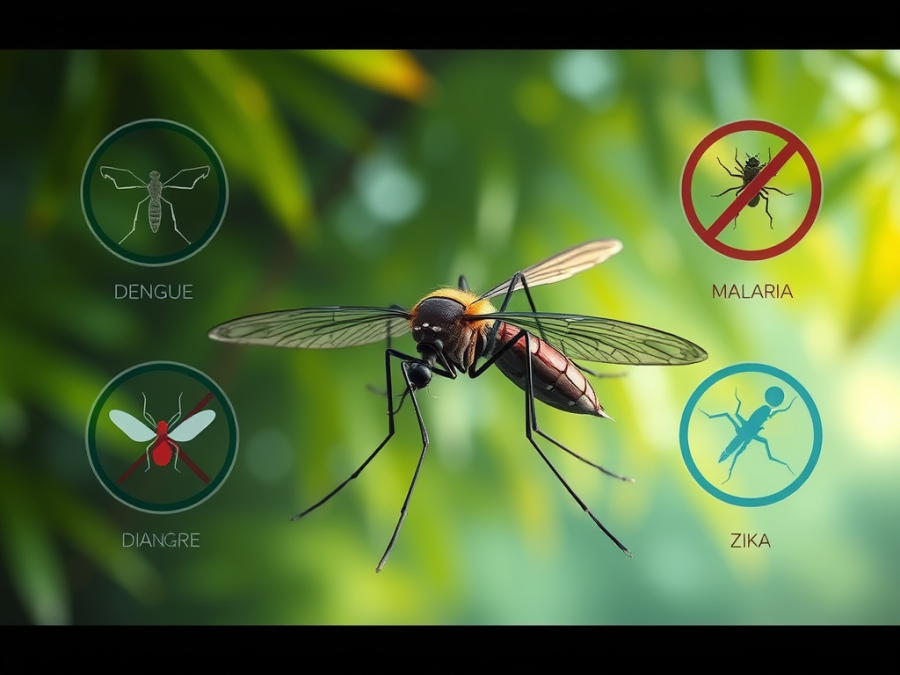
For a long time, malaria, dengue, and Zika were filed under “somewhere else.” In the U.S. and Europe most people encountered them in a textbook or a travel clinic and nowhere else. That is changing.

Climate shifts, international travel, and the sheer resilience of mosquitoes like Aedes aegypti have pushed these infections north. They are turning up in the southern U.S. and in parts of Europe now. Calling them tropical diseases is starting to be inaccurate.

Sanjay Gupta and Timothy Winegard made the scale of it plain in a CNN interview: mosquitoes kill more people than any other animal, and more than 700,000 people die each year from what they carry. That number is difficult to sit with.

The viral illnesses get most of the attention. Dengue, Zika, chikungunya, and West Nile are the familiar names. Dengue was once almost entirely tropical and now appears in Florida and Europe. Zika made headlines for the birth defects it caused. Chikungunya is remembered by anyone who has had it for the joint pain. West Nile is simply established across much of the U.S. at this point.

Malaria is a different animal, caused by protozoa rather than a virus. Most people still think of it as an African disease. Yet there have been locally acquired cases in the U.S. recently. Warm temperatures and standing water are all the transmission cycle really needs.

Parasitic worms belong in the conversation too. Lymphatic filariasis is still overwhelmingly tropical, but the movement of people and goods makes expansion more plausible than it used to be.

Prevention is unglamorous and effective. Emptying standing water around a house does more than people expect. Repellent, intact window screens, and long sleeves cut exposure. For travelers, treated bed nets and the right vaccines, yellow fever among them, still carry the load.

Clinicians need to reframe how we think about these illnesses. They are not filed under travel medicine anymore. With malaria reappearing in Florida and Texas, recognizing early symptoms and pushing prevention falls to us. I have had patients look genuinely surprised when I brought up insect repellent on a video visit for something unrelated. It struck them as beside the point. That reaction is the thing that has to change.

Mosquitoes are not slowing down, and the illnesses they carry keep moving closer to where our patients actually live. The questions are coming. We should have answers ready.

Scott Rennie, D.O.

References

Gupta S, Winegard T. CNN interview on mosquito-borne disease, 2023.

Centers for Disease Control and Prevention. Malaria in the United States, 2023.

World Health Organization. Mosquito-borne diseases fact sheet, 2023.

Watch: Dr. Sanjay Gupta & Timothy Winegard discuss how to avoid mosquito bites and the diseases they carry.

Board Certified in Obesity Medicine and Family Medicine

This blog is for educational purposes only and does not constitute individual medical advice. Always consult your own physician before making changes to your health, medications, or treatment plan.