
White capsules spilled from an open amber prescription bottle on a table

Allergic Antibiotic Drug Reactions – Am I Truly Allergic to Penicillin?

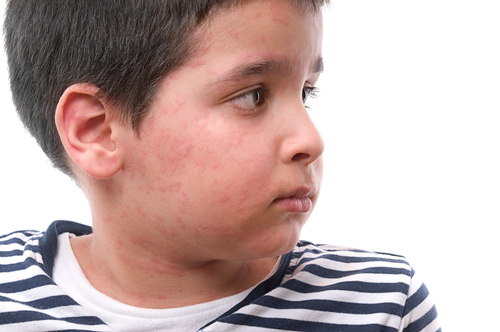
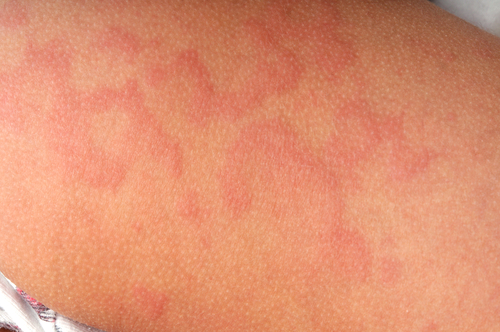
shutterstock_124906745shutterstock_46021174I had a patient who came in recently with his parents because he broke out in a rash all over his body after starting an antibiotic for an infection in his throat.  The parents were obviously concerned that he was allergic to the antibiotic and wanted to know what to do to help him. Allergies to medications, especially to antibiotics such as penicillin are common, but it’s sometimes confusing to know whether or not it’s a true drug allergy, a skin rash from the infection or perhaps not an allergy at all.  Yesterday a patient told me that they are allergic to penicillin, and when I asked them what happens he takes it he said that he’s unsure – he just knows he allergic because his father was. I was alarmed that he thought he had an allergy to a potentially life saving medication only because a family member had long ago told him that they had an allergy to penicillin. About 10% of patients report an allergy to penicillin when asked, however most people who believe they are allergic can take penicillin without a problem either because they were never truly allergic or because there allergy to penicillin has resolved over time. Only about 20% of people will be allergic to penicillin 10 years after the initial allergic reaction if they are not exposed to it again during this time period. Definition:  Penicillin is a common antibiotic that is prescribed for strep throat, ear infections as well as pneumonia and many other infections.  It is part of a family of medications called beta lactams which include: Penicllin G, amoxicillin, ampicillin, oxacillin, cloxacillin, dicloxacillin, piperacillin, and nafcillin.  A patient who is allergic to one of these penicillin medications is presumed to be allergic to any of them in this group. The Reaction:  It’s very important to tell your medical provider in as much detail as possible what the reaction is that happens if you take the medication rather than just listing it as an allergy.  If your medical provider writes down that you are allergic to an antibiotic and it’s not a true allergy, this might mean that the next time they get an infection, you get a less effective or more toxic antibiotic. It’s important to distinguish between a true allergy and “adverse reactions.” Adverse reactions are unexpected reactions that occur after taking a medication which are common but not true allergies.  Some patients report an adverse reaction as an allergy because they don’t want to be given this medication in the future.  For example, I had a patient tell me that they could not take prednisone because they are allergic.  When I asked what happens if he takes it, he replied – “I don’t like the taste.”   Unfortunately there are a limited number of medications, and they are most often grouped into families.  If you are truly allergic to one medication in the family, this eliminates the possibility of taking any other medication in the same family.  An entire group of potentially helpful medications might have been withheld from this patient only because he doesn’t like the taste of one of them in this group.  Another example of a non-allergic adverse reaction is nausea and/or diarrhea.  By listing penicillin as an allergy because the patient gets nausea or diarrhea after taking might lead to antibiotic failure or resistance which can be costly and prolong illness. It’s important to keep in mind that the care that you receive by your medical providers when you are ill might be negatively impacted by an improperly labeled allergy in your medical records. Rashes:  There are different kinds of rashes that can occur after taking penicillin or other antibiotics.  Some rashes such as hives are raised, intensely itchy and they come and go over hours. Another type of rash is flat, blotchy and spread over days but do not change by the hour and are less likely to represent a dangerous allergy.  These rashes start after several days of treatment.  We call these rashes a drug induced exanthem.  Taking a photograph of your rash and bringing it to your doctor may be helpful if the rash changes. True Allergic Reactions:  hives, angioedema (swelling of the face/lips), throat tightness, wheezing, coughing, trouble breathing from asthma type reactions are all important to distinguish from “adverse reactions” as I mentioned above.  When you list a medication allergy, make sure you describe which of these symptoms that the medication caused.  These types of reactions only occur in 1-5% of people.  It is important to tell your medical provider if you have had any of these symptoms because a past history indicates that the patient might develop a more severe infection such as anaphylaxis in the future if given the medication again. Anaphylaxis:  This is a true medical emergency caused by a potentially life-threatening allergic reaction.  The symptoms involve the allergic reaction as well as low blood pressure, trouble breathing, abdominal pain, swelling of the throat or tongue and or diarrhea/vomiting. Penicillin Allergy Testing:  Testing for a penicillin allergy might be important ifin people who have a suspected penicillin allergy and require it to treat a life-threatening condition for which no alternative antibiotic is appropriate.  It may also be appropriate for people who have frequent infections and have suspected allergies to many antibiotics, leaving few options for treatment.  About 90% of patients tested will not have a penicillin allergy either because they lost the allergy over time or were never allergic in the first place.  We do not routinely do allergy testing in the primary care or urgent care setting, it is done under the supervision of an allergist. Cephalosporin Allergy:  Allergic reactions are less common than reactions to penicillin.  People with a penicillin allergy have a small risk of having an allergic reaction to cephalosporins.  Cephalosporins are a class of antibiotics closely related to penicillin.  Some of these medications include cephalexin, cefaclor, cefuroxime, cefadroxil, cepradine, cefprozil, loracarbef, ceftibuten, cefdinir, cefditoren, cefpodoxime, and cefixime. Treatment:  For true allergic reactions stopping the medications as soon as possible is obviously important.  The following is an example of what I might do for a severe allergic reaction, but it may differ if you go a different facility or depending on the circumstances. For mild urticaria:  Observation and consider diphenhydramine 25-50 mg PO/IM or 25mg IV For severe urticara:  Diphenhydramine 25-50mg PO/IM or 25mg IV, Corticosteroids/Solumedrol 80-125mg IV,  IV fluids and/or epinephrine at a dose of 0.3mg 1:1000 IM (Epi-Pen).  If giving epinephrine, I usually have the patient transported to the hospital because they will need monitoring for rebound allergic reaction once the epinephrine wears off. For Laryngeal Edema:  Give O2 by mask 6-10L For Anaphylaxis-like reactions:  Suction as needed, elevate legs, O2 10L by mask, IV fluids (NS or LR), and Epinephrine 1:1000 0.3mg IM (Epi-Pen).  For bronchospasm, add Albuterol MDI 2-3 puffs, Antihistamine: Diphenhydramine 25-50mg IM or IV and Corticosteroids/Solumedrol 80-125mg IV and await transport to the hospital For Hypotension:  Elevate legs, Oxygen by mask, use IV fluids, Epi-Pen and await transport to the hospital Vagal Reaction:  Elevate legs, 02 by mask at 10L, IV fluids (NS/LR wide open) For Angina:  02 by mask at 10L, IV fluids:  Administer slowly, Nitroglycerine 0.4mg sublingually; may repeat p5 min x 3 doses, Morphine 2mg IV and await transport to the hospital For hypertension:  02 by mast at 10L, IV fluids:  Administer slowly, Nitroglycerine 0.4mg sublingually, may repeat q5 minutes x 3 doses and await hospital transport For seizures: Suction/Protect Airway and monitor for obstruction by tongue.  O2 by mask if not vomiting.  If caused by hypotension, treat accordingly and if uncontrolled consider anticonvulsant such as diazepam and await hospital transport For hypoglycemia:  O2 by mask at 10L, IV fluids D5W or glucose tablet I recommend that patients who have known severe allergies to insect or bee stings carry an EpiPen with them. If you’d like more information about allergic reactions to medications, check out the American Academy of Allergy Asthma & Immunology website:  http://www.aaaai.org/conditions-and-treatments/library/at-a-glance/medications-and-drug-allergic-reactions.aspx   I hope that you have found this information useful.  Wishing you the best of health,

A penicillin allergy on the chart is one of the most common reasons a person ends up on azithromycin instead, which is a good part of why the Z-Pak became the default ask. I wrote about what I tell patients who ask for a Z-Pak.

Updated for 2026: This Is the Post That Aged the Worst

Of everything on this site, this is the topic where practice has moved furthest from what I wrote in 2012. Not refined. Moved. In 2012, a penicillin allergy label meant skin testing, or more often it meant nobody tested anything and you spent your life on second choice antibiotics. That was the standard and I described it as such. The current approach is different in a way that matters to you if you are carrying this label. For patients whose history is low risk, meaning a remote reaction, an isolated rash, a vague story nobody wrote down, or a reaction you only know about because a relative told you, the 2022 practice parameter from the allergy societies supports going straight to a supervised oral dose of amoxicillin. No skin testing first (1). That sounds reckless if you learned it the old way. The trial says otherwise. PALACE randomized low risk adults to direct oral challenge or skin testing first, and the rate of positive reactions was identical, half a percent in each arm. Both reactions were mild and settled with an antihistamine (2). Half a percent. That is the number to sit with. The label is wrong far more often than it is right.

The Ten Percent Cephalosporin Rule Was Wrong

Most of us were taught that if you are allergic to penicillin you have roughly a ten percent chance of reacting to cephalosporins, so avoid the whole class. That teaching is obsolete and it caused real harm, because it pushed patients onto broader and worse antibiotics for no reason. What actually predicts cross reactivity is not the class. It is whether the two drugs share a similar side chain. A meta analysis of over twelve hundred penicillin allergic patients found cross reactivity of 16.45 percent when the side chain was identical, 5.60 percent when it was somewhat similar, and 2.11 percent when it was not (3). Carbapenems came in at 4.3 percent. So the honest answer to whether you can take a cephalosporin is that it depends entirely on which cephalosporin, and most of them are fine.

Getting the Label Removed, and Making It Stay Off

This is something I can genuinely start in a video visit, and it is one of the more satisfying things I do. The work is the history. What happened, how long after the dose, how old were you, did anyone see it, did you need treatment for it. Most of the time the answer is a childhood rash during a viral illness that got blamed on the amoxicillin, and that is not an allergy. From there I can tell you whether you look low risk and route you to a challenge, or whether your story needs an allergist first. One caution from the follow up data. Six months after being formally delabeled, 6.6 percent of patients in PALACE were describing themselves as penicillin allergic again (4). The label creeps back. If you get delabeled, make sure it comes off your chart everywhere, tell your pharmacy, and do not reintroduce it at the next intake form out of habit.

Who Should Not Be Challenged

None of the above applies if your reaction was serious, and this is where I want to be unambiguous. If you had hives, swelling of the lips or throat, wheezing, or a drop in blood pressure within minutes to hours of a dose, that is a different situation and you need an allergist, not a challenge. The same is true for the severe delayed reactions: blistering or peeling skin, sores in the mouth or eyes, a rash with fever and organ involvement, or a serum sickness type reaction. Those patients should never be given a test dose to see what happens (1). And any active reaction with mouth or eye involvement, blistering, facial swelling, or trouble breathing is an emergency room problem, right now, not a video visit.

The Bottom Line

Around one in ten people carries this label and the overwhelming majority of them are not allergic. Getting it removed is not a formality. It gets you better antibiotics when you actually need them. If your story is a rash you had as a child, ask about a challenge.

Sources

1. Khan DA, et al. Drug allergy: A 2022 practice parameter update. J Allergy Clin Immunol. 2022;150(6):1333-1393. https://pubmed.ncbi.nlm.nih.gov/36122788/ 2. Copaescu AM, et al. Efficacy of a Clinical Decision Rule to Enable Direct Oral Challenge in Patients With Low-Risk Penicillin Allergy: The PALACE Randomized Clinical Trial. JAMA Intern Med. 2023;183(9):944-952. https://pubmed.ncbi.nlm.nih.gov/37459086/ 3. Picard M, Trubiano JA, Phillips EJ, Blumenthal KG, et al. Cross-Reactivity to Cephalosporins and Carbapenems in Penicillin-Allergic Patients: Two Systematic Reviews and Meta-Analyses. J Allergy Clin Immunol Pract. https://pubmed.ncbi.nlm.nih.gov/31170539/ 4. Copaescu AM, et al. Risk of Self-Reported Penicillin Allergy Despite Removal of Penicillin Allergy Label: Secondary Analysis of the PALACE Randomized Clinical Trial. JAMA Netw Open. 2024;7(8):e2429621. https://jamanetwork.com/journals/jamanetworkopen/fullarticle/2822413

Related Reading

Abscesses and MRSA: What To Do About a Skin Infection When to Use Telemedicine vs. Urgent Care: How I Spot the Sick One Hives and Angioedema: Signs of an Allergic Reaction Hives – What am I allergic to? Mononucleosis – The Kissing Disease Antibiotic Resistance Could End Modern Medicine, WHO Warns Scott Rennie, D.O.

Board Certified in Obesity Medicine and Family Medicine

This blog is for educational purposes only and does not constitute individual medical advice. Always consult your own physician before making changes to your health, medications, or treatment plan.


Woman sitting in an armchair beside a rain-speckled window

Anxiety: Practical Tips and What Can Actually Help

shutterstock_86293354Today a patient came in because she’s been feeling anxious because she’s had some heart palpitations.  She’s seen a cardiologist (heart specialist) and learned that the abnormal heart rhythm is intermittent atrial fibrillation (a usually non-dangerous rhythm) that has likely been brought on by the increased stress and lack of sleep lately.  When she gets the heart palpitations, she becomes more anxious, and the more anxiety that she experiences,  the more heart palpitations she has.  To her, it feels like an endless cycle that will never end. This patient’s anxiety is understandable.  We all experience stressful or potentially anxiety provoking details that occur in our lives.  How we deal with these thoughts and events is critically important because it often determines how we function from day to day. Feeling anxious can be a normal response to a stressful situation.  The adrenaline rush after we learn that a bear is in our campsite might help us escape the dangerous situation.  Feeling anxious for most of the day for long periods of time however is not normal. Symptoms:  Excessive worry or feelings of dread or being “on edge” may contribute to daily fatigue, and muscle tension.  Other common symptoms may include headaches, hives, heart burn, constipation, diarrhea, abdominal pain, chest tightness, difficulty sleeping, memory problems and an increase or decrease in appetite.  Sometimes a patient might have depression along with anxiety. Often patients come in to talk with me about treatment for their anxiety with medications.  I understand that feeling anxious is not particularly desirable, however in many circumstances, it’s normal.  Treating the anxiety is often most effective by addressing the anxiety provoking situation rather than masking the symptoms with medication.  Once the medications wear off, the anxiety returns and the cycle repeats itself. I think it’s important to distinguish the difference between anxiety and an anxiety disorder.  People who have “normal” anxiety may have worries from time to time, but these feelings do not interfere with daily life.  An example might be a parent worried about their child who is late coming home from a date.  I’m sure you can think of many other examples.  People with an anxiety disorder are often worried or anxious about a number of events or activities and these worries are out of proportion to the situation.  A parent might worry excessively about their child’s safety even when the child is at home with the family.  An anxiety disorder can make routine activities difficult to complete.  There are certain criteria that need to be met in order to make a diagnosis of an anxiety disorder and it’s my opinion that only a qualified health mental professional with training in anxiety disorders such a psychologist should make this diagnosis. Treatment:  Usually we tailor the treatment to the individual patient and what is causing the anxiety.  If the anxiety is caused by a certain life event, then learning how to address the feelings and concerns related to the event is often the most helpful way to decrease the anxiety.  Individuals who suffer from an anxiety disorder often require more treatment than those who have anxiety from stressful life events.  Some possible treatments for anxiety might include: 1)   Cognitive Behavioral Therapy (CBT): CBT focuses on the person’s behavior and patterns of thinking.  The therapist helps teach you how your thoughts contribute to your anxiety and how to decrease these negative or unpleasant thoughts when they occur. 2)   Eye Movement desensitization and reprocessing (EMDR): A particularly effective technique being used by psychologists who have had specialized training.  One of the procedural elements is “dual stimulation” using either bilateral eye movements, tones or taps. During the reprocessing phases the patient attends momentarily to past memories, present triggers, or anticipated future experiences while simultaneously focusing on a set of external stimulus. During that time, clients generally experience the emergence of insight, changes in memories, or new associations. The clinician assists the client to focus on appropriate material before initiation of each subsequent set. 3)   Medications: If medication is used to treat anxiety, you will need to see a primary care provider or psychiatrist.  If a patient has an anxiety disorder however, my opinion is that the patient should also be treated by a mental health provider such as a psychologist and/or psychiatrist.  Medications used to treat anxiety may include:
  1. Antidepressant medications such as SSRI or SNRI.  Examples of these medications include Fluoxetine, Citalopram, Paroxetine, Fluvoxamine, Sertraline, Escitalopram, Venlafaxine, Duloxetine, Desvenlafaxine, and Milnacipran.
  2. Buspirone is an antianxiety medication used to treat anxiety disorders
  3. Herbal medications such as kava kava and valerian have been used.  Kava Kava however has been linked to liver failure and is not recommended.  There is not enough evidence to show whether herbal medications are effective or safe for treating anxiety disorders.  Make sure to tell your medical provider if you are taking herbal medications
  4. Benzodiazepines such as Alprazolam, Chlordiazepoxide, Clonazepam, Clorazepate, Diazepam, Flurazepam, Halazepam, Lorazepam, Oxazepam or Prazepam are sometimes prescribed for short-term use only.  Because of the addictive nature of these medications, and because of safety concerns, I generally do not prescribe these medications frequently
If you or someone you know is suffering from an anxiety disorder (in contrast to experiencing anxiety as part of a life event), I strongly recommend that you seek help from a qualified mental health professional. Sometimes it can be challenging to know whether the anxiety you experience is the result of a “life event” or an actual disorder.  Most primary care providers can help you determine this or refer you to a mental health professional if further diagnosis is needed. To find a Psychologist in your area, you may use the American Psychological Association Psychologist Locator website:  http://locator.apa.org/ Helpful links for additional reliable anxiety related mental health information: National Library of Medicine (www.nlm.nih.gov/medlineplus/anxiety.html) National Institute of Mental Health (www.nimh.nih.gov/health/topics/anxiety-disorders/index.shtml) National Mental Health Association (www.nmha.org) Anxiety Disorders Association of America (www.adaa.org)   I hope that you have found this information useful.  Wishing you the best of health,

Scott Rennie, D.O.
Board Certified in Obesity Medicine and Family Medicine

This blog is for educational purposes only and does not constitute individual medical advice. Always consult your own physician before making changes to your health, medications, or treatment plan.

Sunlight breaking through heavy grey cloud over a city waterfront

It’s Cloudy in Seattle: Can You Still Get a Sunburn?

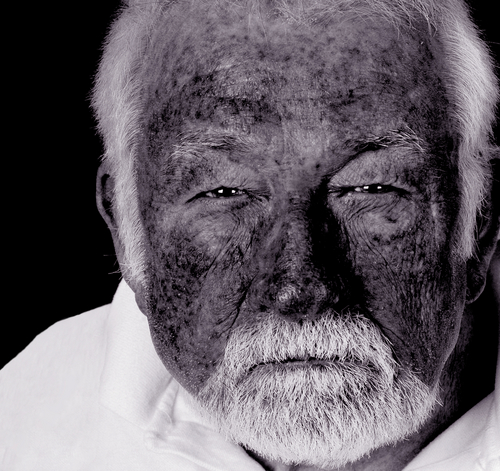
shutterstock_5810650Recently I’ve been noticing patients are coming in with sunburns even though the weather has been cloudy.  They are often unaware that the sun is causing damage to their skin at the time, and come in later with severe sunburns.  Even on cloudy days, it is important to protect your skin because UV radiation can pass through the clouds and cause sunburns.  In addition, UV rays can be reflected off surfaces like sand, snow, cement and water. Prevention:  Here are several ways to help prevent sunburn: 1)   Avoid sun exposure:  If you plan to be out in the sun during the day, keep in mind that the suns rays are strongest between 10:00am and 4:00pm in the continental U.S. and avoiding exposure during these hours decrease your risk of burning.  Wearing a topical sunscreen as well as clothing that blocks the suns rays are helpful in reducing your chance of sunburns. 2)   Find Shade:  Areas that don’t have direct sunlight reduce your chances of sunburn.  These areas include under trees, an umbrella or structures such as porches, or tents.  A topical sunscreen is still recommended while sitting in the shade because your skin is still exposed to some UV radiation. 3)   UV Index:  One way to predict your risk of sunburn on a given day is a numerical value called the UV index.  It is a number between 0 and 11+, in which 0 indicates a lower risk of sun exposure and 10 indicates high risk with 11+ an extreme risk.  You can find the UV Index online. 4)   Sunscreen:  There are many sunscreen products on the market, and most of them work by protecting the skin via absorbing the radiation or reflecting it.  SPF or Sun Protection Factor is a numerical indicator that gives us some idea of how much protection the sunscreen offers against UVB (Ultraviolet B) burns.  It’s important to look for a sunscreen that protects against both UVA (Ultraviolet A) and UVB rays – sometimes they label these products broad-spectrum.  Here are some additional tips. A)  I often get asked what SPF rating is best.  My first response is usually “the maximum you can get,” because I realize that even low levels of ultraviolet radiation increase your risk for sun damaged skin, skin cancers and a poor cosmetic outcome with increasing age.  The American Academy of Dermatology recommends an SPF of 30 or greater on sun exposed skin with protection of UVA and UVB and recommends a higher SPF in your are fair-skinned or will be out in the sun for longer periods of time or anticipate intense exposure (such as on a beach or skiing trip). B)  Use enough:  I find that most people don’t use enough sunscreen, and they don’t put it on soon enough.  Your really need about 2 tablespoons of lotion to cover an adults arms, legs, neck and face.  If you want to cover your back and chest, you will need more than that.  You should also apply it at least 15-30 minutes before going out in the sun for it to become active. C)  Reapply:  Even if the sunscreen bottle says that it’s sweat-proof, or water-proof, I recommend reapplying every 2-3 hours or after drying off with a towel or swimming.  There is some evidence that suggests that after being out in the sunlight for 20 minutes, you should reapply the sunscreen even if you’re not in the water or haven’t been sweating profusely. D)  Protect your lips:  Make sure your remember to protect your lips with lip balm that has an SPF of 30 or higher and reapply frequently. E)  Buy new sunscreen each year:  Chemical sunscreens become less effective with time.  Leaving them in the sun or where it is hot, such as in the car may speed this degradation process.  Expired sunscreen is likely less effective and reduces the SPF rating. Definition:  Sunburns occur when the skin is burned by UV radiation.  Often sunburns are not severe, but it’s the exposure over years that increase your risk of skin cancer, wrinkles and other cosmetic concerns.  In todays society, we often think about the immediate gratification which might include a suntan, however often the harmful consequences come years later often after we are no longer spending as much time in the sun.  I show my younger patients who have sunburned skin several photos of older patients who’ve spent years in the sun or had sunburns over years.  Hopefully that helps them understand the consequences that come with repeated exposure so they can make more informed decisions about protecting their skin from harmful radiation. Symptoms:  Sunburns are often not immediately apparent because the redness and pain develop 3-5 hours after being out in the sunshine.  Redness of the skin that is hot and painful to touch is common.  There may also be blistering and swelling over the affected areas.  The redness is usually at it’s worst by 12-24 hours after sun exposure and this fades over 72 hours. Causes:  Melanin is a pigment in the skin that causes your skin to appear dark or light colored.  Your skin can temporarily increase the amount of melanin to help protect from burns (suntan).  The amount of ultraviolet radiation that is needed to burn your skin depends on several factors: 1)   Melanin:  The amount of melanin in your skin affects how quickly you can get burned.  People with light colored skin and light hair generally have a higher risk of sunburn compared with patients with dark colored skin.  Some individuals with a low amount of melanin can burn in less than 15 minutes. 2)   Location:  There is increased UV radiation due to more direct sunlight near the equator so individuals who are in these locations are at more risk of sunburn (Hawaii for example). 3)   Medications:  Certain medications can increase the risk of sunburn including ibuprofen, some blood pressure medications such as hydrochlorothiazide (HCTZ), and some antibiotics such as tetracycline. Complications:  Premature skin aging, permanent discoloration of the skin, wrinkles, skin cancers such as malignant melanoma, basal cell and squamous cell carcinomas, cataracts (the lens of the eye becomes cloudy). Treatment: 1)   Stay out of the sun until the redness and pain go away.  Repeated sun damage after a recent burn is even more harmful. 2)   After noticing a sunburn, I often recommend immediately taking ibuprofen or Aleve to help with the pain 3)   Cool compresses, and aloe-based lotions and sprays 4)   Sprays with a local anesthetic that numbs the skin such as Solarcaine may help decrease the pain but they do not decrease the long-term risks of skin cancer and sun damaged skin. If you have had repeated sunburns, a history of skin cancer, or strong family history of skin cancers, I recommend that you see a dermatologist at least every year for a head to toe skin examination. To find a Dermatologist in your area, the American Academy of Dermatology’s Website has a very useful locator:  http://www.aad.org/find-a-derm   I hope that you have found this information useful.  Wishing you the best of health,

Scott Rennie, D.O.
Board Certified in Obesity Medicine and Family Medicine

This blog is for educational purposes only and does not constitute individual medical advice. Always consult your own physician before making changes to your health, medications, or treatment plan.
Woman sneezing into a tissue beneath blooming cherry trees

Doctor Said You Have Allergies? How to Know for Sure


shutterstock_126144308Spring is here, and so is the pollen count.  I’ve had countless patients who’ve come into the clinic lately suffering from season allergies.  Seasonal allergies can cause symptoms in the nose, the eyes and the throat.  The nasal passages are the areas that are affected by most people with allergies.  Allergic rhinitis is the term that we use in the medical field to refer to the inflammation of the nasal passages due to allergies.  The inflammation can cause a variety of symptoms including sneezing, itching, nasal congestion, runny nose and post-nasal drip (the sensation that mucus is draining from the sinuses down the back of the throat). Who is affected:  Allergic rhinitis (also called hay fever) affects about 20% of people of all ages.  Patients who have asthma or eczema have a higher chance of developing allergies. Causes:  Symptoms of allergic rhinitis are caused by a reaction in the nasal passages to small airborne particles known as allergens.  These particles could be pollen, dust or dust mites.  These particles can also cause reactions in the lungs such as asthma or in the eyes (allergic conjunctivitis). Symptoms:  The term “rhinitis” refers only to nasal symptoms, but many patients experience symptoms in their eyes, throat, and ears. 1)   Nose:  watery nasal discharge, blocked nasal passages, facial pressure, loss of taste, post-nasal drip, nasal itching, sneezing 2)   Sleep:  daytime fatigue, frequent awakening at night, mouth breathing, difficulty performing work 3)   Eyes:  swelling and blueness of the skin below the eyes, red eyes, itching, clear discharge 4)   Throat:  sore throat, hoarse voice, itching 5)   Ears:  popping of the ears, itching of the ears Diagnosis:  A physical exam by a medical provider usually is usually all that is required to make the diagnosis, however further testing can be done to identify the allergen. Allergy and asthma specialists often perform testing for patients to determine the substance that they are allergic to. Treatment:  Identifying the triggers that provoke allergic rhinitis is important so that patients can reduce exposure.  Sometimes recalling events prior to symptoms starting such as a recent camping trip, visit to friend’s house who has animals or spending time on a farm may be helpful.  Noting the time, date and potential allergens in the school as well as home and work can be helpful.    Other possible treatments include: 1)   Nasal irrigation and saline sprays 2)   Nasal glucocorticoids such as Fluticasone 3)   Nasal antihistamines such as Astelin 4)   Oral antihistamines such as diphenhydramine or cetirizine 5)   Oral decongestants such as Pseudoephedrine 6)   Nasal decongestants such as Afrin 7)   Mast cell stabilizers such as Cromolyn 8)   Leukotriene modifiers such as Singular Skin testing can be performed by allergists to help determine the allergen so that it can be avoided in the future.  Sometimes allergy shots are recommended to help the body become accustomed to the allergen with the hope that repeated exposure will reduce allergic symptoms.
There are several sources of information to determine the allergen/pollen count in your area.  One example is below: Accuweather.Com – Dust, Dander and Pollen Counts USA To find an allergy doctor in your area, the American Academy of Allergy, Asthma and Immunology’s Find an Allergist Website is:  http://aaaai.execinc.com/find-an-allergist/   I hope that you have found this information useful.  Wishing you the best of health,

Scott Rennie, D.O.
Board Certified in Obesity Medicine and Family Medicine

This blog is for educational purposes only and does not constitute individual medical advice. Always consult your own physician before making changes to your health, medications, or treatment plan.

Mother comforting a crying child while embracing her on a sofa

Child Won’t Move Their Arm? It Could Be Nursemaid’s Elbow

Photo credit:  http://www.tamilbrahmins.com/share-your-knowledge/14868-nursemaid-s-elbow.html   A parent brought her young child in to see me today and told me that she was holding hands with her and then the child suddenly jerked her hand away and attempted to twirl around in a dance move.  After the little girl yanked her arm away, she cried and didn’t want to move her left arm at all.  This is a common scenario and classic story for what we call nursemaid’s elbow or radial head subluxation (RHS). Nursemaid’s elbow is the most common elbow injury in young children.  It usually affects kids between one and four years of age.  The left arm is more commonly affected than the right. Mechanism:  With sudden traction of the child’s arm with the elbow extended, a portion of a ligament in the elbow slips over one of the elbow bones and gets trapped in this position.  By 5 years old, this ligament becomes thicker and more resistant to being displaced. The typical story is that the wrist was pulled while the child’s palm was pointed down towards the ground.  This is common when the parent or caregiver grabs the child’s arm to prevent them from falling or pulling away.  It can also occur when the child is swung by the forearms during play. Falling onto the elbow, minor trauma, or twisting motion of the arm can also cause radial head subluxation.  Younger children sometimes roll over in bed and this can somehow trap the forearm under the body and result in longitudinal traction. Symptoms:  When the child comes in, I usually hear the story that she’s not using the affected arm. Treatment:  Most of the time after explaining the procedure to the parents, we can treat the displaced ligament by relocating it by putting the child’s arm/elbow through a range of motion technique.  No anesthesia or sedation is required, although the procedure is painful briefly. Complications/Recurrence:  Nursemaid’s elbow can sometimes occur again if the child sustains another injury with the typical mechanism.  There are no long term complications associated with nursemaid’s elbow.  As previously mentioned, the annular ligament strengthens with age and therefore radial head subluxation rarely occurs after age five. The little girl who came into the clinic today is doing great.  The procedure to fix her elbow took a few seconds and after a few minutes she was using her arm again and practicing her dance moves.   I hope that you have found this information useful.  Wishing you the best of health,

Scott Rennie, D.O.
Board Certified in Obesity Medicine and Family Medicine

This blog is for educational purposes only and does not constitute individual medical advice. Always consult your own physician before making changes to your health, medications, or treatment plan.
Dentist examining a patient's teeth in a dental treatment room

Abscessed Tooth Pain: What to Do Before You See a Dentist

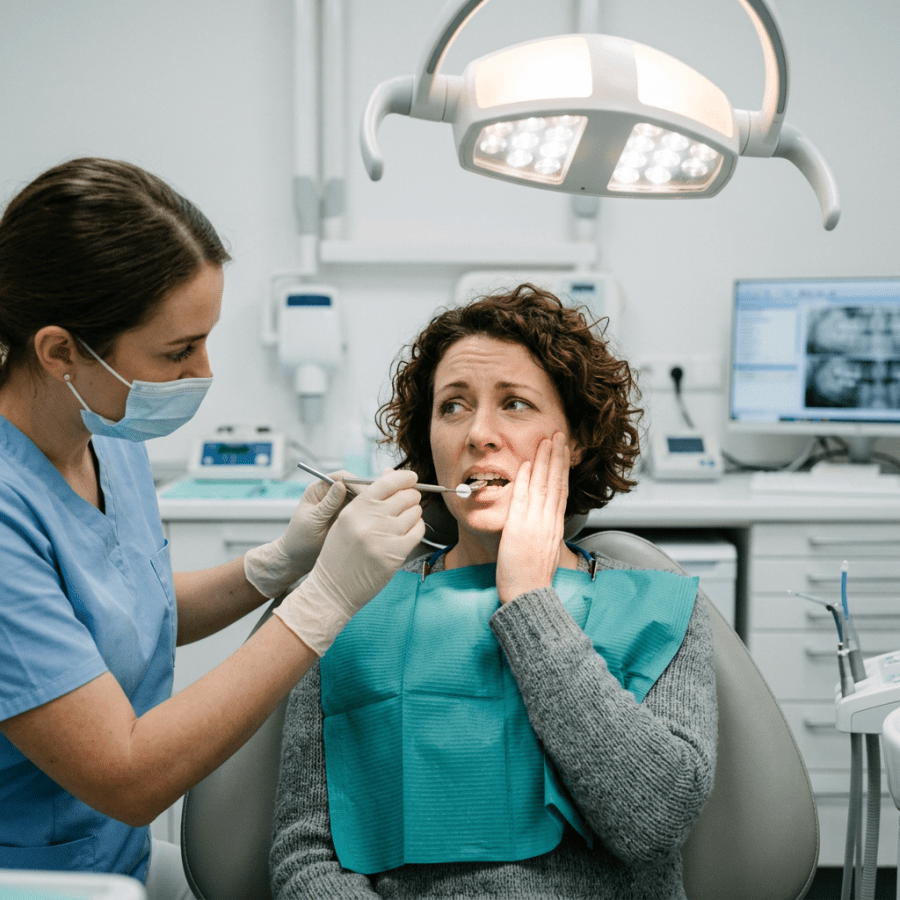
Even though I’m not a dentist or oral surgeon, I have patients who come in to get treatment for their dental infections.  A tooth infection is a result of bacteria that can extend into the gums, cheeks, throat, behind the tongue or even into the jaw or facial bones.  These infections are known as dental abscesses and can become very painful. Patients with a weakened immune system, autoimmune disorder or who experience trauma to the mouth or gums can also be more susceptible to have dental infections. Pus from the infection can collect at the site of the infection and may become more painful until the abscess either ruptures and drains on it’s own or is drained surgically.  If the infection progresses, it can become so severe that it may block the patient’s airway and cause difficulty breathing.  This is rare, but is a medical emergency requiring immediate surgical attention. Symptoms:  Patients with dental infections often complain of pain, swelling and redness of the mouth or face.  It can feel like a sinus infection if the involved tooth is on the upper jaw.  There is always tenderness with pushing over the area of infection.  Late signs of a dental infection might be fever, chills, nausea, or vomiting. Diagnosis:  Usually a doctor or dentist can determine if you have an abscess or dental infection by physically examining the affected area.  Sometimes x-rays of the mouth may be necessary if the infection is located in the deepest part of the tooth. Treatment:  Pain relievers may be helpful such as ibuprofen or Aleve.  For more severe infections, narcotic-type medications such as Vicodin may be prescribed.  Antibiotics are helpful to treat the infection, but usually are not the cure.  Dental abscesses are infections that involve the teeth, gums, jaw and sometimes the cheek or throat so they need surgical attention by a dentist or oral surgeon.  Your local family physician, urgent care doctor or emergency physician is generally not trained in how to perform dental surgery so it is important to be seen by the dentist.  A dentist can also perform a dental block that numbs the nerve causing the pain.  Generally this is far more helpful that oral pain relievers.  They may also cut open the abscess if it’s along the gum line to allow the pus to drain. They may also pull the tooth or perform a root canal.  An abscess that has extended to the floor of the mouth or to the neck may need to be drained in the operating room under anesthesia. Prevention:  A major role is maintaining excellent dental health is prevention with brushing, flossing and regular dental checkups.  If tooth decay is discovered it should be treated early so that cavities do not develop into abscesses.  Avoiding tobacco (chewing and smoking) is also helpful for prevention of decay. To find a dentist in your area, the American Dental Association has a useful Dentist locator:  http://www.ada.org/ada/findadentist/advancedsearch.aspx   I hope that you have found this information useful.  Wishing you the best of health,

Scott Rennie, D.O.
Board Certified in Obesity Medicine and Family Medicine

This blog is for educational purposes only and does not constitute individual medical advice. Always consult your own physician before making changes to your health, medications, or treatment plan.

Several small raised skin growths on a person’s neck

Skin Tags (Acrochordons): What They Are and Look Like

Photo credit:  http://www.your-doctor.net/dermatology_atlas/english/?id=38 Patients often come into the urgent care and ask about lesions on their skin.  It’s a very good practice to have skin lesions examined by a medical provider because without actually seeing the lesion, it can be difficult to make the proper diagnosis.  As you probably know, some skin lesions can be cancerous and so proper diagnosis is critical to ensure you get the right treatment and prevent complications. Skin tags are non-cancerous lesions that are an outgrowth of normal skin.  They occur in about 25% of adults and are more common as we age.  They commonly occur at areas of skin friction such as in the armpit (axilla), on the neck, under the breast tissue, or in the groin.  They can become painful when jewelry or clothing rub on them.  If they get twisted, the blood supply to the skin tag can tear or become compromised and they sometimes change to a red or black color. Diagnosis:  I recommend that you have any skin lesion that you’re unsure about examined by a medical provider.  If you have a history of skin cancer or family history of certain types of skin cancer, I recommend being examined by a dermatologist at least once a year and perhaps even more frequently.  The diagnosis of skin tags is usually fairly easy based on the appearance, but they must be differentiated from other types of skin lesions that may look similar. Treatment:  If you have healthcare insurance, it may not provide coverage for removal of skin tags if they are being removed only for cosmetic reasons.  Usually if they are painful or bleeding however, health insurance will cover the treatment for removal.    Some possible treatment options for removal include: 1)   Using forceps and fine grade scissors – these lesions often bleed vigorously so larger lesions may need suturing or cauterization 2)   Cryosurgery or liquid nitrogen treatment.  This freezing treatment is often done by super-cooling fine tipped forceps in liquid nitrogen and then gently squeezing the “stalk” of the skin tag to freeze it.  The procedure of freezing and un-thawing is similar to treating warts. 3)   Electrodessication Recurrence:  Unfortunately, skin tags can come back soon after they are treated. To find a Dermatologist in your area, the American Academy of Dermatology’s Website has a very useful locator:  http://www.aad.org/find-a-derm   I hope that you have found this information useful.  Wishing you the best of health,

Scott Rennie, D.O.
Board Certified in Obesity Medicine and Family Medicine

This blog is for educational purposes only and does not constitute individual medical advice. Always consult your own physician before making changes to your health, medications, or treatment plan.

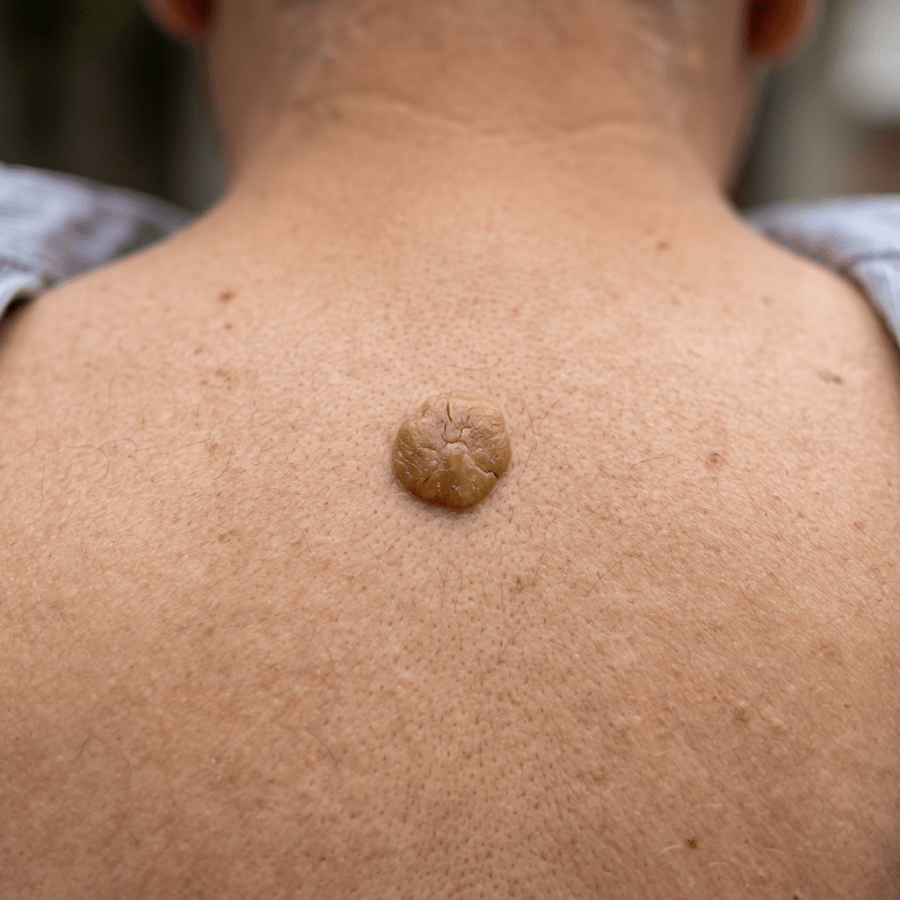
Raised, textured skin growth on a person’s upper back

Seborrheic Keratosis: The Skin Growth That Looks Stuck On

Photo credit:  http://medicine.academic.ru/7367/Seborrheic_keratosis

Patients often come in to see their doctor because of skin lesions that they are unsure about.  I encourage anyone with a skin lesion they are unsure about be evaluated by a medical provider because some lesions can be cancerous or pre-cancerous.

Seborrheic keratosis (SK’s) are very common, often developing after age 50 and occasionally as a young adult.  They are non-cancerous lesions and are more common in some families (genetic).  There is no way to prevent the development of new lesions.

They are non-cancerous but have been reported in association with a number of other skin malignancies, most commonly basal cell carcinomas and infrequently, melanoma.  The sign of “Leser-Trelat,” is the sudden onset of multiple seborrheic keratoses in association with skin tags and acanthosis nigrans.  This has been associated with a variety of cancers including gastrointestinal and lung cancers.

Diagnosis:  The appearance of the lesions is usually characteristic “stuck-on” or “warty” looking and they may be tan, light brown or dark-brown to black.  They are most commonly on the trunk of the body, face and arms/hands.  They are often scaly.  Microscopic examination is sometimes needed if they are small or atypical.

Treatment:  These lesions do not need to be treated, but due to cosmetic reasons they can be removed.  Insurance will usually not pay to have them removed unless they become painful, or bleed.  They can be treated by:

1)   Excisional biopsy – we send the specimen for examination under the microscope to rule out cancer if the lesion is suspicious

2)   Shave excision

3)   Cryotherapy with liquid nitrogen – sometimes a lighter skin pigment may occur after treatment and healing

Again, I encourage anyone with a skin lesion that they are unsure about be evaluated by a medical provider because some lesions can be cancerous or pre-cancerous.

To find a Dermatologist in your area, the American Academy of Dermatology’s Website has a very useful locator:  http://www.aad.org/find-a-derm


I hope that you have found this information useful.  Wishing you the best of health,

Scott Rennie, D.O.
Board Certified in Obesity Medicine and Family Medicine

This blog is for educational purposes only and does not constitute individual medical advice. Always consult your own physician before making changes to your health, medications, or treatment plan.
Sleeping person under a patterned blanket beside a resting orange cat

Mononucleosis – The Kissing Disease

shutterstock_52284313Contrary to the name, this isn’t a type of disease that you actually want to catch.  It’s an infection that causes symptoms including fever, sore throat, enlarged lymph nodes (often in the neck), and fatigue.  It’s more common in young adults than younger kids to the elderly.  Most of the time, it’s not a serious illness but it can lead to being out of school or work for a significant amount of time due to extreme fatigue. Causes:  The infection is caused by Epstein-Barr Virus (EBV) and can be spread from one person to another by kissing, drinking from a glass of an infected person or sharing eating utensils.  Young children who are infected with EBV usually don’t develop symptoms like young adults. Symptoms:  The most common symptoms of mono can take 4-8 weeks after exposure to develop and may be: 1)   Sore throat 2)   Enlarged lymph nodes in the neck 3)   Fever greater than 100.4 degrees F (38 degrees C) 4)   Fatigue that can last for several months Complications:  The most worrisome problem that can occur after having mononucleosis is enlargement of the spleen.  Actually, it’s the increased chance of rupturing the spleen after accidentally falling on it during an activity or sports event that is the problem.  Normally the spleen is somewhat protected under the left rib cage and is not usually exposed.  It can become enlarged about 50% of the time after having mono, so we usually recommend avoiding sports activities or heavy lifting that might risk trauma to the spleen to those who have been diagnosed with mononucleosis. Diagnosis:  The diagnosis is usually suspected based a physical examination of the patient, however a blood test can be done to confirm the diagnosis. Treatment:  Since the infection is due to a virus, antibiotics are not useful to treat the illness.  The goal is to reduce the unpleasant symptoms and allow the immune system to heal the body. Return to work/school:  I usually recommend going back to work or school after you have not had a fever for 24 hours.  An enlarged spleen due to the infection can take a few weeks to return to normal.  During this time the patient should not participate in activities that risk rupturing the spleen such as playing contact sports, or anything that put you at risk for falling.   I hope that you have found this information useful.  Wishing you the best of health,

Related Reading

Help, I have a sore throat! Is it Strep? Understanding pharyngitis Allergic Antibiotic Drug Reactions – Am I Truly Allergic to Penicillin? All about Cold Sores (Oral Herpes)

Scott Rennie, D.O.
Board Certified in Obesity Medicine and Family Medicine

This blog is for educational purposes only and does not constitute individual medical advice. Always consult your own physician before making changes to your health, medications, or treatment plan.
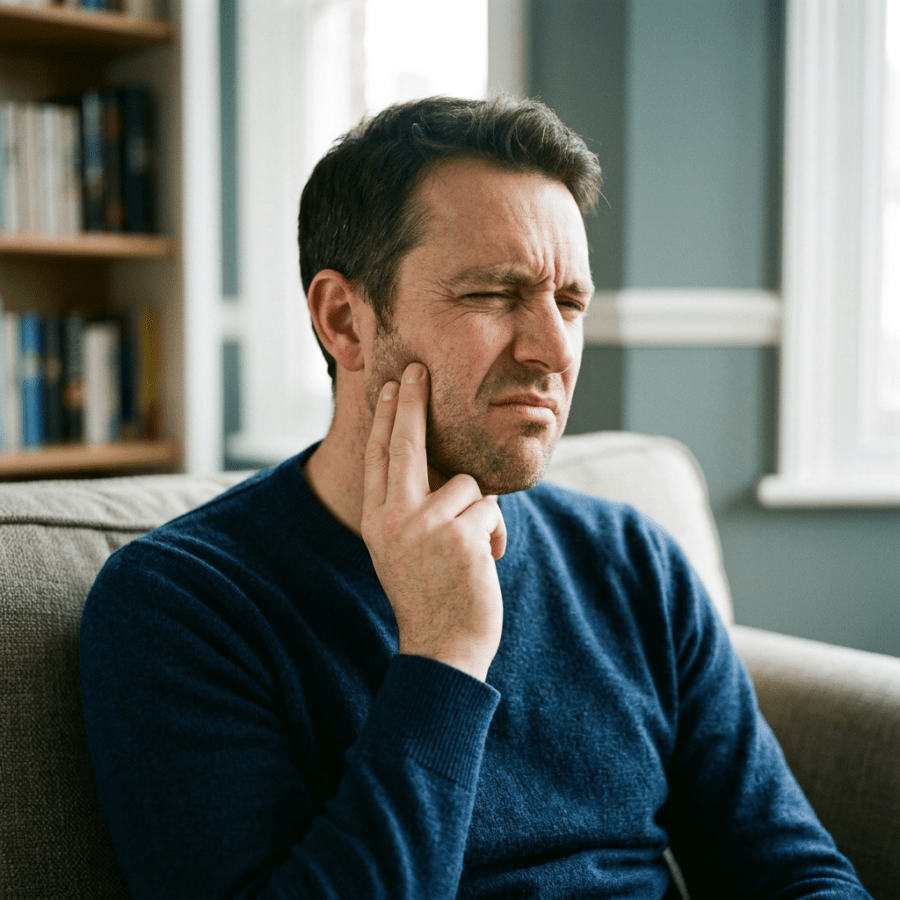
Man touching his cheek with a pained expression while seated indoors

Jaw Clicking and Pain: What Causes TMJ Joint Disorders?

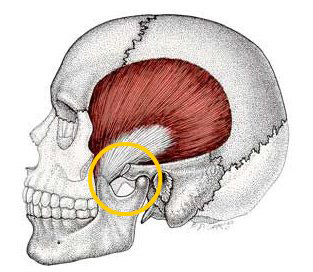
Photo credit:  http://ttocs.hubpages.com/hub/Exercises-to-Help-Alleviate-TMJJaw-Pain The mandible of the jaw is a modified hinge joint that is supported by muscles and allows you to chew your food.  The joint that allows this movement is the jaw joint, called the temporomandiublar joint or TMJ.  It is located just in front of your ear.  You can feel the joint by putting your finger on your cheek in front of your ear and open/close your mouth. Inflammation of this joint can cause pain and that can sometimes be confusing because the average person often does not think about this area as a source of pain. Symptoms of TMJ inflammation can be: 1)   A dull pain in the jaw muscles on one side 2)   Pain around the ear that can be confused for an ear infection 3)   Jaw pain that can sometimes make you think you have a tooth infection 4)   Neck pain or tenderness 5)   Pain when chewing food 6)   Popping when opening your mouth 7)   Difficulty opening your mouth widely because of pain 8)  Headache Causes:  Because the jaw is a hinge joint, it can become inflamed with arthritis.  Other possible causes are: 1)   Stress that causes jaw clenching 2)   Teeth grinding – especially at night when you are asleep 3)   If your teeth/bite is not quite right, sometimes a dentist can help adjust this Treatment: For many people the symptoms occur only occasionally and do not last very long. There is not a “usual” treatment for TMJ.  Treating the cause of the problem is the goal, and that might be fixing your teeth/bite or decreasing stress that might lead to jaw clenching or teeth grinding.  Dentists will sometimes fit patients with a dental appliance that helps protect the teeth and also decreases grinding.  For some people this has been very helpful in reducing the pain from TMJ.   Other possible treatments include: 1)   Medications to reduce inflammation and relieve pain such as non-steroidal anti-inflammatory drugs (ibuprofen, naproxen, etc.) or muscle relaxants 2)   Jaw exercises that stretching of the muscles around the TMJ 3)   Stress reduction and biofeedback to decrease teeth griding/clenching 4)   Appropriate dental care 5)  Avoiding actions that cause your symptoms such as yawning, singing or chewing gun To find a dentist in your area, the American Dental Association has a useful Dentist locator:  http://www.ada.org/ada/findadentist/advancedsearch.aspx   I hope that you have found this information useful.  Wishing you the best of health,

Scott Rennie, D.O.
Board Certified in Obesity Medicine and Family Medicine

This blog is for educational purposes only and does not constitute individual medical advice. Always consult your own physician before making changes to your health, medications, or treatment plan.