Historic county courthouse with columns, pedestrians, traffic, and a red bus

What the Supreme Court’s Obamacare Ruling Means for Patients

By Louise Radnofsky | The Wall Street Journal The Supreme court said Congress was acting within its powers under the Constitution when it required most Americans to carry health insurance or pay a penalty. It upheld the mandate as a tax, in an opinion by Chief Justice John Roberts. But the justices found fault with part of the health-care law’s expansion of Medicaid, a joint federal-state insurance program for the poor. The justices made some changes to the Medicaid portion of the law. [More from WSJ.com: Supreme Court Upholds Mandate as Tax] Q: Does this mean the health overhaul law is in place for good? A: The decision effectively upholds the law for now, but its future depends on which party controls the White House and Congress after elections in November. President Barack Obama and most Democrats consider the law a signature achievement and want to move forward implementing it. Republicans, including presumptive presidential nominee Mitt Romney, have pledged to overturn it. They say they would offer an alternative proposal but haven’t been specific about what it would include. Q: What happens to any benefits I already get because of the law? A: They will stay in place for now. Parents will still be able to keep their children on their insurance plans up to age 26, and Medicare recipients will keep getting discounts on prescription drugs to close a gap in coverage known as the “doughnut hole.” New levies under the law, such as the 10% tax on tanning services, also stay put. [Related: Supreme Court’s Obamacare decision: live coverage from SCOTUSblog] Q: When will I see the big changes from the law? A: Most of the mandates don’t start until 2014. That is when most Americans will be required to carry insurance or pay the penalty at issue in the Supreme Court case. The penalty will start at $95 a year or up to 1% of a person’s income, whichever is greater. [More from WSJ.com: Health Ruling Won’t Cure States’ Ills] Tens of millions of Americans are expected to get insurance coverage under the system that starts in 2014. Some of the poorest Americans will become newly qualified to enroll in the federal-state Medicaid program—although the court appeared to make some changes to how that program will work. Another batch of people who earn more but still have low incomes will get tax credits to offset their insurance costs. Consumers will be able to comparison shop for policies in newly created exchanges that will operate like popular online travel websites. [Related: Hospital stocks jump after health care ruling] Insurance companies will have to sell coverage to everyone, regardless of their medical history, and will have to restrict how much they vary premiums based on age. Companies with 50 workers or more will be required to offer insurance to their workers or pay a penalty. Q: What if I already have insurance? A: You may see changes to your plan. Unless your employer has “grandfathered” your insurance benefits’ structure, your plan will have to meet new regulations under the law, such as covering more preventive services without out-of-pocket costs. There has been speculation that some employers will stop offering coverage and funnel workers toward exchanges once they open, but most companies say they have no immediate plans to do that. [More from WSJ.com: Ruling Underscores Hospitals’ Strategy] Q: What will happen to my insurance premiums? A: Most consumers can expect to keep seeing increases in premiums and co-payments because the underlying cost of health care is expected to rise. The law contains a few mechanisms to curb premiums, but it also requires that many insurance providers make their benefits more generous, which will raise their cost. Older people could see their premiums go down because of the new age rating rules insurers will face. People who buy policies without the help of an employer could get a better deal by being able to shop on the exchanges, where comparing plans will be easier than before.

Scott Rennie, D.O.
Board Certified in Obesity Medicine and Family Medicine

This blog is for educational purposes only and does not constitute individual medical advice. Always consult your own physician before making changes to your health, medications, or treatment plan.


Exterior of a neoclassical United States courthouse with columns and steps

Supreme Court Ruling Protects Health Coverage for Millions

Statement attributable to: Jeremy A. Lazarus, MD President, American Medical Association   The American Medical Association has long supported health insurance coverage for all, and we are pleased that this decisionPDF FIle means millions of Americans can look forward to the coverage they need to get healthy and stay healthy. “The AMA remains committed to working on behalf of America’s physicians and patients to ensure the law continues to be implemented in ways that support and incentivize better health outcomes and improve the nation’s health care system. “This decision protects important improvements, such as ending coverage denials due to pre-existing conditions and lifetime caps on insurance, and allowing the 2.5 million young adults up to age 26 who gained coverage under the law to stay on their parents’ health insurance policies. The expanded health care coverage upheld by the Supreme Court will allow patients to see their doctors earlier rather than waiting for treatment until they are sicker and care is more expensive. The decision upholds funding for important research on the effectiveness of drugs and treatments and protects expanded coverage for prevention and wellness care, which has already benefited about 54 million Americans. “The health reform law upheld by the Supreme Court simplifies administrative burdens, including streamlining insurance claims, so physicians and their staff can spend more time with patients and less time on paperwork. It protects those in the Medicare ‘donut hole,’ including the 5.1 million Medicare patients who saved significantly on prescription drugs in 2010 and 2011. These important changes have been made while maintaining our American system with both private and public insurers.”

Scott Rennie, D.O.
Board Certified in Obesity Medicine and Family Medicine

This blog is for educational purposes only and does not constitute individual medical advice. Always consult your own physician before making changes to your health, medications, or treatment plan.
Person pointing to red, irritated skin on the back of a hand

Scabies Infection – The Mite Bite

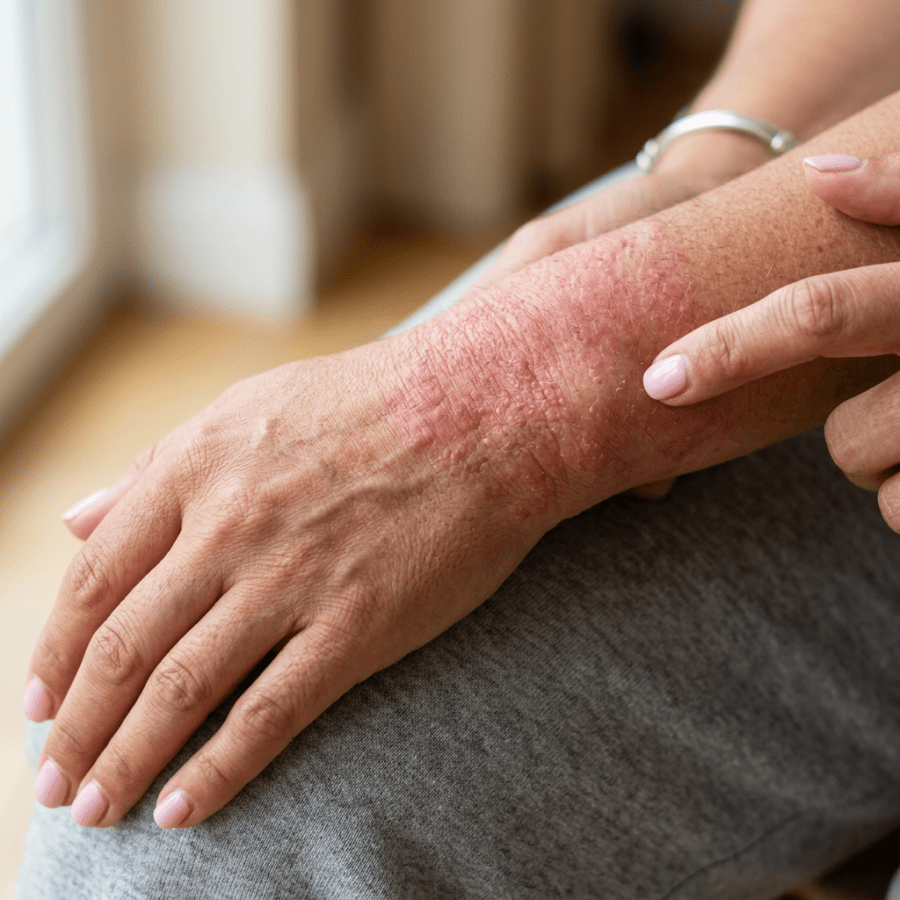
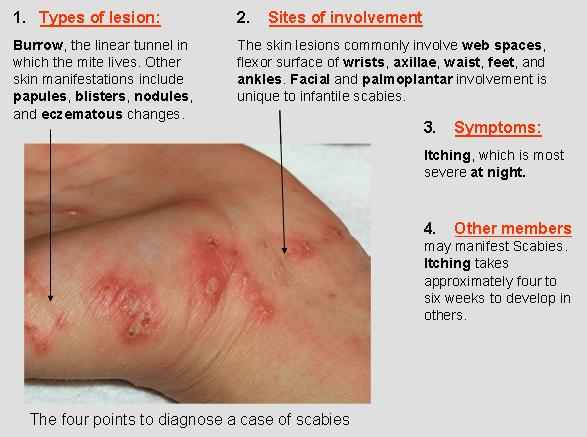
Photo credit:  http://www.skindermatologists.com/p/scabies-lice.html   Every now and then a patient will come into the clinic with a scabies infection.  They usually have complaints of severe itching and a reddish colored rash. Scabies is caused by a very small mite called Sarcoptes scabiei.  It is spread from one person to another by close skin-to-skin contact and I’m seeing more and more patients with scabies lately so I think it’s becoming more common. Symptoms:  An itchy rash is the most common symptom, and it’s often worse at night.  It causes visible lesions (red colored bumps or blisters) on the skin but sometimes these little bumps are tough to see.  Certain parts of the body are most commonly affected by scabies including: 1)   Between the fingers 2)   Around the wrists (especially on the inside of the wrists) 3)   In the crease of the elbows 4)   Behind the knees 5)   In the armpits 6)   Around the nipples 7)   Around the penis 8)   Around the waistband 9)   Near the low back and upper thighs 10)  Along the sides and bottoms of the feet The back and head are usually not affected. Crusted scabies: Some people with weakened immune system can develop “crusted scabies” or “Norwegian scabies” which are described as large, crusty red patches or bumps on the skin that spread easily.  The scalp, hands, and feet are affected most often.  These lesions are usually not itchy but can contain many mites. Scabies mite:   It is caused by a tiny mite that has 8 legs and is whitish-brown in color.  Without a magnifying glass, you might not be able to see them at all.  The symptoms are caused by the female mites, which tunnel into the skin after being fertilized by the males.  The female mite lays eggs under the skin and continues to tunnel until she dies, usually 1-2 months later.  After the mites hatch, the young mites travel back to the skin surface, mate and repeat the cycle of tunneling and laying more eggs. Transmission:  Close skin-to skin-contact is the usual way that scabies is spread, but it can also be spread through the clothes of an infected patient.  If someone who is uninfected wears a shirt or jacket of someone who is infected, the little mites can infect another patient.  It takes about 3-4 weeks for signs or symptoms of a first scabies infection to develop after becoming infected with the mites.  It’s also commonly transmitted between young adults during sexual contacts.  Once the mites are no longer in contact with the skin, then can only live for 24-36 hours but they can survive longer in colder conditions.  They are seen more commonly in the winter than in the summer months. Treatment:  Treatment of scabies can be challenging – see recommendations below.  Most of the time we treat scabies with a topical skin cream called permethrin (also called Elimite).  For patients with the more difficult to treat – crusted scabies, we use both a topical and oral anti-parasitic pill called ivermectin.  The permethrin cream (5%) is preferred for young infants and pregnant mothers. 1)  It is very important to apply the cream carefully to cover all the skin from the neck down to the feet. 2)  Treat all family members if they are in close contact with the infected person even if the family members don’t have symptoms.  The reason is to avoid repeating the cycle of infection. 3)  Wash or isolate any clothing, bedding, towels, pajamas, underwear or stuffed animals that the patient has touched within the last three days before the treatment started.  You can place the items in a plastic bag for three days to isolate them and the mites will die.  You can also wash the clothing in hot water. Itching can be treated with antihistamines such as Claritin or Zyrtec.  Benadryl is helpful, but is sedating so we generally only recommend that at night.  Itching may persist for several weeks even after the mites are eliminated.  A steroid cream or a course of oral steroids may be recommended if itching is severe.   I hope that you have found this information useful.  Wishing you the best of health,

I wrote this in 2012. Most of my work now is obesity medicine. I am board certified in it, and if that is what brought you to the site, I keep a current post on what Wegovy and Zepbound cost without insurance.

Updated for 2026: One Dose of Ivermectin Is Not Enough

This post has been read more than any other thing I have written, which is a strange fact about the internet, and it means the parts of it that have aged badly are worth correcting. The biggest one is dosing. Oral ivermectin at 200 micrograms per kilogram used to get handed out as a single dose. It should not be. Ivermectin does not kill the eggs, so a single dose leaves the next generation to hatch. A 2024 systematic review put the numbers on it: treatment failed in 15.2 percent of people given one dose against 7.1 percent given two (1). The second dose goes at day eight to fourteen. If you were treated once and are still itching two weeks later, that is the first thing I would ask about. Permethrin 5 percent is still first line and the technique still matters more than the prescription. Neck down in adults, jawline down, everything, including between fingers and toes and under the nails. Leave it on eight to fourteen hours. Repeat at day seven or eight. In infants it goes on the scalp and face too (2).

There Is a New Drug, and an Old One That Should Be Gone

Spinosad 0.9 percent topical suspension, sold as Natroba, was approved for scabies in April 2021. It was the first genuinely new scabies drug in more than thirty years. Worth knowing about if permethrin has failed you. Lindane is the other direction. It has been pulled in the United States over neurotoxicity, and if you find it recommended on an old page somewhere, that page is out of date. Mine included, until now.

About Resistance, Carefully

You will find a lot written about permethrin resistance. I want to be precise here, because the confident version circulating online runs ahead of the evidence. What the data actually show is that treatment failure has been creeping up, on the order of a quarter of a percent per year, and that reduced susceptibility has been observed in some communities, northern Australia in particular (1). What has not been established is a confirmed genetic resistance mechanism driving it. The authors of that review say so directly. Failure is rising. Why is not settled. Poor application technique and untreated household contacts explain a great deal of what gets called resistance.

Why Scabies Suits a Video Visit

Of all the rashes I am asked to look at on a screen, this one plays to the strengths of the format rather than against them. Scabies is diagnosed mostly on story. Itching that is dramatically worse at night. Weeks, not days. Other people in the house scratching too. A distribution that favors finger webs, wrists, waistband, armpits, and, in men, the genitals. I can get all of that by talking to you, and a decent close-up photo of a finger web often gets me the rest. What I also get from a video visit that I would not get in a clinic room is the household. I can ask who else is itching and treat everyone at once, which is the single most common reason scabies comes back. Everyone in the home gets treated on the same day whether or not they itch. Bedding and clothing from the previous three days go through a hot wash and a hot dryer. Expect to keep itching for two to four weeks after successful treatment. That is the immune reaction settling, not failure, and it sends a lot of people back for unnecessary repeat courses.

When This Needs To Be Seen In Person

Thick, crusted, scaly plaques rather than scattered bumps. That is crusted scabies, it carries an enormous mite burden, it is far more contagious, and it needs combination treatment and infection control rather than a tube of cream. It shows up most often in people who are elderly, immunosuppressed, or living in a care facility (2). Also: skin that has become infected from scratching, an infant with widespread involvement, or a second completed course that has not worked.

The Bottom Line

Treat everyone in the house on the same day. Apply it properly. Repeat the dose, whichever drug you are on, because nothing available kills the eggs. And give the itch a month to settle before deciding the treatment failed.

Sources

1. Mbuagbaw L, Sadeghirad B, Morgan RL, et al. Failure of scabies treatment: a systematic review and meta-analysis. British Journal of Dermatology. 2024;190(2):163-173. https://academic.oup.com/bjd/article/190/2/163/7251446 2. Iyengar L, Chong AH, Steer AC. Scabies: a clinical update. Medical Journal of Australia. 2024;221(10). https://www.mja.com.au/journal/2024/221/10/scabies-clinical-update

Related Reading

When to Use Telemedicine vs. Urgent Care: How I Spot the Sick One Ringworm, Athlete’s Foot and Fungal Nail Infections Dry, Itchy Skin: Could It Be Eczema or Dermatitis? A comparison of topical steroid medications Abscesses – What to do about MRSA (Methicillin-resistant Staphylococcus aureus) The Viral Rash – Exanthem Scott Rennie, D.O.

Board Certified in Obesity Medicine and Family Medicine

This blog is for educational purposes only and does not constitute individual medical advice. Always consult your own physician before making changes to your health, medications, or treatment plan.

Nurse guiding older woman through a balance assessment

Stroke Warning Signs: What to Know About CVA and TIA

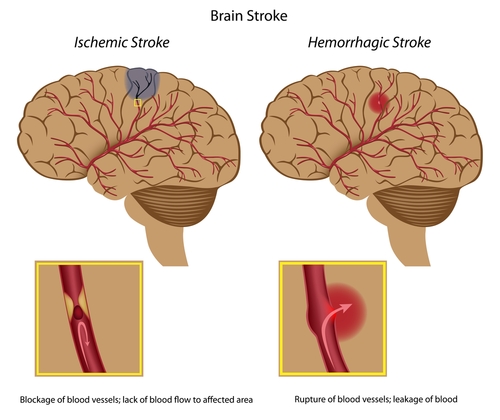
shutterstock_78690082I saw a patient the other day who was in her 30’s and was brought in the other day because she suddenly stopped speaking (we call this aphasia) and became weak and confused.  Patient’s sometimes come to the urgent care with symptoms of stroke or meningitis and these symptoms can be extremely anxiety provoking. Stroke or CVA (Cerebral Vascular Accident) is the term that medical providers use to describe an event where part of the brain goes without blood for too long.  There may be permanent damage to the brain as a result.  The blood supply to the brain can get cut off if an artery in the brain or neck gets clogged or closes off or if there is an artery in the brain that starts bleeding. Sometimes a patient may have a stroke and there are no permanent effects, while other people may lose important functions in their brain permanently.  The individual that I saw the other day became unable to speak and it was unclear if she was able to understand what was being said. Symptoms:  The symptoms of a stroke depend on which area of the brain is affected.  Some symptoms of stroke may be recognized by the acronym FAST – Face – Does the person’s face look uneven or droop on one side? Arm – Does the person have weakness or numbness in one or both arms?  Does one arm drift down if the person tries to hold both arms out? Speech – Is the person having trouble speaking?  Does his or her speech sound strange? Time – If you notice ANY of these signs of stroke, call 9-1-1.  You need to act FAST because the sooner the treatment begins, the better the chances of recovery Diagnosis:  Stroke is usually diagnosed based on the patient’s symptoms and specialized studies such as a CT scan (Cat Scan) of the brain, or perhaps an MRI of the brain.  Other tests might include ultrasound of the arteries in the neck and echocardiogram (ultrasound of the heart). Treatment:  The type of treatment depends on the cause of the stroke.  For patients who are having a stroke due to clogged arteries to the brain, they might receive medication to break up the clot or have a procedure to remove the blood clot.  They might also start medications to prevent future clogged blood vessels such as aspirin, Coumadin or Plavix.  Patients who have damage in the brain that make it difficult for them to walk might be treated with physical therapy to help them regain mobility. Sometimes it’s necessary for these patients to spend some time in an assisted care facility where there are nurses, physical therapists, occupational therapists and speech therapists available to help in the recovery process.  An assessment may be done at the patient’s house to look for possible safety problem areas and give the patient devices and tools to help the patient be able to retain independence in their home. Prevention:  You can lower your risk of stroke by: 1)   If you have high blood pressure, keep your blood pressure in the normal range 2)   If you have diabetes, keep your blood sugar under good control 3)   Check your cholesterol and make sure your bad cholesterol and triglycerides are not elevated 4)   Avoid smoking 5)   Exercise for 30 minutes a day or longer on most days 6)   If you are overweight – work on weight loss 7)   Do not drink more than one alcoholic drink/day if you are female or more than two if you are a male 8)   Make sure you take your medications as directed by your physician   I hope that you have found this information useful.  Wishing you the best of health,

Scott Rennie, D.O.
Board Certified in Obesity Medicine and Family Medicine

This blog is for educational purposes only and does not constitute individual medical advice. Always consult your own physician before making changes to your health, medications, or treatment plan.

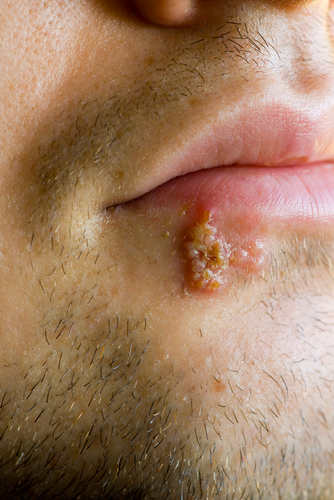
Close-up of a small cold sore on a person's lower lip

All about Cold Sores (Oral Herpes)

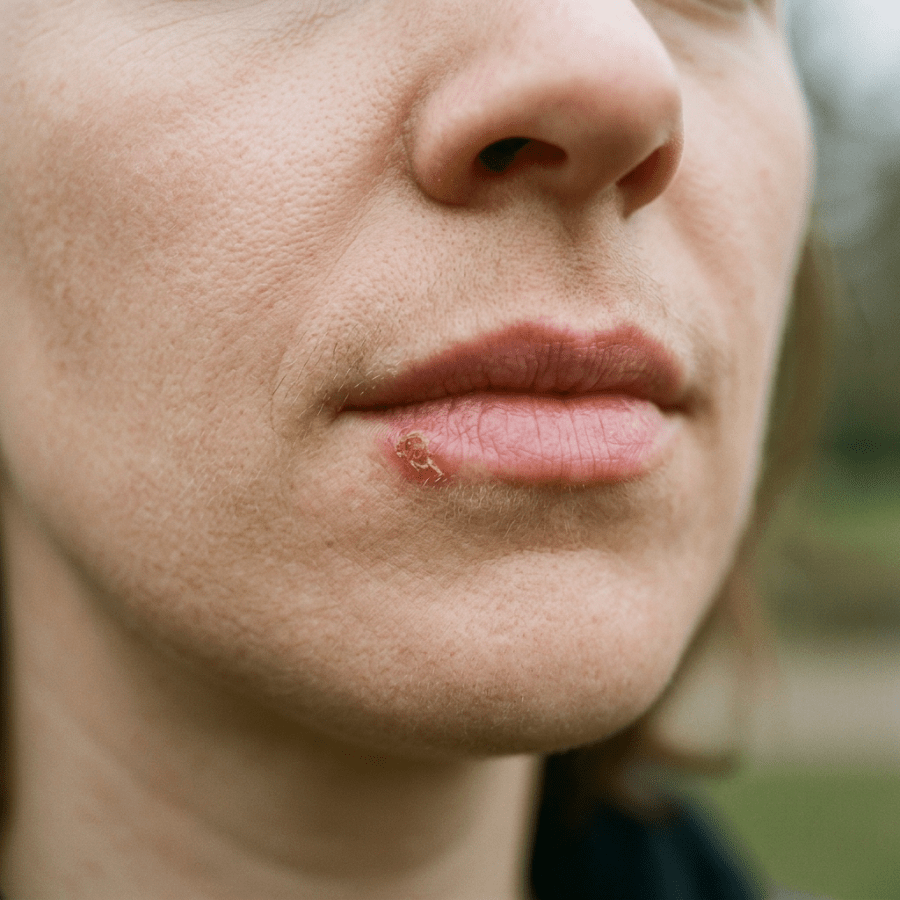
shutterstock_64505920A patient came in this morning with a cold sore on her lip and was asking about treatment options.  She was wondering if this might be a sexually transmitted infection.  He’s never had a cold sore before that she can remember, but her boyfriend has genital herpes. Cold sores are blisters that can be extremely painful.  They are usually near the lips or inside the mouth.  Herpes simplex virus is the cause of these blisters.  There are several types of herpes virus.  Type 1 usually causes cold sores while type 2 usually causes genital herpes that affects the penis or vaginal area.  A patient may have type 1 that occurs in the genital area or type 2 that affects the mouth but this is rare.  To answer this patient’s question about whether she could have got herpes on her lip from her boyfriend with genital herpes – the answer is “yes, it is possible.” What are cold sores and how do I know if I have them?  These are actually also called fever blisters and are painful sores that usually occur near the mouth or lips.  The first time a patient gets cold sores is usually when they are a young child.  They can occur on the lips, mouth, nose or throat and usually form a small blister that pops and then forms a scab.  They are usually very sore and can also be associated with body aches or fever. Sometimes people think they have a cold sore when instead they might have a canker  sore which is not caused from a virus.  The first time a patient has cold sores, the symptoms are usually more severe than when they get them in the future.  The initial attack can last 10-14 days and there are usually more ulcers than just one.  Patients complain of pain, burning, tingling or itching around their mouth sometimes even before the blister forms. A medical provider can usually diagnose a cold sore, but they are so common that once you’ve seen them or have had them in the past, you can usually recognize them yourself.  If you have questions about a sore around your mouth however it’s always a good idea to have it checked by a medical provider. How are cold sores spread?  The herpes virus that causes cold sores spreads easily from one person to the next usually by kissing or sharing a beverage container or eating utensil such as a spoon.  It can also be spread by people who have oral sex with someone who has genital herpes.   Once you have been infected with cold sores once, even after the sores go away the virus stays in your body in the nerve fibers under the skin.  More sores can come out any time and can be spread to other people.  Cold sores often re-occur when you become sick or your immune system is under stress. Do I need to see a medical provider if I get a cold sore?  If you have severe pain, increasing redness or swelling around the mouth, nose or lips or trouble swallowing you should probably be seen by a medical provider.  Sometimes cold sores can become secondarily infected with a bacteria and cause a cellulitis or abscess that needs to be treated with antibiotics.  If a sore around the mouth is not going away, it’s also important to have it checked out to make sure that it’s not a cancer or something unexpected. How do I get rid of cold sores?  The first time someone has cold sores the infection is usually worse and treatment is often recommended.  The virus can be treated with medication however there is no treatment to totally cure someone who has had cold sores or the herpes infection because the virus continues to exist in the nerve fingers under the skin even after the blisters go away.  If the sores come back after the initial infection, the symptoms are usually not as severe and usually go away within 8 days or less and there is usually less pain. People with mild symptoms of cold sores often do not require treatment.  Patients often ask for medications to help reduce the duration of the cold sores or to treat the pain that accompanies the blisters.  I usually recommend ibuprofen or naproxen for pain relief due to the blisters.  There are various over the counter treatments which are helpful to some patients with cold sores including various creams or gels such as Abreva.  Abreva works by stopping the virus from entering into your cells and blocking the virus’ ability to replicate.  Patients also often get relief by using Orajel which is a topical numbing medicine that relieves that pain but does not make the viral infection go away any faster. Oral prescription medication are sometimes prescribed for cold sores if they are severe.  Acyclovir, valacyclovir, and famciclovir are common oral antiviral medications that can be used for severe oral herpes infections.  Acyclovir seems to work the best for most people.  These antiviral therapies are usually most effective if started within the first 2-3 days of symptoms.  Some patients take chronic antiviral medications to prevent recurrent outbreaks of cold sores if:  recurrences are frequent or bothersome to the patient (ie. associated with frequent disfiguring lesions and pain) or for patients who have frequent serious systemic complications such as erythema multiforme, eczema herpeticum, or recurrent asceptic meningitis. How can I prevent getting cold sores?  As I mentioned above, if you get cold sores frequently or they are associated with serious other conditions your doctor may prescribe a medication to take every day or periodically to prevent infections.  If you already have cold sores, avoid excessive sunlight as this has been shown to trigger cold sores to return.  Decreasing stress, getting enough sleep and staying healthy are some common sense ways of hopefully reducing your chances of developing recurrence of cold sores.  When you have a cold sore, do not kiss anyone or share silverware, glasses or cups, lip balm or razors.  Avoid oral sex when cold sores are present.   I hope that you have found this information useful.  Wishing you the best of health,

Cold sores have not changed much since I wrote this. The drugs I write about now have, and the moving target at the moment is compounded semaglutide and tirzepatide.

Related Reading

Shingles – “You mean I have Herpes?” STI Testing: Should You Get Tested for Everything? Mononucleosis – The Kissing Disease Help, I have a sore throat! Is it Strep? Understanding pharyngitis

Scott Rennie, D.O.
Board Certified in Obesity Medicine and Family Medicine

This blog is for educational purposes only and does not constitute individual medical advice. Always consult your own physician before making changes to your health, medications, or treatment plan.

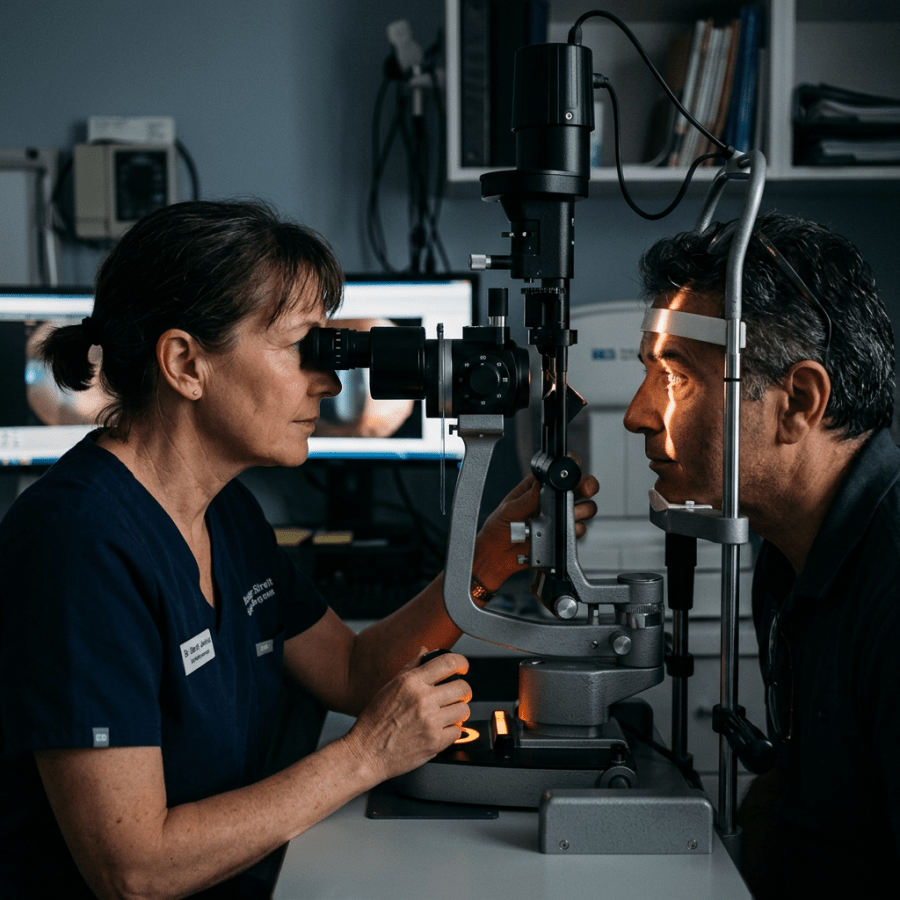
Eye care professional examining a patient's eye with a slit-lamp microscope

Help, I got something into my eye – Corneal Abrasions and foreign bodies

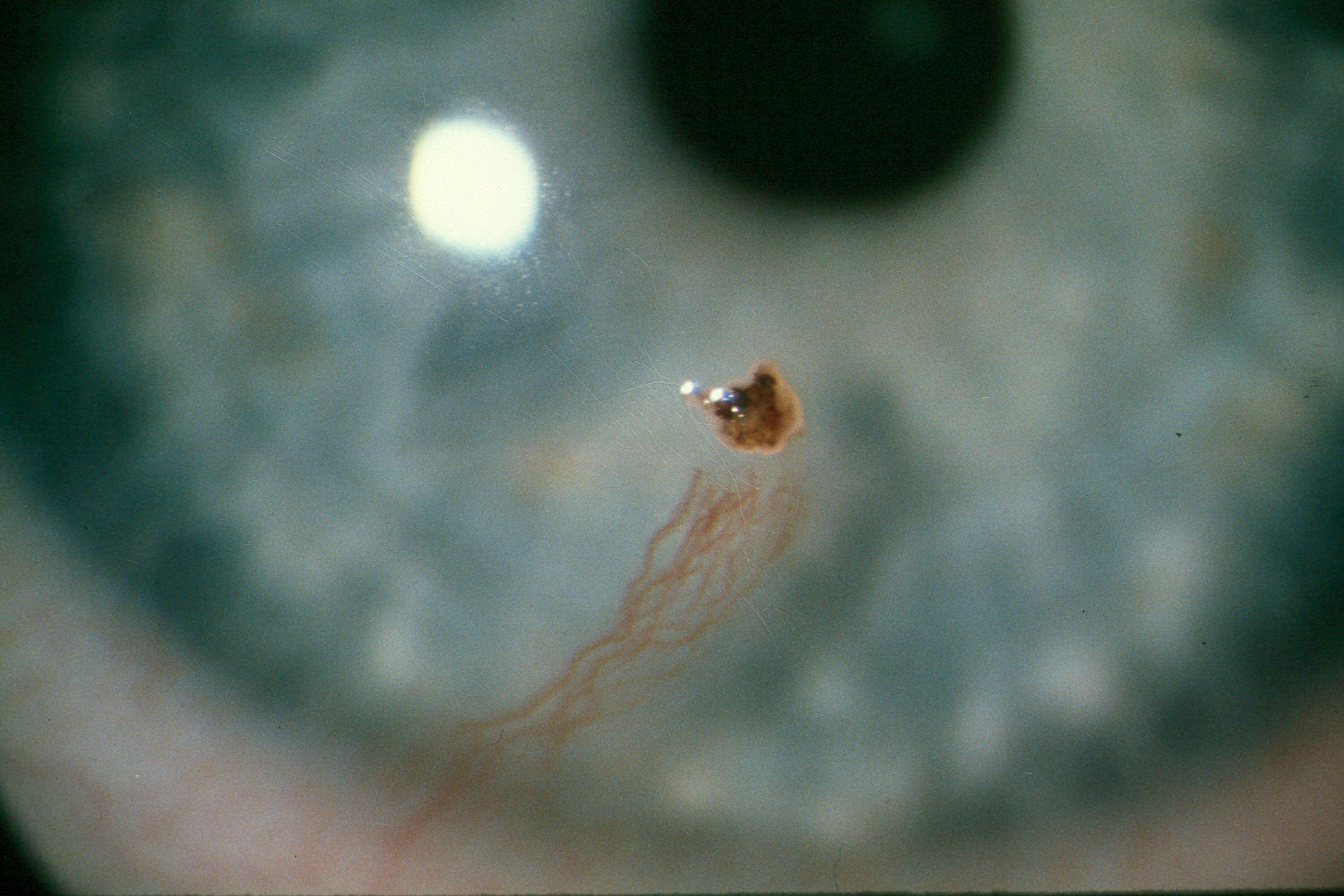
Photo credit:  http://www.varga.org/Physician%20Assistant%20Photos.htm This morning a patient came into the urgent care complaining that he felt like he got something into his right eye after doing some weed whacking with a string trimmer yesterday afternoon.  He tried irrigating his eye at home with his wife’s help but it still feels very irritated so he decided to come in for evaluation.  Patient’s often wonder what to do when they get something in their eye and whether they should be seen in the clinic. When we get something in our eye and it disrupts the surface layer, we call this a corneal abrasion.  Even if the piece of dirt, sand or other object has been removed, simply having scratched the surface layer of the eye can be painful for days and even lead to an eye infection.  We usually classify this type of injury based on whether the reason for the scratch to the surface layer of the eye is due to trauma, a foreign body such as a piece of dirt or sand, contact lens related or spontaneous. Symptoms:  The outside layer of the eye called the cornea has lots of sensory pain fibers.  Patients typically complain of excruciating eye pain and difficulty opening the eye due to feeling like they have something in the eye.  Patients are often not comfortable enough to drive, read or work and often cannot sleep.  If patients keep trying to wash the object out, it can lead to further damage to the surface of the eye. Complications:  If a piece of metal becomes embedded within the surface layer of the eye, it can rust and can cause a permanent rust ring within the eye than can affect vision.  It’s important to make sure any metal is removed as soon as possible.  Foreign objects within the eye can also lead to bacterial infections that can cause redness, swelling, drainage and even permanent eye damage if not treated. Treatment:  After a thorough evaluation often with specialized equipment to look at the cornea, visual testing and specialized eye tests, the treatment will depend on what we find, but may include: 1)   Remove the foreign body – this may be done using irrigation, or with instrumentation and a slit lamp (if available) 2)   Topical antibiotic therapy to prevent or treat infection 3)   Pain relief 4)   Do not wear contact lenses for 7-10 days until after the abrasion is healed Home treatment recommendations: 1)  If you think there is something embedded in your eye (such as a glass or metal fragment), do not try to remove it.  Go directly to your healthcare provider. 2)  If you get a chemical burn to your eye, this is a medical emergency and you should be evaluated by your healthcare provider as soon as possible.  If you’re at work, you should flush your eye with water at the nearest eyewash station.  If you are at home, you can flush your eye by holding your head under the faucet or by pouring water into your eye from a clean container.  Continue flushing for 15 to 30 minutes.  You should be evaluated by a medical professional. 3)  Never rub your eye 4)  Wash your hands 3)  Look in the mirror and try to find the object in your eye 5)  If the object is under the upper eyelid, grasp the lashes of your upper eyelid and pull it down while looking upwards.  After your’ve done this and if you see the object is out from under the top eyelid, flush the eye with saline 6)  If the object is under the lower eyelid, remove it with a clean wet cotton swab or the corner of a clean cloth while holding the lower lid open. 7)  Flush the eye with lukewarm water   I hope that you have found this information useful.  Wishing you the best of health,

Scott Rennie, D.O.
Board Certified in Obesity Medicine and Family Medicine

This blog is for educational purposes only and does not constitute individual medical advice. Always consult your own physician before making changes to your health, medications, or treatment plan.

Doctor and patient discussing health across a medical office desk

What is Hidradenitis suppurativa?

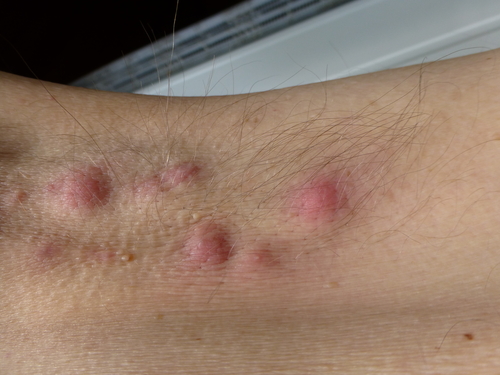
shutterstock_148330382A patient came into the clinic today and said she had a couple lumps in her left armpit (axilla) that have been very painful and draining some clear liquid.  She told me that she had one before in her right arm pit and she had it treated by taking antibiotics and a doctor also performed an incision and drainage. Hidrandenitis suppurativa (HS) is a condition in which there is red, swollen painful bumps in places where the skin rubs together.  The nodules can make it difficult to move because they are so painful.  They can also smell foul and drain pus or blood.  These bumps may go away on their own, but often stay for weeks to months and often come back. Causes:  This is not caused by being unclean – it’s not an infectious disease. Often the area may become irritated by shaving in that area or a certain deodorant or antiperspirant.   You cannot spread this to anyone else as it’s not contagious.  It is generally a genetic condition that is more common in first-degree relatives that have the condition. The bumps or nodules are usually located in the: 1)   Armpits (axilla) 2)   In the groin 3)   Under the breasts (in women) 4)   On the inner thighs 5)   Buttocks 6)   Around or near the anus Often the skin hardens and scars around the painful nodules and some can form tunnels under the skin. Treatment:  Possible treatment options include: 1)   Antibiotic liquids or gels that you put on the affected areas – these actually work to reduce inflammation rather than treat infection 2)   Antibiotic pills – to reduce inflammation 3)   Injections of steroid medications into the areas to bring down the inflammation 4)   Some women take hormone treatments to improve their condition 5)   Surgery Things you can do to reduce your symptoms: 1)   If you are overweight, lose weight because this condition is more common or severe in people who are overweight 2)   Try to avoid activities that cause your skin to rub against itself 3)   Do not wear tight-fitting clothes 4)   For people with recurrent infections, the use of an antibiotic lotion such as clindamycin 1% applied to the area twice a day can help prevent recurrence. 5)   Show and wash the tender areas everyday gently.  Do not scrub with a washcloth, brush or loofah 6)   Avoid smoking 7)   Use antiperspirants rather than deodorants 8)   Avoid exposure to hot, humid environments as much as possible   I hope that you have found this information useful.  Wishing you the best of health,

Updated for 2026: There Are Real Drugs For This Now

When I wrote this in 2012, hidradenitis suppurativa was a condition I could describe far better than I could treat. There were no approved medications for it. Antibiotics, drainage, and surgery, and a lot of people cycling through all three for years. That has changed, and if you were told years ago that nothing much could be done, you were told something that was true then and is not true now. Three biologics now carry FDA approval for moderate to severe disease. Adalimumab, a TNF inhibitor, was first, approved in 2015. Secukinumab, which blocks interleukin 17A, was approved on October 31, 2023, dosed at 300 milligrams every four weeks with the option to move to every two weeks if the response is not enough (1). Bimekizumab, which blocks both IL-17A and IL-17F, followed on November 20, 2024, with phase 3 responses holding out to forty eight weeks (2). Two approvals in about a year, after a decade with one. That is the most movement this condition has seen in my career.

Staging Still Drives the Decision

Hurley staging has not changed and it is still how severity gets sorted. Stage one is abscesses without tunnels or scarring. Stage two adds recurrent abscesses with sinus tracts and scarring. Stage three is diffuse involvement with multiple interconnected tunnels (3). The stage is what decides whether this is a topical and antibiotic conversation or a biologic conversation. It is worth knowing yours and asking for it by name.

What This Looks Like Over Video, and Where It Does Not Work

I can do a fair amount here. History, how long, what triggers a flare, what has already been tried and how far each was pushed. The effect on your life, which in this condition is enormous and routinely under-asked. Photographs of known lesions over time are genuinely useful for tracking whether something is working. Where video runs out is staging and starting a biologic. Counting nodules and tunnels, and mapping how far the disease actually extends, needs hands and an in-person look. Starting a biologic also needs screening bloodwork first, tuberculosis testing and hepatitis serologies among them. That is a referral, not a video prescription, and I would be doing you a disservice to pretend otherwise. The most useful thing I can do from here is name it correctly and get you to a dermatologist, because the average person with this condition spends years being told they have recurrent boils.

When To Be Seen Promptly

Fever, feeling systemically unwell, or redness spreading fast, which suggests infection beyond the usual flare. A lesion tense and painful enough to need draining. And any long standing wound in advanced disease that will not heal, changes character, or starts behaving differently, because squamous cell carcinoma arising in chronic hidradenitis is rare but real and is the reason nobody should be managing stage three alone.

The Bottom Line

If your information about this condition is more than a few years old, it is out of date in a way that matters. Find out your Hurley stage, and if it is moderate or severe, ask specifically about biologics. This is no longer a condition where the honest answer is to keep draining them.

Sources

1. Novartis. FDA approves Cosentyx (secukinumab) for hidradenitis suppurativa. October 31, 2023. https://www.novartis.com/news/media-releases/fda-approves-novartis-cosentyx-first-new-biologic-treatment-option-hidradenitis-suppurativa-patients-nearly-decade 2. UCB. FDA approval of Bimzelx (bimekizumab) for moderate to severe hidradenitis suppurativa. November 20, 2024. https://www.ucb.com/newsroom/press-releases/article/ucb-receives-us-fda-approval-for-bimzelxr-bimekizumab-bkzx-as-the-first-il-17a-and-il-17f-inhibitor-for-adults-with-moderate-to-severe-hidradenitis-suppurativa 3. American Academy of Dermatology. Hidradenitis suppurativa: diagnosis and treatment. https://www.aad.org/public/diseases/a-z/hidradenitis-suppurativa-treatment

Related Reading

Abscesses and MRSA: What To Do About a Skin Infection When to Use Telemedicine vs. Urgent Care: How I Spot the Sick One Scott Rennie, D.O.

Board Certified in Obesity Medicine and Family Medicine

This blog is for educational purposes only and does not constitute individual medical advice. Always consult your own physician before making changes to your health, medications, or treatment plan.

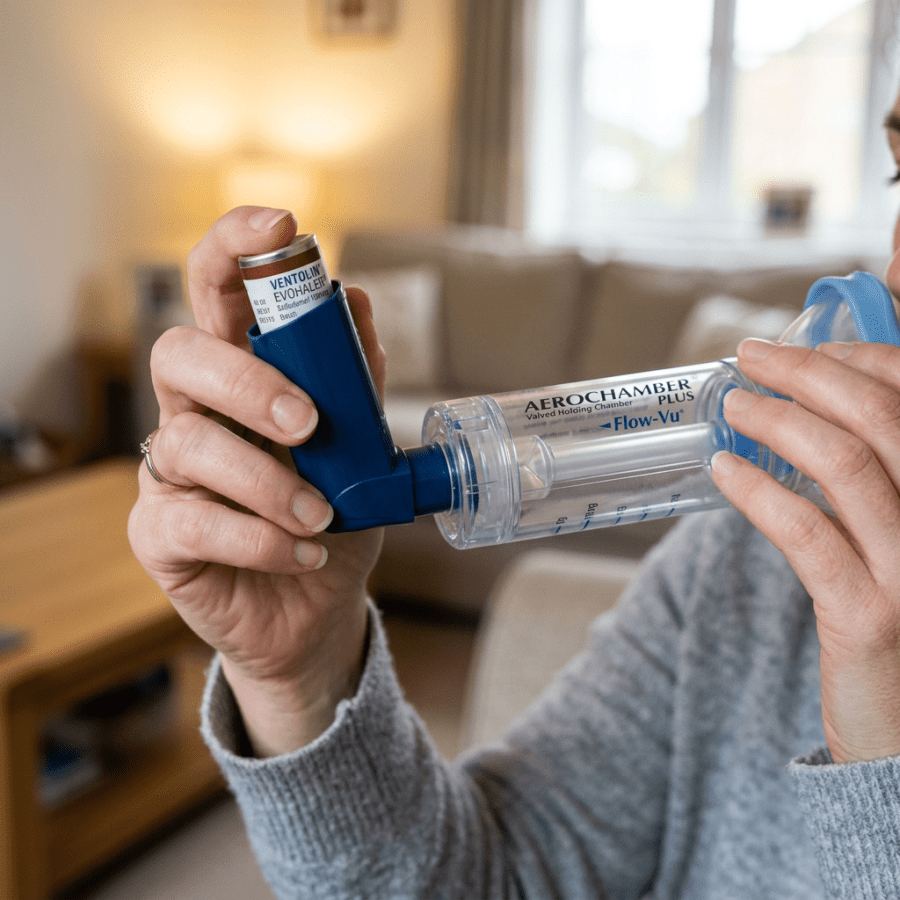
Person holding a blue inhaler attached to an AeroChamber spacer

Proper Use of Asthma/Reactive Airway Inhalers

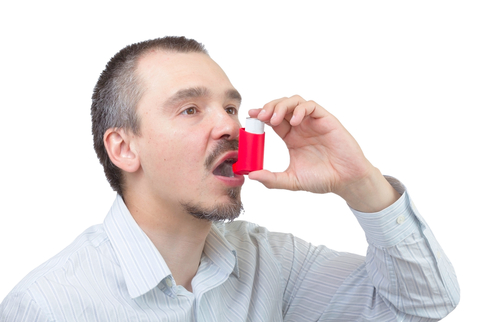
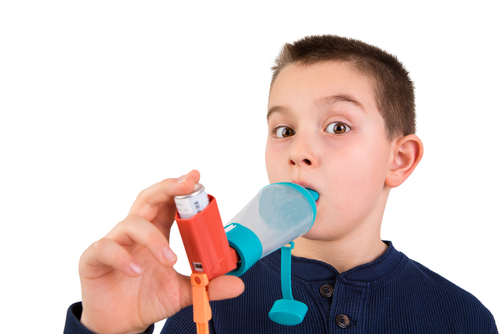
shutterstock_139782763shutterstock_163394081                       Today a patient came into the clinic and said that his asthma inhaler wasn’t working.  He’d been diagnosed with mild asthma last week and his primary care physician gave him an albuterol inhaler to use when his asthma flairs and he starts coughing.  He had his inhaler with him, so I asked him to demonstrate how he uses it.  He promptly put the inhaler to his lips and sprayed the inhaler into his mouth and then took a big breath in.  I was able to see that he wasn’t getting the medication into his lungs efficiently, and since this is a common problem when using inhaled medication, I decided that the subject needed some attention. Using an inhaler can actually be quite challenging, and I find that most patients medications are only effective if they are used properly.  If you use the inhaler correctly the medication is delivered to the lungs where it works to control your symptoms.  If you are not using your inhaler correctly, little or no medication reaches your lungs and your asthma or reactive airway symptoms will not be adequately treated. Asthma inhaler types:  Most asthma inhalers are meter dose inhalers (MDI’s) and deliver a small spray of liquid medication such as albuterol (aka Proventil or Ventolin).  Since 2008, new inhaler canisters have come out that use a propellant that does not damage the ozone layer.  They are known as HFA inhalers and have a different taste compared to the previous inhalers and are also more expensive. The spray is also softer, but works just as well as the older inhalers. The other type of asthma inhaler is called a dry powder inhaler (DPI).  This type of inhaler has a small amount of powder that you breath in.  It has less taste, but the powder can fall out if you tip the device down towards to ground.  This type of inhaler is used commonly with medications such as the Advair diskus. Spacer devices:  A spacer is a device that is basically a small tube that allows the medicine to have a little extra time and space to get down into your lungs rather than be deposited in the back of your mouth or on your tongue.  It is not required to use a spacer, but it is highly recommended.  If you don’t have a spacer to use with your inhaler, you can make one using an empty cardboard toilet paper roll.  You put the spacer over the mouthpiece of the MDI and then put the other end of the spacer in your lips and inhale the medication from the metered dose inhaler through the spacer and into your lungs. Before using a metered dose inhaler MDI for the first time: 1)   Prepare the inhaler by shaking it for 5 seconds 2)   Prime the inhaler by pressing down on the canister with the index finger to release the medication.  Hold the inhaler away from your face to prevent the medication getting into your eyes.  Press the canister down again 3 more times 3)   After using for the first time, it does not need to be primed again unless you don’t use it for more than 2 weeks. Technique for using a metered dose inhaler (MDI): 1)   Shake the canister for 5 seconds 2)   If you have a spacer (recommended), insert the MDI into the spacer and hold the MDI upright with the index finger on the top of the medication canister and the thumb supporting the bottom of the inhaler.  Some people find that using the other hand to hold the spacer is easiest. 3)   Breathe out normally 4)   Close your lips around the spacer.  If your spacer has a mask, hold the mask tightly to the face.  If you do not have a spacer, close lips around mouthpiece or hold at a position about 4cm from your mouth. 5)   Keep your tongue away from the spacer opening/mouthpiece area 6)   Press down on the top of the medication canister with the index finger to release the medication 7)   At the same time as the canister is pressed, inhale deeply and slowly through your mouth until your lungs are completely filled – this should take about 4-6 seconds 8)   Hold your breath in for as long as possible – 10 seconds is recommended before breathing out. 9)   If a second puff of medication is recommended, wait about 15-30 seconds before repeating the procedure for the second puff. Remember to shake the canister before each puff 10)  Recap the mouthpiece 11)  Rinse your mouth with water rather than swallowing after the treatment.  This is recommended especially after using an inhaled cortisone medication to prevent developing thrush *Tip:  If you’re having difficulty timing your breath while spraying the medication, there are inhalers that automatically release the medication when you take a breath.  An alternative is to use a spacer or a dry powder inhaler (DPI). Cleaning your MDI:  Your inhaler must be cleaned at least once a week to prevent blockages.  The manufactures recommend cleaning the mouthpiece at least once per week. 1)   Remove the canister but do not wash the canister or put it in the water 2)   Run warm water through the top and bottom of the plastic mouthpiece for 60 seconds 3)   Shake off the excess water and allow the mouthpiece to dry completely overnight 4)   If you need to use your inhaler before it is dry, shake off all the water, replace the canister and test spray (away from your face) two times before using 5)   Remember to clean your spacer How to determine when your inhaler is empty:  You can’t always know when your inhaler is empty by shaking it because some propellant remains in the canister when all the medication is gone.  Some inhalers have a dose counter (Ventolin-HFA and Proventil) to track how much is used.  If your inhaler doesn’t have a counter but you use it regularly (2 puffs twice per day), you will need a refill in 30 days.  Write the date you will need a refill on the canister with a permanent maker to remind yourself. If you don’t use your inhaler very often, write the date you start using it on the canister in permanent maker and consider getting a refill in 3-4 months. Dry powder inhalers (DPIs):  These types of inhalers have a small dose of dry powdered medication in them.  They deliver a very fine powder to the lungs when you breathe in.  The advantage of using a DPI, is that you do not need to coordinate the squeezing of the canister with your breathing.  You must be able to breath in more forcefully with a DPI than with a spray type inhaler to ensure that the powder gets into the lungs.  These types of inhalers might be more difficult for patients who cannot breath in very deeply.  It’s also important not to exhale into the device before breathing in so that you don’t scatter the powdered medicine before it’s inhaled. How to use a DPI: 1)   For single use devices, load a capsule into the device as directed 2)   Breathe out slowly and completely (but not into the mouthpiece or you will scatter the powdered medication before you have a chance to breathe it in). 3)   Place the mouthpiece between your lips 4)   Breath in through the mouth quickly and deeply over 2-3 seconds 5)   Remove the inhaler from your mouth and hold your breath as long as possible – 10 seconds is recommended 6)   Breathe out slowly Cleaning a DPI:  Do not use soap and water.  The mouthpiece can be cleaned with a dry cloth. For more information about asthma, here is a list of resources: Center for disease control and Prevention  American Academy of Allergy, Asthma and Immunology American Lung Association   I hope that you have found this information useful.  Wishing you the best of health,

Updated for 2026: The Rescue Inhaler Rule Has Been Turned Around

If you read only one update on this site, make it this one. What I wrote in 2012 described the standard of the time, and that standard has since been reversed. The old model was simple and everybody knew it. Albuterol is your rescue inhaler, you carry it, you puff it when you are tight. A steroid inhaler is the controller, added later if things get bad enough. That is no longer what the global asthma guidance recommends for adults and adolescents. GINA now says plainly that adults and adolescents should not be treated with a short acting reliever alone (1). The reason is that albuterol relieves the symptom without touching the inflammation causing it. You feel better, the underlying disease keeps going, and the pattern of leaning harder on the reliever while the airways get angrier is exactly what precedes the attacks that put people in hospital.

What Replaced It

A combination inhaler containing both a steroid and formoterol, used as the reliever. Formoterol is a long acting bronchodilator that happens to work fast, so the same puff that opens you up also delivers an anti inflammatory dose. Treating the symptom and the cause in one action. At the milder end that inhaler is used only when needed, no daily maintenance at all. Further up, the same inhaler is used both on a schedule and as the reliever, which goes by maintenance and reliever therapy, or MART (1). The effect on serious attacks is large, roughly a sixty percent reduction in severe exacerbations compared with reliever-only treatment. Different analyses land slightly differently within that range, but the direction and the size are consistent (1). There is a second track for people who cannot get a steroid and formoterol combination. In that case you may still use albuterol as your reliever, but never on its own. It must be paired with a separate steroid inhaler taken regularly. If you are an adult carrying only an albuterol inhaler and nothing else, that is worth raising at your next visit. It was correct advice once. It is not the current advice.

Technique, Which Is Still Where Most of the Benefit Is Lost

None of the above matters if the medicine ends up on the back of your throat. Use a spacer with a metered dose inhaler. Not sometimes, routinely. Shake the suspension inhalers before every puff, which includes albuterol and the budesonide-formoterol and fluticasone-salmeterol combinations. One slow steady breath in, then hold it. If you are too breathless for that, five or six normal tidal breaths through the spacer will do instead. Children under three need a mask, three to five a mouthpiece (1).

What a Video Visit Is Actually Good For Here

This one surprises people. Inhaler technique is better assessed on video than almost anything else I do. I can watch you use it. In a clinic room I would ask you to demonstrate with a placebo device in an unfamiliar setting. On video you are holding your own inhaler and your own spacer, in your own kitchen, doing what you actually do every morning. I catch more real errors that way, and I have changed more outcomes by fixing a grip and a breath than by changing a drug. I can also count your reliever use, review your action plan, and check whether your prescription still matches current guidance. What I cannot do from here is listen to your chest or measure your lung function. Spirometry and peak flow need equipment.

Get Emergency Care If

You cannot finish a sentence. You are using neck and shoulder muscles to breathe. Peak flow under half your personal best. Lips or fingertips turning blue. Repeated reliever doses are not touching it, or you have gone past the maximum daily dose of a steroid and formoterol reliever. That last one is a genuine emergency signal rather than a dosing footnote. Blowing through the daily maximum means the attack is winning.

The Bottom Line

Albuterol alone is no longer the answer for adults and adolescents. If that is all you carry, ask about a steroid and formoterol combination. And use a spacer, because the best inhaler in the world does nothing from the back of your throat.

Sources

1. Update on Asthma Management Guidelines. Missouri Medicine. 2024 Sep-Oct;121(5):364-367. https://pmc.ncbi.nlm.nih.gov/articles/PMC11482852/ 2. Global Initiative for Asthma. GINA 2025 Report and Summary Guide. https://ginasthma.org/

Related Reading

When to Use Telemedicine vs. Urgent Care: How I Spot the Sick One Scott Rennie, D.O.

Board Certified in Obesity Medicine and Family Medicine

This blog is for educational purposes only and does not constitute individual medical advice. Always consult your own physician before making changes to your health, medications, or treatment plan.

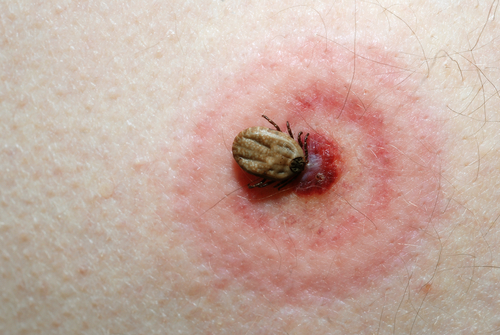
Tick clinging to a dew-covered blade of grass

Tick Bites – Will I Get Lyme disease?

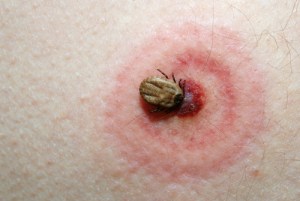
shutterstock_17720305shutterstock_148613042Last night a patient came into the Urgent Care with a tick on his belly.  He recently returned from a trip to New York State and he was concerned about the possibility of developing Lyme disease.  When I looked at the tick, I noticed that it was small and almost translucent.  It was attached to his skin but its head was still clearly visible and had not burrowed below the surface of the skin on his abdomen. Tick bites are common this time of year.  They occur on humans as well as animals such as dogs.  Many different types of ticks in the United States, only some of which are capable of transmitting infections.  The risk of developing an infection such as Lyme disease after being bitten depends upon the geographic location, season of the year, type of tick and how long the tick was attached to the skin. The risk of acquiring an infection from a tick is actually quite low.  In the case of my patient, the tick hadn’t even taken a blood meal – ie. it was not engorged with blood.  His risk of developing Lyme disease from that tick was absolutely 0%.  Ticks transmit infection only after they have attached and become engorged with blood.  Deer ticks that transmit Lyme disease must feed for more than 36 hours before transmission of the organism called Borrelia burgdorferi. If you come in to see me after you’re bitten by a deer tick (the type that carries Lyme disease), I would generally advise one of two approaches: 1)   Observe the area and treat with antibiotics only if signs of infection develop 2)   Treat with antibiotics immediately as a preventative measure The individual patient’s history, the type of tick and how long it was attached and the patient’s wishes will help determine which approach to take. How to Remove a Tick:  Some patients come in to see me after they’ve already tried removing a tick and have been unsuccessful or partially successful.  I commonly see patients who come in after they’ve removed only part of the tick and the head and are concerned because the tick head is still buried below the skin.  Here is the technique that I use to remove a tick: 1)   Do not attempt to use a match, cigarette, nail polish, Vaseline, liquid soap or kerosene because it may just irritate the tick and cause it to inject the harmful organism into the wound 2)   Use fine tipped tweezers to grasp the tick as close to the skin as possible 3)   Pull back gently but firmly using even, steady pressure without jerking or twisting the tick 4)   After removing the tick, wash the skin and hands with warm soapy water 5)   If any part of the tick is still in the skin, they generally come out on their own.  I don’t recommend attempting to remove little pieces of the tick at home as this can cause skin trauma and scarring. 6)   Go see your medical provider if you are concerned about not being able to remove the tick. Treatment:  The Infectious Diseases Society of America recommends treatment with antibiotics preventatively only in people who meet ALL the criteria below: 1)   The attached tick was identified as an adult or nymph deer tick 2)   The tick was attached for more than 36 hours based on how engorged the tick appears and the amount of time since outdoor exposure 3)   Antibiotic treatment can begin within 72 hours of tick removal 4)   The area where the tick bite occurred was in an area where the organism B. burgdorferi infection rate is greater than 20% – generally in parts of New England, parts of the mid-Atlantic states and parts of Minnesota and Wisconsin. 5)   The patient can take doxycycline – i.e. the patient is not pregnant or breastfeeding a young child or allergic to this antibiotic. If all the criteria above are met, the treatment is a single dose of doxycycline 200mg for adults and 4mg/kg up to a maximum of 200mg for children older than 8 years of age. Symptoms of Lyme disease:  What the area where the tick bite occurred and observe for expanding redness.  The rash that is associated with Lyme disease is called erythema migrams (EM).  This rash is a salmon color usually and typically expands over a few days or weeks and can reach up to 8 inches in diameter.  The center of the rash tends to become skin colored (clear) as the rash grows in size.  This gives the rash a sort of “bull’s eye” appearance.  The rash generally doesn’t cause any symptoms. Other associated symptoms of Lyme disease could include: 1)  A few days to a month after the bite:  fatigue, malaise, lethargy, mild headache, mild neck stiffness, aches, joint pain and enlarged lymph nodes. 2)  Weeks to months after the bite:  Inflammation of the heart, heart rhythm problems, meningitis, encephalitis, severe joint pain, multiple areas of rash, eye pain/vision problems, liver disease, kidney disease.   I hope that you have found this information useful.  Wishing you the best of health,

Ticks aside, most of what goes up on this blog now is obesity medicine and GLP-1 therapy, including whether Ozempic and Zepbound cause muscle loss.

Updated for 2026: The Preventive Dose Has Rules Now

When I wrote this in 2012, the single preventive dose of doxycycline after a tick bite existed but was applied loosely. The 2020 joint guideline from the infectious disease, neurology, and rheumatology societies tightened it into something specific, and the specifics are what decide whether you should get it (1). All three of these have to be true. The tick was an Ixodes species. The bite happened somewhere Lyme is genuinely common. And it had been attached at least thirty six hours. If all three hold, a single dose of doxycycline, 200 milligrams for an adult or 4.4 milligrams per kilogram up to 200 for a child, given within seventy two hours of pulling the tick off. If you cannot confidently say all three, the guideline says to watch and wait rather than treat. That is a real recommendation, not a hedge. Most tick bites do not need antibiotics. The seventy two hour window is the part people miss. If your child was bitten on a camping trip four days ago, the preventive dose has passed its usefulness and the plan becomes watching for a rash instead.

Doxycycline and Young Children

Here is a change worth knowing about if you were told otherwise years ago. The old rule kept doxycycline away from children under eight because of tooth staining. That concern came from older tetracyclines. Doxycycline binds calcium far less readily, and short courses are now considered appropriate at any age. The American Academy of Pediatrics updated this position in 2018, and prescribing followed: one analysis found use in young children with Lyme disease rose from 6.9 percent in 2015 to 67.9 percent in 2023 (2). If someone tells you your five year old cannot have doxycycline for a tick borne illness, that is out of date.

Two Things That Barely Existed Here in 2012

Alpha gal syndrome is the big one. A bite from a lone star tick can leave you allergic to red meat, with reactions that come on hours after eating rather than minutes, which is why it goes unrecognized for so long. Between 2017 and 2022 there were just over 90,000 positive tests among roughly 295,000 people tested, concentrated across the South, Midwest, and Mid Atlantic (3). If you developed hives or stomach trouble in the middle of the night after a steak dinner and nobody can explain it, this belongs on the list. Powassan virus is rarer and worse. It is a tick borne encephalitis with no treatment and no vaccine, and the case counts have climbed, from 64 reported across 2004 to 2013 up to 270 across 2014 to 2023, with a record year in 2024 (4). Testing has changed too. Alongside the traditional two tier serology with a Western blot, there is now a modified two tier approach using two sequential immunoassays, which performs better in early disease and comes back faster.

What a Video Visit Is Good For Here

Tick bites suit this format better than most things. What I need is mostly information, and a photograph. Where were you, geographically. When did you find it. How long had it been on, and if you do not know, was it flat or engorged. Did you keep it. A clear photo of the tick, even in a plastic bag, often settles the species question, and that is one of the three criteria. A photo of a spreading rash is also something I can act on. Erythema migrans does not require a blood test to treat, and I would rather start treatment on a convincing rash than wait for serology that is frequently negative in the first couple of weeks. One practical thing: put the tick in a bag and photograph it against something for scale before you throw it out. It costs you nothing and it changes the advice.

When To Be Seen Rather Than Call

Any neurologic symptom after a tick bite. Facial droop, a bad headache with a stiff neck, confusion, weakness. Palpitations, fainting, or shortness of breath, which can mean cardiac involvement. A rash with high fever and looking genuinely unwell. And the time sensitive one, a tick attached a day and a half or more in an endemic area, where you have seventy two hours to make a decision.

The Bottom Line

Most tick bites need nothing but a careful look and a few weeks of attention. The exceptions are specific and time limited. Know whether your bite meets all three criteria, keep the tick, and treat a spreading rash without waiting for a blood test.

Sources

1. Lantos PM, Rumbaugh J, et al. 2020 Guidelines for the Prevention, Diagnosis and Treatment of Lyme Disease. IDSA, AAN, and ACR. Clinical Infectious Diseases. 2021;72(1):e1-e48. https://academic.oup.com/cid/article/72/1/e1/6010652 2. Increased usage of doxycycline for young children with Lyme disease. Frontiers in Antibiotics. May 21, 2024. https://www.frontiersin.org/journals/antibiotics/articles/10.3389/frabi.2024.1388039/full 3. Kennedy J, et al. Geographic Distribution of Suspected Alpha-gal Syndrome Cases, United States, January 2017 to December 2022. MMWR. 2023;72(30):815-820. https://pmc.ncbi.nlm.nih.gov/articles/PMC10390090/ 4. CIDRAP. West Nile accounted for most US arboviral cases in 2024 as Powassan cases hit record high. https://www.cidrap.umn.edu/west-nile/west-nile-accounted-most-us-arboviral-cases-2024-powassan-cases-hit-record-high

Related Reading

When to Use Telemedicine vs. Urgent Care: How I Spot the Sick One Allergic Antibiotic Drug Reactions: Am I Truly Allergic to Penicillin? 2026 Travel Medicine Guide: Vaccines, Antibiotics, Safety Tips, and What You Don’t Need Why is the Side of My face Drooping? All about Bell’s Palsy Mosquitoes Are More Than a Nuisance to Your Health Bee and Insect Stings Scott Rennie, D.O.

Board Certified in Obesity Medicine and Family Medicine

This blog is for educational purposes only and does not constitute individual medical advice. Always consult your own physician before making changes to your health, medications, or treatment plan.

Woman wiping her nose beside a bathroom sink and mirror

Bloody Noses (Epistaxis): Causes and How to Stop Them

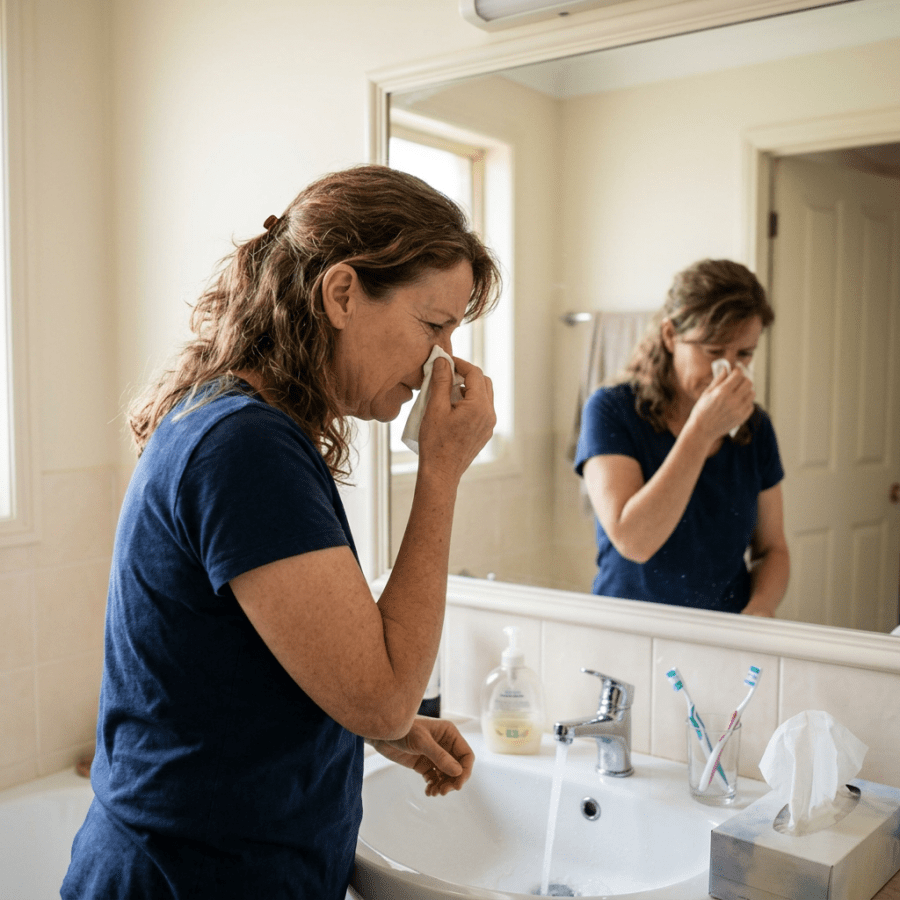
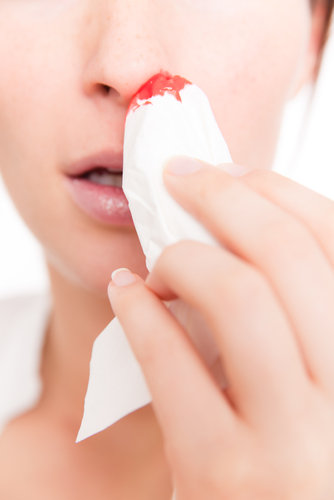
shutterstock_80516140A patient came into the urgent care today with a bloody nose after being hit with a baseball in the nose while playing catch.  The bleeding was so intense that blood was actually coming up through the tear ducts of his eyes.  His nose had been bleeding for about an hour prior to me seeing him and by that he came to the exam room the bleeding had almost stopped.

Nosebleeds can be dramatic and frightening but usually they stop on their own without need for intervention by a doctor.  I do however have some recommendations about what to do if you get a bloody nose (also called epistaxis) that will not stop.

1)   If your nose has been bleeding for awhile and is not stopping, blow all that goo that’s in the affected nostril out. This might cause the bleeding to increase temporarily and that’s ok.

2)   Get into a comfortable position and relax.  Don’t lay on your back, just sit up straight.

3)   If you have some Afrin (Oxymetazoline)

spray into the affected nostril.  It’s a nasal decongestant and causes the blood vessels to shrink down and this slows the bleeding down

4)   Grip the soft part of your nose  – both notrils (do not grip the bony part of the nose as that will not stop the bleeding).  Hold pressure over the nose for 15 minutes.  This is easier said than done.  You need to have a watch with you and actually keep holding pressure without letting go for the entire 15 minutes.  I’ve asked patients to hold pressure for this period of time and watched them let the pressure off after 2 minutes, thinking that they’d held for long enough, so make sure you have a watch and time this procedure.  If you take the pressure off too early, the bleeding will restart

5)   If, after performing all the above treatments your nose is still bleeding then you need to come in for evaluation.

There are two main types of nosebleeds.  The most common type is the anterior nosebleed that starts towards the front of the nose and causes blood to flow out through one of the nostrils.  The other type originates in the back of the nose near the throat.  Posterior nosebleeds are much less common and can be serious because stopping the bleeding can be more difficult.

When to seek medical care:

1)   The bleeding makes it difficult to breathe

2)   You become disoriented or light-headed

3)   The bleeding doesn’t stopped after you’ve tried the steps above

4)   You’ve recently had nasal surgery

5)   You’re having other symptoms such as chest pain

6)   You’ve had facial trauma and may have broken your nose

7)   You’re bleeding won’t stop and you’re taking a blood thinner such as Coumadin or Plavix

Prevention:  Some people seem to have issues with frequent nosebleeds.  Part of the reason is that sometimes the mucus membrane inside the nose become dry.  When that occurs the skin can rip or tear more easily and cause bleeding.  Also if the inside of the nose becomes itchy, often a patient might scratch the nose in the middle of the night and not realize it, causing trauma to the skin, bleeding and scab formation. The first line of prevention involves keeping fingers out of the nose.  I also recommend using a small amount of petrolium jelly (Vasoline) applied to the skin inside the nose to moisturize the skin and prevent bleeding for those people with recurrent nosebleeds.


I hope that you have found this information useful.  Wishing you the best of health,

Scott Rennie, D.O.
Board Certified in Obesity Medicine and Family Medicine

This blog is for educational purposes only and does not constitute individual medical advice. Always consult your own physician before making changes to your health, medications, or treatment plan.