

Woman thinking beside a laptop at a kitchen table

Can You Trust All the Health Information You Find Online?

shutterstock_172524281With all the information out there on the internet, in magazines, books, newsletters, radio, hotlines and on television, sometimes it’s hard to know where to go for information to learn about health and diseases on your own.  I encourage most of my patients to use technology, but I want them to have a list of resources to search when they are looking for information and be able to judge whether it comes from a credible source.  A huge amount of information is available online, however sometimes it’s of variable quality and can be difficult for the patient to decide whether or not a particular source is credible.

I think it’s the medical providers responsibility to educate patients on how they can do their own research, because patients may not have:

1)   An understanding of the biology of the disease process

2)   Knowledge about how to determine if the information is credible based on the type of research study (i.e. case report, single randomized trial or double blinded trial with placebo).

3)   Skepticism about the information that may come from biased sources such as from a drug company, from authors with financial conflict of interests and intellectual zeal, or wish for personal aggrandizement.

4)   Familiarity with how a patient with the disease presents and the signs and symptoms of the illness

5)   An understanding how good scientific research done by well trained scholars in centers of academic excellence

Some hints on finding trustworthy information online:

1)   Was the website recommended from someone you trust, such as your physician, the National Institute of Health or A Medical Library Association?  I recommend using a trusted source of information rather than relying on a search engine and using the first or second webpage that comes up in the search.

2)   Sites such as the Mayo Clinic (http://mayoclinic.com) that display the seal logo on their page.

3)   Websites that are sponsored by medical schools, or the government

4)   If you type your question into a general search engine such as yahoo, or Google, use multiple sites and compare the information based on the criteria below.

How do you know if a website is good quality?  Here are some possible factors to consider:

1)   Who created the website?  Anyone can create a website or blog and the information all is printed and looks legit, but is it?  Is it a well known and respected organization or recommended site by someone you trust?

2)   What is the purpose of the website?  Consider who the intended audience is, and how it was created.

3)   What are the funding sources for the website?  Do the producers of the website have some financial interest or sell something that may bias the information presented on the site?

4)   Consider the date that the information was released.  Medical research is rapidly advancing and the information may be dated.  Look for a date that the site updated or posted the information.

5)   Consider the evidence when examining the treatment recommendations.

6)   Personal experiences of the authors may make for interesting reading material, but should be clearly marked as personal experiences and not be the only rationale for the recommendations.

7)   The author of the website or blog should be available for communication and response.

8)   The website should explain if there are conflicts of interest or limitations in the information provided and that the information does not replace contact with a medical provider or physician.

9)   If there are forums, bulletin boards or interactive chat rooms, be wary of who the participants are.

The Medical Library Association has created a set of criteria to help patients judge the quality of websites for themselveswww.mlanet.org/resources/userguide#3

The US Government has also created a guide called A User’s Guide to Finding and Evaluating Health Information on the webwww.healthfinder.gov

Books:  Some credible books that are produced by the government or medical schools include:

1)   Mayo Clinic Health Book, 4th Ed. New York Time Home Entertainment, 2009

2)   Harvard Medical School Family Health Guide, 1st Edition. New York; Simon and Shuster, 2005

3)   American Medical Association Family Medicine Guide, 4th Ed. Indianapolis, IN, Wiley 2004

Magazines:  Consumer Reports and American Family Physician publish information responsibly.  The information from the American Family Physician magazine is intended for medical providers and may use medical jargon that is less helpful for the average patient however.

Newspapers:  The New York Times and Washington Post have medical writers who are scientific backgrounds and often provider information in a very captivating way.


I hope that you have found this information useful.  Wishing you the best of health,

Scott Rennie, D.O.
Board Certified in Obesity Medicine and Family Medicine

This blog is for educational purposes only and does not constitute individual medical advice. Always consult your own physician before making changes to your health, medications, or treatment plan.

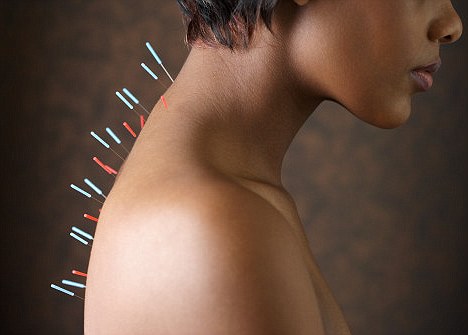
Client lying face down with acupuncture needles placed along the back

Does Acupuncture Really Work? What the Science Shows

SEP 29 2011, 10:07 AM ET 442
ALICE G. WALTON – Alice G. Walton is a health-and-science journalist who writes on medical issues, particularly those related to the brain and behavior. She holds a Ph.D. in biopsychology and is an editor at TheDoctorWillSeeYouNow.com.
Many of us have started to embrace the use of alternative medicine, but acupuncture, with its qi, yin, and meridians, still raises eyebrows While many practices in alternative medicine are slowly but surely making their way into the mainstream, acupuncture is one that still produces skeptical eyebrow raises. This phenomenon is partly due to linguistics. Scientists have worked to elucidate the mechanisms by which yoga, meditation, and various dietary interventions may work on the cells of the body, but there is something fundamentally more ancient-feeling about the language of acupuncture. Go to the NIH’s website on complementary and alternative medicine (NCCAM), and even here you’ll find a discussion that involves qi, yin, yang, and meridians. Is it possible to discuss acupuncture in a way that makes sense to even the most Westernized brains? The short answer is yes — but with the caveat there there is no single unifying explanation for how it works. While acupuncture has been demonstrated to be useful in pain management and in treating the nausea and vomiting associated with chemotherapy, other uses have had more mixed results when studied scientifically. Dr. Leena Mathew is an attending physician in Anesthesiology and Pain Medicine at New York Presbyterian Hospital/Columbia University Medical Center. She uses acupuncture as an “adjunct analgesic modality,” meaning that she uses it as a complementary treatment for pain in her patients should they require or prefer it. She and Dr. Josephine Briggs, director of NCCAM, discussed with us the most likely theories of the mechanisms behind acupuncture. For pain management, one idea is that acupuncture may be working via the gate control theory, first outlined by Melzack and Wall in the 1960s. This theory suggests that pain is transmitted through small nerve fibers from the skin through the spinal cord and on up to the brain. Also present are larger fibers which normally send inhibitory signals to the small pain fibers, which essentially “gates” or prevents a pain signal from being set off. When a painful stimulus comes in, however, the activity in the small nerve fibers overwhelms the large ones, so inhibition is released and the gates of pain opened. Where does acupuncture come in? Theoretically, the needles are placed in positions to stimulate the large nerve fibers, so that the small — painful — ones are inhibited. Mathew says that the same logic theoretically underlies why rubbing your elbow after you bang it helps alleviate the pain: you’re stimulating the inhibition that quiets the pain. Another possibility is that endorphins, the body’s famed “feel good” chemicals, are behind the effect of acupuncture on quelling pain. Mathew says that the happy little chemicals are released in response to a range of phenomena — distress, injury, running long distances, chocolate — and have the knack for acting like morphine on the body and brain. Studies have tracked levels of these molecules in the blood, and shown that acupuncture is linked to higher levels of beta-endorphin at the same time that patients are reporting decreases in their pain levels. Even more, when you inject people with the anti-morphine drug naloxone, the effects of acupuncture are reduced. But other theories better explain why acupuncture has been shown to work well on the nausea and vomiting (PDF) associated with chemotherapy. In the 1950s, the nerve reflex theory was proposed, suggesting that the body’s periphery (the skin) is connected to the internal organs through a reflex called the viscero-cutaneous reflex. “If you stimulate the periphery with acupuncture needles,” explains Mathew, “you can change the blood flow pattern to the stomach and abdomen, which could explain the effect on nausea and vomiting.” Acupuncture may also have an effect on the body’s stress response system, otherwise known as the hypothalamus-pituitary-adrenal (HPA) axis, which could be why acupuncture patients report lower stress levels and anxiety after treatment, at least in the short term. If you were wondering when the word “placebo” was going to enter the discussion, here it is — but it’s not what you think. What researchers now know about the placebo effect is that it isn’t some hokey “mind over matter” thing. The response is a robust, demonstrable physiological phenomenon, according to Mathew. When people are being “treated” with placebo, you can actually see the change in blood flow patterns in the cortices of their brains in fMRI. Some people are more responsive to the placebo effect than others, and there is no doubt that some of this effect is going on with acupuncture, and particularly heightened in placebo-sensitive individuals. Which leads to the final theory about why acupuncture may work on certain conditions. The very presence of human touch may have a lot to do with acupuncture’s healing power, Mathew suggests. “This is therapeutic touch,” she says. “As Westerners, we’re disconnected from this. We don’t want to touch patients.” But just as a mother calms a child simply through her physical/emotional presence, having another human being exert a well-intentioned touch may, in its simplicity, also do a lot to alleviate pain. This effect may have to do with the alleviation of fear and anxiety, things we know account for a huge portion of our perception of pain. Briggs adds to this idea by mentioning that some of the effects of acupuncture can also be seen when “sham” treatments like toothpicks are used, which can sometimes have an effect similar to acupuncture. This, she says, “tells us that a very important part of acupuncture’s effect is the ritual involved, which includes pressure, reassuring practitioners, and the patient’s expectation.” In other words, the act of acupuncture itself is at least partially what accounts for its effect. She adds that we need to start asking different questions about acupuncture, and using different language to discuss is. For example, she says that “meridians were developed by a tradition of people who didn’t dissect human body — meridians are not good a scientific question. But, ‘How does the practice change our perception of pain?’ is a good question. It’s quite plausible that pain pathways are modulated by emotion, pill placebo, etc., so it’s not surprising that reassurance of ritual or expectation is at play here. ” As Mathews points out, acupuncture is a “retrospective science, going on for 3,000 years. We know it works, we just don’t know why. It’s very hard to translate into Western language.” Still, it should be possible to do so, and we seem to have made some progress. Hopefully more researchers asking the right questions, and coming up with clever new techniques to address them, will help elucidate the mechanisms and unify the theories. Image: REUTERS/Mike Cassese.   **Addendum If you would like to locator an Acupuncturist/Oriental Medicine Provider in your area, one resource that I found helpful is the American Association of Acupuncture and Oriental Medicine Website:  http://www.aaaomonline.org/search/custom.asp?id=320

Scott Rennie, D.O.
Board Certified in Obesity Medicine and Family Medicine

This blog is for educational purposes only and does not constitute individual medical advice. Always consult your own physician before making changes to your health, medications, or treatment plan.
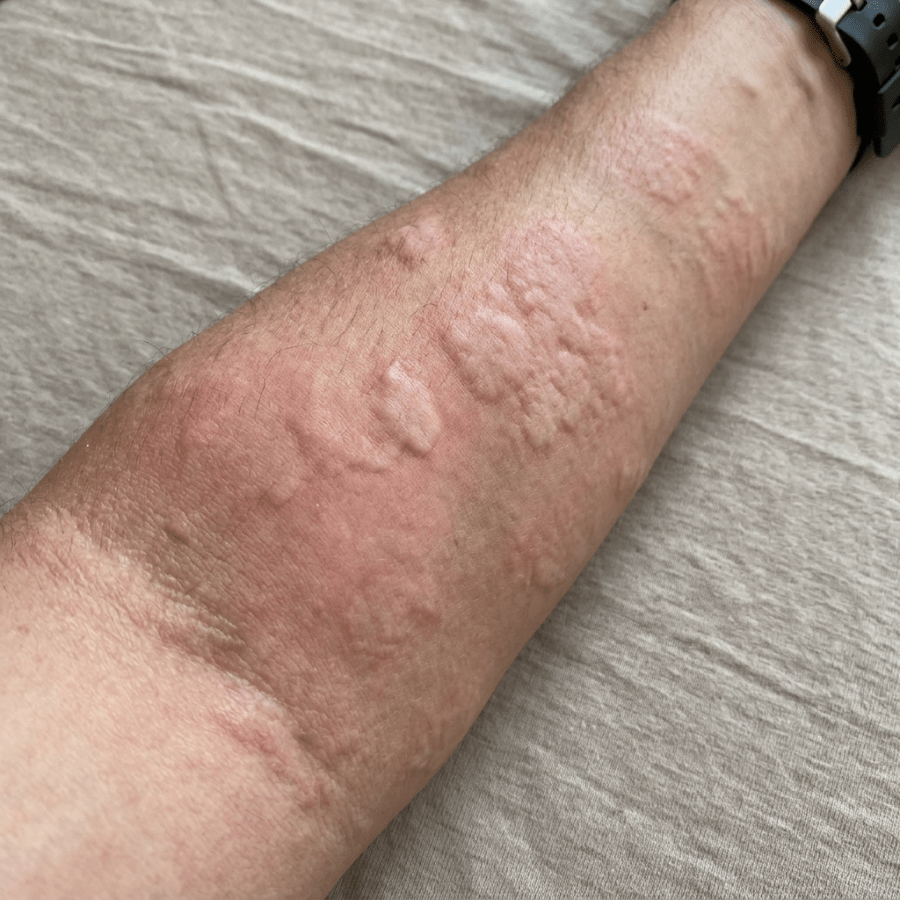
Raised pink welts covering a person’s forearm

Hives and Angioedema: Signs of an Allergic Reaction

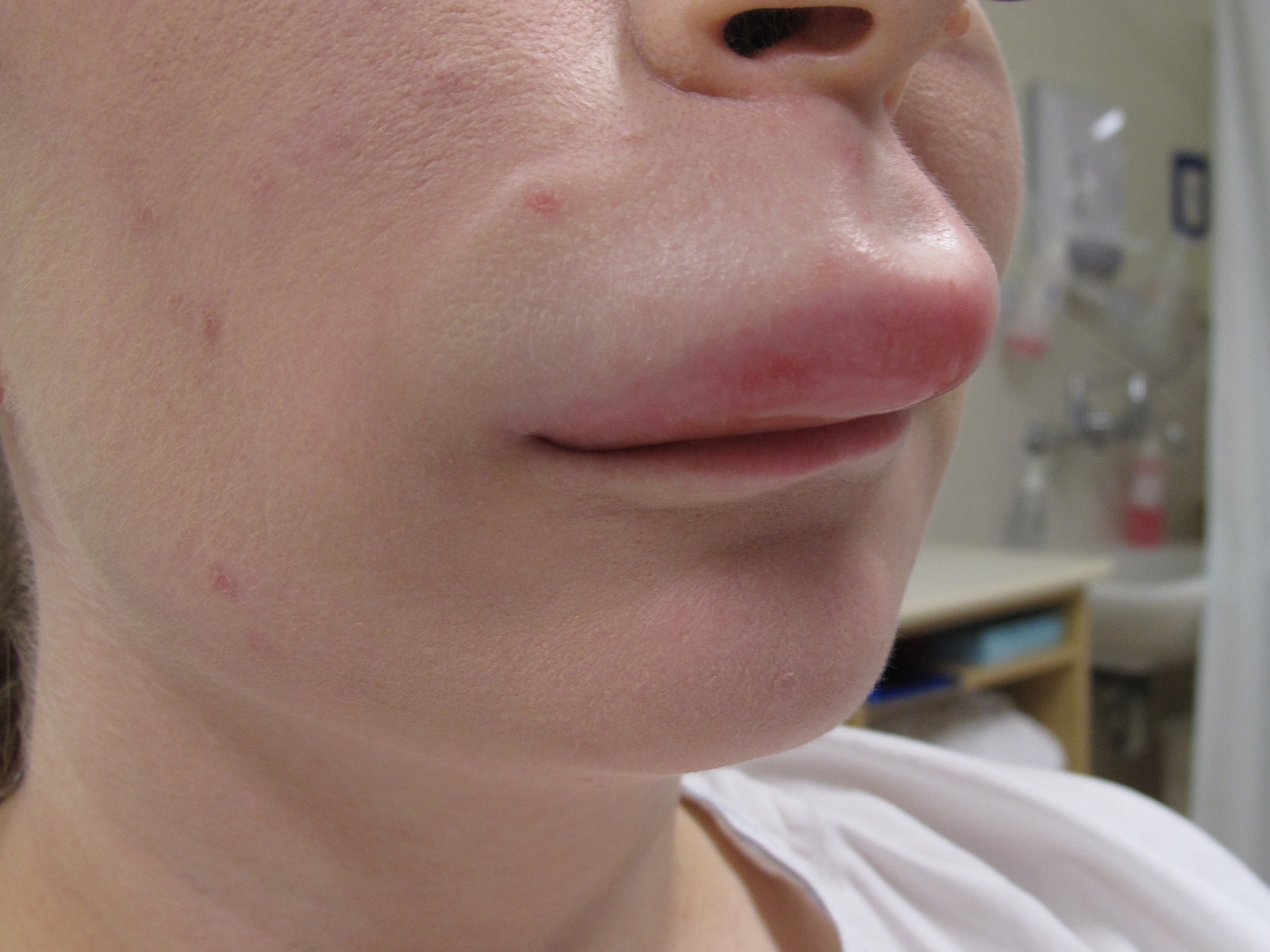
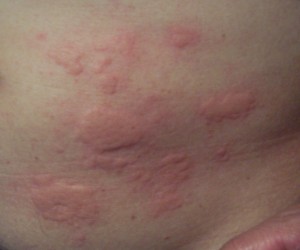
urticaria_hives-300x250 Photo credit:  http://drhuiallergist.com/allergy/urticaria-and-angioedema/ Some patients come to the urgent care with swelling or puffiness under the skin, usually in the face, eyelids, ears, mouth, tongue, hands, feet or genital area.  The most common place that we see this is on the upper lip but it can occur in many areas on the body.  We call this condition angioedema. Hives are another common problem that sometimes occur with angioedema.  They are red, raised patches of skin that are generally very itchy.  Urticaria is the medical term for hives.  They are raised areas of skin that itch intensively and are red with a pale center.  About 20% of people get hives at some time during their lives.  When someone comes into contact with a substance that they are allergic to, the body releases histamine from mast cells.  In most cases, hives appear and the disappear within several areas, and so the rash may look like it migrates or spreads around the body.  Sometimes the red raised areas get bigger or merge together and form larger hives.  Hives are generally not painful and do not have blood-blister type areas in them.  Hives usually do not appear with fever and joint pain. Causes of Hives:  There are several possible and may include: 1)      Infections – viral infections that cause the common cold are the cause of hives in 80% of children 2)     Medications 3)     Painkillers such as codeine or morphine 4)     IV contrast dye 5)     Insect stings 6)     Food allergies – typically occur with 30 minutes of eating the food.  Typical foods that cause hives include milk, eggs, peanuts or other nuts, soy, wheat, fish or shellfish. 7)     Physical contact – After touching a certain substance such as animals, certain plants, raw fruits/vegetables or latex (found in balloons, latex gloves and condoms) Causes of Angioedema:  In people who get angioedema  for the first time, it might be because of a new allergy.  Allergies are common to several of the following and can cause angioedema or hives: 1)      Medicines such as antibiotics or aspirin 2)     Foods such as eggs, fish, nuts or shellfish 3)     Insect stings 4)     Exercise can cause angioedema or hives 5)     Environmental substance such as a plant, animal, laundry detergent, soap, perfume latex, etc. 6)     Many times we are unsure of what caused the angioedema or hives to occur 7)     Certain blood pressure medications called “ACE Inhibitors” such as lisinopril, enalapril, captopril (and many others) can cause angioedema 8)     Ibuprofen/Advil or Aleve Treatment:  Minimizing exposure to the allergic agent is the first step.  Depending on the severity of symptoms, your medical provider may provide treatment including antihistamines such as Benadryl, Prednisone or other steroid medications  (either pills or shots) . Prevention:  Avoiding foods, medicines or exposure to insects that you have allergies to can decrease your chances of developing angioedema or hives.  Some people take antihistamines every day to help prevent getting angioedema if they get it frequently. When to seek medical care:   Make sure you are evaluated by a medical provider right away if you have any of the following: 1)      Trouble breathing 2)     Tightness in the throat 3)     Nausea/vomiting 4)     Abdominal pain/cramping 5)     Passing out or fainting   I hope that you have found this information useful.  Wishing you the best of health,

Scott Rennie, D.O.
Board Certified in Obesity Medicine and Family Medicine

This blog is for educational purposes only and does not constitute individual medical advice. Always consult your own physician before making changes to your health, medications, or treatment plan.
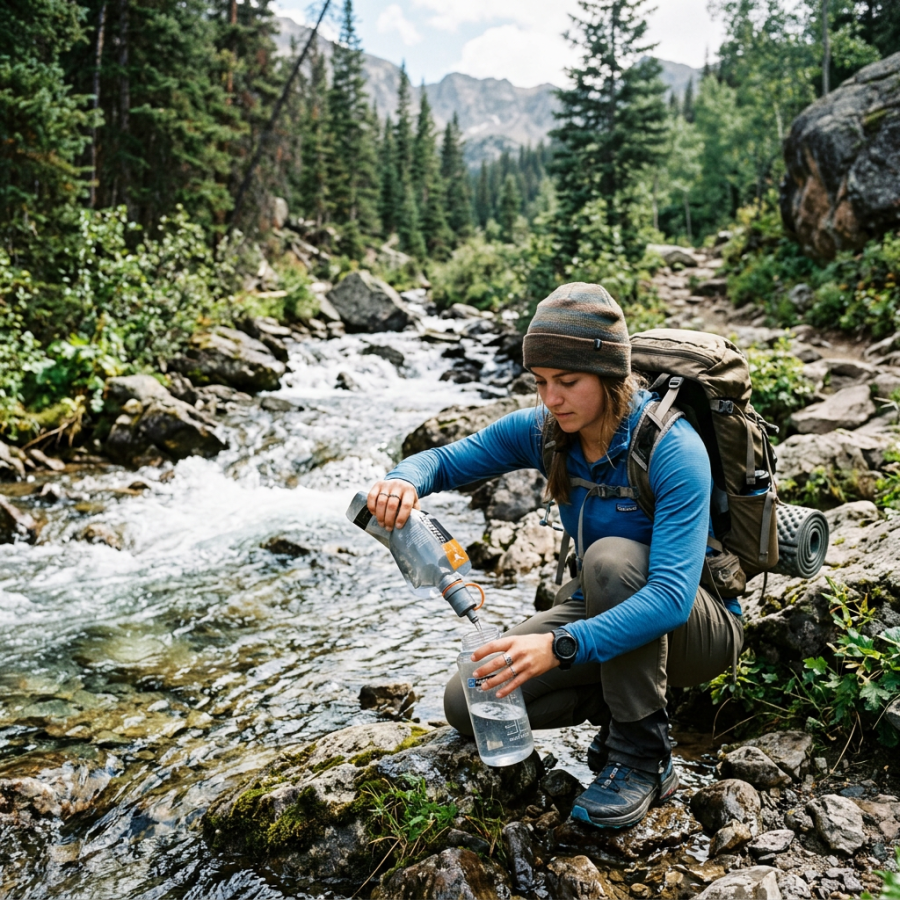
Backpacker filtering stream water beside a mountain trail

How to Safely Disinfect Drinking Water in the Wilderness

shutterstock_125263139I credit much of this information to Dr. Howard Donner who has incredible knowledge of both medicine and the wilderness.  He is also an excellent teacher. Drinking water can be contaminated with bacteria, viruses, protozoa and other parasites.  The risks of getting ill depends on the number of organisms that are consumed which is determined by the volume of water, concentration of organisms and how well the water treatment system is working. Disinfection:  Removal or destruction of harmful microorganisms Pasteurization:  Similar to disinfection but uses heat at temperatures below 100 degree C to kill most pathogenic organisms Sterilization: Destruction or removal of all life forms – not to be confused with disinfection or pasteurization Purification:  Removal of organic and inorganic chemicals and particulate matter to remove offensive color, taste and odor.  It may not remove or kill enough microorganisms to ensure microbiologic safety. The goal of disinfecting water is to achieve minimal microbial hazard so that the likelihood of illness is acceptable. Sterilization is not necessary because all life forms are not human pathogens. Water treatment methods:  Heat, Filtration and Clarification, Ultraviolet light Disinfection by Heat: 1)   The boiling time required is important when fuel is limited 2)   Most pathogens including cysts, bacteria, viruses and parasites can be killed at a temperature well below boiling 3)   Thermal death is a function of both time and temperature; therefore, lower temperatures are effective with longer contact times 4)   Microorganisms have varying sensitivity to heat; however all common bacteria that cause diarrhea are readily inactivated by heat 5)   Hepatitis A is a special concern because it seems to have greater thermal resistance 6)   Elevation should not make a large difference unless hepatitis A is a concern because heat inactivation occurs below typical boiling temperatures 7)   The 10 minute boiling rule is for sterilization of water.  Enteric pathogens are killed within seconds by boiling water and rapidly above 140 degrees.  The majority of the time required raiding the temperature of the water to boiling point works toward disinfection so water is safe to drink by the time it has reached a full boil.  For extra safety against hepatitis A, keep the water covered and hot for several minutes after boiling 8)   A pressure cooker saves times and fuel at all elevations 9)   Pasteurization has been achieved using solar heating using a foil-lined cardboard box with a glass window in the lid. Disinfection by Filtration: 1)   Field filters rely on mechanical removal of microorganisms and are adequate for cysts, and bacteria but do not reliably remove viruses which are a major concern in water where high levels of fecal contamination are present (e.g., in developing countries) 2)   The advantage is they are simple and require no holding time 3)   They do not add any unpleasant taste and may improve taste and appearance of the water 4)   Most viruses adhere to larger particles or clump together into larger aggregates that me be removed by a filter, but filtration alone is not adequate because the infectious dose of the virus may be quite small. 5)   Filters are often expensive and can add considerable weight and bulk to the backpack 6)   The filter pore size that is required to remove microorganisms is difficult to determine because the organisms possess elasticity and deform under pressure and that makes it possible for them to squeeze through filter pores. 7)   Filters are rated by their ability to retain particles of a certain size which is described by two terms.  Absolute rating means that 100% of a certain size of particle is retained in the filter.  Nominal rating indicates that more than 90% of a given particle size will be retained. 8)   All filters eventually clog from suspended particulate matter even in clear streams.  This means that they require cleaning or filter replacement.  The ability to field service the unit easily is an advantage. 9)   As the filter clogs, it requires increasing pressure to drive the water through which can force microorganisms through the filter. Reverse Osmosis Disinfection: 1)   Reverse osmosis filters use high pressure (100 to 800 psi) to force water through semipermeable membranes that filter out dissolved ions, molecules and solids 2)   Generally used for desalinating water, but may also be used to remove biological contaminants 3)   Small hand-pumped reverse osmosis units have been developed but their high price and slow output currently limit their use by land based wilderness travelers.  They are an essential survival item for ocean travelers Clarification of cloudy water can be achieved by sedimentation, coagulation-flocculation(CF), or adsorption. 1)   Large particles settle by gravity over 1-2 hours in sedimentation. Which can help if you are using a filter.  Although filters remove particulate debris, thus improving the appearance and taste of “dirty” water, they clog quickly if the water contains large particles. Using sedimentation allows the larger particles to settle out to the bottom of the container helps prevent the filters from clogging so quickly. 2)   Smaller suspended particles can be removed by coagulation-flocculation(C-F).  This is accomplished in the field by adding alum (aluminum potassium sulfate).  Alum is used in the food industry as a pickling powder and is nontoxic.  C-F will remove contaminants that cause unpleasant color and taste as well as some dissolved metals and some microorganisms. Water Clarification using Alum: 1)   Add a pinch of alum to each gallon of water 2)   Mix well, and stir occasionally for 30 minutes then allow 30-60 minutes for settling 3)   The water should be clear, if it is not then add another pinch of alum and repeat 4)   Decant or pour the water through a paper filter to remove clumps of flocculate. Charcoal filters/Granular Activated Charcoal (GAC):  Removes organic pollutants, chemicals, and radioactive particles by adsorption.  This improves the color, taste and smell of the water.  Although some microorganisms adhere to the GAC or become trapped in the charcoal filters, GAC does not remove all microorganisms, so it does not disinfect. 1)   Useful for removing halogens such as iodine or chlorine after disinfection 2)   Wait until after the contact time for disinfection before running water through charcoal if you use it to remove the iodine or chlorine from your water 3)   Some filters use iodine resins followed by GAC and rely on a different dynamic Halogens:  Chlorine and Iodine are effective disinfectants against bacteria, viruses, Giardia and cysts of amebae but not Cryptosporidium.  They are not expensive. 1)   Disinfection with halogens depends on both the concentration of the halogen and the amount of time the halogen is in contact with the water (contact time).  Increase in one allows a decrease in the other (inverse relationship). 2)   Water temperature and the presence of organic contaminants in the water affect this method (colder temperatures slow and organic contaminants decrease its disinfection action).  Thus, in cold water, the contact time or dose should be increased and in polluted water the dose must be increased 3)   Use 4 parts per million (ppm) as a target concentration for surface water and allow extra contact time if the water is cold. 4)   In cloudy water that will not settle out by sedimentation, the halogen dose should be at least 8ppm.  Ideally, use C-F to clarify the water before halogenation, then a smaller amount of halogen may be used. Organism sensitivity to halogens: 1)   Bacteria are very sensitive to halogens 2)   Viruses and Giardia require higher concentrations or longer contact times 3)   Certain parasite eggs such as round worms are resistant but they are usually not spread in the water.  These eggs or cysts are susceptible to heat or filtration 4)   Cryptosporidium cysts are extremely resistant to halogens Chlorine vs. Iodine: 1)   Iodine is less affected by pH and tastes better than Chlorine 2)   Chlorine and Iodine are available in liquid or tablet forms 3)   Some people have allergic reactions to iodine 4)   Iodine use is not recommended for people with unstable thyroid disease or unknown iodine allergy 5)   Iodine should not be used during pregnancy for longer than several weeks because of risk of neonatal goiter 6)   Limit exposure to drinking iodinated water to 1 month or less if all water being consumed is treated with iodine 7)   Iodine resins with GAC filters may reduce iodine exposure because they have lower concentration of iodine and remove it with the filter Problems with halogens: 1)   The taste of water can be unpleasant 2)   The potency of some products (both tablets and solution) decrease with time an are affected by heat or moisture 3)   Liquids are corrosive and can stain clothes or equipment 4)   Cryptosporidium are resistant 5)   The actual concentration (after halogen demand – ie amount of organic material in water) is unknown Improving the Taste of Water that has been disinfected with halogens:  Add flavoring to the water only after adequate contact time because the sugar and additives can reduce the amount of free iodine available.  Also using charcoal (GAC) to remove the halogen after contact time.  You may also reduce the concentration and increase the contact time for clean water.  You can use a collapsible plastic container to disinfect water with low doses of iodine during the day or overnight.  You can also add a few granules per liter of ascorbic acid (vitamin C) in powder or crystal form after the contact time and this will take out the color and taste of the chlorine or iodine.  Superchlorination-Dechlorination:  High doses of chlorine are added to the water in the form of calcium hypochlorite crystals to achieve concentrations of 30-200 ppm of free chlorine that are above the margin of safety for field conditions and rapidly kill all bacteria, viruses and protozoa.  After 10-15 minutes, several drops of 30% hydrogen peroxide solution are added.  The minor disadvantage of the two-step process is excellent taste.  This is a good technique for highly polluted or cloudy water and for disinfecting large quantities of water. Mixed Species Disinfection (Miox Purifier):  Passing a current through a simple brine sale solution generates free available chlorine, as well as other “mixed species” disinfectants that have been demonstrated effective against bacteria, viruses and bacterial spores.  There is potential for malfunction and battery depletion.  A new point-of-use commercial product is available – Miox marketed by MSR. Chlorine Dioxide:  This is capable of inactivating most waterborne pathogens including Cryptosporidium parvum oocysts at practical doses and contact times.  It is at least as effective a bactericide as chlorine and in many cases it’s superior.  It’s far better against viruses. Ultraviolet Light:  In sufficient doses, all waterborne enteric pathogens are inactivated by UV radiation.  UV treatment does not require chemicals and does not affect the taste of the water.  UV works rapidly and overdose to the water does not cause any problems.  It has no residual disinfection power and water may become re-contaminated or regrowth of bacteria can occur.  Particulates in the water however can shield microorganisms from UV rays.  Where strong sunshine is available, solar disinfection of drinking water is an effective, low-cost method for improving water quality and may be very useful in refugee camps and disaster areas. If you are interested in learning more about wilderness medicine, a great resource for information is the wilderness medicine society:  http://www.wms.org/   I hope that you have found this information useful.  Wishing you the best of health,

Scott Rennie, D.O.
Board Certified in Obesity Medicine and Family Medicine

This blog is for educational purposes only and does not constitute individual medical advice. Always consult your own physician before making changes to your health, medications, or treatment plan.
Woman having a video consultation with a doctor on a laptop at home

Virtual Doctor Visits Catch On With Insurers, Employers

By Phil Galewitz, Kaiser Health News

Tired of feeling “like the walking dead” but worried about the cost of a doctor’s visit, Amber Young sat on her bed near tears one recent Friday night in Woodbury, Minn.
Amber Young at home with her husband Bill and sons Cameron, 6, and Brody, 8, as she prepares dinner.
By Todd A. Buchanan, for USA TODAY
Amber Young at home with her husband Bill and sons Cameron, 6, and Brody, 8, as she prepares dinner.

That’s when she logged onto an Internet site, run by NowClinic online care, a subsidiary of UnitedHealth Group (parent of health insurer UnitedHealthcare), and “met” with a doctor in Texas.

After talking with the physician via instant messaging and then by telephone, Young was diagnosed with an upper respiratory illness and prescribed an antibiotic that her husband picked up at a local pharmacy. The doctor’s “visit” cost $45. “I was as suspicious as anyone about getting treated over the computer,” said Young, 34, who was uninsured then. “But I could not have been happier with the service.” NowClinic, which started in 2010 and has expanded into 22 states, is part of the explosion of Web- and telephone-based medical services that experts say are transforming the delivery of primary health care, giving consumers access to inexpensive, round-the-clock care for routine problems — often without having to leave home or work. Insurers such as United Healthcare, Aetna and Cigna, and large employers such as General Electric and Delta Air Lines are getting on board, pushing telemedicine as a way to make doctor “visits” cheaper and more easily available. Proponents also see it as an answer to a worsening doctor shortage. But some physician and consumer groups worry about the trend. “Getting medical advice over a computer or telephone is appropriate only when patients already know their doctors,” said Glen Stream, president of the American Academy of Family Physicians. “Even for a minor illness, I think people are going to be shortchanged,” he said. Carmen Balber, a spokeswoman for Consumer Watchdog in Santa Monica, Calif., is concerned that lower co-payments, and other incentives, will spur consumers to see doctors or nurses online just to save money. “People will choose the more economical option, even if it is not the option they want,” she said. Employers, however, say they’re getting mostly positive reviews. “Our employees just love the convenience, the low cost and the efficiency,” said Lynn Zonakis, managing director of health strategy and resources at Delta Air Lines, which offers NowClinic to some employees for $10 a consultation. The global telemedicine business is projected to almost triple to $27.3 billion in 2016, according to a recent report by BBC Research, a Wellesley, Mass., research firm. “Virtual care is a form of communication whose time has come and can be instrumental in fixing our current state of affairs within the health care system,” said Robert L. Smith, a family doctor in Canandaigua, N.Y., and co-founder of NowDox, a telemedicine consulting firm. Although the field developed more than 40 years ago as a way to deliver care to geographically isolated patients, its growth was slow. That’s changed in the past decade thanks to the development of high-speed communications networks and the push to lower health costs. “It’s the wave of the future,” said Joe Kvedar, director of the Center for Connected Health, founded by Harvard Medical School. Major obstacle One major obstacle has remained, however: Many state medical boards make it difficult for doctors to practice telemedicine, especially interstate care, by requiring a prior doctor-patient relationship, sometimes involving a prior medical exam, said Gary Capistrant, senior director of public policy at the American Telemedicine Association, a trade group. “The situation seems to be getting worse, not better,” he said. He cited a 2010 ruling by the Texas Medical Board that effectively blocks a physician from treating new patients via telemedicine. The only exception is if the patient has been referred by another physician who evaluated him or her in person. “It’s about accountability,” said Dr. Humayun Chaudhry, CEO of the Federation of State Medical Boards. State boards insist on licensing doctors treating patients in their states so that if patients are injured, they have a state agency they can go to for help. “We want to enable telemedicine to flourish, but at the end of the day we want patients protected,” Chaudhry said. Some medical boards are loosening restrictions, he noted, citing nine, mostly rural, states, including Tennessee, Nevada and New Mexico, which in recent years passed rules to ease the licensing process. Companies marketing telemedicine services say they are seeing strong demand. Bloomington, Minn.-based HealthPartners, a health system with four hospitals and 1.4 million health plan members, began an online service in fall 2010 that allows anyone in Minnesota or Wisconsin to consult a nurse practitioner for $40 or less. Using an online interactive tool called Virtuwell, 23,000 patients have received a treatment plan often including a prescription, after answering questions about their condition and medical history. Laurie Fedje, of Coon Rapids, Minn., tried Virtuwell last fall when her son, Noah, had a high fever and other flu symptoms and she did not want to go out in bad weather. She said it took her about 15 minutes to answer about 50 questions about her son’s health, such as whether he had ear pain, how long he had been sick and whether he had any allergies. Within a few minutes, she received an e-mail and a call from a nurse practitioner who diagnosed him with flu and sent a prescription. “It was wonderful,” Fedje said. Her employer, St. Paul-based Bethel University, covers the first three visits for free as an employee benefit. About 80% of patients using Virtuwell have insurance, and many use the service as a covered benefit, said Kevin Palattao, a vice president at HealthPartners. He notes that Virtuwell has turned away 45,000 prospective patients because they had problems that required in-person consultations, such as chest pain or multiple chronic conditions. The most common problems treated online are routine sinus and bladder infections, pinkeye, upper respiratory illness and minor skin rashes, Palattao said. OptumHealth, a UnitedHealth Group subsidiary that operates the NowClinic, said it leaves it to physicians to determine if they can diagnose a patient via computer. “This is not intended to replace the intimacy of the doctor-patient relationship,” said Chris Stidman, senior vice president. The company would not disclose how many people have used the service or how many physicians it employs. Testing at drugstores Camp Hill, Pa.-based Rite Aid recently began testing NowClinic in several of its drugstores in Michigan and Pennsylvania. It’s a cheaper alternative to hiring doctors or nurse practitioners to work in store clinics. At the stores, patients can pay $45 for a 10-minute teleconsultation with a doctor, or less if their employer has negotiated a reduced rate. In a tiny office next to the pharmacy counter in one Harrisburg, Pa., Rite Aid, patients use a Web camera and microphone to talk to a doctor on a desktop computer, where they type in their symptoms, a brief medical history and their credit card information. A thermometer, blood pressure machine and scale are available nearby. The physician sends an electronic prescription to the store that can be picked up minutes later. On a recent afternoon when a reporter tested the service, there was a choice of only one doctor — Dr. Pardeep Shori, an internist in Irving, Texas, who is board-certified in family medicine. Shori said he typically treats about a dozen NowClinic patients a day. While he is unable to look into a patient’s ears or throat, he noted, “The key thing you learn in medical school is that a lot of information comes from just listening.” Young, the woman who talked to a NowClinic physician from her home in Woodbury, Minn., said she would use the service again even though she now has health insurance. She was impressed when the online doctor called her three days later to see how she was feeling. “I’ve never had my own primary care doctor do that,” she said. Contributing: Kaiser Health News is an editorially independent program of the Henry J. Kaiser Family Foundation, a non-profit, non-partisan health policy research and communications organization not affiliated with Kaiser Permanente.

Scott Rennie, D.O.
Board Certified in Obesity Medicine and Family Medicine

This blog is for educational purposes only and does not constitute individual medical advice. Always consult your own physician before making changes to your health, medications, or treatment plan.
Cluster of brown mushrooms growing among moss and fallen leaves

Poisonous Plants and Mushrooms You May Encounter Outdoors

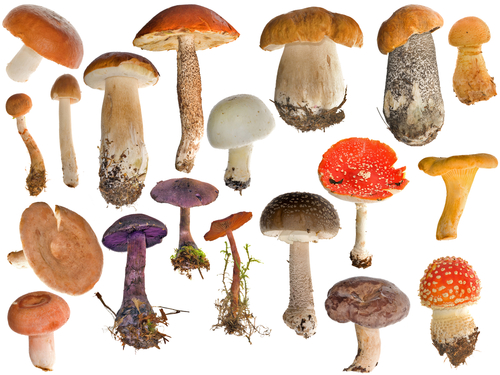
shutterstock_78360337Traveling out in the wilderness or being in a survival situation can bring people to look for or depend on plants for food/nourishment.  Sometimes these plants can be extremely poisonous and cause illness. Anything in the correct dose can be poisonous.  “The dose makes the poison.” I credit the information that I’ve learned and written here to Richard Clark, MD who is medical toxicologist and expert in Wilderness Medicine. Mushroom ingestion: It’s difficult even for a trained botanist to identify all mushroom varieties and 95% of the time the type ingested is unknown.  There are less than 100 reported fatalities related to mushroom ingestions in 25 years.  Most patients are treated at home.  Most cases reported to the poison control center were related to children, however all reported deaths were in adults.  Mushroom toxicity varies widely.  Management and prognosis often depend on the history and geographical location of the ingestion as well as the initial signs/symptoms.  The largest and most diverse group are the “little brown mushrooms.”  These are often mistaken for edible varieties. Symptoms of toxic mushroom ingestion can be classified as early or late. Early gastrointestinal symptoms may begin in ½ hour to 3 hours after ingestion and may be:
1)  Severe nausea, vomiting and diarrhea
2)  Stools may be bloody
3)  Symptoms may last 6-24 hours
4)  Most of the time no labs are needed, but when symptoms are severe liver enzymes may be monitored
Treatment:  Hydration and anti-nausea medication and possible narcotics for pain. Mushroom ingestion with late gastrointestinal symptoms:  may begin 6-12 hours after ingestion. Mainly differentiated between 2 varieties – Amanita/Galerina and Gyromitra.  There are several liver toxic Amanita species:  phalloides, virosa, verna.  They have a greenish color cap and like to live under oak trees.  They are the most common vegetable cause of human death in the USA.  Phase 1: 8-12 hours after ingestion – abdominal pain, vomiting and diarrhea.  Phase 2:  Begins 12-36 hours after ingestion and patients may actually improve.  Phase 3:  2-6 days after ingestion, the patient may get severe liver death and kidney disease.  There are no antidotes available.  Treatment is supportive care and organ transplant if necessary. Several species may look like a morel (Morchella esculenta) and are the esculenta, infula, ambigua.  These false morel may be edible in some parts of the U.S.  In areas where they are toxic, the toxins may sometimes be destroyed by cooking.  Symptoms including nausea, vomiting, diarrhea seizures and possible liver damage begin 6-12 hours after ingestion. Treatment:  Rehydration, activated charcoal, benzodiazepines, pyridoxine. Plant induced itchy rash (contact dermatitis):
1)  Poison Ivy
2)  Poison Oak
3)  Poison Sumac
Exposure to mango, pistachio and cashew can also cause the reaction. 50% of the population is highly sensitive.  Oils on plant turn black on contact with air.  These plants are found in all 48 continental states.  P. Ivy is mostly in the eastern states, P. oak is mostly in the west and Sumac is mostly in the southeast. Severe cases can progress to a severe type 1 hypersensitivity reason.  Symptoms usually begin with 2-4 hours after exposure and may include:
1)  Redness
2)  Itching
3)  Blisters
4)  More severe cases may cause fever, nausea, vomiting, dehydration
5)  Skin infection secondary
Treatment:  prevent severe symptoms by early washing with soap and water (toxin is oily).  Treat with systemic corticosteroids and topical lotions, steroid creams and antihistamines. There are several products that help prevent exposure to the plants by wearing them – including barrier creams, lotions or sprays – these are poorly protective.  Stoko Gard Outdoor Cream provides great protection if washed off by 8 hours post-exposure.  IvyBlock is another product that can provider good protection. The “Unknown” Berry Ingestion:  Most of these are non-toxic but can cause gastrointestinal illness.  Large quantities of almost any plant can cause nausea/vomiting.Decontamination with pumping the stomach or charcoal is rarely needed.  Rehydrate and give anti-nausea medicines or benzodiazepines for seizures or agitation. Holly:  Over 300 species, causes nausea, vomiting and diarrhea.  Treat with rehydration Pokeweed:  Native to Eastern USA along roads and moist areas.  Rapid onset of severe nausea, vomiting and diarrhea.  Treat with rehydration. Castor bean:  Grows wild in southern California.  The seed is the most toxic part.  Whole seeds are “nontoxic” except for severe gastroenteritis.  Treat with rehydration. Jequirity bean:  Native to Florida and the Keys.  The bean is the toxic portion of the plant.  Causes severe nausea, vomiting and diarrhea.  Treat with rehydration. Ricin and Abrin:  Two of the most toxic substances with the highest concentration in the seeds.  Intoxications result in multisystem organ failure.  Seed coat must be destroyed.  There are few if any reported cases of fatalities when seeds ingested Water Hemlock (Cowbane, false parsley):  Grows throughout the USA along roads and ditches and is often mistaken for wild carrots or wild parsley.  It was used extensively for suicide in ancient Greece.  Most lethal plant in North America.  Tuberous root.  Causes rapid onset of seizures.  Treat with airway protection and anticonvulsants. Nicotine:  Found in woodlands and along roads.  Poisoning from touching on the skin, inhalation or gastrointestinal exposure.  Rapid onset of severe nausea, vomiting, diarrhea, headache, dizziness, confusion, seizures and possible coma and paralysis. Jimson Weed:  Grows along roads and fences throughout the USA.  Seeds are particularly potent.  Mind altering properties noted in ancient literature.  Seeds contain atropine (50-100 seeds may contain 3-6mg).  Anticholinergic toxicity.  Treat with sedation and possibly physostigmine. Foxglove, Lily of the Valley, Oleanders:  Contain heart glycosides that can lead to stopping of the heart, rapid pulse, or arrhythmias. Hellebore:  Found in moist woodlands of eastern and western USA.  Used as a sneezing powder.  Can cause nausea, vomiting, low blood pressure, slow heart rate and heart dysrhythmias. Aconite (Monkshood, wolfsbane):  Can cause cardiotoxicity (dysrhythmias) or neurotoxicity (paresthesias).  Treat with lidocaine and supportive care. Rhododendron including azaleas and laurels:  Leaves and flowers contain small amount of Andromedotoxin or grayantoxin that can cause cardiac dysrhythmia but there has only been one reported case in the last 20 years. Unknown plant ingestion with patient having seizures:  Wide differential of plants that cause this.  Symptoms can advance quickly.  Often symptoms begin with nausea and vomiting and can progress to coma and paralysis. There are many other plants that are toxic.  Please contact your medical provider or your local poison control center.  There are more than 40 nationally certified and they are open 24 hours/day and staffed by specialists in poison information.  There is backup from medical toxicologists. If you have a poison exposure or question, the poison helpline number is:  1-800-222-1222 and is available 24/7 365 days of the year.  Also, the American Association of Poison Control Centers website has some valuable information as well:  http://www.aapcc.org/dnn/default.aspx If you are interested in learning more about wilderness medicine, a great resource for information is the wilderness medicine society:  http://www.wms.org/   I hope that you have found this information useful.  Wishing you the best of health,

Scott Rennie, D.O.
Board Certified in Obesity Medicine and Family Medicine

This blog is for educational purposes only and does not constitute individual medical advice. Always consult your own physician before making changes to your health, medications, or treatment plan.
Grilled fish, salad, and rice served overlooking a turquoise seaside village

Gluten Free Travel Tips: How to Eat Well While Abroad

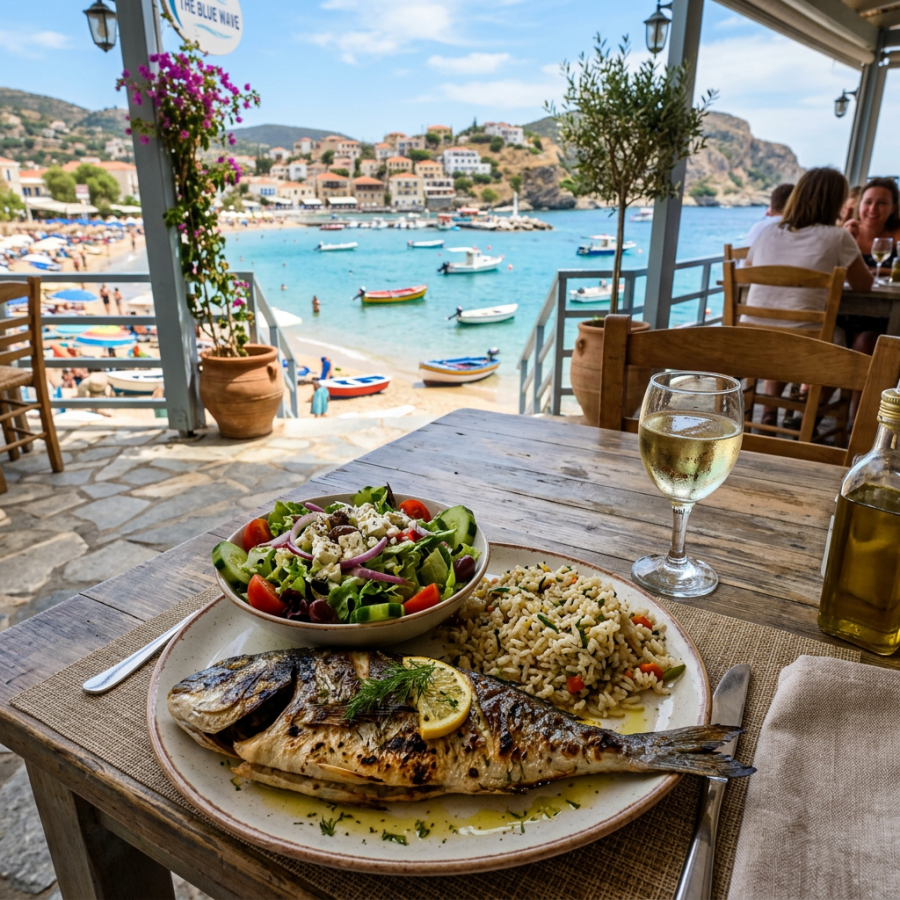
For a variety of reasons, some patients prefer a gluten-free diet.  I am not promoting a Gluten-Free diet here, but just pointing out what some patients are doing and some ways to continue to be Gluten-Free if that is your choice. Gluten is a protein that is found in foods processed from wheat and related grains including barley and rye.  It gives a kind of chewy texture to many of the food products that we eat. 1)   The Airlines are not “Gluten Friendly” so it’s safe to assume that you’ll need to pack your own pic-nick style meals.  Bringing fruits, nuts, tail-mix, cheeses and meats that you would normally eat at home and pack them into soft-sided cooler type containers or your carry on bag. 2)   Packing your own nutritional supplements containing digestive enzymes may be helpful if you can’t be entirely sure that the food your eating is totally free of glutens.  Digestive Gold is one supplement may be helpful.  Your local health-food store or Amazon.com may have digestive enzymes, but your favorite drug store may not. 3)   Cook for meals yourself.  When you travel, consider renting a place with a kitchenette if you can so you have the space available to create your own meals that you know are gluten free. 4)   Find a decent grocery store with a good deli instead of eating out at restaurants and fast food joints.  That way you can make your own salads, buy some meats and cheeses and create something both tasty and healthy. Eating gluten free is definitely more work, but for those of us with Celiac Disease, on dietary restrictions or who just want to eat healthier I think the advance preparation is worth the investment. For more information about the Gluten Free Diet, check out the Mayo Clinic Article – Gluten-Free: What’s Allowed, What’s Not: http://www.mayoclinic.com/health/gluten-free-diet/my01140   I hope that you have found this information useful.  Wishing you the best of health,

Scott Rennie, D.O.
Board Certified in Obesity Medicine and Family Medicine

This blog is for educational purposes only and does not constitute individual medical advice. Always consult your own physician before making changes to your health, medications, or treatment plan.

Coiled rattlesnake resting on a sunlit desert rock

Snakebites and Envenomation: What You Need to Know

shutterstock_93999454I credit the information that I’ve learned and written here to Richard Clark, MD who is medical toxicologist and expert in Wilderness Medicine.
 Snakebites are fairly common, but rarely cause death.  There are 350,000 snakebites each year in the world with 35,000 deaths annually worldwide and only 10-15 deaths per year in the US.
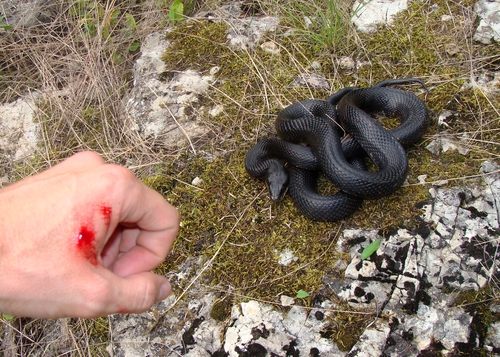
In the U.S. there are 3 main types of snakes:  Colubrids, Elapids, and Crotalids.  Most snakes in the U.S. are nonpoisonous and have fixed hind fangs.  The Garter snake is a common example of this kind of snake (a Colubrid).  The Colubrids have round pupils. The Elapidae are snakes that have front fixed fangs with modified grooved teeth such as Cobras and Mambas and Coral Snakes. They require a longer bite time to envenomate than the Crotalids. Coral snake venom is neurotoxic and causes parasthesias, weakness, paralysis and cardiovascular collapse.  The treatment is supportive care and prophylactic antivenom. Crotalidae are the pit vipers that have mobile front fangs that are a very efficient envenomation apparatus.  In the U.S. the Crotalidae are the Rattlesnakes, the Cottonmouth and Copperhead.  They have a triangular shaped head and heat sensing organs around their nose.  They have elliptical pupils and don’t always rattle before striking. Death is actually rare from Rattlesnake bites although tissue damage is common and can be severe.  The pit viper venom can cause tissue damage, coagulopathy, thrombocytopenia, neurotoxicity, shock and pulmonary edema.  The area of the bite usually has swelling, blebs, and sometimes necrosis.  The incidence of wound infection after being bit by a Rattlesnake is very low because the venom actually prevents bacterial infections.  If bitten by a Rattlesnake and there is no swelling/pain, there is no envenomation.  This is called a dry bite and happens in up to 25% of these bites. There has been some controversy over whether to use ice, incision, constrictive bands, or perform excisions or fasciotomy.  We generally don’t recommend any of these treatments any longer and have found that they are not effective and may cause more harm. Rattlesnake first aid: 1)   Seek medical care 2)   No suction 3)   No ligatures 4)   No cutting 5)   No ice 6)   The Anti-Venom is called Crofab.  We generally give anti-venom until the proximal swelling halts, and coagulopathy is resolving, the thrombocytopenia is resolving and the systemic toxicity is resolving.  This may involve many doses of anti-venom.  The initial dose is 4-6 vials in 100 mL of NS.  Begin slowly and infuse over 1 hour.  Redoes with 4-6 vials as needed for “stabilization.”  One problem with the anti-venom is that some people are allergic.  The majority of allergic symptoms are rash.  It is also very expensive and not readily available. 7)   If the bite is on the face, empiric intubation should be done to protect the airway because facial bites can lead to significant swelling. If you are interested in learning more about wilderness medicine, a great resource for information is the wilderness medicine society:  http://www.wms.org/   I hope that you have found this information useful.  Wishing you the best of health,

Scott Rennie, D.O.
Board Certified in Obesity Medicine and Family Medicine

This blog is for educational purposes only and does not constitute individual medical advice. Always consult your own physician before making changes to your health, medications, or treatment plan.

Woman in a beanie holding a steaming mug by a fireplace

Hypothermia: Staying Safe When It’s Cold Out There

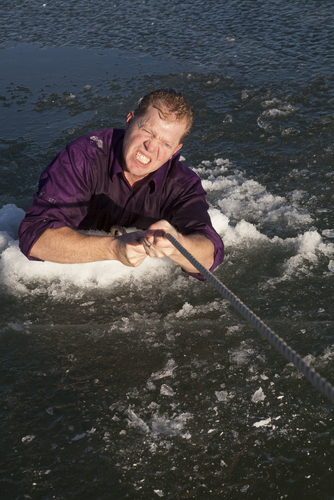
shutterstock_171146414I credit the information that I’ve learned and posted here to Eric Weiss, MD who is an international expert in Wilderness Medicine and Hypothermia. Patients with accidental hypothermia come to medical providers year-round and in all climates.  Hypothermia is defined as a decrease in core body temperature below 95 degrees F (35 degrees C). For purposes of emergency management and resuscitation, hypothermia can best be characterized as either mild or severe.  In mild hypothermia (core temperature 87.8-95 degrees F), the victim is conscious, still shivering and generally not prone to developing abnormal heart rhythms.  In severe hypothermia (core temperature below 87.8 degrees F), the patient has altered level of consciousness, diminished or absent shivering and is prone to abnormal heart rhythms. Mild hypothermic victims can still generate heat through shivering so they generally do well without intensive rewarming.  In severe hypothermic patients, active rewarming techniques such as extracorporeal blood rewarming, inhalation therapy, peritoneal lavage, thoracic cavity lavage or thoracotomy with mediastinal irrigation may be needed. Pre-hospital Treatment of Mild Hypothermia:  Preventing further heat loss and facilitate rewarming are the goals.  The rescuer should remove all wet clothing and replace it with dry clothing, insulate the patient with sleeping bags, blankets, extra clothing or other suitable material.  Use insulation underneath the patient as well as on top.  Encourage drinking of warm fluids and sugary drinks if they can swallow without aspirating (inhaling the drink into their lungs).  It is not uncommon to observe a continued decline in core temperature after a hypothermic patient is removed from the cold environment and external warming is initiated.  This phenomenon is called core temperature afterdrop. Pre-hospital Treatment of Severe Hypothermia:  Careful handling is necessary because these patients are prone to develop abnormal heart rhythms through rough handling.  If in the backcountry, consider helicopter transport to prevent jostling that might occur with an overland evacuation.  Keep them horizontal when possible to minimize orthostatic hypotension.  Provide oxygen if you have it.  Administer a minimum of 500ml of heated (98.6-105.8 degrees F) IV normal saline or D5NS.  Lactated ringers should be avoided because when the liver is cold, it poorly metabolizes lactate.  Consider intraossious (I/O) infusion for alternative pathway for fluid replacement for a dehydrated patient who you cannot get IV access. Hot water bottles or heat packs can be placed in the axillae and groin area and along the neck where large blood vessels course near the surface.  Hot water bottles should be wrapped with insulation to prevent thermal burns. In a severely hypothermic patient, they may feel/look clinically dead. Breathing may be difficult to detect if the breathing rate is significantly depressed. The rescuer should listen to the chest and palpate over carotid or femoral arteries for at least 1 minute to detect a pulse.   If the patient has any sign of life, chest compressions should not be initiated as they may precipitate ventricular fibrillation (abnormal heart rhythm). At a core temperature of 20 degrees C, cardiac arrest is tolerated for up to 30 minutes without clinically significant neurologic or neuropsychological deficits.  This knowledge and the fact that a dead victim may be clinically indistinguishable from one that is severely hypothermic and alive has lead to the adage that “No one should be pronounced dead, until they are warm and dead.” A serum potassium greater than 10mmol/L in a non-hemolyzed specimen however has been proposed as a reasonable ceiling for viability. Negative Pressure Rewarming (Thermarescue):  A non-invasive way of creating a direct thermal pipeline between the skin and body core.  The patients forearm is fitted through an acrylic sleeve with an air tight seal around the arm.  Vacuum pressure of -40 mm Hg is established and the thermal load is applied via a chemical heating pad. If you are interested in learning more about wilderness medicine, a great resource for information is the wilderness medicine society:  http://www.wms.org/   I hope that you have found this information useful.  Wishing you the best of health,

Scott Rennie, D.O.
Board Certified in Obesity Medicine and Family Medicine

This blog is for educational purposes only and does not constitute individual medical advice. Always consult your own physician before making changes to your health, medications, or treatment plan.

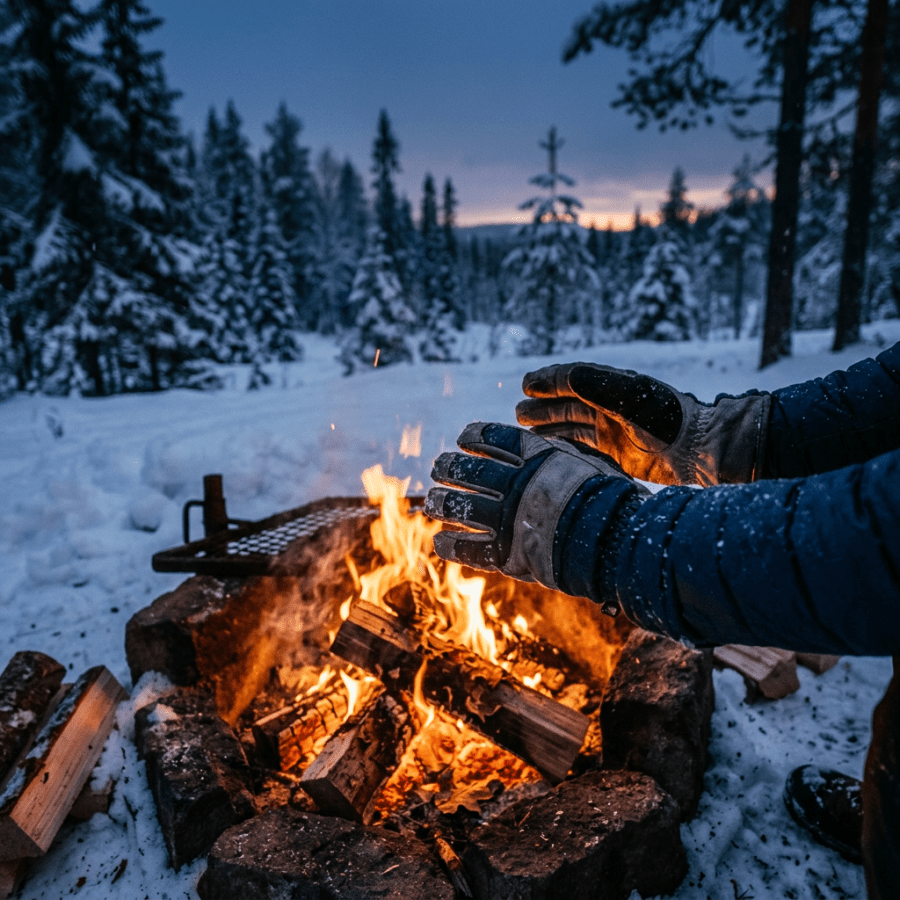
Gloved hands warming over a campfire in a snowy forest

Frostbite and cold induced injuries

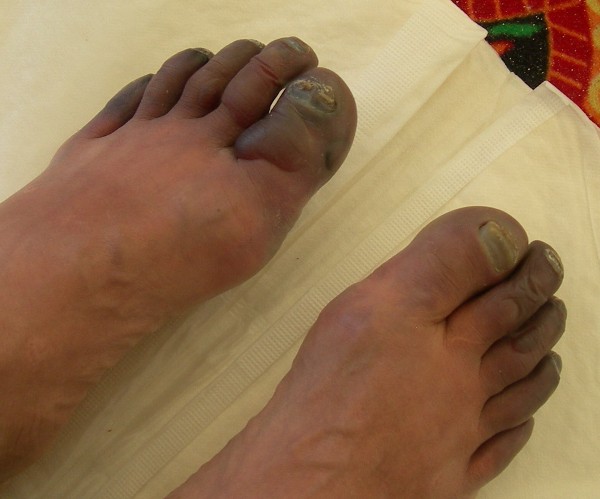
Photo credit:  http://www.everester.org/BlogViewer.aspx?Id=DCD57FDDA64B2206   Much of the information presented here comes from Peter Hackett, MD who is an expert in Wilderness Medicine and especially mountain and high altitude medical illness and care. Frostbite:  A severe, localized cold-induced injury.  Tissue destruction of frostbite is due to both immediate cold-induced cell death and more gradual development of localized inflammatory process and tissue ischemia.  Following exposure to subfreezing temperatures, ice crystals form outside the tissue cells.  If freezing is rapid, ice crystals may also form inside cells.  The initial cellular damage and subsequent inflammatory process are made worse in the setting of thawing followed by refreezing of the area. Areas most often affected:  Ears, nose, cheeks, chin, fingers and toes Causes:  Anything that increases localized heat loss or decreases heat production.  Exposure to wind, or conductive heat loss due to contact with metal or water 1)   Inadequate insulation 2)   Circulatory compromise 3)   Dehydration 4)   Moisture Behavioral risk factors: 1)   Mental illness 2)   Alcohol and drugs 3)   Fear, apathy, panic Vascular Stage- Post thaw:  Recovery of circulation and then thrombosis, ischemia, necrosis and even gangrene can result.  Intracellular ice and tissue death occurs if there is refreezing. Classification of frostbite injuries: 1)   Mild or Superficial (no tissue loss) 2)   Severe or Deep (with tissue loss) 3)   Historical classification 1st to 4th degree had no clinical usefulness Treatment (Pre-Hospital): 1)   Supportive care for trauma, and dehydration (splint/pad affected area) 2)   Avoid additional heat loss – remove wet clothing 3)   If frozen and rescue is near keep frozen unless you can do a warm water thaw and there is no danger of refreezing. 4)   Do not rub frost bitten areas as this can cause further tissue damage 5)   If already thawed, avoid refreezing 6)   Avoid using stoves or fires to rewarm frostbitten tissue Treatment (Hospital): 1)   Hydration 2)   Wound care – early debridement or amputation of dead or dying areas while preserving viable tissue 3)   Pharmacology – Dextran, NSAIDs, Nifedipine 4)   Imaging studies (X-rays may show coincidental trauma related fractures or cold-induced soft tissue swelling), Technetium (Tc)-99 scintigraphy is commonly used to predict long-term tissue viability. 5)   Sympathetic block or surgery if needed Methods of Thawing: 1)   Rapid rewarming in warm water (37-41 degrees C) is optimum 2)   Gradual thawing – often unavoidable 3)   Harmful methods – delayed thawing with ice or snow or excessive heat Non-freezing Cold Injury:  Frostnip, Chilblain/Pernio, Trenchfoot, Raynaud’s Frostnip:  Cold-induced, localized parasthesias that resolve with warming and there is no permanent tissue damage. Pernio/chilblain:  Localized inflammatory lesions that can result from acute or repetitive exposure to damp coldness above the freezing point.  Lesions are swollen, often reddish or purple and may be painful or itchy.  Pernio is most common in young women but both sexes and all age ranges may be affected. Trenchfoot (immersion foot):  Injury to the sympathetic nerves and small blood vessels of the feet.  First described in 1914 during WWI during trench warfare.  It results from prolonged exposure of the feet to a combination of dampness and cold.  Tight-fitting boots exacerbate the condition.  Feet, and sometimes hands are red, swollen and can be extremely painful and often are covered with bloody blisters.  Tissue loss can occur. Prevention: 1)   Pay attention to weather forecasts (predicted high and low temperatures, forecasted precipitation and wind chill index) 2)   Dress appropriately for the weather 3)   Have an emergency plan when going into remote areas 4)   Avoid alcohol consumption and smoking 5)   Avoid exposure to metal surfaces 6)   Maintain adequate calorie intake 7)   There is inadequate evidence to support the use of applying emollients to exposed skin to prevent frostbite and it is not suggested 8)   Carry emergency supplies in the backcountry or in remote areas in case your group becomes stranded 9)   Use a buddy system for monitoring 10)  Perform an equipment and clothing check 11)  Keep hydrated 12)  Carefully wash and dry feet 13)  Do not sleep in wet socks 14)  Avoid tight socks and shoes 15)  Do not add socks for warmth, get a larger shoe 16)  Rewarm gently, do not use a strong heat source 17)  Do not rub the skin, use passive skin-to-skin contact 18)  Elevate the feet above the level of the heart 19)  Consider antiperspirant with aluminum hydroxide for a week before exposure Raynaud’s Vasodilation Training: (Physician Sports Med, March 1990; vol18 no3) 1)   Immerse hands in hot tap water 2)   Stay indoors for 5 minutes, then in the cold for 10 minutes, then back indoors for 5 minutes (one cycle) 3)   Do 3-6 cycles per day every other day 4)   50 cycles established effect, but variable Tips to control moisture and cold: 1)   Wear socks with moisture-wicking capabilities 2)   Change socks and dry them frequently 3)   Use foot powders that control fungus and absorb moisture 4)   Wear shoes with adequate draining capabilities or make holes 5)   Consider waterproof socks, either SealSkinz, Waterproof MVT, Seirus Neo-Sock or Stormsock 6)   When resting or sleeping, take off wet shoes and socks to allow feet to breath and socks to dry against your body in your sleeping bag If you are interested in learning more about wilderness medicine, a great resource for information is the wilderness medicine society:  http://www.wms.org/   I hope that you have found this information useful.  Wishing you the best of health,

Scott Rennie, D.O.
Board Certified in Obesity Medicine and Family Medicine

This blog is for educational purposes only and does not constitute individual medical advice. Always consult your own physician before making changes to your health, medications, or treatment plan.