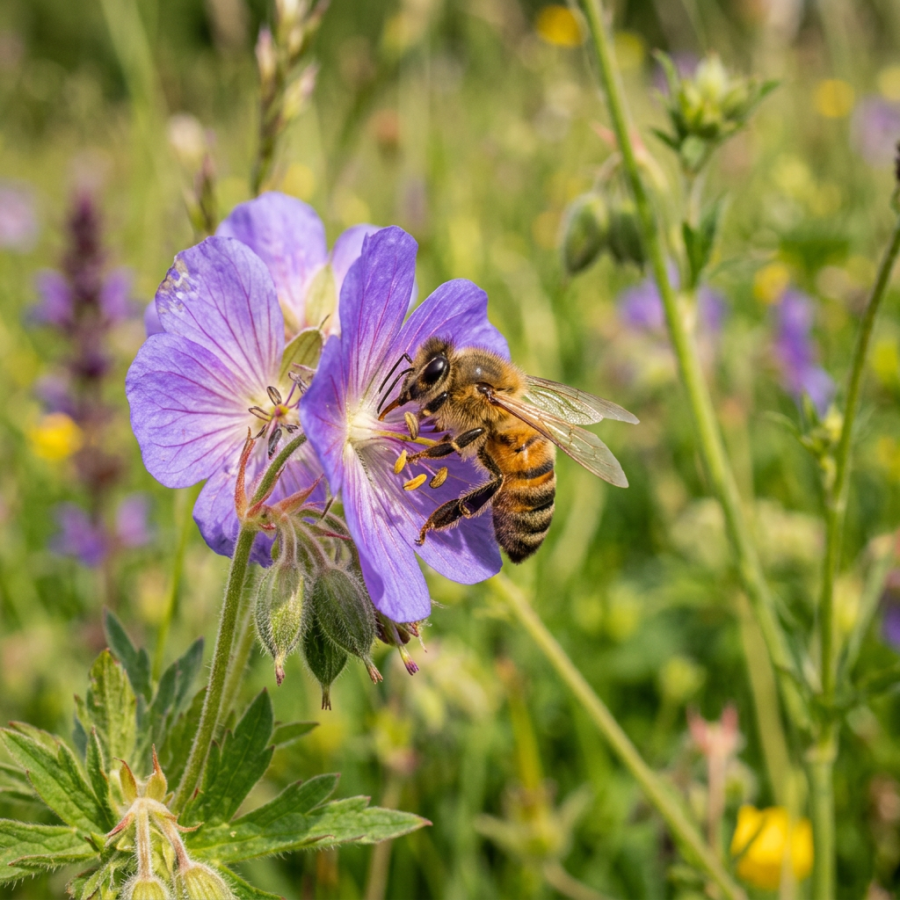
 Patients often come into the urgent care clinic due to bee or insect stings as the weather improves. Being stung is often painful and can also be anxiety provoking because some people have serious or life-threatening allergic reactions to stings and require quick treatment.
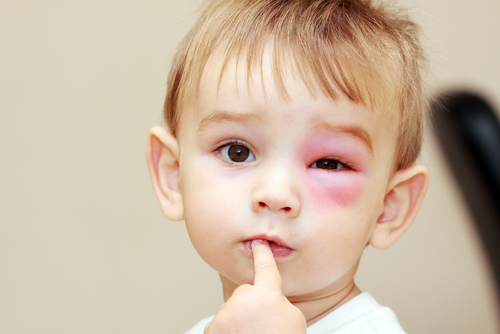
Sting Reaction: Immediately after being stung, most people have a sharp or burning pain as well as redness or swelling at the site of the sting. The swelling and pain usually improve within a few hours. About 10% of people will develop severe redness and swelling after a sting, and this is called a large localized reaction. These large red areas may reach up to 4 inches in diameter over 1-2 days, and then slowly resolve over 5-10 days.
If you have a large area of inflammation after a sting, this does not mean that you will have an anaphylactic reaction if stung again.
Rarely, some individuals will develop a severe allergic reaction, called anaphylaxis. Only 5-10% of people with a large localized reaction will have an anaphylactic reaction.
Symptoms of severe allergic reaction (usually develop quickly):
1) Hives, redness or swelling of skin away from the area that was stung – ie. face or lips if being stung on the hand
2) Shortness of breath, hoarse voice or difficulty breathing
3) Abdominal pain, nausea, vomiting or diarrhea
4) Feeling lightheaded, dizzy or passing out
Treatment for local skin reaction:
1) If the insect has left a stinger, remove it as soon as possible after being stung. Flicking or scraping the stinger out is sufficient.
2) Apply a cold or damp washcloth wrapped around ice to the area
3) Take an antihistamine such as Benadryl or Zyrtec if you develop itching
4) A pain medicine such as Ibuprofen or Aleve may be helpful
Treatment for severe allergic reactions: These are a medical emergency that can lead to death if not treated quickly. Do not drive yourself to the hospital – call 911. A shot of epinephrine (adrenaline) may be helpful to prevent more severe allergic reactions in some patients. Epinephrine is prescription only and should only be used if there is concern about a possible life threatening reaction. Training on how and when to use epinephrine should be given at your medical provider or pharmacy.
Prevention: Usually bees or wasps are not aggressive when they are away from their nests. The usually only sting after being hit, stepped on or swatted. Wearing a white or light-colored clothing may help reduce the chance of being attacked if you are near a nest. If you are eating outside, keep food and drinks covered and clean up spills quickly. Watch for yellow jackets inside of drink containers. If you find a nest near your home, do not try to get rid of it yourself. Call a pest control professional.
If you are being swarmed or stung, cover your mouth and nose with your hand and retreat to inside a building or an enclosed vehicle.
I hope that you have found this information useful. Wishing you the best of health,
Patients often come into the urgent care clinic due to bee or insect stings as the weather improves. Being stung is often painful and can also be anxiety provoking because some people have serious or life-threatening allergic reactions to stings and require quick treatment.
Sting Reaction: Immediately after being stung, most people have a sharp or burning pain as well as redness or swelling at the site of the sting. The swelling and pain usually improve within a few hours. About 10% of people will develop severe redness and swelling after a sting, and this is called a large localized reaction. These large red areas may reach up to 4 inches in diameter over 1-2 days, and then slowly resolve over 5-10 days.
If you have a large area of inflammation after a sting, this does not mean that you will have an anaphylactic reaction if stung again.
Rarely, some individuals will develop a severe allergic reaction, called anaphylaxis. Only 5-10% of people with a large localized reaction will have an anaphylactic reaction.
Symptoms of severe allergic reaction (usually develop quickly):
1) Hives, redness or swelling of skin away from the area that was stung – ie. face or lips if being stung on the hand
2) Shortness of breath, hoarse voice or difficulty breathing
3) Abdominal pain, nausea, vomiting or diarrhea
4) Feeling lightheaded, dizzy or passing out
Treatment for local skin reaction:
1) If the insect has left a stinger, remove it as soon as possible after being stung. Flicking or scraping the stinger out is sufficient.
2) Apply a cold or damp washcloth wrapped around ice to the area
3) Take an antihistamine such as Benadryl or Zyrtec if you develop itching
4) A pain medicine such as Ibuprofen or Aleve may be helpful
Treatment for severe allergic reactions: These are a medical emergency that can lead to death if not treated quickly. Do not drive yourself to the hospital – call 911. A shot of epinephrine (adrenaline) may be helpful to prevent more severe allergic reactions in some patients. Epinephrine is prescription only and should only be used if there is concern about a possible life threatening reaction. Training on how and when to use epinephrine should be given at your medical provider or pharmacy.
Prevention: Usually bees or wasps are not aggressive when they are away from their nests. The usually only sting after being hit, stepped on or swatted. Wearing a white or light-colored clothing may help reduce the chance of being attacked if you are near a nest. If you are eating outside, keep food and drinks covered and clean up spills quickly. Watch for yellow jackets inside of drink containers. If you find a nest near your home, do not try to get rid of it yourself. Call a pest control professional.
If you are being swarmed or stung, cover your mouth and nose with your hand and retreat to inside a building or an enclosed vehicle.
I hope that you have found this information useful. Wishing you the best of health,
Scott Rennie, D.O.
Board Certified in Obesity Medicine and Family Medicine
This blog is for educational purposes only and does not constitute individual medical advice. Always consult your own physician before making changes to your health, medications, or treatment plan.
 Doctor Rennie's Blog
Thank you for sharing your info. I really appreciate your efforts
and I will be waiting for your further write ups thanks once again.