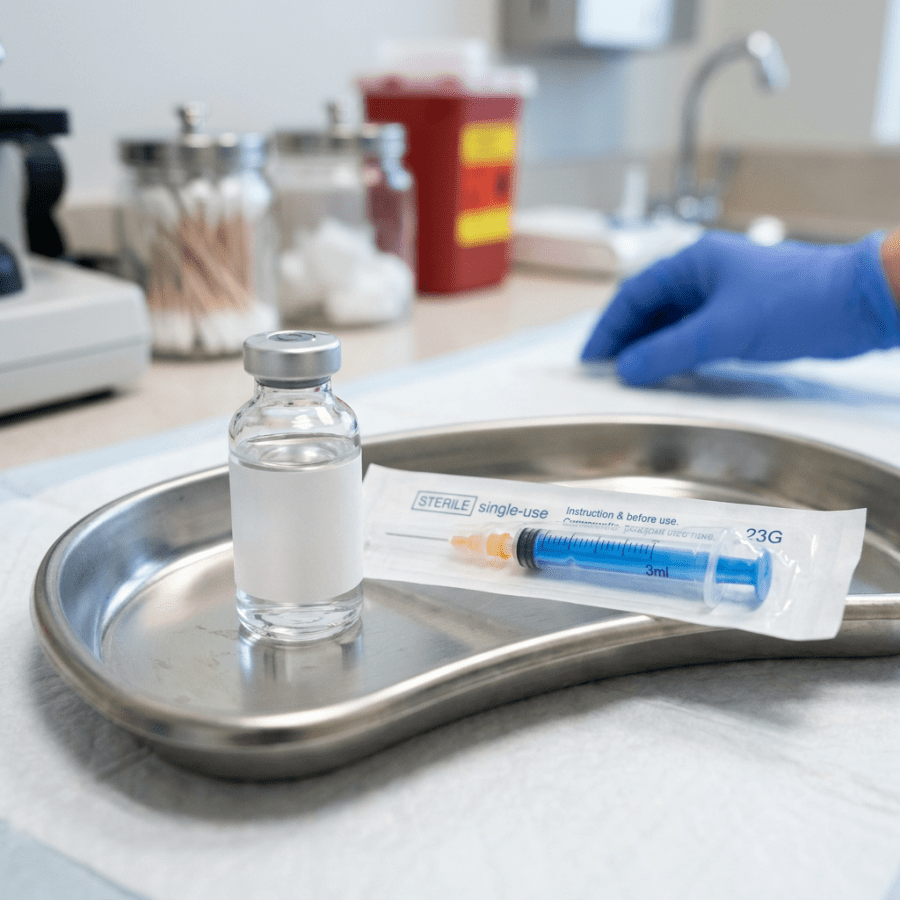
Vaccine vial and sealed syringe on a stainless steel clinic tray

2012 Vaccine and Immunization Recommendations Explained

shutterstock_153048518I often get asked questions about immunizations, such as when they are supposed to be given and what they are for.  Here is a list of the 2012 recommended immunizations, when they are supposed to be given and what they are for.  At the end of the list, I will explain abbreviations stand for and a little about the diseases that they protect against. Birth (child gets this before leaving the hospital):  HepB 2 months:  HepB, DTaP, PCV, Hib, Polio, RV 4 months:  DTaP, PCV, Hib, Polio, RV 6 months:  HepB, DTaP, PCV, Hib, Varicella, HepA, influenza (yearly) 12 months:  MMR, PCV, Hib, Varicella, HepA 15 months:  DtaP, 4 years:  DTaP, IPV, MMR, Varicella, influenza (yearly) 7-10 years:  Tdap, influenza (yearly) 11-12 years:  MCV4, HPV – women (3 doses), influenza (yearly) 16 years:  MCV4, influenza (yearly) 19-21 years:  HPV vaccine, MMR, influenza (yearly) 22-65+:  Tdap vaccine once, then a booster every 10 years, influenza (yearly) 27-59:  Varicella(chicken pox) unless you’ve had the disease, influenza (yearly) 60-65+:  Shingles vaccine, influenza (yearly) 65+:  Pneumococcal vaccine, influenza (yearly) Abbreviations explained: HepB:  Protects against hepatitis B (a virus that attacks the liver and can lead to cancer) DTaP:  a combined vaccine that protects against diphtheria, tetanus, and pertussis (whooping cough).  Diphtheria can cause swelling of the heart muscle, heart failure, coma, paralysis and death.  Tetanus can cause difficulty swallowing, muscle spasms, difficulty breathing and death.  Whooping cough can cause a severe pneumonia (lung infection) and death. Hib:  Protects against Haemophilus influenza type b.  With this infection there may be no symptoms unless bacteria enter the blood.  An infection with Haemophilus influenza type b can cause meningitis (infection of the covering of the brain and spinal cord), mental retardation, epiglottis (life threatening infection that can block the windpipe and lead to serious breathing problems) and pneumonia (infection in the lungs) and death. PCV:  Protects against pneumococcal disease which may cause pneumonia, as well as a serious blood infection and meningitis (infection of the covering around the brain and spinal cord) and death. Polio (IPV):  Protects against polio.  Polio may cause no symptoms until a serious infection develops and then it cause paralysis and death. RV:  Protects against infections caused by rotavirus.  Rotavirus causes severe diarrhea, vomiting and fever and may lead to dehydration.  It has caused death from dehydration in young children. Influenza:  Protects against influenza (flu) MMR:  Protects against measles, mumps, and rubella (German measles).  Measles can cause a rash, fever, encephalitis (brain swelling), pneumonia (infection in the lungs) and death.  Mumps causes swollen salivary glands under the jaw, fever, headache and may lead to meningitis (infection in the covering of the brain and spinal cord), encephalitis (brain swelling), and inflammation of the testicles or ovaries and permanent deafness or death.  Rubella can cause serious problems during pregnancy including miscarriages, stillbirths, premature deliveries or birth defects. Varicella:  Protects against varicella, also known as chickenpox.  Chickenpox can cause infection of the blisters, bleeding problems, encephalitis (brain swelling), pneumonia (infection in the lungs) . HepA:  Protects against hepatitis A, a virus that attacks the liver.  There may be no symptoms or a slight fever and yellowish color to the skin.  It may also cause vomiting and stomach pain. HPV:  Human papillomavirus is a common virus in patients in their teenage years.  It is the major cause of cervical cancer in women and genital warts in women and men. MCV4:  Meningococcal conjugate vaccine protects against an infection that can lead to meningitis (infection in the covering of the brain and spinal cord).   I hope that you have found this information useful.  Wishing you the best of health,

Scott Rennie, D.O.
Board Certified in Obesity Medicine and Family Medicine

This blog is for educational purposes only and does not constitute individual medical advice. Always consult your own physician before making changes to your health, medications, or treatment plan.

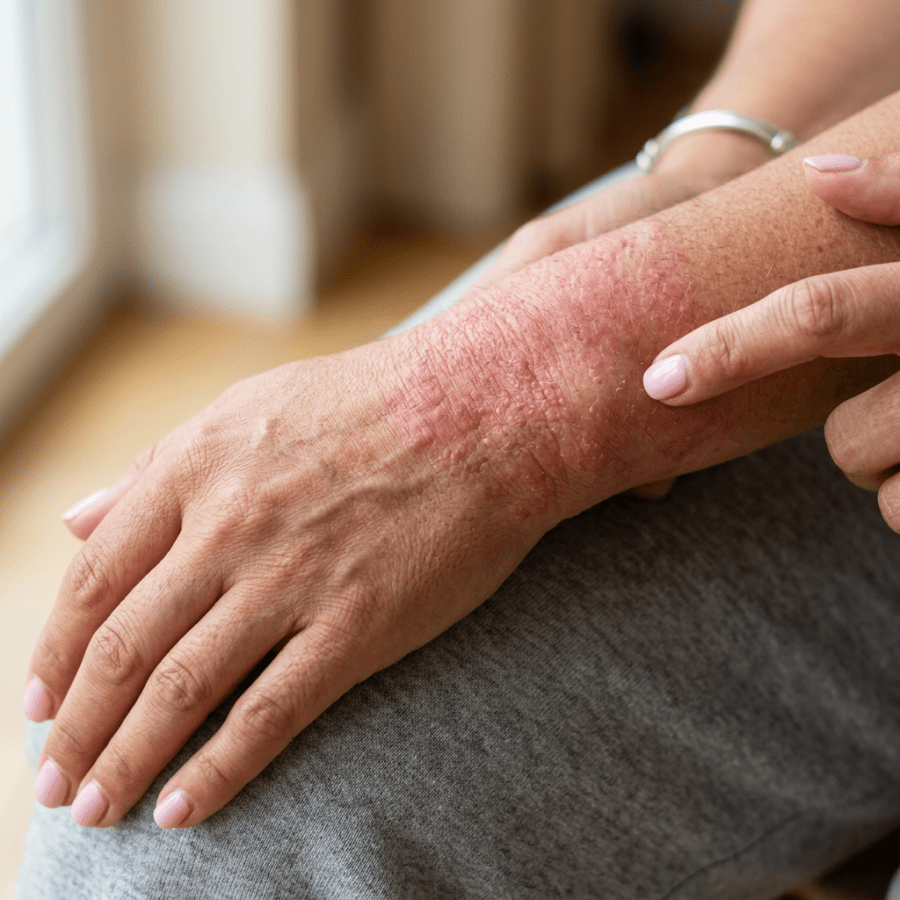
Person pointing to red, irritated skin on the back of a hand

Scabies Infection – The Mite Bite

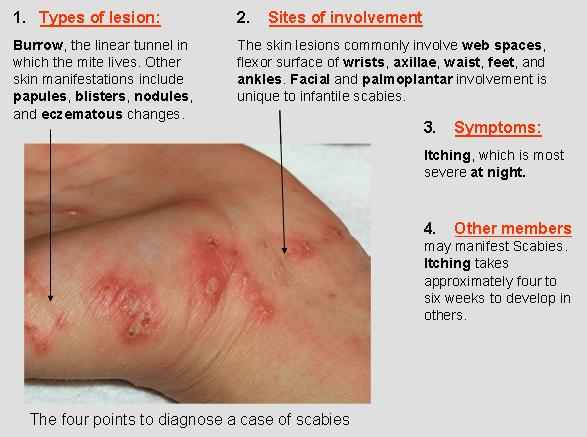
Photo credit:  http://www.skindermatologists.com/p/scabies-lice.html   Every now and then a patient will come into the clinic with a scabies infection.  They usually have complaints of severe itching and a reddish colored rash. Scabies is caused by a very small mite called Sarcoptes scabiei.  It is spread from one person to another by close skin-to-skin contact and I’m seeing more and more patients with scabies lately so I think it’s becoming more common. Symptoms:  An itchy rash is the most common symptom, and it’s often worse at night.  It causes visible lesions (red colored bumps or blisters) on the skin but sometimes these little bumps are tough to see.  Certain parts of the body are most commonly affected by scabies including: 1)   Between the fingers 2)   Around the wrists (especially on the inside of the wrists) 3)   In the crease of the elbows 4)   Behind the knees 5)   In the armpits 6)   Around the nipples 7)   Around the penis 8)   Around the waistband 9)   Near the low back and upper thighs 10)  Along the sides and bottoms of the feet The back and head are usually not affected. Crusted scabies: Some people with weakened immune system can develop “crusted scabies” or “Norwegian scabies” which are described as large, crusty red patches or bumps on the skin that spread easily.  The scalp, hands, and feet are affected most often.  These lesions are usually not itchy but can contain many mites. Scabies mite:   It is caused by a tiny mite that has 8 legs and is whitish-brown in color.  Without a magnifying glass, you might not be able to see them at all.  The symptoms are caused by the female mites, which tunnel into the skin after being fertilized by the males.  The female mite lays eggs under the skin and continues to tunnel until she dies, usually 1-2 months later.  After the mites hatch, the young mites travel back to the skin surface, mate and repeat the cycle of tunneling and laying more eggs. Transmission:  Close skin-to skin-contact is the usual way that scabies is spread, but it can also be spread through the clothes of an infected patient.  If someone who is uninfected wears a shirt or jacket of someone who is infected, the little mites can infect another patient.  It takes about 3-4 weeks for signs or symptoms of a first scabies infection to develop after becoming infected with the mites.  It’s also commonly transmitted between young adults during sexual contacts.  Once the mites are no longer in contact with the skin, then can only live for 24-36 hours but they can survive longer in colder conditions.  They are seen more commonly in the winter than in the summer months. Treatment:  Treatment of scabies can be challenging – see recommendations below.  Most of the time we treat scabies with a topical skin cream called permethrin (also called Elimite).  For patients with the more difficult to treat – crusted scabies, we use both a topical and oral anti-parasitic pill called ivermectin.  The permethrin cream (5%) is preferred for young infants and pregnant mothers. 1)  It is very important to apply the cream carefully to cover all the skin from the neck down to the feet. 2)  Treat all family members if they are in close contact with the infected person even if the family members don’t have symptoms.  The reason is to avoid repeating the cycle of infection. 3)  Wash or isolate any clothing, bedding, towels, pajamas, underwear or stuffed animals that the patient has touched within the last three days before the treatment started.  You can place the items in a plastic bag for three days to isolate them and the mites will die.  You can also wash the clothing in hot water. Itching can be treated with antihistamines such as Claritin or Zyrtec.  Benadryl is helpful, but is sedating so we generally only recommend that at night.  Itching may persist for several weeks even after the mites are eliminated.  A steroid cream or a course of oral steroids may be recommended if itching is severe.   I hope that you have found this information useful.  Wishing you the best of health,

I wrote this in 2012. Most of my work now is obesity medicine. I am board certified in it, and if that is what brought you to the site, I keep a current post on what Wegovy and Zepbound cost without insurance.

Updated for 2026: One Dose of Ivermectin Is Not Enough

This post has been read more than any other thing I have written, which is a strange fact about the internet, and it means the parts of it that have aged badly are worth correcting. The biggest one is dosing. Oral ivermectin at 200 micrograms per kilogram used to get handed out as a single dose. It should not be. Ivermectin does not kill the eggs, so a single dose leaves the next generation to hatch. A 2024 systematic review put the numbers on it: treatment failed in 15.2 percent of people given one dose against 7.1 percent given two (1). The second dose goes at day eight to fourteen. If you were treated once and are still itching two weeks later, that is the first thing I would ask about. Permethrin 5 percent is still first line and the technique still matters more than the prescription. Neck down in adults, jawline down, everything, including between fingers and toes and under the nails. Leave it on eight to fourteen hours. Repeat at day seven or eight. In infants it goes on the scalp and face too (2).

There Is a New Drug, and an Old One That Should Be Gone

Spinosad 0.9 percent topical suspension, sold as Natroba, was approved for scabies in April 2021. It was the first genuinely new scabies drug in more than thirty years. Worth knowing about if permethrin has failed you. Lindane is the other direction. It has been pulled in the United States over neurotoxicity, and if you find it recommended on an old page somewhere, that page is out of date. Mine included, until now.

About Resistance, Carefully

You will find a lot written about permethrin resistance. I want to be precise here, because the confident version circulating online runs ahead of the evidence. What the data actually show is that treatment failure has been creeping up, on the order of a quarter of a percent per year, and that reduced susceptibility has been observed in some communities, northern Australia in particular (1). What has not been established is a confirmed genetic resistance mechanism driving it. The authors of that review say so directly. Failure is rising. Why is not settled. Poor application technique and untreated household contacts explain a great deal of what gets called resistance.

Why Scabies Suits a Video Visit

Of all the rashes I am asked to look at on a screen, this one plays to the strengths of the format rather than against them. Scabies is diagnosed mostly on story. Itching that is dramatically worse at night. Weeks, not days. Other people in the house scratching too. A distribution that favors finger webs, wrists, waistband, armpits, and, in men, the genitals. I can get all of that by talking to you, and a decent close-up photo of a finger web often gets me the rest. What I also get from a video visit that I would not get in a clinic room is the household. I can ask who else is itching and treat everyone at once, which is the single most common reason scabies comes back. Everyone in the home gets treated on the same day whether or not they itch. Bedding and clothing from the previous three days go through a hot wash and a hot dryer. Expect to keep itching for two to four weeks after successful treatment. That is the immune reaction settling, not failure, and it sends a lot of people back for unnecessary repeat courses.

When This Needs To Be Seen In Person

Thick, crusted, scaly plaques rather than scattered bumps. That is crusted scabies, it carries an enormous mite burden, it is far more contagious, and it needs combination treatment and infection control rather than a tube of cream. It shows up most often in people who are elderly, immunosuppressed, or living in a care facility (2). Also: skin that has become infected from scratching, an infant with widespread involvement, or a second completed course that has not worked.

The Bottom Line

Treat everyone in the house on the same day. Apply it properly. Repeat the dose, whichever drug you are on, because nothing available kills the eggs. And give the itch a month to settle before deciding the treatment failed.

Sources

1. Mbuagbaw L, Sadeghirad B, Morgan RL, et al. Failure of scabies treatment: a systematic review and meta-analysis. British Journal of Dermatology. 2024;190(2):163-173. https://academic.oup.com/bjd/article/190/2/163/7251446 2. Iyengar L, Chong AH, Steer AC. Scabies: a clinical update. Medical Journal of Australia. 2024;221(10). https://www.mja.com.au/journal/2024/221/10/scabies-clinical-update

Related Reading

When to Use Telemedicine vs. Urgent Care: How I Spot the Sick One Ringworm, Athlete’s Foot and Fungal Nail Infections Scott Rennie, D.O.

Board Certified in Obesity Medicine and Family Medicine

This blog is for educational purposes only and does not constitute individual medical advice. Always consult your own physician before making changes to your health, medications, or treatment plan.
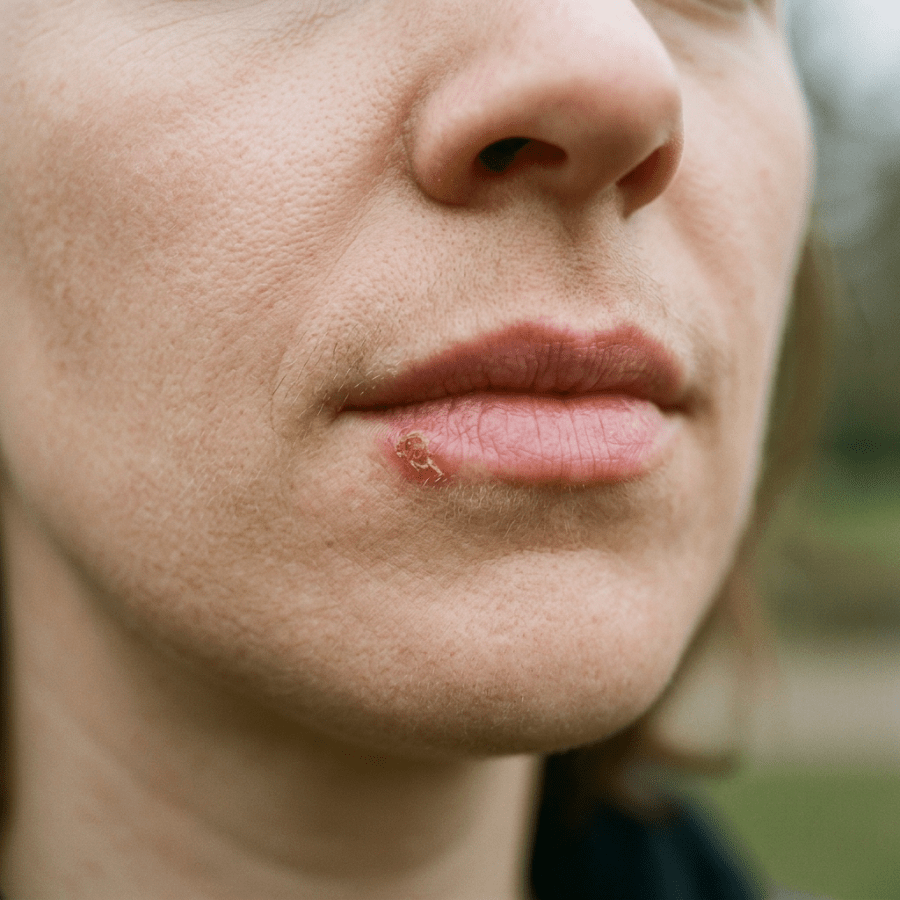
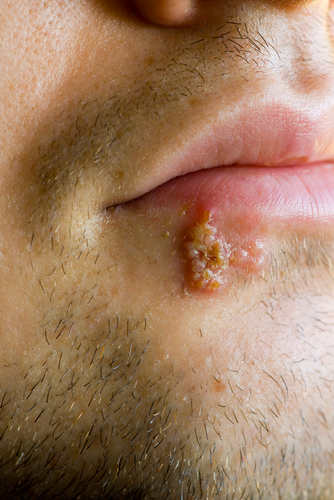
Close-up of a small cold sore on a person's lower lip

All about Cold Sores (Oral Herpes)

shutterstock_64505920A patient came in this morning with a cold sore on her lip and was asking about treatment options.  She was wondering if this might be a sexually transmitted infection.  He’s never had a cold sore before that she can remember, but her boyfriend has genital herpes. Cold sores are blisters that can be extremely painful.  They are usually near the lips or inside the mouth.  Herpes simplex virus is the cause of these blisters.  There are several types of herpes virus.  Type 1 usually causes cold sores while type 2 usually causes genital herpes that affects the penis or vaginal area.  A patient may have type 1 that occurs in the genital area or type 2 that affects the mouth but this is rare.  To answer this patient’s question about whether she could have got herpes on her lip from her boyfriend with genital herpes – the answer is “yes, it is possible.” What are cold sores and how do I know if I have them?  These are actually also called fever blisters and are painful sores that usually occur near the mouth or lips.  The first time a patient gets cold sores is usually when they are a young child.  They can occur on the lips, mouth, nose or throat and usually form a small blister that pops and then forms a scab.  They are usually very sore and can also be associated with body aches or fever. Sometimes people think they have a cold sore when instead they might have a canker  sore which is not caused from a virus.  The first time a patient has cold sores, the symptoms are usually more severe than when they get them in the future.  The initial attack can last 10-14 days and there are usually more ulcers than just one.  Patients complain of pain, burning, tingling or itching around their mouth sometimes even before the blister forms. A medical provider can usually diagnose a cold sore, but they are so common that once you’ve seen them or have had them in the past, you can usually recognize them yourself.  If you have questions about a sore around your mouth however it’s always a good idea to have it checked by a medical provider. How are cold sores spread?  The herpes virus that causes cold sores spreads easily from one person to the next usually by kissing or sharing a beverage container or eating utensil such as a spoon.  It can also be spread by people who have oral sex with someone who has genital herpes.   Once you have been infected with cold sores once, even after the sores go away the virus stays in your body in the nerve fibers under the skin.  More sores can come out any time and can be spread to other people.  Cold sores often re-occur when you become sick or your immune system is under stress. Do I need to see a medical provider if I get a cold sore?  If you have severe pain, increasing redness or swelling around the mouth, nose or lips or trouble swallowing you should probably be seen by a medical provider.  Sometimes cold sores can become secondarily infected with a bacteria and cause a cellulitis or abscess that needs to be treated with antibiotics.  If a sore around the mouth is not going away, it’s also important to have it checked out to make sure that it’s not a cancer or something unexpected. How do I get rid of cold sores?  The first time someone has cold sores the infection is usually worse and treatment is often recommended.  The virus can be treated with medication however there is no treatment to totally cure someone who has had cold sores or the herpes infection because the virus continues to exist in the nerve fingers under the skin even after the blisters go away.  If the sores come back after the initial infection, the symptoms are usually not as severe and usually go away within 8 days or less and there is usually less pain. People with mild symptoms of cold sores often do not require treatment.  Patients often ask for medications to help reduce the duration of the cold sores or to treat the pain that accompanies the blisters.  I usually recommend ibuprofen or naproxen for pain relief due to the blisters.  There are various over the counter treatments which are helpful to some patients with cold sores including various creams or gels such as Abreva.  Abreva works by stopping the virus from entering into your cells and blocking the virus’ ability to replicate.  Patients also often get relief by using Orajel which is a topical numbing medicine that relieves that pain but does not make the viral infection go away any faster. Oral prescription medication are sometimes prescribed for cold sores if they are severe.  Acyclovir, valacyclovir, and famciclovir are common oral antiviral medications that can be used for severe oral herpes infections.  Acyclovir seems to work the best for most people.  These antiviral therapies are usually most effective if started within the first 2-3 days of symptoms.  Some patients take chronic antiviral medications to prevent recurrent outbreaks of cold sores if:  recurrences are frequent or bothersome to the patient (ie. associated with frequent disfiguring lesions and pain) or for patients who have frequent serious systemic complications such as erythema multiforme, eczema herpeticum, or recurrent asceptic meningitis. How can I prevent getting cold sores?  As I mentioned above, if you get cold sores frequently or they are associated with serious other conditions your doctor may prescribe a medication to take every day or periodically to prevent infections.  If you already have cold sores, avoid excessive sunlight as this has been shown to trigger cold sores to return.  Decreasing stress, getting enough sleep and staying healthy are some common sense ways of hopefully reducing your chances of developing recurrence of cold sores.  When you have a cold sore, do not kiss anyone or share silverware, glasses or cups, lip balm or razors.  Avoid oral sex when cold sores are present.   I hope that you have found this information useful.  Wishing you the best of health,
Cold sores have not changed much since I wrote this. The drugs I write about now have, and the moving target at the moment is compounded semaglutide and tirzepatide.

Scott Rennie, D.O.
Board Certified in Obesity Medicine and Family Medicine

This blog is for educational purposes only and does not constitute individual medical advice. Always consult your own physician before making changes to your health, medications, or treatment plan.

Sleeping person under a patterned blanket beside a resting orange cat

Mononucleosis – The Kissing Disease

shutterstock_52284313Contrary to the name, this isn’t a type of disease that you actually want to catch.  It’s an infection that causes symptoms including fever, sore throat, enlarged lymph nodes (often in the neck), and fatigue.  It’s more common in young adults than younger kids to the elderly.  Most of the time, it’s not a serious illness but it can lead to being out of school or work for a significant amount of time due to extreme fatigue. Causes:  The infection is caused by Epstein-Barr Virus (EBV) and can be spread from one person to another by kissing, drinking from a glass of an infected person or sharing eating utensils.  Young children who are infected with EBV usually don’t develop symptoms like young adults. Symptoms:  The most common symptoms of mono can take 4-8 weeks after exposure to develop and may be: 1)   Sore throat 2)   Enlarged lymph nodes in the neck 3)   Fever greater than 100.4 degrees F (38 degrees C) 4)   Fatigue that can last for several months Complications:  The most worrisome problem that can occur after having mononucleosis is enlargement of the spleen.  Actually, it’s the increased chance of rupturing the spleen after accidentally falling on it during an activity or sports event that is the problem.  Normally the spleen is somewhat protected under the left rib cage and is not usually exposed.  It can become enlarged about 50% of the time after having mono, so we usually recommend avoiding sports activities or heavy lifting that might risk trauma to the spleen to those who have been diagnosed with mononucleosis. Diagnosis:  The diagnosis is usually suspected based a physical examination of the patient, however a blood test can be done to confirm the diagnosis. Treatment:  Since the infection is due to a virus, antibiotics are not useful to treat the illness.  The goal is to reduce the unpleasant symptoms and allow the immune system to heal the body. Return to work/school:  I usually recommend going back to work or school after you have not had a fever for 24 hours.  An enlarged spleen due to the infection can take a few weeks to return to normal.  During this time the patient should not participate in activities that risk rupturing the spleen such as playing contact sports, or anything that put you at risk for falling.   I hope that you have found this information useful.  Wishing you the best of health,
Scott Rennie, D.O.
Board Certified in Obesity Medicine and Family Medicine

This blog is for educational purposes only and does not constitute individual medical advice. Always consult your own physician before making changes to your health, medications, or treatment plan.

Healthcare professional examining a baby with a stethoscope

Whooping Cough Epidemic Spreads Across Washington State

shutterstock_163366394From:  Washington Department of Health Pertussis (whooping cough) spreads easily by coughing and sneezing. The number of reported whooping cough cases continue to rise in our state. On April 3, 2012, the Secretary of Health declared a statewide epidemic of pertussis.

Symptoms of pertussis vary depending on age.

Infants: Infants with pertussis may have trouble feeding and breathing and may turn bluish. Many infants are unable to even cough. The disease is most serious in infants, especially those not fully protected or too young to get the vaccine. Babies and young kids: Babies older than six months and kids with pertussis can have severe coughing spells that make it hard to eat, drink, breathe, or sleep. At this age, the cough is often followed by a “whooping” sound, which is how the disease got its common name. Kids may also vomit after a long coughing spell. Whooping cough can cause pneumonia, seizures, brain damage, and death. Babies with whooping cough are often hospitalized. Older kids and adults: With older kids and adults, the disease can be quite mild or can cause several weeks of exhausting coughing. Babies usually get whooping cough from caregivers or family members who don’t realize they have the disease, like older brothers and sisters, parents, and grandparents. Research shows that it’s most common for moms to pass on the disease to babies. How to protect infants and young kids: Anyone with a persistent cough, especially if it includes fits of coughing or causes vomiting, should seek medical care. There is a vaccine to prevent pertussis in older kids and adults called Tdap. All pre-teens, teens, and adults should get the vaccine, especially those in contact with babies. The vaccine can help stop the spread of the disease to babies. Anyone with a cough should avoid being around infants. Not all coughs are whooping cough, but without testing, it’s better to avoid the possible spread. If it’s not possible to avoid being around infants, cough into a tissue, then wash your hands thoroughly, or wear a surgical mask to prevent the spread of bacteria. Age Groups at Risk:  All Fact Sheets: 
Vaccine Information:
    • Kids should be immunized in the first 18 months of life with a four-shot series of the combination vaccine, DTaP. It includes diphtheria, tetanus, and pertussis. Kids who get all four doses before their fourth birthday should get a fifth dose before starting kindergarten or elementary school. The fifth dose isn’t necessary if the fourth dose was given on or after the fourth birthday. This combination vaccine is not given to people over age seven.
DT vaccine is available for kids under seven who can’t tolerate the pertussis (whooping cough) component. Ages 7-10: Tdap Vaccine
  • Kids aged 7-10 years who aren’t fully immunized against pertussis (such as, those who didn’t complete a series of pertussis-containing vaccine before their seventh birthday) should get a one-time dose of Tdap vaccine.
Ages 10 and up: Tdap or Td Vaccine
  • One dose of Tdap vaccine is recommended for adolescents aged 11 or 12 years in place of one Td booster. Kids at least 11 years old are required to show proof of Tdap vaccination. One dose of Tdap vaccine is also recommended for older adolescents aged 13-18 years and adults aged 19 through 64 years.
Vaccine Information Statements:  There is no separate Vaccine Information Statement for combination vaccines.
Related Information from the Department of Health:
Centers for Disease Control and Prevention: Sounds of Pertussis For the latest information on infectious disease, I recommend checking out the website for the Centers of Disease Control: http://www.cdc.gov/

Scott Rennie, D.O.
Board Certified in Obesity Medicine and Family Medicine

This blog is for educational purposes only and does not constitute individual medical advice. Always consult your own physician before making changes to your health, medications, or treatment plan.

Woman resting in bed and checking her temperature with tea and tissues nearby

Do I Have the Flu? Common Influenza Symptoms Explained

shutterstock_153866126I’ve seen quite a few patients this year who have tested positive for influenza.  Many people have questions about whether they should get the flu shot, or how to treat the infection. Influenza is also called the flu, and is highly contagious.  It occurs in both children and adults.  It is more common in the winter during “Flu Season” which is generally from about November through March but in 2012 we have seen many flu cases in April. Spread: Flu is spread from person to person by coughing, sneezing or touching things that an infected person has previously touched. More than 200,000 people are hospitalized each year in the United States due to influenza.  Serious illness is more likely in the very young and in older adults, pregnant women or individuals who have chronic medical problems. Symptoms:  These vary from person to person but some common characteristics are: 1)   Temperature higher than 100 degrees F 2)   Fatigue 3)   Cough and sore throat 4)   Headache and/or muscle aches The fever usually lasts from 2-5 days.  In most other respiratory infections that cause fever, the fever resolves within 24-48 hours.  Most people who get the flu feel worse than when they have a common cold although the symptoms can be similar.  Usually the fever and aches/chills are the symptoms that cause the most discomfort. Complications of flu:  Pneumonia is the most common complication.  This is a serious infection of the lungs as is more likely in people over age 65 or individuals who live in long term care facilities (nursing homes) or those with other illnesses such as diabetes or chronic lung or heart problems. Diagnosis:  We can usually diagnose the influenza in the office by a special Q-tip (swab) that it inserted into the nose and then tests for influenza virus. Treatment:  Influenza is a virus and the body is able to fight off the virus even without medications in the majority of cases.  The symptoms can be miserable however and many patients are given medications for fever, sore throat, cough or nausea.  Sometimes antiviral medications such as Tamiflu, Relenza, Flumadine or Amantadine can be effective, but this medicine is not very helpful if the symptoms have been present for more than 48 hours.  Antibiotics are not useful for treating influenza because they only work against bacteria. H1N1 (Swine flu):  A new strain of H1N1 influenza that contains parts of swine, avian and human influenza viruses was first noted in humans in March of 2009 in Mexico.  There were human infections noted around the world until August 2010 and the symptoms of the Swine H1N1 flu virus and treatment for it were generally similar to those of seasonal flu. Avian (Bird flu):  A strain of influenza virus that originally infected birds such as chickens, ducks and geese has spread to humans and caused several deaths to date, mostly in Asia.  Avian flu has mostly been spread from bird-to-bird and much less from bird-to-human.  Human-to-Human transmission of the bird flu has only rarely occurred.  Most people who have been infected with bird flu have had direct contact with sick or dead birds or recently visited a live poultry market.  No human cases of avian influenza have been found in the US or anywhere else in North America to date. A great resource for more information on influenza, and about up to date flu activity and surveillance is the Centers for Disease Control: http://www.cdc.gov/flu/index.htm   I hope that you have found this information useful.  Wishing you the best of health,

Scott Rennie, D.O.
Board Certified in Obesity Medicine and Family Medicine

This blog is for educational purposes only and does not constitute individual medical advice. Always consult your own physician before making changes to your health, medications, or treatment plan.

Misty forest trail winding among towering evergreen trees and ferns

Deadly Airborne Fungus Reaches the Pacific Northwest

    by WAYNE HAVRELLY / KGW – King 5 News Posted on April 23, 2010 at 9:12 AM Updated Friday, Apr 23 at 7:32 PM
Health care professionals in Oregon and Washington are being asked to watch out for a deadly new strain of airborne fungus. This new type of fungus is infecting otherwise healthy people. Typically, fungal diseases strike people with weak immune systems, but this strain is different.
Researchers at Duke University are analyzing 21 recent cases of the disease and they all broke out right here in the Northwest. The fungus is called Cryptococcus gattii and these recent cases are a new more deadly strain. Out of the 21 cases, 6 of the patients died. “It can simulate some other common type of pneumonia’s,” said Providence Portland MD John Heffner. “Instead of anti-biotics you need to treat this with anti-fungal therapy that we usually never use for pneumonia.” The fungus can be treated, but not prevented. Right now there is no vaccine. Symptoms of the fungal disease include a chronic cough, sharp chest pain, shortness of breath, headache, fever and weight loss. Scientists say the disease has also struck dozens of dogs and cats in Oregon and Washington. Cryptococcus gattii has also been spotted in bottle nose dolphins off the coast of California. “The animals are at risk for getting it, but it comes somewhere from the environment and we haven’t been able to chase down where it comes from,” said Dr. Heffner. It doesn’t appear to be very infectious from animals to humans. Public health officials are on watch. Researchers say overall it’s still a low threat, however as the number of cases increase, so will the interest.

Scott Rennie, D.O.
Board Certified in Obesity Medicine and Family Medicine

This blog is for educational purposes only and does not constitute individual medical advice. Always consult your own physician before making changes to your health, medications, or treatment plan.

Mother examines a rash on a child’s abdomen while seated indoors

The Viral Rash – Exanthem

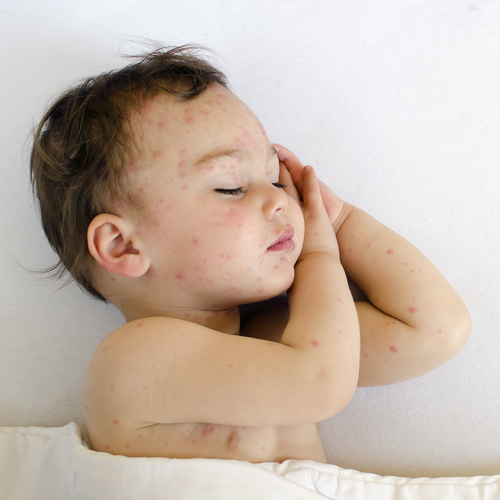
shutterstock_137048072A rash caused from a virus that is widespread and usually occurring in children is called a exanthem.  The first four listed below are the “classic” childhood viral rashes, but we recognize others that can also cause virus, some of those are also listed below (see 5-7): 1)   Rubeola is also known as the measles and is caused from the measles virus and produces reddish macules and papules behind the ears and at the anterior hairline, coalescing and spreading over the neck and trunk and finally affecting the arms/hands and legs/feet. 2)   Rubella is also known as German measles and is caused by the togavirus.  The eruption presents with pink-red macules and papules on the face and spreads down the body over 24 hours.  The rash begins to fade after 1-2 days in the order of appearance and disappears completely in 2-3 days. 3)   Erythema infectiosum is caused by parvovirus B19 and has confluent reddish and swollen patches on the cheeks, with sparing of the bridge of the nose and areas around the eyes.  These so-called slapped cheeks fade over 1-4 days.  The rash may spread to the trunk, arms and legs and may change to look like a lacy reticular pattern.  This rash may be itchy. 4)   Roseola infantum is caused by HHV-6 and HHV-7 and has non-itchy, rose-pink 2-3mm discrete macules and papules that blanch on pressure and are surrounded by white halos.  The eruption is usually first seen on the trunk and then spreads to the arms and legs. 5)   Chicken pox or shingles is caused by the Varicella zoster virus 6)   Mumps is caused by the mumps virus 7)   Rhinovirus which also causes the common cold can cause rash 8)   Hand-foot-mouth disease caused by Coxsackie virus can cause painful ulcers in the mouth, and the rash in the mouth begins as 2-8mm reddish macules and papules that progress through a short vesicular stage to form a yellow-grey ulcer with a reddish halo. Oral lesions usually resolve in 5-7 days.  The skin rash is characterized by 2-3mm reddish macules or papules with a central gray vesicle that usually appear shortly after oral lesions.  The hands are more commonly involved than the feet. Immunizations have decreased the numbers of measles, mumps and rubella but we still see these infections in the medical clinic. Description:  Usually pink or red rash without a typical pattern. It may have red spots that are slightly raised.  It usually isn’t very itchy. They may be faint pink or more extensive, and usually blanches (goes white) with pressure.  If you place a drinking glass against the rash, you may see it disappear through the glass. Some other symptoms that may be present along with a viral rash include low-grade fever, headache, sore throat, malaise, nausea, diarrhea or joint pain. Treatment:  There is no treatment for a viral rash.  The rash will disappear as the body recovers from the infection. When to get medical help: 1)   The rash does not blanch with pressure 2)   The rash is extremely itchy 3)   The patient is very sick or you are concerned about a serious illness   I hope that you have found this information useful.  Wishing you the best of health,
Related Reading

Measles is the one on this list that stopped being historical. If that is what brought you here, start with the current post rather than this one.
Measles Is Back: What Clinicians Need To Watch For When to Use Telemedicine vs. Urgent Care: How I Spot the Sick One Scott Rennie, D.O.

Board Certified in Obesity Medicine and Family Medicine

This blog is for educational purposes only and does not constitute individual medical advice. Always consult your own physician before making changes to your health, medications, or treatment plan.

Staphylococcus aureus culture plate with antibiotic discs and inhibition zones

Antibiotic Resistance Could End Modern Medicine, WHO Warns

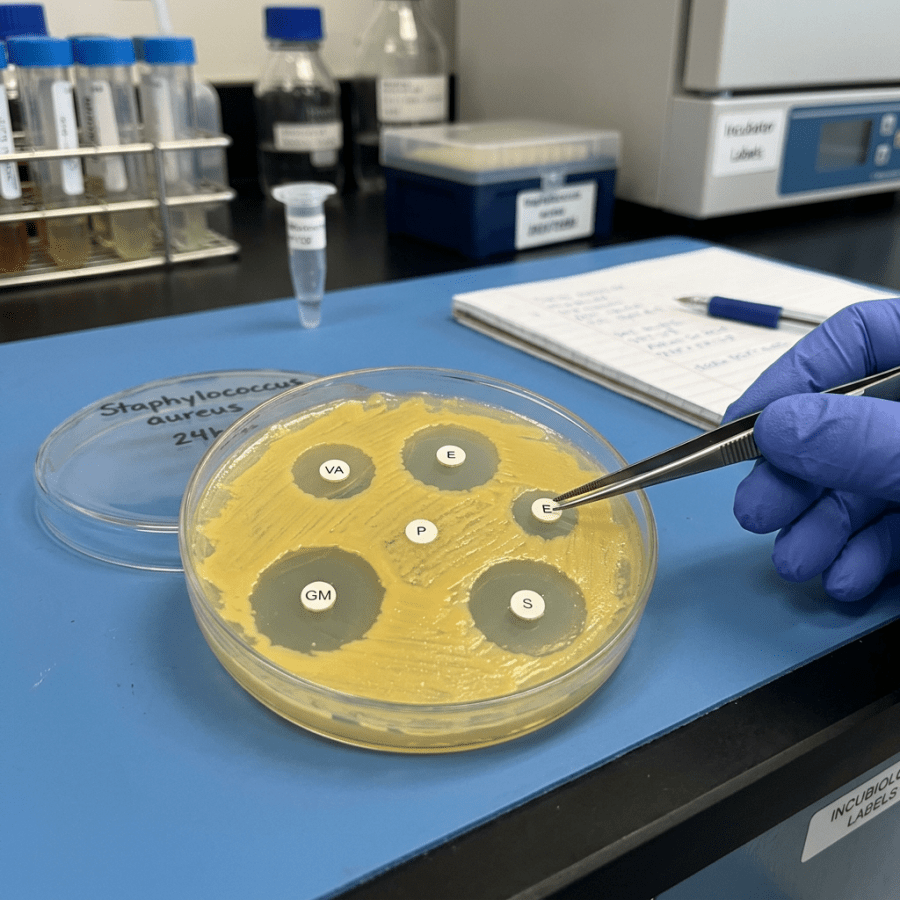
The world is entering an antibiotic crisis which could make routine operations impossible and a scratched knee potentially fatal, the head of the World Health Organisation has claimed.

shutterstock_120021052
Bacteria carried by humans are becoming increasingly resistant to antibiotics Photo: JOHN TAYLOR
By Hannah Furness From:  The Telegraph
7:00AM GMT 16 Mar 2012
Margaret Chan, director general of the WHO, warned that bacteria were starting to become so resistant to common antibiotics that it could bring about “the end of modern medicine as we know it.”
As a result, she claimed, every antibiotic ever developed is at risk of becoming useless, making once-routine operations impossible.
This would include many of the breakthrough drugs developed to treat tuberculosis, malaria, bacterial infections and HIV/AIDS, as well as simple treatments for cuts.
Speaking to a conference of infectious disease experts in Copenhagen, Dr Chan said we could be entering into a “post-antibiotic era”. Replacement medicines could become more expensive, with longer periods of treatment required to bring about the same effect, she added. Dr Chan said: “Things as common as strep throat or a child’s scratched knee could once again kill. “Antimicrobial resistance is on the rise in Europe and elsewhere in the world. We are losing our first-line antimicrobials. “Replacement treatments are more costly, more toxic, need much longer durations of treatment, and may require treatment in intensive care units. “For patients infected with some drug-resistant pathogens, mortality has been shown to increase by around 50 per cent. “A post-antibiotic era means, in effect, an end to modern medicine as we know it.” The stark warning comes shortly after the World Health Organisation published a new book warning of the “global crisis”, entitled “The evolving threat of antimicrobial resistance.” It reads: “Bacteria which cause disease react to the antibiotics used as treatment by becoming resistant to them, sooner or later. “A crisis has been building up over the decades, so that today many common and life-threatening infections are becoming difficult or even impossible to treat, sometimes turning a common infection into a life-threatening one.” The paper blamed the current situation largely on the misuse of antibiotics, which are not prescribed properly and used too frequently and for too long. It added that an “inexorable increase in antimicrobial-resistant infections, a dearth of new antibiotics in the pipeline and little incentive for industry to invest in research and development” had led to a need for innovation”. The WHO has now appealed to governments across the world to support research into the antimicrobial resistance.

Scott Rennie, D.O.
Board Certified in Obesity Medicine and Family Medicine

This blog is for educational purposes only and does not constitute individual medical advice. Always consult your own physician before making changes to your health, medications, or treatment plan.

Clustered fluid-filled blisters on reddened skin of the torso

Shingles – “You mean I have Herpes?”

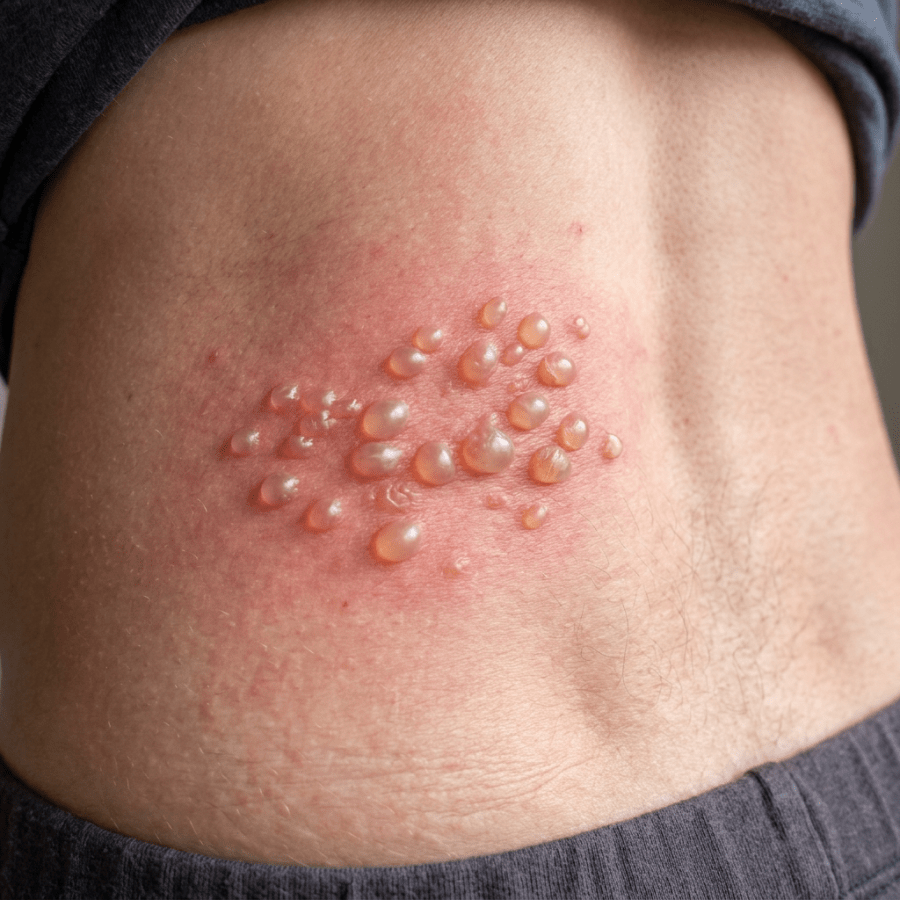
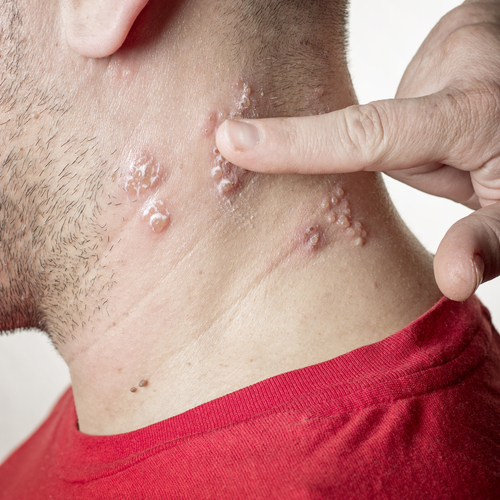
shutterstock_134601161Shingles, also called Herpes zoster is a painful rash caused by the same virus that causes chickenpox.  The term “shingles” comes from the latin word “cingulum” which means belt or girdle; the rash usually appears in a band or belt-like pattern. Singles can occur in people of all ages, but is more common in adults over age 50.  It can also be more common in those people with a weakened immune system. Cause:  After chickenpox goes away, the virus retreats to cells in the nervous system and hides out there quietly for many years.  Later in life, the varicella zoster virus can become active again and cause shingles.  There are many different types of herpes virus and shingles/chickenpox are a different form of herpes than the type that cause cold sores or genital herpes.   You are not at risk for getting cold sores or genital herpes by being around someone who has shingles or chickenpox. Risk of getting shingles:  About 20% of people will get shingles at some point in their life.  Some people actually get the recurrence of shingles multiple times.  Although it only occurs in people who have had chicken pox in the past, sometimes the chickenpox is mild enough that you might not even be aware that you have had it. Weakened immune system:  Certain people are more at risk for developing shingles if their immune system is compromised: 1)   Chemotherapy treatment for cancer 2)   Cancer itself can lower the immune system 3)   HIV 4)   Medications that suppress the immune system – such as after an organ transplantation or medications used to treat rheumatoid arthritis Symptoms:  Parasthesias are unusual sensations that may occur before any rash is noted.  It’s described as a tingling, itching or burning in the area of skin on one side of the body.  Some individuals develop a fever or headache, but many do not.  Within a day or two a rash of blisters occur on one side of the body in a band-like pattern.  The rash may occur on the chest, upper or lower back or even on the face.  If it occurs on the face near the eye, it can permanently affect the vision, so we will often have those patients be seen by an eye doctor. Shingles pain can be mild, moderate or severe and is usually described as a stabbing or burning pain.  The pain usually stays in the area of the rash and can interfere with sleep and daily activities.  Older adults typically have worse pain than younger patients. After 3-4 days the blisters usually become open sores or ulcers.  Rarely, the patient can develop a secondary bacterial infection in the area of the shingles rash.  We treat any underlying bacterial infection with antibiotics.  The sores then crust over and are not infectious after 7-10 days and the rash gradually resolves within 3-4 weeks.  Scarring or skin changes can occur.  Most of the time, no chronic problems occur after someone has a shingles outbreak. Can I catch it from someone else?   You can’t catch shingles from someone else but you can become infected with the varicella zoster virus.  If you’ve never had chickenpox or the vaccine, you can develop it after being in contact with someone who has shingles.  Even inhaling virus particles that are in the air can spread the infection.  If you have had chickenpox or the vaccine, being near someone with shingles will not cause shingles or chickenpox. Possible complications of shingles:  Possible complications of a shingles infection can occur: 1)   Pain called postherpetic neuralgia is the most common complication.  Is is usually described as a burning pain that affects 10-15% of patients after the rash has resolved. 2)   Skin infection from a bacteria can delay healing 3)   Eye complications can occur if the virus is on the face near the eyes Treatment:  There are multiple medications that can be used to treat shingles.  We try to keep the skin clean and dry to decrease the chance of developing a bacterial infection.  Some options might include: 1)   Antivirals such as acyclovir, famciclovir or valacyclovir are most effective when started within 3 days after the rash appears.  They stop the virus from multiplying and speed the healing of skin lesions.  This decreases the amount of pain the patient experiences 2)   Pain medication such as Ibuprofen, Aleve or prescription pain medication may be prescribed Return to work:  If the blisters are on the face, it is best to remain off work until the area has crusted over which is usually 7-10 days.  If the blisters can be covered, you can return to work after you are feeling well.  If you work in a healthcare facility, please consult your healthcare provider. Prevention:  There is a vaccine to help reduce the risk of shingles.  If a shingles infection occurs after the vaccine, it is usually less severe and there is less chances of developing post-herpetic neuralgia.  We recommend the vaccine for adults over age 60.  Even if you are unsure if you had chickenpox, we recommend the vaccine.  We don’t give the vaccine to pregnant women, or those with a weakened immune system.   I hope that you have found this information useful.  Wishing you the best of health,
When the pain outlasts the rash, gabapentin is one of the first drugs offered for postherpetic neuralgia, so it is worth reading where the gabapentin and dementia risk question stands before you start it.

Updated for 2026: The Vaccine in This Post No Longer Exists

That is not an exaggeration. When I wrote this in 2012, the shingles vaccine was Zostavax, a single live vaccine for adults sixty and over. Zostavax was discontinued in the United States on November 18, 2020 (1). You cannot get it. If this post sent you looking for it, that is on me, and here is what replaced it. Shingrix is now the only zoster vaccine available here. It is not live, it is given as two doses two to six months apart, and it is recommended for immunocompetent adults fifty and older (2). Two things people get wrong about it. You still need it if you have already had shingles. Having had it once does not protect you, and plenty of people get it twice. You also still need it if you had Zostavax years ago. Shingrix is recommended regardless (2).

If Your Immune System Is Suppressed

This is the group that had nothing in 2012, and it is the change that matters most. Because Zostavax was a live vaccine, immunocompromised patients could not have it, and they are precisely the people at highest risk. Shingrix is not live. In October 2021 the recommendation was extended to immunocompromised adults nineteen and older (2). The protection is real, though lower than in healthy adults, and it varies by situation. In people who had received their own stem cell transplant it was 68.2 percent. In people with blood cancers, 87.2 percent. In people on immunosuppressants for immune mediated disease, 90.5 percent (2). If you are on a biologic, on chemotherapy, or post transplant and nobody has raised this with you, raise it yourself. The interval can be shortened to one to two months if you need protection sooner. One technical point worth knowing: if the second dose lands less than four weeks after the first it does not count and has to be repeated. If more than six months go by, you do not start over, you just get the second dose (2).

Treatment, and the Seventy Two Hour Window

This part has not changed and it is still the thing that decides how your next few months go. Acyclovir 800 milligrams five times daily, valacyclovir 1,000 milligrams three times daily, or famciclovir 500 milligrams three times daily, all for seven days, and started within seventy two hours of the rash appearing (3). Seventy two hours. That is the whole game. Antivirals started inside that window shorten the illness and reduce the chance of the nerve pain that follows. Started late, they do much less. This is one of the better arguments for a same day video visit. You do not need anyone to touch you to start this, you need somebody to look at the rash quickly and act.

The Pain That Comes After

Postherpetic neuralgia is the reason shingles has a reputation. For what actually helps, the numbers are worth seeing side by side, expressed as how many people need treating for one to benefit. Tricyclics like nortriptyline do best on paper, around three, though roughly a quarter of people stop them over side effects. Pregabalin up to 600 milligrams a day comes in around four. Gabapentin, at a genuinely therapeutic 1,800 to 3,600 milligrams a day, around eight. The clinician applied capsaicin 8 percent patch, around seven. The lidocaine 5 percent patch has a very good safety profile and thinner evidence behind it (3). The gabapentin number is the one I would flag. It works, but only if it is pushed to a real dose. A great deal of gabapentin gets prescribed at 300 milligrams at bedtime, never titrated, and then written off as ineffective. That is an under dosing problem, not a drug problem.

When This Needs More Than a Video Visit

Shingles on the forehead, around the eye, or on the tip of the nose. That last one, the Hutchinson sign, predicts eye involvement, and this needs an ophthalmologist the same day, not tomorrow. A rash crossing more than about three dermatomes or scattered widely, especially if your immune system is suppressed, because that can mean the virus has spread internally. Facial droop, hearing change, or vertigo with a rash in or around the ear, which suggests Ramsay Hunt syndrome. Confusion, a stiff neck, or any neurologic change.

The Bottom Line

If you are fifty or over, or nineteen and over with a suppressed immune system, get Shingrix, two doses, even if you have had shingles before and even if you had the old vaccine. If a rash starts, be seen within seventy two hours. And if you end up on gabapentin for the nerve pain afterward, make sure somebody actually titrates it.

Sources

1. CDC. Zostavax discontinued in the United States as of November 18, 2020. https://archive.cdc.gov/www_cdc_gov/vaccines/vpd/shingles/public/zostavax/index.html 2. Anderson TC, et al. Use of Recombinant Zoster Vaccine in Immunocompromised Adults Aged 19 Years and Older: ACIP Recommendations, United States, 2022. MMWR. 2022;71(3):80-84. https://pmc.ncbi.nlm.nih.gov/articles/PMC8774159/ 3. Herpes Zoster and Postherpetic Neuralgia: Prevention and Management. American Family Physician. November 15, 2017. https://www.aafp.org/pubs/afp/issues/2017/1115/p656.html

Related Reading

When to Use Telemedicine vs. Urgent Care: How I Spot the Sick One Am I Truly Allergic to Penicillin? Scott Rennie, D.O.

Board Certified in Obesity Medicine and Family Medicine

This blog is for educational purposes only and does not constitute individual medical advice. Always consult your own physician before making changes to your health, medications, or treatment plan.