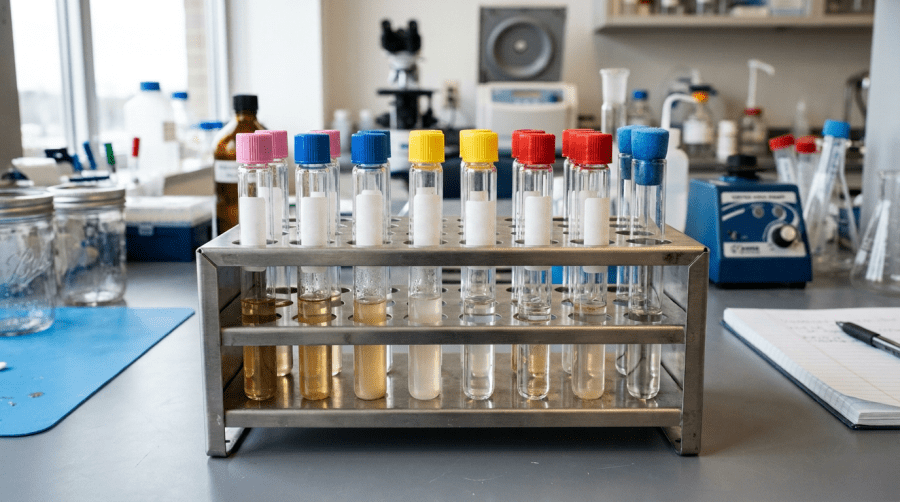
Clear glass culture tubes in a stainless steel rack on a laboratory bench

Tuberculosis: A Growing Problem in the Seattle Area

shutterstock_129521510

Tuberculosis, or TB, is caused by the bacterium Mycobacterium tuberculosis. It remains a major public health problem worldwide and still shows up here in the Seattle area. I recently spoke with an infectious disease colleague who noted more documented cases on the eastside. TB most often attacks the lungs, but it can also spread to the brain, bones, or kidneys. Because so many people travel or move here from countries where TB is more common, we continue to see cases in our local community.

One of the challenges with TB is that it exists in two forms. Latent TB means the person is infected but has no symptoms. You only find it with a skin test or a blood test. Active TB, on the other hand, makes people sick. Symptoms can include fever, night sweats, a persistent cough that sometimes brings up blood, chest pain, weight loss, and fatigue. On a chest x-ray, we often see abnormalities in the upper part of the lungs, especially in the lymph nodes.

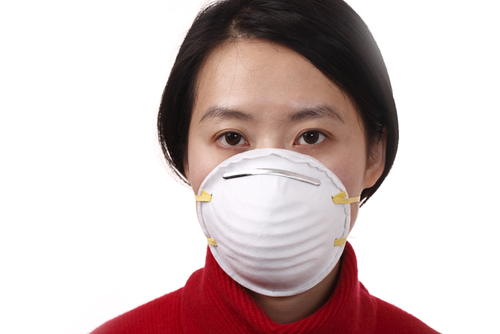
The disease spreads when someone with active TB coughs and another person inhales the airborne particles. That is why TB transmission in healthcare settings is such a concern. Doctors, nurses, and patients who share space with someone infected can be exposed. To reduce the spread, hospitals use protective masks, isolation rooms, and yearly testing of healthcare workers.

Treating TB depends on whether it is latent or active. With latent TB, the goal is to kill the bacteria before it has a chance to become active. This usually involves months of medication. Isoniazid is the most common, sometimes taken for six to nine months. Rifampin and rifapentine are other options, often used in shorter regimens. These medicines can stress the liver, so patients on therapy need regular monitoring for problems such as jaundice, nausea, or abdominal pain.

If the infection is active, treatment is more aggressive. Patients often start on four antibiotics while waiting for culture results. Those cultures, taken from sputum samples, can take up to two months to confirm the diagnosis. Using multiple drugs at once helps prevent the bacteria from becoming resistant. Multi-drug resistant TB, or MDR-TB, is already a serious global issue. Some strains no longer respond to the standard medications like isoniazid or rifampin, which makes treatment more complicated.

Public health reporting is central to TB control. Anyone diagnosed with active TB must be reported to the health department. They work closely with the patient and the medical team to track treatment and prevent spread. In many cases, directly observed therapy is used, where a nurse watches the patient take each dose. This ensures the full course is completed, since partial treatment can fuel resistance.

I’ve seen how confusing TB can be for patients. A person exposed to someone with active TB may test positive on a skin or blood test but feel completely fine. In that case, they have latent TB. They aren’t contagious, but they do carry the bacteria. About five to ten percent of these people will go on to develop active disease, especially in the first two years after infection or if their immune system becomes weakened by something like HIV, diabetes, chemotherapy, or long-term steroid use. This process is called reactivation.

There is a vaccine, BCG, which is given in many countries where TB is widespread. In the United States, it is not used because it provides little protection beyond early childhood. That leaves testing and treatment as the main tools for prevention here. The PPD skin test is the most widely used. It involves placing a small amount of inactive TB protein under the skin of the forearm. If someone has been infected, the area becomes red and swollen after 48 to 72 hours. Blood tests are also available in some areas. They are more expensive, but they don’t require a second visit to read the result and may be more accurate.

TB remains one of the leading infectious killers worldwide. Identifying people who carry the infection before it becomes active is one of the most effective ways to protect communities.

Scott Rennie, D.O.
Board Certified in Obesity Medicine and Family Medicine

This blog is for educational purposes only and does not constitute individual medical advice. Always consult your own physician before making changes to your health, medications, or treatment plan.

References:

  • Centers for Disease Control and Prevention. “Treatment of Latent Tuberculosis Infection.” CDC, 2011. http://www.cdc.gov/tb/topic/treatment/ltbi.htm

  • World Health Organization. “Global Tuberculosis Control.” WHO Report, 2010.

  • American Thoracic Society, CDC, and Infectious Diseases Society of America. “Treatment of Tuberculosis.” Am J Respir Crit Care Med, 2003.

Microscopic glowing microbes of various shapes and colors against a dark background

Antibiotic Superbugs CRKP and MRSA: Who Is at Risk?

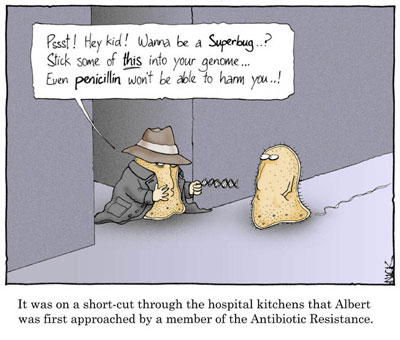
By Lisa Collier Cool Apr 07, 2011 Misuse of antibiotics has led to a global health threat: the rise of dangerous—or even fatal—superbugs. Methicillin-resistant Staphylococcus aureus (MRSA) is now attacking both patients in hospitals and also in the community and a deadly new multi-drug resistant bacteria called carbapenem-resistant Klebsiella pneumoniae, or CRKP is now in the headlines. Last year, antibiotic resistant infections killed 25,000 people in Europe, the Guardian reports. Unless steps are taken to address this crisis, the cures doctors have counted on to battle bacteria will soon be useless. CRKP has now been reported in 36 US states—and health officials suspect that it may also be triggering infections in the other 14 states where reporting isn’t required. High rates have been found in long-term care facilities in Los Angeles County, where the superbug was previously believed to be rare, according to a study presented earlier this month. CRKP is even scarier than MRSA because the new superbug is resistant to almost all antibiotics, while a few types of antibiotics still work on MRSA. Who’s at risk for superbugs—and what can you do to protect yourself and family members? Here’s a guide to these dangerous bacteria. Understanding different types of bacteria. What is antibiotic resistance? Almost every type of bacteria has evolved and mutated to become less and less responsive to common antibiotics, largely due to overuse of these medications. Because superbugs are resistant to these drugs, they can quickly spread in hospitals and the community, causing infections that are hard or even impossible to cure. Doctors are forced to turn to more expensive and sometimes more toxic drugs of last resort. The problem is that every time antibiotics are used, some bacteria survive, giving rise to dangerous new strains like MRSA and CRKP, the CDC reports. What are CRKP and MRSA? Klebseiella is a common type of gram-negative bacteria that are found in our intestines (where the bugs don’t cause disease). The CRKP strain is resistant to almost all antibiotics, including carbapenems, the so-called “antibiotics of last resort.” MRSA (methacillin-resistant staphylococcus aureus) is a type of bacteria that live on the skin and can burrow deep into the body if someone has cuts or wounds, including those from surgery. Who is at risk? CRKP and MRSA infects patients, usually the elderly—who are already ill and living in long-term healthcare facilities, such as nursing homes. People who are on ventilators, require IVs, or have undergone prolonged treatment with certain antibiotics face the greatest threat of CRKP infection. Healthy people are at very low risk for CRKP. There are 2 types of MRSA, a form that affects hospital patients, with similar risk factors to CRKP, and another even more frightening strain found in communities, attacking people of all ages who have not been in medical facilities, including athletes, weekend warriors who use locker rooms, kids in daycare centers, soldiers, and people who get tattoos. Nearly 500,000 people a year are hospitalized with MRSA. Keeping hospital patients safe. How likely is it to be fatal? In earlier outbreaks, 35 percent of CRKP-infected patients died, Journal of the American Medical Association (JAMA) reported in 2008. The death rate among those affected by the current outbreak isn’t yet known. About 19,000 deaths a year are linked to MRSA in the US and rates of the disease has rise 10-fold, with most infections found in the community. How does it spread? Both MRSA and CRKP are mainly transmitted by person-to-person contact, such as the infected hands of a healthcare provider. They can enter the lungs through a ventilator, causing pneumonia, the bloodstream through an IV catheter, causing bloodstream infection (sepsis), or the urinary tract through a catheter, causing a urinary tract infection. Both can also cause surgical wounds to become infected. MRSA can also be spread in contact with infected items, such as sharing razors, clothing, and sports equipment. These superbugs are not spread through the air. What are the symptoms? Since CRKP presents itself as a variety of illnesses, most commonly pneumonia, meningitis, urinary tract infections, wound (or surgical site) infections and blood infections, symptoms reflect those illnesses, most often pneumonia. MRSA typically causes boils and abscesses that resemble infected bug bites, but can also present as pneumonia or flu-like symptoms. How are superbugs related? The only drug that still works against the CRKP is colistin, a toxic antibiotic that can damage the kidneys. Several drugs, such as vancomycin, may still work against MRSA. What’s the best protection against superbugs? Healthcare providers are prescribing fewer antibiotics, to help prevent CRKP, MRSA and other superbugs from developing resistance to even more antibiotics. The best way to stop bacteria from spreading is simple hygiene. If someone you know is in a nursing home or hospital, make sure doctors and staff wash their hands in front of you. Also wash your own hands frequently, with soap and water or an alcohol-based hand sanitizer, avoid sharing personal items, and shower after using gym equipment. The CDC has reports on Klebsiella bacteria and MRSA, discussing how to prevent their spread and has just issued a new report on preventing bloodstream infections.

Scott Rennie, D.O.
Board Certified in Obesity Medicine and Family Medicine

This blog is for educational purposes only and does not constitute individual medical advice. Always consult your own physician before making changes to your health, medications, or treatment plan.

COVID-19 vaccine vial labeled sterile suspension next to a shield emblem on a wooden table in a lab

King County Flu Update: Influenza Activity in Feb 2011

It’s still recommended that healthcare providers continue to actively recommend influenza vaccination for everyone six months of age and older.

Public Health Seattle & King County reported in February 2011 that flu was still circulating in the area during week 5, though at lower levels than what we typically see during peak seasons. Looking back, in three of seven influenza seasons since 2002, flu activity didn’t peak until March or even later. The exception, of course, was the 2009 H1N1 outbreak, which followed a very different pattern.

On the national level, the CDC found that the current trivalent vaccine was well-matched to the strains circulating at that time. That match between vaccine and circulating virus is one of the key factors in how much protection we see across the community.

Seasonal flu patterns can be unpredictable. Some years activity drops early, while other years it lingers into spring. The important takeaway is that flu vaccination still matters late in the season. Patients often ask if it’s worth getting the shot in February or March. The data suggest that it is, especially since later peaks are not unusual.

For more information and regular updates, you can check local and national resources:

Scott Rennie, D.O.
Board Certified in Obesity Medicine and Family Medicine

This blog is for educational purposes only and does not constitute individual medical advice. Always consult your own physician before making changes to your health, medications, or treatment plan.

Tissues, tea mug, thermometer on cozy blanket

Cold vs Flu vs H1N1 Swine Flu: How to Tell Them Apart

By , About.com Guide

Updated November 16, 2009

The symptoms of the common cold, seasonal flu and H1N1 swine flu can all be very similar and make may it difficult to know which one you have. We have broken down the most common symptoms of these three viruses so you can easily see the differences and similarities between them. You should also be aware that if you have any of these viruses – the common cold, seasonal flu or H1N1 swine flu – for several days, you get better for a day or two and then suddenly get very sick again, you should see your health care provider because this could be a sign that you have developed complications or a secondary infection. Sources: “Questions and Answers: H1N1 Flu (“Swine Flu”) and You.” H1N1 Flu 03 Nov 09. Centers for Disease Control and Prevention. 04 Nov 09. “Flu Symptoms and Severity.” Seasonal Influenza (Flu) 08 Sep 09. Centers for Disease Control and Prevention. 04 Nov 09.
Comparing the Cold, Seasonal Flu and H1N1 Swine Flu
Symptom Common Cold Seasonal Flu H1N1 Swine Flu
Runny/Stuffy Nose Very common Occasional Occasional
Cough Moist and productive Dry cough (may also be productive) Dry cough (may also be productive) A change from a dry cough to a more productive one could be a sign of a secondary infection.
Itchy/Watery Eyes Common Uncommon Uncommon
Fever Uncommon but may occur occasionally in children Very common Common, but less so than with seasonal flu
Exhaustion/Fatigue Mild tiredness may occur Very common Very common
Headache Common – usually due to sinus pressure Common Common
Sore Throat Common, but typically mild Uncommon Very common
Body Aches Minor Severe Severe
Vomiting/Diarrhea These are not symptoms of the common cold Uncommon, but may occur occasionally in children About 10% of people with H1N1 swine flu experience vomiting and diarrhea
Onset of Symptoms Gradual Sudden Sudden

Scott Rennie, D.O.
Board Certified in Obesity Medicine and Family Medicine

This blog is for educational purposes only and does not constitute individual medical advice. Always consult your own physician before making changes to your health, medications, or treatment plan.

Globe with small virus icons scattered

Seasonal and H1N1 Swine Flu: A 2011 Update and Overview

By , About.com Guide

Updated February 05, 2011

If you’re feeling like you have the worst cold you ever had, or worse, like you’ve been hit by a truck, then you may have the flu.

Seasonal Flu 2010 – 2011

The CDC expects 2011 to be an average flu year, although it’s getting a foothold in the United States later than in recent years. According to the CDC, flu seasons are generally unpredictable, although epidemics happen every year. An average of 200,000 Americans are hospitalized due to seasonal flu annually. Between 1976 and 2006, the fewest Americans who died from the flu was 3,000 in one year. The most deaths from flu in that same time period were 49,000 in one year. Most of those who died were either infants, elderly, or people who had compromised immune systems due to another medical problem. Flu symptoms are upper respiratory in nature: cough, sore throat, runny or stuffy nose, muscle or body aches, headaches, and fatigue. Some flu patients will run a fever, and some may get diarrhea. Note that these symptoms are not gastrointestinal. “Stomach flu” is very different — in fact, it’s not really influenza at all. (Learn about the difference between flu and “stomach flu”.) If you are interested in following the advent of flu across the United States, the CDC provides a flu mapthat is updated once a week. The CDC also maintains a Global Flu Activity Report, which it updates weekly, too. Google provides a global flu trends map, which shows the spread of flu based on the location of the people who use Google to search for flu information — like you might have done to find this article.

Swine / H1N1 Pandemic Flu 2011

In 2009, the talk and fear of seasonal flu was eclipsed in a big way by the fear instilled when H1N1, earlier known as “swine flu,” began reaching across the globe, eventually killing almost 14,000 people. Described as pandemic by the World Health Organization, H1N1 eventually seemed to fade away by early 2010. By August 2010, the WHO declared H1N1 swine flu was “post-pandemic“, the last phase of any pandemic. However, H1N1 flu is still making people sick, even killing some patients in random areas of the world, and is expected to do so for years to come. According to the World Health Organizationand various news reports, cases of H1N1 were reported as late as December 2010 and January 2011 in England, Ireland, Germany, Sri Lanka, Korea, New Zealand and India.

The 2011 Flu Vaccine

Because new virus strains constantly evolve, and are therefore different from previous strains, we are not immune to the new strains. Once we are exposed to those new strains, our lack of immunity may mean we get that flu. In order to gain immunity, then, we must get flu vaccinations, and we must get them more than two weeks before we are exposed to the flu. As long as the vaccine was developed accurately (meaning, the flu experts accurately predicted what flu strains might make the rounds and built the new vaccine accordingly), we will likely escape getting the flu. The flu vaccine developed for the 2011 flu season seems to have been accurate, thereby rendering the vaccine very effective toward warding off the 2010-2011 flu viruses in those who have been vaccinated. Included in the 2010-2011 flu vaccine is protection from H1N1 swine flu. The CDC recommends that even if you were vaccinated against H1N1 in 2009 or 2010, you should still plan to get the most current flu vaccination because you’ll need the protection from the newer identified virus strains.

How Should You Protect Yourself from Flu?

There are several steps you can take to prevent flu from making you sick. The most effective way to prevent flu is to get the latest flu vaccine. The recommendations for those who should receive flu vaccinations changed in 2010 and now include anyone who is 6 months of age or older. This creates “herd immunity,” which is about protecting other, at-risk people around us. There are some people who should not get the vaccine; the CDC publishes guidelines for determining whether you should be vaccinated, and whether you are a candidate for the inhaled version of the vaccine, called FluMist. Check with your doctor to make an appointment to get the flu vaccine, or use this flu vaccine finder to find a source for the flu shot in your community. Whether or not you get a flu shot (or get the inhaled version of the vaccine), you should keep your hands washed (to rid them of flu virus you may have picked up by touching something), avoid contact with others who are sick, and take the usual healthy steps of eating right and getting enough sleep, in order to keep your immunity at its strongest.

What Should You Do If You Get the Flu?

If you are otherwise healthy and you begin to feel the symptoms of flu (see above), then contact your doctor’s office and ask whether you should make an appointment. Most patients do not need to be seen by a doctor, even if they are sure they have the flu. You’ll need to stay home from work or school, and take care of yourself by keeping yourself hydrated, eating right, and getting plenty of sleep. If you cough or sneeze, cover your mouth with the inside of your elbow or the sleeve of your shirt or sweater — not your hand. Flu, or any bacteria or virus, passes easily by touching, so the cleaner your hands, the less chance you’ll pass it to someone else. If you recognize your symptoms early, within two days of feeling symptomatic, then contact your doctor to determine whether you can benefit from taking one of the anti-viral drugs that fight the flu. These drugs, Tamilflu (oseltamivir) and Relenza (zanamivir), are approved by the FDA and cited by the CDC as effective against influenza. They may shorten the number of days you are actually sick with symptoms. The CDC publishes more information about anti-viral medicines. Sources: CDC 2010-2011 Flu Season Information CDC Seasonal Influenza Q&A CDC Information about Flu Symptoms, Severity, and Deaths WHO recommendations for the post-pandemic period (H1N1)

Scott Rennie, D.O.
Board Certified in Obesity Medicine and Family Medicine

This blog is for educational purposes only and does not constitute individual medical advice. Always consult your own physician before making changes to your health, medications, or treatment plan.