Flu Prevention: Vaccines, Symptoms, and Treatment Options

Influenza causes major illness every year despite vaccines and treatment options. The 2024-2025 season was a busy one. By mid-January 2025, the CDC had reported over 10 million flu-related illnesses and about 120,000 hospitalizations, numbers that ran ahead of the prior year. Flu season typically peaks between December and February. That swing from year to year reminds us how much flu activity depends on strain changes, how many people get vaccinated, and what immunity looks like across the population.

Why History Matters

Flu is not new. The 1918-1919 pandemic killed an estimated 50 million people worldwide. Three later pandemics, in 1957, 1968, and 2009, each showed how dangerous a new strain can be. Every one of them pushed public health toward stronger vaccines, better antivirals, and better surveillance.

Public Health Impact

Every year influenza causes between 290,000 and 650,000 deaths worldwide. Young children, older adults, pregnant people, and those with chronic conditions carry the most risk. Flu season also strains hospitals and clinics, and it costs billions in missed workdays and healthcare spending on top of the direct health toll.

How Flu Spreads

The incubation period is short, usually about two days. Transmission happens through droplets, when people cough, sneeze, or talk, and through contaminated surfaces if someone touches their face afterward. In households and schools, attack rates can reach 20 to 30 percent.

People can spread flu a full day before symptoms start, and for up to a week after. Immunocompromised patients can spread it longer than that.

Symptoms and Complications

Classic symptoms are fever, cough, sore throat, body aches, fatigue, and headache. Children are more likely than adults to get vomiting or diarrhea along with it.

For most people the illness runs its course. But complications are common enough to take seriously: secondary bacterial pneumonia, worsening asthma or COPD, myocarditis, encephalitis, even ARDS. These are the cases that fill hospital beds every winter.

Influenza A and B

Both influenza A and B drive seasonal flu, but they behave differently. Influenza A is more common, infects humans and animals, and is behind pandemics. Subtypes like H1N1 and H3N2 are defined by their surface proteins. Influenza B only infects humans, and it has two main lineages, Victoria and Yamagata. Outbreaks from influenza B tend to be smaller but still cause serious illness, especially in children. A often dominates earlier in the season, while B shows up later, though they can circulate together.

Diagnosis

Most of the time, diagnosis starts clinically. But testing can confirm it. Rapid tests give results in about 15 minutes, though sensitivity is limited. RT-PCR is much more accurate and is considered the gold standard.

Vaccination

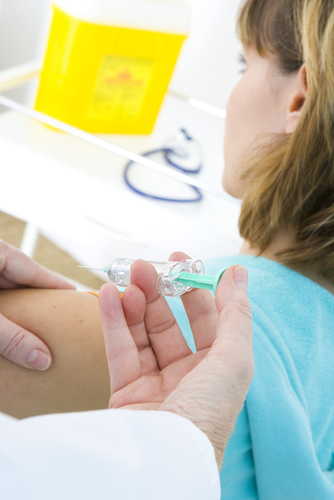
The flu vaccine changes yearly to match expected strains. For 2024-2025, the U.S. vaccine was trivalent, not quadrivalent: two influenza A strains, H1N1 and H3N2, and one influenza B strain, Victoria. B/Yamagata was left out of that season’s formulation, per the CDC’s ACIP recommendations, because global surveillance had not detected it since 2020.

Effectiveness runs 40 to 60 percent, depending on the match and the patient’s age and health. Vaccines come in several forms: inactivated injectable, live attenuated nasal spray, and higher-dose or adjuvanted versions for older adults.

Treatment

Antivirals work best started within 48 hours of symptoms. Oseltamivir is oral and the one used most. Zanamivir is inhaled, peramivir is intravenous and usually reserved for hospitalized patients, and baloxavir is a single-dose oral option that blocks replication.

Supportive care still matters most: rest, fluids, acetaminophen or ibuprofen for fever and pain, and close monitoring for complications in anyone at higher risk.

Prevention

Annual vaccination is the best prevention. Handwashing, covering coughs, staying home when sick, and avoiding close contact with ill people all reduce spread. Masks and improved ventilation are useful in crowded settings, especially when flu activity runs high.

Final Notes

Flu is not going away. Each season differs, but the tools we have (vaccines, antivirals, good hygiene, early recognition) make a real difference when used consistently. As physicians, we need to push vaccination, treat high-risk patients early, and keep reminding our communities that influenza is more than “just a cold.”

Scott Rennie, D.O.
Board Certified in Obesity Medicine and Family Medicine

This blog is for educational purposes only and does not constitute individual medical advice. Always consult your own physician before making changes to your health, medications, or treatment plan.

Sources

  • Centers for Disease Control and Prevention. FluView Surveillance. https://www.cdc.gov/fluview/surveillance/index.html
  • World Health Organization. Influenza (Seasonal). https://www.who.int/news-room/fact-sheets/detail/influenza-(seasonal))
  • Dawood FS, et al. Estimated global mortality associated with the first 12 months of 2009 pandemic influenza A H1N1 virus circulation: a modelling study. Lancet Infect Dis. 2012;12(9):687-695. PMID 22738893.
  • Grohskopf LA, et al. Prevention and Control of Seasonal Influenza with Vaccines: Recommendations of the Advisory Committee on Immunization Practices, United States, 2024-25 Influenza Season. MMWR Recomm Rep. 2024;73(RR-5):1-25. PMID 39197095.

Is Pertussis Contagious? Symptoms and Treatment Explained

Pertussis, or whooping cough, made a comeback in 2024. Outbreaks were reported in different regions around the world, and the United States was no exception, with cases rising for several years running despite decades of vaccination effort, and in 2024 there were more than 35,000 reported cases, higher than what we’d typically seen over the prior decade. Some of that traces to waning vaccine immunity, incomplete vaccine schedules, and vaccine hesitancy. Schools were a particular hotspot, especially among older children and adolescents who had missed boosters.

This isn’t a new story. In the early 20th century, pertussis was one of the leading causes of death in children. In the 1920s and 1930s, hundreds of thousands of cases occurred every year in the U.S., and fatality rates in infants sometimes reached 5 to 10 percent. Families often saw multiple children get sick at the same time. Hospitals had few tools to help. No antibiotics. No vaccines. Isolation was the only real measure available, and it wasn’t enough.

The arrival of the first whole-cell vaccine in the 1940s changed the picture, and by the 1950s and 60s, pertussis cases had dropped by more than 90 percent. It went from a routine killer to something most doctors rarely saw. But the drop didn’t mean it disappeared; over time, as immunity fades and vaccine uptake slips, the disease resurfaces.

What Pertussis Does in the Body

The cause is Bordetella pertussis, a gram-negative bacterium discovered in 1906. It attaches to the airway lining using adhesion proteins and releases toxins that damage the respiratory tract and disrupt the immune response. Pertussis toxin, adenylate cyclase toxin, and tracheal cytotoxin are some of the key players, and together they paralyze cilia, create thick mucus, and inflame the airways. That’s what sets up the violent coughing fits and the difficulty clearing secretions.

The incubation period is usually 5 to 10 days but can stretch out to 3 weeks, and transmission is mainly through droplets when people cough, sneeze, or talk, though it can also spread indirectly through contaminated surfaces.

The Course of Illness

Pertussis has three stages. The first, the catarrhal stage, looks a lot like a cold. Patients may have mild cough, runny nose, and low-grade fever. But this is also the most contagious stage, and infants in this stage can suddenly stop breathing or develop pneumonia.

After one to two weeks, the paroxysmal stage begins, the coughing fits severe, sometimes so prolonged that patients vomit or become exhausted. The classic “whoop” happens when the patient forcefully inhales after running out of breath. This stage can last weeks.

Finally comes the convalescent stage. Symptoms ease, but the cough may linger for months, and infants are at the highest risk of complications throughout, including pneumonia, seizures, and encephalopathy.

How Long People Are Contagious

Without treatment, a person with pertussis can remain infectious for weeks, often up to three weeks into the paroxysmal stage. With antibiotics, contagiousness drops significantly after five days of therapy.

Diagnosing Pertussis

Clinical suspicion is usually the first step. The cough pattern and exposure history often give it away. PCR testing is the most rapid and sensitive diagnostic method now, while culture is still considered the gold standard, though rarely used because it takes longer and needs special media. Serology may help later in the illness.

Treatment and Timing

Macrolides like azithromycin are first-line treatment, with trimethoprim-sulfamethoxazole an option if macrolides can’t be used. Antibiotics are most effective early, ideally in the catarrhal stage, but they’re still useful later to limit spread.

The CDC recommends treating patients within three weeks of cough onset if they’re over a year old, within six weeks for infants under one, and also within six weeks for pregnant women close to delivery. Supportive care, hydration, rest, and monitoring, is especially important for infants, who may need hospitalization.

Post-Exposure Prophylaxis

Preventing spread matters just as much as treating active cases, and giving antibiotics to close contacts can stop the chain. This is particularly recommended for infants under 12 months, pregnant women in their third trimester, and household members or healthcare workers exposed to confirmed cases. Timing matters: post-exposure prophylaxis should start within 21 days of exposure.

Prevention and Vaccination

Vaccination is still the strongest defense. The childhood DTaP series provides good protection early on, though immunity fades over time. About 98 percent of children are immune one year after their last DTaP dose, but that drops to around 70 percent five years later. That’s why boosters are needed.

The Tdap booster is given at 11 or 12 years of age, again in adulthood every 10 years, and during each pregnancy between 27 and 36 weeks. Protection from Tdap is estimated at about 73 percent in the first year and 34 percent after four years. This waning immunity is a major factor in outbreaks.

Public health responses focus on quick recognition, isolation of cases, prophylaxis for contacts, and community education, and mask use, hand hygiene, and cleaning surfaces all help reduce spread.

Why Vigilance Matters

Pertussis is not a disease of the past. It’s resurging in part because immunity doesn’t last forever, and physicians need to recognize it early and treat aggressively, while patients and families need to keep vaccination schedules up to date. When that doesn’t happen, infants and medically fragile patients pay the highest price.

Scott Rennie, D.O.
Board Certified in Obesity Medicine and Family Medicine

This blog is for educational purposes only and does not constitute individual medical advice. Always consult your own physician before making changes to your health, medications, or treatment plan.

Sources

  • Centers for Disease Control and Prevention. Pertussis (Whooping Cough). https://www.cdc.gov/pertussis
  • Cherry JD. The science and fiction of the “resurgence” of pertussis. Pediatrics. 2003;112(2):405-406. PMID 12897292.
  • American Academy of Pediatrics. Red Book: 2021–2024 Report of the Committee on Infectious Diseases.
  • Clark TA. Changing pertussis epidemiology: Everything old is new again. J Infect Dis. 2014;209(7):978-981. PMID 24626532.

Norovirus Illness: What Patients and Doctors Need to Know

Every winter we brace for an uptick in norovirus, often dismissed as the “stomach flu.” For many, it’s just a miserable few days of vomiting and diarrhea. In reality, norovirus is a major public health issue: it spreads quickly, it’s hard to kill, and outbreaks can overwhelm entire communities.

Norovirus is part of the Caliciviridae family and is the leading cause of acute gastroenteritis worldwide. A single infected person can trigger dozens of cases. It doesn’t take much. Just 10 to 20 viral particles. The virus survives on surfaces for days, resists alcohol-based sanitizers, and tolerates a wide range of temperatures, which is why schools, nursing homes, cruise ships, and restaurants are common hotspots.

Symptoms and Impact

Illness usually starts suddenly. Patients may complain of nausea, stomach cramping, watery diarrhea, or repeated vomiting. Children often vomit more, adults tend to have more diarrhea, and fever, fatigue, and body aches can happen but aren’t always present.

For most people, symptoms last 1 to 3 days. But dehydration can become serious, especially in infants, older adults, or those with weakened immune systems. Years ago, in hospital-based practice, I admitted patients who couldn’t keep fluids down and needed IV hydration after only 24 hours of illness.

How It Spreads

Norovirus has been called the “perfect pathogen” because it finds so many ways to move from person to person. Direct contact with someone sick, eating contaminated food like undercooked shellfish, drinking contaminated water, or simply touching a door handle can all spread infection, and even vomiting can aerosolize tiny droplets of virus into the air, which is why outbreaks in crowded dining halls or cruise ships often expand so rapidly.

The incubation period is short: just 12 to 48 hours. That means someone can be exposed at a group gathering and have symptoms by the next day. Diagnosis is usually clinical during outbreaks, though lab confirmation with RT-PCR testing is reserved for severe cases or public health investigations.

Treatment

There is no antiviral medication for norovirus. Management is entirely supportive. Oral rehydration is the first step, with IV fluids for those who can’t keep liquids down, and ondansetron can help control vomiting in children and adults, though it doesn’t shorten the course of illness. A bland diet and gradual return to regular foods is usually recommended. Antibiotics don’t help, since this is viral.

Prevention

Preventing norovirus is about breaking the chain of transmission, and handwashing with soap and water works better than alcohol-based sanitizers. Surfaces contaminated with vomit or stool should be cleaned with bleach-based disinfectants, because many common cleaners aren’t effective. Shellfish should be cooked thoroughly and produce rinsed before eating.

Infected people should stay home for at least 48 hours after symptoms end, since viral shedding can continue. During outbreaks in schools or long-term care facilities, early recognition and strict cleaning protocols are what actually stop the spread, not treatment after the fact.

Why It Matters

Norovirus keeps proving how disruptive a “simple” virus can be. Cruise ships diverted from ports, schools shutting down for deep cleaning, long-term care facilities under quarantine, these are all real-world consequences. Each outbreak is a reminder that prevention matters as much as treatment.

For patients, the focus is on hygiene, hydration, and staying home when sick. For healthcare providers, it’s about rapid recognition, supportive care, and education, and for public health officials, the job is surveillance and outbreak response. Together these steps limit how far norovirus reaches.

Scott Rennie, D.O.
Board Certified in Obesity Medicine and Family Medicine

This blog is for educational purposes only and does not constitute individual medical advice. Always consult your own physician before making changes to your health, medications, or treatment plan.

Sources

  • Centers for Disease Control and Prevention. Norovirus. https://www.cdc.gov/norovirus
  • Hall AJ, et al. Norovirus disease in the United States. Emerg Infect Dis. 2013;19(8):1198-1205. PMID 23876403.
  • Glass RI, Parashar UD, Estes MK. Norovirus gastroenteritis. N Engl J Med. 2009;361:1776-1785. PMID 19864676.
  • Atmar RL, Estes MK. The epidemiologic and clinical importance of norovirus infection. Gastroenterol Clin North Am. 2006;35(2):275-290. PMID 16880066.

H5N1 Bird Flu: What Every Patient Should Know Today

As physicians, we try to keep an eye on infectious diseases that might pose broader risks. H5N1, also called highly pathogenic avian influenza or bird flu, remains one of those, and the virus mainly infects birds but has crossed into humans with severe outcomes. The first human cases were seen in Hong Kong in 1997. Since then, human infections have been sporadic, usually tied to direct contact with infected poultry or contaminated environments, and unlike seasonal influenza, it doesn’t spread efficiently from person to person.

WHO’s cumulative count puts the case fatality rate at about 52 percent, 463 deaths among 888 confirmed cases worldwide since 2003, in data current as of March 2024. Human cases identified in the United States during the 2024 dairy and poultry outbreak ran far milder than that historical average, and many were mild. But the potential for severe disease is still there.

Recent Human Cases

In the United States, poultry wasn’t the only exposure route. In March 2024, transmission from cows to humans was confirmed, and cats were infected too, after drinking raw milk from infected cows. Between March 28 and October 31, 2024, there were 45 human cases in six states, all in adults, 25 linked to infected cows and 20 to poultry. By January 2025, there had been about 90 reported human cases nationwide.

A common thread was inconsistent use of protective equipment, and infection rates ran higher when gloves, masks, and goggles weren’t used consistently. Among those infected during the March-October window, 71 percent reported wearing gloves, 60 percent eye protection, 47 percent face masks, and only 36 percent reported both eye protection and masks together. PPE seemed to make a real difference, but adherence was incomplete.

Symptoms

The most common presentation was conjunctivitis. About 93 percent of patients developed viral pink eye, and fever was reported in about half, with headaches and muscle aches close behind. Sore throat, cough, and fatigue were less frequent. Diarrhea and nausea were rare. The median duration of symptoms was four days. Severe disease can still progress quickly to respiratory failure, multi-organ involvement, and death, though fatality figures reflect real biases in surveillance and reporting, since mild and subclinical infections are the ones most likely to go undetected.

Diagnosing H5N1

Diagnosis depends on history and testing. Exposure to poultry, cows, or contaminated settings should raise suspicion in anyone with severe flu-like illness. Nasopharyngeal or conjunctival swabs are typically used. PCR testing is the gold standard. Culture is rarely done. Biosafety concerns. Serology is sometimes used for retrospective surveillance.

Monitoring and Management

Close surveillance is essential for people exposed to infected birds or animals, with daily checks for fever and respiratory symptoms during the incubation period, about 10 days, recommended. Public health reporting remains critical for containment.

Treatment relies on antivirals like oseltamivir or baloxavir if started early, and severe cases often require oxygen therapy or mechanical ventilation, with supportive care for complications like ARDS central to management.

Human-to-Human Spread

What keeps H5N1 from being a global pandemic threat is the lack of efficient human-to-human spread. There have been family clusters and caregiver cases, mostly in the mid-2000s, where limited transmission was suspected, including a mother in Thailand caring for her sick daughter and family members in Indonesia in 2006, cases that involved close, unprotected exposure where the virus didn’t transmit beyond those immediate contacts.

H5N1 lacked the genetic adaptations that would make it easily transmissible like seasonal flu or COVID-19, and the concern was that mutations or reassortment with human influenza strains could change that, which is why surveillance continued.

Where the Risk Stands

As of early 2025, the risk to the general public remained low, with most cases stemming from direct animal exposure and person-to-person spread limited. For clinicians, though, awareness matters: we need to consider H5N1 in patients with severe respiratory illness who also have a relevant exposure history. For patients, the focus should be on minimizing contact with infected poultry, avoiding raw milk, and following public health guidance on protective measures.

H5N1 was still circulating in birds, and occasionally in other animals, and it occasionally infected people, though it was not, at that point, spreading widely between humans. The threat was real but contained. The critical piece remains vigilance: watching for changes that would signal the virus adapting toward easier human spread.

Scott Rennie, D.O.

Sources

Garg S, Reinhart K, Couture A, et al. Highly Pathogenic Avian Influenza A(H5N1) Virus Infections in Humans. N Engl J Med. 2025;392(9):843-854. PMID 39740051.

Centers for Disease Control and Prevention. Avian Influenza A (H5N1) Virus. https://www.cdc.gov/bird-flu/situation-summary/index.html

World Health Organization. Avian Influenza Weekly Update. https://www.who.int/emergencies/disease-outbreak-news

Uyeki TM, Peiris M. Novel Avian Influenza A Virus Infections of Humans. Infect Dis Clin North Am. 2019;33(4):907-932. PMID 31668198.

Board Certified in Obesity Medicine and Family Medicine

This blog is for educational purposes only and does not constitute individual medical advice. Always consult your own physician before making changes to your health, medications, or treatment plan.

Human Metapneumovirus (hMPV): What You Need to Know

Human metapneumovirus, or hMPV, doesn’t get the same attention as influenza or COVID-19, but it’s worth understanding. It was first identified in 2001, though genetic studies suggest it has circulated for decades, and it’s a member of the Paramyxoviridae family, the same family that includes RSV.

Transmission is through respiratory droplets. That means coughing, sneezing, or close contact with an infected person is usually how it spreads, and anyone can get it, though young children, older adults, and people with weakened immune systems are most vulnerable to severe illness.

Where It Shows Up

hMPV is found worldwide. It circulates throughout the year but tends to spike in late winter and spring in temperate regions, and improved diagnostics over the last two decades have shown just how common it is. Clusters show up in schools, childcare centers, nursing homes, and hospitals. Often alongside influenza and RSV activity.

In the United States, the CDC tracks it as part of routine respiratory surveillance, and globally, WHO lists it as one of several viruses contributing to seasonal surges of respiratory illness.

Symptoms and Overlap

The symptoms of hMPV are familiar. Patients may have fever, cough, sore throat, congestion, fatigue, and sometimes wheezing, and in healthy people, illness usually resolves within one to two weeks. In infants, older adults, or immunocompromised patients, the disease can progress to bronchiolitis or pneumonia.

The overlap with RSV, influenza, and COVID-19 makes it nearly impossible to identify clinically without testing, and in practice, we often don’t test unless patients are hospitalized or part of an outbreak under investigation.

Why It Matters

Most patients recover with supportive care. But hMPV deserves attention for a few reasons: high-risk populations can become severely ill enough to need hospitalization. Unlike flu or COVID-19, there’s no vaccine and no specific antiviral, so care stays supportive: oxygen, fluids, symptom management. And hMPV adds to the seasonal burden on the system overall, and when it circulates alongside RSV and flu, pediatric and ICU beds can fill fast.

Current Reports

China had reported more cases the previous winter, mostly among children under 14 in northern provinces. The increase triggered heightened monitoring at the time, though local health authorities noted the pattern was typical for the season and not as severe as the same period the year before. The WHO emphasized that hMPV is a known virus, not a new or emerging threat, and said it did not represent a global health emergency.

What To Watch For

For physicians, it comes down to clinical awareness. If a patient has unexplained respiratory illness, especially if they’re very young, older, or immunocompromised, consider hMPV in the differential. For patients, the message is simple: good hygiene matters, and wash hands, avoid close contact when sick, and stay home if you’re symptomatic. These are the same steps that help reduce spread of other respiratory viruses.

hMPV doesn’t carry the same weight as influenza or COVID-19, but it plays a consistent role in seasonal respiratory disease, and understanding it helps us manage patients more effectively and prepare for the extra strain it can place on hospitals during peak months.

Scott Rennie, D.O.
Board Certified in Obesity Medicine and Family Medicine

This blog is for educational purposes only and does not constitute individual medical advice. Always consult your own physician before making changes to your health, medications, or treatment plan.

Sources

Prescription bottle next to virus with red X overlay indicating medication ineffective

Why Won’t Antibiotics Cure a Viral Infection? Doctor Explains

Antibiotics changed the course of medicine. They save lives daily against infections that used to kill people: pneumonia, urinary tract infections, strep throat. The catch is narrow and absolute. They work on bacteria. Viruses are untouched. So an antibiotic prescribed for a cold or influenza does nothing useful, and it can still do harm.

The Risks of Misuse

Overuse drives resistance. Bacteria adapt fast, and repeated exposure teaches a population how to survive the drug that used to clear it. Those are the organisms we call superbugs. They make ordinary infections harder to treat, and healthy patients aren’t exempt from that. In its 2019 threats report, the CDC counted more than 2.8 million antibiotic-resistant infections a year in the United States and over 35,000 deaths.

Side effects are the nearer problem for most patients. Antibiotics disturb the gut microbiome, and nausea, diarrhea, and abdominal pain follow. Sometimes that disruption opens the door for Clostridioides difficile and a severe colitis.

Yeast overgrowth is common too. Clear out the normal bacterial balance and Candida fills the space, showing up as oral thrush or a vaginal yeast infection. I’ve had patients relieved that their original infection improved, only to be frustrated by new symptoms a week later.

Using Antibiotics Wisely

The goal is correct use, not avoidance. That’s what antibiotic stewardship means in practice.

Step one is deciding whether the infection is even bacterial. A sore throat is usually viral pharyngitis. Fever with swollen tonsils and no cough moves strep up the list, and a rapid strep test settles it rather than leaving it to impression. Ear pain needs a careful look to separate a viral picture from bacterial otitis media.

Prevention cuts the need in the first place. Vaccination, hand hygiene, safe food handling. I keep telling patients that washing hands before eating and after being out in public does more to keep them off antibiotics than anything I prescribe.

When antibiotics are the right answer, they’ve got to be taken as directed. Stopping early, skipping doses, and saving leftovers all undermine the course and feed resistance. Sharing a prescription with a family member is its own category of mistake.

Where This Leaves Us

Antibiotics remain among the most powerful tools in medicine, and they aren’t free. Misuse buys resistant bacteria, gastrointestinal misery, and yeast overgrowth. Careful prescribing, honest patient education, and prevention are what keep these drugs working for the people who will need them next.

Scott Rennie, D.O.

Sources

Board Certified in Obesity Medicine and Family Medicine

This blog is for educational purposes only and does not constitute individual medical advice. Always consult your own physician before making changes to your health, medications, or treatment plan.

A vaccine vial and syringe resting on a stainless steel clinic tray

HPV (Human Papillomavirus) Vaccine: What You Need to Know

shutterstock_167922080

One of the most controversial topics in medicine recently has been the HPV vaccine. It can save lives by helping prevent cervical cancer, but it works best when given at an early age.

What is HPV? Genital human papillomavirus (HPV) is the most common sexually transmitted virus in the United States. More than half of sexually active men and women are infected with HPV at some time in their lives.

About 20 million Americans are currently infected, and about 6 million more are infected each year. HPV is usually spread through sexual contact.

Most HPV infections cause no symptoms and go away on their own. HPV can cause cervical cancer in women. Cervical cancer is the second leading cause of cancer deaths among women worldwide. In the United States, about 12,000 women develop cervical cancer every year, and about 4,000 are expected to die from it.

HPV is also associated with several less common cancers: vaginal and vulvar cancers in women, and anal and oropharyngeal cancers, which involve the back of the throat including the base of the tongue and the tonsils, in both men and women. HPV can also cause genital warts and warts in the throat.

There is no cure for HPV infection, but some of the problems it causes can be treated.

HPV vaccine: why get vaccinated? The HPV vaccine can be given to both males and females. It prevents most cases of cervical cancer in females if given before exposure to the virus. It can also prevent vaginal and vulvar cancer in females, and genital warts and anal cancer in both males and females. Protection is expected to be long-lasting. Vaccination is not a substitute for cervical cancer screening, and women should still have regular Pap tests.

Who should get the HPV vaccine and when? As of 2013, the vaccine was given as a 3-dose series: the first dose, the second one to two months later, and the third six months after the first. Booster doses were not recommended. The vaccine was recommended for girls and boys at 11 or 12 years of age, and could be started at age 9.

Why is HPV vaccine recommended at 11 or 12 years of age? HPV infection is easily acquired, even with only one sexual partner. That is why the vaccine should be given before any sexual contact takes place. Response to the vaccine is also better at this age than at older ages.

Catch-up vaccination: In 2013 the vaccine was recommended for females aged 13 to 26 who had not completed the series, and for males aged 13 to 21. It could be given to men aged 22 through 26 who had not completed the series, and was recommended through age 26 for men who have sex with men or whose immune systems are weakened by HIV infection, illness, or medication. It may be given at the same time as other vaccines.

Update, 2026: The schedule and age range have both changed since this post was written. The series is now 2 doses when started between ages 9 and 14, with the second dose 6 to 12 months after the first, and 3 doses when started at age 15 or older or for people who are immunocompromised. Catch-up vaccination is recommended through age 26 for everyone. For adults aged 27 through 45, vaccination is a shared decision between patient and clinician rather than a routine recommendation. The vaccine is not licensed beyond age 45. Check current CDC guidance at https://www.cdc.gov/vaccines-children/schedules/index.html and talk to your provider about what applies to you.

Some people should not get HPV vaccine or should wait: Anyone who has had a life-threatening allergic reaction to any component of the vaccine, or to a previous dose, should not receive it. Tell your doctor if the patient has any severe allergies, including an allergy to yeast. The vaccine is not recommended during pregnancy, though receiving it while pregnant is not a reason to consider terminating the pregnancy. Women who are breastfeeding may receive it.

What are the risks from this vaccine? As of 2013 the HPV vaccine had been used in the U.S. and around the world for about six years with a strong safety record. Any medication can cause a serious problem or severe allergic reaction, though the risk of a vaccine causing serious injury or death is very small. Life-threatening allergic reactions are very rare, and when they occur it is within minutes to hours of vaccination. Several mild to moderate problems are known to occur. These do not last long and resolve on their own:

  1. Reactions in the arm where the shot was given
  2. Pain around the injection site
  3. Redness or swelling around the injection site
  4. Mild fever up to 100 degrees F
  5. Moderate fever up to 102 degrees F
  6. Headache
  7. Fainting during the procedure, usually from nervousness

What should I look for in a moderate or severe reaction? Any unusual condition, such as a high fever or a change in behavior in the person who was vaccinated. Signs of a serious allergic reaction include difficulty breathing, hoarseness or wheezing, hives, paleness, weakness, a fast heart rate, or dizziness. If any of these occur, call a medical provider or 911 immediately.

Scott Rennie, D.O.

Board Certified in Obesity Medicine and Family Medicine

This blog is for educational purposes only and does not constitute individual medical advice. Always consult your own physician before making changes to your health, medications, or treatment plan.

This information comes from the U.S. Department of Health and Human Services Centers for Disease Control and Prevention (CDC).

Blog: https://doctorrennie.wordpress.com

Test tubes with colorful liquids labeled with sample IDs and a lab checklist on a wooden table

STI Testing: Should You Get Tested for Everything?

shutterstock_36483805I frequently have patients come into the office and ask for STI (sexually transmitted infections) screening.  This is often done when they start a new relationship, when they find out that a partner has been unfaithful or if they have unprotected sex with someone that they don’t know well.  Patients often have no understanding of which sexually transmitted infections (formerly referred to as sexually transmitted diseases) they should be checked for and rely on their health care providers to order the proper tests and discuss the results with them.  Patient’s often will refer to being “clean” or “clear” when referring to their screening results.  When I ask them which infections they would like to be screened for, I usually hear something like “check me for everything.” I think it’s important for patients to know which infections are most common, what the symptoms might be and know what to ask for when going to your doctor to be checked for sexually transmitted infections.  It’s also important to understand that some infections can be cured (with antibiotics), some infections can be controlled but never eradicated completely, and some infections can be present and not have any symptoms for years before becoming apparent.  Checking for “everything” might mean different things to different patients or medical providers, so my advice is to be very specific with what tests you request your medical provider order and keep track of the results so that when you think about “being clean” or “clear” of infection, you know exactly which infections you are clear of. Types of infections: 1)  Chlamydia:  The most common sexually transmitted infection in the U.S.  This infection can cause pain and inflammation of the urethra (opening where urine comes out), the testicular area, the cervix and anus.  If untreated chlamydia can lead to infertility, chronic pelvic pain, prostatitis, and even severe infections of the fallopian tubes or tubal pregnancy.  Most men and women who are infected with chlamydia do not have symptoms.  Testing can be done with a urine sample from the patient or a swab. 2)  Herpes simplex virus:  It is estimated that about ¼ of the US population has herpes type 1 or 2 and many infected patients are unaware that they have the virus.  Skin ulcers are a result of the infection and increase the risk spreading or acquiring HIV.  Many patients with herpes are not screened because unless patient’s give a description of an ulcer in the genital area, a blood test for the antibodies to the viruses is usually not ordered.  If an ulcer is present, a swab may be collected by touching an open ulceration and sent for viral culture.  If you are concerned that you may have genital herpes, make sure you tell your medical provider and discuss testing with them because routine testing for herpes is usually not done unless there is some suspicion of infection. 3)  Gonorrhea:  The highest rates of infection are in sexually active 15-19yo women and 20-24yo men.  Rates are 20x higher in African-Americans than in whites.  Infection can lead to pain and inflammation of the urethra (opening where the urine comes out), sore throat and anal infection.  If untreated it can lead to serious complications in women including pelvic inflammatory disease and infertility.  Testing is frequently done from a urine sample or a swab.  Because of high rates of reinfection, patients diagnosed with gonorrhea should be advised to retest in 3 months. 4)  Trichomoniasis:  Infection with trichomonas produces symptoms similar to a urinary tract infection including pain and inflammation of the urethra (where the urine comes out), and/or vaginal discharge.  It can be present and men or women.  Most men who are infected do not have symptoms.  Testing is done by examination of a urine specimen.  Testing for trichomonas is not generally done on routine screening for STDs unless the patient asks for it or has symptoms. 5)  Syphilis:  Testing for syphilis is done with a standard blood test normally.  Symptoms of syphilis vary depending on the stage of infection.  Initially there is the appearance of a single sore mark, but there may be multiple sores.  The sore is usually firm, round and painless.  Because the sore is painless, it can easily go unnoticed.  It lasts 3-6 weeks and heals regardless of whether or not the person is treated.  If the infected person does not get treatment, the infection will progress to the second stage.  Skin rashes and/or sores in the mouth, vagina and anus (also called mucous membrane lesions) are typical of the second stage of symptoms.  The rash usually does not cause itching and may appear as rough, red or reddish brown spots both on the palms of the hands and/or the bottoms of the feet.  Sometimes rashes associated with secondary syphilis are so faint that they are not noticed.  Other symptoms of secondary syphilis include fever, swollen lymph glands, sore throat, patchy hair loss, headaches, weight loss, muscle aches, and fatigue.  The symptoms of secondary syphilis will go away with or without treatment.  Without appropriate treatment, the infection will progress to the latent and possibly late stages of disease.  The latent (hidden) stage can last for years.  About 15% of people who have not been treated for syphilis develop the late stage of the disease.  This stage can occur 10-30 years after the infection began and symptoms can include difficulty coordinating muscle movements, paralysis, numbness, gradual blindness, and dementia.  Damage to the internal organs, including the brain, nerves, eyes, heart, liver, bone and joints can occur and result in death. 6)  Hepatitis A, B and C:  Hepatitis that is transmitted by sexual contact is caused one of several different viruses (A, B or C).  All types of hepatitis virus infections can cause liver inflammation.  Hepatitis B and C can cause severe infection and lead to liver failure and death.  Hepatitis A is more commonly a cause of food-borne outbreaks.  Because there are vaccinations available for hepatitis A and B, we are seeing more patients recently developing hepatitis C because we currently do not have a protective immunization.  Hepatitis testing can be done through a simple blood test similar to HIV testing.  The initial test for hepatitis is usually done by trying to detect the antibody to the virus.  It can take your body several months after being infected with the hepatitis virus to develop the antibody and therefore there is a period of time called the “window period” when the test result may be negative even though the infection is present.  A repeat test is usually offered 3-6 months after the initial negative test for confirmation that the patient is negative after “high risk sexual contact.” 7)  Human Immunodeficiency virus (HIV):  It is important to recognize that patients who have been infected with other sexually transmitted infections may also be infected with HIV.  Recent recommendations from the Centers for Disease Control (CDC) recommend opt-out screening and annual screening for those at high risk for HIV infection.  The test for HIV is an antibody test.  Similar to hepatitis, it can take your body several months after being infected with HIV to develop the antibodies, and therefore there is a period of time called the “window period” when the test result may be negative even though infection is present.  Repeat testing 3-6 months after a previously negative result after “high risk sexual contact” is recommended.  HIV causes suppression of your natural immune system and can lead to a constellation of problems associated with immune suppression (infections, cancer) and AIDS related syndrome. 8)  Human papillomavirus (HPV):  This virus is the main cause of cervical cancer.  There are routine screening guidelines that have been established for pap smears which are the main way of detecting this virus and treating it before the development of cervical cancer.  All sexually active women should have a screening pap test by age 21.  Women between the ages of 9 and 26 years old are recommended to receive the HPV vaccine to prevent cervical dysplasia and cervical cancer.  Routine vaccination is recommended for female between 11 and 12 years, but the vaccination series may be started as early as 9 years and females aged 13-26 years can benefit as well.  The quadrivalent HPV vaccine can also be used in males and females aged 9-26 years of age to prevent genital warts and anogenital cancers. Recommendations for screening for sexually transmitted infections in pregnant women, men who have sex with men, women who have sex with women and HIV infected patients vary depending on the risk group. State health department notification:  Medical providers are required to notify the local and state public health departments in the case of chancroid, chlamydia, gonorrhea, acute hepatitis b, acute hepatitis c, HIV and syphilis. Partner notification:  In the event that a patient has been diagnosed with a sexually transmitted infection, partners should be notified, examined and treated.  In some cases, the patient directly provides their sexual contact with medications and prescriptions to be filled (Partner Delivered Patient Medication (PDPM) although this is not legal in all states.  Patients and their partners should not have sexual relations until seven days after a single dose treatment or upon completion of a seven day regimen in cases of bacterial infections.  Discussion with sexual partners can be difficult but is very important for the partner’s safety and to prevent re-infection of the patient who tested positive initially. 2010 treatment/screening guidelines as outlined by the Centers for Disease Control in 2010:
  1. All patients being evaluated for STIs should be offered counseling and testing for HIV.
  2. Hepatitis B screening should be offered to men who have sex with men (MSM), injection drug users (IDU), persons attending an STI clinic or seeking STI treatment, and persons with history of multiple sex partners.  Patients who are not immune should be offered vaccination.
  3. Hepatitis A screening should be offered to MSM and injection drug users.  Those who are not immune should be offered vaccination.
  4. Asymptomatic women with risk factors for STIs should be screened for gonorrhea and chlamydia infection each year.
  5. Males and female between the ages of 9 and 26 years old should be offered the human papillomavirus vaccination (HPV vaccination).
  6. The following screening tests for active MSM are recommended on at least an annual basis:  HIV, gonorrhea, chlamydia, and syphilis.
  7. Syphilis screening is recommended for commercial sex workers, persons who exchange sex for drugs and persons in correctional facilities.
  8. Pregnant women should be screened for gonorrhea, chlamydia, HIV, hepatitis B, and syphilis infections.
  9. HIV-infected patients should be screened annually for gonorrhea, chlamydia, syphilis, hepatitis B and hepatitis C.  Vaccination against hepatitis A and B is recommended for nonimmune patients.  HIV-infected patients who actively use injection drugs or intranasal cocaine, engage in unprotected sex, are men who have sex with men, or are undergoing dialysis should have ongoing screening for hepatitis C.
  10. Local and state public health departments should be kept informed of notifiable infections, which include chancroid, chlamydia, gonorrhea, acute hepatitis A and acute hepatitis B, acute hepatitis C, HIV and syphilis.
  11. Partners should be notified, examined, and treated for the STI identified in the index patient.  Patients and their sex partners should abstain from sexual intercourse until therapy is completed.
References:  http://www.cdc.gov/std/treatment/2010/default/htm Centers for Disease Control and Prevention.  Sexually Transmitted Disease Surveillance, 2008. US Department of Health and Human Services, Atlanta, GA 2009 US Preventative Services Task Force. Screening for gonorrhea.  Agency for Healthcare Research and Quality, Rockville, MD. Revised January 2006. US Preventative Services Task Force. Screening for syphilis.  Agency for Healthcare Research and Quality, Rockville, MD. Revised January 2006. US Preventative Services Task Force. Screening for herpes.  Agency for Healthcare Research and Quality, Rockville, MD. Revised January 2005.   I hope that you have found this information useful.  Wishing you the best of health,

Scott Rennie, D.O.
Board Certified in Obesity Medicine and Family Medicine

This blog is for educational purposes only and does not constitute individual medical advice. Always consult your own physician before making changes to your health, medications, or treatment plan.

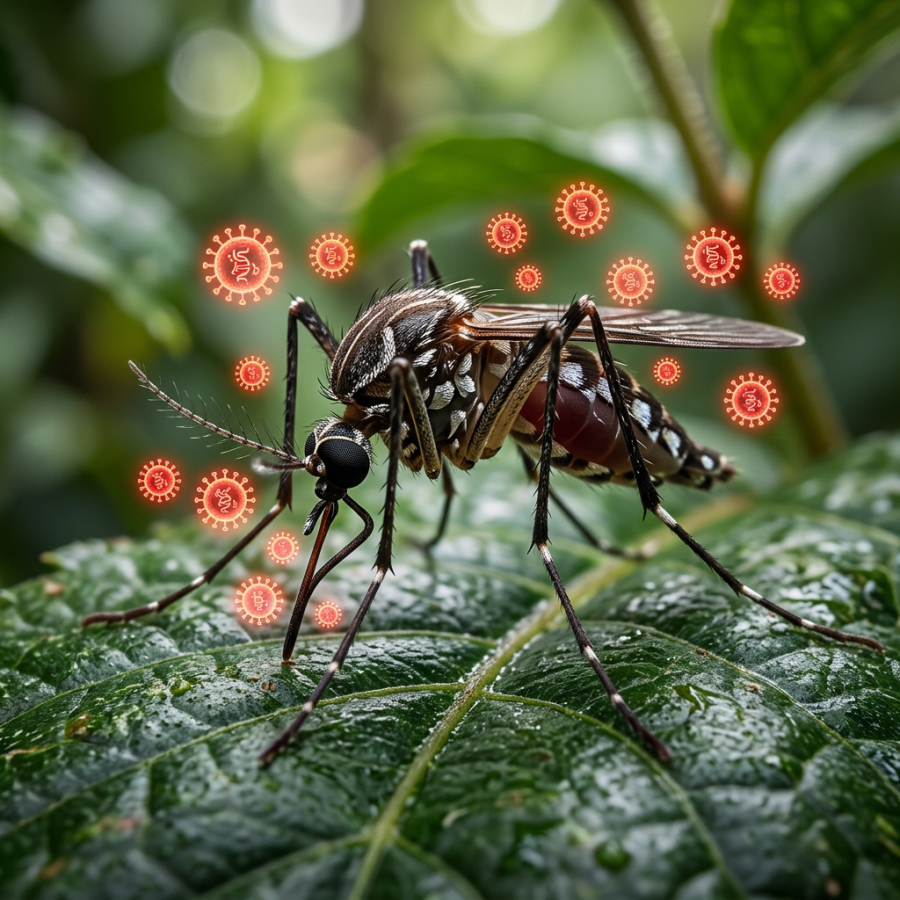
Close-up of a mosquito on a leaf with red virus particles overlay

West Nile Virus: 5 Things You Need to Know About It

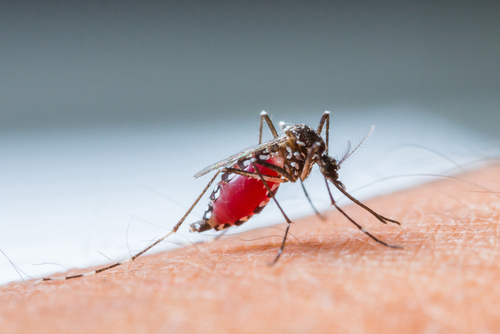
shutterstock_134183042   Aug 17, 2012 | 3:36 PM ET | MyHealthNewsDaily Staff In the wake of 10 deaths due to West Nile virus, and hundreds of infections, authorities in Texas are spraying insecticide in the Dallas region, hoping to curb the spread of the disease, which can spread by mosquitoes. A total of 693 cases of West Nile virus infections, including 26 deaths, were reported as of Aug. 14 to the Centers for Disease Control and Prevention (CDC). The number of cases reported by this second week in August is the highest since 1999, when the disease was first seen in the U.S., according to the CDC. About 60 percent of this year’s cases have involved the “neuroinvasive” form of West Nile infection, in which the nervous system is affected. Such cases can cause inflammation of neural tissues, such as meningitis and encephalitis. More than 80 percent of all reported cases were from six states (Texas, Mississippi, Louisiana, Oklahoma, South Dakota and California), and almost half of all cases have been reported from Texas.

Here are five things you need to know about West Nile virus:

1. What is West Nile virus? West Nile virus is a type of virus called a flavivirus. Other viruses in this group cause dengue, yellow fever and Japanese encephalitis. Flaviviruses are commonly transmitted by ticks and mosquitoes. West Nile virus was first identified in Uganda in 1937, according to the National Institutes of Health (NIH). 2. How does West Nile Virus spread? It is likely that West Nile is spread from birds to people through mosquito bites, the NIH says. Early fall is the time of year that mosquitoes tend to have the highest levels of the virus, and human cases tend to peak around this time. The virus can also be spread through blood transfusions and organ transplants. Pregnant women can transmit the virus to their fetus, and mothers can transmit it to babies through breast milk, the CDC says. West Nile virus cannot be spread by casual contact, or touching or kissing an infected person, according to the CDC. 3. What are the symptoms of a West Nile infection? About 80 percent of people infected with West Nile show no symptoms at all, according to the CDC. The other 20 percent have symptoms such as fever, headache, body aches, nausea, vomiting and sometimes swollen lymph glands. Some develop a rash on the chest, stomach and back. Symptoms may last anywhere from a few days to several weeks. Severe forms of West Nile, which affect the nervous system, can be life-threatening. The NIH says that the following symptoms need prompt medical attention: muscle weakness, stiff neck, weakness in one arm or leg, confusion or a change in ability to think clearly and loss of consciousness or coma. 4. How can I prevent catching West Nile? The CDC recommends using an insect repellent that contains one of the following ingredients: DEET, picardin, oil of lemon eucalyptus (or a synthetic version of this oil, called PMD), or IR3535. These ingredients are suggested by the Environmental Protection Agency because they provide reasonably long-lasting protection against mosquito bites. The CDC also suggests wearing long sleeves and pants, or staying indoors, at dusk and dawn, when mosquitoes are most active. Mosquitoes breed in standing water, and so removing standing water from flower pots, pet dishes, buckets and barrels can reduce the risk of transmission. Children’s wading pools should be emptied and stored on their sides when not in use. 5. How is West Nile virus treated? There is no treatment for West Nile virus infections, according to the CDC. Mild symptoms can resolve on their own. People with severe symptoms may need to be hospitalized and receive intravenous fluids or help with breathing, the CDC says. Pass it on: Authorities in Dallas are spraying insecticide, hoping to curb the spread of the West Nile Virus, which has killed 10.

Scott Rennie, D.O.
Board Certified in Obesity Medicine and Family Medicine

This blog is for educational purposes only and does not constitute individual medical advice. Always consult your own physician before making changes to your health, medications, or treatment plan.

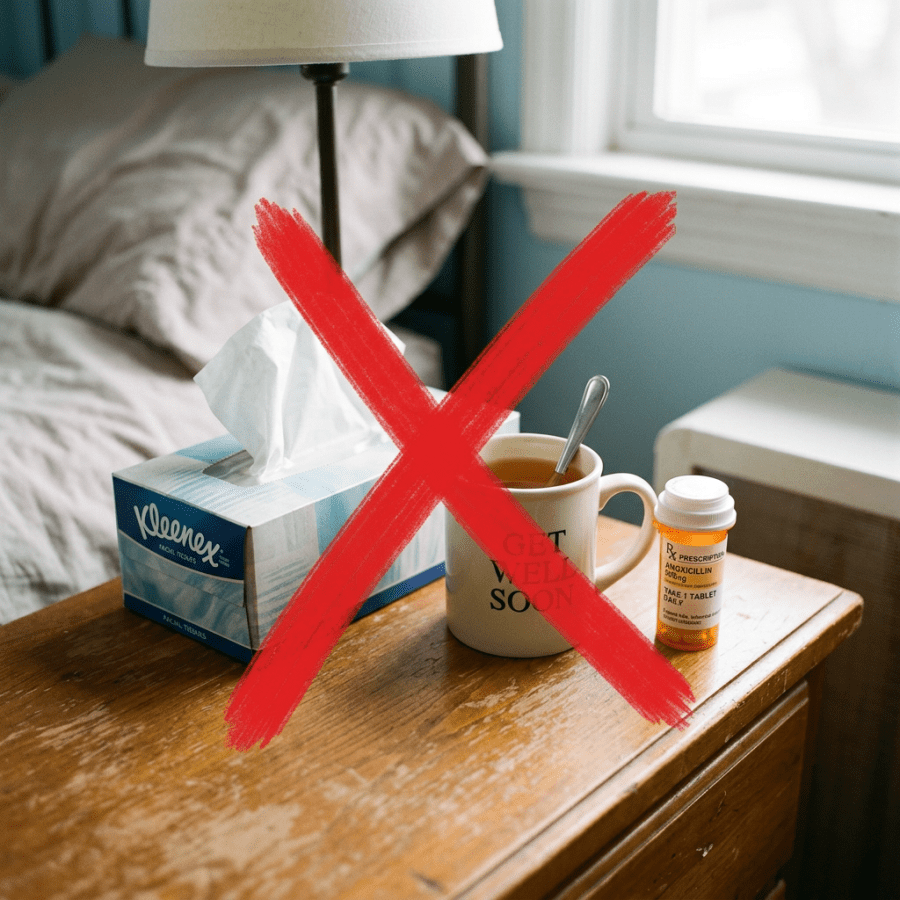
Tissues, a tea cup with spoon, and a medication bottle on a wooden bedside table crossed out with a red X

Why Antibiotics Don’t Work for Colds, Flu, or Viruses

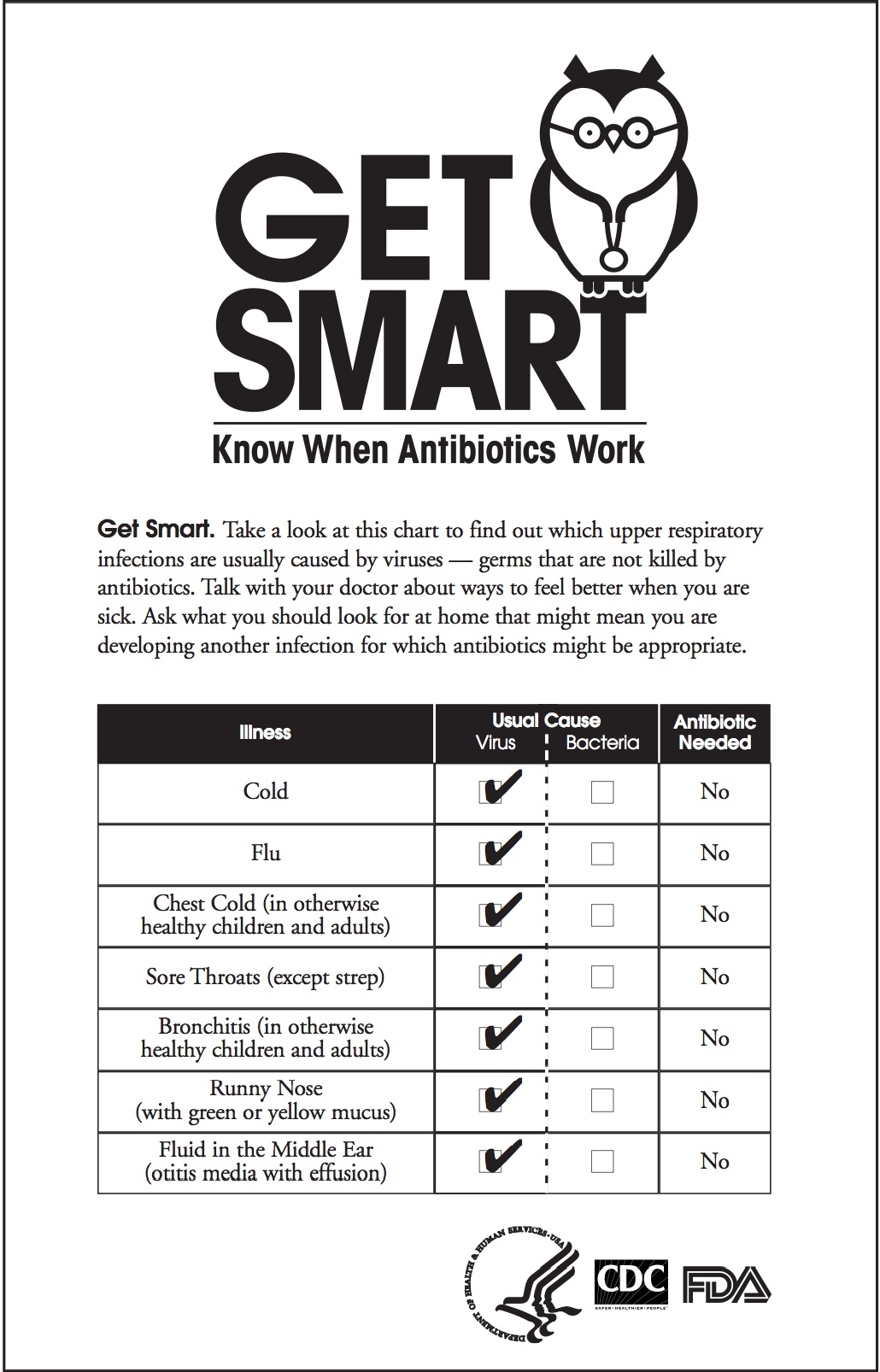
I have many patients who come into the clinic with a common cold and request antibiotics.  Antibiotics can be harmful to your body in many ways.  I think this is very important information from the CDC: Are you aware that colds, flu, most sore throats, and bronchitis are caused by viruses? Did you know that antibiotics do not help fight viruses? It’s true. Plus, taking antibiotics when you have a virus may do more harm than good. Taking antibiotics when they are not needed increases your risk of getting an infection later that resists antibiotic treatment.  In addition, antibiotics can cause bloody diarrhea and abdominal pain that can last for weeks, severe life threatening allergic reactions (anaphylaxis) and rashes(hives).  Antibiotics can also damage some internal organs such as the liver or kidneys.   Improper antibiotic causes prolonged healing time and increased medical costs.
  • Antibiotics cure bacterial infections, not viral infections such as:
    • Colds or flu;
    • Most coughs and bronchitis;
    • Sore throats not caused by strep; or
    • Runny noses.
  • Taking antibiotics for viral infections, such as a cold, cough, the flu, or most bronchitis, will not:
    • Cure the infections;
    • Keep other individuals from catching the illness; or
    • Help you feel better.
When you use antibiotics appropriately, you do the best for your health, your family’s health, and the health of those around you. “We want Americans to keep their families and communities healthy by getting smart about the proper use of antibiotics,” said Lauri Hicks, D.O., medical director of CDC’s Get Smart campaign.

What To Do

  • Talk with your healthcare provider about antibiotic resistance.
  • When you are prescribed an antibiotic,
    • Take it exactly as the doctor tells you. Complete the prescribed course even if you are feeling better. If treatment stops too soon, some bacteria may survive and re-infect you.This goes for children, too. Make sure your children take all medication as prescribed, even if they feel better.Throw away any leftover medication once you have completed your prescription

What Not To Do

  • Antibiotics cure bacteria, not viruses such as:
    • Colds or flu;
    • Most coughs and bronchitis;
    • Sore throats not caused by strep; or
    • Runny noses.

Scott Rennie, D.O.
Board Certified in Obesity Medicine and Family Medicine

This blog is for educational purposes only and does not constitute individual medical advice. Always consult your own physician before making changes to your health, medications, or treatment plan.