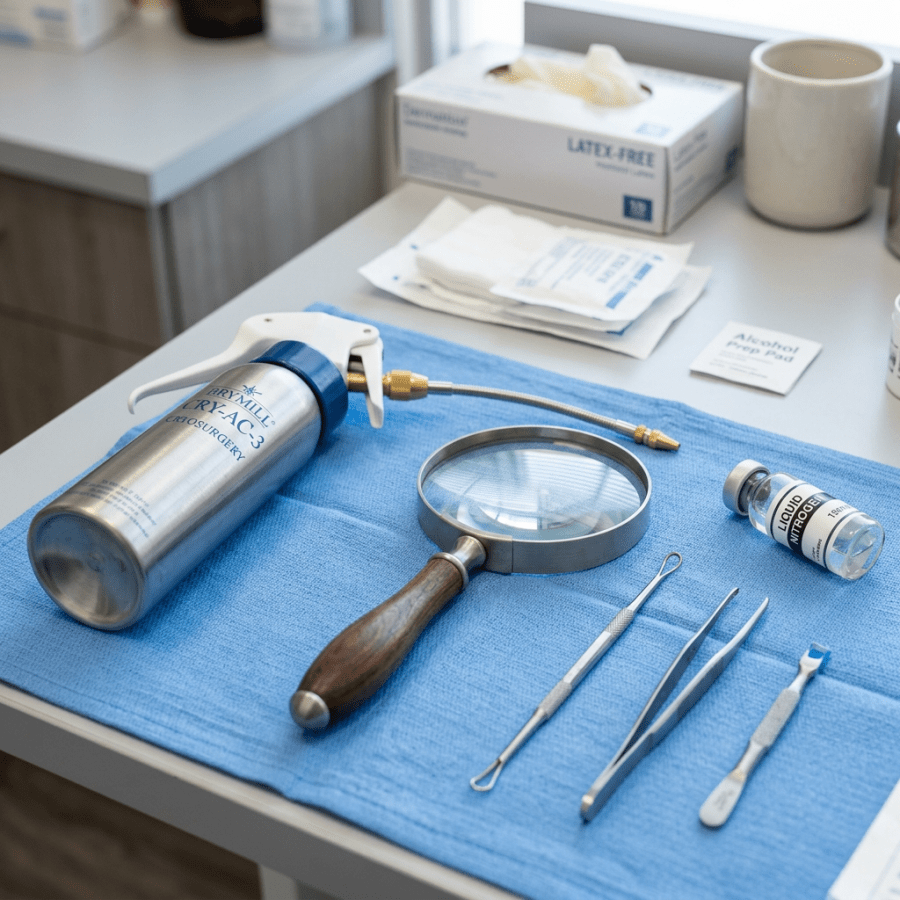
Cryosurgery device, magnifying glass, tools, and liquid nitrogen vial on blue cloth

What to do about the common skin wart

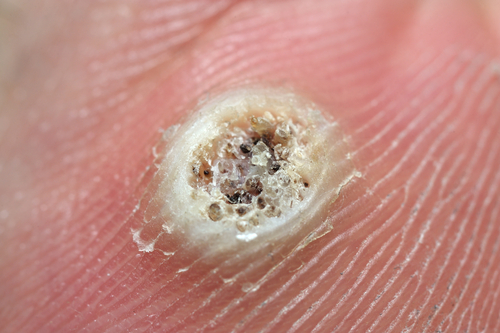
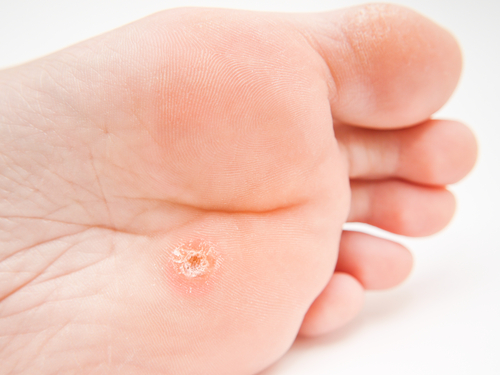
  shutterstock_115521190shutterstock_148362410I often have people come into the clinic and ask me to treat warts, mostly on their hands or their feet.  Some people aren’t aware of what these are so I thought a brief discussion might help people identify warts and also mention some common treatments. Common skin warts are generally non-dangerous raised and round or oval shaped skin growths that often stick up compared to the surrounding skin.  If they’ve been present for months or years, they can sometimes become rather large or form patches that appear like a cauliflower shaped lesion.  Sometimes they are identified by tiny black spots or dots that are small, clotted blood vessels but some people call them “seeds.” What causes a wart?  Warts are actually the result of a virus (human papillomavirus) and is spread by touching someone else’s skin who has a wart.  They’re also often spread by picking at existing warts and touching other areas on your own body.  The virus lives in skin surrounding the wart and can be spread easily by scratching are removing some of the virus under your finger nails.  Warts can also be spread by coming into contact with skin cells that have fallen off an infected persons foot.  It can actually take up to six months after exposure to the virus for a wart to appear. What are the most common areas where warts occur on the body?  The most common areas of the body for warts are:
  1. Fingers
  2. Hands
  3. Knees
  4. Elbows
  5. Around the fingernails (periungual warts)
  6. Feet (plantar warts)
  7. Face
  8. Lower legs
How do I know if I have a wart or if the skin lesion is due to something else?  Usually a medical provider can diagnose a wart based on how it looks.  A biopsy is not usually required. Once I know that I have a wart, how do I get rid of it?  Warts can be very difficult to treat and there are many different options for treating warts.  The treatment of choice often depends on where there wart is located and how sensitive the skin is.  Some possible treatment options are:
  1. Leave it alone – about 67% of all warts will go away within two years even if not treated.  Most people treat then however because they can spread or become larger over time.
  2. Liquid nitrogen:  In the doctor’s office, we usually use this very cold liquid to freeze the skin around the wart.  It can be painful so it can be a difficult treatment for young children to tolerate.  We often need to treat a wart several times using liquid nitrogen and if the wart is large, we may need to trim the top part of the wart off to make the treatment more effective.
  3. Salicylic acid:  Over the counter patches employ this kind of treatment.  Usually a liquid or patch is applied to wart and left in place for several days.  It is often helpful to soak the skin in warm water for 10-20 minutes before applying the acid to soften the skin.  Treatment with salicylic acid can be painful and cause redness to the skin and even bleeding.  Many people find that using a nail file or pumice stone is helpful to gently remove the dead skin from the surface of the wart every few days during the treatment.  You should be cautious when doing this however because there is a high risk of spreading the virus/warts to other areas on the body when using a file or stone.  I usually recommend using a new file or stone each time to help prevent spreading the wart virus.  Most people don’t realize that you need to keep applying the acid each day for 1-2 weeks even after the wart is gone because the virus can be present on the skin even if no wart is visible.  This helps ensure that the wart does not return weeks or months later.
  4. Duct tape:  The sticky tape easily found in most home improvement stores has been helpful to some people with warts.  They apply it directly to the skin over the wart and leave it in place for about a week.  It’s not entirely clear how the treatment works, but my thought is that the tap sticks to the surface of the skin where the wart is present and the tape on the skin causes moisture to build up and this makes it easier to remove the dead skin cells (containing the wart virus) when the tape is removed.  Many people use an emery board or pumice stone to remove the excess skin after removing the tape and then reapply the tape for another week.  It may take up to 4 weeks for the wart to go away using this treatment.  We usually don’t recommend using duct tape if you have diabetes because if you cover your skin and a bacterial infection begins, you might not be able to see it starting and an infection may get very large before it is noticed.
  5. Cantharidin:  This is a liquid that is prescribed by healthcare providers such as a dermatologist and applied directly to the wart on the skin.  It may cause a blister to appear over the wart after 2-24 hours of treatment.  It is usually just placed on the skin once and often dermatologists will recommend using salicylic acid for a week after the skin heals to decrease the chances of the wart coming back.
  6. Imiquimod:  Aldera is the other name for this prescription cream that is applied at bed time several times per week.  It works by stimulating the immune system to fight off the wart virus.  It is rather expensive and is usually prescribed for genital warts or another type of virus called condyloma acuminate.  It can also be used to treat small skin basal cell skin cancers or pre-cancers.
  7. 5-Fluorouracil:  This cream which also goes by the name Carac, Efudex or Fluroplex is applied to flat warts twice a day for 3-5 weeks.  We also use this cream to treat small skin pre-cancers and superficial basal cell cancers.  It can cause skin irritation especially for those people who get lots of sun exposure.
  8. Shave excision:  This is a procedure where the skin is cut away or removed where the wart is present on the body.  This procedure is not very common for treating warts because it can cause permanent skin scarring or keloid formation and may also require stiches after the procedure.
  9. Immunotherapy:  A dermatologist (skin doctor) may inject a medication directly into the wart that triggers the body’s natural immune system to attack the virus.  These medications called contact sensitizers are not widely used because they are highly potent, expensive and require careful handling to avoid causing unintentional allergic reactions.
Should I see a doctor to treat my wart?  I’d recommend seeking the help of a medical provider if you are not sure that the skin growth is a wart, if it’s not improving with home treatment, if you have questions about what treatment is best for you or if you have been treated for warts before and have developed a complication such as a skin infection or scar. Where can I get more information?  The following sources may be helpful:
  1. American Academy of Dermatology:  www.aad.org/skin-conditions/dermatology-a-to-z/warts
  2. Medline Plus:  www.nlm.nih.gov/medlineplus/ency/article/000885.htm
References:
  1. Gibbs S, Harvey I. Topical treatments for cutaneous warts.  Cochrane Database Syst Rev 2006
  2. Moed L, Shwayder TA, Chang MW. Cantharidin revisted: a blistering defense of an ancient medicine. Arch Dermatol 2001; 137:1357
  3. Muzio G, Massone C, Rebora A. Treatment of non-genital warts with topical imiquimod 5% cream. Eur J Dermatol 2002; 12:347
  I hope that you have found this information useful.  Wishing you the best of health,

Warts are stubborn and mostly harmless. The conditions I spend my time on now are the quiet ones that do damage without symptoms, starting with why high cholesterol matters even when you feel fine.

Scott Rennie, D.O.
Board Certified in Obesity Medicine and Family Medicine

This blog is for educational purposes only and does not constitute individual medical advice. Always consult your own physician before making changes to your health, medications, or treatment plan.

Sunlight breaking through heavy grey cloud over a city waterfront

It’s Cloudy in Seattle: Can You Still Get a Sunburn?

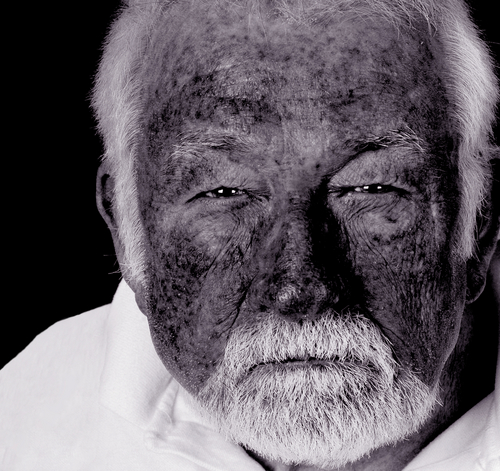
shutterstock_5810650Recently I’ve been noticing patients are coming in with sunburns even though the weather has been cloudy.  They are often unaware that the sun is causing damage to their skin at the time, and come in later with severe sunburns.  Even on cloudy days, it is important to protect your skin because UV radiation can pass through the clouds and cause sunburns.  In addition, UV rays can be reflected off surfaces like sand, snow, cement and water. Prevention:  Here are several ways to help prevent sunburn: 1)   Avoid sun exposure:  If you plan to be out in the sun during the day, keep in mind that the suns rays are strongest between 10:00am and 4:00pm in the continental U.S. and avoiding exposure during these hours decrease your risk of burning.  Wearing a topical sunscreen as well as clothing that blocks the suns rays are helpful in reducing your chance of sunburns. 2)   Find Shade:  Areas that don’t have direct sunlight reduce your chances of sunburn.  These areas include under trees, an umbrella or structures such as porches, or tents.  A topical sunscreen is still recommended while sitting in the shade because your skin is still exposed to some UV radiation. 3)   UV Index:  One way to predict your risk of sunburn on a given day is a numerical value called the UV index.  It is a number between 0 and 11+, in which 0 indicates a lower risk of sun exposure and 10 indicates high risk with 11+ an extreme risk.  You can find the UV Index online. 4)   Sunscreen:  There are many sunscreen products on the market, and most of them work by protecting the skin via absorbing the radiation or reflecting it.  SPF or Sun Protection Factor is a numerical indicator that gives us some idea of how much protection the sunscreen offers against UVB (Ultraviolet B) burns.  It’s important to look for a sunscreen that protects against both UVA (Ultraviolet A) and UVB rays – sometimes they label these products broad-spectrum.  Here are some additional tips. A)  I often get asked what SPF rating is best.  My first response is usually “the maximum you can get,” because I realize that even low levels of ultraviolet radiation increase your risk for sun damaged skin, skin cancers and a poor cosmetic outcome with increasing age.  The American Academy of Dermatology recommends an SPF of 30 or greater on sun exposed skin with protection of UVA and UVB and recommends a higher SPF in your are fair-skinned or will be out in the sun for longer periods of time or anticipate intense exposure (such as on a beach or skiing trip). B)  Use enough:  I find that most people don’t use enough sunscreen, and they don’t put it on soon enough.  Your really need about 2 tablespoons of lotion to cover an adults arms, legs, neck and face.  If you want to cover your back and chest, you will need more than that.  You should also apply it at least 15-30 minutes before going out in the sun for it to become active. C)  Reapply:  Even if the sunscreen bottle says that it’s sweat-proof, or water-proof, I recommend reapplying every 2-3 hours or after drying off with a towel or swimming.  There is some evidence that suggests that after being out in the sunlight for 20 minutes, you should reapply the sunscreen even if you’re not in the water or haven’t been sweating profusely. D)  Protect your lips:  Make sure your remember to protect your lips with lip balm that has an SPF of 30 or higher and reapply frequently. E)  Buy new sunscreen each year:  Chemical sunscreens become less effective with time.  Leaving them in the sun or where it is hot, such as in the car may speed this degradation process.  Expired sunscreen is likely less effective and reduces the SPF rating. Definition:  Sunburns occur when the skin is burned by UV radiation.  Often sunburns are not severe, but it’s the exposure over years that increase your risk of skin cancer, wrinkles and other cosmetic concerns.  In todays society, we often think about the immediate gratification which might include a suntan, however often the harmful consequences come years later often after we are no longer spending as much time in the sun.  I show my younger patients who have sunburned skin several photos of older patients who’ve spent years in the sun or had sunburns over years.  Hopefully that helps them understand the consequences that come with repeated exposure so they can make more informed decisions about protecting their skin from harmful radiation. Symptoms:  Sunburns are often not immediately apparent because the redness and pain develop 3-5 hours after being out in the sunshine.  Redness of the skin that is hot and painful to touch is common.  There may also be blistering and swelling over the affected areas.  The redness is usually at it’s worst by 12-24 hours after sun exposure and this fades over 72 hours. Causes:  Melanin is a pigment in the skin that causes your skin to appear dark or light colored.  Your skin can temporarily increase the amount of melanin to help protect from burns (suntan).  The amount of ultraviolet radiation that is needed to burn your skin depends on several factors: 1)   Melanin:  The amount of melanin in your skin affects how quickly you can get burned.  People with light colored skin and light hair generally have a higher risk of sunburn compared with patients with dark colored skin.  Some individuals with a low amount of melanin can burn in less than 15 minutes. 2)   Location:  There is increased UV radiation due to more direct sunlight near the equator so individuals who are in these locations are at more risk of sunburn (Hawaii for example). 3)   Medications:  Certain medications can increase the risk of sunburn including ibuprofen, some blood pressure medications such as hydrochlorothiazide (HCTZ), and some antibiotics such as tetracycline. Complications:  Premature skin aging, permanent discoloration of the skin, wrinkles, skin cancers such as malignant melanoma, basal cell and squamous cell carcinomas, cataracts (the lens of the eye becomes cloudy). Treatment: 1)   Stay out of the sun until the redness and pain go away.  Repeated sun damage after a recent burn is even more harmful. 2)   After noticing a sunburn, I often recommend immediately taking ibuprofen or Aleve to help with the pain 3)   Cool compresses, and aloe-based lotions and sprays 4)   Sprays with a local anesthetic that numbs the skin such as Solarcaine may help decrease the pain but they do not decrease the long-term risks of skin cancer and sun damaged skin. If you have had repeated sunburns, a history of skin cancer, or strong family history of skin cancers, I recommend that you see a dermatologist at least every year for a head to toe skin examination. To find a Dermatologist in your area, the American Academy of Dermatology’s Website has a very useful locator:  http://www.aad.org/find-a-derm   I hope that you have found this information useful.  Wishing you the best of health,

Scott Rennie, D.O.
Board Certified in Obesity Medicine and Family Medicine

This blog is for educational purposes only and does not constitute individual medical advice. Always consult your own physician before making changes to your health, medications, or treatment plan.
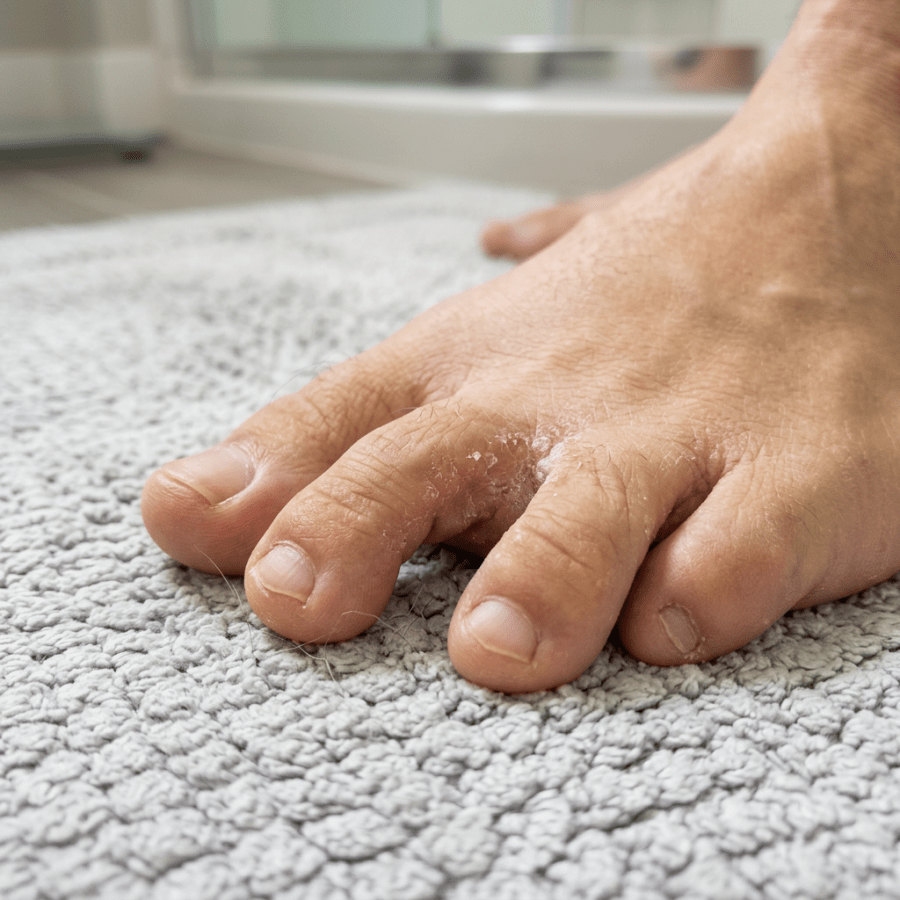
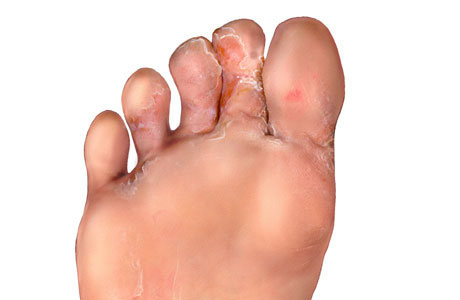
Close-up of toes with dry, peeling skin on a textured towel

Ringworm, Athlete’s Foot and Jock Itch and Fungal Nail Infections – “There Are Fungus Among Us”

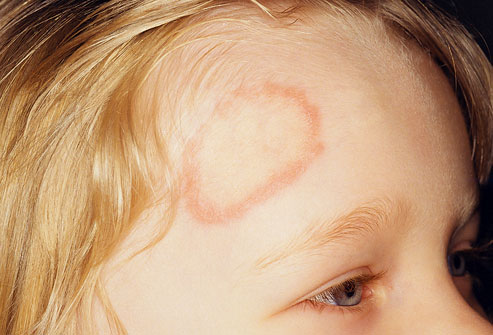
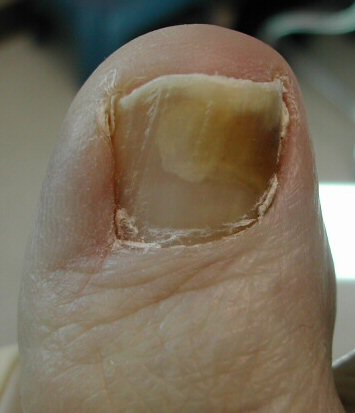
Photo credit:  http://fluconazole.biz/fluconazole-resistant-tinea/ People come to their doctor quite frequently due to fungal infections of the skin or nails.   One might think that because of the name, “Ringworm,” it would be caused by a worm, but it is actually caused by a fungus.  The shape of the rash looks like a ring and thus it got its name.  It’s a red, itchy rash on the skin and is also caused tinea. Four different type of ringworm infections are named for the body-part that is affected: 1)   Tinea capitis affects the head or scalp and is mostly seen in children 2)   Tinea pedis affects the feet and is called athlete’s food because athlete’s common acquire it in the locker room 3)   Tinea cruris affects the groin and is also called jock itch because it also commonly affects athletes or “jocks” presumably because of the moisture on the skin that the fungus prefers 4)   Tinea corporis is a term for fungal infections that affect other body surfaces Ringworm is a contagious infection and can be spread by someone else who is infected or even by an infected dog or cat.  It may be spread in a shower stall, locker room floor or pool area.  Often small skin shavings from the infected person are left behind in these areas and an unknowing person touches the infected area with their feet or other body part. Tinea capitis:  a fungal infection of the scalp may be related to cradle cap in children.  It causes a red scaly rash and can lead to bald patches.  It rarely affects adults.  We treat scalp infections with either oral or topical medications or a combination of both.  Children often improve with the use of gentle massage of the scalp during a bath to remove the scaly areas and then use of an antifungal medical on the scalp to kill the bacteria.  Adults and children are usually treated with oral medications and treatment can take 2-12 weeks depending on the severity of the infection. Tinea pedis (athlete’s foot):  the skin of the feet (often between the toes of the 3-5th toes) become itchy, red, tender, cracked and scaly.  We also see it on the soles of feet and in this area it is usually scaly and simply looks like dry skin.  Sometimes blisters form on the feet, especially between the toes.  It’s very important to treat athlete’s foot in diabetic patients because the fungal infection predisposes the patient even worse – a bacterial infection in the feet.  Diabetic patients can have a decreased sensation on their feet, so they can develop worsening infections without realizing it.  We usually start by removing the dead, scaling skin from the feet, and then treat athlete’s foot with a topical antifungal cream such as Lamisil AT twice a day for up to 12 weeks. The fungus can live on the skin even after the scaling skin is gone, so it’s important to treat the infection even for 1 week after the infection is totally gone.  This infection can be very difficult to treat because if you miss a day of applying the cream, the fungal infection can grow rapidly.  It’s important to keep the feet as dry as possible because fungal infections grow better in warm, damp areas. Tinea corporis (body infection):  often occurs when the fungal infection is transferred from one part of the body to another.  It is commonly seen in high school wrestlers.  It usually appears as a circular or oval scaly area with an outer red edge that is slightly raised while the center is usually flat and skin colored.  We treat this infection with a topical antifungal medication twice a day for 1-2 weeks.  Wrestlers may not be allowed to compete (by their school policy) until their infection clears. Onychomycosis (fungal nail infection):  a fugal infection of the nail that causes the nail to thicken, and change color such as white, yellow or brown.  This type of infection happens most commonly in the toenail but can also happen in fingernails. Fungal nail infections are common and don’t usually lead to serious long-term problems.  It is usually very easy to diagnose a fungal infection of the nails just by examining them.  Most over the counter medications don’t work for fungal nail infections.  In fact even prescription medications don’t work very well, and most fungal nail infections return after being treated with oral antifungal medications. In addition, the oral medications used to treat fungal infections of the nails can cause severe liver disease, so I usually don’t recommend treating this type of infection and instead recommend keeping the nails trimmed to prevent nail fracture or trauma. Preventing ringworm: 1)   Do not share clothing or sports equipment/towels with others 2)   Wear slippers or sandals at the gym, local pool or public shower 3)   Wash with soap and shampoo after skin-to-skin contact with others 4)   Avoid tight-fitting clothing to allow the skin to dry 5)   With athlete’s foot, put socks on before underwear to prevent spread of the fungal infection to other parts of the body including the groin 6)   Treat pet fungal infections to prevent spread to humans 7)   If a family member has a fungal infection, make sure they get treatment right away To find a Dermatologist in your area, the American Academy of Dermatology’s Website has a very useful locator:  http://www.aad.org/find-a-derm   I hope that you have found this information useful.  Wishing you the best of health,

Athlete’s foot and thickened fungal nails matter more than they look, because the cracks they leave between the toes are a common entry point for a deeper foot infection. That risk is highest in diabetes, which is why I wrote a separate post on how to check and protect your feet when you have diabetes.

Updated for 2026: There Is a Resistant Ringworm Now

When I wrote this in 2012, ringworm was a nuisance with a reliable answer. Put an antifungal cream on it, wait a couple of weeks, done. For most people that is still true. But a genuinely new problem has arrived and it is worth your knowing about, because it changes what to do when the cream does not work. Trichophyton indotineae emerged on the Indian subcontinent and has spread internationally, including to multiple US states. It is frequently resistant to terbinafine through mutations in the squalene epoxidase gene. One documented US case had a terbinafine minimum inhibitory concentration of 16 micrograms per milliliter, which is to say the drug was doing essentially nothing (1). It tends to look different. Extensive rather than a tidy ring. Often on the face, trunk, and groin at once. Sometimes a ring inside a ring. Intensely itchy, widespread, and stubborn in a way ordinary ringworm is not. It has also been reported as possibly sexually transmitted (2). The frustrating part is that an ordinary fungal culture cannot tell it apart from garden variety Trichophyton. Identifying it takes specialized gene sequencing available at only a handful of labs. Itraconazole usually works, but often needs more than three months. Terbinafine resistant Trichophyton rubrum, the far more common species, is also increasing in the United States (3).

What That Means Practically

Mostly it means stop assuming that treatment failure is your fault for not applying the cream long enough. If you have had an adequate course of a topical antifungal, or a proper course of oral terbinafine, and the rash is still spreading, that is not a reason to run the same drug again. That is a reason to have the diagnosis reconsidered and, if it still looks fungal, to change class rather than repeat. For ordinary tinea nothing has changed much. Body and groin ringworm respond to a topical antifungal over about two weeks, and the terbinafine class tends to clear it slightly faster than the azoles. Athlete’s foot takes longer, roughly four weeks with an azole. For toenails, oral terbinafine 250 milligrams daily remains first line, and current guidance is to confirm the diagnosis with testing before committing someone to months of an oral antifungal (3).

The Video Visit Version

Most of what I need for this one I can get from a photograph and a few questions, which makes it a reasonable fit for a virtual visit. What helps me is a well lit close up, plus a wider shot showing how far it extends. Tell me how long it has been there, what you have already tried and for how long, whether anyone else at home or any pet has it, and whether you have been treating it with a steroid cream, because a steroid on ringworm changes its appearance and makes it worse. Where I will send you elsewhere is toenails. If we are talking about months of an oral antifungal, I want the diagnosis confirmed rather than assumed, and roughly half of thickened toenails turn out not to be fungal at all.

When To Be Seen In Person

Extensive or rapidly spreading tinea that has already failed proper treatment, which raises the question of the resistant species and needs specialized testing. Scalp involvement, which needs oral treatment and cannot be handled with cream. Pain, warmth, or spreading redness suggesting a bacterial infection on top, particularly if you are diabetic. And any widespread fungal infection if your immune system is suppressed.

The Bottom Line

Ordinary ringworm is still ordinary and still responds to cream. What is new is that a failed course now means something. If two weeks of the right treatment has not touched it, do not just buy another tube. Get it looked at again.

Sources

1. Caplan AS, et al. Notes from the Field: First Reported US Cases of Tinea Caused by Trichophyton indotineae. https://www.ncbi.nlm.nih.gov/pmc/articles/PMC10208369/ 2. Potential Sexual Transmission of Antifungal-Resistant Trichophyton indotineae. Emerging Infectious Diseases. 2024;30(4). https://wwwnc.cdc.gov/eid/article/30/4/24-0115_article 3. Diagnosis and Management of Tinea Infections. American Family Physician. October 2025. https://www.aafp.org/afp/2025/1000/tinea-infections

Related Reading

Scabies Infection: The Mite Bite When to Use Telemedicine vs. Urgent Care: How I Spot the Sick One Scott Rennie, D.O.

Board Certified in Obesity Medicine and Family Medicine

This blog is for educational purposes only and does not constitute individual medical advice. Always consult your own physician before making changes to your health, medications, or treatment plan.
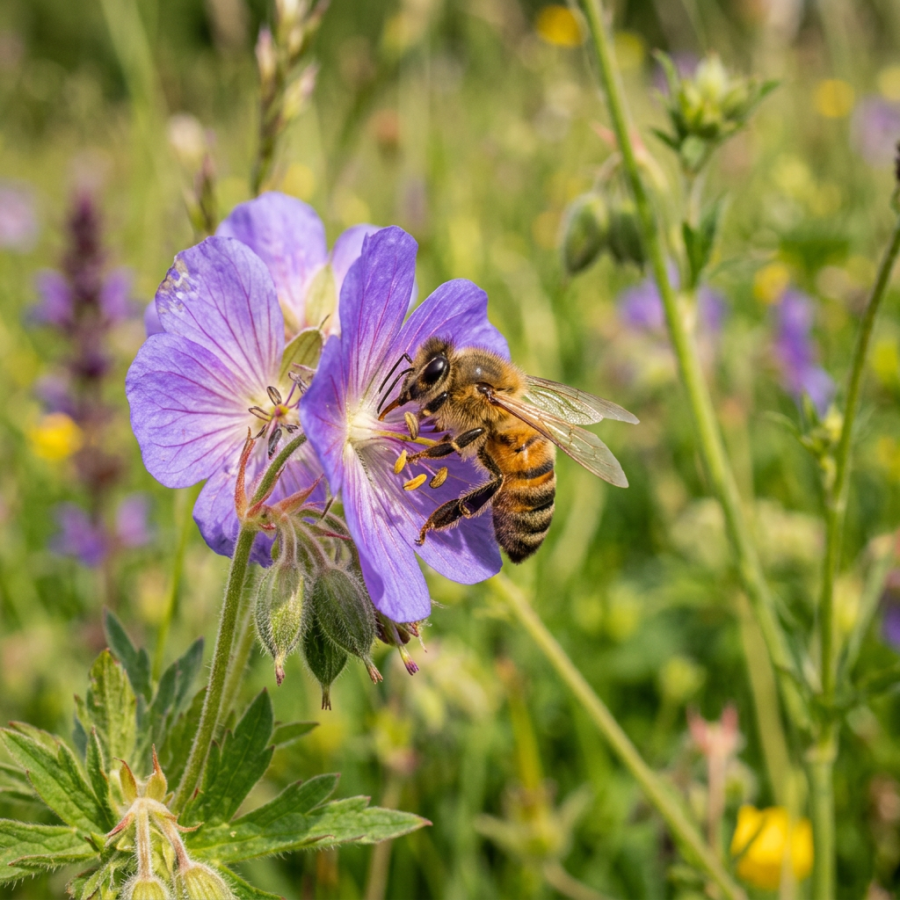
Honeybee collecting nectar from a purple wildflower

Bee and Insect Stings

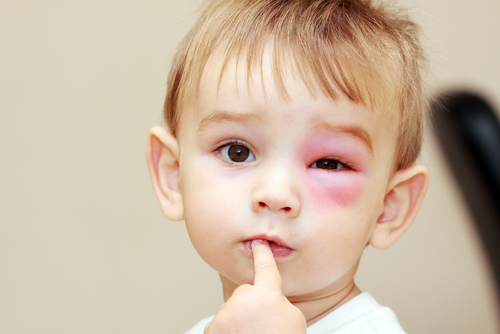
shutterstock_116816458Patients often come into the urgent care clinic due to bee or insect stings as the weather improves.  Being stung is often painful and can also be anxiety provoking because some people have serious or life-threatening allergic reactions to stings and require quick treatment. Sting Reaction:  Immediately after being stung, most people have a sharp or burning pain as well as redness or swelling at the site of the sting.  The swelling and pain usually improve within a few hours.  About 10% of people will develop severe redness and swelling after a sting, and this is called a large localized reaction.  These large red areas may reach up to 4 inches in diameter over 1-2 days, and then slowly resolve over 5-10 days. If you have a large area of inflammation after a sting, this does not mean that you will have an anaphylactic reaction if stung again. Rarely, some individuals will develop a severe allergic reaction, called anaphylaxis.  Only 5-10% of people with a large localized reaction will have an anaphylactic reaction. Symptoms of severe allergic reaction (usually develop quickly): 1)   Hives, redness or swelling of skin away from the area that was stung – ie. face or lips if being stung on the hand 2)   Shortness of breath, hoarse voice or difficulty breathing 3)   Abdominal pain, nausea, vomiting or diarrhea 4)   Feeling lightheaded, dizzy or passing out Treatment for local skin reaction: 1)    If the insect has left a stinger, remove it as soon as possible after being stung.  Flicking or scraping the stinger out is sufficient. 2)    Apply a cold or damp washcloth wrapped around ice to the area 3)    Take an antihistamine such as Benadryl or Zyrtec if you develop itching 4)    A pain medicine such as Ibuprofen or Aleve may be helpful Treatment for severe allergic reactions:  These are a medical emergency that can lead to death if not treated quickly.  Do not drive yourself to the hospital – call 911.  A shot of epinephrine (adrenaline) may be helpful to prevent more severe allergic reactions in some patients.  Epinephrine is prescription only and should only be used if there is concern about a possible life threatening reaction.  Training on how and when to use epinephrine should be given at your medical provider or pharmacy. Prevention:  Usually bees or wasps are not aggressive when they are away from their nests.  The usually only sting after being hit, stepped on or swatted.  Wearing a white or light-colored clothing may help reduce the chance of being attacked if you are near a nest.  If you are eating outside, keep food and drinks covered and clean up spills quickly.  Watch for yellow jackets inside of drink containers.  If you find a nest near your home, do not try to get rid of it yourself.  Call a pest control professional. If you are being swarmed or stung, cover your mouth and nose with your hand and retreat to inside a building or an enclosed vehicle.   I hope that you have found this information useful.  Wishing you the best of health,

Scott Rennie, D.O.
Board Certified in Obesity Medicine and Family Medicine

This blog is for educational purposes only and does not constitute individual medical advice. Always consult your own physician before making changes to your health, medications, or treatment plan.