
COVID Variant NB.1.8.1: What Patients and Clinicians Know

We all hoped COVID would fade into background noise by 2025. The virus did not agree. A new Omicron subvariant, NB.1.8.1, has been identified, and while it is not labeled a Variant of Concern, it is moving quickly enough in several countries to be worth paying attention to.

It was first identified in China earlier this year, then appeared in Australia, India, and the United States. Local outbreaks are being reported in dense areas including parts of California and New York. Genomic surveillance shows it spreading independently of travel patterns, which suggests it does not need help.

The subvariant carries several spike protein mutations: T22N, F59S, G184S, A435S, V445H, and T478I. These may improve binding to ACE2 receptors and blunt neutralizing antibodies. The pattern resembles BA.5, though NB.1.8.1 looks more efficient at evading immunity.

Laboratory data suggest moderate to significant immune escape. Antibodies from people who received current boosters show reduced neutralizing activity. The T-cell response, which is what keeps people out of the ICU, appears largely intact. That distinction is the reason boosters still matter, particularly for older adults and immunocompromised patients, and manufacturers are already adjusting formulations.

Early modeling puts NB.1.8.1 at 20 to 30 percent more transmissible than subvariants circulating in late 2024 such as JN.1, with possibly higher viral loads in the first two days. The practical translation is to test early and isolate immediately rather than waiting to see how it develops.

Symptoms are the ones we already know: sore throat, congestion, fatigue, dry cough, headache, fever. Some reports add hoarseness and mild GI upset such as nausea or abdominal discomfort, especially early on. That is not definitive yet, but on a video visit those two together are worth a second look, since I cannot examine a throat the way an in-person clinician can.

So far NB.1.8.1 has not been tied to more severe illness, and hospitalizations remain stable in vaccinated populations. The risk here is volume rather than severity. A variant that makes no one sicker can still overwhelm a health system if enough people get it at once, and places with fewer beds or lower booster uptake will feel it first.

What to do about it is not complicated. Prioritize updated boosters for high-risk groups. Consider masking indoors in long-term care settings when cases climb. Improve ventilation where you can. Test early, isolate early. Wastewater monitoring and sequencing give useful warning. Staffing, protective equipment, and telehealth capacity should all be ready to scale.

This is not 2020 again. It is the ordinary business of a virus that keeps evolving, and the response is the same as it has been: stay current, give patients clear guidance, and adjust when the data does.

Scott Rennie, D.O.

Board Certified in Obesity Medicine and Family Medicine

This blog is for educational purposes only and does not constitute individual medical advice. Always consult your own physician before making changes to your health, medications, or treatment plan.

Measles in 2025: What Patients and Providers Need to Know

The 2025 measles outbreak was one of the most concerning we’d seen in more than a decade. As of March 2025, Texas alone had reported almost 200 confirmed cases, the highest in years. Other states, including New Mexico, Georgia, Kentucky, New Jersey, New York, Pennsylvania, Rhode Island, Washington, California, and Florida, were seeing rising numbers too. Most of those infected were younger than 19, and 95 percent had either not been vaccinated or had an unknown vaccine status. Roughly one in five patients had needed hospitalization by that point. Tragically, one unvaccinated child in Texas had died.

Lower vaccination rates in some communities made it easier for the virus to spread at the time. Clinicians need to stay alert regardless: a cough, fever, and rash in an area with known cases should still raise immediate suspicion for measles.

What Measles Is

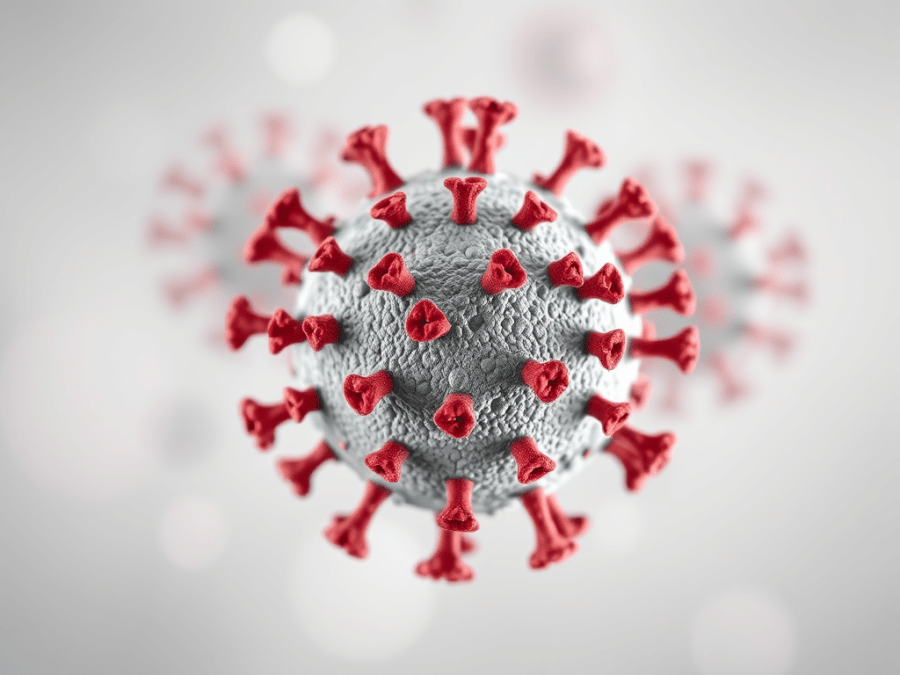
Measles is caused by the measles virus, part of the Morbillivirus family. It’s a single-stranded RNA virus that first infects the respiratory tract, then spreads throughout the body.

How It Spreads

The virus is extremely contagious. When someone coughs or sneezes, droplets can hang in the air for up to two hours, and touching a contaminated surface, then your eyes, nose, or mouth, can spread it just as easily.

If someone is exposed and not immune, nine out of ten will get sick. People with measles can spread the virus four days before the rash starts and four days after. That’s one reason outbreaks move so quickly.

The infectiousness of a virus is often measured by R0. For measles, in an unvaccinated community, R0 runs between 12 and 18, meaning one person can spread it to 12 to 18 others, a transmission rate high enough that public health teams treat a single confirmed case as urgent rather than waiting to see if it spreads further. Get 95 percent of a community vaccinated and R0 drops to about 1, which usually stops an outbreak in its tracks.

Symptoms

The illness follows a predictable pattern. Fever first. Then the rash.

About 7 to 21 days after exposure, early symptoms show up: high fever, cough, runny nose, red and watery eyes. Two or three days later, tiny white spots called Koplik spots can appear inside the mouth. By days 3 to 5 of illness, a red rash spreads from the face and hairline down the body, sometimes raised in the center, often with the fever spiking again at the same time.

Why It’s Serious

Complications are common. Pneumonia is the leading cause of death from measles. About one in a thousand people develops encephalitis, or brain inflammation, which can cause seizures or permanent damage. Severe diarrhea can cause dehydration. In rare cases, blindness or hearing loss occur.

There’s also a delayed complication called subacute sclerosing panencephalitis, a chronic infection of the central nervous system that shows up 6 to 8 years after measles. Symptoms include weakness, tremors, difficulty walking, and eventually coma. It is progressive and untreatable.

Infants, pregnant patients, and people with weak immune systems are at highest risk.

Diagnosis and Treatment

Diagnosis is usually confirmed by blood testing for IgM antibodies, which indicate recent infection. Respiratory swabs from the nose and throat can also detect measles RNA by PCR testing. Sometimes urine is tested as well.

There is no direct antiviral therapy. Treatment is supportive: keeping patients hydrated, managing fever and discomfort with acetaminophen or ibuprofen, and in children, supplementing with vitamin A. The virus lowers vitamin A levels in the body, and supplementing helps reduce the risk of severe complications.

What To Do if Someone Gets Measles

Isolation is critical. A patient should stay isolated for at least four days after the rash appears. Family and close contacts should be alerted. Post-exposure prophylaxis is an option for people who are unvaccinated or whose immunity is uncertain. The MMR vaccine may help if given within 72 hours of exposure. If that’s not possible, immune globulin (IVIG) within 6 days is another option, though the two should not be given together.

Complications need close monitoring. Breathing trouble, high fever that does not improve, or neurological symptoms should trigger immediate medical evaluation.

Prevention

The MMR vaccine is the most effective protection we have. Two doses run about 97 percent effective. Children should get their first dose at 12 to 15 months and the second between ages 4 and 6. Adults without immunity should receive at least one dose, and during outbreaks, infants as young as 6 months may be vaccinated early.

Vaccination protects the person who gets it. It also protects those who can’t get vaccinated themselves, including babies too young for the series and patients with immune conditions that rule out live vaccines. Stopping an outbreak for good takes at least 95 percent community coverage.

Closing

The 2025 measles outbreak showed how quickly this virus can return when vaccination coverage drops. Recognizing symptoms early, isolating cases, and vaccinating remain the keys to controlling it. As healthcare providers, we need to keep talking with patients about the value of the MMR vaccine and stay proactive about reporting and diagnosing cases.

For more information, visit the CDC’s measles page.

Scott Rennie, D.O.
Board Certified in Obesity Medicine and Family Medicine

This blog is for educational purposes only and does not constitute individual medical advice. Always consult your own physician before making changes to your health, medications, or treatment plan.

Sources

Man wearing protective mask with smoky industrial city background

LA Wildfires: Health Risks and a Doctor’s Perspective

On January 7, 2025, powerful winds sparked wildfires across Los Angeles. I live only a few blocks from one of the burn zones, and like many in the city, I was trying to keep up with the immediate challenges while also absorbing what it meant for health and safety. Those fires were a reminder of just how fragile our environment and infrastructure can be when nature takes over.

The air was heavy with smoke and ash in those first weeks. Step outside and you could taste it, feel it in your throat. Air quality monitors showed “unhealthy” or “very unhealthy” levels for days, mainly due to fine particulate matter, PM2.5. Even indoors, it was hard to escape. The smell crept through closed windows and doors. I’ve had patients call worried about worsening asthma, chest tightness, or headaches after only short exposures.

The winds drove the flames and knocked out power across neighborhoods. My own area went days without electricity, which made it harder to stay updated on evacuation alerts or even preserve basic supplies. There was concern about the water too. Ash and debris can wash into reservoirs and pipes, and that raised real questions about whether tap water was safe to drink. Many of us turned to bottled water, but the shelves emptied fast.

In those weeks, each day brought news of flare-ups in other parts of the region. Containment lines held in one spot, only to break in another. Watching the wind shift kept you tense. We’d all packed bags and set them by the door, not knowing when an evacuation order might come.

Ash settled over yards, on car hoods, across rooftops. The instinct is to clean it as fast as possible, but that can cause more harm than good: leaf blowers just push particles back into the air, where neighbors and children breathe them in. A safer approach is low-tech: a vacuum indoors, or a wet mop and gentle sweeping outside. When I cleaned my porch, I wore an N95 mask, gloves, and goggles. Ash went into sealed trash bags so it wouldn’t scatter again.

Protecting yourself during a wildfire comes down to layers of defense. Stay indoors if the air is poor. Use HEPA filters if you have them. Step outside only if you need to, and wear an N95 mask against fine particles. Skip the outdoor exercise. For water, use bottled supplies when you can, or follow boil-water notices if officials issue them. Keep a go-bag ready with medications, documents, food, and water, and know your evacuation routes and how you’ll get updates, whether that’s a radio, phone alerts, or a neighbor who checks in.

These fires took a toll on health, both physical and mental. But I saw resilience too. A neighbor came by to offer us extra bottled water when supplies ran low. Others opened their doors to families who had to evacuate. The community response was one of the few bright points in a difficult stretch.

It’s clear that Los Angeles needs to strengthen preparedness, both individually and collectively. Climate change is making fire seasons longer and more intense. Infrastructure will have to adapt, but so will we as individuals. Preparedness, whether that’s sealing a window with weather stripping, having an air purifier ready, or knowing your evacuation plan, can make a real difference.

At the time, the focus was on protecting ourselves and helping each other through it. Nobody knew how many more weeks the fires would burn, but people in LA were resourceful, and determined to get through it together.

Scott Rennie, D.O.
Board Certified in Obesity Medicine and Family Medicine

This blog is for educational purposes only and does not constitute individual medical advice. Always consult your own physician before making changes to your health, medications, or treatment plan.

Sources

H5N1 Bird Flu: What Every Patient Should Know Today

As physicians, we try to keep an eye on infectious diseases that might pose broader risks. H5N1, also called highly pathogenic avian influenza or bird flu, remains one of those, and the virus mainly infects birds but has crossed into humans with severe outcomes. The first human cases were seen in Hong Kong in 1997. Since then, human infections have been sporadic, usually tied to direct contact with infected poultry or contaminated environments, and unlike seasonal influenza, it doesn’t spread efficiently from person to person.

WHO’s cumulative count puts the case fatality rate at about 52 percent, 463 deaths among 888 confirmed cases worldwide since 2003, in data current as of March 2024. Human cases identified in the United States during the 2024 dairy and poultry outbreak ran far milder than that historical average, and many were mild. But the potential for severe disease is still there.

Recent Human Cases

In the United States, poultry wasn’t the only exposure route. In March 2024, transmission from cows to humans was confirmed, and cats were infected too, after drinking raw milk from infected cows. Between March 28 and October 31, 2024, there were 45 human cases in six states, all in adults, 25 linked to infected cows and 20 to poultry. By January 2025, there had been about 90 reported human cases nationwide.

A common thread was inconsistent use of protective equipment, and infection rates ran higher when gloves, masks, and goggles weren’t used consistently. Among those infected during the March-October window, 71 percent reported wearing gloves, 60 percent eye protection, 47 percent face masks, and only 36 percent reported both eye protection and masks together. PPE seemed to make a real difference, but adherence was incomplete.

Symptoms

The most common presentation was conjunctivitis. About 93 percent of patients developed viral pink eye, and fever was reported in about half, with headaches and muscle aches close behind. Sore throat, cough, and fatigue were less frequent. Diarrhea and nausea were rare. The median duration of symptoms was four days. Severe disease can still progress quickly to respiratory failure, multi-organ involvement, and death, though fatality figures reflect real biases in surveillance and reporting, since mild and subclinical infections are the ones most likely to go undetected.

Diagnosing H5N1

Diagnosis depends on history and testing. Exposure to poultry, cows, or contaminated settings should raise suspicion in anyone with severe flu-like illness. Nasopharyngeal or conjunctival swabs are typically used. PCR testing is the gold standard. Culture is rarely done. Biosafety concerns. Serology is sometimes used for retrospective surveillance.

Monitoring and Management

Close surveillance is essential for people exposed to infected birds or animals, with daily checks for fever and respiratory symptoms during the incubation period, about 10 days, recommended. Public health reporting remains critical for containment.

Treatment relies on antivirals like oseltamivir or baloxavir if started early, and severe cases often require oxygen therapy or mechanical ventilation, with supportive care for complications like ARDS central to management.

Human-to-Human Spread

What keeps H5N1 from being a global pandemic threat is the lack of efficient human-to-human spread. There have been family clusters and caregiver cases, mostly in the mid-2000s, where limited transmission was suspected, including a mother in Thailand caring for her sick daughter and family members in Indonesia in 2006, cases that involved close, unprotected exposure where the virus didn’t transmit beyond those immediate contacts.

H5N1 lacked the genetic adaptations that would make it easily transmissible like seasonal flu or COVID-19, and the concern was that mutations or reassortment with human influenza strains could change that, which is why surveillance continued.

Where the Risk Stands

As of early 2025, the risk to the general public remained low, with most cases stemming from direct animal exposure and person-to-person spread limited. For clinicians, though, awareness matters: we need to consider H5N1 in patients with severe respiratory illness who also have a relevant exposure history. For patients, the focus should be on minimizing contact with infected poultry, avoiding raw milk, and following public health guidance on protective measures.

H5N1 was still circulating in birds, and occasionally in other animals, and it occasionally infected people, though it was not, at that point, spreading widely between humans. The threat was real but contained. The critical piece remains vigilance: watching for changes that would signal the virus adapting toward easier human spread.

Scott Rennie, D.O.

Sources

Garg S, Reinhart K, Couture A, et al. Highly Pathogenic Avian Influenza A(H5N1) Virus Infections in Humans. N Engl J Med. 2025;392(9):843-854. PMID 39740051.

Centers for Disease Control and Prevention. Avian Influenza A (H5N1) Virus. https://www.cdc.gov/bird-flu/situation-summary/index.html

World Health Organization. Avian Influenza Weekly Update. https://www.who.int/emergencies/disease-outbreak-news

Uyeki TM, Peiris M. Novel Avian Influenza A Virus Infections of Humans. Infect Dis Clin North Am. 2019;33(4):907-932. PMID 31668198.

Board Certified in Obesity Medicine and Family Medicine

This blog is for educational purposes only and does not constitute individual medical advice. Always consult your own physician before making changes to your health, medications, or treatment plan.
Human Metapneumovirus (hMPV): What You Need to Know

Human metapneumovirus, or hMPV, doesn’t get the same attention as influenza or COVID-19, but it’s worth understanding. It was first identified in 2001, though genetic studies suggest it has circulated for decades, and it’s a member of the Paramyxoviridae family, the same family that includes RSV.

Transmission is through respiratory droplets. That means coughing, sneezing, or close contact with an infected person is usually how it spreads, and anyone can get it, though young children, older adults, and people with weakened immune systems are most vulnerable to severe illness.

Where It Shows Up

hMPV is found worldwide. It circulates throughout the year but tends to spike in late winter and spring in temperate regions, and improved diagnostics over the last two decades have shown just how common it is. Clusters show up in schools, childcare centers, nursing homes, and hospitals. Often alongside influenza and RSV activity.

In the United States, the CDC tracks it as part of routine respiratory surveillance, and globally, WHO lists it as one of several viruses contributing to seasonal surges of respiratory illness.

Symptoms and Overlap

The symptoms of hMPV are familiar. Patients may have fever, cough, sore throat, congestion, fatigue, and sometimes wheezing, and in healthy people, illness usually resolves within one to two weeks. In infants, older adults, or immunocompromised patients, the disease can progress to bronchiolitis or pneumonia.

The overlap with RSV, influenza, and COVID-19 makes it nearly impossible to identify clinically without testing, and in practice, we often don’t test unless patients are hospitalized or part of an outbreak under investigation.

Why It Matters

Most patients recover with supportive care. But hMPV deserves attention for a few reasons: high-risk populations can become severely ill enough to need hospitalization. Unlike flu or COVID-19, there’s no vaccine and no specific antiviral, so care stays supportive: oxygen, fluids, symptom management. And hMPV adds to the seasonal burden on the system overall, and when it circulates alongside RSV and flu, pediatric and ICU beds can fill fast.

Current Reports

China had reported more cases the previous winter, mostly among children under 14 in northern provinces. The increase triggered heightened monitoring at the time, though local health authorities noted the pattern was typical for the season and not as severe as the same period the year before. The WHO emphasized that hMPV is a known virus, not a new or emerging threat, and said it did not represent a global health emergency.

What To Watch For

For physicians, it comes down to clinical awareness. If a patient has unexplained respiratory illness, especially if they’re very young, older, or immunocompromised, consider hMPV in the differential. For patients, the message is simple: good hygiene matters, and wash hands, avoid close contact when sick, and stay home if you’re symptomatic. These are the same steps that help reduce spread of other respiratory viruses.

hMPV doesn’t carry the same weight as influenza or COVID-19, but it plays a consistent role in seasonal respiratory disease, and understanding it helps us manage patients more effectively and prepare for the extra strain it can place on hospitals during peak months.

Scott Rennie, D.O.
Board Certified in Obesity Medicine and Family Medicine

This blog is for educational purposes only and does not constitute individual medical advice. Always consult your own physician before making changes to your health, medications, or treatment plan.

Sources

Can Telemedicine Diagnose Strep Throat and Ear Infections?

Telemedicine changed how patients reach care. It connects people quickly, saves the drive, and handles a wide range of problems well. It also has limits, and two of them show up constantly: sore throats and ear pain.

Seeing a patient virtually costs me the physical exam. With strep, looking directly at the tonsils and the back of the throat is how I separate viral pharyngitis from bacterial infection. With ear pain, I can’t see the eardrum or check for fluid behind it. Small details. They’re also the ones that decide the diagnosis.

Palpation is the other thing I lose. In clinic, I’d press along the neck for lymph node swelling, and in front of and behind the ear for tenderness. On video I can only ask the patient to describe what they feel. Sometimes they will press the area themselves and report back, which helps, and it’s not the same as an examiner’s hands.

The differential for sore throat is wide. Viral infections dominate and usually arrive with cough and congestion. Group A strep climbs the list with fever, swollen tonsils, or white patches, and no cough. Mono belongs in the picture when there is heavy fatigue and node swelling. As of 2023, COVID-19 stayed on the list whenever fever came with loss of smell. Peritonsillar abscess is uncommon and worth real attention: severe pain, trouble swallowing, a muffled voice. And not every sore throat is an infection at all. TMJ dysfunction refers pain to the throat often enough to catch people out.

Ear pain has its own list. Otitis media brings pain and sometimes fever, usually trailing a cold. Otitis externa hurts when the outer ear is touched, and there’s often a swimming history behind it. Wax occlusion produces fullness. Eustachian tube dysfunction gives pressure and muffled hearing rather than a sharp ache. Mastoiditis is rare and serious, with severe pain, swelling behind the ear, and fever. TMJ turns up here too.

Separating otitis media from otitis externa without seeing the ear is genuinely hard. Patients hand me useful clues, and pain on tugging the outer ear points toward otitis externa, but a virtual diagnosis carries far less certainty than I’d like.

Which is why in-person evaluation still matters. When symptoms are severe, persistent, or simply not adding up, an office visit allows a clinician to look directly at the throat or ear, palpate the neck, and run a rapid strep test. That’s what produces an accurate call, whether the answer turns out to be antibiotics, symptom control, or reassurance.

None of this makes telemedicine less useful. Patients who describe their symptoms carefully give me a real chance at guiding early care, and for mild or clearly viral illness a virtual visit saves an unnecessary trip. The boundaries just need saying out loud. Some problems require hands and an otoscope.

Scott Rennie, D.O.

Sources

  • Shulman ST, Bisno AL, Clegg HW, et al. Clinical practice guideline for the diagnosis and management of group A streptococcal pharyngitis: 2012 update by the Infectious Diseases Society of America. Clin Infect Dis. 2012;55(10):1279-1282.
  • Rosenfeld RM, Shin JJ, Schwartz SR, et al. Clinical practice guideline: otitis media with effusion. Otolaryngol Head Neck Surg. 2016;154(1 Suppl):S1-S41.
  • Rosenfeld RM, Schwartz SR, Cannon CR, et al. Clinical practice guideline: acute otitis externa. Otolaryngol Head Neck Surg. 2014;150(1 Suppl):S1-S24.

Board Certified in Obesity Medicine and Family Medicine

This blog is for educational purposes only and does not constitute individual medical advice. Always consult your own physician before making changes to your health, medications, or treatment plan.
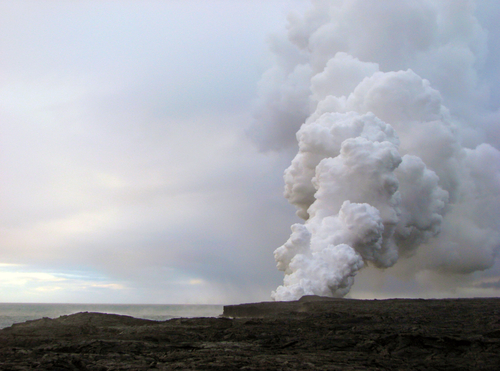
Erupting volcano emitting thick yellowish smoke with hikers on nearby rocky ridge

What Are the Long Term Effects of Vog (Volcanic Pollution)?

shutterstock_153524036Vog is a form of air pollution that results when sulfur dioxide and other gases and particles emitted by an erupting volcano react with oxygen and moisture in the presence of sunlight. The word is a portmanteau of the words “volcanic” and “smog“. The term is in common use in the Hawaiian islands, where the Kīlauea volcano, on Hawaiʻi Island (aka “The Big Island”), has been erupting continuously since 1983. Based on June 2008 measurements, Kīlauea emits 2,000 – 4,000 tons of sulfur dioxide every day. Vog poses a health hazard by aggravating preexisting respiratory ailments, and acid rain damages crops and can leach lead into household water supplies. The U.S. Geological Survey’s Hawaiian Volcano Observatory is closely monitoring gas emissions from Kilauea and working with health professionals and local officials to better understand volcanic air pollution and to enhance public awareness of this hazard. Like smog, the presence of vog reduces visibility. Moisture in the air causes vog particles to enlarge, decreasing visibility still further. On the Island of Hawai`i, people often turn their headlights on during daylight hours when driving in vog, and vog sometimes limits visibility for air traffic. By Roger Mari – KEWALO BASIN (KHNL) – Months of heavy vog might have some wondering what the long term affects the sulfur oxide in the air has on our health. A respiratory expert shared information on a study of volcanic pollution.   The results might come as a surprise to many. Leading the ongoing research is Doctor Elizabeth Tam.  She believes volcanic pollution or vog can trigger an asthma attack in people including children already diagnosed with the condition. “We don’t think volcanic air polution actually causes asthma,” said Dr. Tam. The March eruption of Kilauea’s Halemaumau crater sent large amounts of sulfur dioxide into the air making for more voggy days this year.   Not ideal for photographs, jogging and other outdoor activities, but the vog provides the perfect lab for research. “There have been times we’ve been in the schools studying, doing our thing and the air polution is much more than before,” Tam said. The group of children were first examined before they were teens.   Voggy days had the usual effects on them as they would on those who were otherwise healthy. “We get more of the upper respiratory effects nose, eyes, stinging throat etc., but it doesn’t appear to be asthma,” said Tam. Researchers including Doctor Tam, will continue the study on the select group of children which began six years ago. “We’re actually studying the long term effects of the kids, so we continue to study the children which is good,” she said. So far vog does not appear to be the cause of asthma in the select group of big island children. But one thing is certain, island residents could be living with vog for years to come. The idea is to study the children as they grow up.   They were as young as 12 to 14 when research began. The plan is to monitor their respiratory conditions until they are 18.

Scott Rennie, D.O.
Board Certified in Obesity Medicine and Family Medicine

This blog is for educational purposes only and does not constitute individual medical advice. Always consult your own physician before making changes to your health, medications, or treatment plan.
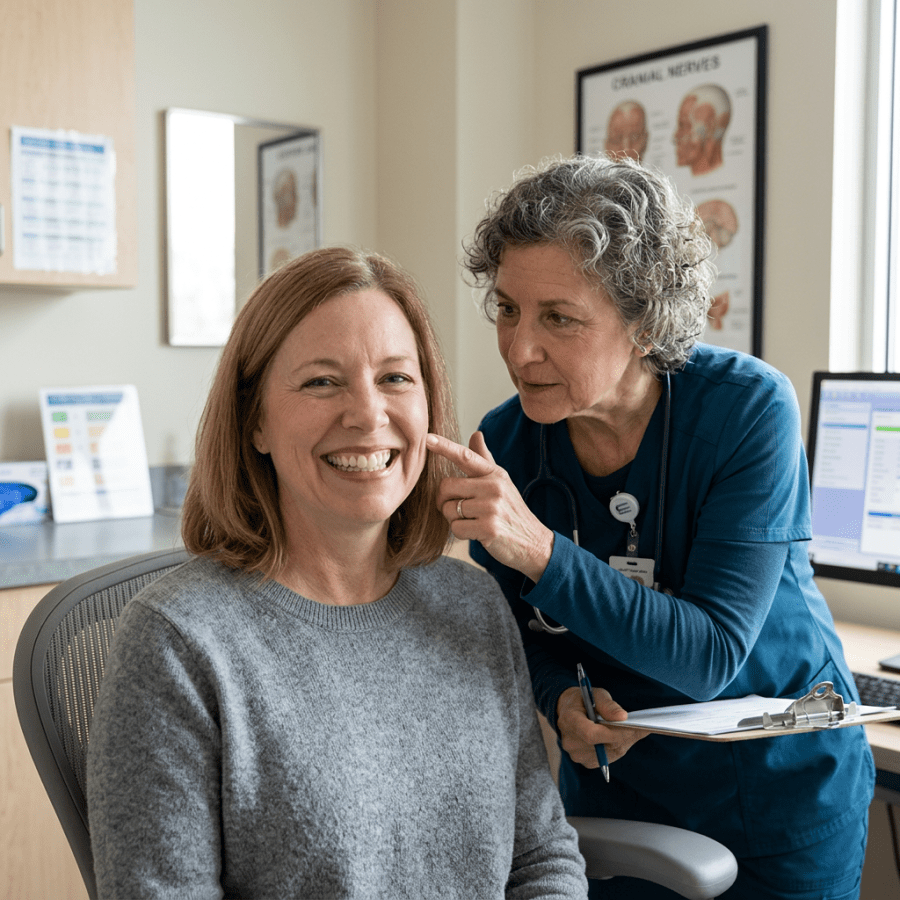
Clinician examining the side of a patient’s face during a clinic visit

Why is the Side of My face Drooping? All about Bell’s Palsy

shutterstock_142857034A few weeks ago a family brought their son in to the clinic because one side of his face including his eye and lips were not moving symmetrically with the other side.  Of course they were worried about the possibility of him having a stroke.  He’d had an upper respiratory infection that started about one week before and had a slight fever with runny nose.  He’d never had any neurological problems before.  He had a condition called Bell’s Palsy. Bell’s Palsy is a problem with the nerves on one side of the face and it causes the muscles of the face to have decreased ability to move.  The muscles of the face can become weak or even paralyzed.  Patients often complain that one of their eyelids starts drooping or they drool out one side of their mouth.  When they smile, one half of the mouth doesn’t seem to move. Most people who get Bell’s palsy recover entirely but a small number of patients have symptoms for the rest of their life. Causes:  Inflammation of the facial nerve on one side of the face is the cause of Bell’s palsy.  A virus is the cause and there is some evidence that it’s the virus that causes cold sores (Herpes Simplex Virus – HSV) that causes the condition.  Other viruses may cause Bell’s palsy however including the viruses that cause Chicken Pox and Mononucleosis. Symptoms:  When the facial nerve because inflamed from the virus, and the nerve may swell and get pinched as it travel’s through some tight spaces in the face.  If this happens it can cause weakness and even paralysis of the muscles of the face so you may see: 1)   Drooping of one eyelid 2)   Eyebrow that sags 3)   Corner of the mouth that does not move or sags 4)   One eye might not close completely 5)   Loss of taste in the front of the tongue 6)   Loud noises may cause pain on the side of the dysfunction If your eye is not able to fully close, this can lead to dryness of the eye, so it’s important to seek treatment to prevent eye damage. Treatment:  We don’t have any specific treatments for Bell’s palsy, but seeing a medical provider may be helpful to: 1)   Ensure the proper diagnosis, because the symptoms may be confused with a stroke or other neurological problems which can be dangerous if not treated appropriately 2)   Prevent damage to the cornea of your eye from dryness 3)   Steroids such as prednisone may be given to reduce the swelling of the affected facial nerve – this works better when started within the first 2-3 days of symptoms 4)   Antiviral medications such as acyclovir are sometimes given in hopes that they will help the body overcome the virus more quickly, however studies have not found any added benefits from using antiviral medications for Bell’s palsy Recovery/Prognosis:  People who have less severe symptoms seem to recover more rapidly and have a better chance of full recovery.  If you are getting better within the first three weeks, the chances are better that you will totally recover.  A small group of people however have permanent moderate to severe muscle weakness in their face from Bell’s palsy. Rare effects:  If there is severe damage to the facial nerve, it may heal in a disorganized fashion.  I have one patient who was bothered by tears coming from their eye when they salivate (before eating).   I’ve also had a patient whose eye would close whenever he smiled.  Fortunately this is not common with Bell’s palsy.   I hope that you have found this information useful.  Wishing you the best of health,

Scott Rennie, D.O.
Board Certified in Obesity Medicine and Family Medicine

This blog is for educational purposes only and does not constitute individual medical advice. Always consult your own physician before making changes to your health, medications, or treatment plan.
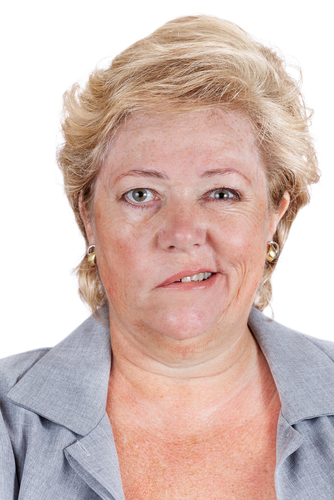
Woman wiping her nose beside a bathroom sink and mirror

Bloody Noses (Epistaxis): Causes and How to Stop Them

shutterstock_80516140A patient came into the urgent care today with a bloody nose after being hit with a baseball in the nose while playing catch.  The bleeding was so intense that blood was actually coming up through the tear ducts of his eyes.  His nose had been bleeding for about an hour prior to me seeing him and by that he came to the exam room the bleeding had almost stopped.

Nosebleeds can be dramatic and frightening but usually they stop on their own without need for intervention by a doctor.  I do however have some recommendations about what to do if you get a bloody nose (also called epistaxis) that will not stop.

1)   If your nose has been bleeding for awhile and is not stopping, blow all that goo that’s in the affected nostril out. This might cause the bleeding to increase temporarily and that’s ok.

2)   Get into a comfortable position and relax.  Don’t lay on your back, just sit up straight.

3)   If you have some Afrin (Oxymetazoline)

spray into the affected nostril.  It’s a nasal decongestant and causes the blood vessels to shrink down and this slows the bleeding down

4)   Grip the soft part of your nose  – both notrils (do not grip the bony part of the nose as that will not stop the bleeding).  Hold pressure over the nose for 15 minutes.  This is easier said than done.  You need to have a watch with you and actually keep holding pressure without letting go for the entire 15 minutes.  I’ve asked patients to hold pressure for this period of time and watched them let the pressure off after 2 minutes, thinking that they’d held for long enough, so make sure you have a watch and time this procedure.  If you take the pressure off too early, the bleeding will restart

5)   If, after performing all the above treatments your nose is still bleeding then you need to come in for evaluation.

There are two main types of nosebleeds.  The most common type is the anterior nosebleed that starts towards the front of the nose and causes blood to flow out through one of the nostrils.  The other type originates in the back of the nose near the throat.  Posterior nosebleeds are much less common and can be serious because stopping the bleeding can be more difficult.

When to seek medical care:

1)   The bleeding makes it difficult to breathe

2)   You become disoriented or light-headed

3)   The bleeding doesn’t stopped after you’ve tried the steps above

4)   You’ve recently had nasal surgery

5)   You’re having other symptoms such as chest pain

6)   You’ve had facial trauma and may have broken your nose

7)   You’re bleeding won’t stop and you’re taking a blood thinner such as Coumadin or Plavix

Prevention:  Some people seem to have issues with frequent nosebleeds.  Part of the reason is that sometimes the mucus membrane inside the nose become dry.  When that occurs the skin can rip or tear more easily and cause bleeding.  Also if the inside of the nose becomes itchy, often a patient might scratch the nose in the middle of the night and not realize it, causing trauma to the skin, bleeding and scab formation. The first line of prevention involves keeping fingers out of the nose.  I also recommend using a small amount of petrolium jelly (Vasoline) applied to the skin inside the nose to moisturize the skin and prevent bleeding for those people with recurrent nosebleeds.


I hope that you have found this information useful.  Wishing you the best of health,

Scott Rennie, D.O.
Board Certified in Obesity Medicine and Family Medicine

This blog is for educational purposes only and does not constitute individual medical advice. Always consult your own physician before making changes to your health, medications, or treatment plan.
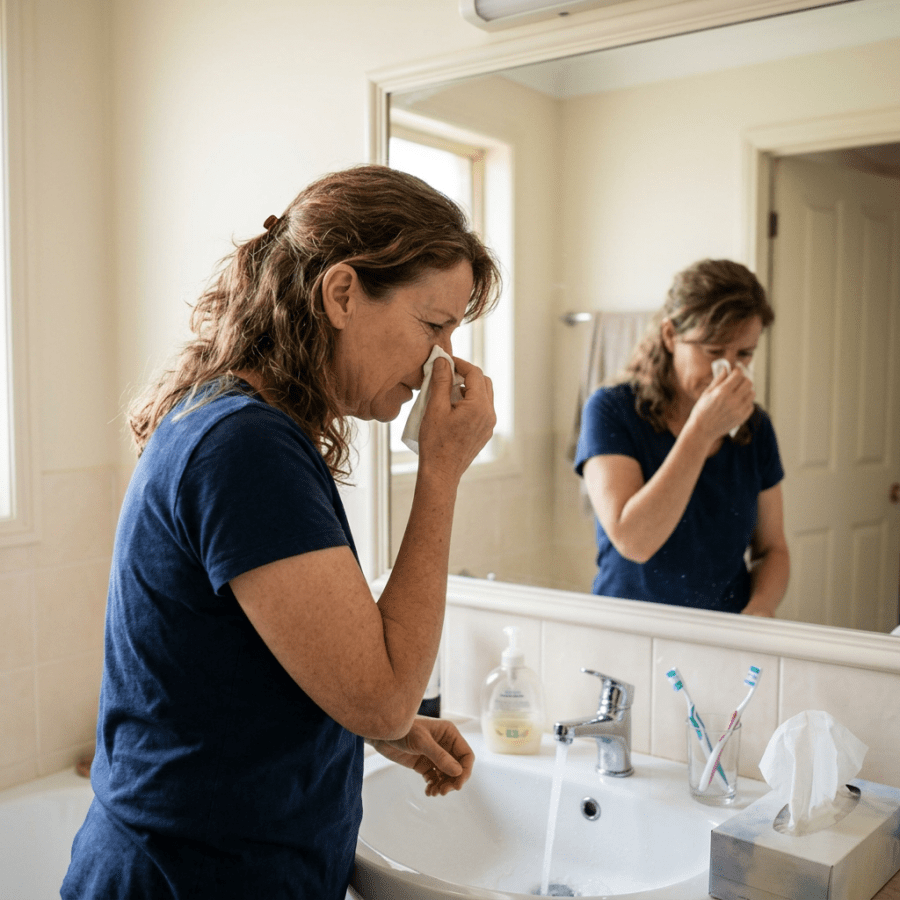
Woman sneezing into a tissue beneath blooming cherry trees

Doctor Said You Have Allergies? How to Know for Sure

shutterstock_126144308Spring is here, and so is the pollen count.  I’ve had countless patients who’ve come into the clinic lately suffering from season allergies.  Seasonal allergies can cause symptoms in the nose, the eyes and the throat.  The nasal passages are the areas that are affected by most people with allergies.  Allergic rhinitis is the term that we use in the medical field to refer to the inflammation of the nasal passages due to allergies.  The inflammation can cause a variety of symptoms including sneezing, itching, nasal congestion, runny nose and post-nasal drip (the sensation that mucus is draining from the sinuses down the back of the throat). Who is affected:  Allergic rhinitis (also called hay fever) affects about 20% of people of all ages.  Patients who have asthma or eczema have a higher chance of developing allergies. Causes:  Symptoms of allergic rhinitis are caused by a reaction in the nasal passages to small airborne particles known as allergens.  These particles could be pollen, dust or dust mites.  These particles can also cause reactions in the lungs such as asthma or in the eyes (allergic conjunctivitis). Symptoms:  The term “rhinitis” refers only to nasal symptoms, but many patients experience symptoms in their eyes, throat, and ears. 1)   Nose:  watery nasal discharge, blocked nasal passages, facial pressure, loss of taste, post-nasal drip, nasal itching, sneezing 2)   Sleep:  daytime fatigue, frequent awakening at night, mouth breathing, difficulty performing work 3)   Eyes:  swelling and blueness of the skin below the eyes, red eyes, itching, clear discharge 4)   Throat:  sore throat, hoarse voice, itching 5)   Ears:  popping of the ears, itching of the ears Diagnosis:  A physical exam by a medical provider usually is usually all that is required to make the diagnosis, however further testing can be done to identify the allergen. Allergy and asthma specialists often perform testing for patients to determine the substance that they are allergic to. Treatment:  Identifying the triggers that provoke allergic rhinitis is important so that patients can reduce exposure.  Sometimes recalling events prior to symptoms starting such as a recent camping trip, visit to friend’s house who has animals or spending time on a farm may be helpful.  Noting the time, date and potential allergens in the school as well as home and work can be helpful.    Other possible treatments include: 1)   Nasal irrigation and saline sprays 2)   Nasal glucocorticoids such as Fluticasone 3)   Nasal antihistamines such as Astelin 4)   Oral antihistamines such as diphenhydramine or cetirizine 5)   Oral decongestants such as Pseudoephedrine 6)   Nasal decongestants such as Afrin 7)   Mast cell stabilizers such as Cromolyn 8)   Leukotriene modifiers such as Singular Skin testing can be performed by allergists to help determine the allergen so that it can be avoided in the future.  Sometimes allergy shots are recommended to help the body become accustomed to the allergen with the hope that repeated exposure will reduce allergic symptoms.
There are several sources of information to determine the allergen/pollen count in your area.  One example is below: Accuweather.Com – Dust, Dander and Pollen Counts USA To find an allergy doctor in your area, the American Academy of Allergy, Asthma and Immunology’s Find an Allergist Website is:  http://aaaai.execinc.com/find-an-allergist/   I hope that you have found this information useful.  Wishing you the best of health,

Scott Rennie, D.O.
Board Certified in Obesity Medicine and Family Medicine

This blog is for educational purposes only and does not constitute individual medical advice. Always consult your own physician before making changes to your health, medications, or treatment plan.