
Can Doctors Help Seniors Live Independently Longer?

One of the main goals in my practice has always been to help older patients stay in their own homes for as long as possible. People do better when they remain in familiar surroundings and in the communities they know. Families often ask me how they can let their loved one hold on to independence while still getting the care they need.

There are real challenges. Memory problems can make it hard to keep track of medications. Mobility issues after something like a hip fracture can limit daily activity. Chronic conditions such as heart failure, uncontrolled diabetes, or severe COPD can complicate matters further. And many times, family members live hours away or even in another state, which makes caregiving even harder.

I’ve found that having a primary care provider who coordinates all aspects of medical care is one of the most important steps. When patients are dealing with multiple specialists, prescriptions, and appointments, it’s easy for things to get confusing. My role often becomes helping them navigate the system and making sure nothing slips through the cracks.

Simple tools can help. Some patients do well with prescription bottles that have timer caps, which remind them when it’s time for the next dose. Others like having a printed summary of their medications and visits, since it’s easy to forget details once they leave the office. Families often appreciate being kept in the loop about any changes in treatment, especially if they aren’t nearby.

Technology was already making inroads by 2011. I had patients who carried their medical records on a small device attached to their key ring so that if they ended up in an emergency room, their history could be accessed quickly (Agency for Healthcare Research and Quality, 2009). Even basic tools like calendars, written reminders, and updated medication lists can reduce errors and stress.

Home visits give another layer of insight. Seeing the living space allows me to suggest equipment that supports independence. A shower chair or grab bars in the bathroom can prevent falls. A raised toilet seat or a bed rail can make daily tasks safer. Some patients benefit from a hospital-type bed that can be adjusted for breathing or comfort, or from an over-bed table to help with meals and reading. These small changes can make a big difference in whether someone can stay at home comfortably.

I’ve also seen how involving patients in decisions about their care improves outcomes. When they feel ownership, whether it’s deciding which pill organizer to use or whether to accept in-home care, they’re more likely to follow through. At the same time, we have to be cautious about medications that increase fall risk, such as sedatives, and review them regularly (Institute of Medicine, 2006).

Helping older adults remain independent at home is one of the most rewarding parts of my work. It’s about supporting both the patient and their family, finding the right balance of medical care, safety, and autonomy.

Related Reading

End-of-Life Care: How to Talk About Your Own Wishes

Tips to Manage and Organize Your Elderly Parent’s Medications

Direct Primary Care: Access Problems in Today’s Clinics

Scott Rennie, D.O.
Board Certified in Obesity Medicine and Family Medicine

This blog is for educational purposes only and does not constitute individual medical advice. Always consult your own physician before making changes to your health, medications, or treatment plan.


Sources:

  • Agency for Healthcare Research and Quality. “Personal Health Records: Improving Patient Safety.” AHRQ, 2009.

  • Institute of Medicine. “Preventing Medication Errors.” National Academies Press, 2006.
Can Eating Pineapple Help Treat Gout Pain Naturally?

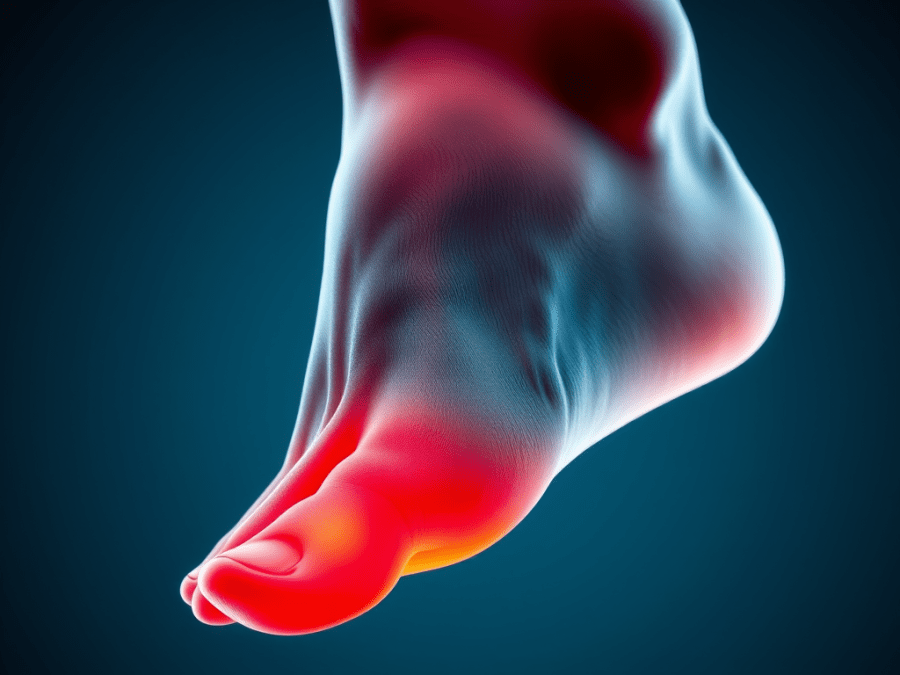
Gout is a common condition that happens when uric acid crystals build up inside the joints. The result is sudden, severe pain with swelling, redness, and loss of function. The joint at the base of the big toe is the one most often affected. Doctors call this podagra. But gout doesn’t stop there. I’ve seen it flare in the ankle, the wrist, the knee, and even the shoulder or hip. It can also involve the kidneys if crystals begin to form there, which can complicate the picture.

When someone has been diagnosed with gout, one of the first conversations is about diet. Certain foods can raise uric acid levels and set off an attack. Red meat, some seafood, beer, and drinks with high fructose corn syrup are well-known triggers (National Institute of Arthritis and Musculoskeletal and Skin Diseases, 2011). Patients often notice the pattern themselves after a few flares.

During an acute attack, the goal is relief. In the office, I’ll usually talk through standard treatment options. Nonsteroidal anti-inflammatory drugs like ibuprofen or naproxen are often first line. Colchicine is another option, and in severe cases, a corticosteroid injection directly into the joint can bring fast relief (American College of Rheumatology, 2010). These treatments can be effective, but they aren’t without risk. Side effects, cost, and access are real considerations for many patients.

Some people ask about natural approaches. I’ve had patients report success with pineapple, which contains bromelain, an enzyme with anti-inflammatory properties. One patient told me that eating pineapple right after the onset of pain worked better for them than any pill. While that’s anecdotal, bromelain has been studied as a supplement and is available in capsule form as well (University of Maryland Medical Center, 2010). As with any supplement, I advise patients to check with their doctor before starting it.

Hydration is another piece of advice I return to often. Uric acid crystals form more easily in concentrated urine. Drinking water dilutes the urine and helps the kidneys flush uric acid more efficiently. The Arthritis Foundation has long recommended at least eight to twelve glasses of water a day for patients with gout (Arthritis Foundation, 2011). It’s a simple step but one that can make a difference.

Gout is painful, but with attention to triggers, thoughtful use of medications, and supportive measures like hydration, patients can reduce the frequency and severity of attacks.

Related Reading

Diagnosed With Gout? What It Means and How to Prevent Flares

How to Manage Chronic Pain Without Relying on Medication

I Hurt My Finger or Toe: How Do I Know if It’s Fractured?

Scott Rennie, D.O.
Board Certified in Obesity Medicine and Family Medicine

This blog is for educational purposes only and does not constitute individual medical advice. Always consult your own physician before making changes to your health, medications, or treatment plan.


Sources:

  • National Institute of Arthritis and Musculoskeletal and Skin Diseases. “Questions and Answers about Gout.” NIH, 2011.

  • American College of Rheumatology. “Gout Clinical Practice Guidelines.” ACR, 2010.

  • Arthritis Foundation. “Living with Gout: Lifestyle and Diet.” Arthritis Foundation, 2011.

  • University of Maryland Medical Center. “Bromelain.” UMMC Complementary and Alternative Medicine Guide, 2010.

Why Do People Pinch Others on Saint Patrick’s Day?

The tradition of wearing green on St. Patrick’s Day goes back a long way. Stories trace it to the 1700s in America, where Irish immigrants brought their customs into everyday celebrations. One of those customs centered on leprechauns and other mischievous fairy creatures. Folklore said that these beings liked to pinch anyone they could see. Green clothing was thought to make you invisible to them, which meant you could avoid the pinch.

That legend made its way into how people celebrate the holiday today. Instead of leaving the pinching to fairies, people began doing it themselves as a reminder of the old tale. If someone forgot to wear green, they might get a quick pinch from a friend. It became a playful way to connect back to the folklore and to keep the custom alive.

It’s a small example of how cultural traditions evolve. What started as Irish folklore became something Irish Americans practiced, and then it spread more widely. The pinching tradition doesn’t have roots in Ireland itself. It grew here in the United States as a way of marking the holiday and tying it to stories people were already familiar with.

Related Reading

11 Fourth of July Safety Tips to Know Before You Celebrate Dementia in Pets: What Are the Early Warning Signs? What Really Causes a Hangover? The Truth Explained

Scott Rennie, D.O.
Board Certified in Obesity Medicine and Family Medicine

This blog is for educational purposes only and does not constitute individual medical advice. Always consult your own physician before making changes to your health, medications, or treatment plan.

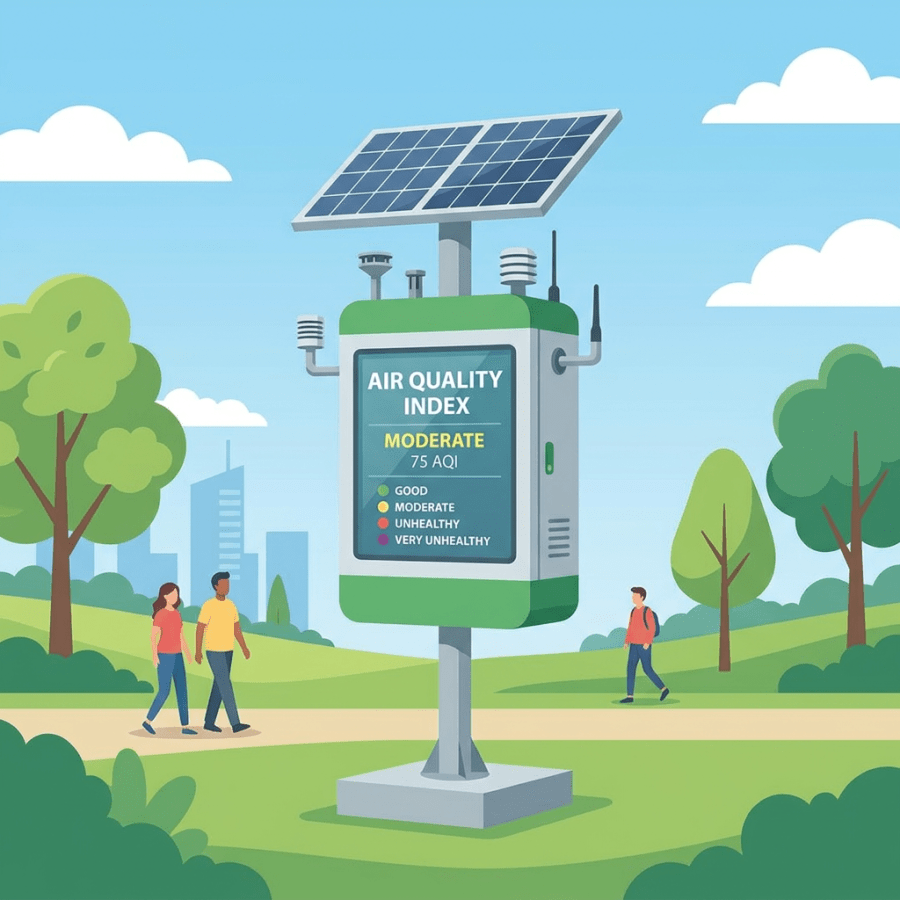
Flat vector outdoor air quality monitoring station

EPA Air Monitoring Effort: What the Statement Says

3/15/2011 WASHINGTON – As the Nuclear Regulatory Commission has said, we do not expect to see radiation at harmful levels reaching the U.S. from damaged Japanese nuclear power plants. As part of the federal government’s continuing effort to make our activities and science transparent and available to the public, the Environmental Protection Agency (EPA) will continue to keep all RadNet data available in the current online database. In addition, EPA plans to work with its federal partners to deploy additional monitoring capabilities to parts of the western U.S. and U.S. territories. As always, EPA is utilizing this existing nationwide radiation monitoring system, RadNet, which continuously monitors the nation’s air and regularly monitors drinking water, milk and precipitation for environmental radiation. The RadNet online searchable database contains historical data of environmental radiation monitoring data from all fifty states and U.S. territories.

Related Reading

Vitamin D and Sunshine: Make the Most of a Sunny Seattle Day Childhood Food Insecurity: What Doctors and Families Can Do 11 Fourth of July Safety Tips to Know Before You Celebrate

Scott Rennie, D.O.
Board Certified in Obesity Medicine and Family Medicine

This blog is for educational purposes only and does not constitute individual medical advice. Always consult your own physician before making changes to your health, medications, or treatment plan.

10 Best Tips to Make Your Next Business Trip Easier

A large part of my patient panel spends more time in airports than at home. Many fly a few times a month, sometimes every week. I came across a series of travel tips from Dan Pink, who’s been posting short video advice for almost two years. He recently added his tenth tip, and I thought they were worth sharing because I plan to use them myself on an upcoming trip to Scandinavia.

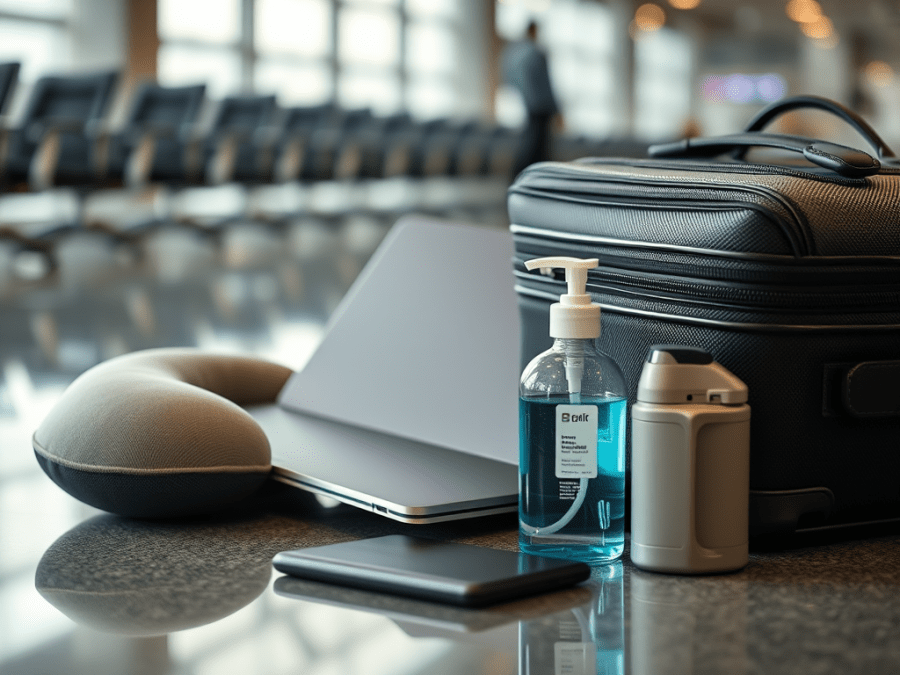
He starts with germs. Airplanes are crowded, enclosed spaces where bacteria and viruses spread easily. Dan recommends carrying a small bottle of hand sanitizer and a tube of Bacitracin. Clean your hands, then put a little Bacitracin on your fingertip and coat the inside of each nostril. It’s a small step that can lower the odds of picking up something during the flight.

Noise is another issue. Instead of spending money on bulky noise-canceling headphones, Dan suggests soft disposable earplugs. They’re cheaper, lighter to carry, and you can wear them through takeoff and landing without worrying about electronics. They also make it easier to fall asleep since you don’t have large headphones pressing against your head.

Food choices can make or break a trip. Dan offers four simple rules he follows at airports. First, eat where the pilots and flight crews are eating. They’ve usually figured out the best options. Second, go for protein instead of carbs since it lasts longer. Third, stick with bottled water instead of soda, which can upset digestion. And if you’re completely unsure, the fallback is a chicken quesadilla, which tends to be a safe bet.

Family travel gets its own acronym: HAHU. Hustle, anticipate, and heads up. It’s a reminder that moving quickly, planning ahead, and staying alert can make group travel smoother.

One thing few people think about is the tray table. It’s one of the dirtiest surfaces on a plane since it rarely gets cleaned. Dan carries antibacterial wipes and uses them before setting anything down. He warns that the wipe will probably look unpleasant after you use it, but that’s the point.

For people who work on the road, staying connected matters. At the time Dan was filming, he recommended wireless broadband USB modems. While mobile hotspots and international SIM cards are more common now, the idea is the same. Find a way to simplify internet access so you’re not juggling multiple logins and fees. Convenience often outweighs cost.

Security lines are their own challenge. Dan noticed that certain lines tend to move faster. If you qualify for premier status, it’s worth trying that line. If not, ask the agent which line seems to be moving quickest. Solo male business travelers usually move quickly because they carry fewer items and treat the line like a race. On the other hand, lines with vacationing couples tend to slow things down.

Once you’ve checked in to your hotel, the temptation is to turn on the TV. Dan’s advice is not to. He says it’s too easy to waste an hour and a half. Instead, use the time to call a loved one, get some exercise, or read.

Jet lag is another big challenge for frequent flyers. Dan focuses on three things: time, food, and light. Reset your watch to the destination’s time zone as soon as you board and try to sleep according to that schedule. Eat less on the plane and save your main meal for when you arrive. And most importantly, align your sleep with local light. If it’s daytime, stay awake even if you’re tired. If it’s night, go to bed even if you’re not tired. For those who can’t fall asleep easily, Dan’s trick is simple. Take one Benadryl and read The Economist.

Finally, he suggests buying a local newspaper when you arrive in another country. Carrying a paper makes you blend in a little more, which can reduce attention in big cities. Even if you can’t read the language, you can still learn from the pictures, and the paper makes good wrapping material for souvenirs.

These are straightforward tips, and I wouldn’t have thought of most of them myself. With upcoming travel, I plan to try them all.

This article is for information only and isn’t medical advice. If you have health concerns, please talk with your healthcare provider.

Related Reading

Essential Foreign Travel Tips: What to Know Before You Go

Pack a Carry-On First Aid Kit for Air Travel and Flying

2026 Travel Medicine Guide: Vaccines, Antibiotics, Safety Tips, and What You Don’t Need

9 Travel Tips Every Solo Female Traveler Should Know

Scott Rennie, D.O.
Board Certified in Obesity Medicine and Family Medicine

This blog is for educational purposes only and does not constitute individual medical advice. Always consult your own physician before making changes to your health, medications, or treatment plan.


Sources:

  • Pink, Dan. “Dan Pink’s Travel Tips” [Video series, 2006–2008].

  • Centers for Disease Control and Prevention (CDC). “Traveling Safely with Chronic Conditions.” CDC, 2023.

  • Federal Aviation Administration (FAA). “Traveler Health and Safety Tips.” FAA, 2023.

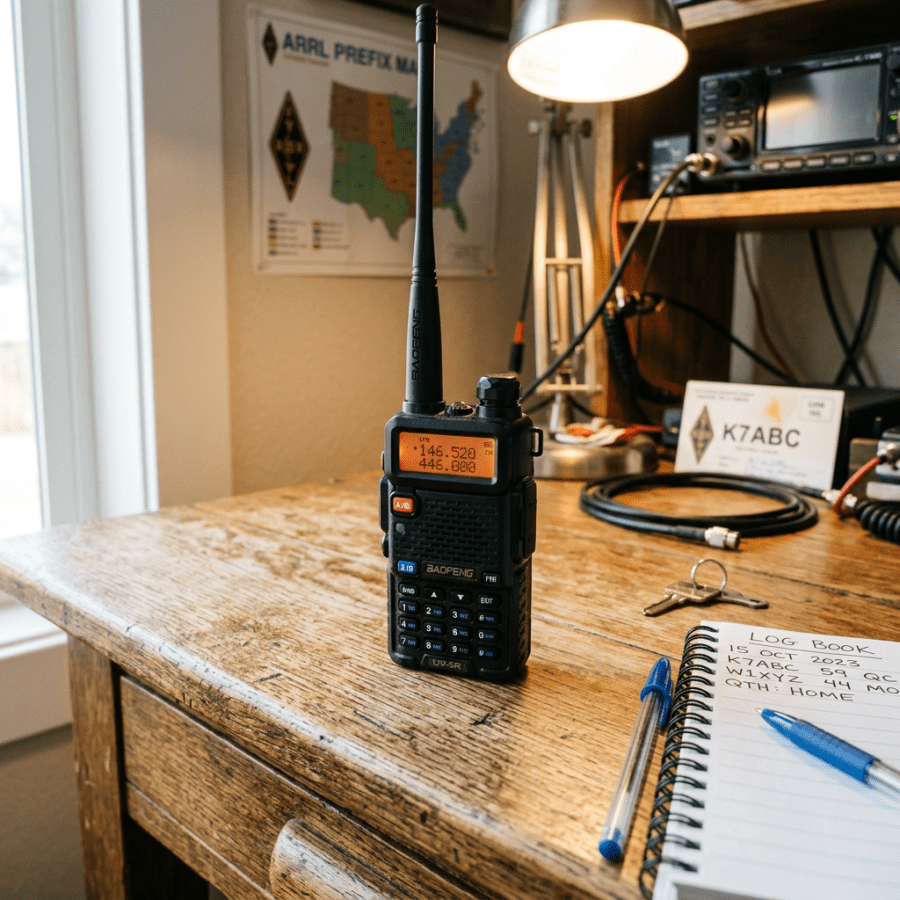
Handheld Baofeng radio on desk with amateur radio equipment and logbook

Become an Amateur Ham Radio Operator for Emergency Communications

I recently became an amateur radio operator, or “ham,” because I wanted to help with communications during emergencies. One of the big draws is that when phones go down, including cell phones, which often do in a disaster, you can still operate a ham radio. With a license, you can stay in touch with family or friends who are also licensed operators. If someone you need to reach isn’t on the radio, another ham can relay a message. You can talk by voice, send data through a computer, or even use GPS-based systems to pass information along.

The hobby goes beyond emergencies. For example, licensed operators can sometimes talk with astronauts aboard the International Space Station who also use ham radios (NASA, 2023). There’s also a technique called “moonbounce,” where signals are bounced off the moon to reach someone on the other side of the world, up to about 12,000 miles away (ARRL, 2024). And with the right setup, you can connect through satellites. It’s a mix of science, problem-solving, and communication.

At its core, amateur radio is about people connecting with each other locally or across the globe. Some use radios they bought off the shelf, while others build their own. Computers and the internet can play a role, but the heart of it is radio waves and the people who use them. In many disasters, amateur operators are among the first to help with emergency communication when traditional networks fail (FEMA, 2022).

Getting on the air requires a license from the Federal Communications Commission. That means taking an exam, but the test is very doable with some study. The FCC has set aside specific frequencies, called the Amateur Bands, just for this purpose. These cover a wide range, starting just above the AM broadcast band and reaching up into very high microwave frequencies (FCC, 2024). There’s room for experimenting, learning, and a lot of different styles of communication.

There’s also no age limit. I’ve met licensed operators as young as six years old. That’s part of the appeal. It’s a hobby that opens the door to science and technology for kids, but it also has serious applications when things go wrong.

If you’re curious about learning more, or even getting licensed yourself, the American Radio Relay League (ARRL) has a good starting point: http://www.arrl.org/getting-licensed.

This is for information only. It’s not medical advice, and if you have health questions, please talk to your own provider.

Related Reading

Getting Started With Amateur (Ham) Radio as a Hobby

Disaster Preparedness: An Amateur Radio Operator’s View

Medical Kits for Expeditions and Backcountry Travel

Scott Rennie, D.O.
Board Certified in Obesity Medicine and Family Medicine

This blog is for educational purposes only and does not constitute individual medical advice. Always consult your own physician before making changes to your health, medications, or treatment plan.

Twitter: http://twitter.com/doctorrennie


Sources:

  • American Radio Relay League (ARRL). “Getting Licensed.” ARRL, 2024. http://www.arrl.org/getting-licensed

  • Federal Communications Commission (FCC). “Amateur Radio Service.” FCC, 2024.

  • NASA. “Amateur Radio on the International Space Station (ARISS).” NASA, 2023.

  • Federal Emergency Management Agency (FEMA). “Amateur Radio.” FEMA, 2022.

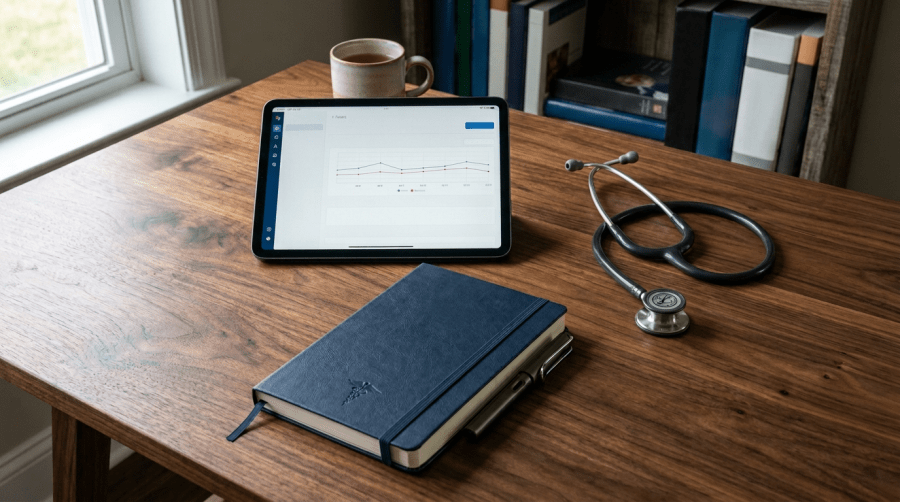
A tablet and a stethoscope on a wooden desk beside a closed notebook

What the Apple iPad Might Mean for the Future of Medicine

This article was written back in August on nursingschools.net blog, but I think it’s interesting and discusses how the iPad may be one solution to help health care providers in Medicine. New technology has the potential to change the way we do things, from changing a single part of a routine to altering the game plan entirely. Many have lauded Apple’s new iPad as one of these revolutionary technologies, and one that has great potential to be used in fields like education, business and even medicine. Whether or not the iPad can truly revolutionize the way treatment is carried out at hospitals around the nation is yet to be seen, but there is a lot of buzz about it, and more and more facilities are willing to give it a try in their day-to-day practice. If you’re curious about what the iPad could mean for medicine, from nursing schools to nursing homes, take a look at these potential applications, articles and even apps to see what the iPad could change, make easier, and streamline for medical facilities. Applications There are a wide range of ways that the iPad has been suggested for use in the hospital setting. Here are just a few applications that can show you what the iPad could mean for changing the way you do patient care in your hospital. • Accessing patient records. The iPad makes it simple to bring up and page through all kinds of patient records, including photos, radiology images, and much more. • Writing prescriptions. For hospitals with digital prescription systems, or even ones without, writing and getting a prescription filled for a patient could easily work with the iPad at the touch of a button. • Looking at x-ray images. Radiological images are already available to view on the iPhone with the right apps, but with the iPad, doctors and nurses will be able to see the images in a much larger size, making them more useful to the professionals and patients alike. • Sharing information with patients. With its fairly large screen, the iPad makes it possible to easily show patients images and information related to their treatment. And a better informed patient is more likely to be at ease and happier with treatment. • Communicating with hospital staff. Keeping in touch with those you work with in different parts of the hospital or even in different medical facilities altogether is incredibly easy with the functionality provided by the iPad. • Quickly finding images and diagnoses for patients. Not sure what exactly a bump or rash means on your patient? The iPad makes it simple to look up medical reference information with high resolution photos so you can improve the accuracy of your diagnoses. • Looking up other medical cases. If you’ve got a particularly difficult case to crack, you might need to do a little research. The iPad, working with some great apps, can help you do the research you need, contact other specialists and find the right information for the best treatment. • Sharing and publishing medical research. With the iPad, you’ll be able to read the latest research being done and even share your own discoveries as you’re making them, keeping you in the loop and helping doctors all over the world deliver the best care. • Taking patient history. While pen and paper can work fine for getting a patient history, taking it on the iPad means it can be instantly accessible for other doctors and nurses in the hospital and that it can be retrieved and modified in an instant. • Managing patient care. The iPad can make it simple to manage almost every level of patient care. Taking patient history, finding a diagnosis, writing prescriptions, sending a referral, helping patients understand their conditions and much more can all be done from one simple, easy-to-use device. Benefits Why use the iPad in a hospital and not some other form of technology? Here are some of the main benefits the device has to offer. • It’s small and portable. Doctors and nurses can easily carry the device around or stow it away in their pockets, keeping records, information and contacts close at all times. • It can make retrieving information a snap. The iPad’s processor and functionality make it simple and quick to pull up things like patient records at a moment’s notice and help medical personnel deliver care quickly and accurately. • It offers more visibility than a smartphone. Many doctors have been using the iPhone or other smartphones to do many of the things the iPad does, but the larger screen on the iPad means more visibility, making information easier to see, access and even share with patients. ‘• It’s relatively inexpensive. While the iPad isn’t exactly cheap, it can be as cost effective as a laptop, but with increased mobility that can make it especially useful in a hospital setting. • There are no additional fees. So long as you use your iPad on a local wi-fi server, you won’t need to incur any additional fees to use it. That can be a big savings from an iPhone which requires cell and data plans. • There’s a long battery life. Longer time without a charge means it can be used throughout the day without having to take a break, sometimes ten hours or more, something other tablets can’t match. • It could potentially interface with existing iPhone and mobile devices. Sharing information between two Apple products shouldn’t be a problem and could make it easy to transfer information and access it from multiple points. • There’s a small learning curve. The iPad is new, but it draws on technology from existing devices, so many will already be familiar with how to use it. And with a simple interface, even the most technology impaired can figure out how to use it. • It makes communication easy. Both within a medical facility and with other treatment facilities, the iPad can make sending, sharing and keeping track of patient information incredibly easy. • It is versatile. It could be carried around by medical personnel, mounted at the foot of patient beds, used by doctors, nurses, radiologists, pharmacists– the list goes on. And as the technology advances, the potential uses for it will as well. Disadvantages Using the iPad in a medical setting isn’t a perfect solution. Here are some ways that the product might not deliver and could mean needing more equipment to get the job done. • No Flash compatibility. Flash videos simply won’t play on Apple products, and it doesn’t look like Apple and Adobe will be coming to an agreement anytime soon. This could limit the types of medical information you can access. • No camera. If you need to take pictures of your patient’s condition, want to video chat or even just share images of your practice, you’ll need to use another device. Some suspect later versions of the iPad will have this function, but the current ones simply do not. • No Mouse. Those who use a lot of mouse-heavy applications may find themselves growing tired of scrolling and clicking with their fingers on the iPad. The iPad does not work with Apple’s bluetooth mouse. • Durability. The iPad is a pretty sturdy device, but it is yet to be seen how it would hold up against heavy, everyday use in a hospital setting. Additionally, because it’s always being carried, there’s a good chance it will be subjected to a drop or two. • You can’t swap batteries. While the iPad’s battery may last a long time, the fact that it can’t be swapped out for a fresh one makes it hard to use between different shifts and maintain continual care. Articles If you’d like to read more about how the iPad is impacting the practice of medicine, these articles are especially informative and useful. • iPad review for doctors: A hands on guide for medicine: If you’re working in the medical profession, check out this review of the device from a doctor’s perspective to see how it could be useful to you. • Apple’s iPad Health Impact for Doctors and Hospitals: Read this article to see how the iPad could change how you practice medicine. • Is the iPad About to Change Emergency Medicine?: In this post, you can read more about the potential for using the iPad in emergency medicine. • Japanese Surgeon Uses an iPad in Operation: Doubting the usefulness of the iPad in medicine? This Japanese doctor shows one way it can be a big help during surgery. • Medicine is the Apple iPad sweet spot: This writer talks about how the iPad is ideal for the medical setting. • Apple tablet reps spotted at LA hospital: Here, you’ll see that the iPad may have been designed partly with medical professionals in mind. • The iPad in Medicine: The Good, the Bad, and the Germy: Read about both the positives and the negatives that come with using the iPad in a medical setting here. • The iPad in Healthcare: A Game Changer?: Learn how the iPad could potentially change the way medical treatment works from this article. • iPhone Versus iPad In Healthcare: Read through this article to see the differences between using the iPhone and iPad in medicine and the advantages of each. • With the iPad, Apple may just revolutionize medicine: In this Washington Post article, Martha White explains how she thinks the iPad may truly change how doctors interact with patients and how hospitals run. Medical Apps Hoping to give the iPad a try in your medical facility? Consider these apps as great additions to the technology. • Blausen Human Atlas: In this great resource, medical professionals will find 3D images of the human body along with handy images and videos explaining a wide range of medical conditions. • Visual Dx Mobile: Not entirely sure what that rash is on your patient? Through this app, you’ll find images of thousands of dermatological conditions so you can make an accurate diagnosis. • Procedures Consult: Newbies to the medical field will love this app, with instructional videos on a procedures in a range of medical specialties, helping you know just what to do and how to do it. • Osirix: If you need to see radiology images on-the-go, this app can make it happen, with high quality and useful imagery at the touch of a button. • eFilm Mobile: This app is another mobile radiology tool, letting doctors and nurses easily take a look at scans from patients. • Papers: Check out this app for an easy way to look up new research papers, store them on your device and read them when you have a spare moment. • Lexi-Comp: Make sure your patients get the right medicines in the right dosages every time with the help of this prescription database. • MD on Call: For students, this can be an amazing tool for learning about some of the most common conditions they’ll be confronted with. They range from the simple to the complex, and courses of treatment are included as well, making it an excellent educational tool. • Medical History: With this application, doctors and nurses can capture, store and share a complete medical history of any patient. • ACLS Advisor: Again, this application can be a great tool for learning or as a refresher for doctors who don’t often deal with coding patients.

Related Reading

How iPads Improve the Patient Experience in Clinics Google Glass: Is It Really Ready for Prime Time Yet? Can You Trust All the Health Information You Find Online?

Scott Rennie, D.O.
Board Certified in Obesity Medicine and Family Medicine

This blog is for educational purposes only and does not constitute individual medical advice. Always consult your own physician before making changes to your health, medications, or treatment plan.

Steaming cup of coffee in a dark ceramic mug on a wooden table next to coffee beans and wooden spoon

5 Health Reasons You Shouldn’t Quit Drinking Coffee

Of all the daily habits people feel guilty about, coffee is the one that deserves it least. Not the sleep debt, not the bourbon, not the two hours of scrolling before bed. The coffee.

It is one of the few consumption habits where the public health message and the actual evidence point in opposite directions, and the evidence has been pointing the same way for a long time now.

The umbrella review

Poole and colleagues published an umbrella review in the BMJ in 2017 that pulled together 201 meta-analyses of observational research covering 67 distinct health outcomes, plus 17 meta-analyses of interventional research (1). That is about as wide a look at a single dietary exposure as exists.

The finding: coffee was more often associated with benefit than with harm, across nearly every way of slicing the exposure. The association was non-linear, with the largest reduction at three to four cups a day compared with none. All-cause mortality relative risk 0.83. Cardiovascular mortality 0.81. Cardiovascular disease 0.85 (1).

High versus low consumption came with an 18 percent lower risk of incident cancer (1). There were also lower risks reported for several specific cancers and for a set of neurological, metabolic and liver outcomes.

And the harmful associations that did turn up were largely explained away once smoking was adequately adjusted for, which is the oldest confounder in this literature. Coffee drinkers used to be smokers. That is much less true now than it was in 1980, and the older studies never sorted it out properly.

The genetics question, which is the one I find most persuasive

Here is the objection that always came up. Some people metabolize caffeine slowly because of common variants in CYP1A2 and elsewhere. If coffee were genuinely protective you would expect it to matter how fast someone clears it, and if the benefit were confounding you would expect genotype not to matter at all.

Loftfield and colleagues tested this in the UK Biobank, published in JAMA Internal Medicine in 2018, using a genetic caffeine metabolism score and ten years of follow-up (2). The inverse association between coffee drinking and mortality held regardless of genotype, and it held in people drinking more than five cups a day.

You can read that two ways. Either the benefit is not caffeine-dependent, which points at the several hundred other compounds in coffee, or the whole thing is confounded in a way genotype does not touch. I lean toward the first, and I hold that loosely.

Five reasons, honestly stated

Mortality. Three to four cups a day sits at the bottom of the curve for all-cause and cardiovascular death in the pooled data (1).

The liver. This is the most consistent signal in the whole coffee literature and the one most often missed, with lower rates of fibrosis, cirrhosis and hepatocellular carcinoma in coffee drinkers and a clear dose relationship, which is why I bring it up with anyone who has fatty liver disease and has already been told, correctly but unhelpfully, that the answer is to lose weight and exercise more. Coffee costs nothing. It is one of very few things on that list that does not require them to change their life.

Type 2 diabetes. Inverse association, dose dependent, and present for decaffeinated coffee too, which again argues that caffeine is not the active ingredient.

Neurological outcomes, where the associations are real and the mechanisms are less settled.

And the one nobody counts: coffee is a small structured pleasure that people build a morning around. I am not going to pretend that is a clinical endpoint. It is still worth something.

Where the caveats actually are

Pregnancy is the genuine exception. The harmful associations that survived adjustment in the umbrella review were in pregnancy (1), and the standard advice to stay under 200 mg of caffeine a day stands.

Then there is what people put in it. A drink with 400 calories of syrup and cream is not the exposure any of these studies measured. “Four coffees a day” and “four of those” are different sentences, and the second one belongs in a conversation about calories rather than a conversation about coffee.

Sleep is the other one. Caffeine has a half-life of roughly five hours, longer in some people, and the afternoon cup is a real contributor to the insomnia that patients then treat with something else.

Reflux, palpitations, anxiety. Real for individuals, not population-level reasons to stop.

For patients

You do not need to quit coffee for your heart. Three to four cups a day is where the association looks best, and there is no evidence that you should push toward that number if you do not want it.

Watch what goes in the cup, keep the last one well before bed, and stay under 200 mg a day if you are pregnant.

For colleagues

The liver association is the most actionable piece of this and the least used. Patients with MASLD get told to lose weight and exercise, both of which are hard, and rarely get told that coffee has consistent evidence behind it.

The UK Biobank genotype analysis is worth having on hand for the patient who has read that slow metabolizers should avoid coffee.

The Bottom Line

Coffee comes out ahead in almost every outcome anyone has pooled, with the largest benefit around three to four cups a day and an all-cause mortality relative risk of 0.83. The effect does not depend on how fast you metabolize caffeine, and it shows up for decaf in the diabetes and liver data, which suggests caffeine is not what is doing the work. Pregnancy is the real exception. The rest of the caveats are about sleep and about what you add to the cup, not about the coffee.

Related Reading

What Really Causes a Hangover? The Truth Explained

Vitamin D and Sunshine: Make the Most of a Sunny Seattle Day

How to Sleep Better: Practical Steps for Patients

How Do You Actually Lose Weight? A Doctor Explains

Does Fasting Slow Aging? What the Science Says

Longevity Medicine: What Actually Works, and What Doesn’t

Scott Rennie, D.O.
Board Certified in Obesity Medicine and Family Medicine

This blog is for educational purposes only and does not constitute individual medical advice. Always consult your own physician before making changes to your health, medications, or treatment plan.

Sources

1. Poole R, Kennedy OJ, Roderick P, et al. Coffee consumption and health: umbrella review of meta-analyses of multiple health outcomes. BMJ. 2017;359:j5024. PMID 29167102. https://pubmed.ncbi.nlm.nih.gov/29167102/

2. Loftfield E, Cornelis MC, Caporaso N, et al. Association of Coffee Drinking With Mortality by Genetic Variation in Caffeine Metabolism: Findings From the UK Biobank. JAMA Intern Med. 2018;178(8):1086-1097. PMID 29971434. https://pubmed.ncbi.nlm.nih.gov/29971434/

Seattle skyline with Space Needle, waterfront, boats, and mountains under clear sky

Vitamin D and Sunshine: Make the Most of a Sunny Seattle Day

shutterstock_115649197

Vitamin D has been in the spotlight for years now. In younger people, most of what we need can usually come from the sun. Mayo Clinic notes that even 10 minutes of sun exposure may be enough to prevent deficiencies. Yet when we actually measure vitamin D in patients, we see that a large number are still deficient.

Does that mean we’re not getting enough sunlight? In some places, probably. Living in Seattle, for example, where sunny days are limited and sunscreen is used frequently, low levels make sense. It also points to the role of diet. Foods like fatty fish, eggs, fortified milk, and cod liver oil provide vitamin D, but many people don’t get enough of those either.

So what happens if your vitamin D levels are too low? Media reports have linked deficiency with a long list of conditions: diabetes, high blood pressure, multiple sclerosis, certain cancers, depression, fatigue, osteoporosis, fractures, peripheral vascular disease, rheumatoid arthritis, Parkinson’s, Alzheimer’s, prostate cancer, weight gain, and even seasonal affective disorder. The list is long.

The important thing to know is that most of these links come from observational studies. That type of study can show association but doesn’t prove cause and effect. Research is still ongoing. What we do know with more confidence is that vitamin D deficiency reduces calcium absorption, which contributes to osteoporosis. Low bone density makes bones fragile, and even a minor fall can result in a fracture.

How do you know if your level is too low? If you have a diet that includes vitamin D-rich foods and you get regular sun exposure, you’re probably fine. But certain risk factors raise the likelihood of deficiency. These include obesity, darker skin tones, older age, breastfeeding in infants, inflammatory bowel disease such as Crohn’s or ulcerative colitis, cystic fibrosis, and some seizure medications. The elderly, in particular, have a reduced ability to produce vitamin D in their skin when exposed to sunlight.

The test we use is called 25-OH vitamin D. It’s a simple blood test that your medical provider can order. I use it often for patients who are at risk or have symptoms that raise concern. From there, we work together to bring levels into the recommended range.

Can you get too much vitamin D? Yes. Excess supplementation can cause hypervitaminosis D, which leads to symptoms like constipation, loss of appetite, dehydration, fatigue, irritability, muscle weakness, and vomiting. This is why it’s important to check in with your medical provider before starting high doses.

Related Reading

How to Sleep Better: Practical Steps for Patients

Childhood Food Insecurity: What Doctors and Families Can Do

Anxiety: Practical Tips and What Can Actually Help

EPA Air Monitoring Effort: What the Statement Says

Scott Rennie, D.O.
Board Certified in Obesity Medicine and Family Medicine

This blog is for educational purposes only and does not constitute individual medical advice. Always consult your own physician before making changes to your health, medications, or treatment plan.

Sources:

Leather doctor bag with stethoscope on welcome mat in front of blue door

Royal Pains the TV Show: Now Meet the Real-Life Version

The wildly successful USA Network show, Royal Pains has recently introduced the concept of concierge medicine to a broad audience. The idea of a private physician on retainer is not new, it’s actually an old notion that in the current light of healthcare reform and provider shortage is enjoying a type of renaissance.

Dr. Rennie with a young patient
Just think of the convenience of having a doctor come to you when you’re sick. How wonderful would it be when you already have a feverish or hurt child on your hands to not have to get them out of bed and drive them to the emergency room or urgent care center where they may have to wait a long time to be seen? Or perhaps you are too busy to leave the office, but still need to get your yearly physical or refills on your medications?  Maybe you are someone who has a tough time traveling to the doctor’s office due to physical restrictions?  We thought about all of these potential issues when I created our mobile concierge medical practice – Rennie Family Health.

We are the only private physicians in the greater Seattle area who come to your home or office same day for routine physicals, illness, or injury. Our practice is built around YOUR lifestyle. We are open 24 hours/day, 7 days/week, 365 days/year. All patients have my personal mobile number and can reach me at any time.

While our hero Dr. Hank Lawson prefers to cater exclusively to the privileged citizens in the uber-wealthy microcosm of the Hamptons, we have a slightly different philosophy and think high end, personalized medicine should be affordable to many more people. We have structured our packages and payment plans to be very affordable. We home you check out our website or view our video to learn more.

Related Reading

American Academy of Private Physicians Conference in Austin, TX Direct Primary Care: Access Problems in Today’s Clinics Watch Dr. Rennie’s New Video for Rennie Family Health

Scott Rennie, D.O.
Board Certified in Obesity Medicine and Family Medicine

This blog is for educational purposes only and does not constitute individual medical advice. Always consult your own physician before making changes to your health, medications, or treatment plan.