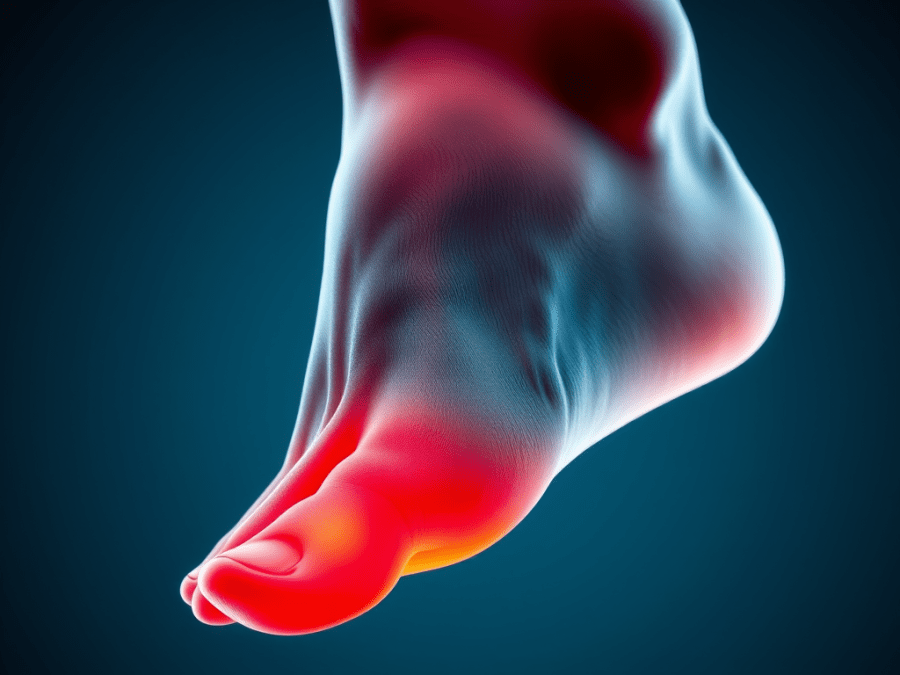
Gout is a common condition that happens when uric acid crystals build up inside the joints. The result is sudden, severe pain with swelling, redness, and loss of function. The joint at the base of the big toe is the one most often affected. Doctors call this podagra. But gout doesn’t stop there. I’ve seen it flare in the ankle, the wrist, the knee, and even the shoulder or hip. It can also involve the kidneys if crystals begin to form there, which can complicate the picture.
When someone has been diagnosed with gout, one of the first conversations is about diet. Certain foods can raise uric acid levels and set off an attack. Red meat, some seafood, beer, and drinks with high fructose corn syrup are well-known triggers (National Institute of Arthritis and Musculoskeletal and Skin Diseases, 2011). Patients often notice the pattern themselves after a few flares.
During an acute attack, the goal is relief. In the office, I’ll usually talk through standard treatment options. Nonsteroidal anti-inflammatory drugs like ibuprofen or naproxen are often first line. Colchicine is another option, and in severe cases, a corticosteroid injection directly into the joint can bring fast relief (American College of Rheumatology, 2010). These treatments can be effective, but they aren’t without risk. Side effects, cost, and access are real considerations for many patients.
Some people ask about natural approaches. I’ve had patients report success with pineapple, which contains bromelain, an enzyme with anti-inflammatory properties. One patient told me that eating pineapple right after the onset of pain worked better for them than any pill. While that’s anecdotal, bromelain has been studied as a supplement and is available in capsule form as well (University of Maryland Medical Center, 2010). As with any supplement, I advise patients to check with their doctor before starting it.
Hydration is another piece of advice I return to often. Uric acid crystals form more easily in concentrated urine. Drinking water dilutes the urine and helps the kidneys flush uric acid more efficiently. The Arthritis Foundation has long recommended at least eight to twelve glasses of water a day for patients with gout (Arthritis Foundation, 2011). It’s a simple step but one that can make a difference.
Gout is painful, but with attention to triggers, thoughtful use of medications, and supportive measures like hydration, patients can reduce the frequency and severity of attacks.
Scott Rennie, D.O.
Board Certified in Obesity Medicine and Family Medicine
This blog is for educational purposes only and does not constitute individual medical advice. Always consult your own physician before making changes to your health, medications, or treatment plan.
Sources:
-
National Institute of Arthritis and Musculoskeletal and Skin Diseases. “Questions and Answers about Gout.” NIH, 2011.
-
American College of Rheumatology. “Gout Clinical Practice Guidelines.” ACR, 2010.
-
Arthritis Foundation. “Living with Gout: Lifestyle and Diet.” Arthritis Foundation, 2011.
-
University of Maryland Medical Center. “Bromelain.” UMMC Complementary and Alternative Medicine Guide, 2010.
 Doctor Rennie's Blog
Great tip about eating pineapple to help reduce inflammation caused by gout. Will definitely share this with some clients. Thanks!