

Lightning bolt striking the ground under dark storm clouds at night over a rural landscape

Lightning Injuries: What They Are and How to Prevent Them

shutterstock_15532345I’ve met a few people who have been struck by lightning and lived to tell about it, and I thought I’d pass along some information about lightning injuries and how to prevent them.  Much of this information comes a recent class in Advanced Wilderness Life Support (AWLS) Interesting facts about lighting: •  Lightning strikes are the second leading environmental cause of death (behind flash floods) in the United States, with an average of 50-300 deaths per year. •  There are 3-5x as many people who are struck by lightning and survive than die. •  Nationally, there are 20 million cloud-to-ground flashes detected annually.  In some summer afternoons, more than 50,000 flashes per hour are detected. •  The most common months of injury are June, July and August, although lightning strikes may occur during any time of year (even in snowstorms). •  The most common time of day for deaths due to lightning strikes is in the afternoon between 3pm and 6pm local time and this is because of the sun heating the ground which causes vertical cumulus clouds to form that may be tall enough to produce lightning. •  Florida is the worst state for lightning deaths with nearly 2x as many deaths than the next state. •  The most dangerous times for a severe lightning strike are before the storm appears and after it has passed. •  Lightning may travel nearly horizontally as far as 10 miles in front of a thunderstorm and seem to occur out of a “clear blue sky,” or at least when it is sunny. •  Lightning does commonly strike twice in the same place. •  A lightning bolt is a unidirectional massive current impulse carrying up to 30 million volts. •  A lighting bolt is about 6-10cm in diameter, but the ionized sheath is much broader (up to 20cm).  The temperature of the sheath is usually around 8,000 degrees centigrade. •  There is no need to be concerned about getting shocked or injured by rescuing a person who has been struck by lightning because lighting does not leave a residual charge on a victim. •  Contrary to popular myth and what is seen in cartoons, deep burns are unusual after lightning injury.  At the most, some minor second-degree burns may occur from superheated metal objects. Mechanisms of injury:  People can be injured by lightning in several ways: 1)   Direct strike:  a person is hit directly by a bolt of lightning and this happens most commonly with people who are caught in the open and unable to find cover.  This is the deadliest type of strike. 2)   Side splash:  lightning directly strikes another object such as a tree or building, but the current flow, which seeks the path of least resistance, jumps from its original pathway onto the victim.  This is the most common cause of lighting injury. Side splashes may also splash indoors from metal objects such as plumbing or telephones and may even occur from person to person when several people are standing close together. 3)   Contact exposure:  occurs when a person is holding onto or touching an object that is either directly hit or splashed by lightning.  The current passes through the object onto the victim. 4)   Ground current or step voltage:  lightning strikes the ground or a nearby object and the current spreads through the ground.  If a person has one foot closer to the strike than the other foot, an electrical potential difference between the two feet may occur and the current may pass up one leg and down the other leg.  This is a common mechanism for several people being injured at the same time. 5)    Blunt trauma:  injury due to the impact of the concussive force of the strike itself or from being thrown due to the extreme nature of the muscular contraction from the electrical charge. How lightning affects the body:  injuries occur from a “short circuiting” of several of the body’s electrical systems as well as the more direct trauma and indirect trauma due to the muscular contraction and being thrown.  The most common cause of death in a lighting strike victim is cardiopulmonary arrest. Treatment:  I think it’s important for everyone to be trained in CPR.  In lightning victims, we usually perform reverse triage and initiate CPR on those patients who are pulseless and apneic (not breathing) before caring for those who have spontaneous signs of life.  This is because those with no spontaneous breathing or heartbeat may recover and will require assisted breathing until their respiratory drive returns.  Assisted breathing for these patients may prevent a secondary cardiac arrest due to low oxygen intake.  If a victim does not regain a pulse within 20-30 minutes we usually then discontinue the resuscitation.  The patient will need evacuation to the nearest medical facility even if the individual does not have any overt evidence of damage.  There is a high likelihood of some sort of injury that is not served best by staying in the outdoors.  Splinting fracture and spinal precautions is necessary. Avoiding lightning injuries: 1)   30-30 Rule:  The first “30” is when the time between seeing the lightning and hearing the thunder is 30 seconds or less, then people are in danger and should be seeking appropriate cover.  The second “30”:  outdoor activities should not be resumed until 30 minutes after the last lightning is seen or last thunder is heard. 2)   Seek shelter in a substantial building or in an all metal vehicle:  small shelters such as golf, bus and rain shelters may increase a person’s risk of being struck due to side splash as the lightning flows over the building.  All metal vehicles are safe because the metal will diffuse the current around the occupants to the ground.  A convertible is not a safe alternative.  It is a myth that rubber tires provide insulation. 3)   If you are caught in a storm outside without a safe building or vehicle:  Stay away from metal objects and those items that are taller than you. 4)   Avoid areas near power lines, pipelines, ski lifts, and other large steel objects. 5)   Do not stand near or under tall isolated trees, hilltops, or at a lookout or other exposed area. 6)   In a forest, seek a low area under a growth of saplings or small trees.  Seeking a clearing free of trees makes a person the tallest object in the clearing. 7)   If you are completely in the open, stay far away from single trees to avoid lightning splashes and ground current. 8)   If you are on the water, seek the shore and avoid being the tallest object near a large body of water. 9)   If indoors, avoid open doors, windows, fireplaces and metal objects such as sinks and plugged in electrical appliances.  Do not talk on the telephone, as the telephone lines are not usually grounded like electrical wires. References:  Advanced Wilderness Life Support Handbook   I hope that you have found this information useful.  Wishing you the best of health,

Scott Rennie, D.O.
Board Certified in Obesity Medicine and Family Medicine

This blog is for educational purposes only and does not constitute individual medical advice. Always consult your own physician before making changes to your health, medications, or treatment plan.


Glucose meter showing reading with fresh vegetables and measuring tape on wooden cutting board

Newly Diagnosed With Type 2 Diabetes: What You Should Know

shutterstock_128763464When a patient comes into the clinic and is diagnosed with diabetes, they usually have lots of questions.  Often we discover that they are diabetic when they come in for another reason and time is often limited so I thought it would be helpful to discuss some information that I think is important for a newly diagnosed diabetic patient to understand.

Diabetes:  A condition that disrupts the way your body uses blood sugar (glucose).  We classify diabetes as type 1 or type 2.  About 90 percent of people in the United States, Canada and Europe with diabetes have type 2.

To understand the difference between type 1 diabetes and type 2 diabetes, it’s important to understand a little about insulin.  Insulin is a hormone in the body that allows all the microscopic cells inside your body to absorb and use glucose (sugar) which is one of the fuels for your body.  Without enough glucose you may become tired, shaky, and not feel well.  People with diabetes usually have enough sugar (digested from food) and insulin in their blood, the problem is that the cells inside the body can become resistant to insulin.  Insulin is like a key that unlocks the cells inside our bodies and allows us to absorb the glucose that is present in the bloodstream.  If our body cannot use our  insulin effectively, the sugar in body will rise.

Type 1 diabetes  is a problem where the pancreas (an organ inside your abdomen) does not make enough insulin.  Remember, insulin is the key that unlocks cells/organs inside the body so that we can absorb glucose (sugar) from the blood.  Without enough insulin, our blood sugar goes up and cannot be absorbed.  We often treat patients with type 1 diabetes by giving them insulin because their body does not make it at all.  That way the insulin will allow their body to absorb the sugar in their blood and use this “fuel” to live. Our body can also use fat as fuel instead of sugar/glucose.  Some patients who have type 1 diabetes do really well by eating a low carbohydrate, high fat diet (LCHF).  Many of my patients who have type 1 diabetes are able to keep their blood sugars more stable with an LCHF diet than they can with a standard high carbohydrate diet.

Type 2 diabetes is a problem where the body cannot use the insulin effectively because of an overconsumption of carbohydrates.  We sometimes refer to patients who have type 2 diabetes as having insulin resistance because their bodies becomes resistant to their insulin over time.  We often treat patients with type 2 diabetes by helping them lower their blood sugar naturally by taking in less carbohydrates and may also prescribe medications that help the body use insulin more effectively.  Usually, patients with type 2 diabetes are overweight because of an overconsumption of carbohydrates/sugar that is stored in body fat.  As body fat accumulates, our bodies become resistant to insulin and may develop type 2 diabetes.

Causes of type 2 diabetes:  The most important risk factor for developing type 2 diabetes is the overconsumption of carbohydrates (carbs).  Food nutrients come in the form of carbohydrates, protein and fat.  When we consume carbohydrates, our insulin levels rise to help us use and store the sugar energy that comes from these carbs.  Most of the storage is in the form of body fat because the insulin that is released by the body to help us process these carbs is the “storage hormone.”  As fat stores in the body get filled up, the body naturally becomes more and more resistant to insulin – the body doesn’t want to store anymore fat.  The end result is that the body has to produce increasing amounts of insulin to overcome this insulin resistance and keep the blood sugars under control.  Our body can compensate for the overconsumption of carbohydrates for awhile (months or years), but eventually the body may fail to produce enough insulin to keep the blood sugar low enough and then type 2 diabetes can be diagnosed.

The likelihood of developing diabetes is higher in certain ethnic groups such as people of Hispanic, African and Asian descent. Environmental factors such as what you eat and how active you are the most important risk  factors for  developing type 2 diabetes.

Fat, an alternative fuel source for the body instead of sugar:

There is good news when it comes to diabetes and also losing weight.  We can use fat as a source of energy to fuel the body instead of carbohydrates.  By consuming a low carbohydrate/high fat diet our body will use body fat as an energy source by breaking it down into ketone bodies.  As we eat less carbohydrates, we allow our insulin levels to remain low and therefore as a natural consequence, we breakdown stored body fat instead of becoming more overweight.  Losing weight helps us become less resistant to insulin and improve our blood sugar naturally.  In my opinion, this diet is one of the best ways to treat diabetes.

Pregnancy:  About 3-5% of patients who are pregnant develop “gestational diabetes” or diabetes in pregnancy.  Diabetes during pregnancy usually resolves after the delivery of the baby however these women are at increased risk of developing type 2 diabetes later in life.

Symptoms of diabetes:  Some people develop symptoms and many people who have diabetes don’t have symptoms.  Possible symptoms include:

1)   Feeling thirsty

2)   Fatigue or feeling tired frequently

3)   Needing to urinate frequently

4)   Blurred vision

Testing for diabetes:  There are several tests to measure blood sugar (glucose) to establish a diagnosis of diabetes:

1)   Random blood sugar:  If you check your sugar and at any time of day regardless of when you ate and your blood sugar is 200 mg/dl or higher, and you have symptoms – it is likely that you have diabetes.

2)   Fasting blood sugar:  A blood test that is performed after not eating or drinking anything except water for 8-12 hours (overnight usually).  If your blood sugar is less than 100mg/dl  – you probably do not have diabetes.  If it’s between 100-125, you have an impaired test and are at risk of developing diabetes if lifestyle changes are not made.  If the fasting glucose is greater than 125, and symptoms are present, you have diabetes.

3)   Hemoglobin A1c:  A blood test that measures your average blood sugar over the past 3 months.  The normal value is usually 4-5.6%.  This test can be done at anytime of day. A result of 5.7-6.4 indicates a high risk of developing diabetes and greater than 6.4 indicates diabetes.

4)   Oral glucose tolerance test:  A patient who is fasting for 8-12 hours usually comes in and then drinks a special glucose solution (usually orange or lemon flavored) and your blood sugar is tested before drinking it and again an hour and sometimes 2 hours after drinking the solution.  If your blood sugar is higher than 200 two hours after the glucose tolerance test, you have diabetes.

Other medical problems:  Often people who have diabetes also have high blood pressure, and/or high cholesterol as well.

Reasons to get your blood sugar under control:  Many newly diagnosed diabetic patients aren’t really sure about the value of having good control of their blood sugars because many people don’t have symptoms when their blood sugar is elevated.  I think it’s important to remind ourselves of the adverse consequences of poorly controlled diabetes:

1)  Increased risk for heart attack/stroke – with poorly controlled blood sugars, you increase your risk of heart attack or stroke dramatically

2)  Diabetic retinopathy – diabetes can cause blindness

3)  Diabetic nephropathy – diabetes can cause permanent kidney damage and is a leading cause for patients to require kidney dialysis

4)  Diabetic neuropathy – diabetes can cause chronic pain or numbness which usually starts in the toes and feet.  This can progress and become very painful with time.

5)  Poor wound healing – when blood sugars are not well controlled, wounds such as a common scrape or cut can take much longer to heal and become prone to infection.

6)  Poor circulation – many patients with poorly controlled diabetes have such poor circulation into their feet or toes that then have partial amputations of limbs performed when chronic infection or death of tissue occurs because of poor circulation.

My recommendations:

1)  Talk to your primary care physician.

2)   Decrease the quantity of carbohydrates/sugar that you’re consuming.  Avoid soda pop, fruit juices, sports drinks, energy drinks, frappiccinos, candy, pastries (doughnuts, cookies, brownies), potatoes, rice, noodles, breakfast cereals, ice cream, jams and jellies, yogurt that has lots of sugar, and processed foods.  Do not add sugar to foods that you eat.  Be careful with fruit because there is a lot of sugar in fruit.

3)   Meet with a diabetic nurse educator to make sure you understand how to use your glucometer, check your blood sugars and take your medication.

4)   Record your blood sugars every day with a glucometer.  Usually, I recommend that when you first are diagnosed with diabetes that you check more frequently including first thing in the morning before breakfast, 2 hours after breakfast, 2 hours after lunch, and right before going to bed.  Write the dates and times down in a journal or computer spreadsheet and remember to bring this with you when you come to your doctor appointment.  You can also email or fax these records to your doctor if this is easier for you.

5)   Record your blood pressures twice a day – first thing in the morning and also right before going to bed.  Try not to check your blood pressure right after exercise or after drinking a cup of coffee, tea or other caffeinated beverage.

6)   Make a list of all the medications that you take, and bring the list with you each time you go to your doctor.  If your doctor changes any of your medications or dosages, have them write the change on your medication list and update the list at home at your first opportunity.

If you think that you or someone that you know has diabetes, please make sure to be seen by a medical provider.


I hope that you have found this information useful.  Wishing you the best of health,

Scott Rennie, D.O.
Board Certified in Obesity Medicine and Family Medicine

This blog is for educational purposes only and does not constitute individual medical advice. Always consult your own physician before making changes to your health, medications, or treatment plan.
Blog: https://doctorrennie.wordpress.com


Resources:

The following organizations also provide reliable health information.

  • National Library of Medicine

(www.nlm.nih.gov/medlineplus/healthtopics.html)

  • National Institute of Diabetes and Digestive and Kidney Diseases

(www.niddk.nih.gov)

  • American Diabetes Association (ADA)

(800)-DIABETES (800-342-2383)
      (www.diabetes.org)

  • The Hormone Foundation

(www.hormone.org/public/diabetes.cfm, available in English and Spanish)

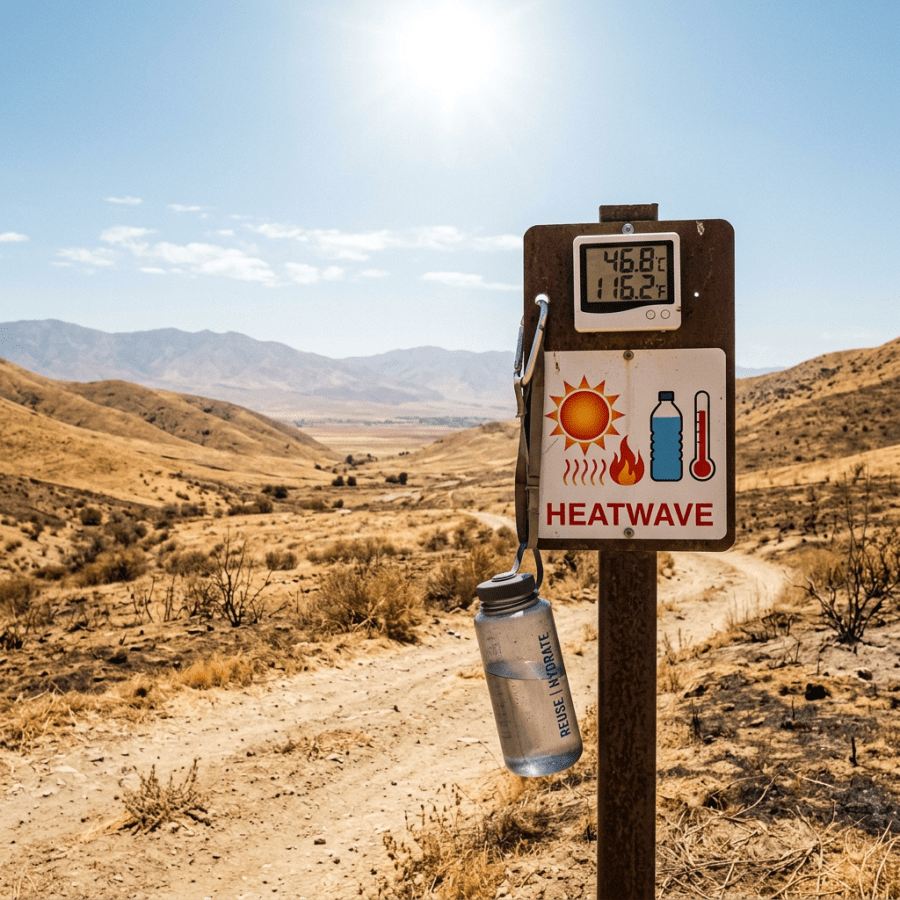
Heatwave warning sign displaying 46.8°C and 116.2°F with hydration reminder on a dry trail

How to Avoid Heat Related Illness: Tips From KING 5 News

To learn about how to avoid heat related illness, check out my video on KING 5 News – Seattle


Scott Rennie, DO is an urgent care physician practicing in the greater Seattle area. His focus is providing expert medical care with personalized service in the realm of urgent care, wilderness medicine, primary prevention, and whole-body wellness.

Scott Rennie, D.O.
Board Certified in Obesity Medicine and Family Medicine

This blog is for educational purposes only and does not constitute individual medical advice. Always consult your own physician before making changes to your health, medications, or treatment plan.
Tissues, a tea cup with spoon, and a medication bottle on a wooden bedside table crossed out with a red X

Why Antibiotics Don’t Work for Colds, Flu, or Viruses

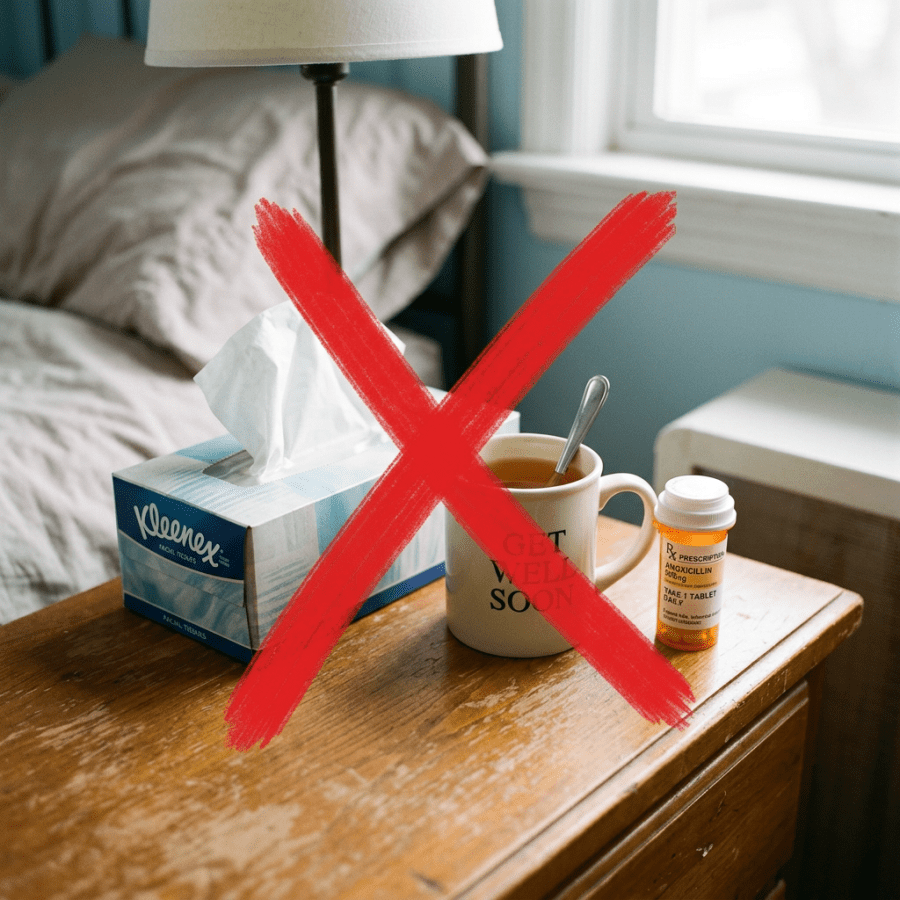
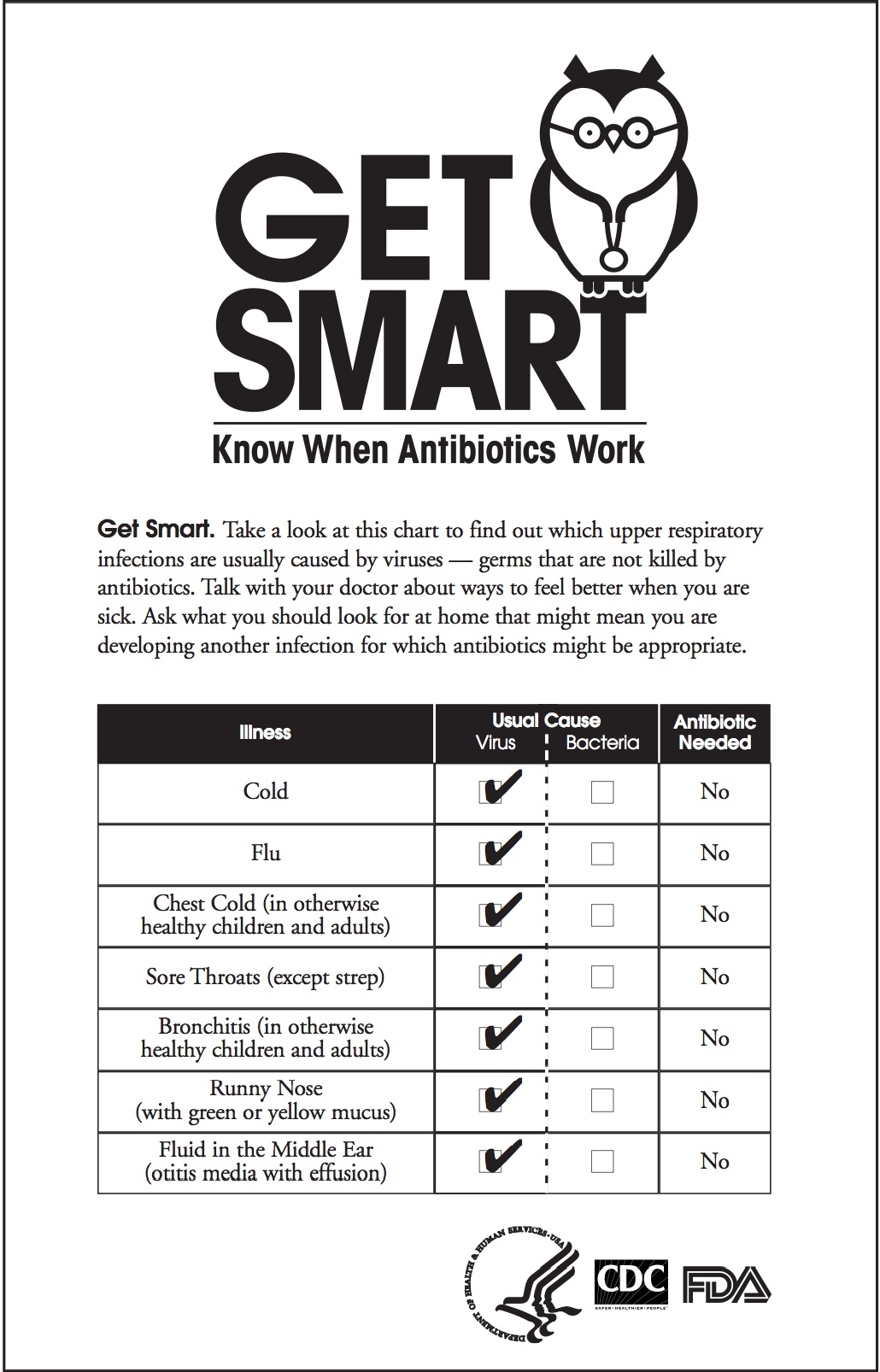
I have many patients who come into the clinic with a common cold and request antibiotics.  Antibiotics can be harmful to your body in many ways.  I think this is very important information from the CDC: Are you aware that colds, flu, most sore throats, and bronchitis are caused by viruses? Did you know that antibiotics do not help fight viruses? It’s true. Plus, taking antibiotics when you have a virus may do more harm than good. Taking antibiotics when they are not needed increases your risk of getting an infection later that resists antibiotic treatment.  In addition, antibiotics can cause bloody diarrhea and abdominal pain that can last for weeks, severe life threatening allergic reactions (anaphylaxis) and rashes(hives).  Antibiotics can also damage some internal organs such as the liver or kidneys.   Improper antibiotic causes prolonged healing time and increased medical costs.
  • Antibiotics cure bacterial infections, not viral infections such as:
    • Colds or flu;
    • Most coughs and bronchitis;
    • Sore throats not caused by strep; or
    • Runny noses.
  • Taking antibiotics for viral infections, such as a cold, cough, the flu, or most bronchitis, will not:
    • Cure the infections;
    • Keep other individuals from catching the illness; or
    • Help you feel better.
When you use antibiotics appropriately, you do the best for your health, your family’s health, and the health of those around you. “We want Americans to keep their families and communities healthy by getting smart about the proper use of antibiotics,” said Lauri Hicks, D.O., medical director of CDC’s Get Smart campaign.

What To Do

  • Talk with your healthcare provider about antibiotic resistance.
  • When you are prescribed an antibiotic,
    • Take it exactly as the doctor tells you. Complete the prescribed course even if you are feeling better. If treatment stops too soon, some bacteria may survive and re-infect you.This goes for children, too. Make sure your children take all medication as prescribed, even if they feel better.Throw away any leftover medication once you have completed your prescription

What Not To Do

  • Antibiotics cure bacteria, not viruses such as:
    • Colds or flu;
    • Most coughs and bronchitis;
    • Sore throats not caused by strep; or
    • Runny noses.

Scott Rennie, D.O.
Board Certified in Obesity Medicine and Family Medicine

This blog is for educational purposes only and does not constitute individual medical advice. Always consult your own physician before making changes to your health, medications, or treatment plan.
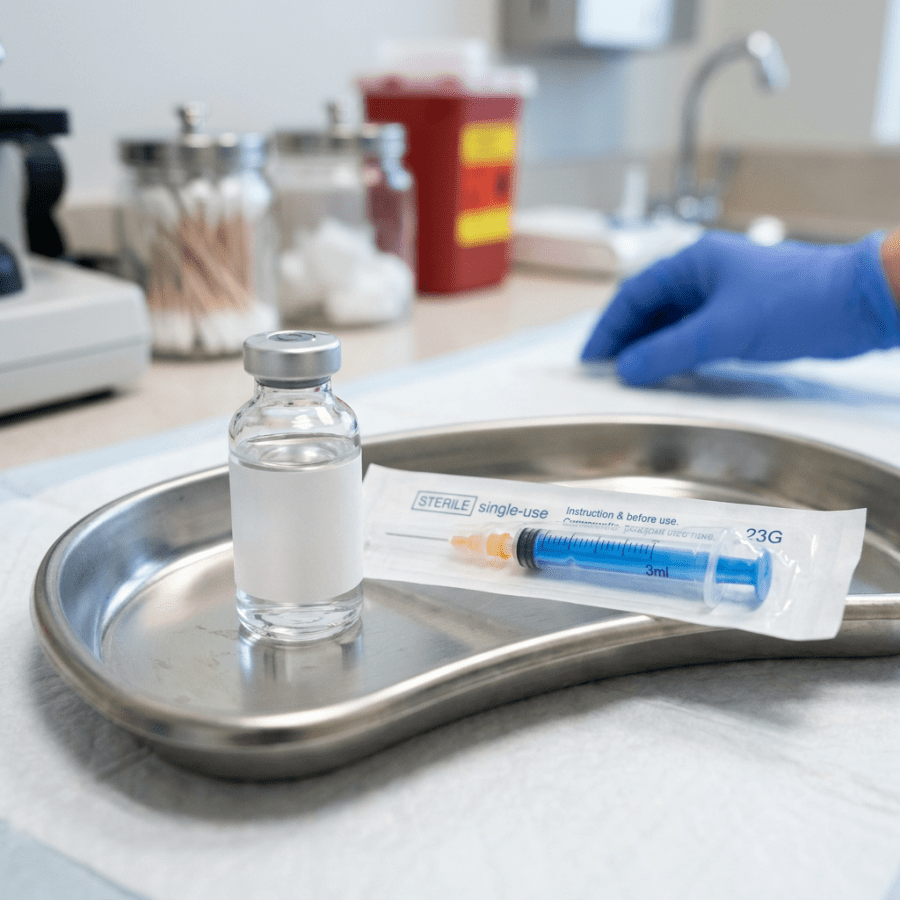
Vaccine vial and sealed syringe on a stainless steel clinic tray

2012 Vaccine and Immunization Recommendations Explained

shutterstock_153048518I often get asked questions about immunizations, such as when they are supposed to be given and what they are for.  Here is a list of the 2012 recommended immunizations, when they are supposed to be given and what they are for.  At the end of the list, I will explain abbreviations stand for and a little about the diseases that they protect against. Birth (child gets this before leaving the hospital):  HepB 2 months:  HepB, DTaP, PCV, Hib, Polio, RV 4 months:  DTaP, PCV, Hib, Polio, RV 6 months:  HepB, DTaP, PCV, Hib, Varicella, HepA, influenza (yearly) 12 months:  MMR, PCV, Hib, Varicella, HepA 15 months:  DtaP, 4 years:  DTaP, IPV, MMR, Varicella, influenza (yearly) 7-10 years:  Tdap, influenza (yearly) 11-12 years:  MCV4, HPV – women (3 doses), influenza (yearly) 16 years:  MCV4, influenza (yearly) 19-21 years:  HPV vaccine, MMR, influenza (yearly) 22-65+:  Tdap vaccine once, then a booster every 10 years, influenza (yearly) 27-59:  Varicella(chicken pox) unless you’ve had the disease, influenza (yearly) 60-65+:  Shingles vaccine, influenza (yearly) 65+:  Pneumococcal vaccine, influenza (yearly) Abbreviations explained: HepB:  Protects against hepatitis B (a virus that attacks the liver and can lead to cancer) DTaP:  a combined vaccine that protects against diphtheria, tetanus, and pertussis (whooping cough).  Diphtheria can cause swelling of the heart muscle, heart failure, coma, paralysis and death.  Tetanus can cause difficulty swallowing, muscle spasms, difficulty breathing and death.  Whooping cough can cause a severe pneumonia (lung infection) and death. Hib:  Protects against Haemophilus influenza type b.  With this infection there may be no symptoms unless bacteria enter the blood.  An infection with Haemophilus influenza type b can cause meningitis (infection of the covering of the brain and spinal cord), mental retardation, epiglottis (life threatening infection that can block the windpipe and lead to serious breathing problems) and pneumonia (infection in the lungs) and death. PCV:  Protects against pneumococcal disease which may cause pneumonia, as well as a serious blood infection and meningitis (infection of the covering around the brain and spinal cord) and death. Polio (IPV):  Protects against polio.  Polio may cause no symptoms until a serious infection develops and then it cause paralysis and death. RV:  Protects against infections caused by rotavirus.  Rotavirus causes severe diarrhea, vomiting and fever and may lead to dehydration.  It has caused death from dehydration in young children. Influenza:  Protects against influenza (flu) MMR:  Protects against measles, mumps, and rubella (German measles).  Measles can cause a rash, fever, encephalitis (brain swelling), pneumonia (infection in the lungs) and death.  Mumps causes swollen salivary glands under the jaw, fever, headache and may lead to meningitis (infection in the covering of the brain and spinal cord), encephalitis (brain swelling), and inflammation of the testicles or ovaries and permanent deafness or death.  Rubella can cause serious problems during pregnancy including miscarriages, stillbirths, premature deliveries or birth defects. Varicella:  Protects against varicella, also known as chickenpox.  Chickenpox can cause infection of the blisters, bleeding problems, encephalitis (brain swelling), pneumonia (infection in the lungs) . HepA:  Protects against hepatitis A, a virus that attacks the liver.  There may be no symptoms or a slight fever and yellowish color to the skin.  It may also cause vomiting and stomach pain. HPV:  Human papillomavirus is a common virus in patients in their teenage years.  It is the major cause of cervical cancer in women and genital warts in women and men. MCV4:  Meningococcal conjugate vaccine protects against an infection that can lead to meningitis (infection in the covering of the brain and spinal cord).   I hope that you have found this information useful.  Wishing you the best of health,

Scott Rennie, D.O.
Board Certified in Obesity Medicine and Family Medicine

This blog is for educational purposes only and does not constitute individual medical advice. Always consult your own physician before making changes to your health, medications, or treatment plan.
Doctor speaking with a patient while taking notes at a desk

Health Screenings Women Need and When to Get Them

shutterstock_152788025I think it’s important to have preventative screening exams to identify potential health problems before they develop or worsen.  It is often challenging to keep up with the changes in the preventative screening guidelines, so I thought I’d include these guidelines that are the most current as of August 2012 from the USPSTF. Other guidelines from the American Medical Association, Canadian Task Force on Preventative Health Care, American Cancer Society, American College of Preventative Medicine and National Institutes of Health exist and may have other recommendations.  These may be used as a guide but the time of screening may change depending on certain risk factors or the recommendations of your individual healthcare provider. Age 21:  The USPSTF strongly recommends screening for cervical cancer in women beginning within 3 years of the onset of sexual activity or by age 21 who have a cervix. Age 25 and younger:  Routine screening for all sexually active women and other asymptomatic women at increased risk of chlamydial infection. Age 40:  Screening mammography, with or without clinical breast examination (CBE) every 1-2 years for women starting at age 40 if there are no other risk factors for breast cancer such as family history. Age 45:  Screening for high cholesterol and treat abnormal lipids in people who are at increased risk of heart disease. Age 50:  Start screening at age 50 or older for colorectal cancer (earlier if there are increased risks such as family history of first degree relative who is diagnosed with colon or rectal cancer before age 60). Age 65:  Women age 65 and older should be screened routinely for osteoporosis.  Screening should begin at age 60 for women at increased risk of becoming osteoporotic.   I hope that you have found this information useful.  Wishing you the best of health,

Related Reading

Mammograms: When to Get One and What to Expect Osteoporosis: How to Prevent It and How It’s Treated Why Menopause Care Is Missing From Women’s Checkups

Scott Rennie, D.O.
Board Certified in Obesity Medicine and Family Medicine

This blog is for educational purposes only and does not constitute individual medical advice. Always consult your own physician before making changes to your health, medications, or treatment plan.
Laptop, notes, coffee, stationery, and succulent arranged on a wooden desk

A Handy List of Health Resource Links Worth Bookmarking

shutterstock_146913077The following is a selected list of homepages for associations and organizations that provide specific disease, research, and assistance information.

National Associations (Disease, Research, and Assistance)

Alzheimer’s Association Links to caregiver resources, news, medical & research development, public policy information & related resources. American Cancer Society Fact sheets, statistics, etc from the American Cancer Society. American Diabetes Association Links to recommendations and patient education information, diabetes education programs. Site is searchable by state and topic. American Heart Association Guidelines and fact sheets, including “Heart Disease & Stroke Guide”. American Liver Foundation Provides information about liver in health and disease, research funding, and patient related information. American Lung Association Consumer site “designed to give you easy access to information on a variety of lung health issues, including asthma, asthma and children, smoking and tobacco control, lung disease and related diseases, lung health for diverse communities, and environmental health.” American Red Cross Information about the Red Cross, including its services and opportunities to be involved. Amyotrophic Lateral Sclerosis (ALS) Association Commonly known as Lou Gehrig’s disease, this is the national not-for-profit voluntary health organization dedicated solely to the fight against ALS. Arthritis Foundation Home Page Fact sheets, news releases, resource room and links to other sources. Crohns and Colitis Foundation of America The most comprehensive information about inflammatory bowel disease (IBD) on the Internet. Cystic Fibrosis Foundation A resource of information with links to local CF chapters. Epilepsy Foundation of America Working for children and adults affected by seizures wholly dedicated to the welfare of people with epilepsy. Hospice Association of America Representing more than 2,800 hospices and thousands of caregivers and volunteers who serve terminally ill patients and their families. Leukemia & Lymphoma Society Formerly known as The Leukemia Society of America, it provides links to information on leukemia, myeloma and lymphoma. Lupus Foundation of America Extensive site containing information on chapters, current Information, FAQ’s, and links to other authoratiative sites. Muscular Dystrophy Association A searchable database listing 230 MDA clinics across the country, as well as numerous publications concerning neuromuscular diseases, “Ask the Experts” about current research developments and medical management of neuromuscular conditions. Muscular Dystrophy Association Supports research and education of kidney and urinary tract diseases. National Lymphedema Network Provides education and guidance to lymphedema patients, health care professionals and the general public on the prevention and management of primary and secondary lymphedema. National Mental Health Association Promotes mental health, preventing mental disorders and achieving victory over mental illnesses through advocacy, education, research and service. National Multiple Sclerosis Society Presents information on this chronic, often disabling disease of the central nervous system while putting you in touch with the local chapter near you. In Western Washington, it is The Greater Washington Chapter. National Parkinson Foundation Researching to find the cause and cure of this disease and other neurological disorders with information and referral. National Stroke Association Promotes national awareness of stroke risk factors and symptoms in reducing the incidence and impact of stroke.

International Resources

International Committee of the Red Cross Charged to protect the lives and dignity of victims of war and internal violence and to provide them with assistance. International Society for Infectious Diseases (ISID) Composed of individual members from over 155 countries around the world, it is committed to effective research, patient care, and long-term solutions and control of infectious diseases throughout the planet. Pan American Health Organization International public health agency working to improve health and living standards of the countries of the Americas. World Health Organization Acts as the directing and coordinating authority on international health work.

Scott Rennie, D.O.
Board Certified in Obesity Medicine and Family Medicine

This blog is for educational purposes only and does not constitute individual medical advice. Always consult your own physician before making changes to your health, medications, or treatment plan.

Ambulance and paramedics outside a hospital emergency entrance at dusk

Emergency Room vs Urgent Care: Which Should You Choose?

Patients are often confused as to whether to go to a hospital emergency room or go to an urgent care clinic for various issues.  Here is a list of some issues that may arise and where to go: Emergency Room: 1)      Allergy – if severe and having trouble breathing 2)     Asthma – if severe and the patient might need to be admitted to the hospital 3)     Chest Pain 4)     Fractures with bone sticking out of the skin or visible deformity of the area 5)     Confusion 6)     Fainting 7)     Head injury that is severe – severe with loss of consciousness 8)     Headache that is the worst of your life 9)     High fevers in babies younger than 1 year of age 10)  Ingestion of obstructive objects – such as swallowing a coin 11)  Ingestion of poisons 12)  Major head injury 13)  Heart palpitations 14)  Pneumonia 15)  Seizures 16)  Severe abdominal pain 17)  Severe burns 18)  Severe headache 19)  Shock 20)  Significant trauma/injury 21)  Snake bite 22)  Unconscious or catatonic state 23)  Uncontrollable bleeding Urgent Care: 1)      Allergies – if it’s a rash, hives or ear/nose/throat symptoms 2)     Ankle sprain 3)     Asthma attack (minor) 4)     Back strain 5)     Bronchitis 6)     Colds, flu, fever 7)     Cough 8)     Dehydration 9)     Dizziness 10)  Ear infections 11)  Head injury with no loss of consciousness and are acting normally after the accident without neurological/behavioral changes such as numbness, tingling, weakness, vomiting,  trouble speaking or balance problems.  In young children, they should be acting normal according to parents without increased sleepiness or irritability 12)  Ingrown toenail 13)  Insect bites 14)  Migraines 15)  Minor burns 16)  Minor cuts – we can do stiches in the urgent care 17)  Nausea 18)  Pink eye 19)  Rash 20)  Simple fracture – without visible deformity to the involved area 21)  Sinus infection 22)  Sore throat 23)  Sprains/strains 24)  Stitches 25)  Urinary tract infections Remember, in an emergency, call 9-1-1 I hope that you have found this information useful.  Wishing you the best of health,

Scott Rennie, D.O.
Board Certified in Obesity Medicine and Family Medicine

This blog is for educational purposes only and does not constitute individual medical advice. Always consult your own physician before making changes to your health, medications, or treatment plan.

Physical therapist examining a patient's knee on a treatment table

Deep Vein Thrombosis (DVT): Blood Clot in the Leg Explained

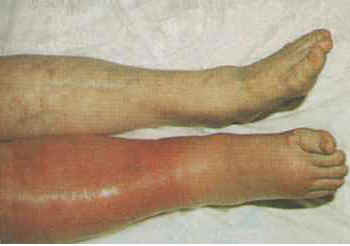
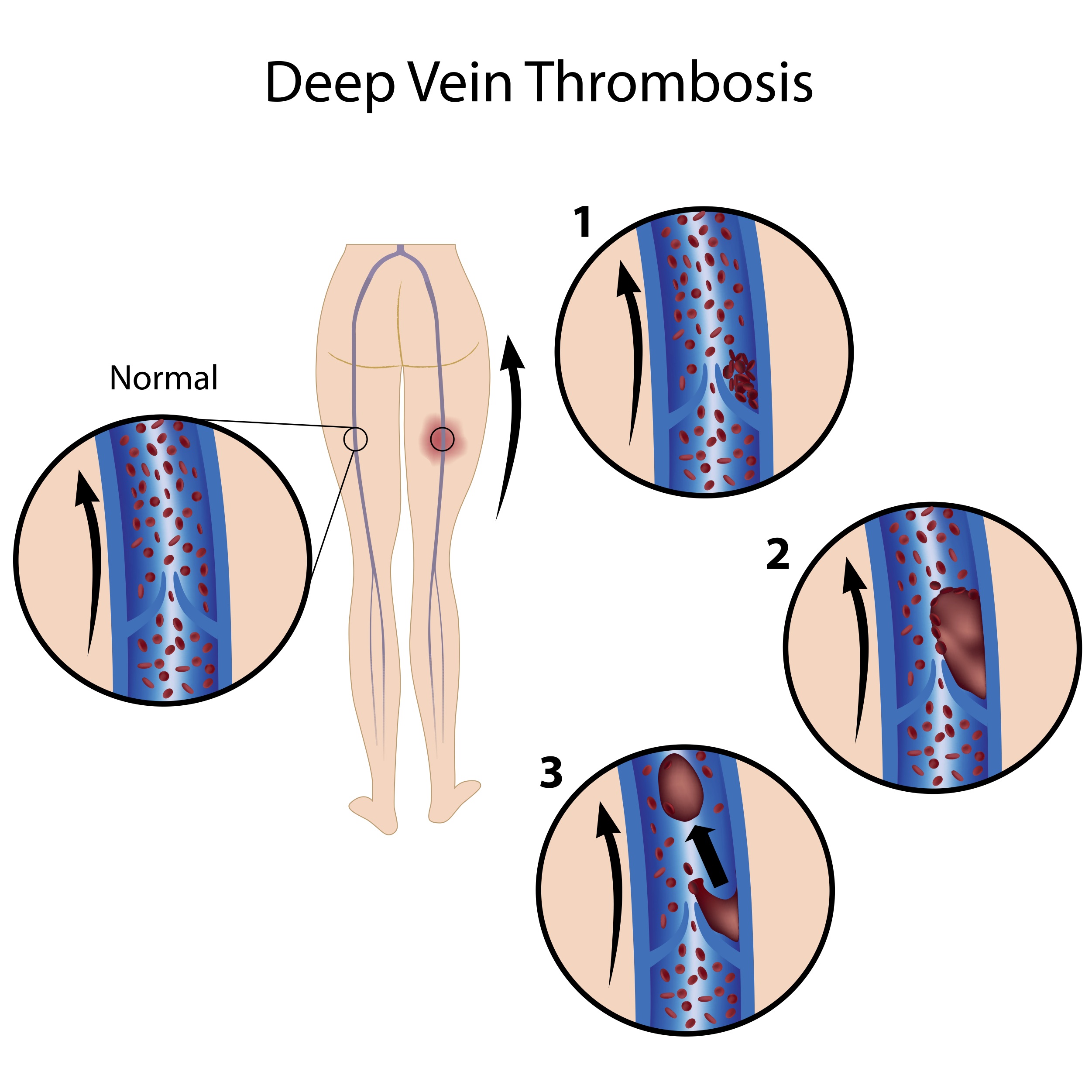
shutterstock_89651743http://www.dvtforum.com/index.asp?action=start A few days ago a patient came into the clinic with complaints of pain in the back of his knee after spending hours driving his car back to Washington from the east coast.  He didn’t recall injuring his leg or knee and told me that the pain was worse when he starts walking.  He also noted some swelling in the leg and ankle.  I became concerned about the possibility of a blood clot (also called a deep vein thrombosis or DVT) in his leg after hearing about his long journey because sitting for extended periods of time in a car or on an airplane are big risk factors for a deep vein thrombosis.  After the ultrasound confirmed a blood clot in his left leg, we started him on the treatment and he is doing great today. A blood clot (also called a thrombus) can be very serious and even life threatening if it breaks and travels through the circulatory system.  If that happens, the blot clot (now called an embolis to indicate that it broke off from the main clot and is traveling through the veins of the body) can lodge in the lung and cause a pulmonary embolism (PE) which is a serious condition that causes over 50,000 deaths a year in the U.S.A. A deep vein thrombosis (DVT) is a problem where a blood clot is created inappropriately within the vein.  Most commonly these veins are in the “deep veins” of the leg, pelvis, or thigh.  The thrombus can block or partially block the blood flowing through the vein and cause pain and swelling. Symptoms:  These may or may not all be present: 1)      Pain – usually in one leg, or knee 2)     Swelling in that leg or knee 3)     Warmth and redness in the leg or knee area Diagnosis:  If a medical provider suspects that you might have a DVT, there are certain tests that can be done to look for this including: 1)      Compression ultrasonography (ultrasound) which uses sound waves to allow the visualization of the blood flow through the veins of the leg. 2)     D-dimer is a blood test that is often elevated in people who have a blood clot.  It can also be elevated for other reasons, so an elevated D-dimer does not tell us that a patient has a blood clot, but if the D-dimer is not elevated and  the risk factors are low, there is less chance of the patient having a blood clot. 3)     MRI uses a very strong magnet to create photos inside the leg and is expensive so it’s not the first choice the diagnose blood clots. 4)     Contrast venography is when a small tube (called a catheter) is inserted into the vein and a liquid that shows up on x-ray (we call this contrast) is injected through the tube while xray is used to visualize the blood flow of the contrast through the vein.  We usually prefer to use ultrasound, but this test can be helpful when ultrasound is not available. Risk factors for DVT: 1)      Some people have a genetic problem called thrombophilia which causes blood to clot more easily than it should 2)     Cancer 3)     Smoking 4)     Heart failure 5)     Pregnancy 6)     Being overweight or obese 7)     Increased age 8)     Having had a DVT or PE in the past 9)     Certain kidney problems 10)  Medications such as birth control pills or hormone replacement therapy 11)  Recent surgery – especially involving the knee, hip or pelvis 12)  Trauma – such as a fall or deep bruise where the blood vessels may have become injured 13)  Sitting for long periods of time such on a long flight or a long drive in a vehicle.  We also think about this for elderly patients who don’t move around very much Treatment:  The goal in treating a DVT is to prevent the blood clot from dislodging or breaking off and becoming an embolism that could lodge into the lung (pulmonary embolism).  We also want to prevent the clot from getting larger or new clots from forming. Medications can be used to prevent new blood clots from forming(anticoagulants), and other medications can be used to dissolve a blood clot (thrombolytic).  Most people might think that the primary treatment would be to dissolve the clot using thrombolytic therapy, however this is usually not the case.  The body has natural substances to dissolve blood clots that are formed inappropriately in blood vessels and we usually prefer the body to do this naturally while assisting by giving medications to prevent new blood clots from forming.  Anticoagulant medications such as warfarin or heparin are the most common agents used to treat patients with DVTs at this time.  For patients who continually develop blood clots despite being on medications or who cannot take the recommended medications, a filter might be inserted into one of the largest veins in the body (the inferior vena cava) to block the circulation of blood clots.  We strategically place the filter so that if a blood clot forms, it is not allowed to reach the lungs. Prevention:  For patients at high risk of developing a blood clot such as a patient who just had surgery, or someone who has cancer, they might be started on anticoagulant medications to decrease the risk of a blood clot.  Some patients are fitted with inflatable compression devices that are worn on the legs and periodically fill with air and put compression on the legs and work similar to how an electronic blood pressure cuff inflates. If you or someone you know is having symptoms that you think might be related to a blood clot or DVT, I recommend that you have them evaluated immediately.   I hope that you have found this information useful.  Wishing you the best of health,

Scott Rennie, D.O.
Board Certified in Obesity Medicine and Family Medicine

This blog is for educational purposes only and does not constitute individual medical advice. Always consult your own physician before making changes to your health, medications, or treatment plan.

Open red DENTAL EMERGENCY KIT with dental supplies beside a tent

Wilderness Dentistry: How to Handle a Dental Emergency

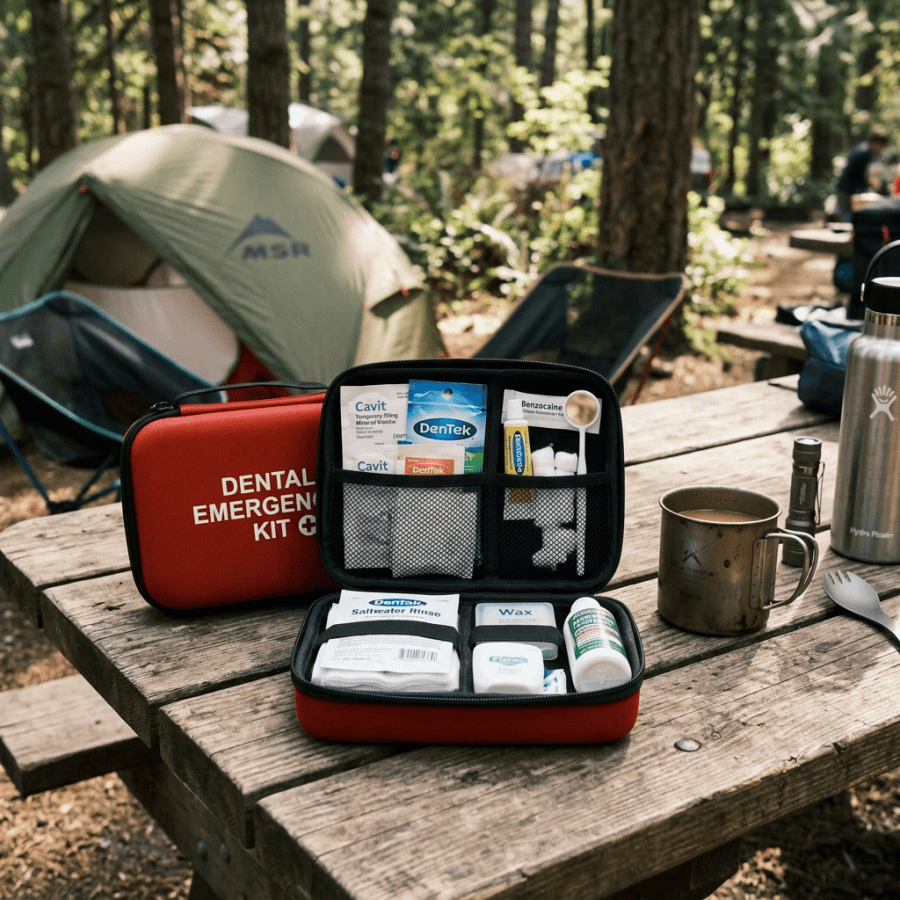
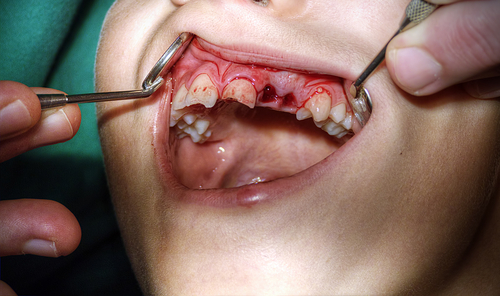
shutterstock_101677420I recently returned from a wilderness medicine conference in Whistler, British Columbia.  Eric Johnson, MD gave a great talk on dentistry in the wilderness so I give him credit for much of the information presented here. On wilderness backpacking adventures there are many possible dental problems.  Many patients have dental crowns or veneers that get broken.  Dental cavities or broken teeth can often be spotted before leaving for a three week journey, so it’s important to get a dental pre-trip exam to look for problems before departure. Some of the most commonly encountered dental problems in the wilderness are: 1)  Cracked or dislodged fillings 2)  Inflammation of the gums around the tooth (the piece of popcorn stuck between the tooth and gum) 3)  A cracked tooth or crown 4)  A chipped tooth 5)  Trauma causing a completely knocked out tooth (exodontia) 6)  Dental abscess Treatment:  Treatment of dental problems should always be attempted by someone trained in dental surgery, however in an emergency situation in the wilderness a dentist may not be available.  Adequate lighting is essential when treating dental problems in the backcountry.  I like to carry a headlamp so that my hands are free to work with the patient. Cavit is a temporary filling material that is self curing that you can bring with you and is very helpful to treat problems such as dental crown or filling that has broken or come off.  It comes in small tubes or containers and is similar in consistency to silly puddy but hardens and can be very helpful to reduce dental pain from exposed pulp/nerve. If a tooth needs to come out, it can be removed in the back country but it should only be attempted by someone with experience in this procedure. Exodontia:  The extraction of a tooth.  If the tooth is not extracted in its entirety or there is a root that does not come out they can get infected.  Extracting a tooth is not as simple as simply pulling it, there are many possible complications of tooth extraction such as: 1)  Accidentally removing the wrong tooth  – it’s easy to do because pain from one tooth can feel like it’s coming from somewhere else in the mouth 2)  Breaking a tooth while pulling it – can cause severe abscess 3)  Excessive bleeding 4)  Dry socket – extreme pain after the extraction Extrusion:  Dental trauma causing the tooth to get knocked out completely. If a tooth gets knocked out, it’s important to protect the tooth and try to get it re-implanted as soon as possible.  If re-implantation is done within 20 minutes there is usually a very good chance that there will be a good outcome.  If it’s longer than 1 hour, there is less chance that the tooth will live.  Some tips on what to do if a tooth gets knocked out: 1)  Keep the tooth moist with saliva (keep it in your mouth) 2)  If there is not a dentist in the back country with you, a medical provider may be able to anchor the tooth into the socket using a figure of eight stitch (suture).  I have also heard that dental floss can be used to tie one tooth to another. 3)  Do not chew Dental Blocks:  Sometimes it can be very helpful to provide local anesthesia using a dental block to help alleviate pain.  On the upper teeth, injecting on either side of the tooth (around the tooth) with lidocaine may provide adequate analgesia rather than having to do full dental block.  Anesthesia for teeth on the lower jaw (mandible) is more difficult and may require a block. 20% Benzocaine gel can decrease the discomfort at the injection site and is a good item to have in your dental kit.  It can also be used on tongue or lip ulcers or canker sores. Equipment:  1” 27 gauge needle, 3ml syringe, 2% lidocaine with epi (or similar agent) Back Country Dental Kit:  Here are some items that you might consider taking with you into the back country if you are the medical officer on an expedition with a group of hikers: 1)  Number 150 or 151 universal extraction forceps 2)  Straight elevator 3)  Mouth mirror 4)  Orabase with benzocaine 5)  Orthodontic wax 6)  Dental floss 7)  Dental syringe 8)  27 gauge needles with anesthetic 9)  Cavit or IRM for temporarily filling/sealing a tooth 10)  #11 blade scalpel 11)  20% benzocaine gel If you’re in the Seattle area and are looking for an excellent dentist, I highly recommend Robert Odegard, DDS.  He has been my dentist for more than 20 years and has excellent skills and his staff are great.   I hope that you have found this information useful.  Wishing you the best of health,

Scott Rennie, D.O.
Board Certified in Obesity Medicine and Family Medicine

This blog is for educational purposes only and does not constitute individual medical advice. Always consult your own physician before making changes to your health, medications, or treatment plan.