Cryosurgery device, magnifying glass, tools, and liquid nitrogen vial on blue cloth

What to do about the common skin wart

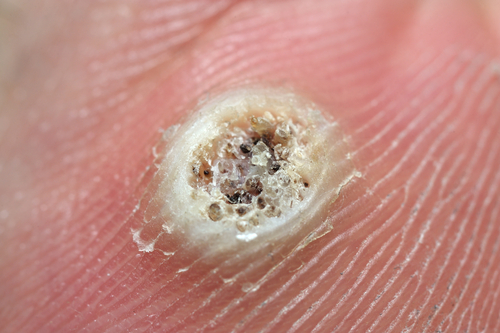
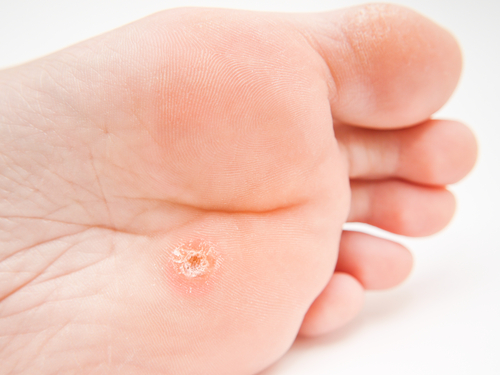
  shutterstock_115521190shutterstock_148362410I often have people come into the clinic and ask me to treat warts, mostly on their hands or their feet.  Some people aren’t aware of what these are so I thought a brief discussion might help people identify warts and also mention some common treatments. Common skin warts are generally non-dangerous raised and round or oval shaped skin growths that often stick up compared to the surrounding skin.  If they’ve been present for months or years, they can sometimes become rather large or form patches that appear like a cauliflower shaped lesion.  Sometimes they are identified by tiny black spots or dots that are small, clotted blood vessels but some people call them “seeds.” What causes a wart?  Warts are actually the result of a virus (human papillomavirus) and is spread by touching someone else’s skin who has a wart.  They’re also often spread by picking at existing warts and touching other areas on your own body.  The virus lives in skin surrounding the wart and can be spread easily by scratching are removing some of the virus under your finger nails.  Warts can also be spread by coming into contact with skin cells that have fallen off an infected persons foot.  It can actually take up to six months after exposure to the virus for a wart to appear. What are the most common areas where warts occur on the body?  The most common areas of the body for warts are:
  1. Fingers
  2. Hands
  3. Knees
  4. Elbows
  5. Around the fingernails (periungual warts)
  6. Feet (plantar warts)
  7. Face
  8. Lower legs
How do I know if I have a wart or if the skin lesion is due to something else?  Usually a medical provider can diagnose a wart based on how it looks.  A biopsy is not usually required. Once I know that I have a wart, how do I get rid of it?  Warts can be very difficult to treat and there are many different options for treating warts.  The treatment of choice often depends on where there wart is located and how sensitive the skin is.  Some possible treatment options are:
  1. Leave it alone – about 67% of all warts will go away within two years even if not treated.  Most people treat then however because they can spread or become larger over time.
  2. Liquid nitrogen:  In the doctor’s office, we usually use this very cold liquid to freeze the skin around the wart.  It can be painful so it can be a difficult treatment for young children to tolerate.  We often need to treat a wart several times using liquid nitrogen and if the wart is large, we may need to trim the top part of the wart off to make the treatment more effective.
  3. Salicylic acid:  Over the counter patches employ this kind of treatment.  Usually a liquid or patch is applied to wart and left in place for several days.  It is often helpful to soak the skin in warm water for 10-20 minutes before applying the acid to soften the skin.  Treatment with salicylic acid can be painful and cause redness to the skin and even bleeding.  Many people find that using a nail file or pumice stone is helpful to gently remove the dead skin from the surface of the wart every few days during the treatment.  You should be cautious when doing this however because there is a high risk of spreading the virus/warts to other areas on the body when using a file or stone.  I usually recommend using a new file or stone each time to help prevent spreading the wart virus.  Most people don’t realize that you need to keep applying the acid each day for 1-2 weeks even after the wart is gone because the virus can be present on the skin even if no wart is visible.  This helps ensure that the wart does not return weeks or months later.
  4. Duct tape:  The sticky tape easily found in most home improvement stores has been helpful to some people with warts.  They apply it directly to the skin over the wart and leave it in place for about a week.  It’s not entirely clear how the treatment works, but my thought is that the tap sticks to the surface of the skin where the wart is present and the tape on the skin causes moisture to build up and this makes it easier to remove the dead skin cells (containing the wart virus) when the tape is removed.  Many people use an emery board or pumice stone to remove the excess skin after removing the tape and then reapply the tape for another week.  It may take up to 4 weeks for the wart to go away using this treatment.  We usually don’t recommend using duct tape if you have diabetes because if you cover your skin and a bacterial infection begins, you might not be able to see it starting and an infection may get very large before it is noticed.
  5. Cantharidin:  This is a liquid that is prescribed by healthcare providers such as a dermatologist and applied directly to the wart on the skin.  It may cause a blister to appear over the wart after 2-24 hours of treatment.  It is usually just placed on the skin once and often dermatologists will recommend using salicylic acid for a week after the skin heals to decrease the chances of the wart coming back.
  6. Imiquimod:  Aldera is the other name for this prescription cream that is applied at bed time several times per week.  It works by stimulating the immune system to fight off the wart virus.  It is rather expensive and is usually prescribed for genital warts or another type of virus called condyloma acuminate.  It can also be used to treat small skin basal cell skin cancers or pre-cancers.
  7. 5-Fluorouracil:  This cream which also goes by the name Carac, Efudex or Fluroplex is applied to flat warts twice a day for 3-5 weeks.  We also use this cream to treat small skin pre-cancers and superficial basal cell cancers.  It can cause skin irritation especially for those people who get lots of sun exposure.
  8. Shave excision:  This is a procedure where the skin is cut away or removed where the wart is present on the body.  This procedure is not very common for treating warts because it can cause permanent skin scarring or keloid formation and may also require stiches after the procedure.
  9. Immunotherapy:  A dermatologist (skin doctor) may inject a medication directly into the wart that triggers the body’s natural immune system to attack the virus.  These medications called contact sensitizers are not widely used because they are highly potent, expensive and require careful handling to avoid causing unintentional allergic reactions.
Should I see a doctor to treat my wart?  I’d recommend seeking the help of a medical provider if you are not sure that the skin growth is a wart, if it’s not improving with home treatment, if you have questions about what treatment is best for you or if you have been treated for warts before and have developed a complication such as a skin infection or scar. Where can I get more information?  The following sources may be helpful:
  1. American Academy of Dermatology:  www.aad.org/skin-conditions/dermatology-a-to-z/warts
  2. Medline Plus:  www.nlm.nih.gov/medlineplus/ency/article/000885.htm
References:
  1. Gibbs S, Harvey I. Topical treatments for cutaneous warts.  Cochrane Database Syst Rev 2006
  2. Moed L, Shwayder TA, Chang MW. Cantharidin revisted: a blistering defense of an ancient medicine. Arch Dermatol 2001; 137:1357
  3. Muzio G, Massone C, Rebora A. Treatment of non-genital warts with topical imiquimod 5% cream. Eur J Dermatol 2002; 12:347
  I hope that you have found this information useful.  Wishing you the best of health,

Warts are stubborn and mostly harmless. The conditions I spend my time on now are the quiet ones that do damage without symptoms, starting with why high cholesterol matters even when you feel fine.

Related Reading

Basic Wound Care Tips for Non-Medical Professionals Animal Bites: What to Do if Your Neighbor’s Dog Bites You Cellulitis – a soft tissue/skin infection – is it MRSA?

Scott Rennie, D.O.
Board Certified in Obesity Medicine and Family Medicine

This blog is for educational purposes only and does not constitute individual medical advice. Always consult your own physician before making changes to your health, medications, or treatment plan.


Test tubes with colorful liquids labeled with sample IDs and a lab checklist on a wooden table

STI Testing: Should You Get Tested for Everything?

shutterstock_36483805I frequently have patients come into the office and ask for STI (sexually transmitted infections) screening.  This is often done when they start a new relationship, when they find out that a partner has been unfaithful or if they have unprotected sex with someone that they don’t know well.  Patients often have no understanding of which sexually transmitted infections (formerly referred to as sexually transmitted diseases) they should be checked for and rely on their health care providers to order the proper tests and discuss the results with them.  Patient’s often will refer to being “clean” or “clear” when referring to their screening results.  When I ask them which infections they would like to be screened for, I usually hear something like “check me for everything.” I think it’s important for patients to know which infections are most common, what the symptoms might be and know what to ask for when going to your doctor to be checked for sexually transmitted infections.  It’s also important to understand that some infections can be cured (with antibiotics), some infections can be controlled but never eradicated completely, and some infections can be present and not have any symptoms for years before becoming apparent.  Checking for “everything” might mean different things to different patients or medical providers, so my advice is to be very specific with what tests you request your medical provider order and keep track of the results so that when you think about “being clean” or “clear” of infection, you know exactly which infections you are clear of. Types of infections: 1)  Chlamydia:  The most common sexually transmitted infection in the U.S.  This infection can cause pain and inflammation of the urethra (opening where urine comes out), the testicular area, the cervix and anus.  If untreated chlamydia can lead to infertility, chronic pelvic pain, prostatitis, and even severe infections of the fallopian tubes or tubal pregnancy.  Most men and women who are infected with chlamydia do not have symptoms.  Testing can be done with a urine sample from the patient or a swab. 2)  Herpes simplex virus:  It is estimated that about ¼ of the US population has herpes type 1 or 2 and many infected patients are unaware that they have the virus.  Skin ulcers are a result of the infection and increase the risk spreading or acquiring HIV.  Many patients with herpes are not screened because unless patient’s give a description of an ulcer in the genital area, a blood test for the antibodies to the viruses is usually not ordered.  If an ulcer is present, a swab may be collected by touching an open ulceration and sent for viral culture.  If you are concerned that you may have genital herpes, make sure you tell your medical provider and discuss testing with them because routine testing for herpes is usually not done unless there is some suspicion of infection. 3)  Gonorrhea:  The highest rates of infection are in sexually active 15-19yo women and 20-24yo men.  Rates are 20x higher in African-Americans than in whites.  Infection can lead to pain and inflammation of the urethra (opening where the urine comes out), sore throat and anal infection.  If untreated it can lead to serious complications in women including pelvic inflammatory disease and infertility.  Testing is frequently done from a urine sample or a swab.  Because of high rates of reinfection, patients diagnosed with gonorrhea should be advised to retest in 3 months. 4)  Trichomoniasis:  Infection with trichomonas produces symptoms similar to a urinary tract infection including pain and inflammation of the urethra (where the urine comes out), and/or vaginal discharge.  It can be present and men or women.  Most men who are infected do not have symptoms.  Testing is done by examination of a urine specimen.  Testing for trichomonas is not generally done on routine screening for STDs unless the patient asks for it or has symptoms. 5)  Syphilis:  Testing for syphilis is done with a standard blood test normally.  Symptoms of syphilis vary depending on the stage of infection.  Initially there is the appearance of a single sore mark, but there may be multiple sores.  The sore is usually firm, round and painless.  Because the sore is painless, it can easily go unnoticed.  It lasts 3-6 weeks and heals regardless of whether or not the person is treated.  If the infected person does not get treatment, the infection will progress to the second stage.  Skin rashes and/or sores in the mouth, vagina and anus (also called mucous membrane lesions) are typical of the second stage of symptoms.  The rash usually does not cause itching and may appear as rough, red or reddish brown spots both on the palms of the hands and/or the bottoms of the feet.  Sometimes rashes associated with secondary syphilis are so faint that they are not noticed.  Other symptoms of secondary syphilis include fever, swollen lymph glands, sore throat, patchy hair loss, headaches, weight loss, muscle aches, and fatigue.  The symptoms of secondary syphilis will go away with or without treatment.  Without appropriate treatment, the infection will progress to the latent and possibly late stages of disease.  The latent (hidden) stage can last for years.  About 15% of people who have not been treated for syphilis develop the late stage of the disease.  This stage can occur 10-30 years after the infection began and symptoms can include difficulty coordinating muscle movements, paralysis, numbness, gradual blindness, and dementia.  Damage to the internal organs, including the brain, nerves, eyes, heart, liver, bone and joints can occur and result in death. 6)  Hepatitis A, B and C:  Hepatitis that is transmitted by sexual contact is caused one of several different viruses (A, B or C).  All types of hepatitis virus infections can cause liver inflammation.  Hepatitis B and C can cause severe infection and lead to liver failure and death.  Hepatitis A is more commonly a cause of food-borne outbreaks.  Because there are vaccinations available for hepatitis A and B, we are seeing more patients recently developing hepatitis C because we currently do not have a protective immunization.  Hepatitis testing can be done through a simple blood test similar to HIV testing.  The initial test for hepatitis is usually done by trying to detect the antibody to the virus.  It can take your body several months after being infected with the hepatitis virus to develop the antibody and therefore there is a period of time called the “window period” when the test result may be negative even though the infection is present.  A repeat test is usually offered 3-6 months after the initial negative test for confirmation that the patient is negative after “high risk sexual contact.” 7)  Human Immunodeficiency virus (HIV):  It is important to recognize that patients who have been infected with other sexually transmitted infections may also be infected with HIV.  Recent recommendations from the Centers for Disease Control (CDC) recommend opt-out screening and annual screening for those at high risk for HIV infection.  The test for HIV is an antibody test.  Similar to hepatitis, it can take your body several months after being infected with HIV to develop the antibodies, and therefore there is a period of time called the “window period” when the test result may be negative even though infection is present.  Repeat testing 3-6 months after a previously negative result after “high risk sexual contact” is recommended.  HIV causes suppression of your natural immune system and can lead to a constellation of problems associated with immune suppression (infections, cancer) and AIDS related syndrome. 8)  Human papillomavirus (HPV):  This virus is the main cause of cervical cancer.  There are routine screening guidelines that have been established for pap smears which are the main way of detecting this virus and treating it before the development of cervical cancer.  All sexually active women should have a screening pap test by age 21.  Women between the ages of 9 and 26 years old are recommended to receive the HPV vaccine to prevent cervical dysplasia and cervical cancer.  Routine vaccination is recommended for female between 11 and 12 years, but the vaccination series may be started as early as 9 years and females aged 13-26 years can benefit as well.  The quadrivalent HPV vaccine can also be used in males and females aged 9-26 years of age to prevent genital warts and anogenital cancers. Recommendations for screening for sexually transmitted infections in pregnant women, men who have sex with men, women who have sex with women and HIV infected patients vary depending on the risk group. State health department notification:  Medical providers are required to notify the local and state public health departments in the case of chancroid, chlamydia, gonorrhea, acute hepatitis b, acute hepatitis c, HIV and syphilis. Partner notification:  In the event that a patient has been diagnosed with a sexually transmitted infection, partners should be notified, examined and treated.  In some cases, the patient directly provides their sexual contact with medications and prescriptions to be filled (Partner Delivered Patient Medication (PDPM) although this is not legal in all states.  Patients and their partners should not have sexual relations until seven days after a single dose treatment or upon completion of a seven day regimen in cases of bacterial infections.  Discussion with sexual partners can be difficult but is very important for the partner’s safety and to prevent re-infection of the patient who tested positive initially. 2010 treatment/screening guidelines as outlined by the Centers for Disease Control in 2010:
  1. All patients being evaluated for STIs should be offered counseling and testing for HIV.
  2. Hepatitis B screening should be offered to men who have sex with men (MSM), injection drug users (IDU), persons attending an STI clinic or seeking STI treatment, and persons with history of multiple sex partners.  Patients who are not immune should be offered vaccination.
  3. Hepatitis A screening should be offered to MSM and injection drug users.  Those who are not immune should be offered vaccination.
  4. Asymptomatic women with risk factors for STIs should be screened for gonorrhea and chlamydia infection each year.
  5. Males and female between the ages of 9 and 26 years old should be offered the human papillomavirus vaccination (HPV vaccination).
  6. The following screening tests for active MSM are recommended on at least an annual basis:  HIV, gonorrhea, chlamydia, and syphilis.
  7. Syphilis screening is recommended for commercial sex workers, persons who exchange sex for drugs and persons in correctional facilities.
  8. Pregnant women should be screened for gonorrhea, chlamydia, HIV, hepatitis B, and syphilis infections.
  9. HIV-infected patients should be screened annually for gonorrhea, chlamydia, syphilis, hepatitis B and hepatitis C.  Vaccination against hepatitis A and B is recommended for nonimmune patients.  HIV-infected patients who actively use injection drugs or intranasal cocaine, engage in unprotected sex, are men who have sex with men, or are undergoing dialysis should have ongoing screening for hepatitis C.
  10. Local and state public health departments should be kept informed of notifiable infections, which include chancroid, chlamydia, gonorrhea, acute hepatitis A and acute hepatitis B, acute hepatitis C, HIV and syphilis.
  11. Partners should be notified, examined, and treated for the STI identified in the index patient.  Patients and their sex partners should abstain from sexual intercourse until therapy is completed.
References:  http://www.cdc.gov/std/treatment/2010/default/htm Centers for Disease Control and Prevention.  Sexually Transmitted Disease Surveillance, 2008. US Department of Health and Human Services, Atlanta, GA 2009 US Preventative Services Task Force. Screening for gonorrhea.  Agency for Healthcare Research and Quality, Rockville, MD. Revised January 2006. US Preventative Services Task Force. Screening for syphilis.  Agency for Healthcare Research and Quality, Rockville, MD. Revised January 2006. US Preventative Services Task Force. Screening for herpes.  Agency for Healthcare Research and Quality, Rockville, MD. Revised January 2005.   I hope that you have found this information useful.  Wishing you the best of health,

Scott Rennie, D.O.
Board Certified in Obesity Medicine and Family Medicine

This blog is for educational purposes only and does not constitute individual medical advice. Always consult your own physician before making changes to your health, medications, or treatment plan.
Molecular structure of testosterone showing carbon, hydrogen, and oxygen atoms

Low T Explained: What Is Testosterone Deficiency Exactly?

shutterstock_148300076Low testosterone is a hot topic right now in primary care.  Recent advertisements are on television discussing various testosterone treatments available to men with “Low T.”  I’ve recently had quite a few patients asking me to check testosterone levels and then they usually have questions about testosterone treatments if the blood levels are abnormal. Testosterone is a hormone that is produced in both men and women, but it is usually present at higher levels in men.  The consequences of low serum testosterone are not known for certain but there are several possible symptoms of low levels including (research is still being done):
  1. Low sex drive, erectile dysfunction, poor morning erection
  2. Fatigue
  3. Being slow to go through puberty (if it is too low during childhood)
  4. Decreased bone mineral density
  5. Decreased muscle mass
  6. Decreased muscle strength
  7. Anemia
  8. Decreased mood
  9. Decreased cognitive function
Of course there are other, more common causes of low sex drive and fatigue that can affect grown men instead of low testosterone levels.  Experts believe that the current trials have demonstrated weak and indirect inferences about the usefulness of testosterone for osteoporosis in men. Testosterone levels naturally decrease as men age.  This normal decline in testosterone however has not had established clinical consequences.  We are still studying the effect that the natural decline of testosterone levels have in the body.  Elderly men often ask if they should be prescribed supplemental testosterone to keep their levels from decreasing.  The answer is difficult because we currently do not entirely understand whether the changes in body generally associated with aging (decreased muscle mass, decreased energy) may be related to naturally decreasing testosterone levels or even if treatment with testosterone reverses the decreasing muscle mass and energy we see in the average person with increasing age.  We’re also concerned about adverse consequences of testosterone with diseases that are testosterone dependent such as prostate cancer. Controversy regarding testosterone whether to prescribe testosterone therapy:  A committee of the Institute of Medicine of the National Academy of Sciences Committee reviewed available studies and concluded that no beneficial effects of administering testosterone have been well established.  The Endocrine Society however has published evidence based guidelines for testosterone therapy in adult men with deficiency of testosterone.  The guidelines from the Endocrine society are:
  1. Testosterone therapy should be prescribed only for men with low serum testosterone levels on more than one test and who have symptoms of testosterone deficiency and have no known pituitary or testicular disease.
  2. In order to minimize the potential risk of causing testosterone-dependent diseases, the target level of testosterone level in the blood should be between 300-400 ng/dL (10.4 to 13.9 nmol/L)
The Institute of Medicine’s committee on testosterone concluded that there is insufficient evidence to conclude that testosterone treatment of elderly men has any well-established benefit thus far on improving muscle strength, physical function, vitality, sexual function, cognition and quality of life.  They recommended further investigation. Potential to cause harm:  High testosterone levels has the potential to cause cancer of the prostate but data are limited.  The common practice in treating prostate cancer is to lower serum testosterone levels with medications. Screening for low testosterone:  One approach has been the following:
  1. If a male has symptoms of possible testosterone deficiency such as decreased sex drive, energy, mood or osteoporosis or anemia a serum testosterone level can be checked early in the morning (before 8am when normal testosterone levels are highest).  If the level is low, it should be repeated for confirmation.
  2. Free testosterone levels should only be evaluated in men who have obesity.
  3. If testosterone levels (both times) is less than 200 ng/dL (6.9 nmol/L) evaluation for causes of hypogonadism can be performed. If there is no pituitary or testicular disease, discuss  with the patient about possible treatment with supplemental testosterone (ie. Benefits vs risks).
Testosterone treatment:  One approach to treatment has been the following:
  1. If treatment is started and the symptoms that led to measuring the testosterone are not corrected (improved energy, sex drive, anemia, etc.)  within a few months then discontinuing the testosterone treatment can be considered.
  2. Before starting treatment, a digital rectal exam should be performed and a PSA (prostate specific antigen) measured.  If a man has higher than normal PSA with no identifiable risk factors a urological evaluation should be performed before any testosterone therapy is started.
  3. 3 months after starting the testosterone treatment, a digital rectal exam and PSA should be repeated.  If there is a prostate nodule or the PSA has increased more than 1.4ng/mL (and confirmed) urological consult should be sought.  If the PSA and digital rectal exam is not considered abnormal, the digital rectal exam and PSA should be performed once a year  (just as with any man).
References:  Bhasin S, Cunningham GR, Hayes FJ, Matsumoto AM, Snyder PJ, Swerdloff RS, Montori VM, Task Force, Endocrine Society. Testosterone therapy in men with androgen deficiency syndromes: an Endocrine Society clinical practice guideline. J Clin Endocrinol Metab 2010 Jun;95(6):2536-59.   I hope that you have found this information useful.  Wishing you the best of health,

Scott Rennie, D.O.
Board Certified in Obesity Medicine and Family Medicine

This blog is for educational purposes only and does not constitute individual medical advice. Always consult your own physician before making changes to your health, medications, or treatment plan.
Warning sign about medication risks with pill icons and advisory text

What Are Today’s Trendy Drugs of Abuse? A Doctor Explains

shutterstock_10131886Healthcare professionals across the country are seeing a new and alarming trend in drug abuse.  As doctors and parents, it is important that we are aware of these substances and understand how patients who use them may present.

  1. Dextromethorphan (“Robotripping”):  Street names are DXM, CCC, High C and skittles.  These are most commonly seen in boys between 10-14 years of age.  Dextromethorphan is commonly found in cough syrups such as Robitussin and is ingested at about 25 times the therapeutic dose. It causes a dissociative anesthesia similar to PCP.  They are often other ingredients in these common cold medications such as Tylenol and chlorpheniramine that can cause harmful effects on the body including permanent liver damage.  The effects of the dextromethorphan can include decreased alertness and transient hallucinations and risk for trauma due to the dissociative effects.
  2. Bath Salts (MDPV):  These are not actual bath salts, but designer hallucinogenic amphetamines or a newer version of “ecstasy” (MDMA).  Common names on the market now include “M-shine” and “hooka cleaner.”   The core substance is cathinone (from the khat plant).  Patients often present with increased reflexes, teeth grinding (bruxism) and involuntary muscle contractions (clonus).  They can have an increased heart rate and may have seizures and can exhibit psychotic behavior or paranoia (that may last for days).  Other worrisome problems associated with bath salt use include running a very high fever, forming abnormal blood clots in the legs or lungs, and liver failure.
  3. Jimson weed (Thorn Apple):  Commonly found growing in back yards, each plant contains seed pods with numerous seeds. Each seed contains a varying amount of the drugs atropine, scopolamine and hyoscyamine.  Eating seeds from one plant may produce a “mild trip” while ingesting seeds from another plant may contain 10-50x the amount of these drugs and produce skin redness, dilated pupils, delirium, urinary retention, decreased gastrointestinal motility and rapid heart rate.
  4. Psilocybin mushrooms:  The spores of the parent plant are harvested and are often distributed by gluing the spores to paper and then sold as “art.” The spores themselves do not contain the hallucinogen.  These are typically sold with a 10-mm syringe and a broth solution. Psilocybin mushroom spores are legal to possess in every state in the United States, except California, Georgia, and Idaho. This is because it is psilocybin and psilocin (the active chemicals in psychedelic mushrooms) which are specifically listed in Schedule I, not the mushrooms themselves.
  5. New marijuana drugs (THC homologues):  Street names include “spice” and “K2”.  Often sold in combination with herbs for smoking.  These are unregulated herbal substances which are often mixed with alcohol or acetone and sprayed on a plant which is then dried and sold.  A single joint contains much higher doses of THC (300mg) than traditional THC.  Clinical effects may include red eyes, rapid heart rate, dry mouth, and perceptual changes.  Agitation, hallucinations and displaying behavior that may lead to trauma.  Synthetic marijuana can also cause seizures, or acute psychotic episodes that can lead to suicidal thoughts.  Other problems such as chest pain, psychological dissociation and panic attacks may occur.  Sometimes the synthetic marijuana that has been sprayed on plants is also combined with formaldehyde (solvent containing PCP) that causes the user to present as acutely psychotic and violent.  Most urine drug screens unfortunately do not detect these substances.
  6. “Pharming, bowling or fruit parties”:  This is a practice where teenagers get together and bring samples of medication that they get from their home (most commonly from their parents’ medicine cabinet).  All samples are placed in a bowl and pills are ingested randomly.  Overdoses on medications for diabetes, high blood pressure and heart problems are common in addition to possible respiratory depression and even death from narcotics, or benzodiazepines or the mixture of multiple substances.
  7. Soma Coma:  Also called “Trinity” if mixed with other drugs.  Soma (carisoprodol) is a non-scheduled drug that is marketed as a muscle relaxer.  It is very similar to a benzodiazepine such as Valium and heavily abused.  It is a heroin substitute when combined with other drugs and its effects are very unpredictable and may predispose the individual to injuries from falls or other trauma.  Many of these users have a history of heroin abuse.
  8. Salvia divinorum:  This is a mint plant common in Mexico.  It is dried and concentrated before being sold, often in online tobacco shops. The salvinorin A contained in the plant is a psychoactive chemical.  It is usually ingested by smoking in a water bong.  Produces a trance-like high for 5-10 minutes.
  9. Alprazolam:  Abuse is on the rise as this medication is commonly used as a “downer” after cocaine use.  Because of its characteristic shape, street names including “candy bars,” “coffins,” or “french fries” may be used.  Pills are swallowed, crushed and snorted.
  10. Cocaine:  Because of the expense, not much cocaine sold on the street is pure. In fact up to 30-40% of some samples contain a common medication used to treat worms in veterinary animals. Highest use among those 18-25 years of age.  Patients who use cocaine may present to a hospital or clinic having a high fever and have low blood cells or platelets, and have red spots on their nose or ears. Cocaine also increases the stickiness of platelets and therefore increases risk of heart attack or stroke. Look for blisters on the thumb and index finger of the dominant hand and scabs or burns around the lips.
  11. Methamphetamines:  After marijuana, it is the most widely abused drug worldwide.  Approximately 5% of the US population has used methamphetamine, with an estimated 500,000 people using the drug in a given month.  It may be synthesized via simple reactions using readily available chemicals and over-the-counter cold medicines, such as Sudafed.   May be ingested orally, rectally, vaginally, be injected, inhaled, or sniffed.  The effects are stronger and last longer than cocaine.  In fact, the prolonged duration of action of methamphetamine (approximately 20 hours) helps differentiate it from cocaine (duration of action 30 minutes) and PCP (duration of action less than 8 hours).  It causes rapid physical deterioration, weight loss, and poor dentition (“meth mouth”).  Life-threatening intoxication is characterized by high blood pressure with rapid heart rate and severely agitated delirium, fever, metabolic acidosis and seizures.  Medical providers should consider diagnosis of methamphetamine intoxication in any sweaty patient with high blood pressure, rapid heart rate, severe agitation and psychosis.  Acutely intoxicated patients may become extremely agitated and pose a danger to themselves, other patients, and medical staff.  Symptoms of methamphetamine withdrawal may develop within hours and typically peak within 1-2 days, and most often decrease within 2 weeks.  During the acute withdrawal period (“the crash”), signs and symptoms may include restlessness, the inability to experience pleasure, fatigue, increased sleep, vivid dreams, insomnia, agitation, anxiety, drug craving and increased appetite.  The prolonged withdrawal phase can last for up to 3 weeks and can include insomnia or even increased sleep, appetite changes, depression and possible suicidal thoughts.
  12. Inhalants (poppers, snappers, rush):  The use of these substances usually decreases as the individual grows older.  Can cause a rapid high, drowsiness, lightheadedness, agitation as well as belligerence, impaired judgment, balance problems, and addiction.   These inhalants may include halogenated hydrocarbons (butane), VCR head cleaner, whipped cream (contains nitrous oxide), colored spray paint (gold color is most popular), amyl and butyl nitrates (poppers, snappers, rush).  “Sudden sniffing death syndrome” is a worrisome problem.
  13. Opiates:  These are also commonly called narcotics (heroin, Demerol, morphine, codeine, fentanyl, oxycodone, hydrocodone, and methadone).  Patients who overdose are often sleepy and have a decreased respiratory rate, decreased gastrointestinal motility, urinary retention and pinpoint pupils.  As a medical provider it’s important to strip an overdosed patient and look for fentanyl patches on the body, but be careful of possible uncapped needles or syringes in the pockets.

There are an increasing number of patients being diagnosed with hepatitis C linked to heroin and other opioid use and that rate is expected to continue increasing.

Street Price:  Vicodin (hydrocodone/Tylenol) is a prescription medication with a street value of $5/pill depending on the geographic location where it’s purchased.  Percocet (oxycodone/Tylenol) or OxyContin sells for about 50 cents to $1/mg but again this varies depending on geographic location and how much is purchased. Buprenorphine/naloxone (Suboxone) which is often prescribed to patients who have a narcotic addiction sells for $5-$20/pill on the street.

Patients presenting to the medical clinic may present in the state of overdose, drug-seeking or withdrawal.  Treatment of overdose may include the use of naloxone.  Narcotic withdrawal symptoms may occur on the first or second day of being without the drug.  Patients may present with goose bumps (where the saying “quitting cold turkey” came from), patients on the third day may be on the floor flapping about with muscle cramps or kicks (i.e. “kicking the habit”).  Other symptoms include anxiety, insomnia, yawning, tearing, sweating, runny nose, all over muscle aches, nausea, vomiting, diarrhea, hot and cold flushes, muscle twitches, abdominal cramps.  Onset of symptoms usually occur within 8 hours of last use with a peak in 2-3 days.  Treatment of withdrawal symptoms may include clonidine, ibuprofen, Benadryl, Phenergan, or Imodium.

It is important for medical providers, parents, law enforcement and teachers to be educated about drugs of abuse that our patients are using and be able to recognize the symptoms of intoxication, drug-seeking or withdrawal and treat our patients appropriately.  The first step in helping protect our patients is learning about some of the drugs of abuse, and signs and symptoms of abuse.


I hope that you have found this information useful.  Wishing you the best of health,

Scott Rennie, D.O.
Board Certified in Obesity Medicine and Family Medicine

This blog is for educational purposes only and does not constitute individual medical advice. Always consult your own physician before making changes to your health, medications, or treatment plan.

Blog: https://doctorrennie.wordpress.com


References:

Clinical experience with and analytical confirmation of “bath salts” and “legal highs” (synthetic cathinones) in the United States, Clin Toxicol (Phila), 2011 Jul; 49(6):499-505

Severe toxicity following synthetic cannabinoid ingestion. Clin Toxicol (Phila), 2011 Oct;49(8):760-4

White, Suzanne R  (2011, November) Current Trends in Drug Abuse, Lecture Detroit Trauma Symposium, Detroit, MI.

Kloss, Brian T (2011, June) Drugs of Abuse Seen in the ED, Lecture – Impact 2011 AAPA Annual Conference

Caduceus with two snakes, wings, and a heart with heartbeat line

Erectile Dysfunction and Other Sexual Problems in Men

shutterstock_136970978Purchasing medications for erectile dysfunction:  I first want to comment the issue of purchasing medication on the internet, through mail order , magazine articles or television ads that claim to sell medications such as Viagra, Cialis or Levitra or some herbal supplement for erectile dysfunction without the need for a prescription and at a low cost.  I highly recommend that you do not purchase these products this way because the sources are not known to be safe or reliable.  Would you purchase your blood pressure or diabetes medicine from someone you don’t know but who claims to be legit?  I sure wouldn’t!  It is not known if these drugs sold without prescription through ads like this are counterfeit or contain toxic chemicals which could be damaging to your health. Men often come to talk with me about medications that may help with sexual problems such as inability to acquire or maintain an erection for sexual intercourse.  Since this is a popular topic in the primary care office, I thought I might discuss male sexual dysfunction, possible causes and some treatment options. Some male sexual complaints may include:
  1. Premature ejaculation
  2. Delayed or inhibited ejaculation
  3. Lack of interest in sex (decreased sex drive)
  4. Unable to become erect or maintain an erection for satisfactory sexual intercourse (we also call this impotence or erectile dysfunction)
Erectile Dysfunction (ED):   Your doctor may diagnose erectile dysfunction if the man cannot acquire or maintain an erection during 75% of attempts to have sexual intercourse.  If a man has only occasional inability to have an erection and this improves later, they do not have erectile dysfunction (ED) as defined by the American Urological Association. Possible causes of male sexual dysfunction:
  1. Limited blood flow to the penis can be caused by:
    1. Cigarette smoking
    2. Uncontrolled diabetes (high blood sugars)
    3. High blood pressure (hypertension)
    4. Alcoholism
    5. Illicit drug use
    6. Aging
    7. Depression
    8. Common medications prescribed by your doctor
  2. Psychological causes: Performance anxiety, stress or decreased mood can lead to impotence.  Many patients explain that they accept a decrease in sexual function as being normal due to aging.  Often times there are reasons for decreased sexual function in men that once addressed can improve sexual function and increase the satisfaction with their sexual health.  One of the possible reasons such as performance anxiety is when the focus of the sexual act shifts from a romantic experience to one filled with anxiety about the ability to acquire or maintain an erection.  It’s also true in some men that as they mature, their interests and concerns may expand.  If he’s preoccupied with concerns about money or business matters, he may lose the sexual focus needed to maintain an erection.
How to determine the cause of male sexual dysfunction:   When a man expresses concern about sexual dysfunction, I usually start off by trying to determine the cause by asking some questions, performing an exam and then ordering some laboratory tests.  If you will be visiting your doctor and have concerns about sexual dysfunction, I recommend that you think about the following and be ready to discuss these items with your doctor:
  1. Do you get erections at night or in the morning when you first wake up?
  2. Are you having any personal problems with your sexual partner?
  3. Did the sexual dysfunction come on gradually or all the sudden?
  4. Do you have medical problems such as diabetes, high blood pressure, tobacco use, alcohol or illicit drug use or other psychological factors that could contribute to the dysfunction?
What to expect during a physical examination:  Some men may be resistant to come to their doctor to discuss sexual dysfunction because they’re not sure what to expect during the physical exam.  Your doctor may do the following:
  1. Check your blood pressure – it’s very important to get your blood pressure at goal
  2. Examine the penis, testicles and blood vessels in the groin
  3. Examine the chest for signs of abnormal breast swelling in men
Laboratory testing:  Your medical provider will often check several lab tests that can influence a man’s sexual ability.
  1. Testosterone (hormone) level – hormone
  2. Blood sugar tests – a fasting blood glucose or an A1c
  3. Thyroid hormone test (TSH)
  4. Prolactin (hormone) level
  5. Home nocturnal penile tumescence (NPT) is a test that measures how many erections the man is getting during the night when sleeping.  Men who have damage to the blood vessels or nerves involving the sexual organs usually have decreased nocturnal erections and we call this “organic” impotence.  Men with normal night-time erections are more likely to have psychologically related impotence although there may be a combination of the two factors involved.
  6. If the nocturnal penile tumescence test is abnormal, your doctor may ask you to have some special tests such as a ultrasound test to examine the deep arteries of the penis and groin to make sure they are getting enough blood flow.
Treatments for male sexual dysfunction:  Men often come in to the clinic and ask for medication without understanding that medication may not help if the cause of the problem is not discovered.  It’s very important to determine the cause of the sexual dysfunction because the improper use of medications can have serious side effects and may not actually cure or help the problem. Medications to treat erectile dysfunction: Testosterone therapy:  If your testosterone level is too low, correcting this by taking testosterone medication can improve sex drive, erectile dysfunction, increase muscle mass and reduce the risk of osteoporosis.  Men who do not have low testosterone levels do not benefit from additional testosterone and may actually have unhealthy side effects if they take testosterone inappropriately.  Treatment options may include testosterone injections that may be given every 1-2 weeks, testosterone gels (Androgel is a commonly prescribed example), a testosterone skin patch (Andoderm is a popular example) or a testosterone lozenge that remains in the mouth for 12 hours are the most common treatment options for low testosterone. Counseling:  We realize that depression, anxiety and increased social stresses can cause erectile dysfunction. Sexual therapy is often helpful in these cases.  The great thing about counseling is that there are no medical side effects because this does not involve taking a medication.  Counseling can actually fix the problem which is often more desirable than relying on a medication which must be used repeatedly.  Some examples of where psychotherapy can be useful are:
  1. Performance anxiety, when a man suddenly experiences one or more failures during sex.   Often this is not due to the inability to perform but more related to anxiety about failure.
  2. Men who have depression or anxiety often have a lowered sex drive.  Counseling can help improve both while improving sex drive and function without the need for medication.
  3. Couples where one partner has a serious medical condition might be worried about possible the safety of sexual activity.  It is often helpful to discuss this with a medical professional or counselor who can help with these concerns.
Phosphodiesterase-5 inhibitors (PDE-5) – Viagra, Levitra and Cialis:  These medications work by increasing the natural chemicals in the body that allow the penis to become erect.  The do not increase sexual desire.  These medications are effective in restoring the ability to have an erection in about 70% of men and work best in men with psychological erectile dysfunction problems (in combination with treating the underlying psychological component).  In men with damage to the blood vessels or nerves of the pelvis/penis due to high blood pressure or diabetes, these medications help about 55-60% of the time.  For men who have sexual dysfunction after prostate surgery, these medications help in only 25%.   The main difference between Viagra, Levitra and Cialis is the cost of the medication and amount of time that the medication takes to begin working and how long the effects last.  Some people may find the one particular medication works better for them than another but all three work in a medically similar way. Possible side effects:  PDE-5 medications such as Viagra can cause headache, dizziness, indigestion and flushed (red colored) skin or blurred vision.  Most side effects only last a short time, but because Cialis has a longer duration than the others, the side effects may also last longer.  There is also a possibility of drug interaction with nitroglycerin if a patient uses that for chest pain or blood pressure.  Using PDE-5 medications and nitroglycerin can cause dangerously low blood pressure.  If a man is taking nitrate medications we generally do not recommend Viagra, Levitra or Cialis. Drug interactions:  In addition to nitroglycerin, patients who take doxazosin or terazosin (which are used to treat enlarged prostate and hypertension) should not take PDE-5 medications because the combination can cause a dangerously low blood pressure.   Other medications such as erythromycin, ketoconazole, rifampin, phenytoin and grapefruit juice can alter the time that these erectile dysfunction drugs remain in the body and subsequently can cause more side effects. Safety:  We are unsure if Viagra is safe for patients who have had a heart attack, stroke or life-threatening heartbeats (arrhythmia) within 6 months.  We are also not sure if it is safe for men who have had untreated high or low blood pressure or a condition called retinitis pigmentosa which is a medical condition of the eye that can lead to blindness. Penile self-injection:  Patients may inject a medication into an area of the penis called the corpora cavernosa and this causes an erection by allowing the blood vessels within the penis to expand.  No sexual stimulation is needed to create the erection.  The common medications used are alprostadil or papaverine. Possible side effects:  many men stop doing penile self-injections because of pain at the injection site.  There is also a risk that the penis may remain erect after intercourse.  Prolonged erection is called priapism.  If it lasts longer than 4-6 hours it may be a medical emergency and those patients should be seen in an emergency room.  If blood stays inside the penis for more than 48 hours permant scarring of the tissue inside of the penis may result. Insertion of a pellet into the urethra:  MUSE (Intraurethral alprostadil):  The same medication used for penile self-injection can be inserted into the urethra (opening where the urine comes out) and the medicine is absorbed and causes an erection. Possible side effects:  There can be some pain in the penis as the blood vessels enlarge to create the erection.  There is less chance of prolonged erection with this than with self-injection. Vacuum-assisted erection devices:  A rigid ring is placed at the base of the penis (near the body) to hold the blood in the penis and then vacuum pressure is used to draw blood into the penis to create an erection.  About 67% of patients are able to achieve and erection with a vacuum assisted device but only about 25-50% of people who use them are satisfied with them. Possible side effects:  Although the man will be able to have an orgasm, he is usually not able to ejaculate with a vacuum-assisted device because the ring that holds blood in the penis also compresses the urethra and that prevents semen from exiting. Inflatable implant:  With an inflatable implant, an erection is produced by squeezing a small pump that has been implanted surgically in the scrotum.  The pump causes fluid to flow from a reservoir (also implanted surgically) in the lower pelvis to two cylinders residing inside the penis.  The cylinders expand to create the erection. As you can see, there any many possible reasons that can lead to male sexual dysfunction and multiple treatment options. For more information, you may check out the web resources below: American Urological Association The Hormone Foundation   I hope that you have found this information useful.  Wishing you the best of health,

Scott Rennie, D.O.
Board Certified in Obesity Medicine and Family Medicine

This blog is for educational purposes only and does not constitute individual medical advice. Always consult your own physician before making changes to your health, medications, or treatment plan.

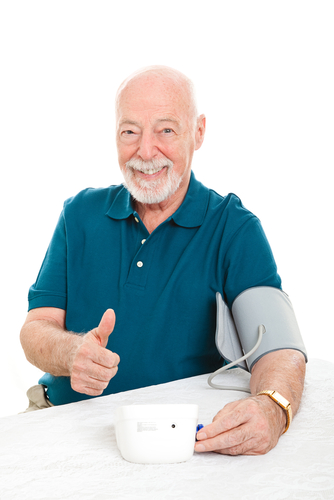
Digital blood pressure monitor displaying 128/84 mmHg and pulse 72 bpm on a person's arm

High Blood Pressure (Hypertension): Causes and Treatment

shutterstock_117887302What is blood pressure anyway?  Blood pressure is a measure of the force of the blood against the walls of your arteries. Blood pressure readings include two numbers, such as 120/80 (say “120 over 80”).  The first number is the systolic pressure and is the force of blood on the artery walls as the heart pumps.  The second number is the diastolic pressure and is the force of blood on the artery walls between heartbeats, when the heart is at rest. What is hypertension/high blood pressure?  Your blood pressure normally goes up and down depending on what you are doing. You’ve probably heard that a normal blood pressure is less than 120/80 but it is normal for it to go up when you’re exercising or under stress.  It’s normally higher for example when you’re exercising than when you’re sleeping.  If you’re rushing to make it to your doctor’s appointment, it might be higher when it’s measured in the doctor’s office then when you’re relaxed right before you go to bed. Despite what a lot of people think, high blood pressure usually does not cause headaches or make you feel dizzy or lightheaded.  It usually has no symptoms, but it does increase your risk for heat attack, stroke, kidney and eye damage.  The higher your blood pressure, the more your risk increases. Your doctor will probably look at several variables when trying to determine whether your blood pressure is elevated abnormally and whether your blood pressure needs to be treated.  If you have diabetes, kidney disease, an aneurism or if you’ve had a heart attack or a stroke we usually try to keep the blood pressure lower than for other patients because they are at higher risk of developing additional health related problems if their blood pressure is high. If a patient is normally healthy without any health related problems, we usually don’t consider them to have hypertension unless their blood pressure is 130/80 or higher – stage 1 hypertension based on Guidelines released in November of 2017. Guidelines released by the American Heart Association and American College of Cardiology in November of 2017 classify blood pressure in the following categories:
  1.  Normal <120/80
  2. Elevated:  Systolic between 120-129 and diastolic less than 80
  3. Stage 1: Systolic between 130-139 or diastolic between 80-89
  4. Stage 2: Systolic at least 140 or diastolic at least 90 mm Hg
  5. Hypertensive crisis: Systolic over 180 and/or diastolic over 120, with patients needing prompt changes in medication if there are no other indications of problems, or immediate hospitalization if there are signs of organ damage.
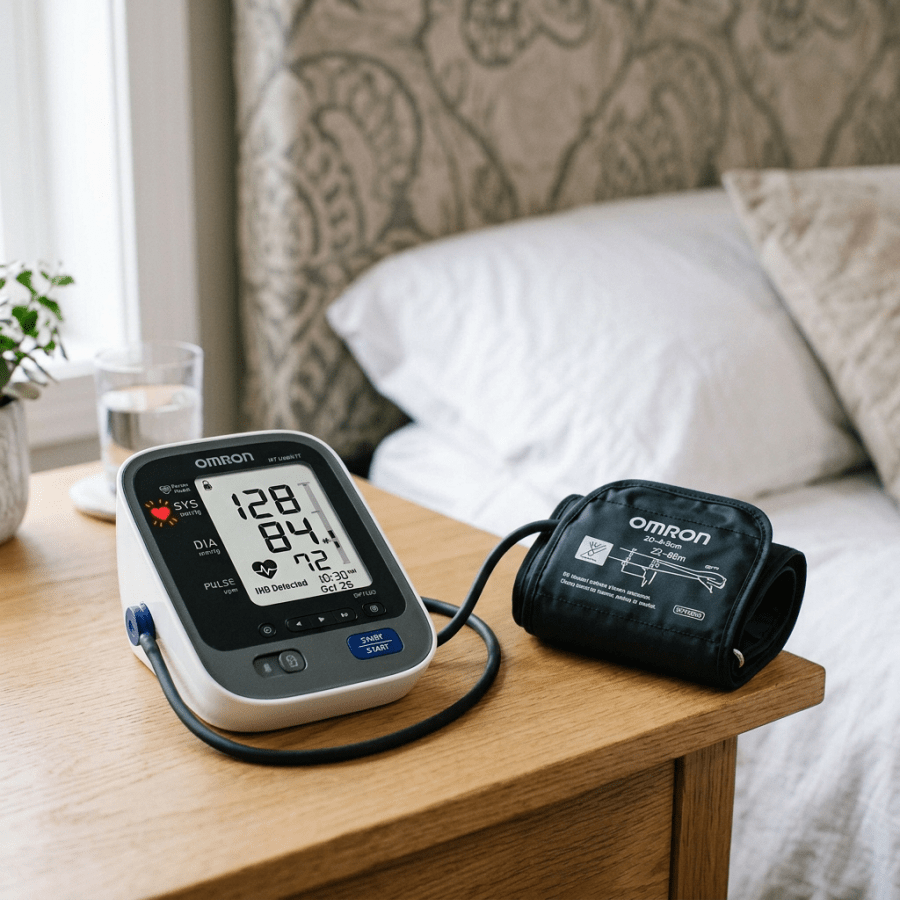
Why should you care if your blood pressure in high?  Most of the time when people have high blood pressure they don’t have any symptoms so they aren’t even aware that it’s elevated!  High blood pressure is sometimes called a “silent killer” because even though you don’t have symptoms from it being elevated, it can do damage to the arteries in the heart, brain, kidneys, eyes and other organs. Men are often most interested to know that having hypertension can cause a form of sexual dysfunction called erectile dysfunction (ED).  That’s right, if your blood pressure is elevated, your sex life may be negatively affected as a consequence.  Read my article on male sexual dysfunction in men here. It may take years to develop symptoms from this damage but it is usually permanent and can make patients more likely to have a heart attack or stroke, kidney damage (sometimes requiring dialysis), vision problems, and even lead to early death. Some patients might not have thought about why they would want to stay healthy, so I usually ask them to make a list of what’s important in their life.  For some people it’s important for them to be alive and healthy so they can spend time with their family members (wife/husband, children, siblings, pets, etc.)  Some people enjoy traveling and they may not have considered that it’s much more difficult to travel if you have problems with your heart, brain, kidneys or eyes for example.  I think it’s important to think about what your short term and long term goals are, and use this as motivation for keeping healthy. Who is at risk?  High blood pressure is a very common problem!  Elevated blood pressure is more common as we get older but can affect anyone.  Among people over age 60, hypertension occurs in 65 percent of African-American men, 80 percent of African-American women, 55 percent of white men, and 65 percent of white women. I’ve had patients who are children with abnormally elevated blood pressures.  Oftentimes high blood pressure runs in the family, so if your father, mother or siblings have hypertension it’s important to be aware that you are at higher risk of developing hypertension yourself.  High blood pressure is also more common in people who have diabetes, drink more than two alcoholic drinks/day, are overweight, eat an unhealthy diet or don’t exercise regularly. If you have sleep apnea, you are also at greater risk of high blood pressure.  Until correcting the sleep apnea, it may be very difficult to control your blood pressure. High Blood Pressure Treatment:  There are certain lifestyle modifications that can help get your blood pressure in the normal range and also medications that your doctor might prescribe.  Usually a combination of both medications and lifestyle changes achieves the greatest success in achieving a blood pressure that is within the healthy range for you. Lifestyle modifications: 1)     Reducing the amount of salt in your diet 2)     Losing weight if you are not at your goal 3)     Avoiding excessive amounts of alcohol 4)     If you smoke, decreasing or stopping 5)     Exercising for at least 30 minutes on most days Reducing sodium intake is important because with increased salt (or sodium chloride) intake from food that we eat, our bodies naturally absorb more wate.  The increased water absorbed into the body then contributes to an increased amount of fluid in the blood vessels and heart and that in tern leads to hypertension.  Diuretic medications (discussed below) work in almost an exact opposite way to decrease the amount of salt and water in the bodies and lower blood pressure. Medications:  If lifestyle changes alone are not successful in getting the blood pressure under control, your doctor may prescribe certain medications to help decrease the strain on the heart and arteries. The constant stress from the elevated blood pressure that may lead to organ damage if not treated adequately. With such a variety of blood pressure medications available, medical providers try to make the best decisions based on the latest scientific research as well as an individual patient’s past medical history and other medical conditions.  The Joint National Committee on Prevention, Detection, Evaluation, and Treatment (JNC) has had seven publications that have been released based on scientific research about blood pressure since 1976.  The guidelines are constantly changing as we acquire new data from scientific data. Most blood pressure medications are tolerated well, but just like any medication, there is the possibility of side effects.  I will discuss some of the possible side effects of the various classes of blood pressure medications.  If you experience side effects, allergies or just don’t like the medication prescribed, I recommend discussing this with your doctor right away rather than just stopping the medication because there might be some reason (other than the medication) that could be causing an undesired effect.  It’s also true that you might not notice an immediate drop in blood pressure right after starting some types of blood pressure medications.  It can take a few days or even weeks to achieve the full effect with certain medications. You should know that it often takes more than one blood pressure medication to get blood pressure under control.  These medications are often used together and work in different ways to reduce blood pressure.  We might use 1, but often use 2, 3 or 4 different blood pressure medications to achieve the blood pressure goal (less than 140/90 for example). ACE (angiotensin converting enzyme) inhibitors block a hormone in the body that causes narrowing of the blood vessels.  By allowing the blood vessels to widen, it lowers the blood pressure and improves the heart output.  This is usually the first type of medication that is prescribed for someone who has high blood pressure because it usually works so well and because there are usually not many side effects.  Some of the common ACE inhibitors are lisinopril, benazopril, enalopril, captopril and ramipril.  There are many more ACE inhibitors available that are not named here.  We also prescribe ACE inhibitors to patients who have chronic kidney disease, heart failure or diabetes.  Usually these patients also have hypertension, but not always.  If they don’t have high blood pressure, the ACE inhibitors are usually used because they protect the kidneys from damage due to elevated blood sugar. Possible side effects:  The most common complaint of patients who cannot tolerate an ACE inhibitor is a persistent, dry, hacking cough.  About 10% of people who are prescribed an ACE inhibitor may experience a cough (that goes away after stopping the medication), and if that happens to you, we can use another similar medication – see ARB (angiotensin II receptor blocker) medications.   A very small percentage of people can have an allergic reaction to ACE inhibitors that causes swelling of the lips/mouth (angioedema).  If you develop swelling of the lips, tongue or mouth you shouldn’t take this medication and talk to your doctor right away.  We don’t see it happen very often but severe allergic reactions to any medication can be life threatening so it’s important that if you have trouble breathing after taking any medication, you call 911 (an emergency/ambulance team) instead of trying to drive to a hospital yourself.   Angiotensin II Receptor Blockers (ARBs):  These medications work similar to ACE inhibitors to reduce blood pressure but have their effect at a different site in the kidney than the ACE inhibitor.  These are newer medications than ACE inhibitors and are generally more expensive.  Since they work in a similar way to ACE inhibitors, we usually use these mostly in patients who cannot tolerate and ACE inhibitor or have chronic kidney disease.  They also work to widen the blood vessels to lower the blood pressure.  Some examples of ARBs include losartan, valsartan, and candesartan.  Not all ARBs are mentioned here. Possible side effects:  The main difference between the ACE inhibitor and the ARB is that patients who cannot take the ACE inhibitor due to cough, can usually tolerate the ARB.  Angioedema (allergy) is also less common in ARBs.   Diuretics:  These medications lower your blood pressure by causing your kidney to produce more urine (which contains water, sodium and potassium).  You might notice that you have to get up to go to the bathroom more frequently when you take a diuretic blood pressure medicine.  Having less water/fluid in the blood vessels decrease the pressure inside the vessels (like having less volume of water running through a garden hose decreases the pressure inside of it).  There are different classes of diuretic medications to discuss: 1)      Thiazide diuretics:  Usually these medications are taken once a day.  Common examples are chlorthalidone and hydrochlorothiazide (HCTZ). 2)     Potassium-sparing diuretics:  Spironolactone, triamterene or amiloride are diuretics which do not cause as much loss of potassium in the urine as some of the other diuretics. 3)     Loop diuretics:  Lasix is an example of a stronger diuretic that lasts only 6 hours (so it has to be taken multiple times each day) but is used for patients who have high blood pressure and congestive heart failure.  We don’t use loop diuretics as often with high blood pressure because they we have to be very careful to monitor the potassium closely in patients who take loop diuretics.  This means that patients taking these medications may be asked to get blood work done fairly frequently. Possible side effects:  Diuretics are usually very well tolerated and the main complaint that I hear people complain about is having to urinate more frequently.  I usually recommend taking a diuretic in the morning rather than the evening so that if they do have to urinate more frequently, they get most of the effect in the day when they’re awake.  We need to check kidney function and electrolytes when patients take diuretics to make sure that the sodium and potassium do not get too low.  People who have gout sometimes have more attacks if they take thiazide diuretics.   Calcium channel blockers:  These medications reduce the amount of calcium that enters the cells of the heart thereby causing the cells of the heart to relax and dilate and reduce the pressure as well as reducing the force and rate of the heart.  There are two categories of calcium channel blockers: 1)      Dihydropyridine – examples include amlodipine, nifedipine, and felodipine.  There are many others  as well. 2)     Nondihydropyridines – examples include diltiazem and verapamil Possible side effects:  Sometimes patients who take calcium channel blockers may develop headache, dizziness, flushing, nausea or swelling of the gum tissue (gingival hyperplasia).  It the dose of medication is too strong, it can cause the heart rate to slow too much and lead to dizziness or falling.   Beta blockers:  These medications lower the blood pressure by decreasing the rate and force of the heart when it pumps blood.  Some examples of common beta blockers include metroprolol, atenolol, carvedilol and labetalol.  The last two beta blockers listed here also cause relaxation of the blood vessels (alpha blocking effect). Possible side effects:  Beta blockers have a higher chance of causing side effects than some of the other blood pressure medications that are commonly prescribed so they are often reserved for patients who have resistant hypertension or have had a heart attack or heart failure.  We often give beta blockers to patients who have migraine headache because the medication helps to reduce the frequency of migraine we believe by affecting the nervous system/blood vessels.  People with panic disorder or anxiety may also benefit from taking beta blockers because patients often feel more relaxed while on this medicine, perhaps because of the effect on the sympathetic nervous system. Patients who have asthma sometime get worsening symptoms from their asthma if they use beta blockers.  We are careful with the use of beta blockers in patients who have diabetes (and who sometimes get low blood sugar from their insulin) because the beta blockers can sometimes make it difficult for patients with a low blood sugar to feel symptoms of it coming on.  Beta blockers can also cause fatigue, dizziness, sleepiness, and decreased ability to exercise in some patients. Alpha blockers:  These medications relax the blood vessel s in the body and thus allow the diameter of the vessels to widen.  Since vessels are wider, the pressure is decreased – think about how a nozzle works on a hose.  If you widen the nozzle and amount of water that is able to go through the hose, the pressure will decrease.  Some common alpha blockers are doxazosin, prazosin and terazosin. Possible side effects:  The most common side effect of alpha blockers is dizziness, especially when standing up quickly.  We usually don’t use alpha blockers as a first medication for treating high blood pressure because of this possible side effect.  Men with an enlarged prostate and high blood pressure however may benefit from one of these medications because they can help to shrink the prostate and help increase the urine flow and decrease blood pressure. Direct vasodilators:  We sometime prescribe medications that directly relax the blood vessels quickly, especially in patients who come into the hospital with severe hypertension.  These medications are short acting and as they wear off they can lead to an increased heart rate so we usually only use these medications in combination with a medication such as a beta blocker.  Common direct vasodilators include hydralazine or minoxidil. Possible side effects:  headache, weakness, nausea and rapid heartbeat or possible side effects.  We also use minoxidil topically (Rogaine) for hair growth because it increases the blood flow to the hair follicles. My recommendations:  Patients who have high blood pressure and are motivated to get their blood pressure controlled can do so but it might take some time and effort on their part.  After consulting with their primary physician and coming up with a treatment plan, I next recommend obtaining a blood pressure cuff and measure blood pressure twice a day.  The first measurement should be done first thing in the morning after getting up and before having any coffee (or other caffeinated beverages).  Write this number down and also record another blood pressure right before going to bed.  It’s important to get your blood pressure less than 130/80 consistently. I have a tendency to value the home blood pressure records more than what we measure in the office because there is often some stress with getting to the doctor’s office on time, parking , waiting in an exam room, etc. all of which may not be a pleasant experience.  We can check your blood pressure cuff in the office and see how it compares to our cuff and ensure that it is accurate.  If your blood pressure is consistently higher than it should be, we may make changes in your medications by adding additional medications or increasing the dosage of medications that you are already taking. Again, do not stop taking your medications without telling your doctor.  If you don’t take your medications, medical providers cannot help you with your blood pressure.  We need to know if you cannot take them and we can even work with you to help you remember to take your medications if you forget. Tips on checking your blood pressure at home: 1)  Sit in a chair that supports your back.  Rest your arm on a table so that your upper arm is at the same level as your heart. 2)  Sit with your arm slightly bent with your palm up.  Keep your feet flat on the floor and your legs uncrossed. 3)  Use the same arm every time you check your blood pressure 4)  Make sure that you can put the blood pressure cuff directly on the skin of your upper arm.  You may need to remove any sweaters or pull up your sleeves. Be sure that your sleeves are not too tight around your arm. 5)  Wrap the blood pressure cuff snugly around your upper arm, palm facing up.  The lower edge of the cuff should be about 1 inch (2.5 cm) above the bend in your elbow. 6)  Press the on/off button on the electronic monitor.  Follow the manufacturer’s instructions for using the device. 7)  The blood pressure cuff will automatically inflate to about 180mmHg (unless the monitor decides you need a higher number).  Then the cuff will begin to delate automatically and the numbers on the screen will begin to drop. 8)  Wait at least 5 minutes before taking another blood pressure readings working properly. 9)  Look often at blood the blood pressure cuff and rubber tubing.  Make sure that they are in good condition and do not have any holes or cracks. 9)  When you purchase a blood pressure monitor, bring it to the doctor’s office to compare the reading you get with the reading that is taken in the office.  They should be close. Repeat this check yearly to make sure your machine is working properly.   I hope that you have found this information useful.  Wishing you the best of health,

Scott Rennie, D.O.
Board Certified in Obesity Medicine and Family Medicine

This blog is for educational purposes only and does not constitute individual medical advice. Always consult your own physician before making changes to your health, medications, or treatment plan.

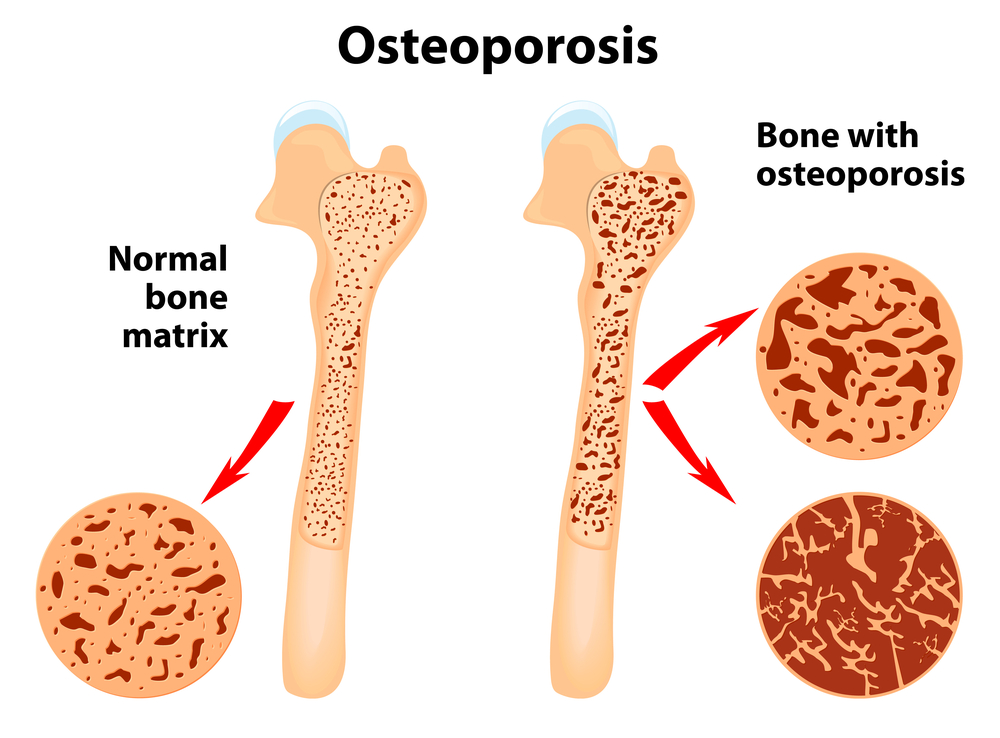
Comparison of healthy and osteoporotic bone density showing thick trabeculae with low fracture risk versus thin trabeculae with high fracture risk

Osteoporosis: How to Prevent It and How It’s Treated

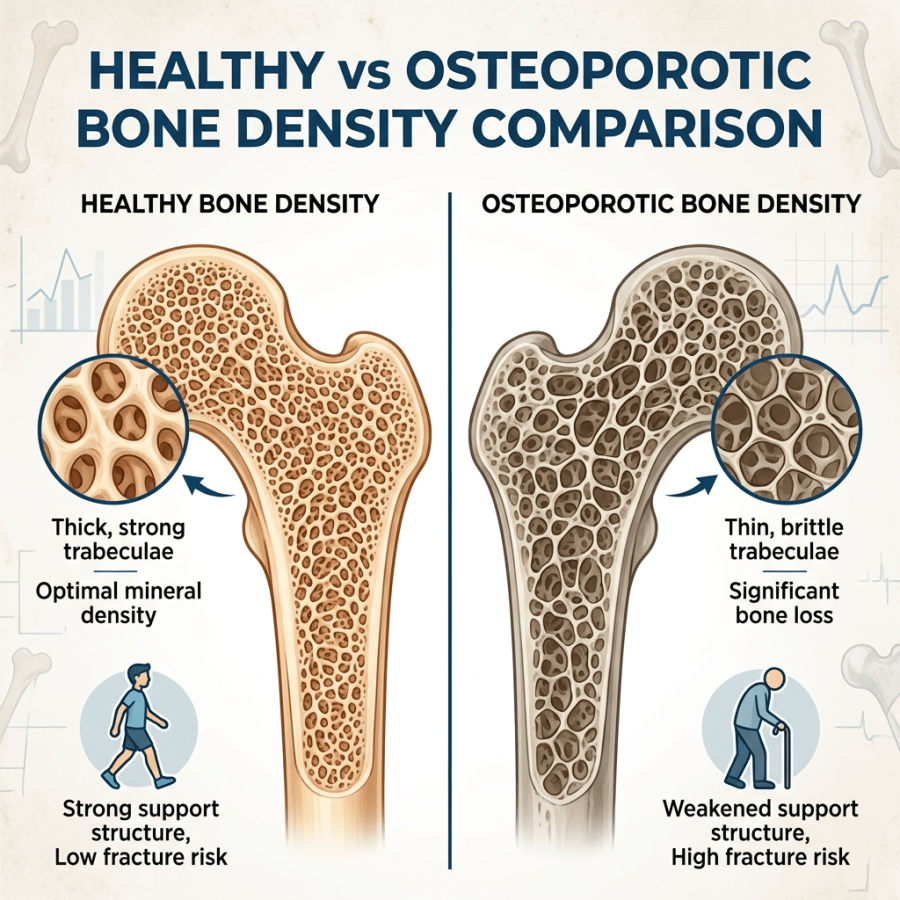
shutterstock_138359822 Osteoporosis:  A medical disorder that causes the bones to become weak, thin and fragile.  Bones that are weaker are more likely to break (fracture).  Women are more commonly affected by this disorder because after menopause lower levels of estrogen are produced by the body.  Estrogen is a hormone that helps keep the bones strong. It is very important to detect low bone density (weak bones) because there are treatments available which can protect and actually help build up bone and prevent bone fractures in those people who are at the greatest risk. Why do we care?  Bone fractures, especially in the hip cause a huge change in lifestyle and lead to decreased mobility, decreased ability for patients to care for themselves, and increased risk of death due to physical deconditioning, increased risk of infection (from surgery and also from decreased mobility respiratory illness).   In fact, people who sustain a hip fracture are more likely to die than a person of the same age who does not experience this injury. About 20 percent of people who have a hip fracture die within a year of their injury. It is estimated that only one in four persons have a total recovery from a hip fracture.  Most people spend from one to two weeks in the hospital after a hip fracture. The recovery period may be lengthy, and may include admission to a rehabilitation facility. People who previously were able to live independently will generally need help from home caregivers, family, or may require the services of a long-term care facility. Hip fractures can result in a loss of independence, reduced quality of life, and depression, especially in older people. Fractures that occur in the spine due to osteoporosis can lead to pain and cause changes in the curvature of the spine.  We’ve all seen older folks who have difficulty walking due to having abnormal curvature of the spine and these patients often have osteoporotic fractures in the vertebra of the back. Risk factors for osteoporosis: 1)  Sex – women are more likely to get osteoporosis than men 2)  Age – risk of osteoporosis is higher with increasing age 3)  Race – there is a higher risk of osteoporosis in people of white or Asian descent 4)  Family history – you are at higher risk of osteoporosis if you have a parent or sibling with osteoporosis, especially if there is a family history of bone fracture 5)  Body frame size – men or women who have a smaller body frame size are at higher risk because they have less bone mass to draw from as they age 6)  Hormone levels – osteoporosis is more common in patients who have too much or too little of certain hormones  (estrogen, testosterone, thyroid, parathyroid or adrenal hormones for example) 7)  Low calcium in the diet – a lifelong lack of getting enough calcium increases the risk of developing bones that are thinner and more fragile. 8)  Eating disorder – Patients with anorexia are at increased risk of osteoporosis due to decreased nutritional intake of calcium 9)  Weight loss surgery – those patients who have surgery to help them lose weight are at higher risk of osteoporosis because of a reduction in the size of the stomach or a bypass of some of the intestines.  This may decrease the absorption of calcium or vitamin d. 10)  Certain medications – see below Prevention:  Several important steps to maintaining proper bone formation and density can be done without the need of medication.  These include proper diet, exercise and not smoking. A)  Diet:  Preventing the bones from thinning involves getting enough nutrients, especially calcium and vitamin D.
  1. Calcium:  Most experts agree that men and women who have not reached the age of menopause yet consume at least 1000 mg of calcium each day (combination of diet and supplements).  Women who have already gone through menopause should consume at least 1200mg of calcium each day (combination of diet and supplements).   Foods that have calcium include dairy milk, cottage cheese, yogurt, hard cheese, green vegetables (especially kale and broccoli).  A way to calculate the amount of calcium from food is to multiply the number of servings of calcium rich foods by 300 mg.  One serving size of dairy milk or yogurt is 8 oz.  1oz of hard cheese or 16 oz of cottage cheese is one serving size.
  2. Vitamin D:  Most experts also agree that men over age 70 and women who have gone through menopause consume at least 800 international units (IU) for vitamin D each day.
  3. Alcohol:  Drinking more than 3 drinks per day can increase the risk of fracture due to increased risk of falling and poor nutrition.
B)  Exercise:  We understand that our bones maintain their strength if we continue to use them.  Patients who become immobile are at increased risk of bone fractures because their bones tend to become thinner with decreased use and activity.  Patients who are more physically active are generally stronger and less prone to falling as well.  Exercising 30 minutes or more three times per week or more is recommended to maintain bone strength. C)  Smoking:  Smoking cigarettes is known to speed bone loss.  One study suggested that women who smoke one pack per day throughout adulthood have a 5-10% reduction in bone density by menopause.  If you smoke, I suggest you get help with stopping to help prevent osteoporosis. We can reduce the risk of bone fractures by reducing falls.  Several ways to reduce falls in older adults include: 1)  Avoiding (as much as possible) medications that can cause dizziness 2)  Provide adequate lighting to areas both inside and outside the home 3)  Ensure there are no loose rugs or electrical cords that could lead to tripping or falling 4)  Avoid walking in areas outside that are unfamiliar 5)  Avoid slippery surfaces such as ice or wet/polished floors 6)  Ensure good eye care by visiting an eye doctor regularly Screening for Osteoporosis:  There are several different recommendations for when to start screening for osteoporosis.  The U.S. Preventative Service Task Force (USPSTF) recommends screening women who are age 65 or older who has no increased risk of fracture as compared to a 65 yo women of Caucasian decent.  If a woman has a previous bone fracture or an early family history of osteoporosis (especially a mother with an early bone fracture) or has thyroid disease or take medications that can increase the risk of thinning the bones, screening earlier is generally recommended. Assessment tools:  There are several tools that have been developed by the WHO (World Health Organization)  – (see FRAX) to help assess risk for osteoporotic fractures.  These tools ask questions that relate to risk factors for osteoporosis and attempt to calculate a probability of hip fracture even without knowing exact measurements of bone density measured by special x-ray tests. DXA Bone Mineral Density Test:  A bone density test uses special x-rays to determine how many grams of calcium and other bone minerals are packed into a bone segment.  Bones that are commonly tested include the spine, hip and forearm.  We do this test to identify patients who are at higher risk for bone fracture, as well as to monitor the progress of therapy for patients who are being treated.   Bone density tests are not the same as bone scans.  Bone scans usually require the patient to get an injection before the procedure and are used to detect bone fractures, bone cancer or bone infections. Medications that increase the risk of bone thinning:  If you take any of these medications, ask your doctor about whether you should have your bone density tested: 1)  Glucocorticoids such as prednisone or dexamethasone 2)  Anti-Seizure medications such as Dilantin, Tegretol, Phenobarbital or Primadone 3)  Heparin – medication to treat abnormal blood clotting 4)  Acid reducing medications called proton pump inhibitors (PPIs) such as Prilosec may increase the risk of osteoporosis or fractures but more research is needed. Treatment for osteoporosis:  The treatment really depends on the reason for the decrease in bone density.  We might change the patient’s current medications to different medicines that are safer and have less risk for decreasing bone mineral density.  Correcting a patient’s thyroid, parathyroid or testosterone imbalance may improve their bone density without the need for other medications.  We usually try to ensure that they are getting adequate dietary intake of calcium and vitamin D and may due some lab tests to look for excessive loss of calcium in the urine.  We might test the patient’s vitamin D levels along with the hormone levels mentioned above.  If there has already been a hip or vertebral compression fracture we will also usually check a bone mineral density (DXA or DEXA) scan to confirm the level of osteoporosis. The DEXA scan gives us a numerical value that corresponds to the degree of osteopenia (low bone density) or osteoporosis (greater risk of fracture).  A normal bone density is when the T-score (measured on the bone density test) is between 0 and 1 standard deviation below the mean.  A normal T score may be reported as a T-score of +1 to -1.  If the T score is -1 to -2.4 the patient is said to have osteopenia which means that they have a risk of developing osteoporosis if not treated.  If the T score is -2.5 or less, the patient is diagnosed with osteoporosis.  The lower the T score (higher the negative number), the greater the risk of fracture. Medical treatment of osteoporosis: 1)  Calcium – at least 1200 mg of calcium/day but no more than 2000 mg/day. 2)  Vitamin D – at least 800 international units/day – sometimes very high doses such as 50,000 IU/week may be prescribed if your levels are measured to be very low. 3)  Bisphosphonates such as Fosamax , Actonel  or Boniva are medications that slow the breakdown and removal of bone (bone resorption).  These are taken first thing in the morning on an empty stomach with an 8oz glass for still water.  There has been some concern about the use of bisphosphonates in people who require invasive dental work – it may lead to avascular necrosis or osteonecrosis.  Most experts do not think that it is necessary for most people to stop bisphosphonates before invasive dental work (tooth extraction or implant) because the risk is very small for those people who take bisphosphonates for osteoporosis treatment or prevention.  People who take a bisphosphonate as part of a treatment for cancer should consult their doctor before having invasive dental work however. There is some concern about atypical (stress) hip fractures associated with long-term use of bisphosphonates.  Patients who have been taking them for more than 5 years may need re-evaluation to see if further continuation of the medication is recommended. 4)  Selective Estrogen Receptor Modulators (SERMs) produce estrogen-like effects on the bone.  They include Evista and tamoxifen.  In addition to osteoporosis treatment/prevention there is a decrease in the risk of breast cancer in women who are at high risk.  These medications are not recommended for women who have not started menopause. 5)  Calcitonin is a hormone produced by the thyroid gland that, together with parathyroid hormone, helps regulate calcium concentrations in the body.  This may be administered via nasal spray or injection.  Nasal administration is usually preferred due to ease of use and less chance of nausea and/or flushing.  It’s not clear if calcitonin improves bone in places in the body other than the spine. 6)  Parathyroid hormone (PTH) – (prescription preparation name Forteo) produced in the parathyroid glands(non-prescription form) stimulates bone resorption and new bone formation.  Clinical trials suggest the PTH therapy is effective in both prevention and treatment of osteoporosis in post-menopausal women and men.  It has been proven to reduce spine fracture risk more than any other treatment that we know about.  It does, however require a daily injection and is expensive so it’s usually reserved for patients with severe hip or spine osteoporosis with a T score of  less than -2.5 (higher number) and osteoporosis-related fracture. When taking Forteo, we often check a blood uric acid and calcium level at the start of the medication, after 6 weeks, 6 months later and then after 12 months of therapy. We generally do not use this medication in pediatric and young children whose bones are still growing or in patients with bone cancer,  Paget’s disease of the bone and extreme caution is needed in patients who have a history of recent calcium kidney stones. 7)  Prolia is a medication that helps improve bone mineral density and reduce fracture in postmenopausal women with osteoporosis.  It is an injection under the skin once every 6 months.  It’s usually well tolerated but can have side effects such as skin infections or eczema.  It should not be given to patients who have a low blood calcium level. For more information, please check out the following resources: National Library of Medicine Osteoporosis and Related Bone Diseases National Resource Center National Osteoporosis Foundation National Women’s Health Resource Center (NWHRC) Osteoporosis Society of Canada The Hormone Foundation   I hope that you have found this information useful.  Wishing you the best of health,

Scott Rennie, D.O.
Board Certified in Obesity Medicine and Family Medicine

This blog is for educational purposes only and does not constitute individual medical advice. Always consult your own physician before making changes to your health, medications, or treatment plan.

Erupting volcano emitting thick yellowish smoke with hikers on nearby rocky ridge

What Are the Long Term Effects of Vog (Volcanic Pollution)?

shutterstock_153524036Vog is a form of air pollution that results when sulfur dioxide and other gases and particles emitted by an erupting volcano react with oxygen and moisture in the presence of sunlight. The word is a portmanteau of the words “volcanic” and “smog“. The term is in common use in the Hawaiian islands, where the Kīlauea volcano, on Hawaiʻi Island (aka “The Big Island”), has been erupting continuously since 1983. Based on June 2008 measurements, Kīlauea emits 2,000 – 4,000 tons of sulfur dioxide every day. Vog poses a health hazard by aggravating preexisting respiratory ailments, and acid rain damages crops and can leach lead into household water supplies. The U.S. Geological Survey’s Hawaiian Volcano Observatory is closely monitoring gas emissions from Kilauea and working with health professionals and local officials to better understand volcanic air pollution and to enhance public awareness of this hazard. Like smog, the presence of vog reduces visibility. Moisture in the air causes vog particles to enlarge, decreasing visibility still further. On the Island of Hawai`i, people often turn their headlights on during daylight hours when driving in vog, and vog sometimes limits visibility for air traffic. By Roger Mari – KEWALO BASIN (KHNL) – Months of heavy vog might have some wondering what the long term affects the sulfur oxide in the air has on our health. A respiratory expert shared information on a study of volcanic pollution.   The results might come as a surprise to many. Leading the ongoing research is Doctor Elizabeth Tam.  She believes volcanic pollution or vog can trigger an asthma attack in people including children already diagnosed with the condition. “We don’t think volcanic air polution actually causes asthma,” said Dr. Tam. The March eruption of Kilauea’s Halemaumau crater sent large amounts of sulfur dioxide into the air making for more voggy days this year.   Not ideal for photographs, jogging and other outdoor activities, but the vog provides the perfect lab for research. “There have been times we’ve been in the schools studying, doing our thing and the air polution is much more than before,” Tam said. The group of children were first examined before they were teens.   Voggy days had the usual effects on them as they would on those who were otherwise healthy. “We get more of the upper respiratory effects nose, eyes, stinging throat etc., but it doesn’t appear to be asthma,” said Tam. Researchers including Doctor Tam, will continue the study on the select group of children which began six years ago. “We’re actually studying the long term effects of the kids, so we continue to study the children which is good,” she said. So far vog does not appear to be the cause of asthma in the select group of big island children. But one thing is certain, island residents could be living with vog for years to come. The idea is to study the children as they grow up.   They were as young as 12 to 14 when research began. The plan is to monitor their respiratory conditions until they are 18.

Scott Rennie, D.O.
Board Certified in Obesity Medicine and Family Medicine

This blog is for educational purposes only and does not constitute individual medical advice. Always consult your own physician before making changes to your health, medications, or treatment plan.

Judge's gavel next to a red first aid kit on mossy log in forest

What Are the Legal Concerns Involved in the Wilderness?

shutterstock_133594121Sadly, due to our litigious world, our well-meaning care giver has concerns of legal liability even in the wilderness.   I enjoy going out into the wilderness and on some occasions I’ve come across an accident victim or other medical emergency in the back country.  It is my instinct to provide medical care for someone who needs it, and according to the World Medical Association’s International Code of Medical Ethics, “…a physician shall give emergency care as a humanitarian duty…” I will attempt to summarize information about legal concerns in the wilderness as given by a recent class in Advanced Wilderness Life Support and the information comes from their student book.  I am not an attorney and the information presented here is for informational purposes only.  I do not gain anything from presenting this information, but I think it’s important for all of us to understand legal concerns when providing medical care in the wilderness.   If you have a specific situation or concerns, I recommend that you speak to an attorney to get your questions answered. Again just to clarify, I am not the originator of this material.  The information here comes from a recent class in Advanced Wilderness Life Support and from their instruction manual.  You can contact the company who teaches these classes (Wilderness Medical Society) at the address shown here:  http://www.wms.org  I highly recommend taking their AWLS (Advanced Wilderness Life Support) class. Good Samaritan Laws:  The purpose is to provide liability protection to those with the ability to help in an emergency to remove the deterrent of litigation as long as the caregiver is not grossly negligent.  There are differences in each State in how the law is interpreted.  Actual fines may be imposed in some states, in Quebec and in Europe if there is a failure to render aid.  That obligation might be satisfied by immediately reporting the situation to the proper authorities who can provide help and aid to the victim. For a medical provider to be protected under the Good Samaritan Doctrine, the following five guidelines must be met: 1)   The person rendering emergency care must not have caused the emergency, either in whole or in part. 2)   The person rendering emergency care must act in “good faith.” 3)   The emergency care must be provided gratuitously, without any compensation. 4)   The provider must not commit gross negligence when rendering emergency care.  It would be difficult to list all possible acts or omissions that might constitute gross negligence.  Once initiating emergency aid in the back country and then either terminating treatment or transferring care to an inadequately trained person before the patient is stabilized to a medical facility can be considered abandonment and that can be seen as gross negligence. 5)   The person rendering emergency care must not have preexisting duty to care for the patient.  A guide for example, would have a preexisting duty to render emergency care to a customer if the customer had contracted with the guide to be taken on a hike and the guide had agreed to provide care to the customer in case of injury when hiking. If any one of the give conditions above is not satisfied, then the Good Samaritan law, with all it’s protection, will not apply. It would seem that the most frequent violation that would cause the Good Samaritan Law to be nullified arises from the presence of a preexisting duty on the part of the care giver to provide aid to the patient because of contract law. Contract Law:  It would behoove a medical provider on an expedition, to avoid being involved in a contract that in any way gives the belief or guarantees that safety and health are ensured during the trip.  A contract is an agreement or promise between two or more parties for performing or not performing certain specified acts in exchange for adequate consideration.  Contracts can be either “express” or “implied-in-fact.”  An express contract usually states explicitly in words, either written or oral leaving little or no doubt as to the existence and terms.  An implied contract is created by conduct or circumstances that “imply-in-fact” a contract exists. A brochure from a summer camp, expedition company or an adventure guide might sometimes expressly state that they have a trained person available to provide medical care to customers in emergencies arising during the adventure activity.  This could also be implied during an oral presentation or in a brochure.  Good Samaritan law will not be of protection from liability if a court finds that the complaining customer took part in the expedition in part because the company contractually agreed to provide medical aid during an emergency. Tort Law:  Torts are legally defined as civil (non-criminal) wrongs that might result in harm or injury and, thereby, constitute the basis for a claim (or law suit) by the harmed or injured party against the person who allegedly committed the tort. Three categories of torts: 1)   An intentional tort (where one person intentionally harms or injures another). 2)   A strict liability tort (making and selling an obviously defective product). 3)   A negligent tort (a careless an unintentional act, such as an automobile accident, which harms or injures another person or another person’s property.) Most often law suits claim that the tort of “negligence” occurred.  In order to prove that a person who provided emergency medical care in the back country committed the tort of negligence, the person who was harmed must prove the four elements of a negligence claim: Four elements of a Negligence Claim: 1)   Duty to Provide Care at the Standard of Care:  If the provider gave care that met the prevailing standard in the medical profession, the healthcare provider will likely not have been seen as negligent.  The question of what the prevailing standards are can sometimes be in question.  That standard is often not yet well established in law.  When in doubt, courts will rely upon the traditional legal definition of the standard, which is the “behavior of a reasonably prudent person in the same or similar circumstances.”  Some factors the court may look to in determining the applicable standard of care are:
  1. The defendant’s education
  2. The defendant’s training
  3. Government or organization medical protocols that apply to the particular situation
  4. Industry practice
  5. Private business protocols that might apply
Generally, if there is a duty to provide care that meets a certain standard, an informed consent is obtained from the patient before the treatment is given.  In an emergency however, a health care provider might rely on “implied consent” where most would reasonably assume that the patient would have agreed to the care offered under the emergency circumstances if they were able to do so. 2)   Failure to Perform the Duty:  It is very important to remain well informed of the prevailing medical standards and protocols and be well trained in wilderness medicine to ensure that any care provided meets the applicable standards.  The plaintiff must prove that the care provider did not perform the duty of providing aid consistent with the specified standard of care.  Usually the plaintiff asserts that the provider failed to act at all (an omission) when the provider had a pre-existing duty to provide care.  The plaintiff may also assert that the provider provided care that did not meet the prevailing medical standard or did not perform as would a reasonable person with the provider’s background, education and training.  If the provider prematurely terminates care or transfers care to a less qualified provider before the patient has been stabilized, this can be considered abandonment and constitute negligence. 3)   Loss of injury:  The plaintiff must prove that they sustained a loss or injury which can include damage to property, medical expenses, fright, emotional trauma, personal injury, pain and suffering, and loss of life. 4)   Causation:  The plaintiff must prove that the loss or injury was caused or contributed to by the provider’s failure to perform the duty of providing aid meeting the specified standard of care. Defense in a tort law claim:  Experience teaches that a record including dates, times, patient history, a description of the scene, and a complete and accurate record can help defeat a plaintiff’s claims.  The care provider can defeat the plaintiff’s claim if the plaintiff failed to carry the burden of proof on one or more of these four elements of the negligence claim. Jurisdiction:  Laws can widely vary from country to country and even state to state.  Knowing ahead of time, what the jurisdiction is will allow for maximum protection from litigation and optimal conduct. Malpractice Insurance:  It makes good sense to check with malpractice carriers before undertaking a trip to find out if they will be covered when rendering support during expeditions in various jurisdictions. References:  Advanced Wilderness Life Support Student Handbook   I hope that you have found this information useful.  Wishing you the best of health,

Scott Rennie, D.O.
Board Certified in Obesity Medicine and Family Medicine

This blog is for educational purposes only and does not constitute individual medical advice. Always consult your own physician before making changes to your health, medications, or treatment plan.

Close-up of a mosquito on a leaf with red virus particles overlay

West Nile Virus: 5 Things You Need to Know About It

shutterstock_134183042   Aug 17, 2012 | 3:36 PM ET | MyHealthNewsDaily Staff In the wake of 10 deaths due to West Nile virus, and hundreds of infections, authorities in Texas are spraying insecticide in the Dallas region, hoping to curb the spread of the disease, which can spread by mosquitoes. A total of 693 cases of West Nile virus infections, including 26 deaths, were reported as of Aug. 14 to the Centers for Disease Control and Prevention (CDC). The number of cases reported by this second week in August is the highest since 1999, when the disease was first seen in the U.S., according to the CDC. About 60 percent of this year’s cases have involved the “neuroinvasive” form of West Nile infection, in which the nervous system is affected. Such cases can cause inflammation of neural tissues, such as meningitis and encephalitis. More than 80 percent of all reported cases were from six states (Texas, Mississippi, Louisiana, Oklahoma, South Dakota and California), and almost half of all cases have been reported from Texas.

Here are five things you need to know about West Nile virus:

1. What is West Nile virus? West Nile virus is a type of virus called a flavivirus. Other viruses in this group cause dengue, yellow fever and Japanese encephalitis. Flaviviruses are commonly transmitted by ticks and mosquitoes. West Nile virus was first identified in Uganda in 1937, according to the National Institutes of Health (NIH). 2. How does West Nile Virus spread? It is likely that West Nile is spread from birds to people through mosquito bites, the NIH says. Early fall is the time of year that mosquitoes tend to have the highest levels of the virus, and human cases tend to peak around this time. The virus can also be spread through blood transfusions and organ transplants. Pregnant women can transmit the virus to their fetus, and mothers can transmit it to babies through breast milk, the CDC says. West Nile virus cannot be spread by casual contact, or touching or kissing an infected person, according to the CDC. 3. What are the symptoms of a West Nile infection? About 80 percent of people infected with West Nile show no symptoms at all, according to the CDC. The other 20 percent have symptoms such as fever, headache, body aches, nausea, vomiting and sometimes swollen lymph glands. Some develop a rash on the chest, stomach and back. Symptoms may last anywhere from a few days to several weeks. Severe forms of West Nile, which affect the nervous system, can be life-threatening. The NIH says that the following symptoms need prompt medical attention: muscle weakness, stiff neck, weakness in one arm or leg, confusion or a change in ability to think clearly and loss of consciousness or coma. 4. How can I prevent catching West Nile? The CDC recommends using an insect repellent that contains one of the following ingredients: DEET, picardin, oil of lemon eucalyptus (or a synthetic version of this oil, called PMD), or IR3535. These ingredients are suggested by the Environmental Protection Agency because they provide reasonably long-lasting protection against mosquito bites. The CDC also suggests wearing long sleeves and pants, or staying indoors, at dusk and dawn, when mosquitoes are most active. Mosquitoes breed in standing water, and so removing standing water from flower pots, pet dishes, buckets and barrels can reduce the risk of transmission. Children’s wading pools should be emptied and stored on their sides when not in use. 5. How is West Nile virus treated? There is no treatment for West Nile virus infections, according to the CDC. Mild symptoms can resolve on their own. People with severe symptoms may need to be hospitalized and receive intravenous fluids or help with breathing, the CDC says. Pass it on: Authorities in Dallas are spraying insecticide, hoping to curb the spread of the West Nile Virus, which has killed 10.

Scott Rennie, D.O.
Board Certified in Obesity Medicine and Family Medicine

This blog is for educational purposes only and does not constitute individual medical advice. Always consult your own physician before making changes to your health, medications, or treatment plan.