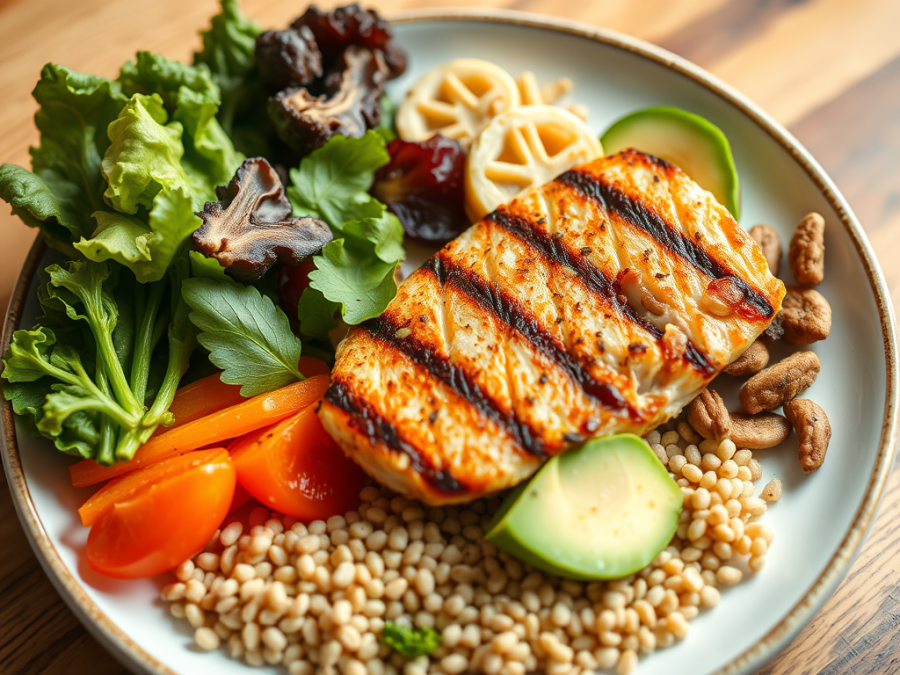
One of the more practical strategies to come out of recent nutrition research is food order, also called nutrient sequencing. The order in which you eat macronutrients changes how your body responds to the meal, and starting with protein, fat, or fiber before carbohydrate can blunt the post-meal glucose spike and soften the insulin response that follows it.
In a small, tightly controlled study, Shukla and colleagues found that eating vegetables and protein before carbohydrate produced a 73 percent reduction in post-meal glucose and nearly a 50 percent reduction in insulin, compared with eating carbohydrate first (Shukla et al., 2015). Touhamy and colleagues reported something similar in patients with type 2 diabetes: when carbohydrates came last, glucose peaks were 44 percent lower and glycemic variability improved (Touhamy et al., 2025).
People with obesity often report better satiety eating this way. Those with prediabetes see improved tolerance and reductions in HbA1c. Children with type 1 diabetes show smaller post-meal glucose rises when protein and fat come before carbs (Faber et al., 2018). Women with gestational diabetes also see better glycemic control with a carbohydrate-last pattern during pregnancy (Murugesan et al., 2024).
Protein and fat slow gastric emptying. That delays carbohydrate absorption and keeps the glucose peak lower. Incretin hormones like GLP-1 and GIP get stimulated too, which improves insulin sensitivity and overall glucose regulation.
It usually comes down to small shifts: a salad or a non-starchy vegetable first, a few bites of protein, a small portion of healthy fat, and only then rice or bread. Even in food cultures where carbohydrate traditionally opens the meal, reordering it is usually possible. I’ve seen patients make it work by adding a quick vegetable starter at home or choosing a protein appetizer when dining out. They often say it feels more doable than committing to a strict low-carb plan.
No food groups to cut. No restrictive plan to follow. Just change the order in which you eat, and the metabolic payoff can be substantial.
Scott Rennie, D.O.
Board Certified in Obesity Medicine and Family Medicine
This blog is for educational purposes only and does not constitute individual medical advice. Always consult your own physician before making changes to your health, medications, or treatment plan.
Sources:
- Shukla AP, Iliescu RG, Thomas CE, Aronne LJ. Food Order Has a Significant Impact on Postprandial Glucose and Insulin Levels. Diabetes Care. 2015;38(7):e98-e99. PMID 26106234. https://pubmed.ncbi.nlm.nih.gov/26106234/
- Touhamy S, et al. Carbohydrates-Last Food Order Improves Time in Range and Reduces Glycemic Variability. Diabetes Care. 2025;48(2):e15-e16. PMID 39688621. https://pubmed.ncbi.nlm.nih.gov/39688621/
- Faber EM, van Kampen PM, Clement-de Boers A, Houdijk ECAM, van der Kaay DCM. The Influence of Food Order on Postprandial Glucose Levels in Children with Type 1 Diabetes. Pediatric Diabetes. 2018;19(4):809-815. PMID 29527759. https://pubmed.ncbi.nlm.nih.gov/29527759/
- Murugesan R, Kumar J, Thiruselvam S, et al. Food Order Affects Blood Glucose and Insulin Levels in Women with Gestational Diabetes. Frontiers in Nutrition. 2024;11:1512231. PMID 39777075. https://pubmed.ncbi.nlm.nih.gov/39777075/
 Doctor Rennie's Blog