
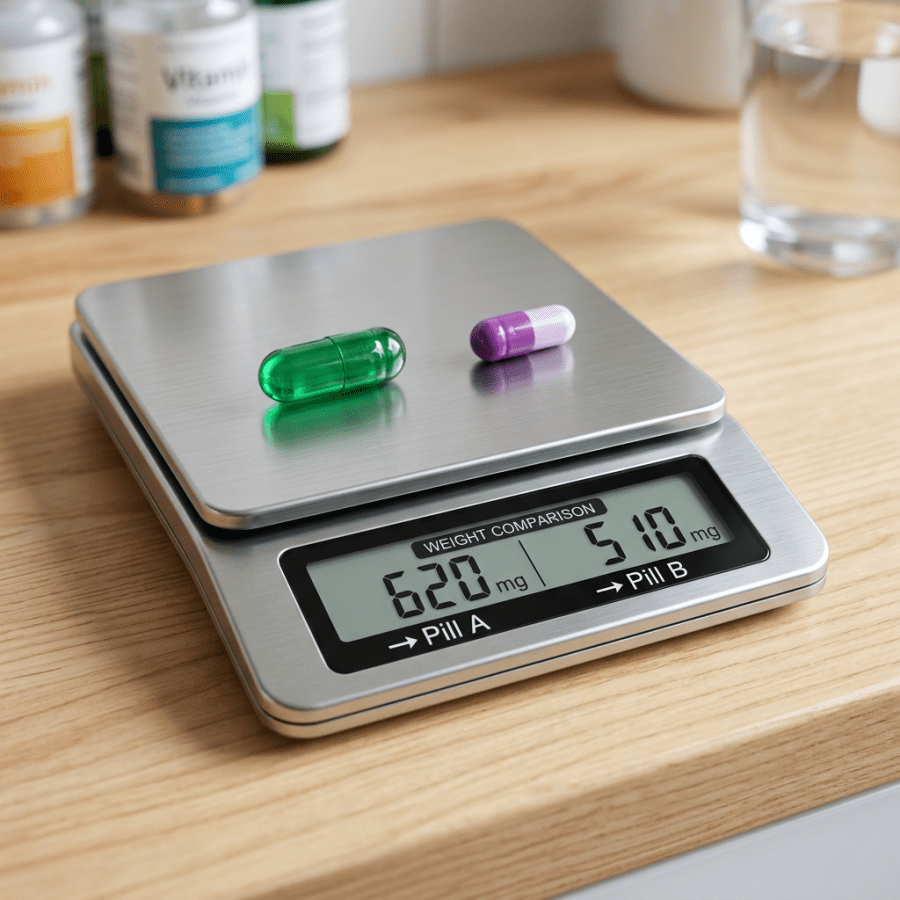
Digital scale showing weight comparison of green and purple capsules in milligrams

Foundayo vs. the Wegovy Pill: Comparing the Two New Weight Loss Pills

For years, if you asked me “is there a pill version of these weight-loss drugs?”, the honest answer was no, not really. That changed twice in the past eight months. If you haven’t been following the news closely, the options today look very different than they did just a year ago.

A quick note on names first, since patients ask me this a lot. The Lilly drug some people have heard called “Fonday-o” is actually called orforglipron. Its brand name is official now, not a guess. The FDA approved it on April 1, 2026, under the brand name Foundayo. Before that, on December 22, 2025, the FDA approved a 25 mg oral semaglutide tablet under the Wegovy name. GLP-1 medicines help control appetite and blood sugar, and this was the first pill version of one approved for long-term weight management. Both pills are real, both are approved, and both can be prescribed today.

Why the two pills work so differently in your body

Semaglutide is a peptide, which is a small chain of amino acids, the building blocks of proteins. Your stomach is very good at breaking down peptides, which is exactly why semaglutide originally had to be given as a shot instead of a pill.

Novo Nordisk’s solution was to add an ingredient called SNAC that helps the drug get absorbed before your stomach destroys it. According to a review in the medical journal Clinical Diabetes, SNAC does three things at once. It changes the local acidity around the tablet as it dissolves, it briefly protects the drug from a stomach enzyme called pepsin that would otherwise break it down, and it helps the drug pass through the stomach lining into your bloodstream. This absorption happens in the stomach itself, not the intestines, which is unusual for a pill. The drug essentially enters your body right where the tablet is sitting against your stomach wall.

That clever trick comes with a catch. You have to take oral semaglutide on an empty stomach with no more than about four ounces of plain water, and you can’t eat or drink anything else, including coffee or other medications like thyroid pills, for at least 30 minutes afterward. Taking it too close to breakfast or your other pills can reduce how much of the drug actually gets into your system. This isn’t a small detail. It can be the difference between the medicine working well and not working at all.

Orforglipron works completely differently. It’s what’s called a small molecule, meaning it’s a simple, stable chemical rather than a fragile peptide chain. It belongs to the same family of drugs as semaglutide. GLP-1 receptor agonists mimic a natural gut hormone that reduces appetite, and because orforglipron has no peptide to protect, it doesn’t need any special absorption booster and doesn’t come with a strict timing routine. Lilly describes it as the only GLP-1 weight-loss pill you can take at any time of day, with or without food or water. In real life, that means someone who works night shifts, or who already takes six other pills each morning, doesn’t need a complicated schedule to make it work.

What the study results actually show

Here’s where I want you to slow down before drawing conclusions, because it’s easy to misread these numbers.

In a 64-week study called OASIS 4, which tested the drug in 307 adults with obesity or being overweight who did not have diabetes, oral semaglutide 25 mg led to about 17% average weight loss in people who stayed on the medicine the whole time, compared with about 3% for those taking a placebo (an inactive pill used for comparison). When you count everyone in the study, including people who stopped early, the numbers were about 14% versus 2%. Seventy-six percent of people lost at least 5% of their body weight, compared with 31% on placebo.

In a separate study called ATTAIN-1, published in the New England Journal of Medicine, orforglipron was tested at three different doses (low, medium, and high) over 72 weeks. Average weight loss was 7.8%, 9.3%, and 12.4% at those doses, compared with 2.1% on placebo. At the highest dose tested in the trial, 36% of people lost 15% or more of their body weight, and 18.4% lost 20% or more, compared with 5.9% and 2.8% on placebo.

If you compare those numbers side by side, it looks like semaglutide wins, and I don’t think that comparison holds up. These are two separate studies, different patients, different lengths of time, different ways of measuring results, and nobody has run them head-to-head in the same people at the same time. What I can say confidently is that both pills produce weight loss that’s meaningful and far beyond anything we had in pill form before 2025.

One more detail worth knowing, because it can be confusing if you read news coverage of the studies. The doses of Foundayo that actually got approved are 0.8, 2.5, 5.5, 9, 14.5, and 17.2 mg, and your doctor increases your dose gradually, about every 30 days. Those numbers are different from the 6, 12, and 36 mg doses mentioned in the New England Journal of Medicine study. That’s because the trial used a different capsule formula than the one that ended up on the market. The 17.2 mg tablet you can actually get prescribed is equivalent to the 36 mg dose used in the trial. So if you notice your maximum dose sounds much smaller than what you saw in the news, that’s why.

Side effects

Both drugs work in a similar way in the body, and both come with similar side effects: nausea, vomiting, diarrhea, and constipation.

The ATTAIN-1 study reported specific numbers for orforglipron. Nausea occurred in 28.9% to 35.9% of people across the different doses, compared with 10.4% on placebo. Constipation occurred in 21.7% to 29.8%, versus 9.3% on placebo. Vomiting occurred in 13.0% to 24.0%, versus 3.5% on placebo. The number of people who stopped taking the drug because of side effects went up with higher doses, from 5.3% at the lowest dose to 10.3% at the highest, compared with 2.7% on placebo. Most side effects were mild to moderate.

Novo Nordisk reported that oral semaglutide’s side effects looked similar to what we already know from the injectable version of semaglutide, including the same warnings about pancreas inflammation, gallbladder problems, and allergic reactions. If you’ve taken injectable semaglutide before, this side effect pattern will likely feel familiar.

How I think about choosing between them

If you’re already doing well on injectable semaglutide and want to get away from needles, the oral tablet is the more natural next step. It’s the same active medicine, has a familiar side effect pattern, and carries the same approved benefit for heart health in people with existing heart disease.

If your biggest obstacle is fitting a medicine into a busy or unpredictable schedule, orforglipron tends to be more forgiving. That 30-minute waiting period for oral semaglutide sounds minor when we talk it through on a video visit, but in real life it trips people up. I’ve seen patients struggle with oral semaglutide not because it didn’t work, but because busy weekday mornings made it hard to follow the timing rules.

Cost is the third thing to consider, and it’s changing quickly. Novo Nordisk launched the 1.5 mg starting dose at $149 per month, with savings programs available. Lilly is offering self-pay pricing through its LillyDirect program, with commercially insured patients paying as little as $25 per month, and some Medicare Part D patients paying $50 starting as soon as July 1, 2026. These programs get updated often, so it’s worth checking the current terms before assuming a specific price applies to you. I haven’t run into a prior-authorization fight or a stocking problem with Foundayo yet. Most of what I prescribe goes through LillyDirect, cash pay, because it’s one of the cheaper options on the table. Patients who have insurance coverage tend to ask for injectable Wegovy or Zepbound instead.

We finally have two pill options, and each one tends to fail for a different reason, whether that’s the timing rules or something else. Figuring out which failure point matters most for your life is really the key to choosing the right one.

Scott Rennie, D.O.

Sources

FDA approves Novo Nordisk’s Wegovy pill, the first and only oral GLP-1 for weight loss in adults (PR Newswire): https://www.prnewswire.com/news-releases/fda-approves-novo-nordisks-wegovy-pill-the-first-and-only-oral-glp-1-for-weight-loss-in-adults-302648344.html
FDA Approves Oral Semaglutide as First GLP-1 Pill for Weight Loss (AJMC): https://www.ajmc.com/view/fda-approves-oral-semaglutide-as-first-glp-1-pill-for-weight-loss
Current Understanding of SNAC as an Absorption Enhancer: The Oral Semaglutide Experience (Clinical Diabetes, ADA): https://diabetesjournals.org/clinical/article/42/1/74/153538/Current-Understanding-of-Sodium-N-8-2
FDA approves Lilly’s Foundayo (orforglipron) (Eli Lilly investor release): https://investor.lilly.com/news-releases/news-release-details/fda-approves-lillys-foundayotm-orforglipron-only-glp-1-pill
FDA Approves First New Molecular Entity Under National Priority Voucher Program (FDA): https://www.fda.gov/news-events/press-announcements/fda-approves-first-new-molecular-entity-under-national-priority-voucher-program
Orforglipron, an Oral Small-Molecule GLP-1 Receptor Agonist for Obesity Treatment (New England Journal of Medicine, ATTAIN-1): https://www.nejm.org/doi/full/10.1056/NEJMoa2511774
Complete ATTAIN-1 results published in NEJM (Eli Lilly): https://lilly.gcs-web.com/news-releases/news-release-details/lillys-oral-glp-1-orforglipron-demonstrated-meaningful-weight
FOUNDAYO (orforglipron) tablets, US prescribing information (FDA): https://www.accessdata.fda.gov/drugsatfda_docs/label/2026/220934Orig1s000lbl.pdf
Approved dosing for Foundayo for weight management (Lilly Medical): https://medical.lilly.com/us/products/answers/what-is-the-approved-dosing-for-foundayo-orforglipron-for-weight-management-320858
Foundayo now available in the U.S. (Eli Lilly investor release): https://investor.lilly.com/news-releases/news-release-details/foundayotm-orforglipron-lillys-new-oral-glp-1-pill-weight-loss

Board Certified in Obesity Medicine and Family Medicine

This blog is for educational purposes only and does not constitute individual medical advice. Always consult your own physician before making changes to your health, medications, or treatment plan.

Is Yo-Yo Dieting Bad for You? Weight Cycling Explained

A lot of my patients describe the same arc. They work hard, lose weight, feel good for a while, and then months or years later it comes back. That repeated loss and regain is weight cycling. It is common, and it is hard on people both physically and emotionally.

The question I hear most often is whether it is even worth trying if the weight is coming back anyway. The research answers that more clearly than it used to, and the answer is yes.

Weight cycling generally means repeated intentional loss followed by unintentional regain. Some researchers set the bar at a 10 percent change in body weight occurring three or more times. Depending on the study, it affects 20 to 35 percent of men and up to half of women (Montani et al., 2015).

Why does the weight return? Biology pushes back harder than most people anticipate. After weight loss, resting energy expenditure falls further than body size alone would predict, and this metabolic adaptation can persist for years, meaning the body burns less than expected (Fothergill et al., 2016). Hormones move too. Leptin drops, hunger hormones climb, and patients end up hungrier and less satisfied by meals than they were before (Sumithran et al., 2011). The body also tends to compensate for exercise by raising appetite. Together these explain why maintenance is the hard part, not the losing (Thomas et al., 2012).

The real question is whether the cycling itself does damage. Large reviews and cohort studies have not found strong evidence that weight cycling raises mortality or major chronic disease risk when the weight loss is intentional and supervised (Mehta et al., 2014). Some work suggests regain may favor fat over muscle, visceral fat especially, though the findings are inconsistent (Mackie et al., 2017).

The psychological picture is better than most people assume. Foster and colleagues found that patients who regained weight still reported improvements in mood, hunger, and eating behavior after the loss phase (Foster et al., 1996). Other work has found no consistent long-term harm from the pattern itself (Osborn et al., 2011).

So should patients keep trying? The National Task Force on the Prevention and Treatment of Obesity concluded in 1994 that weight cycling should not deter people from attempting weight loss, and that position has held up (National Task Force, JAMA 1994). The benefits of intentional loss, lower blood pressure, better lipids, better glucose control, better quality of life, generally outweigh the risk of regaining.

One of my patients lost about 8 percent of her body weight through diet and walking. A year later most of it had come back. During the stretch she kept it off, though, her blood pressure normalized and she came off one of her antihypertensives. The weight returned. The benefit she got during that window was real and measurable, and the research says her experience is the rule rather than the exception.

What I steer patients toward is sustainable habit rather than another aggressive diet. Regular activity, consistent eating patterns, decent sleep, and watching the trend line instead of the daily number. A setback does not undo the progress. Staying connected to support, whether that is a clinician, a dietitian, or counseling, matters more than most people expect.

Weight cycling is real and it is discouraging. It is not a reason to stop. Even temporary weight loss buys real health, and the useful reframe is to treat weight management as ongoing care rather than a project with an end date.

Scott Rennie, D.O.

References

Montani JP et al. Obesity Reviews. 2015.

Fothergill E et al. Obesity. 2016.

Sumithran P et al. NEJM. 2011.

Thomas DM et al. Obesity. 2012.

Mehta T et al. Obesity Reviews. 2014.

Mackie GM et al. Obes Res Clin Pract. 2017.

Foster GD et al. J Consult Clin Psychol. 1996.

Osborn CY et al. Ethn Dis. 2011.

National Task Force on the Prevention and Treatment of Obesity. Weight cycling. JAMA. 1994;272(15):1196-1202.

Board Certified in Obesity Medicine and Family Medicine

This blog is for educational purposes only and does not constitute individual medical advice. Always consult your own physician before making changes to your health, medications, or treatment plan.
Does Fasting Slow Aging? What the Science Says

Aging cannot be stopped. The pace of it may be influenced by what and when we eat, and that idea is old rather than new. Since the 1930s, animal studies have shown that cutting calories without causing malnutrition extends lifespan. Rodents held at a 30 percent reduction lived longer with less cancer and less heart disease.

The proposed mechanisms are lower oxidative stress, better mitochondrial function, and less inflammation. Less fuel in, less metabolic wear.

Then you move from mice to people and it gets complicated.

The CALERIE trials brought calorie restriction into human research. CALERIE II found that cutting roughly 15 percent of calories for two years improved blood pressure, cholesterol, and markers of oxidative stress, and those benefits appeared without major weight loss (Kraus et al., 2019). The obstacle is adherence. Sustained restriction is hard on mood, on social life, and on nutritional balance, and most people will not hold it.

Which is how fasting patterns entered the conversation. Intermittent fasting covers several approaches. Some people fast on alternate days. Others follow 5:2, eating normally five days a week and restricting on two. Time-restricted feeding, which confines eating to an 8 to 10 hour window, has drawn the most recent attention.

Alternate-day fasting does produce fat and weight loss, but hunger is a serious barrier and dropout rates run high. Modified versions have not clearly outperformed standard calorie restriction (Trepanowski et al., 2017).

Time-restricted feeding looks more workable. Sutton and colleagues tested an early schedule with all meals between 7 a.m. and 3 p.m. Participants did not lose weight, but insulin sensitivity, blood pressure, and oxidative stress markers all improved, and they reported less hunger through the evening (Sutton et al., 2018). Other short-term work points the same direction, particularly on appetite control and metabolic flexibility (Hatori et al., 2012; Varady et al., 2022).

What does that mean in practice? Calorie restriction has the strongest animal data and some genuinely promising human results, and almost nobody sustains it. Alternate-day fasting rarely survives contact with real life. Time-restricted feeding is the one most patients can actually keep, and even moving to a 10 hour window and dropping late-night meals is a defensible starting point.

When I talk this through with patients, I usually suggest starting at a 12 hour window and tightening it only if they tolerate the change well. What goes in the window still matters more than the window does, and nutrient density should not get lost in the enthusiasm about timing.

Fasting is one tool among several, and which one fits depends on the person, their health, and what they can hold onto for longer than a month.

Scott Rennie, D.O.

References

Ravussin E, Redman LM et al. 2015.

Kraus WE et al. Lancet Diabetes Endocrinol. 2019.

Sutton EF et al. Cell Metab. 2018.

Trepanowski JF et al. JAMA Intern Med. 2017.

Heilbronn LK et al. 2005.

Spadaro PA et al. 2022.

Hatori M et al. Cell Metab. 2012.

Varady KA et al. 2022.

Board Certified in Obesity Medicine and Family Medicine

This blog is for educational purposes only and does not constitute individual medical advice. Always consult your own physician before making changes to your health, medications, or treatment plan.

Do Weight Loss Supplements Work? What Research Shows

Patients ask me about supplements constantly. They have seen an ad promising fast results from something natural and want to know whether it is worth a try. The answer is duller than the advertising. The evidence behind most weight loss supplements is thin, and the safety problems are not.

Paul R. Thomas at Columbia University’s Institute of Human Nutrition has reviewed this literature. What he and others find is that these products mostly do not work. The studies that exist tend to be small, short, and funded by the companies selling the product. Where a benefit shows up, it is small. Garcinia cambogia came in at under a kilogram of difference against placebo. That is not what patients are hoping for when they buy it, and it is not remotely close to what lifestyle change or an FDA-approved medication will do (Thomas, 2022).

The marketing claims sort into a few categories. Appetite suppression is credited to hoodia, glucomannan, and saffron. Metabolic or energy boosting gets attributed to caffeine, green tea extract, and bitter orange. Fat absorption blocking is the pitch for chitosan, and reduced fat synthesis for CLA and garcinia cambogia. The proposed mechanisms sound reasonable. The measured effects are close to nothing.

Safety is the more serious issue. Supplements do not have to be proven safe or effective before they are sold, because they are regulated closer to food than to drugs. The FDA can generally act only after harm is documented, which leaves a wide window. Independent testing has repeatedly turned up quality failures, including heavy metal contamination and doses that do not match the label. Some products have been found to contain banned or genuinely dangerous drugs, among them sibutramine, pulled from the market over cardiovascular risk, and phenolphthalein, a carcinogen (Tucker et al., 2018).

The harm is documented rather than theoretical. Roughly 23,000 emergency department visits a year in the United States are attributed to supplements, and weight loss and energy products account for most of them. The usual presentations are palpitations, chest pain, and tachycardia, and the patients are disproportionately young adults in their twenties and early thirties (Geller et al., 2015).

When patients ask what to do, I tell them to be careful. If they are going to use something, single-ingredient products from established national brands are the safer end of the pool, ideally with third-party verification such as USP or NSF. Avoid proprietary blends that will not disclose what is in them. Be suspicious of anything promising to melt fat. If they have a reaction, stop the product, keep the bottle, and report it to Poison Control and the FDA’s MedWatch program.

Supplements are everywhere and the evidence does not support them. Nutrition, physical activity, behavioral support, and where appropriate FDA-approved medication remain both more effective and considerably safer than whatever is currently being advertised.

Scott Rennie, D.O.

References

Thomas PR. Weight Loss Supplements. Columbia University Institute of Human Nutrition, 2022.

Geller AI et al. Emergency Department Visits for Adverse Events Related to Dietary Supplements. NEJM. 2015;373:1531-1540.

Tucker J et al. Unapproved Pharmaceutical Ingredients Included in Dietary Supplements Associated With US Food and Drug Administration Warnings. JAMA Network Open. 2018;1(6):e183337.

Board Certified in Obesity Medicine and Family Medicine

This blog is for educational purposes only and does not constitute individual medical advice. Always consult your own physician before making changes to your health, medications, or treatment plan.
Do Weight Loss Apps and Devices Really Help?

Patients ask me whether weight loss apps and digital programs actually work. It is a fair question, and the honest answer has a lot of qualifiers in it. Traditional obesity care runs into limited visit time, cost, and a shortage of places to refer people. Technology, whether an app, a web platform, or a hybrid program with human coaching, routes around some of that.

Dr. Bonnie Spring at Northwestern has studied how eHealth, mHealth, and telehealth are reshaping obesity treatment. Her finding is that these tools extend reach, lower cost, and deliver feedback in real time. The difficulty is holding anyone’s attention long enough for that to matter.

The trends in the research are reasonably clear. Web-based programs on their own produce small losses, around 2 to 3 percent of body weight. Better than nothing, and well short of the 7 to 8 percent that structured in-person programs achieve (Wieland 2014; Raaijmakers 2015; Tang 2014). Roughly half of users drop out.

Mobile approaches do better. In a review of U.S. trials, about 63 percent of studies found meaningful weight loss with mHealth interventions (Burke, Ma, Spring 2015). Texting on its own moved very little; outcomes improved when coaching or app-based monitoring was layered on. The catch is that most people abandon apps almost immediately, with more than three quarters stopping within three days of downloading.

Spring’s Opt-In Study used the Multiphase Optimization Strategy to build something cost-effective: remote sessions, structured self-monitoring, goal setting, and a trained buddy for support. Participants targeted a 7 percent loss, the threshold known to reduce diabetes and cardiovascular risk. More than half got there, at under $500 per person. That is comparable to the Diabetes Prevention Program at a fraction of the cost.

The buddy component turned out to matter most. Having a friend or family member reinforcing the changes between formal sessions kept people going, which lines up with what we already knew: social support is among the strongest predictors of durable results.

Access remains uneven. Reliable internet and comfort with digital tools are not evenly distributed, even though weight loss apps are among the most downloaded health apps in the world (Nikolaou & Lean, 2017). Owning a smartphone is the easy part. Cultural fit, affordability, and whether someone finds the technology tolerable all matter as much.

In my practice I have seen patients do well with commercial programs like Omada or Noom, which pair app-based tracking with remote coaching. Others get further with something simpler, MyFitnessPal being the usual example. These run somewhere between $40 and $130 a month, which is its own barrier and worth asking about before recommending one.

Technology works when it carries evidence-based strategy inside it: goal setting, self-monitoring, timely feedback, social support. Without those it is a download that gets deleted on day three. Knowing which products have research behind them and which have marketing behind them is part of our job now, and steering a patient toward the right one is often what separates a few weeks of enthusiasm from an actual result.

Scott Rennie, D.O.

References

Spring B. Use of Technology in the Prevention and Treatment of Obesity. Northwestern University, 2024.

Wieland LS et al. Systematic Reviews. 2014.

Raaijmakers LGM et al. Obesity Reviews. 2015.

Tang J et al. Obesity Reviews. 2014.

Burke LE, Ma J, Spring BJ et al. Ann Behav Med. 2015.

Nikolaou CK, Lean MEJ. Int J Obes. 2017.

Board Certified in Obesity Medicine and Family Medicine

This blog is for educational purposes only and does not constitute individual medical advice. Always consult your own physician before making changes to your health, medications, or treatment plan.

Does Chronic Stress Cause Weight Gain? A Doctor Explains

Obesity gets described as a balance of diet and exercise, and stress plays a far larger role in it than most people are told. I have seen patients who eat well and stay active and still lose ground the moment their stress rises. Research from Dr. Rajita Sinha at Yale explains a good deal of why. Chronic stress produces measurable biological change, well past anything you would call a mood.

Stress acts on the brain circuits governing emotion, motivation, and self-control. Those circuits overlap with the ones handling food reward and craving, particularly for calorie-dense processed food (Sinha et al., 2022). Cortisol climbs under chronic stress. Ghrelin rises with it while leptin falls. What you end up with is a body primed to eat more, in an environment where high-calorie food is always within reach.

Calling that emotional eating undersells it. In Sinha’s lab work, people exposed to stress through guided imagery ate more snack food afterward, and participants who were already overweight were the most affected. Their cravings and calorie intake tracked with measured increases in cortisol and ghrelin. The stress reached past how they felt and changed how their brains and bodies handled food.

The pandemic ran this experiment at national scale. Nearly half of U.S. adults gained weight over that period, with worse effects among people who already had higher BMIs (Khubchandani et al., 2022). Children were not spared; CDC data showed the rate of BMI increase doubling against pre-pandemic years (Lange et al., 2021). The predictors of gain were emotional distress, having children at home, and how long it had been since someone last weighed themselves.

Work outside the pandemic points the same way. In one community study, people with higher baseline cortisol and greater insulin resistance were more likely to gain weight over the following six months (Chao et al., 2017). Those markers did more than correlate with obesity. They predicted it.

That has pushed researchers past the eat-less-move-more framing toward treatments aimed at the stress itself. Mindfulness-based stress reduction lowers food cravings, perceived stress, and blood pressure in people with obesity (Tuit et al., 2011). There is even evidence in parenting: a small study of low-income mothers found mindful parenting reduced parental stress and was associated with healthier BMI outcomes in their children (Jastreboff et al., 2018).

Medical and surgical treatment still matter, and the evidence suggests they perform best alongside strategies that reduce stress reactivity and support executive function. Stress management belongs in the treatment plan rather than tacked onto the end of it.

I have seen patients who feel defeated because they are certain the weight they gained under stress was a personal failure. The science says otherwise. Stress reshapes brain pathways, moves hormone levels, and changes eating behavior in ways we can measure. None of that makes change impossible. It does mean compassion is not optional in this conversation, and that treating stress as part of the disease moves the discussion off blame and onto something we can actually act on.

Scott Rennie, D.O.

References

Sinha R. Chronic Stress and Obesity. Yale School of Medicine, Columbia Obesity ABOM Virtual Course, 2022.

Chao A et al. High Cortisol and Insulin Resistance Predict Weight Gain. Obesity. 2017.

Khubchandani J et al. Depression and Anxiety Predict Weight Gain During the COVID-19 Pandemic. Diabetes & Metabolic Syndrome. 2022.

Lange SJ et al. Body Mass Index Increase in Children During COVID-19. MMWR Morb Mortal Wkly Rep. 2021.

Tuit K et al. Mindfulness and Stress Reduction in Obesity. Appetite. 2011.

Jastreboff AM et al. Mindful Parenting and Childhood Obesity Prevention. Journal of Pediatrics. 2018.

Board Certified in Obesity Medicine and Family Medicine

This blog is for educational purposes only and does not constitute individual medical advice. Always consult your own physician before making changes to your health, medications, or treatment plan.

How Weight Stigma Hurts Health and Makes Obesity Worse

Conversations about obesity circle back to calories, exercise, and willpower almost every time. Weight stigma gets far less airtime and carries comparable weight. I have seen patients delay care or stop coming back entirely because of how they were treated somewhere else. The discomfort is the smaller part of it. The evidence says stigma itself worsens health and can contribute to weight gain.

Weight stigma is being stereotyped or discriminated against because of body size. It shows up in schools, workplaces, public spaces, and clinical settings. Dr. A. Janet Tomiyama’s work frames it as a chronic stressor, and stress is never metabolically neutral. It sets off hormonal changes that drive appetite and shift metabolism.

Her team built the COBWEBS model to describe the loop. Stigma triggers stress, cortisol rises, cravings intensify, calorie-dense food becomes more appealing, weight gain follows, and the weight gain brings more stigma (Tomiyama, 2014).

The measurements back the model. Women with higher BMIs who reported more stigma experiences had significantly higher morning cortisol than women at similar BMIs reporting fewer such experiences (Tomiyama et al., 2014). What separated the two groups was not their weight. It was how they had been treated.

Simulated experience shows it too. Participants who wore a fat suit to approximate living in a larger body reported more distress afterward and ate more calorie-dense snacks than controls (Heldreth et al., 2018). The premise that shaming people improves their health does not survive contact with the data. It usually produces the opposite.

The longitudinal picture is worse. Adolescent girls teased about their weight by family or peers had higher BMIs years later, holding self-esteem and body image constant (Hunger & Tomiyama, 2014). Stigma sits upstream of obesity as well as downstream. It forecasts it.

Healthcare has no exemption here. Clinicians who specialize in obesity medicine have been shown to carry implicit anti-fat bias, and patients pick up on it immediately. I have had patients tell me directly that they put off care because they did not want to be weighed or judged again. The literature matches what they describe: stigma in healthcare settings is associated with shorter visits, fewer diagnostic tests, and worse outcomes (Tomiyama et al., 2022).

It reaches providers as well. Medical students who internalize anti-fat bias have higher rates of depression and substance use. The damage runs in more than one direction.

Weight stigma is a health risk in its own right. It raises stress, fuels craving, keeps people away from care, and pushes outcomes the wrong way. What patients need is care aimed at behavior and health rather than at their size, and the work for us is examining our own language, our assumptions, and the spaces we ask people to walk into.

Scott Rennie, D.O.

References

Tomiyama AJ. Weight stigma is stressful: A review of evidence for the Cyclic Obesity/Weight-Based Stigma model. Appetite. 2014.

Tomiyama AJ et al. Health Psychology. 2014.

Heldreth CM, Incollingo Rodriguez AC, Tomiyama AJ. Obesity. 2018.

Hunger JM, Tomiyama AJ. JAMA Pediatrics. 2014.

Tomiyama AJ et al. Stigma and health outcomes in clinical settings. 2022.

Board Certified in Obesity Medicine and Family Medicine

This blog is for educational purposes only and does not constitute individual medical advice. Always consult your own physician before making changes to your health, medications, or treatment plan.

Can Diet and Exercise Lower Cancer Risk in Obesity?

When obesity comes up, the conversation goes to diabetes, heart disease, and joints. Cancer rarely makes the list, and it belongs near the top of it. Obesity is an established risk factor for developing several cancers and for dying from them. Over the past twenty years the evidence has firmed up considerably that lifestyle change, cutting calories and adding endurance exercise in particular, lowers that risk and improves outcomes for patients already diagnosed.

The biology is messy and worth understanding anyway. Surplus calories expand fat tissue, and enlarged fat cells are metabolically active rather than inert. They drive systemic inflammation, disrupt insulin signaling, and shift leptin, insulin, and estrogen levels. The resulting environment is one cancer establishes itself in more easily. Longo and Fontana described how obesity suppresses protective factors like adiponectin and sex hormone-binding globulin while raising free fatty acids, inflammatory cytokines, and oxidative stress (Longo & Fontana, Trends Pharmacol Sci, 2010). That combination degrades DNA repair, lets mutated cells survive, and weakens immune surveillance.

The clinical consequences follow. Patients with obesity are more likely to develop breast and endometrial cancer, both hormone-sensitive. Insulin and IGF-1 push cells to keep dividing. Suppressed SHBG leaves more free estrogen circulating. Chronic inflammation supplies the rest. Tumors appear in that setting and then do well in it.

Caloric restriction has decades of animal work behind it. Rodents held at roughly 30 percent fewer calories lived longer with fewer tumors (Weindruch & Sohal, NEJM, 1997; Masoro, Mech Ageing Dev, 2005). Non-human primates showed the same pattern, and in one study moderate restriction halved cardiovascular and cancer deaths (Colman et al., Science, 2009). Human trials are shorter but pointed in the same direction: a two-year study cutting intake 13 percent improved insulin sensitivity, lowered fasting insulin, and reduced oxidative stress (Kraus et al., Lancet Diabetes Endocrinol, 2019).

Exercise moves the same levers by a different route. Endurance training improves glucose uptake in muscle through increased GLUT4 expression, trims visceral fat, and lowers fasting insulin. A year-long trial in middle-aged adults found regular endurance exercise reduced weight, visceral fat, and insulin (Weiss et al., Am J Clin Nutr, 2006). A single session improves insulin sensitivity temporarily, and the benefit is gone in about ten days without activity (McCoy et al., J Appl Physiol, 1994). That is the detail I bring up with patients who train hard for a month and then stop. Exercise also supports mitochondrial function and immune defense, both relevant to prevention.

Combined, the two do more than either alone. Look AHEAD followed adults with type 2 diabetes for over a decade and found 16 percent fewer obesity-related cancers among those who lost weight through lifestyle change (Look AHEAD Research Group, Obesity, 2020). Bariatric surgery, which is caloric restriction enforced surgically, halved cancer deaths in patients with obesity, most notably in women with insulin resistance (Adams et al., NEJM, 2007; Anveden et al., Gynecol Oncol, 2017).

Newer work is looking at protein and amino acid restriction. Limiting branched-chain amino acids slows tumor growth in animals, probably through mTOR signaling and immune effects (Fontana et al., Oncotarget, 2013; Orillion et al., Clin Cancer Res, 2018). Early days, but it may become another tool.

For patients the practical version is short. Modest calorie reduction and structured endurance exercise reverse a good many of the pathways connecting obesity to cancer. Around 13 percent calorie reduction looks safe and effective in human trials. For exercise, 150 to 300 minutes a week scaled to what someone can actually manage is a reasonable target. For clinicians, these belong in the core toolkit for prevention and survivorship rather than in the section of the plan we get to if there is time.

Scott Rennie, D.O.

References

Longo VD, Fontana L. Trends Pharmacol Sci. 2010.

Weindruch R, Sohal RS. Caloric intake and aging. NEJM. 1997;337(14):986-994.

Masoro EJ. Mech Ageing Dev. 2005.

Colman RJ et al. Science. 2009.

Kraus WE et al. Lancet Diabetes Endocrinol. 2019.

Weiss EP et al. Am J Clin Nutr. 2006.

McCoy M et al. J Appl Physiol. 1994.

Adams TD et al. NEJM. 2007.

Anveden Å et al. Gynecol Oncol. 2017.

Look AHEAD Research Group. Obesity. 2020.

Fontana L et al. Oncotarget. 2013.

Orillion A et al. Clin Cancer Res. 2018.

Board Certified in Obesity Medicine and Family Medicine

This blog is for educational purposes only and does not constitute individual medical advice. Always consult your own physician before making changes to your health, medications, or treatment plan.
How Obesity and Nutrition Affect Cancer Risk

Nutrition tends to get treated as background noise in oncology, good for general health but peripheral to the actual treatment. That view is losing ground. Food behaves as information as much as fuel, shaping metabolism, influencing tumor biology, and affecting both cancer risk and outcomes.

Obesity is the clearest illustration. It is a metabolic state rather than a matter of extra weight. Higher BMI is linked to increased incidence and mortality across several cancers, breast, colon, and endometrial among them (Calle et al., NEJM, 2003). Excess adipose tissue alters hormones, raises inflammation, and activates growth pathways that hand tumors an advantage. Elevated insulin and IGF-1 drive proliferation. Leptin rises, adiponectin falls, and the balance tips toward growth. Adipose tissue also produces estrogen, which raises risk for the hormone-sensitive cancers (Schvartzman, 2023).

Cancer cell metabolism adds a layer. Rather than relying mainly on oxidative phosphorylation, many cancer cells run aerobic glycolysis, the Warburg effect, generating both energy and the building blocks for rapid division (PMID: 26232225). Which raises the obvious question of whether diet can be used to push back.

The evidence is mixed and growing. Ketogenic diets have shown potential for boosting immune responses against tumors (PMID: 27178315), while in renal cell carcinoma and BRAF-mutated melanoma they may promote growth instead (PMID: 28089569). Restricting amino acids such as methionine, or serine and glycine, slows tumor growth in preclinical work (PMID: 28425994, 32413275). High-dose vitamin C has shown promise in KRAS-mutant cancers (PMID: 26541605). And the gut microbiota, which diet shapes, appears to affect how well patients respond to immune checkpoint inhibitors (PMID: 29097494).

All of which points toward precision nutrition. What helps one cancer may do nothing for another, or worse. Tumor type, genetics, insulin sensitivity, concurrent treatment, and the microbiome all bear on it. So does whether a patient can actually live with the diet, because one that works in theory and not in practice has not helped anyone.

So what do I tell patients? Not to follow a cancer diet, because there is no such thing. I point them toward the findings that hold up consistently. Mediterranean-style eating and lower-carbohydrate patterns reduce inflammation and may lower recurrence risk (PMID: 28935150). Fiber supports the microbiome and helps hold metabolic balance (PMID: 29098294). Observational work links nuts, fish, olive oil, and coffee to lower cancer risk or mortality (PMID: 27436272, 29158191).

One patient I worked with had breast cancer and wanted to eat better without overhauling her life. We stayed with Mediterranean-style adjustments: more vegetables, legumes, fish, and olive oil, less in the way of processed food and added sugar. Her oncologist was on board. Through treatment she held her weight steady, had fewer energy crashes, and tolerated therapy better than she expected. None of that cured anything. It was a concrete thing she could do that supported the care she was getting, and it mattered to her that it was hers to do.

Obesity and nutrition influence cancer biology directly, through metabolic and inflammatory pathways we can measure. Nutrition is not a replacement for standard therapy and it should not be the last thing we get to either.

Scott Rennie, D.O.

References

Calle EE et al. Overweight, obesity, and mortality from cancer in a prospectively studied cohort of U.S. adults. NEJM. 2003;348(17):1625-1638. PMID: 12711737

Schvartzman JM. Metabolism, Nutrition, Obesity & Cancer. Columbia University Lecture, 2023.

Sullivan LB et al. Supporting aspartate biosynthesis is an essential function of respiration in proliferating cells. Cell. 2015. PMID: 26232225

Lussier DM et al. Enhanced immunity in a mouse model of malignant glioma is mediated by a therapeutic ketogenic diet. BMC Cancer. 2016. PMID: 27178315

Xia S et al. Prevention of dietary-fat-fueled ketogenesis attenuates BRAF V600E tumor growth. Cell Metab. 2017. PMID: 28089569

Maddocks ODK et al. Modulating the therapeutic response of tumours to dietary serine and glycine starvation. Nature. 2017. PMID: 28425994

Lien EC, Vander Heiden MG. Dietary approaches to cancer therapy. Cancer Cell. 2020. PMID: 32413275

Yun J et al. Vitamin C selectively kills KRAS and BRAF mutant colorectal cancer cells by targeting GAPDH. Science. 2015. PMID: 26541605

Routy B et al. Gut microbiome influences efficacy of PD-1-based immunotherapy against epithelial tumors. Science. 2018. PMID: 29097494

Farinetti A et al. Mediterranean diet and colorectal cancer: A systematic review. Nutrition. 2017. PMID: 28935150

Song M et al. Fiber intake and survival after colorectal cancer diagnosis. JAMA Oncol. 2018. PMID: 29098294

Song M et al. Marine ω-3 polyunsaturated fatty acid intake and survival after colorectal cancer diagnosis. Gut. 2017. PMID: 27436272

Hu Y et al. Association between coffee intake after diagnosis of colorectal cancer and reduced mortality. Gastroenterology. 2018. PMID: 29158191

Board Certified in Obesity Medicine and Family Medicine

This blog is for educational purposes only and does not constitute individual medical advice. Always consult your own physician before making changes to your health, medications, or treatment plan.

How Does Aging Change Your Metabolism? What Research Shows

Obesity, diabetes, cardiovascular disease, and frailty get treated as though they were the price of getting older. Work from researchers like Luigi Fontana points somewhere else. Decades of metabolic strain do most of this damage, and diet, activity, and the choices stacked on top of them shape how much strain accumulates.

The scale is hard to ignore. Chronic disease accounts for close to 90% of U.S. healthcare spending, most of it aimed at managing complications rather than preventing them (Martin et al., Health Affairs, 2021). Life expectancy in this country fell by more than two years between 2019 and 2021. Obesity now affects 40.3% of adults aged 20 and older, with 9.7% in the severe range (1). Excess adiposity drives hypertension, diabetes, fatty liver disease, and several cancers.

The biology is familiar. Oxidative stress, inflammation, and insulin resistance sit underneath most of these conditions (Fontana & Partridge, Cell, 2015). Abdominal fat is active tissue rather than storage. It fuels insulin resistance and chronic inflammation, and it also activates bone marrow. In the PESA cohort of 745 apparently healthy adults imaged with FDG-PET, bone marrow activation tracked with every component of metabolic syndrome, and the activated group carried metabolic syndrome at 22.2% versus 6.7% (Devesa et al., Eur Heart J, 2022). Obesity changes the terrain of the body long before symptoms show up.

Calorie restriction without malnutrition is the clearest intervention we have. The animal data are strong. In rhesus monkeys, long-term restriction slowed age-related brain atrophy (Colman et al., Science, 2009), preserved muscle and function (Colman et al., J Gerontol, 2008), and lowered frailty and chronic disease burden (Yamada et al., J Gerontol, 2018).

This literature gets oversold, and the primate data are where it happens. The 2017 joint reanalysis of the two big studies found a survival benefit in the Wisconsin animals and no significant survival effect in the National Institute on Aging cohort (Mattison et al., Nat Commun, 2017). Health measures improved in both. Lifespan did not reliably follow. That is a more honest summary than the one usually quoted.

Human data are thinner but point the same direction. CALERIE tested roughly a 25% calorie reduction over two years and found improvements in blood pressure, cholesterol, glucose, inflammatory markers, heart rate variability, and insulin sensitivity (Meydani et al., Aging, 2016; Stein et al., Aging Cell, 2012; Weiss et al., Am J Clin Nutr, 2006). Even the more realistic reduction people actually achieved, closer to 12%, produced meaningful metabolic change (Kraus et al., Lancet Diabetes Endocrinol, 2019).

Calories are one variable. Nutrient quality and timing matter too. Studies in mice suggest high-protein diets may shorten lifespan, while restricting methionine or branched-chain amino acids improves metabolic health and longevity markers (Solon-Biet et al., Cell Metab, 2014). A trial in men with prostate cancer found that a single month of protein restriction lowered fat mass, cholesterol, and insulin (Fontana et al., Cell Rep, 2016). Protein source appears to matter as well, with plant-based sources holding an advantage over animal-based ones.

Timing has drawn its own attention. Intermittent fasting, whether through time-restricted eating or alternate-day fasting, extends lifespan in animal studies and protects against age-related disease including diabetes and cancer (Mattson et al., PNAS, 2014). Human studies suggest benefits on body fat, insulin sensitivity, and metabolic markers (Tosti et al., Aging Biology, 2022).

The gut microbiome adds a layer underneath all of it. Diet shapes microbial diversity and function, which in turn shapes inflammation, immunity, and metabolism (Thorburn et al., Immunity, 2014; Griffin et al., Cell Host Microbe, 2017). Fiber, protein type, and eating pattern all shift that balance. Nutrition never acts alone. It works through microbial partners.

What Fontana and others argue is that the real challenge lies less in treating diseases once they appear and more in holding metabolic integrity across a lifespan. That means healthcare built around prevention rather than reaction. Whole-food, plant-predominant eating. Fewer excess calories. Less reliance on protein-heavy patterns. Fasting strategies where they fit the patient. Attention to gut and immune health.

Aging isn’t a disease. Metabolic dysfunction is. Treat it early and seriously, through diet, lifestyle, and the interventions that have evidence behind them, and the curve bends toward years worth having.

Scott Rennie, D.O.

References:

1. National Center for Health Statistics. Prevalence of Overweight, Obesity, and Severe Obesity Among Adults Age 20 and Older: United States, 1960–1962 Through August 2021–August 2023. https://www.cdc.gov/nchs/data/hestat/obesity-adult-17-18/obesity-adult.htm

2. Martin AB, et al. Health Affairs. 2021.

3. Fontana L, Partridge L. Promoting health and longevity through diet: from model organisms to humans. Cell. 2015;161(1):106-118. https://pubmed.ncbi.nlm.nih.gov/25815989/

4. Fontana L, Kennedy BK, Longo VD, Seals D, Melov S. Medical research: treat ageing. Nature. 2014;511(7510):405-407. https://pubmed.ncbi.nlm.nih.gov/25056047/

5. Devesa A, et al. Bone marrow activation in response to metabolic syndrome and early atherosclerosis. Eur Heart J. 2022;43(19):1809-1828. https://pubmed.ncbi.nlm.nih.gov/35567559/

6. Colman RJ, et al. Science. 2009;325(5937):201-204.

7. Colman RJ, et al. J Gerontol A Biol Sci Med Sci. 2008;63(6):556-559.

8. Yamada Y, et al. J Gerontol A Biol Sci Med Sci. 2018;73(3):273-278.

9. Mattison JA, et al. Caloric restriction improves health and survival of rhesus monkeys. Nat Commun. 2017;8:14063. https://pubmed.ncbi.nlm.nih.gov/28094793/

10. Weiss EP, et al. Am J Clin Nutr. 2006;84(5):1033-1042.

11. Meydani SN, et al. Aging (Albany NY). 2016;8(7):1416-1431.

12. Stein PK, et al. Aging Cell. 2012;11(4):644-650.

13. Kraus WE, et al. Lancet Diabetes Endocrinol. 2019;7(9):673-683.

14. Solon-Biet SM, et al. Cell Metab. 2014;19(3):418-430.

15. Fontana L, et al. Cell Rep. 2016;16(2):520-530.

16. Mattson MP, et al. Proc Natl Acad Sci USA. 2014;111(47):16647-16653.

17. Tosti V, et al. Aging Biology. 2022.

18. Thorburn AN, et al. Immunity. 2014;40(6):833-842.

19. Griffin NW, et al. Cell Host Microbe. 2017;21(1):84-96.

Board Certified in Obesity Medicine and Family Medicine

This blog is for educational purposes only and does not constitute individual medical advice. Always consult your own physician before making changes to your health, medications, or treatment plan.