

How Much Exercise Do You Need to Lose Weight?

Patients ask me all the time how much exercise really matters for weight loss. The honest answer is that it depends on what they are trying to do. Losing weight quickly, keeping it off, and staying healthy are three different goals, and exercise performs very differently against each one.

On one point the research is not ambiguous. Exercise on its own rarely produces large weight loss. Most trials show modest changes, roughly half a kilogram to three kilograms, and that is in people putting in 180 to 270 minutes a week (Jakicic et al., 2019). Below 150 minutes, most people do not lose much at all. I see the same thing on my schedule. Patients who start walking three times a week often feel noticeably better while the scale barely moves, and that gap is worth naming out loud before they get discouraged by it.

None of which makes exercise optional. It is among the best tools we have for preventing regain. Long-term data show that people sustaining higher volumes, often north of 250 minutes a week, are considerably more likely to hold onto a 10 percent loss (Jakicic et al., 2014). That is where the real return sits.

Paired with dietary change, the numbers improve. Adding exercise to calorie restriction increases short-term loss by about 20 to 25 percent over diet alone (Wing et al., 1998; Goodpaster et al., 2010). I had a patient who was cutting calories carefully and getting almost nothing for it until she added regular cycling. With both together she lost roughly twice as much and held it considerably longer.

Type and volume both matter. For general health, 150 minutes of moderate activity a week is the baseline. For meaningful weight loss, 250 to 300 minutes is closer to what is needed. For maintenance, somewhere in the 200 to 300 range seems to work. None of this requires a gym. Walking, yard work, and even light activity like standing or slow walking accumulate, and a 2021 doctoral dissertation found that increasing light-intensity activity independently predicted weight loss at both 6 and 12 months (Jackson, 2021).

Practically, I tell patients to start from where they actually are. Adding steps, breaking up long stretches of sitting, and picking something they do not dread produces more consistency than any prescribed routine they will abandon in a month. Thirty to sixty minutes on most days works whether it comes in one block or four. And if weight loss is the goal, it has to be paired with dietary change; exercise alone will disappoint them.

Exercise is not a shortcut to weight loss, and patients who come in expecting it to be will be let down. What it does do is keep lost weight off, improve metabolic health, and protect function as people age. Move more, sit less, keep going.

Scott Rennie, D.O.

References

Jakicic JM et al. Physical Activity and the Prevention of Weight Gain in Adults: A Systematic Review. Med Sci Sports Exerc. 2019;51(6):1262-1269.

Jakicic JM et al. Obesity. 2014;22:2284-2292.

Goodpaster BH et al. JAMA. 2010;304(16):1795-1802.

Wing RR et al. Am J Clin Nutr. 1998;67(3):551-558.

Physical Activity Guidelines Advisory Committee. 2018 Scientific Report.

Jackson R. Doctoral dissertation, 2021.

Board Certified in Obesity Medicine and Family Medicine

This blog is for educational purposes only and does not constitute individual medical advice. Always consult your own physician before making changes to your health, medications, or treatment plan.

How to Sleep Better: Practical Steps for Patients

Sleep gets a fraction of the attention we give diet and exercise, and it should not. Research from Dr. Ari Shechter at Columbia University has shown that poor sleep feeds obesity, diabetes, hypertension, and heart disease. It costs people their daily functioning, and underneath that it is quietly setting long-term disease risk. It is not a secondary problem.

When I ask patients about sleep, I keep it practical. When did this start, and is it new or has it always been like this? What is the bedroom like, too warm or too bright or too loud? Do they snore, gasp, or stop breathing, which points toward apnea? Any crawling or tingling in the legs, which points toward restless legs? I ask about weekdays versus weekends, because an irregular schedule can look exactly like insomnia. And I ask about caffeine, alcohol, nicotine, and medications, which patients rarely volunteer.

Formal tools give the conversation structure. The Epworth Sleepiness Scale is quick for daytime sleepiness. The Pittsburgh Sleep Quality Index is broader. STOP-Bang and the Berlin questionnaire flag possible apnea. The Insomnia Severity Index tracks both severity and how much it is costing someone functionally.

For objective data, in-lab polysomnography remains the standard for apnea, limb movement disorders, narcolepsy, and REM sleep behavior disorder. Wrist actigraphy at home gives a more practical picture of sleep and wake patterns over time, which is often what I actually need.

Adults should target 7 to 9 hours, and children and teenagers need more. Hours alone do not settle it. Timing, efficiency, and how someone feels the next day all matter. Patients tell me constantly that they are in bed for eight hours and wake up unrested. That is the point where efficiency and awakenings become the more useful thing to look at.

The consequences of chronic short sleep are well documented. It shifts ghrelin and leptin in the direction of more hunger and weight gain (Spiegel et al., 2004). It degrades glucose control and raises diabetes risk (Tasali et al., 2022). Hypertension, coronary disease, and stroke all track with insufficient sleep, and long-standing sleep problems are associated with cognitive decline and dementia risk (Vorster et al., 2024).

Causes are usually layered. Behavior contributes: irregular schedules, screens late, heavy meals and alcohol close to bed. So do physiologic and psychological factors: apnea, restless legs, anxiety, chronic pain.

Practical work starts with sleep hygiene. A consistent schedule resets circadian rhythm. Bedrooms should be cool, dark, and quiet. Bright light late interferes with sleep onset. Evening caffeine and alcohol come down. A wind-down routine, reading or stretching or a warm shower, makes the transition easier.

Daytime habits matter more than patients expect. Morning light anchors circadian rhythm. Even ten minutes of aerobic activity improves sleep depth. And for anyone waking in the night, what they do next shapes the rest of it: awake more than twenty minutes, get up and do something quiet in dim light rather than lie there getting frustrated.

The behavioral approach I use most is stimulus control. The principle is simple, which is rebuilding the association between the bed and sleep. Go to bed only when sleepy. Use the bed for sleep. Leave it if sleep is not coming. I have watched patients with years of insomnia retrain themselves this way. One had been scrolling his phone in bed for hours every night; once he started leaving the room when sleep would not come and only returning when he felt drowsy, his sleep onset shortened within a few weeks and the nightly frustration went with it.

Sleep is a medical necessity, and it belongs in routine care alongside everything else we screen for. Taking it seriously improves rest, and it also improves cardiometabolic health, mental health, and how people feel about their days.

Scott Rennie, D.O.

References

Shechter A. Improving Sleep in Your Patients. Columbia Cornell Obesity Medicine Course, 2024.

Spiegel K et al. Ann Intern Med. 2004.

Tasali E et al. JAMA Intern Med. 2022.

Markwald RR et al. PNAS. 2013.

Vorster A et al. Clin Transl Neurosci. 2024.

Board Certified in Obesity Medicine and Family Medicine

This blog is for educational purposes only and does not constitute individual medical advice. Always consult your own physician before making changes to your health, medications, or treatment plan.

Does Chronic Stress Cause Weight Gain? A Doctor Explains

Obesity gets described as a balance of diet and exercise, and stress plays a far larger role in it than most people are told. I have seen patients who eat well and stay active and still lose ground the moment their stress rises. Research from Dr. Rajita Sinha at Yale explains a good deal of why. Chronic stress produces measurable biological change, well past anything you would call a mood.

Stress acts on the brain circuits governing emotion, motivation, and self-control. Those circuits overlap with the ones handling food reward and craving, particularly for calorie-dense processed food (Sinha et al., 2022). Cortisol climbs under chronic stress. Ghrelin rises with it while leptin falls. What you end up with is a body primed to eat more, in an environment where high-calorie food is always within reach.

Calling that emotional eating undersells it. In Sinha’s lab work, people exposed to stress through guided imagery ate more snack food afterward, and participants who were already overweight were the most affected. Their cravings and calorie intake tracked with measured increases in cortisol and ghrelin. The stress reached past how they felt and changed how their brains and bodies handled food.

The pandemic ran this experiment at national scale. Nearly half of U.S. adults gained weight over that period, with worse effects among people who already had higher BMIs (Khubchandani et al., 2022). Children were not spared; CDC data showed the rate of BMI increase doubling against pre-pandemic years (Lange et al., 2021). The predictors of gain were emotional distress, having children at home, and how long it had been since someone last weighed themselves.

Work outside the pandemic points the same way. In one community study, people with higher baseline cortisol and greater insulin resistance were more likely to gain weight over the following six months (Chao et al., 2017). Those markers did more than correlate with obesity. They predicted it.

That has pushed researchers past the eat-less-move-more framing toward treatments aimed at the stress itself. Mindfulness-based stress reduction lowers food cravings, perceived stress, and blood pressure in people with obesity (Tuit et al., 2011). There is even evidence in parenting: a small study of low-income mothers found mindful parenting reduced parental stress and was associated with healthier BMI outcomes in their children (Jastreboff et al., 2018).

Medical and surgical treatment still matter, and the evidence suggests they perform best alongside strategies that reduce stress reactivity and support executive function. Stress management belongs in the treatment plan rather than tacked onto the end of it.

I have seen patients who feel defeated because they are certain the weight they gained under stress was a personal failure. The science says otherwise. Stress reshapes brain pathways, moves hormone levels, and changes eating behavior in ways we can measure. None of that makes change impossible. It does mean compassion is not optional in this conversation, and that treating stress as part of the disease moves the discussion off blame and onto something we can actually act on.

Scott Rennie, D.O.

References

Sinha R. Chronic Stress and Obesity. Yale School of Medicine, Columbia Obesity ABOM Virtual Course, 2022.

Chao A et al. High Cortisol and Insulin Resistance Predict Weight Gain. Obesity. 2017.

Khubchandani J et al. Depression and Anxiety Predict Weight Gain During the COVID-19 Pandemic. Diabetes & Metabolic Syndrome. 2022.

Lange SJ et al. Body Mass Index Increase in Children During COVID-19. MMWR Morb Mortal Wkly Rep. 2021.

Tuit K et al. Mindfulness and Stress Reduction in Obesity. Appetite. 2011.

Jastreboff AM et al. Mindful Parenting and Childhood Obesity Prevention. Journal of Pediatrics. 2018.

Board Certified in Obesity Medicine and Family Medicine

This blog is for educational purposes only and does not constitute individual medical advice. Always consult your own physician before making changes to your health, medications, or treatment plan.

Can Diet and Exercise Lower Cancer Risk in Obesity?

When obesity comes up, the conversation goes to diabetes, heart disease, and joints. Cancer rarely makes the list, and it belongs near the top of it. Obesity is an established risk factor for developing several cancers and for dying from them. Over the past twenty years the evidence has firmed up considerably that lifestyle change, cutting calories and adding endurance exercise in particular, lowers that risk and improves outcomes for patients already diagnosed.

The biology is messy and worth understanding anyway. Surplus calories expand fat tissue, and enlarged fat cells are metabolically active rather than inert. They drive systemic inflammation, disrupt insulin signaling, and shift leptin, insulin, and estrogen levels. The resulting environment is one cancer establishes itself in more easily. Longo and Fontana described how obesity suppresses protective factors like adiponectin and sex hormone-binding globulin while raising free fatty acids, inflammatory cytokines, and oxidative stress (Longo & Fontana, Trends Pharmacol Sci, 2010). That combination degrades DNA repair, lets mutated cells survive, and weakens immune surveillance.

The clinical consequences follow. Patients with obesity are more likely to develop breast and endometrial cancer, both hormone-sensitive. Insulin and IGF-1 push cells to keep dividing. Suppressed SHBG leaves more free estrogen circulating. Chronic inflammation supplies the rest. Tumors appear in that setting and then do well in it.

Caloric restriction has decades of animal work behind it. Rodents held at roughly 30 percent fewer calories lived longer with fewer tumors (Weindruch & Sohal, NEJM, 1997; Masoro, Mech Ageing Dev, 2005). Non-human primates showed the same pattern, and in one study moderate restriction halved cardiovascular and cancer deaths (Colman et al., Science, 2009). Human trials are shorter but pointed in the same direction: a two-year study cutting intake 13 percent improved insulin sensitivity, lowered fasting insulin, and reduced oxidative stress (Kraus et al., Lancet Diabetes Endocrinol, 2019).

Exercise moves the same levers by a different route. Endurance training improves glucose uptake in muscle through increased GLUT4 expression, trims visceral fat, and lowers fasting insulin. A year-long trial in middle-aged adults found regular endurance exercise reduced weight, visceral fat, and insulin (Weiss et al., Am J Clin Nutr, 2006). A single session improves insulin sensitivity temporarily, and the benefit is gone in about ten days without activity (McCoy et al., J Appl Physiol, 1994). That is the detail I bring up with patients who train hard for a month and then stop. Exercise also supports mitochondrial function and immune defense, both relevant to prevention.

Combined, the two do more than either alone. Look AHEAD followed adults with type 2 diabetes for over a decade and found 16 percent fewer obesity-related cancers among those who lost weight through lifestyle change (Look AHEAD Research Group, Obesity, 2020). Bariatric surgery, which is caloric restriction enforced surgically, halved cancer deaths in patients with obesity, most notably in women with insulin resistance (Adams et al., NEJM, 2007; Anveden et al., Gynecol Oncol, 2017).

Newer work is looking at protein and amino acid restriction. Limiting branched-chain amino acids slows tumor growth in animals, probably through mTOR signaling and immune effects (Fontana et al., Oncotarget, 2013; Orillion et al., Clin Cancer Res, 2018). Early days, but it may become another tool.

For patients the practical version is short. Modest calorie reduction and structured endurance exercise reverse a good many of the pathways connecting obesity to cancer. Around 13 percent calorie reduction looks safe and effective in human trials. For exercise, 150 to 300 minutes a week scaled to what someone can actually manage is a reasonable target. For clinicians, these belong in the core toolkit for prevention and survivorship rather than in the section of the plan we get to if there is time.

Scott Rennie, D.O.

References

Longo VD, Fontana L. Trends Pharmacol Sci. 2010.

Weindruch R, Sohal RS. Caloric intake and aging. NEJM. 1997;337(14):986-994.

Masoro EJ. Mech Ageing Dev. 2005.

Colman RJ et al. Science. 2009.

Kraus WE et al. Lancet Diabetes Endocrinol. 2019.

Weiss EP et al. Am J Clin Nutr. 2006.

McCoy M et al. J Appl Physiol. 1994.

Adams TD et al. NEJM. 2007.

Anveden Å et al. Gynecol Oncol. 2017.

Look AHEAD Research Group. Obesity. 2020.

Fontana L et al. Oncotarget. 2013.

Orillion A et al. Clin Cancer Res. 2018.

Board Certified in Obesity Medicine and Family Medicine

This blog is for educational purposes only and does not constitute individual medical advice. Always consult your own physician before making changes to your health, medications, or treatment plan.
How Obesity and Nutrition Affect Cancer Risk

Nutrition tends to get treated as background noise in oncology, good for general health but peripheral to the actual treatment. That view is losing ground. Food behaves as information as much as fuel, shaping metabolism, influencing tumor biology, and affecting both cancer risk and outcomes.

Obesity is the clearest illustration. It is a metabolic state rather than a matter of extra weight. Higher BMI is linked to increased incidence and mortality across several cancers, breast, colon, and endometrial among them (Calle et al., NEJM, 2003). Excess adipose tissue alters hormones, raises inflammation, and activates growth pathways that hand tumors an advantage. Elevated insulin and IGF-1 drive proliferation. Leptin rises, adiponectin falls, and the balance tips toward growth. Adipose tissue also produces estrogen, which raises risk for the hormone-sensitive cancers (Schvartzman, 2023).

Cancer cell metabolism adds a layer. Rather than relying mainly on oxidative phosphorylation, many cancer cells run aerobic glycolysis, the Warburg effect, generating both energy and the building blocks for rapid division (PMID: 26232225). Which raises the obvious question of whether diet can be used to push back.

The evidence is mixed and growing. Ketogenic diets have shown potential for boosting immune responses against tumors (PMID: 27178315), while in renal cell carcinoma and BRAF-mutated melanoma they may promote growth instead (PMID: 28089569). Restricting amino acids such as methionine, or serine and glycine, slows tumor growth in preclinical work (PMID: 28425994, 32413275). High-dose vitamin C has shown promise in KRAS-mutant cancers (PMID: 26541605). And the gut microbiota, which diet shapes, appears to affect how well patients respond to immune checkpoint inhibitors (PMID: 29097494).

All of which points toward precision nutrition. What helps one cancer may do nothing for another, or worse. Tumor type, genetics, insulin sensitivity, concurrent treatment, and the microbiome all bear on it. So does whether a patient can actually live with the diet, because one that works in theory and not in practice has not helped anyone.

So what do I tell patients? Not to follow a cancer diet, because there is no such thing. I point them toward the findings that hold up consistently. Mediterranean-style eating and lower-carbohydrate patterns reduce inflammation and may lower recurrence risk (PMID: 28935150). Fiber supports the microbiome and helps hold metabolic balance (PMID: 29098294). Observational work links nuts, fish, olive oil, and coffee to lower cancer risk or mortality (PMID: 27436272, 29158191).

One patient I worked with had breast cancer and wanted to eat better without overhauling her life. We stayed with Mediterranean-style adjustments: more vegetables, legumes, fish, and olive oil, less in the way of processed food and added sugar. Her oncologist was on board. Through treatment she held her weight steady, had fewer energy crashes, and tolerated therapy better than she expected. None of that cured anything. It was a concrete thing she could do that supported the care she was getting, and it mattered to her that it was hers to do.

Obesity and nutrition influence cancer biology directly, through metabolic and inflammatory pathways we can measure. Nutrition is not a replacement for standard therapy and it should not be the last thing we get to either.

Scott Rennie, D.O.

References

Calle EE et al. Overweight, obesity, and mortality from cancer in a prospectively studied cohort of U.S. adults. NEJM. 2003;348(17):1625-1638. PMID: 12711737

Schvartzman JM. Metabolism, Nutrition, Obesity & Cancer. Columbia University Lecture, 2023.

Sullivan LB et al. Supporting aspartate biosynthesis is an essential function of respiration in proliferating cells. Cell. 2015. PMID: 26232225

Lussier DM et al. Enhanced immunity in a mouse model of malignant glioma is mediated by a therapeutic ketogenic diet. BMC Cancer. 2016. PMID: 27178315

Xia S et al. Prevention of dietary-fat-fueled ketogenesis attenuates BRAF V600E tumor growth. Cell Metab. 2017. PMID: 28089569

Maddocks ODK et al. Modulating the therapeutic response of tumours to dietary serine and glycine starvation. Nature. 2017. PMID: 28425994

Lien EC, Vander Heiden MG. Dietary approaches to cancer therapy. Cancer Cell. 2020. PMID: 32413275

Yun J et al. Vitamin C selectively kills KRAS and BRAF mutant colorectal cancer cells by targeting GAPDH. Science. 2015. PMID: 26541605

Routy B et al. Gut microbiome influences efficacy of PD-1-based immunotherapy against epithelial tumors. Science. 2018. PMID: 29097494

Farinetti A et al. Mediterranean diet and colorectal cancer: A systematic review. Nutrition. 2017. PMID: 28935150

Song M et al. Fiber intake and survival after colorectal cancer diagnosis. JAMA Oncol. 2018. PMID: 29098294

Song M et al. Marine ω-3 polyunsaturated fatty acid intake and survival after colorectal cancer diagnosis. Gut. 2017. PMID: 27436272

Hu Y et al. Association between coffee intake after diagnosis of colorectal cancer and reduced mortality. Gastroenterology. 2018. PMID: 29158191

Board Certified in Obesity Medicine and Family Medicine

This blog is for educational purposes only and does not constitute individual medical advice. Always consult your own physician before making changes to your health, medications, or treatment plan.
How Does Aging Change Your Metabolism? What Research Shows

Obesity, diabetes, cardiovascular disease, and frailty get treated as though they were the price of getting older. Work from researchers like Luigi Fontana points somewhere else. Decades of metabolic strain do most of this damage, and diet, activity, and the choices stacked on top of them shape how much strain accumulates.

The scale is hard to ignore. Chronic disease accounts for close to 90% of U.S. healthcare spending, most of it aimed at managing complications rather than preventing them (Martin et al., Health Affairs, 2021). Life expectancy in this country fell by more than two years between 2019 and 2021. Obesity now affects 40.3% of adults aged 20 and older, with 9.7% in the severe range (1). Excess adiposity drives hypertension, diabetes, fatty liver disease, and several cancers.

The biology is familiar. Oxidative stress, inflammation, and insulin resistance sit underneath most of these conditions (Fontana & Partridge, Cell, 2015). Abdominal fat is active tissue rather than storage. It fuels insulin resistance and chronic inflammation, and it also activates bone marrow. In the PESA cohort of 745 apparently healthy adults imaged with FDG-PET, bone marrow activation tracked with every component of metabolic syndrome, and the activated group carried metabolic syndrome at 22.2% versus 6.7% (Devesa et al., Eur Heart J, 2022). Obesity changes the terrain of the body long before symptoms show up.

Calorie restriction without malnutrition is the clearest intervention we have. The animal data are strong. In rhesus monkeys, long-term restriction slowed age-related brain atrophy (Colman et al., Science, 2009), preserved muscle and function (Colman et al., J Gerontol, 2008), and lowered frailty and chronic disease burden (Yamada et al., J Gerontol, 2018).

This literature gets oversold, and the primate data are where it happens. The 2017 joint reanalysis of the two big studies found a survival benefit in the Wisconsin animals and no significant survival effect in the National Institute on Aging cohort (Mattison et al., Nat Commun, 2017). Health measures improved in both. Lifespan did not reliably follow. That is a more honest summary than the one usually quoted.

Human data are thinner but point the same direction. CALERIE tested roughly a 25% calorie reduction over two years and found improvements in blood pressure, cholesterol, glucose, inflammatory markers, heart rate variability, and insulin sensitivity (Meydani et al., Aging, 2016; Stein et al., Aging Cell, 2012; Weiss et al., Am J Clin Nutr, 2006). Even the more realistic reduction people actually achieved, closer to 12%, produced meaningful metabolic change (Kraus et al., Lancet Diabetes Endocrinol, 2019).

Calories are one variable. Nutrient quality and timing matter too. Studies in mice suggest high-protein diets may shorten lifespan, while restricting methionine or branched-chain amino acids improves metabolic health and longevity markers (Solon-Biet et al., Cell Metab, 2014). A trial in men with prostate cancer found that a single month of protein restriction lowered fat mass, cholesterol, and insulin (Fontana et al., Cell Rep, 2016). Protein source appears to matter as well, with plant-based sources holding an advantage over animal-based ones.

Timing has drawn its own attention. Intermittent fasting, whether through time-restricted eating or alternate-day fasting, extends lifespan in animal studies and protects against age-related disease including diabetes and cancer (Mattson et al., PNAS, 2014). Human studies suggest benefits on body fat, insulin sensitivity, and metabolic markers (Tosti et al., Aging Biology, 2022).

The gut microbiome adds a layer underneath all of it. Diet shapes microbial diversity and function, which in turn shapes inflammation, immunity, and metabolism (Thorburn et al., Immunity, 2014; Griffin et al., Cell Host Microbe, 2017). Fiber, protein type, and eating pattern all shift that balance. Nutrition never acts alone. It works through microbial partners.

What Fontana and others argue is that the real challenge lies less in treating diseases once they appear and more in holding metabolic integrity across a lifespan. That means healthcare built around prevention rather than reaction. Whole-food, plant-predominant eating. Fewer excess calories. Less reliance on protein-heavy patterns. Fasting strategies where they fit the patient. Attention to gut and immune health.

Aging isn’t a disease. Metabolic dysfunction is. Treat it early and seriously, through diet, lifestyle, and the interventions that have evidence behind them, and the curve bends toward years worth having.

Scott Rennie, D.O.

References:

1. National Center for Health Statistics. Prevalence of Overweight, Obesity, and Severe Obesity Among Adults Age 20 and Older: United States, 1960–1962 Through August 2021–August 2023. https://www.cdc.gov/nchs/data/hestat/obesity-adult-17-18/obesity-adult.htm

2. Martin AB, et al. Health Affairs. 2021.

3. Fontana L, Partridge L. Promoting health and longevity through diet: from model organisms to humans. Cell. 2015;161(1):106-118. https://pubmed.ncbi.nlm.nih.gov/25815989/

4. Fontana L, Kennedy BK, Longo VD, Seals D, Melov S. Medical research: treat ageing. Nature. 2014;511(7510):405-407. https://pubmed.ncbi.nlm.nih.gov/25056047/

5. Devesa A, et al. Bone marrow activation in response to metabolic syndrome and early atherosclerosis. Eur Heart J. 2022;43(19):1809-1828. https://pubmed.ncbi.nlm.nih.gov/35567559/

6. Colman RJ, et al. Science. 2009;325(5937):201-204.

7. Colman RJ, et al. J Gerontol A Biol Sci Med Sci. 2008;63(6):556-559.

8. Yamada Y, et al. J Gerontol A Biol Sci Med Sci. 2018;73(3):273-278.

9. Mattison JA, et al. Caloric restriction improves health and survival of rhesus monkeys. Nat Commun. 2017;8:14063. https://pubmed.ncbi.nlm.nih.gov/28094793/

10. Weiss EP, et al. Am J Clin Nutr. 2006;84(5):1033-1042.

11. Meydani SN, et al. Aging (Albany NY). 2016;8(7):1416-1431.

12. Stein PK, et al. Aging Cell. 2012;11(4):644-650.

13. Kraus WE, et al. Lancet Diabetes Endocrinol. 2019;7(9):673-683.

14. Solon-Biet SM, et al. Cell Metab. 2014;19(3):418-430.

15. Fontana L, et al. Cell Rep. 2016;16(2):520-530.

16. Mattson MP, et al. Proc Natl Acad Sci USA. 2014;111(47):16647-16653.

17. Tosti V, et al. Aging Biology. 2022.

18. Thorburn AN, et al. Immunity. 2014;40(6):833-842.

19. Griffin NW, et al. Cell Host Microbe. 2017;21(1):84-96.

Board Certified in Obesity Medicine and Family Medicine

This blog is for educational purposes only and does not constitute individual medical advice. Always consult your own physician before making changes to your health, medications, or treatment plan.
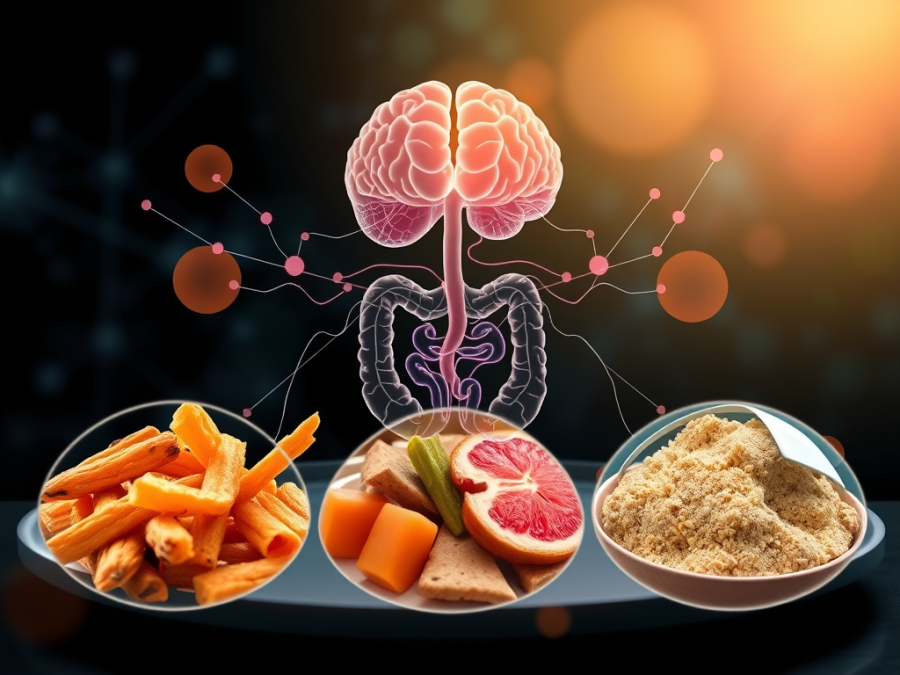
Food Addiction and Obesity: How the Brain Is Involved

The human brain gets described as an engineering marvel. Like any product, it ships with vulnerabilities. Evolution built a system for surviving scarcity, and we now run that system in an environment of constant stimulation and engineered food. The mismatch explains a great deal about why obesity and addiction share so much ground.

One useful way to frame it is in terms of failure modes. Sometimes the design itself creates the problem. Sometimes development goes off track. And sometimes a perfectly good brain breaks down under conditions no brain was built for.

Take the design. We evolved to crave calorie-dense food because it was scarce and it kept us alive. Sugar and fat are now everywhere, and those old drives get hijacked. Food companies understand how to exploit them, the same way addictive substances exploit the same reward circuitry. The biology has not changed. The environment has.

Development matters too. Prenatal nutrition, early childhood adversity, and other disruptions shape how the brain handles reward and stress. Analysis of roughly 2,700 children in the NIH-funded ABCD Study found that higher BMI was associated with thinner cortex, particularly in prefrontal regions, and with lower working memory on list-sorting tasks (Laurent et al., 2020). Brain development itself appears alterable in the setting of poor diet and excess weight.

Then there are the extreme conditions. Trauma, chronic stress, and social adversity overwhelm coping systems, and food and drugs become the fallback. Calling that a failure of willpower misses what is happening. The brain is adapting, badly, to circumstances it can’t otherwise handle. It also helps explain why obesity and addiction cluster in groups facing economic hardship and unstable environments.

Dopamine sits at the center of both. Dopamine does more than produce pleasure. It teaches the brain what to attend to and what to repeat. Eat sugar, dopamine surges, the brain takes note. Use a drug, same signal. With repeated exposure, dopamine receptors downregulate (Volkow et al., 2013). Tolerance builds. Soon more sugar or more drug is needed to reach baseline.

Refined sugar is unusually effective in this loop. It spikes glucose fast, drives dopamine release, and slips past satiety signaling. Animal studies show sugar producing binge-like intake patterns and withdrawal signs on removal (Avena et al., Neurosci Biobehav Rev, 2008). In humans, high sugar intake has been linked to memory problems, greater inflammation, and impaired hippocampal function (Kendig, Appetite, 2014). Which is why cutting sugar feels less like breaking a habit and more like breaking an addiction.

So what helps? Supporting the brain at each stage. Protecting the developing brain through prenatal nutrition and limiting early sugar exposure. Teaching children coping skills, protecting sleep, and building activity, all of which strengthen the prefrontal cortex that reins in impulse. Reducing ultra-processed food at home and in schools.

Medications now target this signaling directly. GLP-1 receptor agonists act on satiety hormones in the gut and on brain pathways that regulate appetite. They reset the system rather than substituting for resolve.

Research is moving toward brain-based interventions: neurofeedback, brain stimulation, digital tools that reinforce healthier behavior in real time. The underlying message has not changed. Obesity and addiction are brain-based conditions shaped by biology, environment, and lived experience. Recognizing that changes how we treat and support the people in front of us, without letting anyone off the hook for their own care.

Scott Rennie, D.O.

References:

1. Laurent JS, et al. Associations Among Body Mass Index, Cortical Thickness, and Executive Function in Children. JAMA Pediatr. 2020;174(2):170-177. https://pubmed.ncbi.nlm.nih.gov/31816020/

2. Volkow ND, Wang GJ, Tomasi D, Baler RD. Obesity and addiction: neurobiological overlaps. Obes Rev. 2013;14(1):2-18. https://pubmed.ncbi.nlm.nih.gov/23016694/

3. Avena NM, Rada P, Hoebel BG. Evidence for sugar addiction: behavioral and neurochemical effects of intermittent, excessive sugar intake. Neurosci Biobehav Rev. 2008;32(1):20-39. https://pubmed.ncbi.nlm.nih.gov/17617461/

4. Kendig MD. Cognitive and behavioural effects of sugar consumption in rodents: a review. Appetite. 2014;80:41-54. https://pubmed.ncbi.nlm.nih.gov/24816323/

Board Certified in Obesity Medicine and Family Medicine

This blog is for educational purposes only and does not constitute individual medical advice. Always consult your own physician before making changes to your health, medications, or treatment plan.
How Processed Food Disrupts the Gut Brain Connection

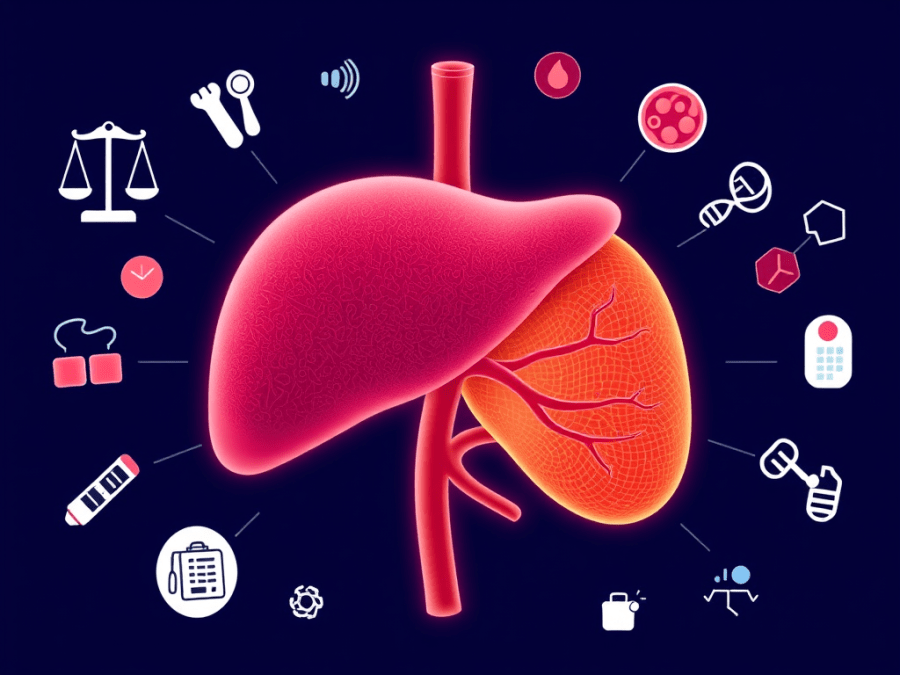
For years we told patients obesity came down to calories in and calories out. The research has moved. The gut-brain axis, the two-way traffic between the digestive system and the central nervous system, sits at the center of hunger, satiety, and reward. When it works, it regulates intake without conscious effort. Against the current food supply, it often doesn’t work.

The axis runs on neural, hormonal, and metabolic signals. After a meal, the gut reports what came in, how much, and when to stop. That system evolved for whole foods and scarce calories. It was never built for a diet dominated by processed, energy-dense products.

Alexandra DiFeliceantonio and Dana Small have argued that modern food disrupts the system by creating mismatches between what the gut senses and how the brain responds (Small & DiFeliceantonio, Science, 2019). Three features stand out.

The first is macronutrient combination. Fat and refined carbohydrate rarely appear together in high amounts in nature. Most processed food delivers both. People assign higher value to fat-carb combinations even when calories are held constant. In one controlled experiment, participants bid more money for foods containing both than for foods containing either alone (DiFeliceantonio et al., Cell Metab, 2018).

Speed of absorption is the second. Highly processed foods deliver calories fast, producing stronger responses in glucose metabolism and reward pathways (Carmody et al., PNAS, 2011; Hall et al., Cell Metab, 2019). Rodents develop stronger preferences for rapidly metabolized foods. In humans, faster eating rate tracks with weight gain.

Additives are the third. Sweeteners, emulsifiers, and artificial flavors make food more palatable while confusing the signaling underneath. When sweet taste stops reliably predicting calorie content, the brain loses the ability to regulate intake based on prior experience (Dalenberg et al., Cell Metab, 2020). The body learns that taste no longer matches nutrition.

The evidence supports the picture. People with obesity show altered valuation of high-reward foods compared with lean individuals (Perszyk et al., Nutrients, 2021). Rodents fed cafeteria-style diets full of energy-dense processed food overeat and gain weight, while chow-fed controls hold steady (Johnson & Kenny, Nat Neurosci, 2008; Beilharz et al., Front Psychol, 2014). Neuroimaging shows the striatum responding differently to fat-carb combinations than to single macronutrients (DiFeliceantonio et al., 2018).

All of which points at something uncomfortable. The modern food environment may overwhelm and distort the very systems built to keep intake in check. That is a real explanation for why “eat less, move more” fails so often. The advice assumes intact gut-brain signaling in people whose signaling is already compromised.

The open research question is how to restore it. Diets built around foods that reinforce reliable gut-brain communication. Studies of how additives affect hormonal and neural markers of satiety. Behavioral work helping patients relearn hunger and fullness cues.

Clinically, the thing worth holding onto is the environment patients are choosing inside. A food supply engineered to exploit biological vulnerabilities will beat most people’s intentions, and restoring the fidelity of that signaling may be where the real leverage sits.

Scott Rennie, D.O.

References:

1. Small DM, DiFeliceantonio AG. Processed foods and food reward. Science. 2019;363(6425):346-347. https://pubmed.ncbi.nlm.nih.gov/30679360/

2. DiFeliceantonio AG, et al. Supra-Additive Effects of Combining Fat and Carbohydrate on Food Reward. Cell Metab. 2018;28(1):33-44.e3. https://pubmed.ncbi.nlm.nih.gov/29909968/

3. Carmody RN, Weintraub GS, Wrangham RW. Energetic consequences of thermal and nonthermal food processing. Proc Natl Acad Sci USA. 2011;108(48):19199-19203. https://pubmed.ncbi.nlm.nih.gov/22065771/

4. Hall KD, et al. Ultra-Processed Diets Cause Excess Calorie Intake and Weight Gain. Cell Metab. 2019;30(1):67-77.e3. https://pubmed.ncbi.nlm.nih.gov/31105044/

5. Dalenberg JR, et al. Short-Term Consumption of Sucralose with, but not without, Carbohydrate Impairs Neural and Metabolic Sensitivity to Sugar in Humans. Cell Metab. 2020;31(3):493-502.e7. https://pubmed.ncbi.nlm.nih.gov/32130879/

6. Perszyk EE, et al. Nutrients. 2021;13(11):3846.

7. Johnson PM, Kenny PJ. Dopamine D2 receptors in addiction-like reward dysfunction and compulsive eating in obese rats. Nat Neurosci. 2010;13(5):635-641. https://pubmed.ncbi.nlm.nih.gov/20348917/

8. Beilharz JE, Maniam J, Morris MJ. Front Psychol. 2014;5:1454.

Board Certified in Obesity Medicine and Family Medicine

This blog is for educational purposes only and does not constitute individual medical advice. Always consult your own physician before making changes to your health, medications, or treatment plan.
What Is MASLD? The New Name for Fatty Liver Disease

Liver disease is showing up more often, and it tracks closely with rising rates of obesity, diabetes, and metabolic syndrome. What many of us trained calling “fatty liver” or NAFLD has been renamed and reframed. The term now is MASLD, metabolic dysfunction-associated steatotic liver disease, and it reflects a better understanding of what actually drives the condition.

Why the change? NAFLD was a definition by exclusion. It told you the disease was not caused by alcohol without saying what it was. It also excluded patients with both alcohol and metabolic drivers, and the word “fatty” carried stigma that most patients felt immediately. In 2023 a multisociety Delphi process involving 236 panelists from 56 countries settled on the new nomenclature. Sixty-six percent of respondents found “fatty” stigmatizing and 61% said the same of “nonalcoholic.” The new definition requires at least one of five cardiometabolic risk factors, and it added MetALD for patients with metabolic dysfunction who also drink significantly (Rinella et al., J Hepatol, 2023).

MASLD is common. Roughly 30% of U.S. adults are affected. Among people with diabetes that figure climbs above 60%, and up to 15% carry advanced fibrosis (Le et al., Clin Mol Hepatol, 2022). Worldwide it is projected to overtake hepatitis C and alcohol as the leading cause of cirrhosis, hepatocellular carcinoma, and liver transplant.

The liver isn’t where most of these patients die. Cardiovascular disease is the leading cause of death in MASLD. The same inflammatory and metabolic pathways that damage the liver drive atherosclerosis. Diabetes worsens MASLD and MASLD worsens diabetes. The relationship runs in both directions.

One point matters more than any other: liver enzymes are a poor marker of severity. Normal ALT and AST are entirely compatible with advanced fibrosis. Fibrosis stage is what predicts progression, complications, and mortality. In a meta-analysis of 4,428 patients, all-cause mortality rose with each fibrosis stage, reaching a relative risk of 3.42 at stage 4 compared with stage 0, and liver-related mortality reached 11.13 (Taylor et al., Gastroenterology, 2020; Ekstedt et al., Hepatology, 2015). That is why guidelines now point everything at fibrosis assessment.

In primary care, FIB-4 is the practical first step. Age, AST, ALT, and platelet count. Under 1.3 suggests low risk and those patients can generally stay in primary care. Above 2.67 means high risk and warrants hepatology referral. Intermediate scores land in a gray zone that usually needs imaging such as FibroScan or a blood-based marker like the ELF test. FibroScan is fast and non-invasive but loses accuracy in patients with obesity, which is a real limitation given who has this disease. MR elastography is the most accurate option and the least available.

Treatment still starts with lifestyle. Weight loss of 5 to 10% improves steatosis and inflammation. The Mediterranean pattern is consistently associated with lower liver fat and better insulin sensitivity. Exercise at 150 minutes a week of moderate activity reduces liver fat even without weight loss, which is worth telling patients who are discouraged by the scale. Cutting sugar-sweetened beverages and limiting fructose is standard advice. Coffee earns its reputation here: a meta-analysis of observational studies found coffee consumption associated with 35% lower odds of significant fibrosis, with three or more cups a day the threshold most often cited, caffeinated or not (Hayat et al., Nutrients, 2021).

Medication options are expanding. Vitamin E has histologic benefit in non-diabetic patients with biopsy-proven MASH, though long-term safety concerns persist. Statins remain badly underused and are safe in MASLD, and they should be prescribed for cardiovascular risk reduction (Kargiotis et al., World J Gastroenterol, 2015). GLP-1 receptor agonists reduce liver fat and support weight loss.

In March 2024, resmetirom became the first FDA-approved drug for MASH with fibrosis. It is a liver-directed thyroid hormone receptor-beta agonist. In the phase 3 MAESTRO-NASH trial, MASH resolution without worsening fibrosis occurred in 25.9% of patients on 80 mg and 29.9% on 100 mg, against 9.7% on placebo, and both doses beat placebo on fibrosis improvement (Harrison et al., NEJM, 2024). It is approved for adults with non-cirrhotic MASH and stage F2 to F3 fibrosis. Those response rates are meaningful and they are also modest, and patients should hear both halves.

Endoscopic and surgical options matter too. Endoscopic sleeve gastroplasty and intragastric balloons reduce liver fat and improve fibrosis. Bariatric surgery remains among the most effective interventions available, with a systematic review and meta-analysis finding NASH resolution in roughly half of patients and fibrosis improvement in about a third (Lee et al., Clin Gastroenterol Hepatol, 2019).

MASLD management has moved well outside hepatology. It needs primary care, cardiology, endocrinology, nutrition, and gastroenterology working the same problem. Screen at-risk patients with FIB-4, particularly those with diabetes or obesity. Counsel on weight and diet. Prescribe statins when indicated. Refer for advanced assessment when fibrosis is suspected.

MASLD reframes liver disease as part of the broader cardiometabolic picture. Treating it means protecting the liver while cutting cardiovascular risk, improving glycemic control, and addressing systemic inflammation. That is where the impact lives.

Scott Rennie, D.O.

References:

1. Rinella ME, Lazarus JV, Ratziu V, et al. A multisociety Delphi consensus statement on new fatty liver disease nomenclature. J Hepatol. 2023;79(6):1542-1556. https://pubmed.ncbi.nlm.nih.gov/37364790/

2. Le MH, et al. Global incidence of non-alcoholic fatty liver disease. Clin Mol Hepatol. 2022;28(4):841-850. https://pubmed.ncbi.nlm.nih.gov/36117442/

3. Taylor RS, et al. Association Between Fibrosis Stage and Outcomes of Patients With Nonalcoholic Fatty Liver Disease: A Systematic Review and Meta-Analysis. Gastroenterology. 2020;158(6):1611-1625.e12. https://pubmed.ncbi.nlm.nih.gov/32027911/

4. Ekstedt M, et al. Fibrosis stage is the strongest predictor for disease-specific mortality in NAFLD after up to 33 years of follow-up. Hepatology. 2015;61(5):1547-1554. https://pubmed.ncbi.nlm.nih.gov/25125077/

5. Hayat U, et al. Effect of Coffee Consumption on Non-Alcoholic Fatty Liver Disease Incidence, Prevalence and Risk of Significant Liver Fibrosis: Systematic Review with Meta-Analysis of Observational Studies. Nutrients. 2021;13(9):3042. https://pubmed.ncbi.nlm.nih.gov/34578919/

6. Kargiotis K, et al. World J Gastroenterol. 2015;21(25):7860-7868.

7. Harrison SA, et al. A Phase 3, Randomized, Controlled Trial of Resmetirom in NASH with Liver Fibrosis. N Engl J Med. 2024;390(6):497-509. https://pubmed.ncbi.nlm.nih.gov/38324483/

8. Lee Y, et al. Complete Resolution of Nonalcoholic Fatty Liver Disease After Bariatric Surgery: A Systematic Review and Meta-analysis. Clin Gastroenterol Hepatol. 2019;17(6):1040-1060.e11. https://pubmed.ncbi.nlm.nih.gov/30326299/

Board Certified in Obesity Medicine and Family Medicine

This blog is for educational purposes only and does not constitute individual medical advice. Always consult your own physician before making changes to your health, medications, or treatment plan.

Nutrition and Vitamins After Weight Loss Surgery

Obesity is a chronic metabolic disease, and it disrupts nutrient handling long before surgery enters the conversation. Insulin resistance, chronic low-grade inflammation, altered gut hormones, and environmental exposures all change how nutrients are absorbed and used. Which is why so many patients arrive at a bariatric evaluation already deficient. Iron, vitamin D, B12, and folate are the gaps that show up most often on pre-op screening.

That baseline matters, because surgery does more than shrink the stomach or limit intake. It rewires physiology in ways that improve metabolism and open the door to new deficiencies at the same time.

Take Roux-en-Y gastric bypass. Skipping the proximal small intestine reduces absorption of iron, calcium, and several vitamins. Sleeve gastrectomy cuts ghrelin, the hunger hormone, and also changes how bile acids and gut microbiota handle nutrients. Across procedures, GLP-1 and PYY rise, boosting satiety and improving glucose metabolism, while also setting up the risk of postprandial hypoglycemia down the line. The same shifts that explain the weight loss explain why monitoring isn’t optional.

The nutritional risks are substantial. The 2019 multisociety perioperative guideline, cosponsored by AACE, The Obesity Society, ASMBS, the Obesity Medicine Association, and the American Society of Anesthesiologists, lays out 85 recommendations covering exactly this territory (Mechanick et al., 2019). Vitamin D and calcium deficiency approach universality without supplementation. Thiamine deficiency is easy to miss and clinically urgent when it appears. Iron, folate, zinc, and copper run low frequently, particularly after bypass and biliopancreatic diversion.

Protein deserves its own attention. Guidelines recommend 60 to 100 g/day, and real-world intake falls short of that repeatedly. A systematic review found protein intake below 60 g/day in the majority of studies examined, alongside significant lean mass loss (Ito et al., Obes Surg, 2017). That is the road to sarcopenia after weight loss, which undercuts the metabolic gains the surgery was supposed to deliver. Supplementation trials have tested doses in the 15 to 30 g/day range with mixed results, and a systematic review of the whole literature concluded the evidence for lean body mass preservation remains inconclusive (Nuijten et al., Nutr J, 2021). Worth saying plainly rather than overselling the shake.

For clinicians the plan is simple and demands discipline. Protein first. Multivitamins, calcium citrate with vitamin D, B12, and iron are required rather than suggested. Folate belongs in the plan, particularly for menstruating women and anyone with pre-op anemia. Transdermal patches are emerging for patients who can’t tolerate or adhere to oral supplements, though long-term data are thin.

Follow-up is more than labs. Education, repeated counseling, and multidisciplinary care are what make the difference. Dietitians, endocrinologists, and surgeons all have a role. Telehealth has opened real doors here, and models mixing remote contact with targeted in-person visits appear to improve long-term adherence. Prescriptions alone don’t carry patients through this. Structured support does.

One complication turning up more often is post-bariatric hypoglycemia, especially after Roux-en-Y. These patients present with symptomatic drops in blood sugar after meals, sometimes years out from surgery, driven by exaggerated GLP-1 and insulin secretion. Management usually comes down to lowering dietary glycemic load, cutting concentrated sugars, and spreading carbohydrate evenly through the day. Recognizing it early matters, because it gets misattributed constantly when nobody is thinking about it.

The larger point: bariatric surgery is a powerful intervention and it isn’t a cure. The operation is one part of it. Lifelong nutritional surveillance and metabolic management are the other. Prioritize protein, close the micronutrient gaps, keep follow-up consistent, and outcomes are both safer and more durable.

Scott Rennie, D.O.

References:

1. Mechanick JI, et al. Clinical Practice Guidelines for the Perioperative Nutrition, Metabolic, and Nonsurgical Support of Patients Undergoing Bariatric Procedures: 2019 Update. Endocr Pract. 2019;25(12):1346-1359. Cosponsored by AACE/ACE, TOS, ASMBS, OMA, and ASA. https://pubmed.ncbi.nlm.nih.gov/31682518/

2. Parrott J, et al. American Society for Metabolic and Bariatric Surgery Integrated Health Nutritional Guidelines for the Surgical Weight Loss Patient 2016 Update: Micronutrients. Surg Obes Relat Dis. 2017;13(5):727-741. https://pubmed.ncbi.nlm.nih.gov/28392254/

3. Ito MK, et al. Effect of Protein Intake on the Protein Status and Lean Mass of Post-Bariatric Surgery Patients: a Systematic Review. Obes Surg. 2017;27(2):502-512. https://pubmed.ncbi.nlm.nih.gov/27844254/

4. Nuijten MAH, et al. The effect of additional protein on lean body mass preservation in post-bariatric surgery patients: a systematic review. Nutr J. 2021;20(1):27. https://pubmed.ncbi.nlm.nih.gov/33750392/

Board Certified in Obesity Medicine and Family Medicine

This blog is for educational purposes only and does not constitute individual medical advice. Always consult your own physician before making changes to your health, medications, or treatment plan.