Tuberculosis, or TB, is caused by the bacterium Mycobacterium tuberculosis. It remains a major public health problem worldwide and still shows up here in the Seattle area. I recently spoke with an infectious disease colleague who noted more documented cases on the eastside. TB most often attacks the lungs, but it can also spread to the brain, bones, or kidneys. Because so many people travel or move here from countries where TB is more common, we continue to see cases in our local community.
One of the challenges with TB is that it exists in two forms. Latent TB means the person is infected but has no symptoms. You only find it with a skin test or a blood test. Active TB, on the other hand, makes people sick. Symptoms can include fever, night sweats, a persistent cough that sometimes brings up blood, chest pain, weight loss, and fatigue. On a chest x-ray, we often see abnormalities in the upper part of the lungs, especially in the lymph nodes.
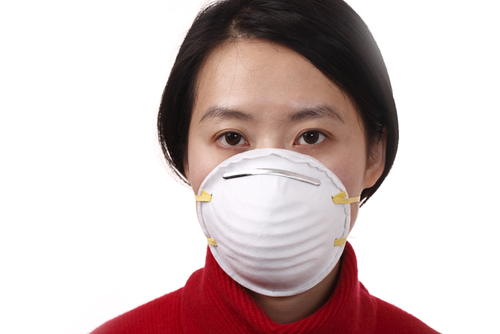
The disease spreads when someone with active TB coughs and another person inhales the airborne particles. That is why TB transmission in healthcare settings is such a concern. Doctors, nurses, and patients who share space with someone infected can be exposed. To reduce the spread, hospitals use protective masks, isolation rooms, and yearly testing of healthcare workers.
Treating TB depends on whether it is latent or active. With latent TB, the goal is to kill the bacteria before it has a chance to become active. This usually involves months of medication. Isoniazid is the most common, sometimes taken for six to nine months. Rifampin and rifapentine are other options, often used in shorter regimens. These medicines can stress the liver, so patients on therapy need regular monitoring for problems such as jaundice, nausea, or abdominal pain.
If the infection is active, treatment is more aggressive. Patients often start on four antibiotics while waiting for culture results. Those cultures, taken from sputum samples, can take up to two months to confirm the diagnosis. Using multiple drugs at once helps prevent the bacteria from becoming resistant. Multi-drug resistant TB, or MDR-TB, is already a serious global issue. Some strains no longer respond to the standard medications like isoniazid or rifampin, which makes treatment more complicated.
Public health reporting is central to TB control. Anyone diagnosed with active TB must be reported to the health department. They work closely with the patient and the medical team to track treatment and prevent spread. In many cases, directly observed therapy is used, where a nurse watches the patient take each dose. This ensures the full course is completed, since partial treatment can fuel resistance.
I’ve seen how confusing TB can be for patients. A person exposed to someone with active TB may test positive on a skin or blood test but feel completely fine. In that case, they have latent TB. They aren’t contagious, but they do carry the bacteria. About five to ten percent of these people will go on to develop active disease, especially in the first two years after infection or if their immune system becomes weakened by something like HIV, diabetes, chemotherapy, or long-term steroid use. This process is called reactivation.
There is a vaccine, BCG, which is given in many countries where TB is widespread. In the United States, it is not used because it provides little protection beyond early childhood. That leaves testing and treatment as the main tools for prevention here. The PPD skin test is the most widely used. It involves placing a small amount of inactive TB protein under the skin of the forearm. If someone has been infected, the area becomes red and swollen after 48 to 72 hours. Blood tests are also available in some areas. They are more expensive, but they don’t require a second visit to read the result and may be more accurate.
TB remains one of the leading infectious killers worldwide. Identifying people who carry the infection before it becomes active is one of the most effective ways to protect communities.
Scott Rennie, D.O.
Board Certified in Obesity Medicine and Family Medicine
This blog is for educational purposes only and does not constitute individual medical advice. Always consult your own physician before making changes to your health, medications, or treatment plan.
References:
-
Centers for Disease Control and Prevention. “Treatment of Latent Tuberculosis Infection.” CDC, 2011. http://www.cdc.gov/tb/topic/treatment/ltbi.htm
-
World Health Organization. “Global Tuberculosis Control.” WHO Report, 2010.
-
American Thoracic Society, CDC, and Infectious Diseases Society of America. “Treatment of Tuberculosis.” Am J Respir Crit Care Med, 2003.
 Doctor Rennie's Blog