
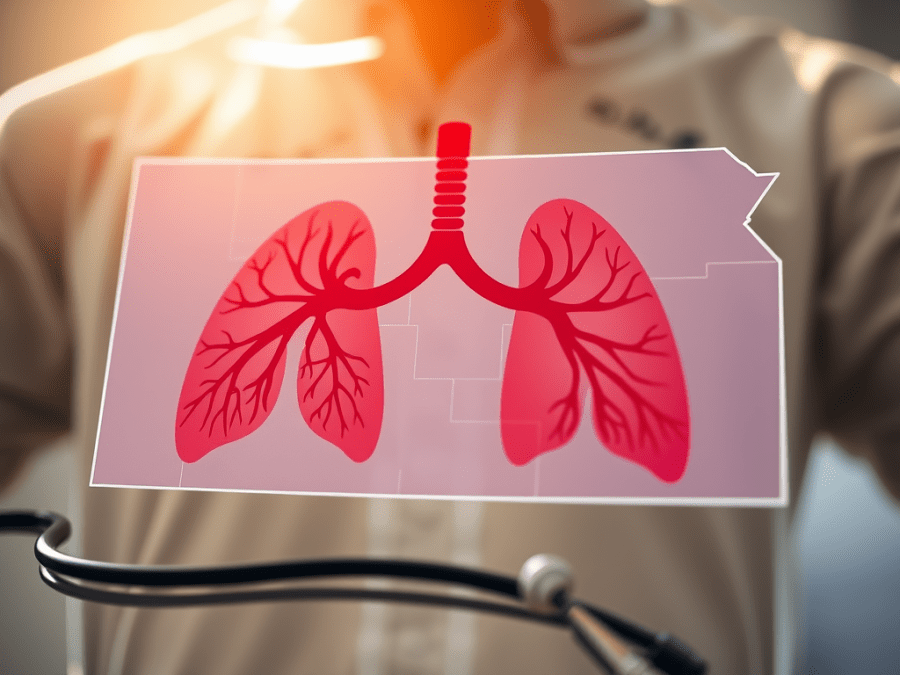
Tuberculosis is still very much with us. Kansas dealt with a large outbreak in 2025, a reminder of how persistent this disease can be. As of January 2025, more than 67 active cases had been confirmed, mostly in Wyandotte and Johnson counties. There were fatalities, and the number of latent infections was rising at the time. Public health teams worked hard to contain it. It’s a reminder that TB remains a threat in both high-risk groups and the general population.
What TB Is
TB is caused by Mycobacterium tuberculosis. It usually attacks the lungs, but it doesn’t stop there: it can affect the brain, kidneys, spine, and other organs. It spreads through the air when someone with active TB coughs, sneezes, or even talks, and people nearby can breathe in the bacteria without realizing it.
Symptoms and Progression
The first signs can be subtle. A cough that won’t go away, maybe three weeks or more. Some patients cough up blood or sputum. Chest pain, fatigue, fever, night sweats, loss of appetite, and unexplained weight loss are common. Left untreated, TB can destroy lung tissue and spread further, causing meningitis, bone infection, or failure of multiple organs.
Latent vs Active
It’s important to separate latent TB from active disease. Latent TB means the bacteria are present but not causing illness. The person has no symptoms and is not contagious. But the bacteria can “wake up,” especially if the immune system gets weaker, and turn into active TB.
Active TB means the bacteria are multiplying, symptoms are present, and the patient can spread it to others. That’s the form that requires urgent treatment.
How It’s Detected
Testing matters. The skin test (the PPD or tuberculin test) is still used. A small injection under the skin, and the site is checked in 48 to 72 hours. Blood tests like QuantiFERON-TB Gold or T-SPOT.TB are often preferred, especially for people who got the BCG vaccine, since it can interfere with skin test results.
If TB is suspected, chest imaging can show lung changes, and sputum culture confirms the presence of M. tuberculosis. That culture is the gold standard for diagnosis in someone with symptoms.
The Role of the BCG Vaccine
The only vaccine we have is BCG. It’s mostly given to infants in countries where TB is widespread. It helps protect children from the most severe forms of TB, like meningitis, but it’s less effective at preventing pulmonary TB in adults. In the United States, it’s not routinely used because of its limited impact on adult disease and the way it interferes with skin testing.
Some healthcare workers in high-risk settings or people with repeated exposure may still receive it.
Protecting Against TB
Vaccination isn’t the whole answer for TB. Early detection and treatment carry just as much weight, maybe more. People at higher risk should be screened regularly, and treating latent TB is critical, because it stops progression to active disease.
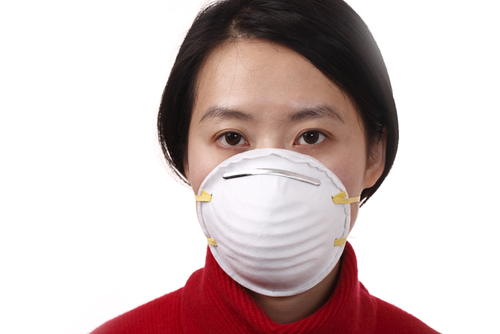
Simple steps help too: masks in healthcare settings, good airflow in crowded places, covering your mouth when you cough, washing your hands regularly. During outbreaks, N95 or P100 respirators are the masks that actually filter TB bacteria from the air. Surgical masks don’t provide the same protection.
Treatment and Why It Has to Be Completed
TB can be treated, but it takes time. Standard therapy is multiple antibiotics for six to nine months. Isoniazid, rifampin, ethambutol, and pyrazinamide are the most commonly used.
Stopping treatment too soon is dangerous, because that’s exactly how drug-resistant TB develops, and multidrug-resistant TB is much harder to treat, far more expensive, and comes with worse outcomes across the board. An incompletely treated patient is also still contagious. Public health departments often use directly observed therapy, or DOT, where someone watches patients take their medications. It might sound strict, but it works. It prevents resistance and saves lives.
Public Health and What’s Next
TB is a problem here at home, and the outbreak in Kansas proves it. It spreads any time we let our guard down. Healthcare providers need to push for routine testing in high-risk groups, make sure patients complete treatment, and support public health efforts.
Patients and communities have a role too: stay informed, recognize symptoms, seek evaluation early. And we need continued research into better vaccines and treatments.
—
Scott Rennie, D.O.
Board Certified in Obesity Medicine and Family Medicine
This blog is for educational purposes only and does not constitute individual medical advice. Always consult your own physician before making changes to your health, medications, or treatment plan.
Sources
- Centers for Disease Control and Prevention. Tuberculosis (TB). https://www.cdc.gov/tb
- World Health Organization. Global Tuberculosis Report 2023. https://www.who.int/teams/global-tuberculosis-programme/tb-reports
- Horsburgh CR Jr, Barry CE 3rd, Lange C. Treatment of Tuberculosis. New England Journal of Medicine. 2015;373(22):2149-2160. PMID 26605929. https://pubmed.ncbi.nlm.nih.gov/26605929/
- Nahid P, et al. Official American Thoracic Society/Centers for Disease Control and Prevention/Infectious Diseases Society of America Clinical Practice Guidelines: Treatment of Drug-Susceptible Tuberculosis. Clinical Infectious Diseases. 2016;63(7):e147-e195. https://doi.org/10.1093/cid/ciw376
 Doctor Rennie's Blog