
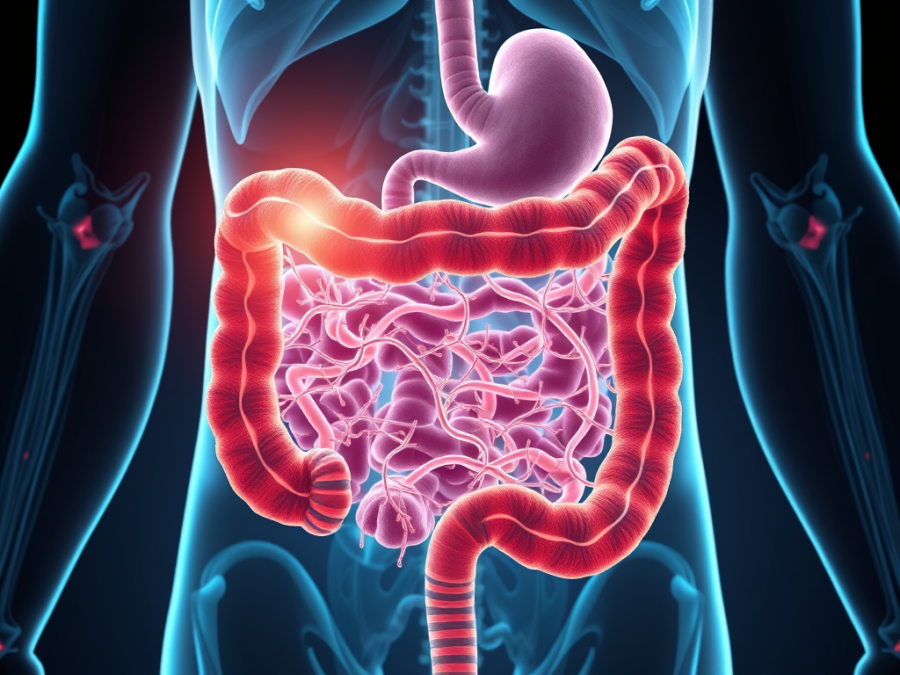
How the Gut Affects Diabetes and Metabolic Disease

When we think about metabolic disease, attention goes to blood sugar, insulin, and fat. Another organ drives much of the process quietly, and it is the gut.

Calling the gut a digestive tube undersells it badly. It is a complex, dynamic system that shapes how we handle nutrients, regulate hormones, and respond to infection. Researchers now treat it as central to metabolic health, and that shift has opened new thinking about both prevention and treatment.

Consider what it actually contains. Its own nervous system, sometimes called the second brain. An endocrine system producing GLP-1, PYY, and ghrelin. A major site of immune defense. And constant interaction with the trillions of microbes living inside it. Together these systems determine how food gets processed, when fullness registers, and how glucose is regulated (Seeley et al., Cell Metab, 2015).

The gut-brain conversation is the powerful part. Signals move both directions. Hormones, nerve messages, and bacterial metabolites all feed into how the brain regulates appetite and metabolism. This is a large part of why simple calorie counting fails so often. The gut can override willpower, and the brain listens closely to what it says.

Bariatric surgery demonstrates the whole system in action. Vertical sleeve gastrectomy and Roux-en-Y gastric bypass do far more than reduce stomach size. They produce wide-reaching changes in gut physiology that explain why they work so well for weight loss and diabetes control. After surgery, GLP-1 rises, insulin sensitivity improves, food preferences shift, and bile acid metabolism changes. The gut barrier tightens, which reduces inflammation. Most striking of all, patients often defend a new, lower body weight afterward, which suggests the whole regulatory system has reset (Stefater et al., Gastroenterology, 2010). Bile acid signaling appears central to that reset, and it holds across procedures (Myronovych et al., Obesity, 2014).

Nutrient signaling changes too. Iron metabolism is altered after surgery, and the change has been linked to HIF-2α signaling pathways that also improve glucose handling and GLP-1 release (Evers et al., Cell Rep, 2022). Adaptations like that are hard to explain with mechanical restriction alone.

The microbiome is another piece. Surgery shifts bacterial composition toward communities associated with healthier metabolism, and barrier function improves alongside it. Molecules like Reg3g strengthen the gut lining, increasing mucus and reducing leakiness, which lowers systemic inflammation and metabolic stress (Shin et al., Cell Metab, 2022).

These insights point toward treatments that skip the operating room. GLP-1 receptor agonists reproduce some of the hormonal effects seen after bypass or sleeve. Bile acid modulators, microbiome therapies, and strategies targeting iron signaling are all under study as ways into the same pathways.

Seen this way, the gut is where the body decides how to use energy, how to balance hormones, and how to regulate immunity. For patients, that science explains why surgery and gut-focused medications can make such a difference. For clinicians, it suggests the most effective treatment plans will be the ones that respect what the gut is actually doing.

Scott Rennie, D.O.

References:

1. Seeley RJ, Chambers AP, Sandoval DA. The role of gut adaptation in the potent effects of multiple bariatric surgeries on obesity and diabetes. Cell Metab. 2015;21(3):369-378. https://pubmed.ncbi.nlm.nih.gov/25662404/

2. Stefater MA, et al. Sleeve gastrectomy induces loss of weight and fat mass in obese rats, but does not affect leptin sensitivity. Gastroenterology. 2010;138(7):2426-2436. https://pubmed.ncbi.nlm.nih.gov/20226189/

3. Myronovych A, et al. Vertical sleeve gastrectomy reduces hepatic steatosis while increasing serum bile acids in a weight-loss-independent manner. Obesity (Silver Spring). 2014;22(2):390-400. https://pubmed.ncbi.nlm.nih.gov/23847068/

4. Evers SS, et al. Cell Rep. 2022;38(11):110487.

5. Shin JH, et al. Cell Metab. 2022;34(5):747-761.e6.

Board Certified in Obesity Medicine and Family Medicine

This blog is for educational purposes only and does not constitute individual medical advice. Always consult your own physician before making changes to your health, medications, or treatment plan.

Which Medications Can Make Weight Loss Harder?

As a physician, I often meet patients who are discouraged by weight gain that doesn’t seem to make sense. They may be eating well, exercising regularly, and still the scale keeps moving up. Lifestyle choices matter a great deal. Medications and supplements can matter just as much, and knowing which ones affect weight is worth raising with your own doctor, because the cause can be hiding in plain sight.

Certain prescriptions are known to promote weight gain. Diabetes medications are a good example: insulin, sulfonylureas like glipizide, and thiazolidinediones like pioglitazone often push weight up. Metformin, GLP-1 receptor agonists like semaglutide, and SGLT-2 inhibitors tend to do the opposite and help with weight control.

I’ve also seen this pattern with antidepressants. Drugs like escitalopram, citalopram, or paroxetine can add pounds, as can tricyclics such as amitriptyline. Even trazodone or mirtazapine carry this risk. For some patients, switching to bupropion, fluoxetine, or sertraline makes a noticeable difference.

Atypical antipsychotics are another tricky class. Olanzapine, risperidone, and quetiapine are all associated with weight gain, while ziprasidone tends to have less impact. Anti-epileptic drugs split the same way. Same pattern, different receptors. Valproic acid and gabapentin tend to increase weight; topiramate and lamotrigine usually don’t.

Even medications outside psychiatry and neurology come up in this discussion. Lithium, commonly used as a mood stabilizer, often causes weight gain, and so do glucocorticoids like prednisone, especially with longer courses. Beta blockers such as metoprolol and propranolol carry the same issue, carvedilol usually has less effect, and antihistamines like diphenhydramine or cetirizine can shift weight too, though loratadine tends not to, which is worth remembering the next time an allergy prescription gets refilled without a second thought. Hormonal contraception adds another layer: depo-medroxyprogesterone is linked to weight gain, which can be genuinely frustrating for patients who are otherwise doing everything right. Non-hormonal methods are an option worth raising.

Over-the-counter medications and supplements belong in this conversation too, right alongside anything prescribed. Chronic antihistamine use may interfere with appetite regulation. Proton pump inhibitors, like omeprazole, can indirectly affect weight through changes in gut microbiota. Long-term NSAID use may lead to water retention. Some “energy” or “muscle gain” supplements hide hormones or steroids that work against weight control entirely.

This is why reviewing medications matters so much in a weight conversation. Weight gain gets blamed entirely on diet or activity when the real trigger may be sitting in the pillbox. Of course, no one should stop a medication on their own. Sometimes the benefit outweighs the side effect. Sometimes there’s a safer alternative that gets the same result without the tradeoff.

Bringing medications into the conversation gives us a fuller picture. It lets us make thoughtful adjustments while still focusing on lifestyle. It’s about tailoring a plan that actually supports long-term health, one a patient can live inside for years.

Scott Rennie, D.O.

Sources:

Board Certified in Obesity Medicine and Family Medicine

This blog is for educational purposes only and does not constitute individual medical advice. Always consult your own physician before making changes to your health, medications, or treatment plan.

How Obesity in Pregnancy Affects the Baby and Placenta

As healthcare providers, we’ve long recognized the importance of maternal health in shaping pregnancy outcomes. What’s become clearer in recent years is the role of epigenetics, changes in gene expression that don’t alter DNA itself but influence how genes are turned on or off.

When we look at pregnancies complicated by obesity, DNA methylation patterns in the placenta are altered, with increased methylation suppressing genes that matter for nutrient transport and fetal growth. DNA hydroxymethylation, usually tied to active gene expression, tends to drop at the same time. One study found a 21 percent increase in methylated regions and a 31 percent decrease in hydroxymethylated regions in placentas from obese pregnancies compared with lean ones (Mitsuya K, Parker AN, Liu L, Ruan J, Vissers MCM, Myatt L. PLOS ONE. 2017, 12(10):e0186115).

These changes show up directly in the structure and function of the placenta. Inflammatory changes are common, disrupting hormonal signals and communication between maternal and fetal systems, while lipid buildup in placental cells interferes with normal function and impaired blood vessel development slows villous maturation, reducing the placenta’s ability to exchange oxygen and nutrients efficiently (Saben J, Lindsey F, Zhong Y, et al. Placenta. 2014, 35:171-177).

Mitochondrial function also suffers. Placental cells from obese pregnancies generate less ATP through oxidative phosphorylation. Less energy available means nutrient transport and other vital processes get compromised, which can directly affect fetal growth and development (Mele J, Muralimanoharan S, Maloyan A, Myatt L. Am J Physiol Endocrinol Metab. 2014, 307:E419-E425).

The clinical consequences are real. Growth restriction at one extreme, excessive growth at the other. Both ends of that spectrum carry a higher risk of metabolic problems later in life, including insulin resistance and obesity (Ornoy A. Reprod Toxicol. 2011, 32:205-212).

In practice, weight and metabolic health before and during pregnancy matter more than we once realized. Supporting women to reach a healthier weight before conception can reduce risks. During pregnancy, balanced diets built around whole foods, healthy fats, and complex carbohydrates can help improve metabolic stability. For women with metabolic dysfunction, medications such as metformin may play a role in improving insulin sensitivity.

Regular follow-up lets us track maternal health and fetal growth, and adjust care as needed. The goal reaches past the pregnancy itself. Reducing the child’s long-term risk of obesity and metabolic disease matters just as much.

Scott Rennie, D.O.
Board Certified in Obesity Medicine and Family Medicine

This blog is for educational purposes only and does not constitute individual medical advice. Always consult your own physician before making changes to your health, medications, or treatment plan.
Sources:

  • 1. Mitsuya K, Parker AN, Liu L, Ruan J, Vissers MCM, Myatt L. Alterations in the placental methylome with maternal obesity and evidence for metabolic regulation. PLOS ONE. 2017;12(10):e0186115. https://pubmed.ncbi.nlm.nih.gov/29045485/
  • 2. Saben J, Lindsey F, Zhong Y, et al. Maternal obesity is associated with a lipotoxic placental environment. Placenta. 2014;35(3):171-177. https://pubmed.ncbi.nlm.nih.gov/24484739/
  • 3. Mele J, Muralimanoharan S, Maloyan A, Myatt L. Impaired mitochondrial function in human placenta with increased maternal adiposity. Am J Physiol Endocrinol Metab. 2014;307(5):E419-E425. https://pubmed.ncbi.nlm.nih.gov/25028397/
  • 4. Ornoy A. Prenatal origin of obesity and their complications: gestational diabetes, maternal overweight and the paradoxical effects of fetal growth restriction and macrosomia. Reprod Toxicol. 2011;32(2):205-212. https://pubmed.ncbi.nlm.nih.gov/21620955/

Why Exercise Matters for Obesity Beyond Weight Loss

When we counsel patients about obesity management, one of the most common misconceptions is that exercise by itself is the best way to lose weight. On video visits, patients often tell me they’ve started walking every day or signed up for the gym, expecting big changes in their weight within weeks. Sometimes even clinicians lean into that belief. But the data consistently show that diet has a much stronger impact on weight loss than exercise alone.

That doesn’t mean physical activity isn’t important. Far from it. The average weight loss from exercise alone is modest, usually around two to three kilograms. Add diet changes, and outcomes improve significantly. Patients who combine both tend to lose more weight and, more importantly, keep it off better.

The role of exercise extends well beyond weight loss itself. It preserves lean body mass, lowers blood pressure, improves cholesterol, and supports long-term physical function. Pharmacotherapy shows the same pattern: medications can drive the weight loss, but adding structured activity makes the results more sustainable.

The type of activity matters. Aerobic exercise, walking, cycling, swimming, drives calorie expenditure, but resistance training helps maintain or build muscle, which matters most when calories are reduced. The combination works best. Most recommendations center around 150 minutes of moderate-intensity activity per week, which can mean brisk walking 30 minutes a day, five days a week. Some patients prefer high-intensity interval training because it takes less time, though not everyone tolerates it well. For beginners, discomfort and injury risk run higher, so starting gradually makes sense.

It’s important to manage expectations. When a patient logs on discouraged because an exercise program hasn’t led to major weight loss, that’s a teaching moment. Diet has to be part of the plan too, and exercise alone was never going to get there. Once patients understand that, they’re more willing to combine strategies instead of giving up.

Adherence and enjoyment are often the deciding factors. People stay consistent when they choose activities they actually like. One patient may thrive on group classes, another prefers solitary walks with a podcast. Both approaches work, if they’re done regularly.

Daily habits outside the gym matter too. Non-exercise activity thermogenesis, or NEAT, is the energy used in everyday movement: standing during phone calls, walking instead of driving short distances, taking the stairs instead of the elevator, plus gardening, housework, walking a dog, small things patients can relate to. Increasing NEAT can meaningfully raise daily calorie burn without feeling like a formal workout.

For us as providers, diet drives most of the weight loss, but physical activity is essential for maintaining it and for overall health. Framing it this way helps patients set realistic expectations while reinforcing that movement stays a regular part of life.

Reference:

Swift DL, McGee JE, Earnest CP, Carlisle E, Nygard M, Johannsen NM. The Effects of Exercise and Physical Activity on Weight Loss and Maintenance. Prog Cardiovasc Dis. 2018;61(2):206-213. https://pubmed.ncbi.nlm.nih.gov/30003901/

Scott Rennie, D.O.

Board Certified in Obesity Medicine and Family Medicine

This blog is for educational purposes only and does not constitute individual medical advice. Always consult your own physician before making changes to your health, medications, or treatment plan.

Does Food Order Affect Blood Sugar? What to Eat First

One of the more practical strategies to come out of recent nutrition research is food order, also called nutrient sequencing. The order in which you eat macronutrients changes how your body responds to the meal, and starting with protein, fat, or fiber before carbohydrate can blunt the post-meal glucose spike and soften the insulin response that follows it.

In a small, tightly controlled study, Shukla and colleagues found that eating vegetables and protein before carbohydrate produced a 73 percent reduction in post-meal glucose and nearly a 50 percent reduction in insulin, compared with eating carbohydrate first (Shukla et al., 2015). Touhamy and colleagues reported something similar in patients with type 2 diabetes: when carbohydrates came last, glucose peaks were 44 percent lower and glycemic variability improved (Touhamy et al., 2025).

People with obesity often report better satiety eating this way. Those with prediabetes see improved tolerance and reductions in HbA1c. Children with type 1 diabetes show smaller post-meal glucose rises when protein and fat come before carbs (Faber et al., 2018). Women with gestational diabetes also see better glycemic control with a carbohydrate-last pattern during pregnancy (Murugesan et al., 2024).

Protein and fat slow gastric emptying. That delays carbohydrate absorption and keeps the glucose peak lower. Incretin hormones like GLP-1 and GIP get stimulated too, which improves insulin sensitivity and overall glucose regulation.

It usually comes down to small shifts: a salad or a non-starchy vegetable first, a few bites of protein, a small portion of healthy fat, and only then rice or bread. Even in food cultures where carbohydrate traditionally opens the meal, reordering it is usually possible. I’ve seen patients make it work by adding a quick vegetable starter at home or choosing a protein appetizer when dining out. They often say it feels more doable than committing to a strict low-carb plan.

No food groups to cut. No restrictive plan to follow. Just change the order in which you eat, and the metabolic payoff can be substantial.

Scott Rennie, D.O.
Board Certified in Obesity Medicine and Family Medicine

This blog is for educational purposes only and does not constitute individual medical advice. Always consult your own physician before making changes to your health, medications, or treatment plan.

Sources:

  • Shukla AP, Iliescu RG, Thomas CE, Aronne LJ. Food Order Has a Significant Impact on Postprandial Glucose and Insulin Levels. Diabetes Care. 2015;38(7):e98-e99. PMID 26106234. https://pubmed.ncbi.nlm.nih.gov/26106234/
  • Touhamy S, et al. Carbohydrates-Last Food Order Improves Time in Range and Reduces Glycemic Variability. Diabetes Care. 2025;48(2):e15-e16. PMID 39688621. https://pubmed.ncbi.nlm.nih.gov/39688621/
  • Faber EM, van Kampen PM, Clement-de Boers A, Houdijk ECAM, van der Kaay DCM. The Influence of Food Order on Postprandial Glucose Levels in Children with Type 1 Diabetes. Pediatric Diabetes. 2018;19(4):809-815. PMID 29527759. https://pubmed.ncbi.nlm.nih.gov/29527759/
  • Murugesan R, Kumar J, Thiruselvam S, et al. Food Order Affects Blood Glucose and Insulin Levels in Women with Gestational Diabetes. Frontiers in Nutrition. 2024;11:1512231. PMID 39777075. https://pubmed.ncbi.nlm.nih.gov/39777075/

Norovirus Illness: What Patients and Doctors Need to Know

Every winter we brace for an uptick in norovirus, often dismissed as the “stomach flu.” For many, it’s just a miserable few days of vomiting and diarrhea. In reality, norovirus is a major public health issue: it spreads quickly, it’s hard to kill, and outbreaks can overwhelm entire communities.

Norovirus is part of the Caliciviridae family and is the leading cause of acute gastroenteritis worldwide. A single infected person can trigger dozens of cases. It doesn’t take much. Just 10 to 20 viral particles. The virus survives on surfaces for days, resists alcohol-based sanitizers, and tolerates a wide range of temperatures, which is why schools, nursing homes, cruise ships, and restaurants are common hotspots.

Symptoms and Impact

Illness usually starts suddenly. Patients may complain of nausea, stomach cramping, watery diarrhea, or repeated vomiting. Children often vomit more, adults tend to have more diarrhea, and fever, fatigue, and body aches can happen but aren’t always present.

For most people, symptoms last 1 to 3 days. But dehydration can become serious, especially in infants, older adults, or those with weakened immune systems. Years ago, in hospital-based practice, I admitted patients who couldn’t keep fluids down and needed IV hydration after only 24 hours of illness.

How It Spreads

Norovirus has been called the “perfect pathogen” because it finds so many ways to move from person to person. Direct contact with someone sick, eating contaminated food like undercooked shellfish, drinking contaminated water, or simply touching a door handle can all spread infection, and even vomiting can aerosolize tiny droplets of virus into the air, which is why outbreaks in crowded dining halls or cruise ships often expand so rapidly.

The incubation period is short: just 12 to 48 hours. That means someone can be exposed at a group gathering and have symptoms by the next day. Diagnosis is usually clinical during outbreaks, though lab confirmation with RT-PCR testing is reserved for severe cases or public health investigations.

Treatment

There is no antiviral medication for norovirus. Management is entirely supportive. Oral rehydration is the first step, with IV fluids for those who can’t keep liquids down, and ondansetron can help control vomiting in children and adults, though it doesn’t shorten the course of illness. A bland diet and gradual return to regular foods is usually recommended. Antibiotics don’t help, since this is viral.

Prevention

Preventing norovirus is about breaking the chain of transmission, and handwashing with soap and water works better than alcohol-based sanitizers. Surfaces contaminated with vomit or stool should be cleaned with bleach-based disinfectants, because many common cleaners aren’t effective. Shellfish should be cooked thoroughly and produce rinsed before eating.

Infected people should stay home for at least 48 hours after symptoms end, since viral shedding can continue. During outbreaks in schools or long-term care facilities, early recognition and strict cleaning protocols are what actually stop the spread, not treatment after the fact.

Why It Matters

Norovirus keeps proving how disruptive a “simple” virus can be. Cruise ships diverted from ports, schools shutting down for deep cleaning, long-term care facilities under quarantine, these are all real-world consequences. Each outbreak is a reminder that prevention matters as much as treatment.

For patients, the focus is on hygiene, hydration, and staying home when sick. For healthcare providers, it’s about rapid recognition, supportive care, and education, and for public health officials, the job is surveillance and outbreak response. Together these steps limit how far norovirus reaches.

Scott Rennie, D.O.
Board Certified in Obesity Medicine and Family Medicine

This blog is for educational purposes only and does not constitute individual medical advice. Always consult your own physician before making changes to your health, medications, or treatment plan.

Sources

  • Centers for Disease Control and Prevention. Norovirus. https://www.cdc.gov/norovirus
  • Hall AJ, et al. Norovirus disease in the United States. Emerg Infect Dis. 2013;19(8):1198-1205. PMID 23876403.
  • Glass RI, Parashar UD, Estes MK. Norovirus gastroenteritis. N Engl J Med. 2009;361:1776-1785. PMID 19864676.
  • Atmar RL, Estes MK. The epidemiologic and clinical importance of norovirus infection. Gastroenterol Clin North Am. 2006;35(2):275-290. PMID 16880066.

Managing Insomnia and Sleep Problems: A Physician’s Perspective

Insomnia is one of the most common problems I deal with. A few bad nights bleed into everything: work, mood, patience, appetite. Patients usually open the visit asking about pills or supplements, and I understand why. Sleep feels like something that should have a switch. Most of the time the answer is duller than a prescription and works better, which is a hard sell at nine at night when someone has been staring at the ceiling for a week.

How Much Sleep Do We Need

Seven to nine hours suits most adults. Under six on a regular basis carries real risk, and routinely running past nine is its own signal that something else is going on. The exact number moves from person to person, and I put more weight on how someone functions at four in the afternoon than on the number they report.

What Sleep Actually Does

Sleep is repair time. It consolidates memory, sharpens focus, and steadies the emotional baseline, which is why a rested person absorbs a bad day and a chronically tired one doesn’t. It supports immune function, cardiovascular health, and metabolic balance. The long-run associations with longevity and lower rates of chronic disease are consistent enough that I treat sleep as a vital sign rather than a lifestyle detail.

The Cost of Short Nights

Chronic sleep loss shows up in obvious ways and quiet ones. Fatigue, irritability, work that slips. Those are the complaints people bring. What they usually do not connect to sleep are the things that accumulate over years: hypertension, diabetes, heart disease, obesity. Immunity weakens, which is why the poor sleepers in a household tend to be the ones who catch everything going around. Anxiety and depression travel with chronic insomnia in both directions, each making the other worse. Cognitive decline is the long-horizon concern, and it is the one patients ask about most once they hear it.

Medications for Insomnia

Short-term use can help. None of these drugs are free of risk, and I’d rather say so plainly than bury it at the end of a list.

Zolpidem (Ambien) helps with both falling asleep and staying asleep, though daytime drowsiness and the odd nighttime behaviors are well documented. Zaleplon (Sonata) is shorter acting and suits the patient whose whole problem is sleep onset. Eszopiclone (Lunesta) covers onset and maintenance, and the metallic taste is a common enough complaint that I mention it before someone calls about it. Temazepam (Restoril) is a benzodiazepine, still prescribed, and carries the most dependence risk of the group.

Shortest effective course, every time. These work best as a bridge while the behavioral changes take hold, not as the plan itself.

Supplements

Melatonin is the one everybody has already tried. It earns its place in circadian problems, delayed sleep phase and jet lag especially, and sometimes in mild insomnia. One to five milligrams is the usual range, and timing matters more than dose, which is the part most people get wrong. Magnesium is worth considering in patients who are actually deficient. Leafy greens and nuts are good sources. Supplements are gentler than prescription hypnotics, and they won’t touch the underlying driver of chronic insomnia.

Sleep Hygiene

In my opinion, the most effective and lasting treatment is better sleep hygiene. Patients who hold a consistent schedule, same bedtime and same wake time seven days a week, often notice a difference within a few weeks. Cool, dark, quiet. Screens and blue light in the last hour before bed work against the transition.

Routine matters more than people expect. Reading, stretching, meditation, anything repeated nightly trains the body to wind down on cue. Caffeine, nicotine, and alcohol all interfere and are best kept well away from evening. Daylight exercise helps; a hard workout an hour before bed usually doesn’t.

One small change that pays out more than it should: turn the clock away from the bed. Patients who wake at three and check the time start doing arithmetic about how much sleep is left, and the arithmetic keeps them up longer than the original waking would have.

Keeping a Sleep Diary

When insomnia persists, a diary earns its keep. Bedtimes, wake times, awakenings, caffeine, stress, exercise. Two weeks of honest entries usually surfaces a pattern nobody had noticed, and reviewing it together tends to point at a small, specific change rather than a large vague one.

When to Seek Help

If the problem holds after the schedule and the environment have genuinely been addressed, it needs a proper evaluation. Sleep apnea, restless leg syndrome, anxiety, and depression all hide behind a complaint of insomnia. Treating the thing underneath is what fixes the sleep.

Scott Rennie, D.O.

Sources

National Institutes of Health Office of Dietary Supplements. Magnesium Fact Sheet for Health Professionals. https://ods.od.nih.gov/factsheets/Magnesium

National Sleep Foundation. How Much Sleep Do We Really Need? https://www.thensf.org

Centers for Disease Control and Prevention. Sleep and Sleep Disorders. https://www.cdc.gov/sleep

American Academy of Sleep Medicine. Clinical Practice Guideline for the Pharmacologic Treatment of Chronic Insomnia in Adults. J Clin Sleep Med. 2017;13(2):307-349.

Board Certified in Obesity Medicine and Family Medicine

This blog is for educational purposes only and does not constitute individual medical advice. Always consult your own physician before making changes to your health, medications, or treatment plan.