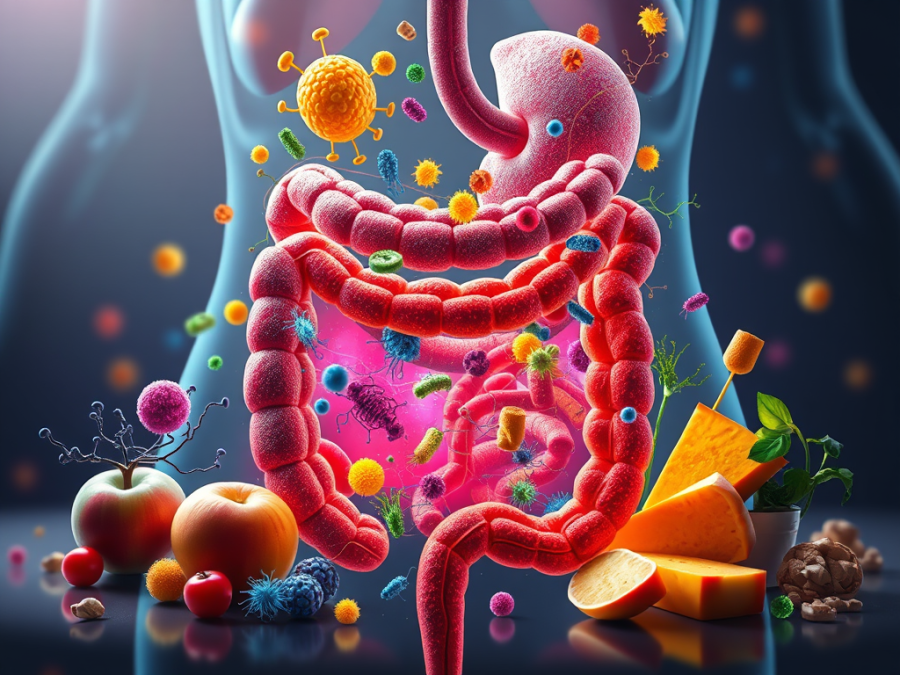
When we talk about obesity, the conversation usually stops at calories and exercise. The trillions of microorganisms living in the gut deserve a place in it too. That ecosystem shapes metabolism, appetite, immune function, and the way the body handles stress. I have found that once patients understand the connection, they see weight and health in a very different light.
The microbiome covers more than bacteria. It includes archaea, fungi, viruses, and all their genetic material and metabolic products. The microbiota refers to the organisms themselves. None of it is passive. These organisms interact with diet, hormones, and the immune system in ways that either support health or push toward disease.
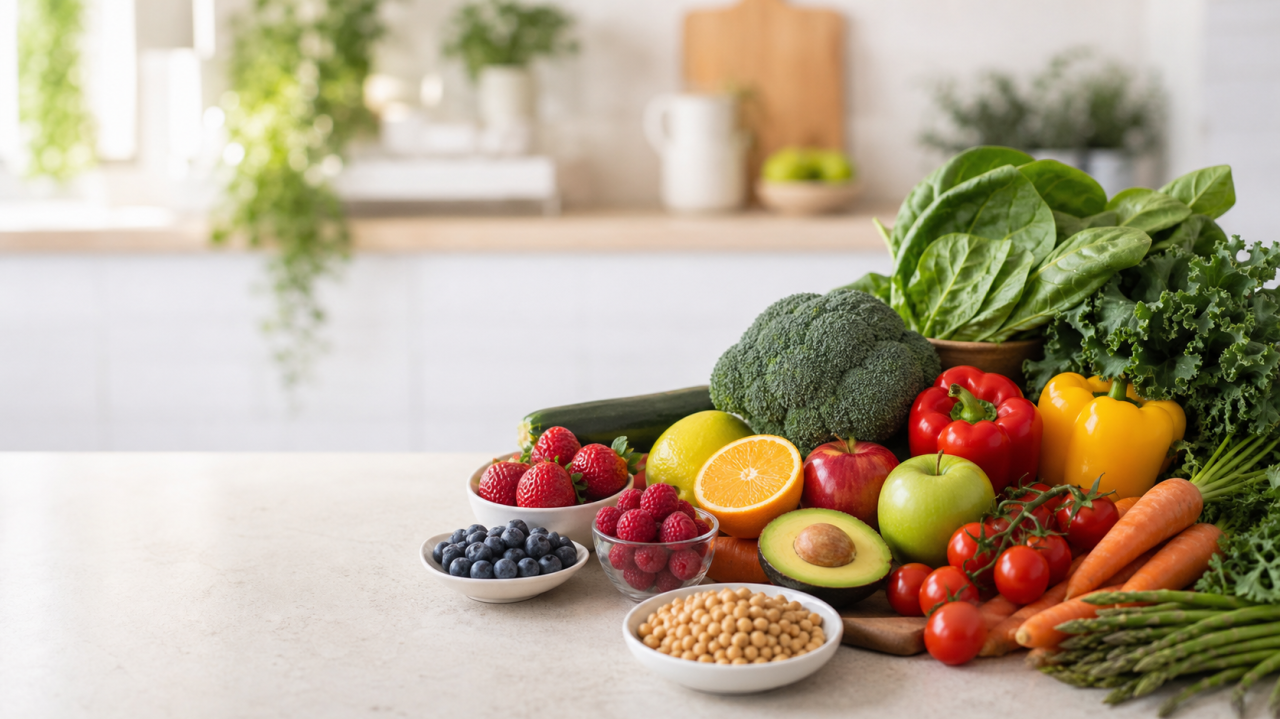
Diet does most of the shaping. Patterns rich in fiber and plant foods foster diversity and encourage species like Bifidobacteria and Bacteroides. Diets heavy in fat and low in fiber do the reverse. In older adults, that second pattern has been linked to frailty and worse health outcomes (Claesson et al., Nature, 2012).
The clinical relevance shows up in the obesity data. People with obesity tend to carry less diverse microbiomes and a greater capacity to pull energy out of food. In the foundational experiments, gut bacteria from obese mice were transplanted into germ-free mice, and the recipients gained more fat on the same caloric intake (Turnbaugh et al., Nature, 2006). The earlier work that set this up was a profiling study rather than a transplant, showing that ob/ob mice carry a different microbial composition than lean littermates (Ley et al., PNAS, 2005). Worth keeping those two straight, since they get merged constantly.
The mechanism comes down to metabolites. Microbes in the colon ferment fiber into short-chain fatty acids such as acetate, propionate, and butyrate. These influence GLP-1 and PYY, shift fat metabolism, and trigger inflammatory pathways that feed insulin resistance (Islam et al., Nutrients, 2022; Kong et al., Front Neurosci, 2021). High-fat diets also weaken the gut barrier, letting lipopolysaccharides leak into circulation. That process, metabolic endotoxemia, promotes systemic inflammation, insulin resistance, and weight gain (Kobyliak et al., Nutr J, 2016).
Antibiotic exposure adds another layer. A JAMA Network Open cohort followed 5,128 New Zealand children and found that 95% had received at least one antibiotic course before age four. Those with more than nine courses had 2.4 times the odds of obesity by age 4.5, and the association was strongest when exposure began before the first birthday (Chelimo et al., 2020). Animal models mirror it. Low-dose antibiotics given at weaning increased fat mass and altered metabolic pathways (Cho et al., Nature, 2012).
The microbiome talks to the brain as well. Microbial metabolites affect ghrelin, leptin, GLP-1, and CCK, the hormones that govern appetite, mood, and satiety (Van Son et al., Int J Mol Sci, 2021). That may be part of why chronic stress, anxiety, and disordered eating so often travel alongside changes in gut composition.
So where does this land in practice? Obesity treatment has to reach past calorie restriction. Supporting a healthy microbiome matters. Fiber-rich diets, probiotics, and prebiotics are under study as low-risk interventions. Synbiotics, which combine the two, are being evaluated as well. Fecal microbiota transplantation remains research territory. Even bariatric surgery outcomes may be partly explained by microbial shifts (Kovatcheva-Datchary et al., Cell Metab, 2015).
I have seen patients become more open to dietary change once they understand that what they eat feeds their microbes as much as it feeds them. That reframe carries weight. It moves the focus from restriction to partnership, from fighting the body to working with it.
References:
1. Claesson MJ, et al. Gut microbiota composition correlates with diet and health in the elderly. Nature. 2012;488(7410):178-184. https://pubmed.ncbi.nlm.nih.gov/22797518/
2. Turnbaugh PJ, et al. An obesity-associated gut microbiome with increased capacity for energy harvest. Nature. 2006;444(7122):1027-1031. https://pubmed.ncbi.nlm.nih.gov/17183312/
3. Ley RE, et al. Obesity alters gut microbial ecology. Proc Natl Acad Sci USA. 2005;102(31):11070-11075. https://pubmed.ncbi.nlm.nih.gov/16033867/
4. Islam MR, et al. Nutrients. 2022;14(3):624.
5. Kong D, et al. Front Neurosci. 2021;15:755845.
6. Kobyliak N, et al. Nutr J. 2016;15:43.
7. Chelimo C, et al. Associations of Prenatal and Childhood Antibiotic Exposure With Obesity at Age 4 Years. JAMA Netw Open. 2020;3(1):e1917577. https://pubmed.ncbi.nlm.nih.gov/31977058/
8. Cho I, et al. Antibiotics in early life alter the murine colonic microbiome and adiposity. Nature. 2012;488(7413):621-626. https://pubmed.ncbi.nlm.nih.gov/22914093/
9. Van Son J, et al. Int J Mol Sci. 2021;22(6):2993.
10. Kovatcheva-Datchary P, et al. Cell Metab. 2015;22(6):971-982.
Board Certified in Obesity Medicine and Family Medicine
This blog is for educational purposes only and does not constitute individual medical advice. Always consult your own physician before making changes to your health, medications, or treatment plan.
 Doctor Rennie's Blog