
What Brain Scans Show About Appetite and Overeating

Patients say a version of the same thing constantly: “I know what I should eat, but I still crave the wrong things.” That gap between knowledge and behavior is what pushed researchers toward the brain. Functional MRI has shown that appetite runs on circuits that defend fat mass and respond to food cues, and that willpower is a small part of the story.

For years we leaned on BMI as the working definition of obesity. A BMI over 30 got the label, and the number explained nothing about why weight gain happened or why some patients struggle far more than others. Schwartz and colleagues reframed it in 2017 as “a disorder of energy homeostasis, characterized by the defense of an elevated body fat mass” (Schwartz et al., Endocr Rev, 2017). That definition earns its keep. It says the body is working to hold fat stores high, and that when weight comes off, biology answers with stronger hunger signaling, slower metabolism, and shifted hormones.

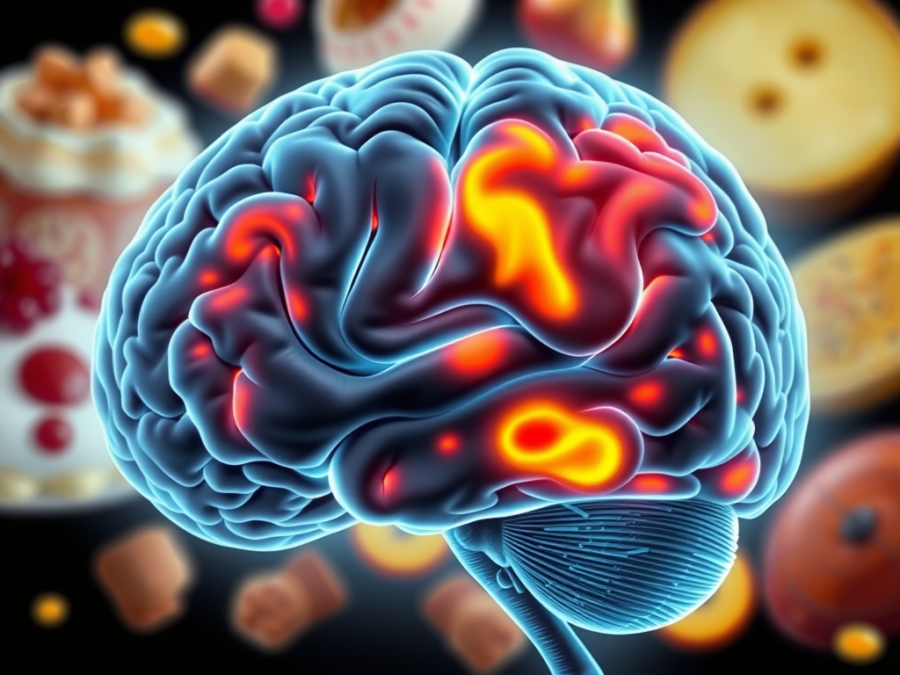
The gut-fat-brain conversation sits at the center. Leptin, ghrelin, insulin, GLP-1, and PYY all shape hunger and satiety, and fMRI shows how those signals land. High-calorie food cues light up the amygdala, striatum, medial orbitofrontal cortex, and ventral tegmental area, all reward and craving territory (Schur et al., Int J Obes, 2009; Melhorn et al., Am J Clin Nutr, 2018). After weight loss, that reward response doesn’t fade, which is a large part of why relapse is the rule. Interventions do move it. Leptin replacement, intranasal insulin, GLP-1 agonists, and bariatric surgery all reduce this activation (Holsen et al., Int J Obes, 2018; van Bloemendaal et al., Diabetes, 2014).

One finding deserves more attention than it gets: looking at pictures of calorie-dense food predicts what people actually eat. In studies where participants later chose from a buffet, those with higher reward activation to food images selected more high-fat, high-calorie items. The brain response translated into behavior at the table.

That has treatment implications. Patients with persistent reward-driven responses may get the most from GLP-1 agonists like semaglutide. For others, agents acting on central insulin or leptin signaling may fit better. Bupropion-naltrexone targets reward pathways directly and may suit patients where hedonic eating is the main driver. Obesity is a brain-based condition, and it needs brain-aware treatment.

Inflammation belongs in this picture too. Valdearcos and colleagues showed that rodents on a high-fat diet developed hypothalamic gliosis, an inflammatory response in the brain, before they gained significant weight (Valdearcos et al., Cell Metab, 2017). Human MRI findings line up. Individuals with obesity are more likely to show signs of hypothalamic gliosis (Schur et al., Obesity, 2015; Kreutzer et al., Diabetes, 2017). Inflammation may disrupt appetite regulation early, helping drive the defense of elevated fat mass.

For clinicians, this changes the posture. Blaming patients for “failing” when weight returns misreads the physiology. Their biology is built to resist fat loss. Medications acting on appetite centers belong in long-term care rather than short courses. Diet quality may matter for brain inflammation as well as calorie balance. And as with any other chronic disease, the expectation should be continuous management rather than a one-time fix.

Framing obesity as a chronic brain and inflammatory disease does something useful for the room. It takes stigma out of it. Patients are living with a condition in which the brain defends fat mass through powerful signals, and that framing replaces shame with something we can actually treat.

Scott Rennie, D.O.

References:

1. Schwartz MW, Seeley RJ, Zeltser LM, et al. Obesity Pathogenesis: An Endocrine Society Scientific Statement. Endocr Rev. 2017;38(4):267-296. https://pubmed.ncbi.nlm.nih.gov/28898979/

2. Schur EA, et al. Activation in brain energy regulation and reward centers by food cues varies with choice of visual stimulus. Int J Obes (Lond). 2009;33(6):653-661. https://pubmed.ncbi.nlm.nih.gov/19365394/

3. Melhorn SJ, et al. Am J Clin Nutr. 2018;107(4):574-582.

4. Holsen LM, et al. Int J Obes (Lond). 2018;42(4):785-793.

5. van Bloemendaal L, et al. GLP-1 receptor activation modulates appetite- and reward-related brain areas in humans. Diabetes. 2014;63(12):4186-4196. https://pubmed.ncbi.nlm.nih.gov/25071023/

6. Valdearcos M, et al. Microglial Inflammatory Signaling Orchestrates the Hypothalamic Immune Response to Dietary Excess and Mediates Obesity Susceptibility. Cell Metab. 2017;26(1):185-197.e3. https://pubmed.ncbi.nlm.nih.gov/28683286/

7. Kreutzer C, et al. Hypothalamic Inflammation in Human Obesity Is Mediated by Environmental and Genetic Factors. Diabetes. 2017;66(9):2407-2415. https://pubmed.ncbi.nlm.nih.gov/28576837/

8. Schur EA, et al. Radiologic evidence that hypothalamic gliosis is associated with obesity and insulin resistance in humans. Obesity (Silver Spring). 2015;23(11):2142-2148. https://pubmed.ncbi.nlm.nih.gov/26530930/

Board Certified in Obesity Medicine and Family Medicine

This blog is for educational purposes only and does not constitute individual medical advice. Always consult your own physician before making changes to your health, medications, or treatment plan.

Weight Loss Surgery Options for Obesity Explained

Weight loss surgery, also called bariatric or metabolic surgery, is one of the most effective treatments available for severe obesity. Gastric bypass and sleeve gastrectomy are safer now than they have ever been, and demand keeps climbing. Surgery carries risk and requires a long-term commitment, and both belong in the conversation from the first visit.

Obesity affects more than 100 million U.S. adults, roughly 40.3% of the adult population, with 9.7% in the severe range (NCHS, NHANES August 2021 to August 2023). Type 2 diabetes, cardiovascular disease, cancer, and early death all track with excess weight. Lifestyle programs and medications help, and for many patients the results don’t hold. That is the gap surgery fills. The Swedish Obese Subjects study followed patients for over a decade and found surgery produced durable weight loss and lower mortality (Sjöström et al., NEJM, 2007), and a retrospective cohort found a 40% reduction in all-cause mortality after gastric bypass (Adams et al., NEJM, 2007).

So who qualifies? Under the 2022 ASMBS and IFSO guidelines, surgery is recommended for people with BMI over 35 regardless of comorbidity, and for BMI 30 to 34.9 in patients with metabolic disease that has not responded to medical therapy (Eisenberg et al., Surg Obes Relat Dis, 2022). That is a meaningful loosening from the 1991 NIH thresholds most clinicians still carry in their heads. There is no strict age cutoff, though surgeons approach adolescents and older adults with extra care.

Before surgery, patients go through a thorough workup: nutrition and psychology evaluations, cardiac and pulmonary assessment, sometimes a sleep study and endoscopy. Smoking cessation is required. Most insurers still ask for documentation of six months of supervised weight management, a requirement with no good evidence behind it that delays care for people who need it. That time does get used for preparation and education, which is the one argument in its favor.

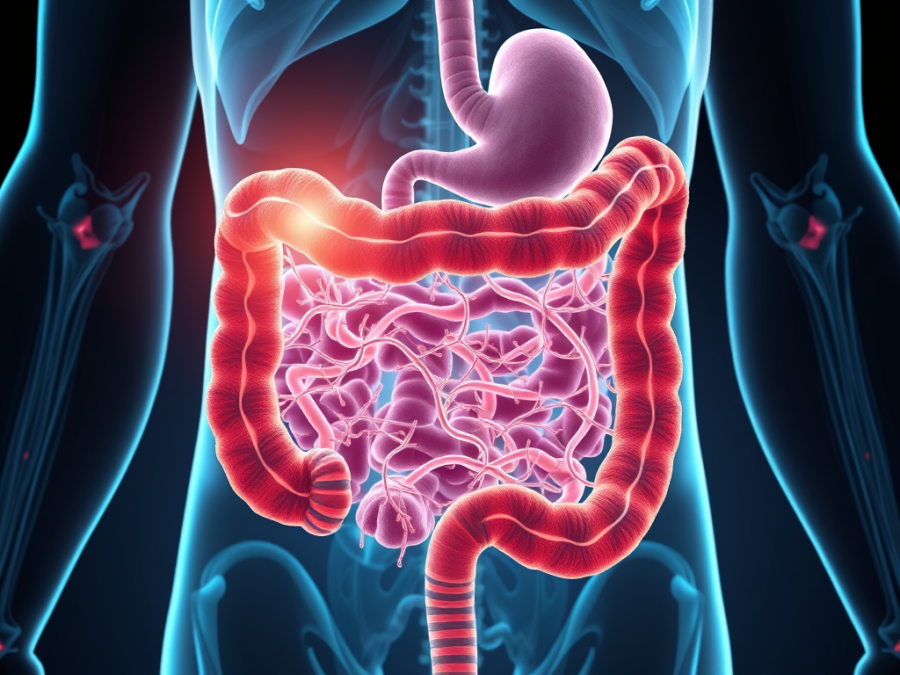
Several procedures are available. Sleeve gastrectomy is the most common worldwide. About 80% of the stomach is removed, limiting intake and changing hunger hormones. Patients typically lose 55 to 60% of excess weight. The operation is shorter than bypass and hospital stays run one to two days. Worsening reflux is the main downside (Peterli et al., JAMA, 2018).

Roux-en-Y gastric bypass has decades of long-term data behind it. A small pouch connects to the small intestine, bypassing part of the digestive tract. Average weight loss runs 60 to 70% of excess weight, diabetes remission rates are high, and reflux often improves. Risks include vitamin deficiencies, marginal ulcers, and internal hernias (Higa et al., Surg Obes Relat Dis, 2011).

One anastomosis gastric bypass simplifies the technique and shows promising results for weight and comorbidities, with higher risk of bile reflux and deficiencies. Duodenal switch and SADI combine a sleeve with intestinal rerouting. These are the most powerful options for diabetes remission and weight loss and they demand the most careful long-term monitoring. Gastric banding is now rare. It once looked appealing because it was reversible and low-risk, and the weight loss proved modest while long-term reoperation rates ran high (Genco et al., Surg Obes Relat Dis, 2016).

The randomized evidence is strong. Trials by Mingrone, Schauer, and Ikramuddin all demonstrated higher diabetes remission with surgery than with medical therapy alone, and the Schauer and Mingrone cohorts held those differences out to five and ten years (Schauer et al., NEJM, 2012 and 2017; Mingrone et al., Lancet, 2015 and 2021; Ikramuddin et al., JAMA, 2018).

Weight regain happens. About one in five patients regains some weight after bypass, from changes in anatomy or lapses in eating and activity. Surgeons can offer revision: re-sleeving, converting sleeve to bypass, or tightening pouches. These get tailored to the individual.

Long-term success depends on follow-up. Regular labs, nutrition counseling, ongoing team support. Lifelong vitamin and mineral supplementation is required rather than optional. Behavioral support matters, because habits carry as much weight as anatomy over years.

Weight loss surgery is one of the most powerful tools we have for a disease that is otherwise progressive and difficult to manage. With careful preparation, modern technique, and sustained follow-up, patients see improvements in weight, health, and quality of life that few other interventions produce.

Scott Rennie, D.O.

References:

1. National Center for Health Statistics. Prevalence of Overweight, Obesity, and Severe Obesity Among Adults Age 20 and Older: United States, August 2021–August 2023. https://www.cdc.gov/nchs/data/hestat/obesity-adult-17-18/obesity-adult.htm

2. Sjöström L, et al. Effects of bariatric surgery on mortality in Swedish obese subjects. N Engl J Med. 2007;357(8):741-752. https://pubmed.ncbi.nlm.nih.gov/17715408/

3. Adams TD, et al. Long-term mortality after gastric bypass surgery. N Engl J Med. 2007;357(8):753-761. https://pubmed.ncbi.nlm.nih.gov/17715409/

4. Eisenberg D, et al. 2022 American Society for Metabolic and Bariatric Surgery (ASMBS) and International Federation for the Surgery of Obesity and Metabolic Disorders (IFSO) Indications for Metabolic and Bariatric Surgery. Surg Obes Relat Dis. 2022;18(12):1345-1356. https://pubmed.ncbi.nlm.nih.gov/36280539/

5. Schauer PR, et al. N Engl J Med. 2012;366(17):1567-1576; and N Engl J Med. 2017;376(7):641-651.

6. Mingrone G, et al. Lancet. 2015;386(9997):964-973; and Lancet. 2021;397(10271):293-304.

7. Ikramuddin S, et al. JAMA. 2018;319(3):266-278.

8. Peterli R, et al. Effect of Laparoscopic Sleeve Gastrectomy vs Laparoscopic Roux-en-Y Gastric Bypass on Weight Loss in Patients With Morbid Obesity: The SM-BOSS Randomized Clinical Trial. JAMA. 2018;319(3):255-265. https://pubmed.ncbi.nlm.nih.gov/29340679/

9. Higa K, et al. Surg Obes Relat Dis. 2011;7(4):516-525.

10. Genco A, et al. Surg Obes Relat Dis. 2016;12(10):1783-1788.

Board Certified in Obesity Medicine and Family Medicine

This blog is for educational purposes only and does not constitute individual medical advice. Always consult your own physician before making changes to your health, medications, or treatment plan.

How the Gut Affects Diabetes and Metabolic Disease

When we think about metabolic disease, attention goes to blood sugar, insulin, and fat. Another organ drives much of the process quietly, and it is the gut.

Calling the gut a digestive tube undersells it badly. It is a complex, dynamic system that shapes how we handle nutrients, regulate hormones, and respond to infection. Researchers now treat it as central to metabolic health, and that shift has opened new thinking about both prevention and treatment.

Consider what it actually contains. Its own nervous system, sometimes called the second brain. An endocrine system producing GLP-1, PYY, and ghrelin. A major site of immune defense. And constant interaction with the trillions of microbes living inside it. Together these systems determine how food gets processed, when fullness registers, and how glucose is regulated (Seeley et al., Cell Metab, 2015).

The gut-brain conversation is the powerful part. Signals move both directions. Hormones, nerve messages, and bacterial metabolites all feed into how the brain regulates appetite and metabolism. This is a large part of why simple calorie counting fails so often. The gut can override willpower, and the brain listens closely to what it says.

Bariatric surgery demonstrates the whole system in action. Vertical sleeve gastrectomy and Roux-en-Y gastric bypass do far more than reduce stomach size. They produce wide-reaching changes in gut physiology that explain why they work so well for weight loss and diabetes control. After surgery, GLP-1 rises, insulin sensitivity improves, food preferences shift, and bile acid metabolism changes. The gut barrier tightens, which reduces inflammation. Most striking of all, patients often defend a new, lower body weight afterward, which suggests the whole regulatory system has reset (Stefater et al., Gastroenterology, 2010). Bile acid signaling appears central to that reset, and it holds across procedures (Myronovych et al., Obesity, 2014).

Nutrient signaling changes too. Iron metabolism is altered after surgery, and the change has been linked to HIF-2α signaling pathways that also improve glucose handling and GLP-1 release (Evers et al., Cell Rep, 2022). Adaptations like that are hard to explain with mechanical restriction alone.

The microbiome is another piece. Surgery shifts bacterial composition toward communities associated with healthier metabolism, and barrier function improves alongside it. Molecules like Reg3g strengthen the gut lining, increasing mucus and reducing leakiness, which lowers systemic inflammation and metabolic stress (Shin et al., Cell Metab, 2022).

These insights point toward treatments that skip the operating room. GLP-1 receptor agonists reproduce some of the hormonal effects seen after bypass or sleeve. Bile acid modulators, microbiome therapies, and strategies targeting iron signaling are all under study as ways into the same pathways.

Seen this way, the gut is where the body decides how to use energy, how to balance hormones, and how to regulate immunity. For patients, that science explains why surgery and gut-focused medications can make such a difference. For clinicians, it suggests the most effective treatment plans will be the ones that respect what the gut is actually doing.

Scott Rennie, D.O.

References:

1. Seeley RJ, Chambers AP, Sandoval DA. The role of gut adaptation in the potent effects of multiple bariatric surgeries on obesity and diabetes. Cell Metab. 2015;21(3):369-378. https://pubmed.ncbi.nlm.nih.gov/25662404/

2. Stefater MA, et al. Sleeve gastrectomy induces loss of weight and fat mass in obese rats, but does not affect leptin sensitivity. Gastroenterology. 2010;138(7):2426-2436. https://pubmed.ncbi.nlm.nih.gov/20226189/

3. Myronovych A, et al. Vertical sleeve gastrectomy reduces hepatic steatosis while increasing serum bile acids in a weight-loss-independent manner. Obesity (Silver Spring). 2014;22(2):390-400. https://pubmed.ncbi.nlm.nih.gov/23847068/

4. Evers SS, et al. Cell Rep. 2022;38(11):110487.

5. Shin JH, et al. Cell Metab. 2022;34(5):747-761.e6.

Board Certified in Obesity Medicine and Family Medicine

This blog is for educational purposes only and does not constitute individual medical advice. Always consult your own physician before making changes to your health, medications, or treatment plan.