

As a physician, I’ve seen how difficult it can be for families to set healthy eating patterns for their kids. Parents often ask me how to keep children from eating too much junk food without turning it into a daily battle. Research points to two main strategies: overt restriction and covert restriction. How they play out at home differs enormously.
Overt restriction is the one most people think of first. It’s when a parent sets clear rules like “No candy after dinner” or “You can only have one cookie.” Simple, on paper. In practice it often backfires: studies show that when kids are told they can’t have a certain food, that food becomes more appealing, and they get curious and start craving it more. I’ve had parents tell me that their child, once away from home, goes overboard on the very foods that were restricted. The literature backs this up, linking overt restriction to a higher risk of overeating and weight gain once children get access on their own (Ogden J, Reynolds R, Smith A. Appetite. 2006;47:100-106).
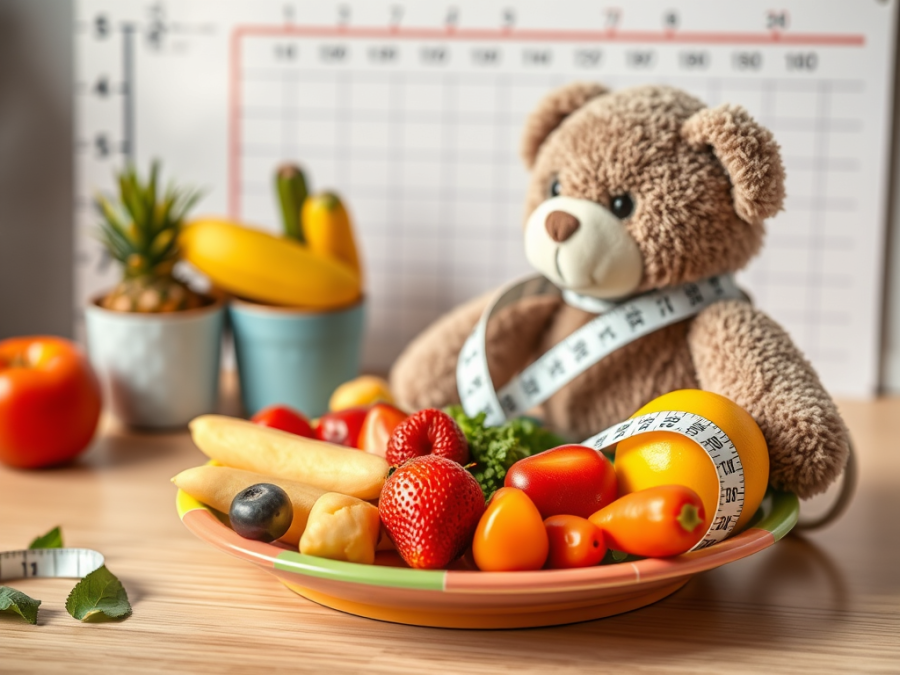
Covert restriction works differently. It doesn’t rely on direct rules; instead it shapes the environment. A parent might stock the pantry with fruits and vegetables, limit the chips and sweets that come into the house, and skip the frequent fast-food runs, so the child never feels denied anything even though the choices available are quietly healthier than they’d otherwise be. Research suggests this method reduces cravings and lowers the pull of high-sugar, high-fat foods (Boots SB, Tiggemann M, Corsini N. Appetite. 2019;135:54-60).
Between the two, covert restriction seems to have the better long-term track record. When the home is set up so the easiest option is also the healthiest, children develop preferences that last. That said, overt restriction isn’t always avoidable, since food allergies, medical diets, or severe obesity can make firm rules necessary. When that happens, pairing restriction with positive reinforcement and supportive communication limits the damage.
Another useful approach I’ve seen is what some call a junk food budget. Parents allow a set number of treats each week, maybe two or three small items, and the child decides when to spend them. Once they’re gone, that’s it until the following week. This gives kids some autonomy and teaches self-regulation. Research suggests it helps prevent binge eating or overvaluing restricted foods later in life (Ogden J, Reynolds R, Smith A. Appetite. 2006;47:100-106). Parents often tell me it lowers family conflict too.
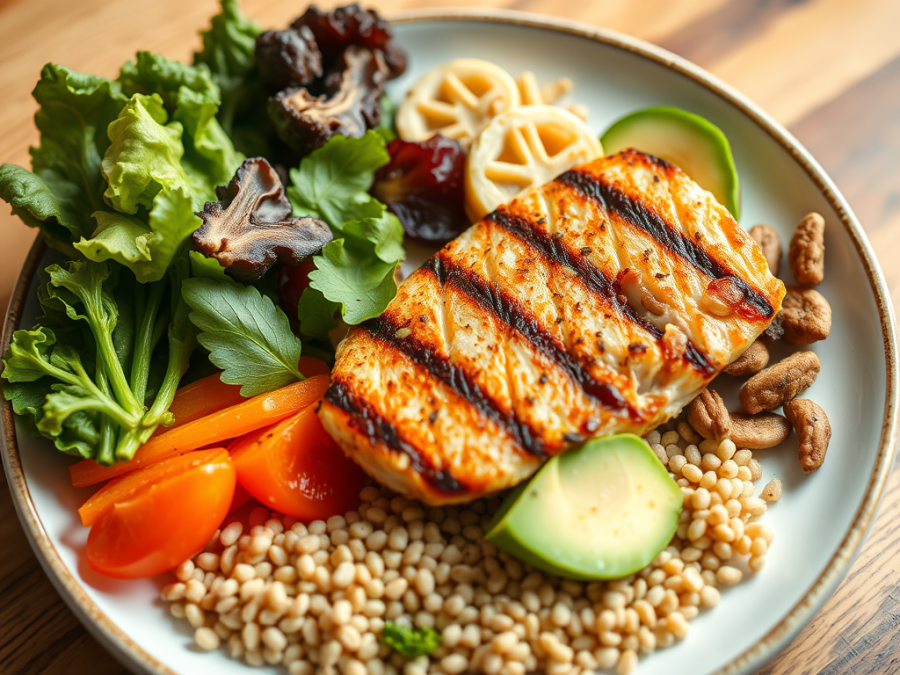
The big picture: food habits are shaped more by environment and tone than by rigid control. When families make healthy foods visible and easy to reach, involve kids in cooking, and give them some freedom to manage their own indulgences, the results are usually better. For providers, guiding parents toward motivational interviewing, and helping them balance overt and covert strategies, supports healthier eating without adding to the power struggles.
Sources:
- 1. Ogden J, Reynolds R, Smith A. Expanding the concept of parental control: a role for overt and covert control in children’s snacking behaviour? Appetite. 2006;47(1):100-106. https://pubmed.ncbi.nlm.nih.gov/16682098/
- 2. Boots SB, Tiggemann M, Corsini N. Pumpkin is “yucky”: correlates of avoidant/restrictive food intake in preschool children and their mothers. Appetite. 2019;135:54-60. https://pubmed.ncbi.nlm.nih.gov/30599153/
Board Certified in Obesity Medicine and Family Medicine
This blog is for educational purposes only and does not constitute individual medical advice. Always consult your own physician before making changes to your health, medications, or treatment plan.


 Doctor Rennie's Blog