
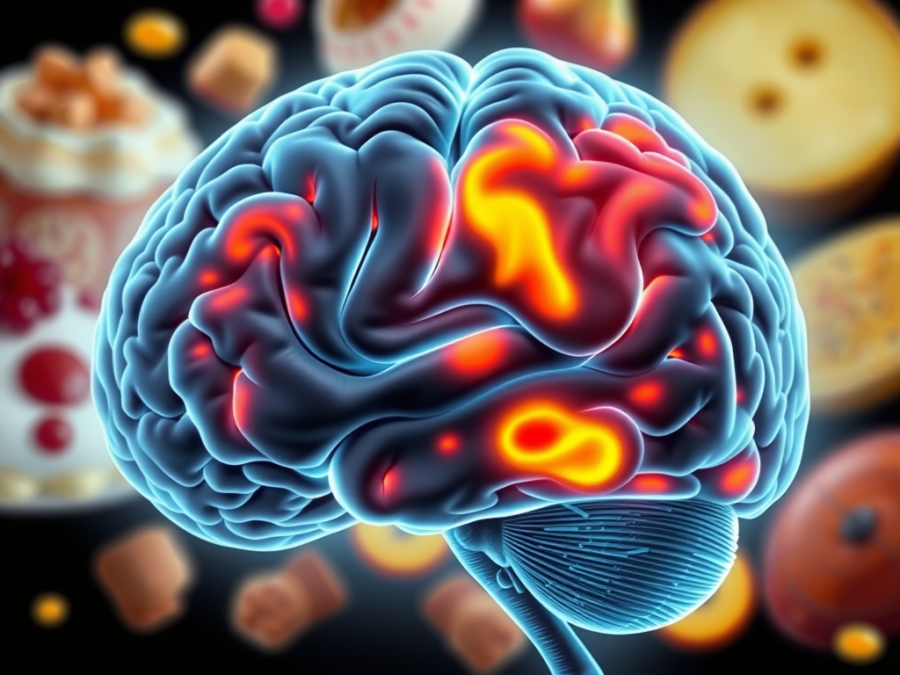
What Brain Scans Show About Appetite and Overeating

Patients say a version of the same thing constantly: “I know what I should eat, but I still crave the wrong things.” That gap between knowledge and behavior is what pushed researchers toward the brain. Functional MRI has shown that appetite runs on circuits that defend fat mass and respond to food cues, and that willpower is a small part of the story.

For years we leaned on BMI as the working definition of obesity. A BMI over 30 got the label, and the number explained nothing about why weight gain happened or why some patients struggle far more than others. Schwartz and colleagues reframed it in 2017 as “a disorder of energy homeostasis, characterized by the defense of an elevated body fat mass” (Schwartz et al., Endocr Rev, 2017). That definition earns its keep. It says the body is working to hold fat stores high, and that when weight comes off, biology answers with stronger hunger signaling, slower metabolism, and shifted hormones.

The gut-fat-brain conversation sits at the center. Leptin, ghrelin, insulin, GLP-1, and PYY all shape hunger and satiety, and fMRI shows how those signals land. High-calorie food cues light up the amygdala, striatum, medial orbitofrontal cortex, and ventral tegmental area, all reward and craving territory (Schur et al., Int J Obes, 2009; Melhorn et al., Am J Clin Nutr, 2018). After weight loss, that reward response doesn’t fade, which is a large part of why relapse is the rule. Interventions do move it. Leptin replacement, intranasal insulin, GLP-1 agonists, and bariatric surgery all reduce this activation (Holsen et al., Int J Obes, 2018; van Bloemendaal et al., Diabetes, 2014).

One finding deserves more attention than it gets: looking at pictures of calorie-dense food predicts what people actually eat. In studies where participants later chose from a buffet, those with higher reward activation to food images selected more high-fat, high-calorie items. The brain response translated into behavior at the table.

That has treatment implications. Patients with persistent reward-driven responses may get the most from GLP-1 agonists like semaglutide. For others, agents acting on central insulin or leptin signaling may fit better. Bupropion-naltrexone targets reward pathways directly and may suit patients where hedonic eating is the main driver. Obesity is a brain-based condition, and it needs brain-aware treatment.

Inflammation belongs in this picture too. Valdearcos and colleagues showed that rodents on a high-fat diet developed hypothalamic gliosis, an inflammatory response in the brain, before they gained significant weight (Valdearcos et al., Cell Metab, 2017). Human MRI findings line up. Individuals with obesity are more likely to show signs of hypothalamic gliosis (Schur et al., Obesity, 2015; Kreutzer et al., Diabetes, 2017). Inflammation may disrupt appetite regulation early, helping drive the defense of elevated fat mass.

For clinicians, this changes the posture. Blaming patients for “failing” when weight returns misreads the physiology. Their biology is built to resist fat loss. Medications acting on appetite centers belong in long-term care rather than short courses. Diet quality may matter for brain inflammation as well as calorie balance. And as with any other chronic disease, the expectation should be continuous management rather than a one-time fix.

Framing obesity as a chronic brain and inflammatory disease does something useful for the room. It takes stigma out of it. Patients are living with a condition in which the brain defends fat mass through powerful signals, and that framing replaces shame with something we can actually treat.

Scott Rennie, D.O.

References:

1. Schwartz MW, Seeley RJ, Zeltser LM, et al. Obesity Pathogenesis: An Endocrine Society Scientific Statement. Endocr Rev. 2017;38(4):267-296. https://pubmed.ncbi.nlm.nih.gov/28898979/

2. Schur EA, et al. Activation in brain energy regulation and reward centers by food cues varies with choice of visual stimulus. Int J Obes (Lond). 2009;33(6):653-661. https://pubmed.ncbi.nlm.nih.gov/19365394/

3. Melhorn SJ, et al. Am J Clin Nutr. 2018;107(4):574-582.

4. Holsen LM, et al. Int J Obes (Lond). 2018;42(4):785-793.

5. van Bloemendaal L, et al. GLP-1 receptor activation modulates appetite- and reward-related brain areas in humans. Diabetes. 2014;63(12):4186-4196. https://pubmed.ncbi.nlm.nih.gov/25071023/

6. Valdearcos M, et al. Microglial Inflammatory Signaling Orchestrates the Hypothalamic Immune Response to Dietary Excess and Mediates Obesity Susceptibility. Cell Metab. 2017;26(1):185-197.e3. https://pubmed.ncbi.nlm.nih.gov/28683286/

7. Kreutzer C, et al. Hypothalamic Inflammation in Human Obesity Is Mediated by Environmental and Genetic Factors. Diabetes. 2017;66(9):2407-2415. https://pubmed.ncbi.nlm.nih.gov/28576837/

8. Schur EA, et al. Radiologic evidence that hypothalamic gliosis is associated with obesity and insulin resistance in humans. Obesity (Silver Spring). 2015;23(11):2142-2148. https://pubmed.ncbi.nlm.nih.gov/26530930/

Board Certified in Obesity Medicine and Family Medicine

This blog is for educational purposes only and does not constitute individual medical advice. Always consult your own physician before making changes to your health, medications, or treatment plan.

Doctor Supervised Weight Loss: What Works Long Term

Telling patients to eat less and move more doesn’t cut it. Obesity is a chronic disease, and progress requires structured, ongoing, individualized care. The hardest part clinically is making sure the weight that comes off is fat rather than muscle.

Losing muscle costs more than strength. It costs independence, recovery capacity, and eventually survival. Older adults and patients with low baseline activity are the most exposed. Poorly managed weight loss produces sarcopenia, the loss of muscle mass and function. Layer excess fat on top and you get sarcopenic obesity, where a patient looks heavy and is functionally weak and metabolically compromised at the same time.

The European Working Group on Sarcopenia in Older People sets out how to catch it early. It starts with loss of strength, measured by grip strength or a chair-stand test. DXA or BIA can confirm low muscle mass. Poor strength plus low mass plus reduced physical performance defines severe sarcopenia. These definitions give us a framework to act before decline becomes permanent (Cruz-Jentoft et al., Age Ageing, 2019).

Muscle mass predicts survival on its own. Appendicular Lean Mass Index, lean tissue in the arms and legs divided by height squared, is a reliable measure, and people in the top quartile carry substantially lower all-cause mortality than those in the lowest, even after adjusting for BMI and comorbidities (Srikanthan & Karlamangla, Am J Med, 2014). Put plainly, a patient with stronger arms and legs has better odds of living longer regardless of what the scale says.

Strength testing matters as much as mass. Low grip strength tracks with higher mortality from cardiovascular disease, cancer, and respiratory illness. Poor lower-body strength, showing up as slower gait speed or difficulty rising from a chair, tracks with frailty, hospitalization, and long-term disability.

Both measures are cheap and fast, and both are underused. Grip strength needs a dynamometer and a hand to put it in, which rules it out of any remote encounter. The 30-second sit-to-stand doesn’t. A hard chair, arms crossed over the chest, as many stands as the patient can complete in thirty seconds, counted by whoever is watching. It works over video as well as it works in a room, and it yields a number worth tracking across visits. One usable functional measure beats a chart full of weights.

Nutrition is the cornerstone of preserving muscle during weight loss. The baseline protein RDA of 0.8 g/kg/day is inadequate for many adults, particularly older patients and anyone in a calorie deficit. The evidence supports closer to 1.2 to 1.6 g/kg/day, and up to 2.0 g/kg/day in some medically supervised cases (Paddon-Jones et al., Am J Clin Nutr, 2015; Bauer et al., J Am Med Dir Assoc, 2013). Spacing intake across meals rather than loading it at dinner sustains muscle protein synthesis better. Whey and casein, soy, eggs, and blended plant sources all work.

Calculating a target in patients with obesity is genuinely awkward. Actual body weight overshoots. Ideal body weight undershoots. Adjusted body weight is the usual compromise, and reasonable clinicians disagree about which to use. For a 5’6″ patient, a target weight around 73 kg at 1.5 g/kg puts the daily goal near 110 grams, which is a number a patient can actually work with.

Exercise has to include both resistance and aerobic work. Resistance training protects and builds lean mass. Aerobic activity improves cardiovascular and metabolic health. A 2022 systematic review and meta-analysis found the combination conferred the greatest mortality risk reduction, and notably found that weight training alone wasn’t associated with lower mortality among people doing no aerobic exercise (Shailendra et al., Am J Prev Med, 2022). For a patient that translates to brisk walking or cycling most days plus two or three weekly strength sessions using bands, weights, or bodyweight.

Think of muscle like a retirement account. Build it and hold it early, so it is there when it is needed. A patient in their seventies who lands in the hospital with pneumonia can lose a large fraction of their reserve to a few days of immobility and poor intake. If the reserve was thin going in, the decline may be permanent, and it shows up later as falls, fractures, and lost independence. Investing ahead of time changes that trajectory.

Medication is a real adjunct, and it has to be paired with strategies that protect lean tissue. GLP-1 receptor agonists produce substantial weight loss, and a meaningful fraction of that loss is lean mass. Adequate protein and resistance training are the mitigation strategies with actual evidence behind them, and body composition deserves monitoring wherever it is available rather than weight alone.

As clinicians, we need to screen past BMI. Ask about physical activity. Get a functional measure. Consider dietary adequacy. Refer to dietitians, physical therapists, or trainers where it helps, and even a single session with a trainer improves safety and confidence with resistance work. Set goals patients can hold: one to two pounds a week of fat loss while protecting muscle.

Obesity treatment is chronic care. The point is helping patients hold strength, mobility, and independence while metabolic health improves, and preserving muscle sits at the center of that.

Scott Rennie, D.O.

References:

1. Cruz-Jentoft AJ, et al. Sarcopenia: revised European consensus on definition and diagnosis. Age Ageing. 2019;48(1):16-31. https://pubmed.ncbi.nlm.nih.gov/30312372/

2. Srikanthan P, Karlamangla AS. Muscle mass index as a predictor of longevity in older adults. Am J Med. 2014;127(6):547-553. https://pubmed.ncbi.nlm.nih.gov/24561114/

3. Paddon-Jones D, et al. Protein and healthy aging. Am J Clin Nutr. 2015;101(6):1339S-1345S. https://pubmed.ncbi.nlm.nih.gov/25926511/

4. Bauer J, et al. Evidence-based recommendations for optimal dietary protein intake in older people: a position paper from the PROT-AGE Study Group. J Am Med Dir Assoc. 2013;14(8):542-559. https://pubmed.ncbi.nlm.nih.gov/23867520/

5. Shailendra P, et al. Resistance Training and Mortality Risk: A Systematic Review and Meta-Analysis. Am J Prev Med. 2022;63(2):277-285. https://pubmed.ncbi.nlm.nih.gov/35599175/

Board Certified in Obesity Medicine and Family Medicine

This blog is for educational purposes only and does not constitute individual medical advice. Always consult your own physician before making changes to your health, medications, or treatment plan.

What Is MASLD? The New Name for Fatty Liver Disease

Liver disease is showing up more often, and it tracks closely with rising rates of obesity, diabetes, and metabolic syndrome. What many of us trained calling “fatty liver” or NAFLD has been renamed and reframed. The term now is MASLD, metabolic dysfunction-associated steatotic liver disease, and it reflects a better understanding of what actually drives the condition.

Why the change? NAFLD was a definition by exclusion. It told you the disease was not caused by alcohol without saying what it was. It also excluded patients with both alcohol and metabolic drivers, and the word “fatty” carried stigma that most patients felt immediately. In 2023 a multisociety Delphi process involving 236 panelists from 56 countries settled on the new nomenclature. Sixty-six percent of respondents found “fatty” stigmatizing and 61% said the same of “nonalcoholic.” The new definition requires at least one of five cardiometabolic risk factors, and it added MetALD for patients with metabolic dysfunction who also drink significantly (Rinella et al., J Hepatol, 2023).

MASLD is common. Roughly 30% of U.S. adults are affected. Among people with diabetes that figure climbs above 60%, and up to 15% carry advanced fibrosis (Le et al., Clin Mol Hepatol, 2022). Worldwide it is projected to overtake hepatitis C and alcohol as the leading cause of cirrhosis, hepatocellular carcinoma, and liver transplant.

The liver isn’t where most of these patients die. Cardiovascular disease is the leading cause of death in MASLD. The same inflammatory and metabolic pathways that damage the liver drive atherosclerosis. Diabetes worsens MASLD and MASLD worsens diabetes. The relationship runs in both directions.

One point matters more than any other: liver enzymes are a poor marker of severity. Normal ALT and AST are entirely compatible with advanced fibrosis. Fibrosis stage is what predicts progression, complications, and mortality. In a meta-analysis of 4,428 patients, all-cause mortality rose with each fibrosis stage, reaching a relative risk of 3.42 at stage 4 compared with stage 0, and liver-related mortality reached 11.13 (Taylor et al., Gastroenterology, 2020; Ekstedt et al., Hepatology, 2015). That is why guidelines now point everything at fibrosis assessment.

In primary care, FIB-4 is the practical first step. Age, AST, ALT, and platelet count. Under 1.3 suggests low risk and those patients can generally stay in primary care. Above 2.67 means high risk and warrants hepatology referral. Intermediate scores land in a gray zone that usually needs imaging such as FibroScan or a blood-based marker like the ELF test. FibroScan is fast and non-invasive but loses accuracy in patients with obesity, which is a real limitation given who has this disease. MR elastography is the most accurate option and the least available.

Treatment still starts with lifestyle. Weight loss of 5 to 10% improves steatosis and inflammation. The Mediterranean pattern is consistently associated with lower liver fat and better insulin sensitivity. Exercise at 150 minutes a week of moderate activity reduces liver fat even without weight loss, which is worth telling patients who are discouraged by the scale. Cutting sugar-sweetened beverages and limiting fructose is standard advice. Coffee earns its reputation here: a meta-analysis of observational studies found coffee consumption associated with 35% lower odds of significant fibrosis, with three or more cups a day the threshold most often cited, caffeinated or not (Hayat et al., Nutrients, 2021).

Medication options are expanding. Vitamin E has histologic benefit in non-diabetic patients with biopsy-proven MASH, though long-term safety concerns persist. Statins remain badly underused and are safe in MASLD, and they should be prescribed for cardiovascular risk reduction (Kargiotis et al., World J Gastroenterol, 2015). GLP-1 receptor agonists reduce liver fat and support weight loss.

In March 2024, resmetirom became the first FDA-approved drug for MASH with fibrosis. It is a liver-directed thyroid hormone receptor-beta agonist. In the phase 3 MAESTRO-NASH trial, MASH resolution without worsening fibrosis occurred in 25.9% of patients on 80 mg and 29.9% on 100 mg, against 9.7% on placebo, and both doses beat placebo on fibrosis improvement (Harrison et al., NEJM, 2024). It is approved for adults with non-cirrhotic MASH and stage F2 to F3 fibrosis. Those response rates are meaningful and they are also modest, and patients should hear both halves.

Endoscopic and surgical options matter too. Endoscopic sleeve gastroplasty and intragastric balloons reduce liver fat and improve fibrosis. Bariatric surgery remains among the most effective interventions available, with a systematic review and meta-analysis finding NASH resolution in roughly half of patients and fibrosis improvement in about a third (Lee et al., Clin Gastroenterol Hepatol, 2019).

MASLD management has moved well outside hepatology. It needs primary care, cardiology, endocrinology, nutrition, and gastroenterology working the same problem. Screen at-risk patients with FIB-4, particularly those with diabetes or obesity. Counsel on weight and diet. Prescribe statins when indicated. Refer for advanced assessment when fibrosis is suspected.

MASLD reframes liver disease as part of the broader cardiometabolic picture. Treating it means protecting the liver while cutting cardiovascular risk, improving glycemic control, and addressing systemic inflammation. That is where the impact lives.

Scott Rennie, D.O.

References:

1. Rinella ME, Lazarus JV, Ratziu V, et al. A multisociety Delphi consensus statement on new fatty liver disease nomenclature. J Hepatol. 2023;79(6):1542-1556. https://pubmed.ncbi.nlm.nih.gov/37364790/

2. Le MH, et al. Global incidence of non-alcoholic fatty liver disease. Clin Mol Hepatol. 2022;28(4):841-850. https://pubmed.ncbi.nlm.nih.gov/36117442/

3. Taylor RS, et al. Association Between Fibrosis Stage and Outcomes of Patients With Nonalcoholic Fatty Liver Disease: A Systematic Review and Meta-Analysis. Gastroenterology. 2020;158(6):1611-1625.e12. https://pubmed.ncbi.nlm.nih.gov/32027911/

4. Ekstedt M, et al. Fibrosis stage is the strongest predictor for disease-specific mortality in NAFLD after up to 33 years of follow-up. Hepatology. 2015;61(5):1547-1554. https://pubmed.ncbi.nlm.nih.gov/25125077/

5. Hayat U, et al. Effect of Coffee Consumption on Non-Alcoholic Fatty Liver Disease Incidence, Prevalence and Risk of Significant Liver Fibrosis: Systematic Review with Meta-Analysis of Observational Studies. Nutrients. 2021;13(9):3042. https://pubmed.ncbi.nlm.nih.gov/34578919/

6. Kargiotis K, et al. World J Gastroenterol. 2015;21(25):7860-7868.

7. Harrison SA, et al. A Phase 3, Randomized, Controlled Trial of Resmetirom in NASH with Liver Fibrosis. N Engl J Med. 2024;390(6):497-509. https://pubmed.ncbi.nlm.nih.gov/38324483/

8. Lee Y, et al. Complete Resolution of Nonalcoholic Fatty Liver Disease After Bariatric Surgery: A Systematic Review and Meta-analysis. Clin Gastroenterol Hepatol. 2019;17(6):1040-1060.e11. https://pubmed.ncbi.nlm.nih.gov/30326299/

Board Certified in Obesity Medicine and Family Medicine

This blog is for educational purposes only and does not constitute individual medical advice. Always consult your own physician before making changes to your health, medications, or treatment plan.

Nutrition and Vitamins After Weight Loss Surgery

Obesity is a chronic metabolic disease, and it disrupts nutrient handling long before surgery enters the conversation. Insulin resistance, chronic low-grade inflammation, altered gut hormones, and environmental exposures all change how nutrients are absorbed and used. Which is why so many patients arrive at a bariatric evaluation already deficient. Iron, vitamin D, B12, and folate are the gaps that show up most often on pre-op screening.

That baseline matters, because surgery does more than shrink the stomach or limit intake. It rewires physiology in ways that improve metabolism and open the door to new deficiencies at the same time.

Take Roux-en-Y gastric bypass. Skipping the proximal small intestine reduces absorption of iron, calcium, and several vitamins. Sleeve gastrectomy cuts ghrelin, the hunger hormone, and also changes how bile acids and gut microbiota handle nutrients. Across procedures, GLP-1 and PYY rise, boosting satiety and improving glucose metabolism, while also setting up the risk of postprandial hypoglycemia down the line. The same shifts that explain the weight loss explain why monitoring isn’t optional.

The nutritional risks are substantial. The 2019 multisociety perioperative guideline, cosponsored by AACE, The Obesity Society, ASMBS, the Obesity Medicine Association, and the American Society of Anesthesiologists, lays out 85 recommendations covering exactly this territory (Mechanick et al., 2019). Vitamin D and calcium deficiency approach universality without supplementation. Thiamine deficiency is easy to miss and clinically urgent when it appears. Iron, folate, zinc, and copper run low frequently, particularly after bypass and biliopancreatic diversion.

Protein deserves its own attention. Guidelines recommend 60 to 100 g/day, and real-world intake falls short of that repeatedly. A systematic review found protein intake below 60 g/day in the majority of studies examined, alongside significant lean mass loss (Ito et al., Obes Surg, 2017). That is the road to sarcopenia after weight loss, which undercuts the metabolic gains the surgery was supposed to deliver. Supplementation trials have tested doses in the 15 to 30 g/day range with mixed results, and a systematic review of the whole literature concluded the evidence for lean body mass preservation remains inconclusive (Nuijten et al., Nutr J, 2021). Worth saying plainly rather than overselling the shake.

For clinicians the plan is simple and demands discipline. Protein first. Multivitamins, calcium citrate with vitamin D, B12, and iron are required rather than suggested. Folate belongs in the plan, particularly for menstruating women and anyone with pre-op anemia. Transdermal patches are emerging for patients who can’t tolerate or adhere to oral supplements, though long-term data are thin.

Follow-up is more than labs. Education, repeated counseling, and multidisciplinary care are what make the difference. Dietitians, endocrinologists, and surgeons all have a role. Telehealth has opened real doors here, and models mixing remote contact with targeted in-person visits appear to improve long-term adherence. Prescriptions alone don’t carry patients through this. Structured support does.

One complication turning up more often is post-bariatric hypoglycemia, especially after Roux-en-Y. These patients present with symptomatic drops in blood sugar after meals, sometimes years out from surgery, driven by exaggerated GLP-1 and insulin secretion. Management usually comes down to lowering dietary glycemic load, cutting concentrated sugars, and spreading carbohydrate evenly through the day. Recognizing it early matters, because it gets misattributed constantly when nobody is thinking about it.

The larger point: bariatric surgery is a powerful intervention and it isn’t a cure. The operation is one part of it. Lifelong nutritional surveillance and metabolic management are the other. Prioritize protein, close the micronutrient gaps, keep follow-up consistent, and outcomes are both safer and more durable.

Scott Rennie, D.O.

References:

1. Mechanick JI, et al. Clinical Practice Guidelines for the Perioperative Nutrition, Metabolic, and Nonsurgical Support of Patients Undergoing Bariatric Procedures: 2019 Update. Endocr Pract. 2019;25(12):1346-1359. Cosponsored by AACE/ACE, TOS, ASMBS, OMA, and ASA. https://pubmed.ncbi.nlm.nih.gov/31682518/

2. Parrott J, et al. American Society for Metabolic and Bariatric Surgery Integrated Health Nutritional Guidelines for the Surgical Weight Loss Patient 2016 Update: Micronutrients. Surg Obes Relat Dis. 2017;13(5):727-741. https://pubmed.ncbi.nlm.nih.gov/28392254/

3. Ito MK, et al. Effect of Protein Intake on the Protein Status and Lean Mass of Post-Bariatric Surgery Patients: a Systematic Review. Obes Surg. 2017;27(2):502-512. https://pubmed.ncbi.nlm.nih.gov/27844254/

4. Nuijten MAH, et al. The effect of additional protein on lean body mass preservation in post-bariatric surgery patients: a systematic review. Nutr J. 2021;20(1):27. https://pubmed.ncbi.nlm.nih.gov/33750392/

Board Certified in Obesity Medicine and Family Medicine

This blog is for educational purposes only and does not constitute individual medical advice. Always consult your own physician before making changes to your health, medications, or treatment plan.

Weight Loss Surgery Risks and How to Lower Them

Bariatric surgery has become one of the most effective treatments for obesity and its complications. Roux-en-Y gastric bypass and sleeve gastrectomy are performed more often now as safety has improved and demand has grown. Surgery is still surgery, and the risks are worth knowing in detail.

The numbers are encouraging. In the LABS Consortium multicenter prospective study, 30-day mortality was 0.3% across 4,776 patients, and major adverse events including venous thromboembolism, reoperation, or extended hospitalization occurred in 4.3% (LABS Consortium, NEJM, 2009). For context, that mortality rate sits below several common major operations. Vigilance still matters, particularly in patients with prior VTE, untreated sleep apnea, poor functional status, or very high BMI.

Among early complications, leaks are what surgeons and patients fear most. Anastomotic leaks occur in about 1% of gastric bypass patients and 2 to 5% after sleeve gastrectomy (Sakran et al., Surg Endosc, 2013; Rosenthal et al., Surg Obes Relat Dis, 2012). Median time to diagnosis is around a week, which usually means the patient is already home. Treatment ranges from drainage and stents to reoperation. Endoscopic vacuum therapy is a newer approach with reported success rates up to 90% (Markus et al., Langenbecks Arch Surg, 2022).

Thrombosis is the other serious early risk. Deep vein thrombosis and pulmonary embolism account for a large share of postoperative deaths, and 70 to 80% of cases occur after discharge (O’Connor et al., Surg Obes Relat Dis, 2021). That timing is the whole problem. There is no universal agreement on extended prophylaxis, and weight-based dosing with enoxaparin is often considered for high-risk patients. Portal vein thrombosis is less common and has been reported almost exclusively after sleeve gastrectomy. These patients present with abdominal pain and are treated with anticoagulation (Parikh et al., Surg Obes Relat Dis, 2017).

Obstruction is a particular concern in bypass patients. Small bowel obstruction can follow adhesions, hernias, or clots, and internal hernias are the tricky ones. Symptoms may be vague, intermittent pain or nausea, or they may present as a full obstruction. Missing it leads to bowel ischemia. A high index of suspicion is the only real defense.

Nutritional problems arrive later and cause real harm when overlooked. Thiamine deficiency can produce Wernicke’s encephalopathy with confusion, ataxia, and nystagmus, and it develops in patients with vomiting or poor intake. Deficiencies in iron, calcium, vitamin D, and B12 are common. Routine supplementation and lab monitoring at three months, six months, and annually thereafter are the standard for good reason (Makarewicz et al., Obes Surg, 2007).

Weight regain is a reality rather than a failure. Roughly one in five patients regains some weight after gastric bypass. Sometimes the cause is behavioral, sometimes anatomical. Either way it is a signal to look more closely, and revisional surgery can be appropriate depending on anatomy and history.

For clinicians, the practical question is when to send a patient back to their bariatric team. Persistent abdominal pain, food intolerance, unexplained weight regain, or concerning deficiencies should all prompt referral. Imaging, endoscopy, or revision may follow.

Bariatric surgery can transform a patient’s life and substantially improve comorbidities. The benefits come attached to responsibilities: careful preoperative evaluation, surgical expertise, and long-term follow-up. Patients do best when both they and their providers understand what can go wrong and stay alert for the early signs.

Scott Rennie, D.O.

References:

1. Longitudinal Assessment of Bariatric Surgery (LABS) Consortium. Perioperative safety in the longitudinal assessment of bariatric surgery. N Engl J Med. 2009;361(5):445-454. https://pubmed.ncbi.nlm.nih.gov/19641201/

2. Sakran N, et al. Surg Endosc. 2013;27(1):240-245.

3. Rosenthal RJ, et al. International Sleeve Gastrectomy Expert Panel Consensus Statement. Surg Obes Relat Dis. 2012;8(1):8-19. https://pubmed.ncbi.nlm.nih.gov/22248433/

4. O’Connor EA, et al. Surg Obes Relat Dis. 2021;17(7):1218-1225.

5. Parikh M, et al. Surg Obes Relat Dis. 2017;13(11):1835-1839.

6. Markus PM, et al. Langenbecks Arch Surg. 2022;407(3):1039-1047.

7. Makarewicz W, et al. Wernicke’s syndrome after sleeve gastrectomy. Obes Surg. 2007;17(5):704-706. https://pubmed.ncbi.nlm.nih.gov/17658034/

Board Certified in Obesity Medicine and Family Medicine

This blog is for educational purposes only and does not constitute individual medical advice. Always consult your own physician before making changes to your health, medications, or treatment plan.

Weight Loss Surgery Options for Obesity Explained

Weight loss surgery, also called bariatric or metabolic surgery, is one of the most effective treatments available for severe obesity. Gastric bypass and sleeve gastrectomy are safer now than they have ever been, and demand keeps climbing. Surgery carries risk and requires a long-term commitment, and both belong in the conversation from the first visit.

Obesity affects more than 100 million U.S. adults, roughly 40.3% of the adult population, with 9.7% in the severe range (NCHS, NHANES August 2021 to August 2023). Type 2 diabetes, cardiovascular disease, cancer, and early death all track with excess weight. Lifestyle programs and medications help, and for many patients the results don’t hold. That is the gap surgery fills. The Swedish Obese Subjects study followed patients for over a decade and found surgery produced durable weight loss and lower mortality (Sjöström et al., NEJM, 2007), and a retrospective cohort found a 40% reduction in all-cause mortality after gastric bypass (Adams et al., NEJM, 2007).

So who qualifies? Under the 2022 ASMBS and IFSO guidelines, surgery is recommended for people with BMI over 35 regardless of comorbidity, and for BMI 30 to 34.9 in patients with metabolic disease that has not responded to medical therapy (Eisenberg et al., Surg Obes Relat Dis, 2022). That is a meaningful loosening from the 1991 NIH thresholds most clinicians still carry in their heads. There is no strict age cutoff, though surgeons approach adolescents and older adults with extra care.

Before surgery, patients go through a thorough workup: nutrition and psychology evaluations, cardiac and pulmonary assessment, sometimes a sleep study and endoscopy. Smoking cessation is required. Most insurers still ask for documentation of six months of supervised weight management, a requirement with no good evidence behind it that delays care for people who need it. That time does get used for preparation and education, which is the one argument in its favor.

Several procedures are available. Sleeve gastrectomy is the most common worldwide. About 80% of the stomach is removed, limiting intake and changing hunger hormones. Patients typically lose 55 to 60% of excess weight. The operation is shorter than bypass and hospital stays run one to two days. Worsening reflux is the main downside (Peterli et al., JAMA, 2018).

Roux-en-Y gastric bypass has decades of long-term data behind it. A small pouch connects to the small intestine, bypassing part of the digestive tract. Average weight loss runs 60 to 70% of excess weight, diabetes remission rates are high, and reflux often improves. Risks include vitamin deficiencies, marginal ulcers, and internal hernias (Higa et al., Surg Obes Relat Dis, 2011).

One anastomosis gastric bypass simplifies the technique and shows promising results for weight and comorbidities, with higher risk of bile reflux and deficiencies. Duodenal switch and SADI combine a sleeve with intestinal rerouting. These are the most powerful options for diabetes remission and weight loss and they demand the most careful long-term monitoring. Gastric banding is now rare. It once looked appealing because it was reversible and low-risk, and the weight loss proved modest while long-term reoperation rates ran high (Genco et al., Surg Obes Relat Dis, 2016).

The randomized evidence is strong. Trials by Mingrone, Schauer, and Ikramuddin all demonstrated higher diabetes remission with surgery than with medical therapy alone, and the Schauer and Mingrone cohorts held those differences out to five and ten years (Schauer et al., NEJM, 2012 and 2017; Mingrone et al., Lancet, 2015 and 2021; Ikramuddin et al., JAMA, 2018).

Weight regain happens. About one in five patients regains some weight after bypass, from changes in anatomy or lapses in eating and activity. Surgeons can offer revision: re-sleeving, converting sleeve to bypass, or tightening pouches. These get tailored to the individual.

Long-term success depends on follow-up. Regular labs, nutrition counseling, ongoing team support. Lifelong vitamin and mineral supplementation is required rather than optional. Behavioral support matters, because habits carry as much weight as anatomy over years.

Weight loss surgery is one of the most powerful tools we have for a disease that is otherwise progressive and difficult to manage. With careful preparation, modern technique, and sustained follow-up, patients see improvements in weight, health, and quality of life that few other interventions produce.

Scott Rennie, D.O.

References:

1. National Center for Health Statistics. Prevalence of Overweight, Obesity, and Severe Obesity Among Adults Age 20 and Older: United States, August 2021–August 2023. https://www.cdc.gov/nchs/data/hestat/obesity-adult-17-18/obesity-adult.htm

2. Sjöström L, et al. Effects of bariatric surgery on mortality in Swedish obese subjects. N Engl J Med. 2007;357(8):741-752. https://pubmed.ncbi.nlm.nih.gov/17715408/

3. Adams TD, et al. Long-term mortality after gastric bypass surgery. N Engl J Med. 2007;357(8):753-761. https://pubmed.ncbi.nlm.nih.gov/17715409/

4. Eisenberg D, et al. 2022 American Society for Metabolic and Bariatric Surgery (ASMBS) and International Federation for the Surgery of Obesity and Metabolic Disorders (IFSO) Indications for Metabolic and Bariatric Surgery. Surg Obes Relat Dis. 2022;18(12):1345-1356. https://pubmed.ncbi.nlm.nih.gov/36280539/

5. Schauer PR, et al. N Engl J Med. 2012;366(17):1567-1576; and N Engl J Med. 2017;376(7):641-651.

6. Mingrone G, et al. Lancet. 2015;386(9997):964-973; and Lancet. 2021;397(10271):293-304.

7. Ikramuddin S, et al. JAMA. 2018;319(3):266-278.

8. Peterli R, et al. Effect of Laparoscopic Sleeve Gastrectomy vs Laparoscopic Roux-en-Y Gastric Bypass on Weight Loss in Patients With Morbid Obesity: The SM-BOSS Randomized Clinical Trial. JAMA. 2018;319(3):255-265. https://pubmed.ncbi.nlm.nih.gov/29340679/

9. Higa K, et al. Surg Obes Relat Dis. 2011;7(4):516-525.

10. Genco A, et al. Surg Obes Relat Dis. 2016;12(10):1783-1788.

Board Certified in Obesity Medicine and Family Medicine

This blog is for educational purposes only and does not constitute individual medical advice. Always consult your own physician before making changes to your health, medications, or treatment plan.

Why Stress Makes You Hungry: The Link to Obesity

One of the harder conversations I have with patients carrying overweight and obesity is about stress and eating. People tell me they reach for snacks when they are anxious or exhausted. That part is familiar to everyone. What is less obvious is how thoroughly stress rewrites the biology of appetite, and how far past willpower the problem sits.

Under ordinary circumstances, hunger runs on homeostatic systems responding to real energy needs. Stress shifts that balance toward non-homeostatic eating, meaning eating driven by something other than fuel. Cortisol rises. Brain reward pathways get stimulated. Cravings sharpen for calorie-dense, highly processed food. Over time the pattern feeds visceral fat gain and insulin resistance (Adam & Epel, Physiol Behav, 2007).

The affect regulation model explains the loop. Stress raises negative emotion, anxiety, sadness, tension. Eating reduces those feelings briefly. That behavior can escalate into binge episodes defined by loss of control and large quantities of food, and binge eating then reinforces itself psychologically and biologically (Heatherton & Baumeister, Psychol Bull, 1991; Telch & Agras, Int J Eat Disord, 1996). Cortisol rises further, abdominal fat increases, glucose spikes worsen insulin resistance.

Sleep and physical activity sit on top of this. Poor sleep increases cravings and erodes impulse control. Exercise works the other way, spending energy while lowering stress and improving mood, and patients who increase activity often find cravings less overwhelming. Food type matters too. Ultra-processed products are engineered to be hyper-palatable and push reward systems harder than whole foods do. Sugary drinks and fructose-rich snacks impair satiety and drive fat storage.

Identifying stress eating often starts with a plain question. I ask patients whether they feel they eat more than the people around them, or whether they ever feel out of control around food. Those two questions surface patterns people have struggled to put into words. Catching it early makes everything downstream more effective.

Patients with stress eating or binge eating disorder face additional obstacles. They drop out of weight programs at higher rates, regain faster, and need strategies reaching past diet and exercise. Emotional regulation, awareness of hunger and fullness cues, and methods for reducing stress responses all become part of the treatment rather than adjuncts to it. Emotion regulation deficits are well documented in binge eating disorder specifically (Czaja, Rief & Hilbert, Int J Eat Disord, 2009).

Mindfulness has trial support. The SHINE study found that a mindfulness-based intervention reduced reward-driven eating and improved fasting glucose in adults with obesity, with modest but real weight change and without strict calorie counting (Daubenmier et al., Obesity, 2016; Mason et al., J Behav Med, 2016). Cognitive behavioral therapy is the other well-supported tool, particularly for binge eating disorder. Both give patients skills for managing stress that don’t route through food.

Medication has a role. Lisdexamfetamine is FDA-approved for moderate to severe binge eating disorder. SSRIs and topiramate get used in selected cases. Continuous glucose monitoring has been explored as a way to show patients how binge episodes register physiologically in real time, and the work so far is early and promising rather than established (Presseller et al., Int J Eat Disord, 2024). Bariatric surgery remains an option, though outcomes may be less favorable when binge behaviors haven’t been addressed first.

Stress eating is biology, psychology, and environment colliding in ways that push people toward overeating, and weak discipline explains none of it. Naming it and treating both the triggers and the physiology is what breaks the cycle. Treatment combining stress management, emotional regulation, and behavioral support makes lasting change realistic.

Scott Rennie, D.O.

References:

1. Adam TC, Epel ES. Stress, eating and the reward system. Physiol Behav. 2007;91(4):449-458. https://pubmed.ncbi.nlm.nih.gov/17543357/

2. Heatherton TF, Baumeister RF. Binge eating as escape from self-awareness. Psychol Bull. 1991;110(1):86-108. https://pubmed.ncbi.nlm.nih.gov/1891520/

3. Telch CF, Agras WS. Do emotional states influence binge eating in the obese? Int J Eat Disord. 1996;20(3):271-279. https://pubmed.ncbi.nlm.nih.gov/8912039/

4. Czaja J, Rief W, Hilbert A. Emotion regulation and binge eating in children. Int J Eat Disord. 2009;42(4):356-362. https://pubmed.ncbi.nlm.nih.gov/19040265/

5. Daubenmier J, et al. Effects of a mindfulness-based weight loss intervention in adults with obesity: A randomized clinical trial. Obesity (Silver Spring). 2016;24(4):794-804. https://pubmed.ncbi.nlm.nih.gov/26955895/

6. Mason AE, et al. Effects of a mindfulness-based intervention on mindful eating, sweets consumption, and fasting glucose levels in obese adults. J Behav Med. 2016;39(2):201-213. https://pubmed.ncbi.nlm.nih.gov/26563148/

7. Presseller EK, et al. Using Continuous Glucose Monitoring to Passively Classify Naturalistic Binge Eating and Vomiting Among Adults With Binge-Spectrum Eating Disorders: A Preliminary Investigation. Int J Eat Disord. 2024. https://onlinelibrary.wiley.com/doi/10.1002/eat.24266

Board Certified in Obesity Medicine and Family Medicine

This blog is for educational purposes only and does not constitute individual medical advice. Always consult your own physician before making changes to your health, medications, or treatment plan.

Does Poor Sleep Make You Gain Weight? Sleep and Obesity

When we talk about weight management, the conversation centers on diet and exercise. Both are critical. Sleep gets skipped. The research keeps showing it as a major player in metabolism, appetite, and energy balance, and for patients working on weight, the link is worth understanding.

Sleep is a biologic state touching nearly every system. The American Academy of Sleep Medicine and the Sleep Research Society jointly recommend seven or more hours a night for adults, and their consensus statement links shorter sleep to weight gain and obesity among other outcomes (Watson et al., Sleep, 2015). Too little of it throws off hormones, eating patterns, and decision-making around food.

Short sleep tracks consistently with higher obesity risk. In a controlled crossover study, adults restricted to four hours a night for five nights consumed roughly 300 calories more per day than the same people sleeping nine hours, with the excess weighted toward fat and carbohydrate (St-Onge et al., Am J Clin Nutr, 2011). Sleep restriction raises ghrelin, which drives hunger, and lowers leptin, which signals fullness (Spiegel et al., Ann Intern Med, 2004). Patients also snack more often and stretch their eating window across the day (Barragan et al., J Clin Sleep Med, 2023).

Brain imaging helps explain it. After sleep loss, reward centers light up in response to images of calorie-dense food. People report stronger cravings and are willing to pay more for high-calorie options after a single bad night (St-Onge et al., Am J Clin Nutr, 2012; Rihm et al., J Neurosci, 2019). I have seen patients describe exactly this. Their self-control, as they put it, vanishes after a bad night.

Does less sleep burn more calories? Slightly, and it doesn’t help. Insufficient sleep raises total daily energy expenditure by about 5%, roughly 100 calories a day, and participants in that work ate well past the deficit and gained weight (Markwald et al., PNAS, 2013). More hours awake means more hours eating. The net energy balance goes the wrong direction.

Poor sleep also undermines weight loss efforts directly. In a calorie restriction study, participants with short sleep lost more lean mass and less fat than those sleeping adequately (Nedeltcheva et al., Ann Intern Med, 2010). Variable sleep patterns predict weaker weight loss and worse food choices (Papandreou et al., Int J Obes, 2020). Running the other way, a randomized trial extending habitual sleep by just over an hour reduced daily intake by about 270 calories and produced modest weight loss with no diet changes at all (Tasali et al., JAMA Intern Med, 2022). That trial is the one I find most useful with patients, because it asks for something people can actually do.

The practical implication is that sleep is an active part of metabolism rather than optional recovery time. I suggest patients track it alongside food and steps, the same way they might track blood pressure or glucose.

Simple things help. Consistent bed and wake times support circadian rhythm. A cool, dark, quiet room improves quality. Avoiding caffeine, alcohol, or heavy meals before bed makes a measurable difference. When patients wake in the night, I tell them not to lie there clock-watching. Getting up briefly, reading, and returning to bed when sleepy works better. Small adjustments, and they shift the trajectory.

For providers, the take-home is to ask about sleep the way we ask about diet or exercise. For patients, prioritizing it changes appetite, energy, and weight in ways that show up on a scale. Nutrition and activity matter enormously, and without adequate sleep the system is working against both.

Scott Rennie, D.O.

References:

1. Watson NF, et al. Recommended Amount of Sleep for a Healthy Adult: A Joint Consensus Statement of the American Academy of Sleep Medicine and Sleep Research Society. Sleep. 2015;38(6):843-844. https://pubmed.ncbi.nlm.nih.gov/26039963/

2. St-Onge MP, et al. Short sleep duration increases energy intakes but does not change energy expenditure in normal-weight individuals. Am J Clin Nutr. 2011;94(2):410-416. https://pubmed.ncbi.nlm.nih.gov/21715510/

3. Spiegel K, et al. Brief communication: Sleep curtailment in healthy young men is associated with decreased leptin levels, elevated ghrelin levels, and increased hunger and appetite. Ann Intern Med. 2004;141(11):846-850. https://pubmed.ncbi.nlm.nih.gov/15583226/

4. Barragan R, et al. J Clin Sleep Med. 2023;19(10):1785-1794.

5. St-Onge MP, et al. Sleep restriction leads to increased activation of brain regions sensitive to food stimuli. Am J Clin Nutr. 2012;95(4):818-824. https://pubmed.ncbi.nlm.nih.gov/22357722/

6. Rihm JS, et al. J Neurosci. 2019;39(5):888-899.

7. Markwald RR, et al. Impact of insufficient sleep on total daily energy expenditure, food intake, and weight gain. Proc Natl Acad Sci USA. 2013;110(14):5695-5700. https://pubmed.ncbi.nlm.nih.gov/23479616/

8. Nedeltcheva AV, et al. Insufficient sleep undermines dietary efforts to reduce adiposity. Ann Intern Med. 2010;153(7):435-441. https://pubmed.ncbi.nlm.nih.gov/20921542/

9. Papandreou C, et al. Int J Obes (Lond). 2020;44(6):1279-1285.

10. Tasali E, et al. Effect of Sleep Extension on Objectively Assessed Energy Intake Among Adults With Overweight in Real-life Settings: A Randomized Clinical Trial. JAMA Intern Med. 2022;182(4):365-374. https://pubmed.ncbi.nlm.nih.gov/35129580/

Board Certified in Obesity Medicine and Family Medicine

This blog is for educational purposes only and does not constitute individual medical advice. Always consult your own physician before making changes to your health, medications, or treatment plan.

Why Is Losing Weight and Keeping It Off So Hard?

As a physician, one of the most common questions I hear from patients is, “Why is it so hard to lose weight and keep it off?” The answer sits in how the body protects its energy stores. What once kept humans alive through scarcity now works against us, in a world of constant food access. The brain runs this system. Understanding its role is where treatment has to start.

Fat storage was never a flaw. Our biology stores energy as fat because that protected our ancestors when food access was unpredictable. Without it, surviving famine would have been unlikely (Schwartz et al., Endocr Rev, 2017).

The brain monitors and regulates fat mass much like a thermostat, a concept called the defended fat mass, or set point, and when fat stores rise, the brain senses the change through hormones like leptin and insulin and responds by increasing energy use while dialing down appetite. When fat stores fall, the brain reads that as a threat. It lowers energy use and ramps up hunger to rebuild the reserve.

That’s why weight loss so often gets followed by regain. The body works to hold on to defended fat mass, and it works at it actively (Rosenbaum & Leibel, Int J Obes, 2010).

The trouble is that our environment no longer matches our biology. Calorie-dense processed food, disrupted sleep, chronic stress, and sedentary living push fat mass higher than what was historically defended. Over time, this reset drives obesity at the population level (Hall & Guo, Gastroenterology, 2017).

Obesity is best understood as a neurometabolic disease. The body does exactly what it was built to do here: protect its energy reserves. In the modern world, though, that defense turns harmful, raising the risk of diabetes, cardiovascular disease, and hypertension (Heymsfield & Wadden, N Engl J Med, 2017).

The real goal of treatment is to recalibrate the defended fat mass. When the brain adapts to a lower set point, weight loss follows without a running fight against hunger.

This is where medications enter. Phentermine reduces appetite by stimulating the nervous system. Topiramate cuts cravings and helps stabilize mood. Bupropion/naltrexone targets reward pathways to blunt food cravings. Liraglutide, a GLP-1 receptor agonist, increases satiety and slows digestion. Newer agents, semaglutide and tirzepatide chief among them, are highly effective GLP-1 receptor agonists that produce sustained weight loss (Wilding et al., N Engl J Med, 2021).

Not every medication works on the brain. Orlistat blocks fat absorption in the gut. It helps some patients, but it doesn’t touch defended fat mass, which caps its long-term effect (Yanovski & Yanovski, JAMA, 2014).

The core point: weight regulation is hardwired. Not chosen. Patients live inside a system where the brain works hard to preserve fat stores. Treatments that respect that biology work better than the ones that ignore it.

Scott Rennie, D.O.

References:

Hall KD, Guo J. Obesity Energetics: Body Weight Regulation and the Effects of Diet Composition. Gastroenterology. 2017;152(7):1718-1727. PMID 28193517. https://pubmed.ncbi.nlm.nih.gov/28193517/

Heymsfield SB, Wadden TA. Mechanisms, Pathophysiology, and Management of Obesity. N Engl J Med. 2017;376:254-266. PMID 28402780. https://pubmed.ncbi.nlm.nih.gov/28402780/

Rosenbaum M, Leibel RL. Adaptive thermogenesis in humans. Int J Obes (Lond). 2010;34 Suppl 1:S47-55. PMID 20935667. https://pubmed.ncbi.nlm.nih.gov/20935667/

Schwartz MW, et al. Obesity Pathogenesis: An Endocrine Society Scientific Statement. Endocr Rev. 2017;38:267-296. PMID 28898979. https://pubmed.ncbi.nlm.nih.gov/28898979/

Wilding JPH, et al. Once-Weekly Semaglutide in Adults with Overweight or Obesity. N Engl J Med. 2021;384:989-1002. PMID 33567185. https://pubmed.ncbi.nlm.nih.gov/33567185/

Yanovski SZ, Yanovski JA. Long-term Drug Treatment for Obesity: A Systematic and Clinical Review. JAMA. 2014;311:74-86. PMID 24231879. https://pubmed.ncbi.nlm.nih.gov/24231879/

Board Certified in Obesity Medicine and Family Medicine

This blog is for educational purposes only and does not constitute individual medical advice. Always consult your own physician before making changes to your health, medications, or treatment plan.

Intensive Lifestyle Programs for Weight Loss: How They Work

Managing obesity well takes more than one strategy. It usually means combining lifestyle changes, medication, and sometimes surgery. Among these, high intensity lifestyle treatment, or HILT, stands out. It’s evidence-based, and it works in both primary care and specialty settings.

At its core, HILT teaches patients the skills that make change last: self-monitoring, goal setting, problem solving, stimulus control. When someone learns to track what they eat, spot the triggers, and reframe the thoughts that used to derail them, the long-term outcomes improve.

Take self-monitoring as an example. A patient who writes down everything they eat, or uses an app that syncs with a fitness tracker, notices patterns fast. Eating more late at night. Eating more on stressful workdays. That kind of awareness is what makes change possible, whether someone prefers a paper journal or a smart scale synced to a phone.

Stimulus control is another powerful tool. I’ve seen families make simple adjustments like moving fruit to the front of the fridge or putting candy in a cupboard out of sight. Small changes. They reduce temptation more than people expect, and patients often notice they snack less without trying particularly hard.

Energy density comes up often in these conversations. People tend to eat a fairly consistent weight of food each day, so choosing foods with fewer calories per gram helps them feel full without overeating. A bowl of vegetable soup fills the stomach more than the same weight of fried food does. Water-rich foods and fiber shift that balance further. Patients often say they’re surprised at how satisfied they feel after increasing lean proteins and high fiber foods.

Positive reinforcement matters too. Talk about pounds lost alone and patients feel defeated fast. Recognize the behavior instead, cooking at home, walking after dinner, and motivation holds up better.

Visit frequency turns out to be critical. The evidence shows that intensity of support tracks directly with outcomes, and the sweet spot seems to sit somewhere between 14 and 26 visits in the first year, weekly at the start, tapering to every two weeks as a patient stabilizes, then to monthly once someone has lost more than three kilograms and needs mainly to hold the line rather than keep pushing. Without that ongoing support, weight regain is common.

HILT delivers well by video visit. Patients report self-monitoring data and daily routines on the call, and for most of what HILT actually does, goal setting, problem solving, stimulus control, that’s enough to tailor the plan without an office ever entering the picture.

Coverage is another consideration. Medicare and many private insurers reimburse for intensive behavioral therapy in primary care under a set cadence: weekly visits for the first month, every other week for the next five months, then monthly for six months if the patient is making progress. That cadence traces back to a national coverage determination effective in 2011, not 2015 as sometimes cited. Physicians, nurse practitioners, physician assistants, and auxiliary staff under supervision can all provide the care.

The research backing HILT holds up. Clinical trials show patients in structured programs are nearly twice as likely to lose more than 5 percent of their body weight compared with usual care. The Look AHEAD trial followed patients for years. The intensive lifestyle group averaged a 6.2 percent loss at four years, settling to 4.7 percent by eight. Combine any of this with newer medications like semaglutide or tirzepatide, and results run stronger still.

For me, HILT is the foundation. Medications and surgery can help, but without the skills to manage daily decisions, the gains don’t last. Structured, supportive, skill-based programs give patients their best shot at results that hold.

Scott Rennie, D.O.

References:

Leblanc ES, O’Connor E, Whitlock EP, Patnode CD, Kapka T. Effectiveness of Primary Care-Relevant Treatments for Obesity in Adults. Ann Intern Med. 2011;155:434-447. PMID 21969342. https://pubmed.ncbi.nlm.nih.gov/21969342/; Jensen MD, et al. 2013 AHA/ACC/TOS Guideline for the Management of Overweight and Obesity in Adults. J Am Coll Cardiol. 2014;63:2985-3023. https://doi.org/10.1016/j.jacc.2013.11.004; Wadden TA, Butryn ML, Hong PS, Tsai AG. Behavioral Treatment of Obesity in Patients Encountered in Primary Care Settings. JAMA. 2014;312:1779-1791. PMID 25369490. https://pubmed.ncbi.nlm.nih.gov/25369490/

Centers for Medicare and Medicaid Services. National Coverage Determination 210.12, Intensive Behavioral Therapy for Obesity, effective November 29, 2011. https://www.cms.gov/medicare-coverage-database/view/ncd.aspx?NCDId=353

Wing RR, et al. (Look AHEAD Research Group). Long-term effects of a lifestyle intervention on weight and cardiovascular risk factors: four-year results of the Look AHEAD trial. Arch Intern Med. 2010;170(17):1566-1575. PMID 20876408. https://pubmed.ncbi.nlm.nih.gov/20876408/ (four-year data); Look AHEAD Research Group. Eight-year weight losses with an intensive lifestyle intervention. Obesity (Silver Spring). 2014;22:5-13. PMID 24307184. https://pubmed.ncbi.nlm.nih.gov/24307184/ (eight-year data)

Wadden TA, et al. STEP 3: Effect of Subcutaneous Semaglutide vs Placebo as an Adjunct to Intensive Behavioral Therapy on Body Weight. JAMA. 2021. PMID 33625476. https://pubmed.ncbi.nlm.nih.gov/33625476/; Wilding JPH, et al. Once-Weekly Semaglutide in Adults with Overweight or Obesity. N Engl J Med. 2021;384:989-1002. PMID 33567185. https://pubmed.ncbi.nlm.nih.gov/33567185/

Board Certified in Obesity Medicine and Family Medicine

This blog is for educational purposes only and does not constitute individual medical advice. Always consult your own physician before making changes to your health, medications, or treatment plan.