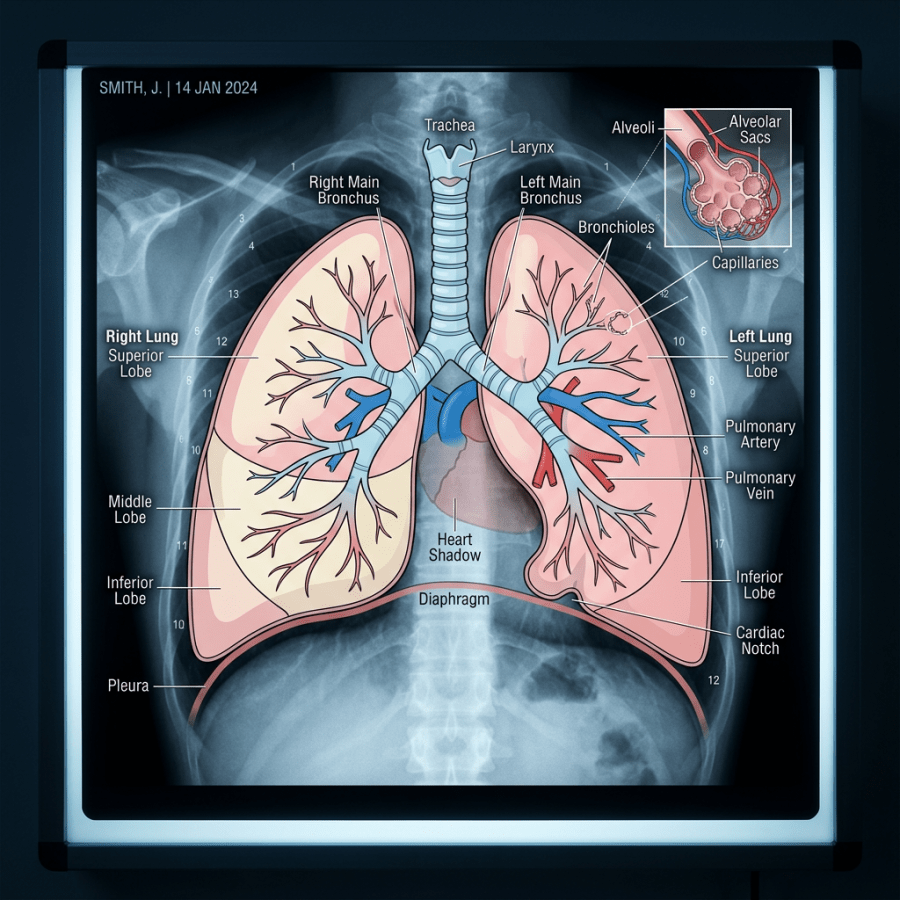

Chest X-ray with labeled lung anatomy including bronchi, lobes, pulmonary arteries and veins, diaphragm, and alveoli inset

Pneumonia: Viral, Bacterial or Walking? Am I at Risk?

shutterstock_112862059I have many patients who come to the urgent care this time of year due to cough and fever and they are worried about the possibility of pneumonia.  This is a valid concern, as pneumonia is a common illness and can lead to grave disability and even death.  Here are some questions they I often get asked and some information.  This is for informational use – please see a physician if you are worried about the possibility of pneumonia. What is pneumonia?  Community acquired pneumonia as an illness with symptoms that might be present such as cough (sometimes with mucus), fever, shaking chills, shortness of breath (may only occur when climbing stairs), and occasionally with confusion (especially in the elderly), excess sweating and clammy skin, headache, loss of appetite, low energy, and sharp or stabbing chest pain that gets worse when you breath deeply or cough. When I listen your lungs, I am listening for “crackles” which sound like scratchy sounds that sound similar to that produced by rubbing strands of hair together close to your ear. Sometimes I will order a blood test called a CBC to check white blood cell count, chest x-ray, CT  scan of the chest, and even a culture of the mucus you cough up to determine if there are bacteria present. What causes pneumonia?  Pneumonia can be caused by viruses or bacteria.  The most common pneumonia-causing germ in adults and young kids is Streptococcus pneumonia (pneumococcus).  Atypical pneumonia, often called walking pneumonia, is caused by bacteria such as Legionella pneumophila, Mycoplasma pneumonia and Chlamydophila pneumonia. Pneumocystis jiroveci pneumonia is sometimes seen in people whose immune system is not working well. Viruses are also a common cause of pneumonia, especially in infants and young children. What factors/conditions increase my chance of getting pneumonia?   Cerebral palsy, chronic lung disease (such as COPD, bronchiectasis, cystic fibrosis), cigarette smoking, difficulty swallowing (due to stroke, dementia, Parkinson’s disease, or other neurological condition), immune system problem, impaired consciousness, living in a nursing facility (such as a nursing home), other serious illnesses (such as heart disease, liver cirrhosis, or diabetes), recent surgery or trauma or recent cold, laryngitis or flu. How do you decide whether I need antibiotics and which antibiotic to use?  The choice of antibiotic is often determined by multiple factors including the patients age (certain germs are found more commonly in certain age groups), findings on chest x-ray and symptoms of the patient.  Chest x-ray in typical bacterial pneumonia (ie. pneumococcus or Streptococcus pneumonia usually confirms lobar involvement.  In contrast, in atypical pneumonia, chest x-ray shows more diffuse involvement (source – http://www.ncbi.nlm.nih.gov/pmc/articles/PMC2795279/).  If the pneumonia is caused by a virus, the antibiotic will obviously not affect the viral lung infection. What is pneumoncoccus (Streptococcus pneumonia)?  In countries like the United States, pneumococcus remains the most common and important disease-causing organism in infants. Although exact numbers are difficult to obtain, it is estimated that pneumococcus infection is responsible for more than one million of the 2.6 million annual deaths due to acute respiratory infection in children younger than 5 years. Children younger than 5 years, particularly aged 2 years or younger are at an increased risk of disease. In addition, absence of breastfeeding, exposure to cigarette smoke, daycare attendance, and lack of immunization with the pneumococcal conjugate vaccine further increase the risk of disease. Adults older than 55-65 years are the next most commonly affected age group worldwide.  As in the United States, the most common cause of Community Acquired Pneumonia (CAP) in Europe is S pneumoniae infection, affecting approximately 100 per 100,000 adults each year. Pneumococcus is usually treated with a medication such as penicillin/amoxicillin. What is atypical pneumonia (walking pneumonia)?  Atypical pneumonia refers to pneumonia caused by certain bacteria including Legionella, Mycoplasma and Chlamydophila.  Atypical pneumonia is most common in young adults and children.  Pneumonia due to mycoplasma and chlamydophila bacteria is usually mild.  The antibiotics used to treat atypical pneumonia include:  Azithromycin, Clarithromycin, Erythromycin, Fluroquinolones and Tetracyclines. What are the most common bacteria causing pneumonia in children?  That depends on the age of the child. 1)    Newborns (0 – 30 days):  Group B Streptococcus, Listeria, E-Coli, Klebsiella pneumonia 2)    Young infant (1 – 3 months):  S. pneumonia, S. aureus, and H. influenza 3)    Infants, toddlers and preschool-aged children:  Viruses remain the most common cause for approximately 90% of all pneumonias.  RSV(Respiratory Syncytial Virus) is the most common viral pathogen. 4)    School-aged children and young adolescents:  Mycoplasma pneumonia is the most frequent cause among older children. 5)    Older adolescents:  Mycoplasma pneumonia is the most common cause of community-acquired pneumonia during the teenage and young adult years. 6)    Immunocompromised children: Children with cystic fibrosis are especially prone to develop infections with S. aureus, P. aeruginosa, B. cepacia and other multi-drug resistant organisms. How is pneumonia spread?  Most of the time the infection is carried in the upper respiratory tract of the person infected.  It is spread by airborne or direct exposure to respiratory droplets from the infected person.  Illness among casual contacts is infrequent. How soon after exposure do symptoms occur?  The incubation period may vary, but is generally 1 to 3 days. Is there a vaccine to help prevent infections?  Yes, there are two different vaccines.  One primarily for adults and one for children.  The vaccine for adults had been available for many years and is called Pneumovax.  The pediatric vaccine is called Prevnar and is only for use in children under 5 years of age. Who should receive the  adult vaccine?  All adults 65 years of age or older.  All persons 2 years of age or older with:  chronic illness such as diabetes, heart or lung diseases, anatomic or functional asplenia, immunocompromised conditions (due to disease, cancer, chemotherapy or steroids), HIV infected individuals. Who should receive the childhood vaccine?  All children less than 24 months of age.  All children aged 2 to 5-6 yrs with high risk medical conditions.   I hope that you have found this information useful.  Wishing you the best of health,

Scott Rennie, D.O.
Board Certified in Obesity Medicine and Family Medicine

This blog is for educational purposes only and does not constitute individual medical advice. Always consult your own physician before making changes to your health, medications, or treatment plan.

Person stretching leg on rock near ocean at sunset

How to Stretch Out Properly

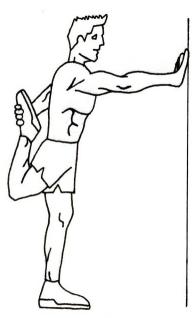
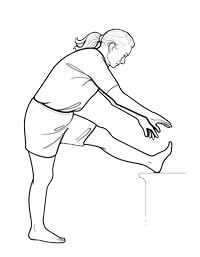
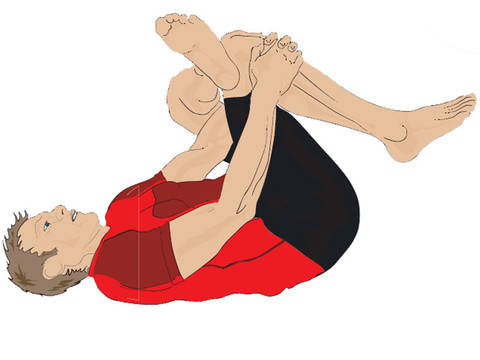
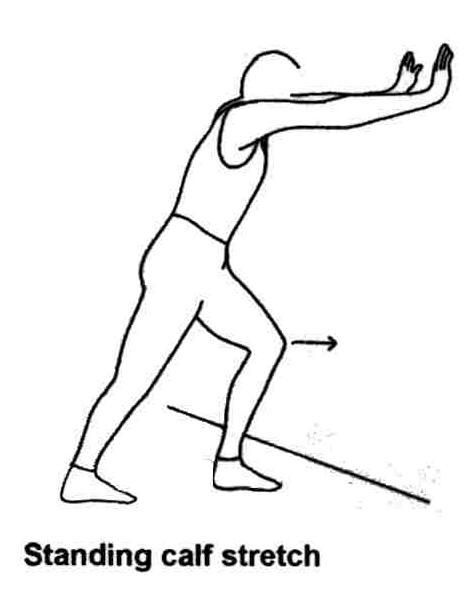
I often get questions from patients about how they should warm up or prepare before starting to exercise.  I have a few suggestions that I’ve learned over the years from physical therapists, personal trainers and patients who have come in from sports related injuries.  A good stretching warm up raises the temperature of your muscles and promotes optimal flexibility with the goal of preventing muscle strain or spasms. 1)  Understand the muscles you will be using during your particular sport.  It’s important to know what your workout will involve and then stretch those muscles.  For example, if you are a runner then warming up the hamstrings, quads and gluts are more important than the muscles of the upper body. 2)  Begin slowly.  Learn to gradually lengthen the muscles to prevent injury during exercise.  You don’t need to touch your toes immediately.  If fact if you over-stretch your muscles too quickly, it can put them into a spasm. 3)  Hold the stretch.  Begin by holding your position once your muscles reach their limit for 10-15 seconds, then relax and perform that stretch again.  Repeat on the other side of the body or extremity as necessary. 4)  Once you’ve finished your workout, stretch again.  You will increase your flexibility and it’s a great way to cool down after your exercise routine. 5)  Don’t bounce.  If you bounce when you stretch, you may increase your risk of injury and over-stretch.   You should not feel like you’re hurting yourself with stretching.  If it hurts, stop the stretch immediately. Every medical professional has their favorite stretches.  Some of my favorites include the following: A)  Quadricep Stretches:  The quadriceps are four muscles located in the anterior thigh (the Vastus lateralis, Vatus medialis, Vastus intermedius and Rectus femoris.)  This muscle group acts to extend the leg while straightening the knee.  Running, biking, jumping, hopping, and jogging all involve the quads and dysfunction in these muscles may lead to injury.  The way I stretch this muscle group is by: 1)  While standing, grab  a stable structure such as the table or counter for balance with one hand. 2)  Bend your knee back by grasping your ankle with the hand on the same side of your body 3)  Maintain the position for 15-30 seconds and if no stretch is felt, you may bend forward at the hips, then relax to a standing position. 4)  Repeat the procedure for the other leg and continue repeating for 15 minutes. B)  Hamstring stretch:  Your hamstring  is the muscle group that runs along the back of your upper leg.  Three muscles that make up the hamstrings are the biceps femoris, semimembranosus and semitendonosus.  They are mostly used as a hip extensor and 1)  Place your heel on an object approximately 18″ high, and stand as erectly as possible. 2)  Extend your low back, tilting your pelvis forward, and bend forward from the hips, maintaining the curve of your low back pain. 3)  For added emphasis, tilt your toes back toward you.  You should feel the stretch in the back of your leg.  Hold for 15-30 seconds and then repeat for the other leg for a total of 15 minutes. C)  Glute Stretch:  The glute muscles are defined as the buttocks.  They encompass the Gluteus Maximus, gluteus medius and gluteus minimus.  They play a role in movement and are used in walking, running, jumping, bicycle riding, and more.  They extend and rotate the leg. 1)  Lie on the floor or mat.  Bend knees with feet on the floor. 2)  Cross lower leg over thigh and grasp back of thigh of the lower leg with both hands 3)  Pull leg toward torso and hold stretch for 15-30 seconds.  Repeat for the opposite leg and continue for a total of 15 minutes. D)  Calf Stretch:   The calf muscles consist of the gastrocnemius and the soleus. The gastrocnemius is the big muscle at the back of the lower leg.  It helps us plantar flex (point the food down).  It also helps with knee extension.  The Soleus muscle’s action is ankle plantar flexion. 1)  Place the toes of one foot up onto the wall so that your heel is still on the ground 2)  Lean forward until a stretch is felt in your calf, keeping your knee straight. 3)  Hold for 15-30 seconds and then repeat with the other foot.  Continue for a total of 15 minutes.   I hope that you have found this information useful.  Wishing you the best of health,

Related Reading

Low Back Pain: What Can Actually Help You Find Relief? Cervicalgia – A Pain in the Neck Plantar Fasciitis Explained: A Real Pain in the Foot Shoulder Pain: Common Causes and Treatment Options How to Manage Chronic Pain Without Relying on Medication

Scott Rennie, D.O.
Board Certified in Obesity Medicine and Family Medicine

This blog is for educational purposes only and does not constitute individual medical advice. Always consult your own physician before making changes to your health, medications, or treatment plan.

Bedside table with lit lamp, vintage alarm clock, book, glasses, and coffee cup next to bed

Sleep Tips to Help You Adjust After the Time Change

shutterstock_165363764It’s that time of the year again for most of us in the United States to change our clocks back one hour to standard time (except Alaska and Arizona).  For most of us means gaining an extra hour of sleep on Sunday morning. The problem is that even this one hour time change can affect our “internal clock.”  The good news is however, that this time shift in the autumn is better tolerated for most, than the change in the spring.  If you find that you have trouble with your sleep however,  here are some hints. 1.  Don’t try to force yourself to go to sleep as this can cause frustration.  If you go to bed and find that you cannot fall asleep within a reasonable amount of time – say 15-30 minutes, get up out of bed and do something else until you start to fall sleepy.  Then go back to the bedroom and try sleeping again. 2.  Don’t read or use your computer in the bed.  If you do these other non-sleep related activities in bed, your brain actually begins to associate the bed with activities other than sleep. 3.  Decrease the amount of light you are exposed to an hour or so before bedtime.  Melatonin, a hormone released in the brain is affected by light exposure.  As the amount of light entering your eyes decreases, the level of melatonin in the brain increases and stimulates sleepiness. 4.  Don’t sleep in or take naps.  Get up at your normal time, even if you don’t have any obligations that you need to attend to.  Establishing a sleep pattern in important, and if you sleep in or take a nap, you may find it harder to sleep later on. 5.  Adjust the temperature of the room.  Usually decreasing the temperature  slightly at the night is helpful, because the natural circadian rhythm during sleep decreases our temperature slightly. 6.  Participate in some relaxing activity before bed rather than exercising, reading an adrenaline raising story, or watching a horror film.  It may seem obvious, but even watching the nightly news before going to bed can make getting to sleep more challenging. 7.  Decrease the noise in your environment.  Wear ear plugs if you cannot change to a location that is quiet. 8.  Don’t go to bed on an empty stomach, or when your stomach is over-full.  Too much fluid intake may also cause unwanted trips to the toilet.  Pay special attention to caffeine, nicotine and alcohol intake which can all negatively impact sleep.  Alcohol may make you feel sleepy at first, but as it wears off it may disrupt sleep later in the night.   I hope that you have found this information useful.  Wishing you the best of health,

Scott Rennie, D.O.
Board Certified in Obesity Medicine and Family Medicine

This blog is for educational purposes only and does not constitute individual medical advice. Always consult your own physician before making changes to your health, medications, or treatment plan.

Microscopic glowing microbes of various shapes and colors against a dark background

Superbugs CRKP, CRE and MRSA: Who Is Actually at Risk?

CRKP is a word that fell out of use, and that tells you something

In 2011 the acronym in every headline was CRKP, carbapenem-resistant Klebsiella pneumoniae. You will barely see it now. Laboratories and public health agencies talk about CRE instead, carbapenem-resistant Enterobacterales, a family that includes Klebsiella along with E. coli, Enterobacter, Serratia and their relatives in the gut.

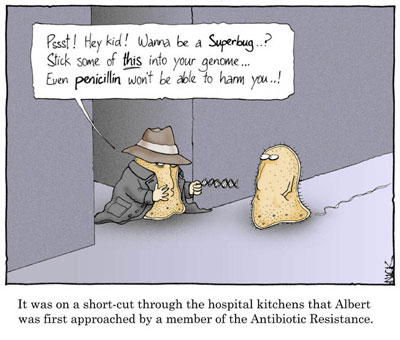
The rename happened because the species turned out to be the least interesting part. Resistance here rides on plasmids, small loops of DNA that one organism hands to another. A carbapenemase gene sitting in Klebsiella one week can be in E. coli the next, inside the same patient. The useful question stopped being which bug and became which gene. CDC now sorts these isolates by carbapenemase: KPC, NDM, OXA-48-like, VIM, IMP.

The World Health Organization’s 2024 Bacterial Priority Pathogens List puts carbapenem-resistant Enterobacterales in the critical category, the top tier, next to carbapenem-resistant Acinetobacter baumannii and rifampicin-resistant tuberculosis (1). MRSA sits a rung lower, in the high category (1). That is a distinction worth keeping. The organism most people have heard of ranks below the one they have not.

What the current US numbers actually say

CDC published a five-year analysis in Annals of Internal Medicine in September 2025, drawing on 29 states that require submission of carbapenem-resistant isolates, covering about 35 percent of the US population (2). Carbapenemase-producing CRE went from 2,267 cases in 2019 to 4,341 in 2023. Age-adjusted incidence up 69 percent. The subgroup driving that rise was NDM, up 461 percent across the same five years (2).

The NDM figure is the one I pay attention to. NDM stands for New Delhi metallo-beta-lactamase, and it matters because most of the newer agents built for CRE were built against KPC, the carbapenemase that used to dominate here. In CDC’s own Emerging Infections Program laboratory data, published in Emerging Infectious Diseases in May 2026, the share of carbapenemase-producing CRE isolates carrying blaNDM climbed from 5.4 percent in 2016 to 39.8 percent in 2023 (3). By 2023, NDM was present in 27 percent of carbapenem-resistant E. coli (2).

Now the scale. Unadjusted incidence of carbapenemase-producing CRE in that 29-state cohort was 3.67 per 100,000 people in 2023 (2). Roughly four isolates per hundred thousand residents in a year.

MRSA is far more common, and its curve is flatter than the headlines suggest. Six surveillance sites counted 43,921 MRSA bloodstream infections between 2005 and 2022 (4). Incidence dropped from 32.6 per 100,000 in 2005 to 15.7 in 2016, and then the decline stopped and reversed upward through 2019, before the pandemic (4). Worldwide, deaths directly attributable to MRSA rose from 57,200 in 1990 to 130,000 in 2021 (5).

If you are reading this at home and feeling fine

Here is what the 2011 coverage never gave you. CRE is a healthcare organism. In CDC population-based surveillance across eight US sites, 1,499 CRE cases were identified and only 149 of them, 10 percent, occurred in someone with no healthcare risk factor at all (6). Overall CRE incidence in that surveillance was 2.96 per 100,000 per year. For the community-associated cases it was 0.29 (6). Of those community cases, 98 percent came from urine cultures (6).

MRSA bacteremia has the same shape. Of those 43,921 bloodstream infections, 62.3 percent were healthcare-associated community-onset, meaning the person was not an inpatient when the culture was drawn but had dialysis, recent surgery, a catheter or a recent admission behind them. Another 18.7 percent started in the hospital. That leaves 18.2 percent with no healthcare link (4), and the group driving the rise in that last category before 2020 was people who inject drugs (4).

The median age of a CRE patient in Tennessee’s 2016 to 2022 surveillance was 69.5 years (7).

So if you have not been hospitalized, have no indwelling device, are not on dialysis, do not live in a long-term care facility and have not been through repeated courses of broad-spectrum antibiotics, your CRE risk sits near that 0.29 per 100,000. I am going to say that without hedging, because hedging it does you no favors. The people who genuinely need to worry about CRE mostly already know they are seriously ill.

The boil you had is a different problem

You may have had a hot red lump that got drained and cultured out as MRSA. That is community-associated MRSA skin infection, and it is a separate clinical animal from the resistant gram-negatives that make the news.

The May 2026 American Family Physician review on skin and soft tissue infections lands where practice has sat for years. Drainage is the treatment. Antibiotics after drainage lower the chance of failure and recurrence, and do not substitute for the procedure (8). Trimethoprim-sulfamethoxazole or clindamycin covers community MRSA (8). One detail worth having if anyone offers you a nasal swab: a negative nasal MRSA PCR does not rule out MRSA as the cause of a cellulitis or an abscess (8).

I send a suspected abscess out for drainage right away rather than treating it empirically and waiting. Drainage is what cures an abscess, and an antibiotic on its own is neither necessary nor sufficient.

Having had a MRSA boil does not put you on a path toward CRE. Different organism, different reservoir.

For clinicians, the report line is no longer the answer

Two things should change what you do.

The word CRE on a micro report has stopped being sufficient. Treatment now depends on carbapenemase class, and the CDC authors say so plainly: carbapenemase testing is limited in clinical laboratories, public health laboratory results often arrive too late for the decision in front of you, and susceptibility testing for aztreonam-avibactam and cefiderocol, the only beta-lactam-based agents active against NDM, is not widely available (2). A ceftazidime-avibactam reflex that was defensible in a KPC-dominant era will fail against an NDM producer. Learn your local carbapenemase mix.

Admission risk prediction also works better than most of us assume. A model validated in 2025 against Atlanta public health data and then replicated inside an academic health system identified patients at high risk of carrying CRE on admission using age, prior infection diagnosis, and the number and mean length of acute care hospitalizations in the preceding year, reaching an area under the curve of 0.85 in the public health dataset; adding Elixhauser comorbidity score, antibiotic days of therapy in the prior year, diabetes and prior ICU admission improved performance within the health system (9). Antibiotic days in the prior year is the variable you can actually move.

The outcomes justify the attention. In Tennessee surveillance, carbapenemase-producing CRE carried more than double the odds of death at 90 days compared with non-carbapenemase-producing CRE (odds ratio 2.22, 95 percent CI 1.12 to 4.42) (7).

I do not routinely ask about hospitalization outside the United States when someone reports recurrent urinary tract infections. That is a description of my practice, not a defense of it. The NDM figures above, and the travel and foreign-healthcare exposure that sits behind much of that risk, are printed a few paragraphs from that sentence, and a reader who notices the gap between the two is reading correctly.

The Bottom Line

CRKP became CRE because the resistance gene travels between species and now matters more than the name of the organism carrying it. Carbapenemase-producing CRE is rising here, 69 percent higher in age-adjusted incidence from 2019 to 2023, with NDM up 461 percent (2). At 3.67 cases per 100,000 it stays uncommon, and it stays concentrated. Ninety percent of CRE cases in CDC surveillance had a healthcare risk factor (6). About 81 percent of MRSA bloodstream infections were hospital-onset or healthcare-associated (4).

If you are healthy, out of the hospital and free of devices, these organisms are a public health problem you should want funded, not a personal threat that should cost you sleep. If you are on dialysis, living in long-term care, carrying a central line, or coming off months of broad-spectrum antibiotics, the math is different. The conversation to have with your physician then is about lines and antibiotic exposure, not about hand sanitizer.

Sources

1. World Health Organization. WHO updates list of drug-resistant bacteria most threatening to human health. 17 May 2024. https://www.who.int/news/item/17-05-2024-who-updates-list-of-drug-resistant-bacteria-most-threatening-to-human-health and WHO bacterial priority pathogens list, 2024. https://www.who.int/publications/i/item/9789240093461

2. Rankin DA, Stahl A, Sabour S, Khan MA, Armstrong T, Huang JY, Baggs J, Spalding Walters M. Changes in Carbapenemase-Producing Carbapenem-Resistant Enterobacterales, 2019-2023. Ann Intern Med. 2025 Sep 23;178(12):1818-1821. https://pmc.ncbi.nlm.nih.gov/articles/PMC12645407/

3. Increase in blaNDM among Carbapenemase-Producing, Carbapenem-Resistant Enterobacterales, United States, 2016-2023. Emerg Infect Dis. 2026 Jun;32(6). Published online 27 May 2026. https://wwwnc.cdc.gov/eid/article/32/6/25-1404_article

4. Biggs HM, Li R, Jackson KA, Nadle J, Petit S, Ray SM, Lynfield R, Como-Sabetti K, Dumyati G, Gellert A, Walsh M, Schaffner W, Baggs J, See I. Trends in Incidence and Epidemiology of Methicillin-Resistant Staphylococcus aureus Bacteremia, Six Emerging Infections Program Surveillance Sites, 2005-2022. Open Forum Infect Dis. 2025;12(6):ofaf282. https://pmc.ncbi.nlm.nih.gov/articles/PMC12125674/

5. GBD 2021 Antimicrobial Resistance Collaborators. Global burden of bacterial antimicrobial resistance 1990-2021: a systematic analysis with forecasts to 2050. Lancet. 2024;404(10459):1199-1226. https://pubmed.ncbi.nlm.nih.gov/39299261/

6. Bulens SN, Reses HE, Ansari UA, et al. Carbapenem-resistant Enterobacterales in individuals with and without health care risk factors, Emerging Infections Program, United States, 2012-2015. Am J Infect Control. 2023 Jan;51(1):70-77. https://pmc.ncbi.nlm.nih.gov/articles/PMC10881240/

7. Muleta D, Nouer SS, Tolley EA, Villegas RM, Taylor J, Harriott MM. Epidemiology of carbapenem-resistant Enterobacterales infections in Tennessee, 2016-2022. Epidemiol Infect. 2025 Sep 8;153:e119. https://pmc.ncbi.nlm.nih.gov/articles/PMC12529416/

8. Chambliss ML, Rumball A, Brown CM. Skin and Soft Tissue Infections. Am Fam Physician. May 2026. https://www.aafp.org/afp/2026/0500/skin-soft-tissue-infections

9. Prakash-Asrani R, Bower C, Robichaux C, Chan B, Jacob JT, Fridkin SK, Howard-Anderson J. Identifying patients at high risk for carbapenem-resistant Enterobacterales (CRE) carriage on admission to acute care hospitals: validating and expanding on a public health model. Infect Control Hosp Epidemiol. 2025 Apr;46(4):398-403. https://pmc.ncbi.nlm.nih.gov/articles/PMC12015620/

Related Reading

Why Won’t Antibiotics Cure a Viral Infection? Doctor Explains Antibiotic Resistance Could End Modern Medicine, WHO Warns I hear it almost every day now. “I think I just need a Z-Pak.” Abscesses – What to do about MRSA (Methicillin-resistant Staphylococcus aureus)

Scott Rennie, D.O.
Board Certified in Obesity Medicine and Family Medicine

This blog is for educational purposes only and does not constitute individual medical advice. Always consult your own physician before making changes to your health, medications, or treatment plan.

Weekly pill organizer, daily medication log with times checked, calendar with medication reminders

Tips to Manage and Organize Your Elderly Parent’s Medications

shutterstock_138204188

Many of my patients, and many of the families I work with, face the same challenge. Their parents are taking multiple medications, sometimes several times a day, and it’s hard to keep everything straight. As memory declines with age, the details of what to take, when to take it, and why it matters can easily get lost. The problem is that missing doses or mixing up prescriptions can quickly affect health.

I’ve found that patients do better when they understand why they’re taking each medication. A simple note like “blood pressure” or “cholesterol” written next to the name helps. I often hand out an updated medication list at every visit. It’s printed in a large, easy-to-read font so it doesn’t get overlooked. Some people keep that list on the fridge or next to their pill bottles so they can check it quickly. Others like to carry it on a USB drive or keep it stored securely online, so it’s available if they land in another clinic or hospital. The key is making sure the list stays current. Whenever a prescription changes, I encourage families to replace the old list immediately (Centers for Disease Control and Prevention, 2023).

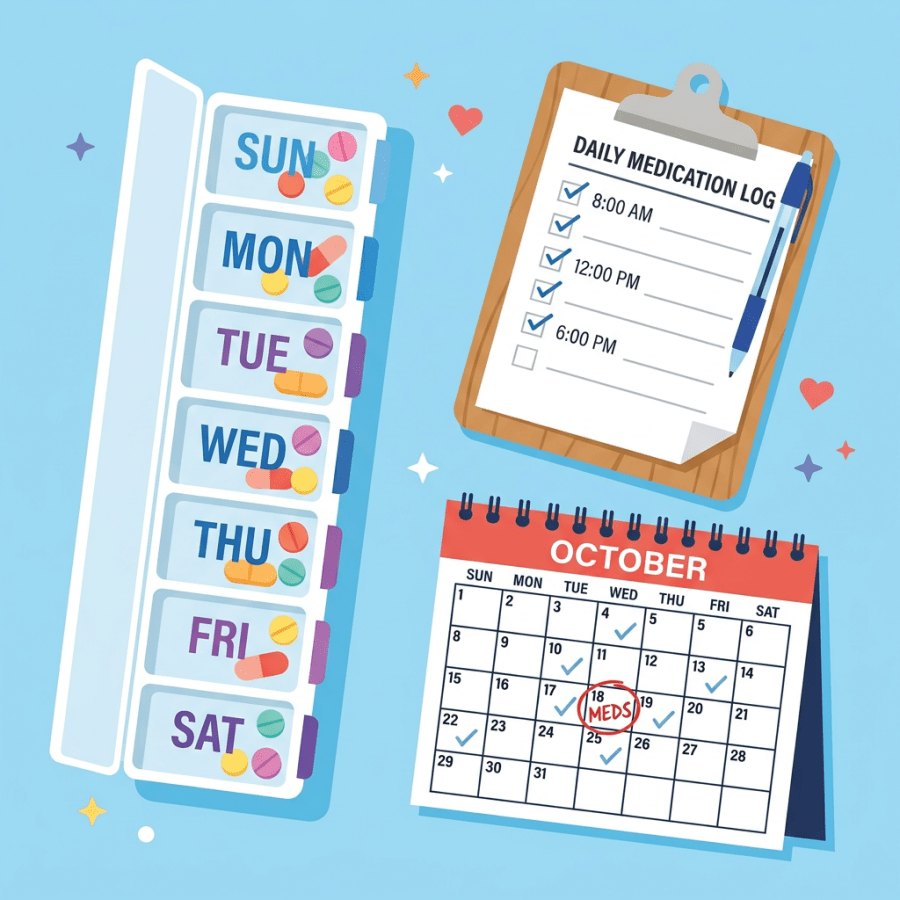
Where medications are stored makes a difference too. If bottles are tucked away in a cabinet, they’re easier to forget. Putting them near the coffee maker, a water dispenser, or a bathroom sink works better. Those spots become natural reminders because the person passes them throughout the day.

When I visit a patient at home, I try to look at the actual bottles. Comparing what’s on the label with what’s on the chart can prevent mistakes, like taking an outdated prescription. If a refill is almost due, it’s easier to take care of it right then than to wait until the patient runs out.

Simple tools can also make a big impact. Pill boxes are inexpensive and work well for organizing doses by day or time. Even basic versions you can buy at the pharmacy help patients and caregivers see at a glance whether a dose has been taken. More advanced boxes come with reminders built in, though those cost more.

Technology is playing a growing role in this space. Some prescription bottles now come with reminder caps that glow, beep, or even send a text message when it’s time to take the next dose. Vitality’s GlowCaps are one example that combine light and sound alerts with electronic reminders (Vitality, 2024). For patients who already use smartphones, setting a daily alarm or calendar alert works just as well.

There are also mobile apps designed specifically for tracking medications. Options like iPills, Pillbox, Pillboxer, and The Pill Phone help patients and caregivers schedule, track, and confirm doses (National Institutes of Health, 2022). For tech-savvy patients, these can reduce the burden of trying to remember everything on their own.

None of these approaches are complicated, but they do take a little extra time and attention. Whether it’s keeping an updated list, moving the bottles where they’re easier to see, or using a pill box or phone alarm, the goal is the same. Patients who remember their medications stay healthier, and caregivers have one less thing to worry about.

This article is for information only and is not medical advice for any individual. Please talk with your medical provider about any specific questions.

Scott Rennie, D.O.
Board Certified in Obesity Medicine and Family Medicine

This blog is for educational purposes only and does not constitute individual medical advice. Always consult your own physician before making changes to your health, medications, or treatment plan.

Two steaming cups of tea on wooden coasters on a windowsill with a garden view

End-of-Life Care: How to Talk About Your Own Wishes

shutterstock_57012596

Last week I sat with a patient who wanted to talk about end of life care. They weren’t sure how to bring it up with their family. That’s something I see often. These conversations are difficult, and many families don’t know what their loved one would want until a crisis forces the issue.

In medicine, we routinely ask elderly or terminally ill patients about their preferences if their heart were to stop or they couldn’t breathe. For younger patients the assumption is clear—everything will be done. That usually means putting in a breathing tube, doing CPR, and starting medications through an IV. But for someone at the end of their life, those same measures may not be what they want. Some even feel those interventions would add suffering rather than comfort. What many people don’t realize is that unless there’s a written order stating otherwise, hospitals are required to attempt resuscitation (American Hospital Association, 2008).

Families often find it easier to honor those wishes if they’ve already been discussed. I’ve seen the opposite too—relatives gathered at the bedside, each with a different opinion, unsure of what the patient would have chosen. When these conversations happen in advance, patients get peace of mind and families can act with confidence.

Many hospitals offer worksheets to help guide these decisions. They can be filled out ahead of time and kept in an accessible place, like on the refrigerator. That way, if emergency responders arrive, the document is easy to find. State-specific advance directives were available as early as 2011 through the National Hospice and Palliative Care Organization, and those forms allowed patients to record their choices and designate someone to speak for them if they could not (NHPCO, 2011).

These conversations are never simple, but they make a difference. They help ensure care matches what the patient truly wants and reduce the stress on families in the middle of a crisis.

Scott Rennie, D.O.
Board Certified in Obesity Medicine and Family Medicine

This blog is for educational purposes only and does not constitute individual medical advice. Always consult your own physician before making changes to your health, medications, or treatment plan.


Sources (pre-2011):

  • American Hospital Association. “Patient Self-Determination Act and Advance Directives.” AHA, 2008.

  • National Hospice and Palliative Care Organization. “Advance Directives.” NHPCO, 2011.

Can Doctors Help Seniors Live Independently Longer?

One of the main goals in my practice has always been to help older patients stay in their own homes for as long as possible. People do better when they remain in familiar surroundings and in the communities they know. Families often ask me how they can let their loved one hold on to independence while still getting the care they need.

There are real challenges. Memory problems can make it hard to keep track of medications. Mobility issues after something like a hip fracture can limit daily activity. Chronic conditions such as heart failure, uncontrolled diabetes, or severe COPD can complicate matters further. And many times, family members live hours away or even in another state, which makes caregiving even harder.

I’ve found that having a primary care provider who coordinates all aspects of medical care is one of the most important steps. When patients are dealing with multiple specialists, prescriptions, and appointments, it’s easy for things to get confusing. My role often becomes helping them navigate the system and making sure nothing slips through the cracks.

Simple tools can help. Some patients do well with prescription bottles that have timer caps, which remind them when it’s time for the next dose. Others like having a printed summary of their medications and visits, since it’s easy to forget details once they leave the office. Families often appreciate being kept in the loop about any changes in treatment, especially if they aren’t nearby.

Technology was already making inroads by 2011. I had patients who carried their medical records on a small device attached to their key ring so that if they ended up in an emergency room, their history could be accessed quickly (Agency for Healthcare Research and Quality, 2009). Even basic tools like calendars, written reminders, and updated medication lists can reduce errors and stress.

Home visits give another layer of insight. Seeing the living space allows me to suggest equipment that supports independence. A shower chair or grab bars in the bathroom can prevent falls. A raised toilet seat or a bed rail can make daily tasks safer. Some patients benefit from a hospital-type bed that can be adjusted for breathing or comfort, or from an over-bed table to help with meals and reading. These small changes can make a big difference in whether someone can stay at home comfortably.

I’ve also seen how involving patients in decisions about their care improves outcomes. When they feel ownership—whether it’s deciding which pill organizer to use or whether to accept in-home care—they’re more likely to follow through. At the same time, we have to be cautious about medications that increase fall risk, such as sedatives, and review them regularly (Institute of Medicine, 2006).

Helping older adults remain independent at home is one of the most rewarding parts of my work. It’s about supporting both the patient and their family, finding the right balance of medical care, safety, and autonomy.

Scott Rennie, D.O.
Board Certified in Obesity Medicine and Family Medicine

This blog is for educational purposes only and does not constitute individual medical advice. Always consult your own physician before making changes to your health, medications, or treatment plan.

Sources:

  • Agency for Healthcare Research and Quality. “Personal Health Records: Improving Patient Safety.” AHRQ, 2009.

  • Institute of Medicine. “Preventing Medication Errors.” National Academies Press, 2006.

Can Eating Pineapple Help Treat Gout Pain Naturally?

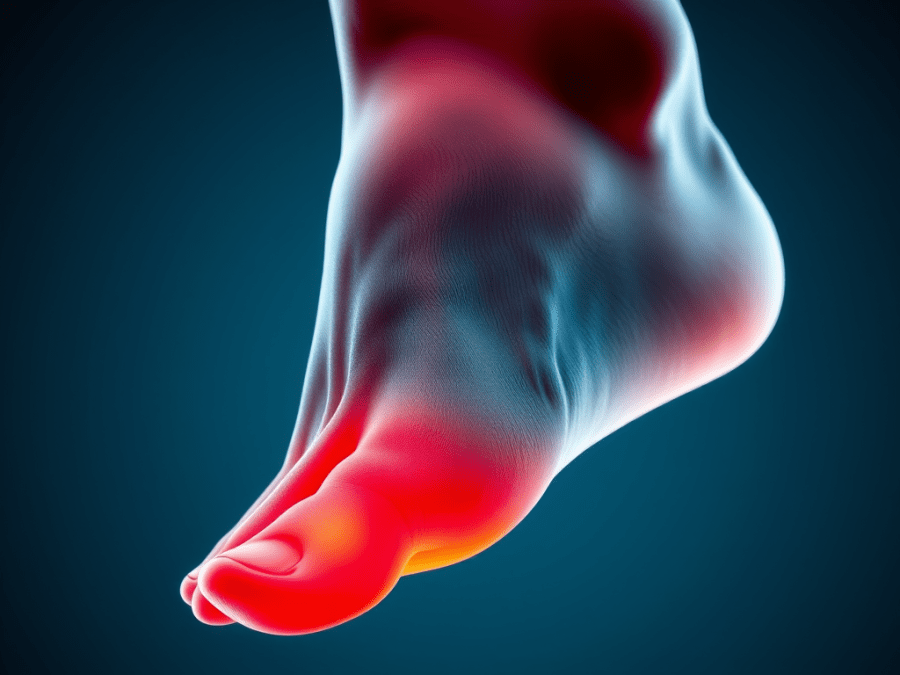
Gout is a common condition that happens when uric acid crystals build up inside the joints. The result is sudden, severe pain with swelling, redness, and loss of function. The joint at the base of the big toe is the one most often affected. Doctors call this podagra. But gout doesn’t stop there. I’ve seen it flare in the ankle, the wrist, the knee, and even the shoulder or hip. It can also involve the kidneys if crystals begin to form there, which can complicate the picture.

When someone has been diagnosed with gout, one of the first conversations is about diet. Certain foods can raise uric acid levels and set off an attack. Red meat, some seafood, beer, and drinks with high fructose corn syrup are well-known triggers (National Institute of Arthritis and Musculoskeletal and Skin Diseases, 2011). Patients often notice the pattern themselves after a few flares.

During an acute attack, the goal is relief. In the office, I’ll usually talk through standard treatment options. Nonsteroidal anti-inflammatory drugs like ibuprofen or naproxen are often first line. Colchicine is another option, and in severe cases, a corticosteroid injection directly into the joint can bring fast relief (American College of Rheumatology, 2010). These treatments can be effective, but they aren’t without risk. Side effects, cost, and access are real considerations for many patients.

Some people ask about natural approaches. I’ve had patients report success with pineapple, which contains bromelain, an enzyme with anti-inflammatory properties. One patient told me that eating pineapple right after the onset of pain worked better for them than any pill. While that’s anecdotal, bromelain has been studied as a supplement and is available in capsule form as well (University of Maryland Medical Center, 2010). As with any supplement, I advise patients to check with their doctor before starting it.

Hydration is another piece of advice I return to often. Uric acid crystals form more easily in concentrated urine. Drinking water dilutes the urine and helps the kidneys flush uric acid more efficiently. The Arthritis Foundation has long recommended at least eight to twelve glasses of water a day for patients with gout (Arthritis Foundation, 2011). It’s a simple step but one that can make a difference.

Gout is painful, but with attention to triggers, thoughtful use of medications, and supportive measures like hydration, patients can reduce the frequency and severity of attacks.

Related Reading

Diagnosed With Gout? What It Means and How to Prevent Flares

How to Manage Chronic Pain Without Relying on Medication

I Hurt My Finger or Toe: How Do I Know if It’s Fractured?

Scott Rennie, D.O.
Board Certified in Obesity Medicine and Family Medicine

This blog is for educational purposes only and does not constitute individual medical advice. Always consult your own physician before making changes to your health, medications, or treatment plan.

Sources:

  • National Institute of Arthritis and Musculoskeletal and Skin Diseases. “Questions and Answers about Gout.” NIH, 2011.

  • American College of Rheumatology. “Gout Clinical Practice Guidelines.” ACR, 2010.

  • Arthritis Foundation. “Living with Gout: Lifestyle and Diet.” Arthritis Foundation, 2011.

  • University of Maryland Medical Center. “Bromelain.” UMMC Complementary and Alternative Medicine Guide, 2010.

Why Do People Pinch Others on Saint Patrick’s Day?

The tradition of wearing green on St. Patrick’s Day goes back a long way. Stories trace it to the 1700s in America, where Irish immigrants brought their customs into everyday celebrations. One of those customs centered on leprechauns and other mischievous fairy creatures. Folklore said that these beings liked to pinch anyone they could see. Green clothing was thought to make you invisible to them, which meant you could avoid the pinch.

That legend made its way into how people celebrate the holiday today. Instead of leaving the pinching to fairies, people began doing it themselves as a reminder of the old tale. If someone forgot to wear green, they might get a quick pinch from a friend. It became a playful way to connect back to the folklore and to keep the custom alive.

It’s a small example of how cultural traditions evolve. What started as Irish folklore became something Irish Americans practiced, and then it spread more widely. The pinching tradition doesn’t have roots in Ireland itself—it grew here in the United States as a way of marking the holiday and tying it to stories people were already familiar with.

Scott Rennie, D.O.
Board Certified in Obesity Medicine and Family Medicine

This blog is for educational purposes only and does not constitute individual medical advice. Always consult your own physician before making changes to your health, medications, or treatment plan.

Flat vector outdoor air quality monitoring station

EPA Air Monitoring Effort: What the Statement Says

3/15/2011 WASHINGTON – As the Nuclear Regulatory Commission has said, we do not expect to see radiation at harmful levels reaching the U.S. from damaged Japanese nuclear power plants. As part of the federal government’s continuing effort to make our activities and science transparent and available to the public, the Environmental Protection Agency (EPA) will continue to keep all RadNet data available in the current online database. In addition, EPA plans to work with its federal partners to deploy additional monitoring capabilities to parts of the western U.S. and U.S. territories. As always, EPA is utilizing this existing nationwide radiation monitoring system, RadNet, which continuously monitors the nation’s air and regularly monitors drinking water, milk and precipitation for environmental radiation. The RadNet online searchable database contains historical data of environmental radiation monitoring data from all fifty states and U.S. territories.

Scott Rennie, D.O.
Board Certified in Obesity Medicine and Family Medicine

This blog is for educational purposes only and does not constitute individual medical advice. Always consult your own physician before making changes to your health, medications, or treatment plan.