by Stephen Meyers, MD
Have you ever been frustrated by an unproductive or inopportune visit with your doctor that wasted your time and money?
Here are a few tips to keep that from happening again.
The problem
Many visits with healthcare providers are poorly timed and less productive than they could be. Why? Because nobody is looking out for you between visits. It’s not that your doctor doesn’t care. He or she is simply too busy with clinical tasks to be able to optimize your visits.
As a result, you spend more money and get suboptimal care:
- Extra visits and additional costs at the pharmacy.
- Incorrect or unnecessary testing and treatment.
- Rushed decisions and explanations.
- Some visits are so handicapped by poor planning that they accomplish nothing, wasting both your time and money.
- Most important: When making the appointment, inform the receptionist of EVERY issue that you need to cover so that adequate time is scheduled. If you think of additional topics to be addressed, call back to allow a previously scheduled visit to be extended.
- Schedule visits just before medications refills are due to avoid wasting purchased prescriptions.
- Using a mail-order pharmacy? Allow time for shipping to avoid expensive local refills.
- Space out visits to different healthcare providers to avoid redundant care.
- Most important: Bring your insurance drug formulary and/or pharmacy discount drug list.
- Be sure to know details about any ineffective or poorly tolerated past medications. (Tip: If you can’t remember a name or dose, check with the pharmacy.)
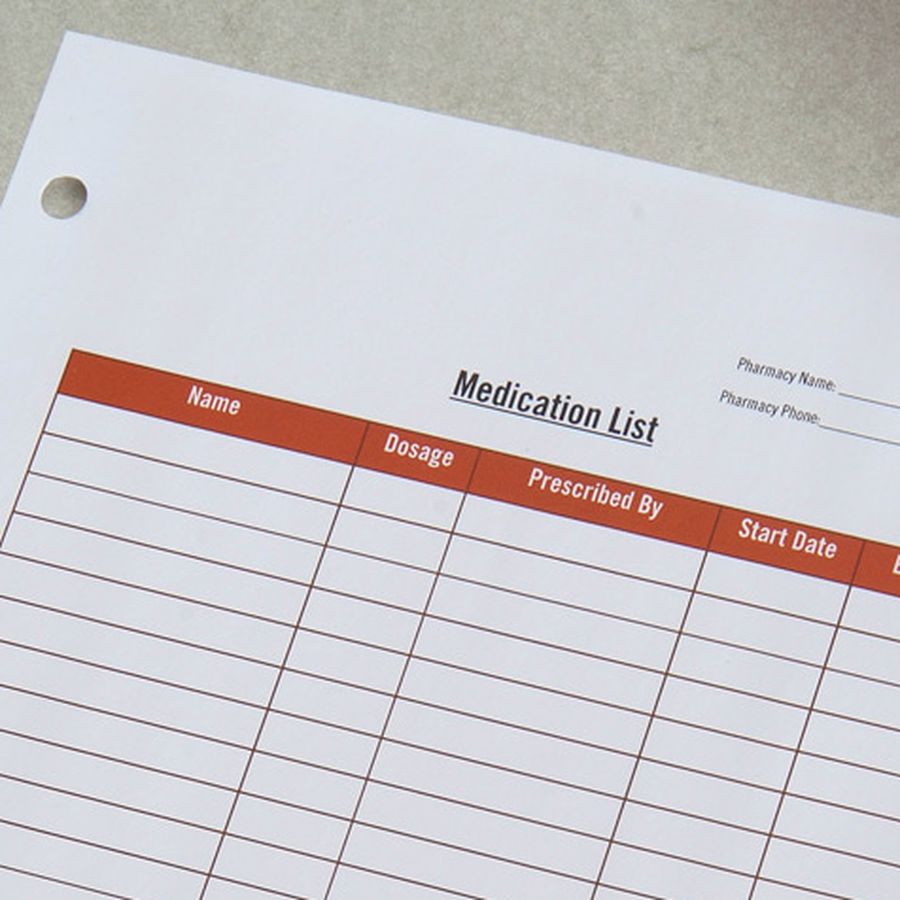
- Carry an accurate list of current medications and dosages.
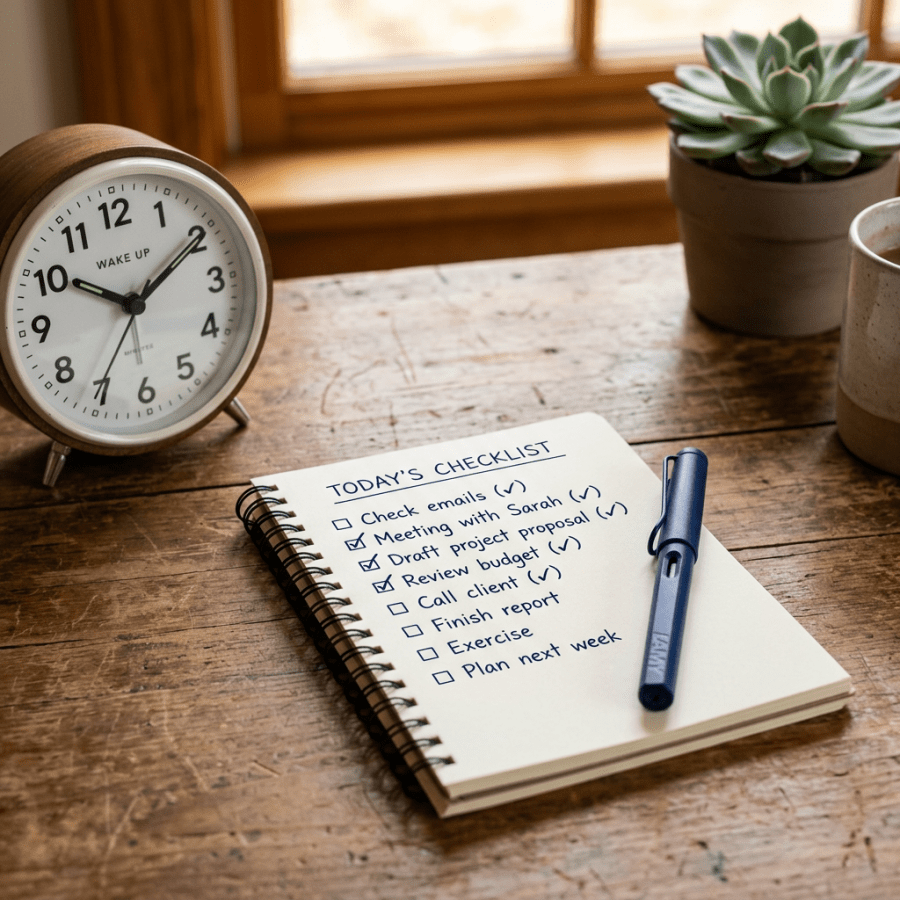
- Most important: Make a prioritized list of items that you hope to address. Always present your list to the doctor at the start of the visit.
- Don’t count on your doctor to identify non-immediate issues that may soon need follow-up. (Tip: Look for any prescriptions that have fewer than five refills left.)
- Identify any future exam or paperwork deadlines (school, camp, daycare, work, employment, insurance). Address them now, or account for them in the timing of your visit.
- Most important: Turn in your homework. Examples might include home blood pressure measurements, blood sugar results or a detailed timeline of your symptoms.
- Gather or request all past records related to issues that you plan to address.
- Bring all recommendations from other healthcare providers seen since your last visit.
- Most important: Consider what tests you will soon be due for. Get them out of the way now.
- Bring a copy of all recent and past pertinent test results done elsewhere.
- Get a copy of any test results performed this visit.
Scott Rennie, D.O.
Board Certified in Obesity Medicine and Family Medicine
This blog is for educational purposes only and does not constitute individual medical advice. Always consult your own physician before making changes to your health, medications, or treatment plan.
 Doctor Rennie's Blog