

Why Stress Makes You Hungry: The Link to Obesity

One of the harder conversations I have with patients carrying overweight and obesity is about stress and eating. People tell me they reach for snacks when they are anxious or exhausted. That part is familiar to everyone. What is less obvious is how thoroughly stress rewrites the biology of appetite, and how far past willpower the problem sits.

Under ordinary circumstances, hunger runs on homeostatic systems responding to real energy needs. Stress shifts that balance toward non-homeostatic eating, meaning eating driven by something other than fuel. Cortisol rises. Brain reward pathways get stimulated. Cravings sharpen for calorie-dense, highly processed food. Over time the pattern feeds visceral fat gain and insulin resistance (Adam & Epel, Physiol Behav, 2007).

The affect regulation model explains the loop. Stress raises negative emotion, anxiety, sadness, tension. Eating reduces those feelings briefly. That behavior can escalate into binge episodes defined by loss of control and large quantities of food, and binge eating then reinforces itself psychologically and biologically (Heatherton & Baumeister, Psychol Bull, 1991; Telch & Agras, Int J Eat Disord, 1996). Cortisol rises further, abdominal fat increases, glucose spikes worsen insulin resistance.

Sleep and physical activity sit on top of this. Poor sleep increases cravings and erodes impulse control. Exercise works the other way, spending energy while lowering stress and improving mood, and patients who increase activity often find cravings less overwhelming. Food type matters too. Ultra-processed products are engineered to be hyper-palatable and push reward systems harder than whole foods do. Sugary drinks and fructose-rich snacks impair satiety and drive fat storage.

Identifying stress eating often starts with a plain question. I ask patients whether they feel they eat more than the people around them, or whether they ever feel out of control around food. Those two questions surface patterns people have struggled to put into words. Catching it early makes everything downstream more effective.

Patients with stress eating or binge eating disorder face additional obstacles. They drop out of weight programs at higher rates, regain faster, and need strategies reaching past diet and exercise. Emotional regulation, awareness of hunger and fullness cues, and methods for reducing stress responses all become part of the treatment rather than adjuncts to it. Emotion regulation deficits are well documented in binge eating disorder specifically (Czaja, Rief & Hilbert, Int J Eat Disord, 2009).

Mindfulness has trial support. The SHINE study found that a mindfulness-based intervention reduced reward-driven eating and improved fasting glucose in adults with obesity, with modest but real weight change and without strict calorie counting (Daubenmier et al., Obesity, 2016; Mason et al., J Behav Med, 2016). Cognitive behavioral therapy is the other well-supported tool, particularly for binge eating disorder. Both give patients skills for managing stress that don’t route through food.

Medication has a role. Lisdexamfetamine is FDA-approved for moderate to severe binge eating disorder. SSRIs and topiramate get used in selected cases. Continuous glucose monitoring has been explored as a way to show patients how binge episodes register physiologically in real time, and the work so far is early and promising rather than established (Presseller et al., Int J Eat Disord, 2024). Bariatric surgery remains an option, though outcomes may be less favorable when binge behaviors haven’t been addressed first.

Stress eating is biology, psychology, and environment colliding in ways that push people toward overeating, and weak discipline explains none of it. Naming it and treating both the triggers and the physiology is what breaks the cycle. Treatment combining stress management, emotional regulation, and behavioral support makes lasting change realistic.

Scott Rennie, D.O.

References:

1. Adam TC, Epel ES. Stress, eating and the reward system. Physiol Behav. 2007;91(4):449-458. https://pubmed.ncbi.nlm.nih.gov/17543357/

2. Heatherton TF, Baumeister RF. Binge eating as escape from self-awareness. Psychol Bull. 1991;110(1):86-108. https://pubmed.ncbi.nlm.nih.gov/1891520/

3. Telch CF, Agras WS. Do emotional states influence binge eating in the obese? Int J Eat Disord. 1996;20(3):271-279. https://pubmed.ncbi.nlm.nih.gov/8912039/

4. Czaja J, Rief W, Hilbert A. Emotion regulation and binge eating in children. Int J Eat Disord. 2009;42(4):356-362. https://pubmed.ncbi.nlm.nih.gov/19040265/

5. Daubenmier J, et al. Effects of a mindfulness-based weight loss intervention in adults with obesity: A randomized clinical trial. Obesity (Silver Spring). 2016;24(4):794-804. https://pubmed.ncbi.nlm.nih.gov/26955895/

6. Mason AE, et al. Effects of a mindfulness-based intervention on mindful eating, sweets consumption, and fasting glucose levels in obese adults. J Behav Med. 2016;39(2):201-213. https://pubmed.ncbi.nlm.nih.gov/26563148/

7. Presseller EK, et al. Using Continuous Glucose Monitoring to Passively Classify Naturalistic Binge Eating and Vomiting Among Adults With Binge-Spectrum Eating Disorders: A Preliminary Investigation. Int J Eat Disord. 2024. https://onlinelibrary.wiley.com/doi/10.1002/eat.24266

Board Certified in Obesity Medicine and Family Medicine

This blog is for educational purposes only and does not constitute individual medical advice. Always consult your own physician before making changes to your health, medications, or treatment plan.


Does Poor Sleep Make You Gain Weight? Sleep and Obesity

When we talk about weight management, the conversation centers on diet and exercise. Both are critical. Sleep gets skipped. The research keeps showing it as a major player in metabolism, appetite, and energy balance, and for patients working on weight, the link is worth understanding.

Sleep is a biologic state touching nearly every system. The American Academy of Sleep Medicine and the Sleep Research Society jointly recommend seven or more hours a night for adults, and their consensus statement links shorter sleep to weight gain and obesity among other outcomes (Watson et al., Sleep, 2015). Too little of it throws off hormones, eating patterns, and decision-making around food.

Short sleep tracks consistently with higher obesity risk. In a controlled crossover study, adults restricted to four hours a night for five nights consumed roughly 300 calories more per day than the same people sleeping nine hours, with the excess weighted toward fat and carbohydrate (St-Onge et al., Am J Clin Nutr, 2011). Sleep restriction raises ghrelin, which drives hunger, and lowers leptin, which signals fullness (Spiegel et al., Ann Intern Med, 2004). Patients also snack more often and stretch their eating window across the day (Barragan et al., J Clin Sleep Med, 2023).

Brain imaging helps explain it. After sleep loss, reward centers light up in response to images of calorie-dense food. People report stronger cravings and are willing to pay more for high-calorie options after a single bad night (St-Onge et al., Am J Clin Nutr, 2012; Rihm et al., J Neurosci, 2019). I have seen patients describe exactly this. Their self-control, as they put it, vanishes after a bad night.

Does less sleep burn more calories? Slightly, and it doesn’t help. Insufficient sleep raises total daily energy expenditure by about 5%, roughly 100 calories a day, and participants in that work ate well past the deficit and gained weight (Markwald et al., PNAS, 2013). More hours awake means more hours eating. The net energy balance goes the wrong direction.

Poor sleep also undermines weight loss efforts directly. In a calorie restriction study, participants with short sleep lost more lean mass and less fat than those sleeping adequately (Nedeltcheva et al., Ann Intern Med, 2010). Variable sleep patterns predict weaker weight loss and worse food choices (Papandreou et al., Int J Obes, 2020). Running the other way, a randomized trial extending habitual sleep by just over an hour reduced daily intake by about 270 calories and produced modest weight loss with no diet changes at all (Tasali et al., JAMA Intern Med, 2022). That trial is the one I find most useful with patients, because it asks for something people can actually do.

The practical implication is that sleep is an active part of metabolism rather than optional recovery time. I suggest patients track it alongside food and steps, the same way they might track blood pressure or glucose.

Simple things help. Consistent bed and wake times support circadian rhythm. A cool, dark, quiet room improves quality. Avoiding caffeine, alcohol, or heavy meals before bed makes a measurable difference. When patients wake in the night, I tell them not to lie there clock-watching. Getting up briefly, reading, and returning to bed when sleepy works better. Small adjustments, and they shift the trajectory.

For providers, the take-home is to ask about sleep the way we ask about diet or exercise. For patients, prioritizing it changes appetite, energy, and weight in ways that show up on a scale. Nutrition and activity matter enormously, and without adequate sleep the system is working against both.

Scott Rennie, D.O.

References:

1. Watson NF, et al. Recommended Amount of Sleep for a Healthy Adult: A Joint Consensus Statement of the American Academy of Sleep Medicine and Sleep Research Society. Sleep. 2015;38(6):843-844. https://pubmed.ncbi.nlm.nih.gov/26039963/

2. St-Onge MP, et al. Short sleep duration increases energy intakes but does not change energy expenditure in normal-weight individuals. Am J Clin Nutr. 2011;94(2):410-416. https://pubmed.ncbi.nlm.nih.gov/21715510/

3. Spiegel K, et al. Brief communication: Sleep curtailment in healthy young men is associated with decreased leptin levels, elevated ghrelin levels, and increased hunger and appetite. Ann Intern Med. 2004;141(11):846-850. https://pubmed.ncbi.nlm.nih.gov/15583226/

4. Barragan R, et al. J Clin Sleep Med. 2023;19(10):1785-1794.

5. St-Onge MP, et al. Sleep restriction leads to increased activation of brain regions sensitive to food stimuli. Am J Clin Nutr. 2012;95(4):818-824. https://pubmed.ncbi.nlm.nih.gov/22357722/

6. Rihm JS, et al. J Neurosci. 2019;39(5):888-899.

7. Markwald RR, et al. Impact of insufficient sleep on total daily energy expenditure, food intake, and weight gain. Proc Natl Acad Sci USA. 2013;110(14):5695-5700. https://pubmed.ncbi.nlm.nih.gov/23479616/

8. Nedeltcheva AV, et al. Insufficient sleep undermines dietary efforts to reduce adiposity. Ann Intern Med. 2010;153(7):435-441. https://pubmed.ncbi.nlm.nih.gov/20921542/

9. Papandreou C, et al. Int J Obes (Lond). 2020;44(6):1279-1285.

10. Tasali E, et al. Effect of Sleep Extension on Objectively Assessed Energy Intake Among Adults With Overweight in Real-life Settings: A Randomized Clinical Trial. JAMA Intern Med. 2022;182(4):365-374. https://pubmed.ncbi.nlm.nih.gov/35129580/

Board Certified in Obesity Medicine and Family Medicine

This blog is for educational purposes only and does not constitute individual medical advice. Always consult your own physician before making changes to your health, medications, or treatment plan.

Weight Loss Drug Side Effects and How Common They Are

As more patients start anti-obesity medications, the question that comes up most is about side effects. These drugs are powerful tools for weight loss and metabolic health. They aren’t without risk. Knowing what to expect and how to manage it often decides whether someone stays on treatment or quits in month two.

Gastrointestinal effects are the ones I hear about most. Nausea leads the list. In STEP 1, which studied semaglutide 2.4 mg in adults without diabetes, nausea affected 44.2% of participants against 17.4% on placebo (Wilding et al., NEJM, 2021). In SCALE, the corresponding trial of liraglutide 3.0 mg, nausea affected 40.2% versus 14.7% on placebo (Pi-Sunyer et al., NEJM, 2015). Those two trials are the source of most of the numbers in this post, and they studied different drugs. Smaller meals, avoiding high-fat food, and slow dose titration usually get patients through it.

Constipation and diarrhea both follow the same pattern, common early and improving with time. Hydration, added fiber, and sometimes a stool softener handle most constipation. Diarrhea occasionally warrants a dose adjustment. Rarely, delayed gastric emptying can progress toward obstruction, which presents as bloating, pain, and vomiting and needs prompt evaluation.

Pancreatitis is uncommon and serious. In SCALE, acute pancreatitis occurred in a small number of liraglutide patients and none on placebo, at an incidence around 0.3%. Severe abdominal pain radiating to the back with nausea and vomiting should trigger immediate discontinuation and workup.

Gallbladder disease is a real risk and it is mostly a consequence of the weight loss itself. In SCALE, cholelithiasis occurred in 1.5% of liraglutide patients versus 1.1% on placebo, and acute cholecystitis in 0.8% versus 0.4%. Rapid weight loss and changes in bile concentration are the likely mechanism, which means the risk travels with any effective therapy rather than with this drug class specifically.

Hypoglycemia is uncommon with GLP-1 receptor agonists used alone in patients without diabetes, because these drugs stimulate insulin secretion in a glucose-dependent way. Risk climbs sharply in combination with insulin or a sulfonylurea. That combination is where monitoring and dose adjustment of the background agent become necessary, and it is worth addressing before starting rather than after the first low reading.

Thyroid cancer risk is rare and gets asked about constantly. GLP-1 receptor agonists carry a boxed warning for medullary thyroid carcinoma based on rodent C-cell tumor data, and they are contraindicated in anyone with a personal or family history of medullary thyroid carcinoma or multiple endocrine neoplasia type 2. Human data haven’t established a causal link, and a widely publicized French case-control study reporting an association drew substantial methodological criticism in the same journal (Bezin et al., Diabetes Care, 2023). I tell patients the contraindication is firm and the population-level risk remains unproven.

Kidney injury is rare and usually a consequence of dehydration after vomiting or diarrhea rather than a direct drug effect. Pushing fluids during dose escalation is an easy preventive step.

Heart rate increases are reported as well. Resting heart rate can rise by roughly one to four beats per minute on semaglutide or tirzepatide. Palpitations should always be reported.

Pregnancy deserves its own conversation. These medications aren’t recommended during pregnancy, and semaglutide should be stopped at least two months before conception. There is also an interaction with oral contraceptives, since delayed gastric emptying affects absorption. For tirzepatide, patients on oral contraceptives should switch to a non-oral method or add a barrier method for four weeks after starting and for four weeks after each dose increase.

Injection site reactions occur in a small percentage of patients, usually three to five percent. Redness, swelling, and itching are the usual complaints, and rotating sites with good technique resolves most of it.

None of this means patients should avoid these medications. Awareness and early management are what keep people on treatment. I often tell patients to call me if nausea or constipation is interfering with their day-to-day life rather than waiting for the next follow-up. Small changes in dosing or diet usually make the drug tolerable again.

Anti-obesity medications work, and they need thoughtful monitoring. With open communication, most side effects are manageable and most patients stay on track.

Scott Rennie, D.O.

References:

1. Wilding JPH, et al. Once-Weekly Semaglutide in Adults with Overweight or Obesity (STEP 1). N Engl J Med. 2021;384(11):989-1002. https://pubmed.ncbi.nlm.nih.gov/33567185/

2. Pi-Sunyer X, et al. A Randomized, Controlled Trial of 3.0 mg of Liraglutide in Weight Management (SCALE). N Engl J Med. 2015;373(1):11-22. https://pubmed.ncbi.nlm.nih.gov/26132939/

3. Bezin J, et al. GLP-1 Receptor Agonists and the Risk of Thyroid Cancer. Diabetes Care. 2023;46(2):384-390. https://pubmed.ncbi.nlm.nih.gov/36356111/

Board Certified in Obesity Medicine and Family Medicine

This blog is for educational purposes only and does not constitute individual medical advice. Always consult your own physician before making changes to your health, medications, or treatment plan.

New Obesity Drugs Beyond Ozempic and Zepbound Explained

Obesity treatment is shifting fast. For years the standard toolkit was lifestyle counseling plus a handful of older medications. New drug classes now target the actual biology of the disease: hormonal signaling, metabolic rate, body composition. Three groups matter most right now. Nutrient-stimulated hormone-based therapies. Oral small molecule receptor agonists. And activin receptor pathway inhibitors.

NuSHs mimic or amplify the body’s own hormonal response to food. GLP-1 increases satiety, slows gastric emptying, and supports insulin secretion (Wilding et al., N Engl J Med, 2021). GIP regulates fat metabolism and glucose response (Frías et al., N Engl J Med, 2021). Amylin, co-secreted with insulin, works as its own satiety signal (Dehestani et al., J Obes Metab Syndr, 2021). PYY reduces appetite and energy intake (Schmidt et al., Am J Physiol Endocrinol Metab, 2014). Oxyntomodulin reduces intake too, and also raises energy expenditure (Wynne et al., Int J Obes, 2006).

Several drugs in this class are already in trials, and CagriSema pairs an amylin analogue with a GLP-1 receptor agonist, reducing body weight by 17.1 percent in 20 weeks in a Phase 1b trial, not Phase 3 (Enebo et al., Lancet, 2021). Survodutide, a GLP-1 and glucagon receptor agonist, produced weight loss of up to 18.7 percent over 46 weeks (Le Roux et al., Lancet Diabetes Endocrinol, 2024). Retatrutide, which hits GIP, GLP-1, and glucagon receptors together, produced a 24.2 percent reduction over 48 weeks in Phase 2 testing. Women lost about 28.5 percent of body weight, men about 21.9 percent (Jastreboff et al., N Engl J Med, 2023). Oral semaglutide at 50 mg reached 17.4 percent weight loss at 68 weeks, with 37 percent of participants losing more than a fifth of their body weight (Knop et al., Lancet, 2023). Mari-tide is still in Phase 2, with promising early results.

Small molecule receptor agonists are the other track, and their edge is simple: a pill instead of a needle. Orforglipron produced about 14.7 percent weight loss at 36 weeks, in range with the injectables (Wharton et al., N Engl J Med, 2023). Danuglipron is behind it. Early Phase 2 data, in patients with type 2 diabetes rather than obesity specifically, showed reduced appetite alongside improved glucose and weight outcomes (Saxena et al., Diabetes Obes Metab, 2023). Whether that holds up in an obesity-only population is still unclear.

Activin receptor pathway inhibitors take a different approach. They target pathways that preserve muscle while fat comes off, since traditional weight loss burns muscle right along with fat. These drugs try to change that ratio (Heymsfield et al., JAMA Netw Open, 2021).

Bimagrumab, a monoclonal antibody that blocks the activin type II receptor, reduced fat mass by 20.5 percent while increasing lean mass by 3.6 percent over 48 weeks in trials. Combine it with a GLP-1 drug like semaglutide or tirzepatide and the body-composition effect gets stronger still. Taldefgrobep, a myostatin inhibitor originally developed for Duchenne muscular dystrophy, is now being tested for obesity. SRK-439 is another myostatin-targeting antibody in development, aimed at fat loss without the lean-mass cost.

What sets these treatments apart is what the weight loss is made of: more muscle retained, metabolic markers that move too, alongside the pounds lost. That’s a real shift, for patients who may get more durable results and fewer complications, and for clinicians who get more tools to match therapy to the person in front of them.

Scott Rennie, D.O.

References:

Wilding JPH, et al. Once-Weekly Semaglutide in Adults with Overweight or Obesity. N Engl J Med. 2021;384:989-1002. PMID 33567185. https://pubmed.ncbi.nlm.nih.gov/33567185/

Frías JP, et al. Tirzepatide versus Semaglutide Once Weekly in Patients with Type 2 Diabetes (SURPASS-2). N Engl J Med. 2021. PMID 34170647. https://pubmed.ncbi.nlm.nih.gov/34170647/

Dehestani B, Stratford NR, le Roux CW. Amylin as a Future Obesity Treatment. J Obes Metab Syndr. 2021;30(4):320-325. PMID 34929674. https://pubmed.ncbi.nlm.nih.gov/34929674/

Schmidt JB, Gregersen NT, Pedersen SD, et al. Effects of PYY3-36 and GLP-1 on energy intake, energy expenditure, and appetite in overweight men. Am J Physiol Endocrinol Metab. 2014;306(11):E1248-56. PMID 24735885. https://pubmed.ncbi.nlm.nih.gov/24735885/

Wynne K, Park AJ, Small CJ, et al. Oxyntomodulin increases energy expenditure in addition to decreasing energy intake in overweight and obese humans: a randomised controlled trial. Int J Obes (Lond). 2006;30(12):1729-1736. PMID 16619056. https://pubmed.ncbi.nlm.nih.gov/16619056/

Enebo LB, Berthelsen KK, Kankam M, et al. Lancet. 2021;397:1736-1748. Phase 1b trial. PMID 33894838. https://pubmed.ncbi.nlm.nih.gov/33894838/

Le Roux CW, et al. Lancet Diabetes Endocrinol. 2024;12:162-173. PMID 38330987. https://pubmed.ncbi.nlm.nih.gov/38330987/

Jastreboff AM, et al. N Engl J Med. 2023;389:514-526. PMID 37366315. https://pubmed.ncbi.nlm.nih.gov/37366315/

Knop FK, et al. Lancet. 2023 (OASIS 1). PMID 37385278. https://pubmed.ncbi.nlm.nih.gov/37385278/

Wharton S, Blevins T, Connery L, et al. N Engl J Med. 2023;389:877-888. PMID 37351564. https://pubmed.ncbi.nlm.nih.gov/37351564/

Saxena AR, Frias JP, Brown LS, et al. Tolerability, safety and pharmacodynamics of oral, small-molecule GLP-1 receptor agonist danuglipron for type 2 diabetes. Diabetes Obes Metab. 2023. PMID 37311722. https://pubmed.ncbi.nlm.nih.gov/37311722/

Heymsfield SB, Coleman LA, Miller R, et al. Effect of Bimagrumab vs Placebo on Body Fat Mass Among Adults With Type 2 Diabetes and Obesity. JAMA Netw Open. 2021;4(1):e2033457. PMID 33439265. https://pubmed.ncbi.nlm.nih.gov/33439265/

Board Certified in Obesity Medicine and Family Medicine

This blog is for educational purposes only and does not constitute individual medical advice. Always consult your own physician before making changes to your health, medications, or treatment plan.
Why Is Losing Weight and Keeping It Off So Hard?

As a physician, one of the most common questions I hear from patients is, “Why is it so hard to lose weight and keep it off?” The answer sits in how the body protects its energy stores. What once kept humans alive through scarcity now works against us, in a world of constant food access. The brain runs this system. Understanding its role is where treatment has to start.

Fat storage was never a flaw. Our biology stores energy as fat because that protected our ancestors when food access was unpredictable. Without it, surviving famine would have been unlikely (Schwartz et al., Endocr Rev, 2017).

The brain monitors and regulates fat mass much like a thermostat, a concept called the defended fat mass, or set point, and when fat stores rise, the brain senses the change through hormones like leptin and insulin and responds by increasing energy use while dialing down appetite. When fat stores fall, the brain reads that as a threat. It lowers energy use and ramps up hunger to rebuild the reserve.

That’s why weight loss so often gets followed by regain. The body works to hold on to defended fat mass, and it works at it actively (Rosenbaum & Leibel, Int J Obes, 2010).

The trouble is that our environment no longer matches our biology. Calorie-dense processed food, disrupted sleep, chronic stress, and sedentary living push fat mass higher than what was historically defended. Over time, this reset drives obesity at the population level (Hall & Guo, Gastroenterology, 2017).

Obesity is best understood as a neurometabolic disease. The body does exactly what it was built to do here: protect its energy reserves. In the modern world, though, that defense turns harmful, raising the risk of diabetes, cardiovascular disease, and hypertension (Heymsfield & Wadden, N Engl J Med, 2017).

The real goal of treatment is to recalibrate the defended fat mass. When the brain adapts to a lower set point, weight loss follows without a running fight against hunger.

This is where medications enter. Phentermine reduces appetite by stimulating the nervous system. Topiramate cuts cravings and helps stabilize mood. Bupropion/naltrexone targets reward pathways to blunt food cravings. Liraglutide, a GLP-1 receptor agonist, increases satiety and slows digestion. Newer agents, semaglutide and tirzepatide chief among them, are highly effective GLP-1 receptor agonists that produce sustained weight loss (Wilding et al., N Engl J Med, 2021).

Not every medication works on the brain. Orlistat blocks fat absorption in the gut. It helps some patients, but it doesn’t touch defended fat mass, which caps its long-term effect (Yanovski & Yanovski, JAMA, 2014).

The core point: weight regulation is hardwired. Not chosen. Patients live inside a system where the brain works hard to preserve fat stores. Treatments that respect that biology work better than the ones that ignore it.

Scott Rennie, D.O.

References:

Hall KD, Guo J. Obesity Energetics: Body Weight Regulation and the Effects of Diet Composition. Gastroenterology. 2017;152(7):1718-1727. PMID 28193517. https://pubmed.ncbi.nlm.nih.gov/28193517/

Heymsfield SB, Wadden TA. Mechanisms, Pathophysiology, and Management of Obesity. N Engl J Med. 2017;376:254-266. PMID 28402780. https://pubmed.ncbi.nlm.nih.gov/28402780/

Rosenbaum M, Leibel RL. Adaptive thermogenesis in humans. Int J Obes (Lond). 2010;34 Suppl 1:S47-55. PMID 20935667. https://pubmed.ncbi.nlm.nih.gov/20935667/

Schwartz MW, et al. Obesity Pathogenesis: An Endocrine Society Scientific Statement. Endocr Rev. 2017;38:267-296. PMID 28898979. https://pubmed.ncbi.nlm.nih.gov/28898979/

Wilding JPH, et al. Once-Weekly Semaglutide in Adults with Overweight or Obesity. N Engl J Med. 2021;384:989-1002. PMID 33567185. https://pubmed.ncbi.nlm.nih.gov/33567185/

Yanovski SZ, Yanovski JA. Long-term Drug Treatment for Obesity: A Systematic and Clinical Review. JAMA. 2014;311:74-86. PMID 24231879. https://pubmed.ncbi.nlm.nih.gov/24231879/

Board Certified in Obesity Medicine and Family Medicine

This blog is for educational purposes only and does not constitute individual medical advice. Always consult your own physician before making changes to your health, medications, or treatment plan.

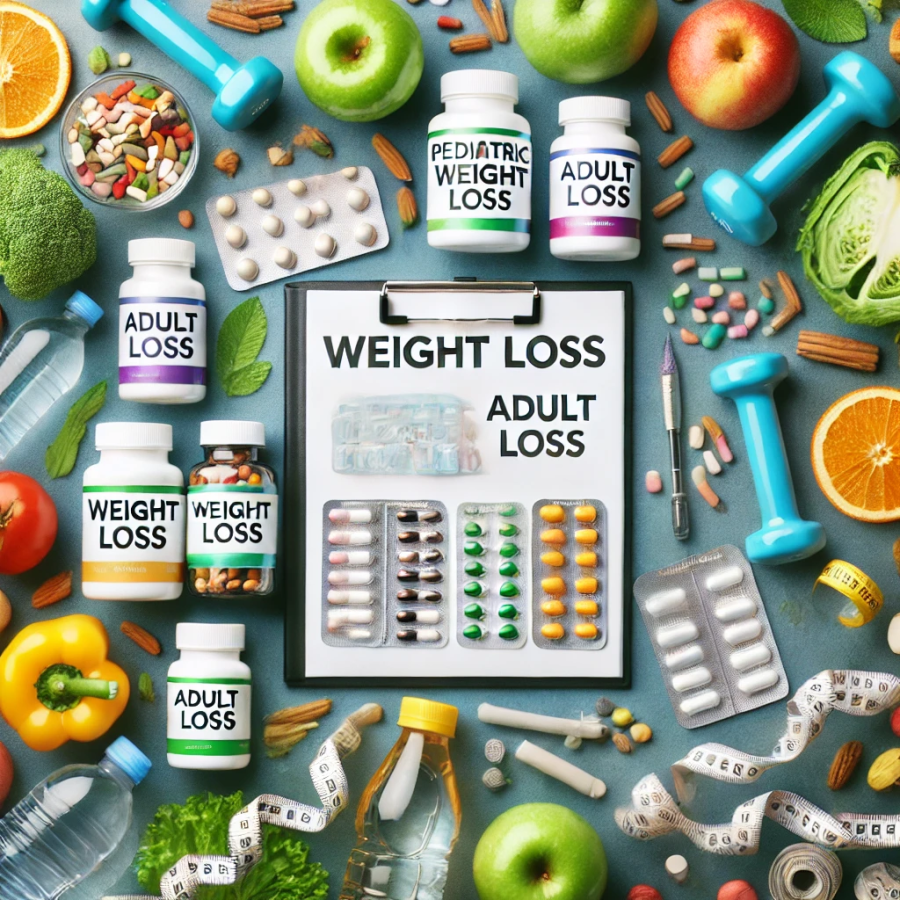
Weight Loss Medications for Kids and Adults Explained

As a physician, I know that treating obesity can be tough. Many families put in real effort with diet and exercise and still don’t see enough progress. When that happens, medication becomes worth discussing. Not for everyone. For the right patient, though, it can make a real difference.

Every price below reflects March 2025, when this was first written, and drug pricing in this class moves constantly, list price, cash price, and whatever a given insurer decides to cover can all diverge sharply, so treat every figure below as a historical marker rather than a current quote.

For children ages 12 and older, there are a few choices. Orlistat, brand name Xenical, blocks fat absorption in the gut. Because it stays in the digestive tract, it doesn’t touch appetite or the brain. The catch is side effects. Eat too much fat on this drug and a kid can get oily stools, gas, frequent bowel movements. A low-fat diet helps. It can still be uncomfortable. The price ran about $50 to $200 a month. The FDA cleared it for ages 12 and up.

Liraglutide, brand name Saxenda, is another option. It mimics a gut hormone called GLP-1, helping with appetite control and slowing stomach emptying. It’s effective, and it also helps blood sugar control, which matters if a patient has insulin resistance. But it requires daily injections, and nausea is common. Vomiting and diarrhea can happen too. Monthly cost usually fell between $1,200 and $1,500 a month. The FDA approved it for kids starting at age 12.

Phentermine combined with topiramate, sold as Qsymia, is approved for adolescents 12 and up who meet obesity criteria. Phentermine reduces appetite. Topiramate curbs cravings. Together they can produce substantial weight loss, especially in patients who struggle with binge eating. Side effects include dry mouth, dizziness, insomnia, and mood changes, and blood pressure and heart rate need regular checks. Cost averaged $200 to $300 a month.

Semaglutide, brand name Wegovy, is another GLP-1 receptor agonist, injected once weekly instead of daily. Clinical studies show it produces impressive weight loss. Side effects mirror other GLP-1 drugs: nausea, vomiting, diarrhea, abdominal pain, constipation. Out-of-pocket cost usually ran $1,300 to $1,600 a month. The FDA approved it for adolescents age 12 and up.

Setmelanotide, or Imcivree, is different from everything above. It targets rare genetic conditions that cause obesity, POMC, PCSK1, or LEPR deficiencies, by restoring hormonal signals that regulate hunger. It’s not meant for most patients, only those with a specific genetic diagnosis. For those who qualify, it can work well. The price tag was steep, though: about $16,000 a month.

For adults, the options broaden, and the prices below are again what things cost in March 2025, not today. Phentermine has been used for decades. It works on the central nervous system to suppress appetite, usually prescribed short-term and paired with diet and exercise. It can be effective, but it may cause insomnia, dry mouth, and a faster heart rate, and it isn’t safe for people with heart disease. The cost was low, around $30 to $60 a month.

Bupropion combined with naltrexone, sold as Contrave, takes a different approach. Bupropion affects brain chemistry to help with appetite and mood. Naltrexone reduces cravings. Some patients feel more energetic on it. Side effects can include nausea, dizziness, and insomnia. Mood changes are possible, so follow-up matters. Cost averaged $200 to $300 a month.

Tirzepatide, marketed as Mounjaro, is one of the newest medications. It activates both GLP-1 and GIP receptors, improving satiety and insulin sensitivity. Given as a weekly injection, it has shown striking results for weight loss. Nausea and diarrhea are the most common side effects, as with other drugs in this class. Costs ran high, around $1,000 to $1,500 a month. At publication it was FDA-approved for type 2 diabetes, not obesity, though already used off-label for weight loss.

A few points cut across all of these. Insurance coverage is unpredictable: some insurers won’t cover these drugs at all, others demand proof that lifestyle efforts were tried first. Close monitoring is essential, because side effects vary. None of these drugs replace healthy habits. They work best stacked on top of diet, activity, and behavior change.

For patients and families, the choices can feel like a lot. Knowing what’s actually available, and what each option costs and asks of you, helps match the right treatment to the right person.

Scott Rennie, D.O.

Sources:

Board Certified in Obesity Medicine and Family Medicine

This blog is for educational purposes only and does not constitute individual medical advice. Always consult your own physician before making changes to your health, medications, or treatment plan.

Intensive Lifestyle Programs for Weight Loss: How They Work

Managing obesity well takes more than one strategy. It usually means combining lifestyle changes, medication, and sometimes surgery. Among these, high intensity lifestyle treatment, or HILT, stands out. It’s evidence-based, and it works in both primary care and specialty settings.

At its core, HILT teaches patients the skills that make change last: self-monitoring, goal setting, problem solving, stimulus control. When someone learns to track what they eat, spot the triggers, and reframe the thoughts that used to derail them, the long-term outcomes improve.

Take self-monitoring as an example. A patient who writes down everything they eat, or uses an app that syncs with a fitness tracker, notices patterns fast. Eating more late at night. Eating more on stressful workdays. That kind of awareness is what makes change possible, whether someone prefers a paper journal or a smart scale synced to a phone.

Stimulus control is another powerful tool. I’ve seen families make simple adjustments like moving fruit to the front of the fridge or putting candy in a cupboard out of sight. Small changes. They reduce temptation more than people expect, and patients often notice they snack less without trying particularly hard.

Energy density comes up often in these conversations. People tend to eat a fairly consistent weight of food each day, so choosing foods with fewer calories per gram helps them feel full without overeating. A bowl of vegetable soup fills the stomach more than the same weight of fried food does. Water-rich foods and fiber shift that balance further. Patients often say they’re surprised at how satisfied they feel after increasing lean proteins and high fiber foods.

Positive reinforcement matters too. Talk about pounds lost alone and patients feel defeated fast. Recognize the behavior instead, cooking at home, walking after dinner, and motivation holds up better.

Visit frequency turns out to be critical. The evidence shows that intensity of support tracks directly with outcomes, and the sweet spot seems to sit somewhere between 14 and 26 visits in the first year, weekly at the start, tapering to every two weeks as a patient stabilizes, then to monthly once someone has lost more than three kilograms and needs mainly to hold the line rather than keep pushing. Without that ongoing support, weight regain is common.

HILT delivers well by video visit. Patients report self-monitoring data and daily routines on the call, and for most of what HILT actually does, goal setting, problem solving, stimulus control, that’s enough to tailor the plan without an office ever entering the picture.

Coverage is another consideration. Medicare and many private insurers reimburse for intensive behavioral therapy in primary care under a set cadence: weekly visits for the first month, every other week for the next five months, then monthly for six months if the patient is making progress. That cadence traces back to a national coverage determination effective in 2011, not 2015 as sometimes cited. Physicians, nurse practitioners, physician assistants, and auxiliary staff under supervision can all provide the care.

The research backing HILT holds up. Clinical trials show patients in structured programs are nearly twice as likely to lose more than 5 percent of their body weight compared with usual care. The Look AHEAD trial followed patients for years. The intensive lifestyle group averaged a 6.2 percent loss at four years, settling to 4.7 percent by eight. Combine any of this with newer medications like semaglutide or tirzepatide, and results run stronger still.

For me, HILT is the foundation. Medications and surgery can help, but without the skills to manage daily decisions, the gains don’t last. Structured, supportive, skill-based programs give patients their best shot at results that hold.

Scott Rennie, D.O.

References:

Leblanc ES, O’Connor E, Whitlock EP, Patnode CD, Kapka T. Effectiveness of Primary Care-Relevant Treatments for Obesity in Adults. Ann Intern Med. 2011;155:434-447. PMID 21969342. https://pubmed.ncbi.nlm.nih.gov/21969342/; Jensen MD, et al. 2013 AHA/ACC/TOS Guideline for the Management of Overweight and Obesity in Adults. J Am Coll Cardiol. 2014;63:2985-3023. https://doi.org/10.1016/j.jacc.2013.11.004; Wadden TA, Butryn ML, Hong PS, Tsai AG. Behavioral Treatment of Obesity in Patients Encountered in Primary Care Settings. JAMA. 2014;312:1779-1791. PMID 25369490. https://pubmed.ncbi.nlm.nih.gov/25369490/

Centers for Medicare and Medicaid Services. National Coverage Determination 210.12, Intensive Behavioral Therapy for Obesity, effective November 29, 2011. https://www.cms.gov/medicare-coverage-database/view/ncd.aspx?NCDId=353

Wing RR, et al. (Look AHEAD Research Group). Long-term effects of a lifestyle intervention on weight and cardiovascular risk factors: four-year results of the Look AHEAD trial. Arch Intern Med. 2010;170(17):1566-1575. PMID 20876408. https://pubmed.ncbi.nlm.nih.gov/20876408/ (four-year data); Look AHEAD Research Group. Eight-year weight losses with an intensive lifestyle intervention. Obesity (Silver Spring). 2014;22:5-13. PMID 24307184. https://pubmed.ncbi.nlm.nih.gov/24307184/ (eight-year data)

Wadden TA, et al. STEP 3: Effect of Subcutaneous Semaglutide vs Placebo as an Adjunct to Intensive Behavioral Therapy on Body Weight. JAMA. 2021. PMID 33625476. https://pubmed.ncbi.nlm.nih.gov/33625476/; Wilding JPH, et al. Once-Weekly Semaglutide in Adults with Overweight or Obesity. N Engl J Med. 2021;384:989-1002. PMID 33567185. https://pubmed.ncbi.nlm.nih.gov/33567185/

Board Certified in Obesity Medicine and Family Medicine

This blog is for educational purposes only and does not constitute individual medical advice. Always consult your own physician before making changes to your health, medications, or treatment plan.

Which Medications Can Make Weight Loss Harder?

As a physician, I often meet patients who are discouraged by weight gain that doesn’t seem to make sense. They may be eating well, exercising regularly, and still the scale keeps moving up. Lifestyle choices matter a great deal. Medications and supplements can matter just as much, and knowing which ones affect weight is worth raising with your own doctor, because the cause can be hiding in plain sight.

Certain prescriptions are known to promote weight gain. Diabetes medications are a good example: insulin, sulfonylureas like glipizide, and thiazolidinediones like pioglitazone often push weight up. Metformin, GLP-1 receptor agonists like semaglutide, and SGLT-2 inhibitors tend to do the opposite and help with weight control.

I’ve also seen this pattern with antidepressants. Drugs like escitalopram, citalopram, or paroxetine can add pounds, as can tricyclics such as amitriptyline. Even trazodone or mirtazapine carry this risk. For some patients, switching to bupropion, fluoxetine, or sertraline makes a noticeable difference.

Atypical antipsychotics are another tricky class. Olanzapine, risperidone, and quetiapine are all associated with weight gain, while ziprasidone tends to have less impact. Anti-epileptic drugs split the same way. Same pattern, different receptors. Valproic acid and gabapentin tend to increase weight; topiramate and lamotrigine usually don’t.

Even medications outside psychiatry and neurology come up in this discussion. Lithium, commonly used as a mood stabilizer, often causes weight gain, and so do glucocorticoids like prednisone, especially with longer courses. Beta blockers such as metoprolol and propranolol carry the same issue, carvedilol usually has less effect, and antihistamines like diphenhydramine or cetirizine can shift weight too, though loratadine tends not to, which is worth remembering the next time an allergy prescription gets refilled without a second thought. Hormonal contraception adds another layer: depo-medroxyprogesterone is linked to weight gain, which can be genuinely frustrating for patients who are otherwise doing everything right. Non-hormonal methods are an option worth raising.

Over-the-counter medications and supplements belong in this conversation too, right alongside anything prescribed. Chronic antihistamine use may interfere with appetite regulation. Proton pump inhibitors, like omeprazole, can indirectly affect weight through changes in gut microbiota. Long-term NSAID use may lead to water retention. Some “energy” or “muscle gain” supplements hide hormones or steroids that work against weight control entirely.

This is why reviewing medications matters so much in a weight conversation. Weight gain gets blamed entirely on diet or activity when the real trigger may be sitting in the pillbox. Of course, no one should stop a medication on their own. Sometimes the benefit outweighs the side effect. Sometimes there’s a safer alternative that gets the same result without the tradeoff.

Bringing medications into the conversation gives us a fuller picture. It lets us make thoughtful adjustments while still focusing on lifestyle. It’s about tailoring a plan that actually supports long-term health, one a patient can live inside for years.

Scott Rennie, D.O.

Sources:

Board Certified in Obesity Medicine and Family Medicine

This blog is for educational purposes only and does not constitute individual medical advice. Always consult your own physician before making changes to your health, medications, or treatment plan.

How Should Parents Limit a Child’s Food? Finding Balance

As a physician, I’ve seen how difficult it can be for families to set healthy eating patterns for their kids. Parents often ask me how to keep children from eating too much junk food without turning it into a daily battle. Research points to two main strategies: overt restriction and covert restriction. How they play out at home differs enormously.

Overt restriction is the one most people think of first. It’s when a parent sets clear rules like “No candy after dinner” or “You can only have one cookie.” Simple, on paper. In practice it often backfires: studies show that when kids are told they can’t have a certain food, that food becomes more appealing, and they get curious and start craving it more. I’ve had parents tell me that their child, once away from home, goes overboard on the very foods that were restricted. The literature backs this up, linking overt restriction to a higher risk of overeating and weight gain once children get access on their own (Ogden J, Reynolds R, Smith A. Appetite. 2006;47:100-106).

Covert restriction works differently. It doesn’t rely on direct rules; instead it shapes the environment. A parent might stock the pantry with fruits and vegetables, limit the chips and sweets that come into the house, and skip the frequent fast-food runs, so the child never feels denied anything even though the choices available are quietly healthier than they’d otherwise be. Research suggests this method reduces cravings and lowers the pull of high-sugar, high-fat foods (Boots SB, Tiggemann M, Corsini N. Appetite. 2019;135:54-60).

Between the two, covert restriction seems to have the better long-term track record. When the home is set up so the easiest option is also the healthiest, children develop preferences that last. That said, overt restriction isn’t always avoidable, since food allergies, medical diets, or severe obesity can make firm rules necessary. When that happens, pairing restriction with positive reinforcement and supportive communication limits the damage.

Another useful approach I’ve seen is what some call a junk food budget. Parents allow a set number of treats each week, maybe two or three small items, and the child decides when to spend them. Once they’re gone, that’s it until the following week. This gives kids some autonomy and teaches self-regulation. Research suggests it helps prevent binge eating or overvaluing restricted foods later in life (Ogden J, Reynolds R, Smith A. Appetite. 2006;47:100-106). Parents often tell me it lowers family conflict too.

The big picture: food habits are shaped more by environment and tone than by rigid control. When families make healthy foods visible and easy to reach, involve kids in cooking, and give them some freedom to manage their own indulgences, the results are usually better. For providers, guiding parents toward motivational interviewing, and helping them balance overt and covert strategies, supports healthier eating without adding to the power struggles.

Scott Rennie, D.O.

Sources:

  • 1. Ogden J, Reynolds R, Smith A. Expanding the concept of parental control: a role for overt and covert control in children’s snacking behaviour? Appetite. 2006;47(1):100-106. https://pubmed.ncbi.nlm.nih.gov/16682098/
  • 2. Boots SB, Tiggemann M, Corsini N. Pumpkin is “yucky”: correlates of avoidant/restrictive food intake in preschool children and their mothers. Appetite. 2019;135:54-60. https://pubmed.ncbi.nlm.nih.gov/30599153/

Board Certified in Obesity Medicine and Family Medicine

This blog is for educational purposes only and does not constitute individual medical advice. Always consult your own physician before making changes to your health, medications, or treatment plan.

Talking to Your Child About Weight: A Family Approach

Pediatric obesity affects nearly one in five children in the United States (Stierman B, Afful J, Carroll MD, et al. National Health Statistics Reports, No. 158, 2021). In primary care, we’re often the first to see the signs. We see families regularly. That gives us a real chance to guide prevention and help establish healthy habits early.

The American Academy of Pediatrics recommends eleven visits in the first two years of life. Those visits do more than cover vaccines and ear checks: they’re a chance to track growth, notice concerning patterns early, and build trust with parents. Short counseling moments, repeated over time, often make more impact than a single long lecture. Small doses, consistently given.

The Chronic Care Model gives us a structure to work from. It starts with decision support, like using BMI and growth charts to flag risk. It builds in self-management tools such as plate planners that make meal discussions concrete, emphasizes delivery system design, and connects practices to community resources so families don’t feel like they’re managing this on their own (Dietz WH, Lee J, Wechsler H, Malepati S, Sherry B. Health Affairs. 2007, 26(2):430-440).

During pregnancy, maternal smoking and psychological stress both raise a child’s later obesity risk (Rayfield S, Plugge E. J Epidemiol Community Health. 2017, 71:162-173) (Dancause KN, Laplante DP, Oremus C, Fraser S, Brunet A, King S. Pediatr Res. 2012, 71:126-131). From birth through the toddler years, setting expectations around normal growth and picky eating helps prevent overfeeding. In preschool and elementary school, reinforcing habits around meals and activity can keep BMI from drifting up. Once kids reach adolescence, weight management often needs more direct intervention (Cardel MI, Atkinson MA, Taveras EM, Holm JC, Kelly AS. JAMA Pediatr. 2020, 174:609-617).

Parental obesity, maternal smoking during pregnancy, a chaotic home feeding environment: all of it raises the odds of rapid early weight gain (Stettler N, Zemel BS, Kumanyika S, Stallings VA. Pediatrics. 2002, 109:194-199). These are the kids who benefit most from structured follow-up.

Meta-analyses show up to a 22 percent reduction in obesity risk from breastfeeding, though the effect drops to about 7 to 10 percent once you adjust for maternal obesity and socioeconomic status (Owen CG, Martin RM, Whincup PH, Smith GD, Cook DG. Pediatrics. 2005, 115:1367-1377) (Harder T, Bergmann R, Kallischnigg G, Plagemann A. Am J Epidemiol. 2005, 162:397-403). Breastfed infants are better at regulating their own intake, and breastmilk itself carries bioactive compounds that affect metabolism (Arenz S, Rückerl R, Koletzko B, von Kries R. Int J Obes (Lond). 2004, 28:1247-1256).

I often tell parents to expect a “three-day eating cycle” in toddlers. One day they eat well, the next they pick at food, the third day they do something in between. Framing it this way reassures parents and heads off unnecessary pressure at mealtime. Another helpful concept is covert restriction, simply not bringing high-calorie snacks into the house in the first place. That avoids turning junk food into a “forbidden fruit” while still shaping healthier choices (Ogden J, Reynolds R, Smith A. Appetite. 2006, 47:100-106).

Motivational interviewing works by asking how they view their child’s weight, showing growth charts, and framing recommendations without blame: all of it makes these conversations more effective (Barlow SE. Pediatrics. 2007, 120 Suppl 4:S164-192). Simple, achievable goals work better than long lists. I often start with two diet-related changes, like reducing sugary drinks and adding vegetables, and one activity change, such as more outdoor play.

Checking in every three months, celebrating small wins, reinforcing progress: that’s what keeps families engaged. Counseling doesn’t need to be perfect. It needs to be consistent.

Scott Rennie, D.O.
Board Certified in Obesity Medicine and Family Medicine

This blog is for educational purposes only and does not constitute individual medical advice. Always consult your own physician before making changes to your health, medications, or treatment plan.

Sources: