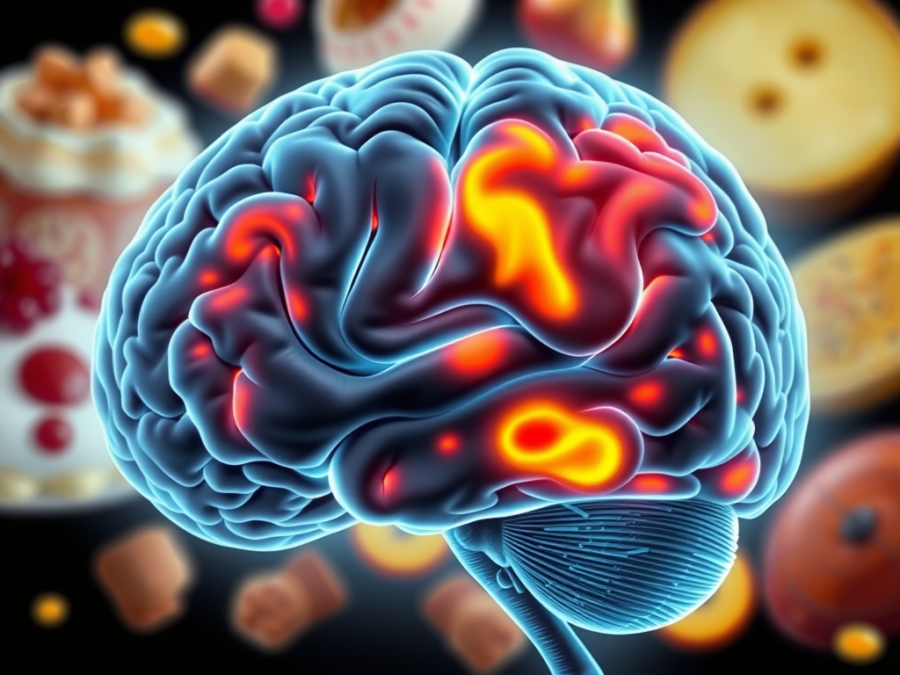
Nutrition tends to get treated as background noise in oncology, good for general health but peripheral to the actual treatment. That view is losing ground. Food behaves as information as much as fuel, shaping metabolism, influencing tumor biology, and affecting both cancer risk and outcomes.
Obesity is the clearest illustration. It is a metabolic state rather than a matter of extra weight. Higher BMI is linked to increased incidence and mortality across several cancers, breast, colon, and endometrial among them (Calle et al., NEJM, 2003). Excess adipose tissue alters hormones, raises inflammation, and activates growth pathways that hand tumors an advantage. Elevated insulin and IGF-1 drive proliferation. Leptin rises, adiponectin falls, and the balance tips toward growth. Adipose tissue also produces estrogen, which raises risk for the hormone-sensitive cancers (Schvartzman, 2023).
Cancer cell metabolism adds a layer. Rather than relying mainly on oxidative phosphorylation, many cancer cells run aerobic glycolysis, the Warburg effect, generating both energy and the building blocks for rapid division (PMID: 26232225). Which raises the obvious question of whether diet can be used to push back.
The evidence is mixed and growing. Ketogenic diets have shown potential for boosting immune responses against tumors (PMID: 27178315), while in renal cell carcinoma and BRAF-mutated melanoma they may promote growth instead (PMID: 28089569). Restricting amino acids such as methionine, or serine and glycine, slows tumor growth in preclinical work (PMID: 28425994, 32413275). High-dose vitamin C has shown promise in KRAS-mutant cancers (PMID: 26541605). And the gut microbiota, which diet shapes, appears to affect how well patients respond to immune checkpoint inhibitors (PMID: 29097494).
All of which points toward precision nutrition. What helps one cancer may do nothing for another, or worse. Tumor type, genetics, insulin sensitivity, concurrent treatment, and the microbiome all bear on it. So does whether a patient can actually live with the diet, because one that works in theory and not in practice has not helped anyone.
So what do I tell patients? Not to follow a cancer diet, because there is no such thing. I point them toward the findings that hold up consistently. Mediterranean-style eating and lower-carbohydrate patterns reduce inflammation and may lower recurrence risk (PMID: 28935150). Fiber supports the microbiome and helps hold metabolic balance (PMID: 29098294). Observational work links nuts, fish, olive oil, and coffee to lower cancer risk or mortality (PMID: 27436272, 29158191).
One patient I worked with had breast cancer and wanted to eat better without overhauling her life. We stayed with Mediterranean-style adjustments: more vegetables, legumes, fish, and olive oil, less in the way of processed food and added sugar. Her oncologist was on board. Through treatment she held her weight steady, had fewer energy crashes, and tolerated therapy better than she expected. None of that cured anything. It was a concrete thing she could do that supported the care she was getting, and it mattered to her that it was hers to do.
Obesity and nutrition influence cancer biology directly, through metabolic and inflammatory pathways we can measure. Nutrition is not a replacement for standard therapy and it should not be the last thing we get to either.
References
Calle EE et al. Overweight, obesity, and mortality from cancer in a prospectively studied cohort of U.S. adults. NEJM. 2003;348(17):1625-1638. PMID: 12711737
Schvartzman JM. Metabolism, Nutrition, Obesity & Cancer. Columbia University Lecture, 2023.
Sullivan LB et al. Supporting aspartate biosynthesis is an essential function of respiration in proliferating cells. Cell. 2015. PMID: 26232225
Lussier DM et al. Enhanced immunity in a mouse model of malignant glioma is mediated by a therapeutic ketogenic diet. BMC Cancer. 2016. PMID: 27178315
Xia S et al. Prevention of dietary-fat-fueled ketogenesis attenuates BRAF V600E tumor growth. Cell Metab. 2017. PMID: 28089569
Maddocks ODK et al. Modulating the therapeutic response of tumours to dietary serine and glycine starvation. Nature. 2017. PMID: 28425994
Lien EC, Vander Heiden MG. Dietary approaches to cancer therapy. Cancer Cell. 2020. PMID: 32413275
Yun J et al. Vitamin C selectively kills KRAS and BRAF mutant colorectal cancer cells by targeting GAPDH. Science. 2015. PMID: 26541605
Routy B et al. Gut microbiome influences efficacy of PD-1-based immunotherapy against epithelial tumors. Science. 2018. PMID: 29097494
Farinetti A et al. Mediterranean diet and colorectal cancer: A systematic review. Nutrition. 2017. PMID: 28935150
Song M et al. Fiber intake and survival after colorectal cancer diagnosis. JAMA Oncol. 2018. PMID: 29098294
Song M et al. Marine ω-3 polyunsaturated fatty acid intake and survival after colorectal cancer diagnosis. Gut. 2017. PMID: 27436272
Hu Y et al. Association between coffee intake after diagnosis of colorectal cancer and reduced mortality. Gastroenterology. 2018. PMID: 29158191
Board Certified in Obesity Medicine and Family Medicine
This blog is for educational purposes only and does not constitute individual medical advice. Always consult your own physician before making changes to your health, medications, or treatment plan.





 Doctor Rennie's Blog