Measles in 2025: What Patients and Providers Need to Know

The 2025 measles outbreak was one of the most concerning we’d seen in more than a decade. As of March 2025, Texas alone had reported almost 200 confirmed cases, the highest in years. Other states, including New Mexico, Georgia, Kentucky, New Jersey, New York, Pennsylvania, Rhode Island, Washington, California, and Florida, were seeing rising numbers too. Most of those infected were younger than 19, and 95 percent had either not been vaccinated or had an unknown vaccine status. Roughly one in five patients had needed hospitalization by that point. Tragically, one unvaccinated child in Texas had died.

Lower vaccination rates in some communities made it easier for the virus to spread at the time. Clinicians need to stay alert regardless: a cough, fever, and rash in an area with known cases should still raise immediate suspicion for measles.

What Measles Is

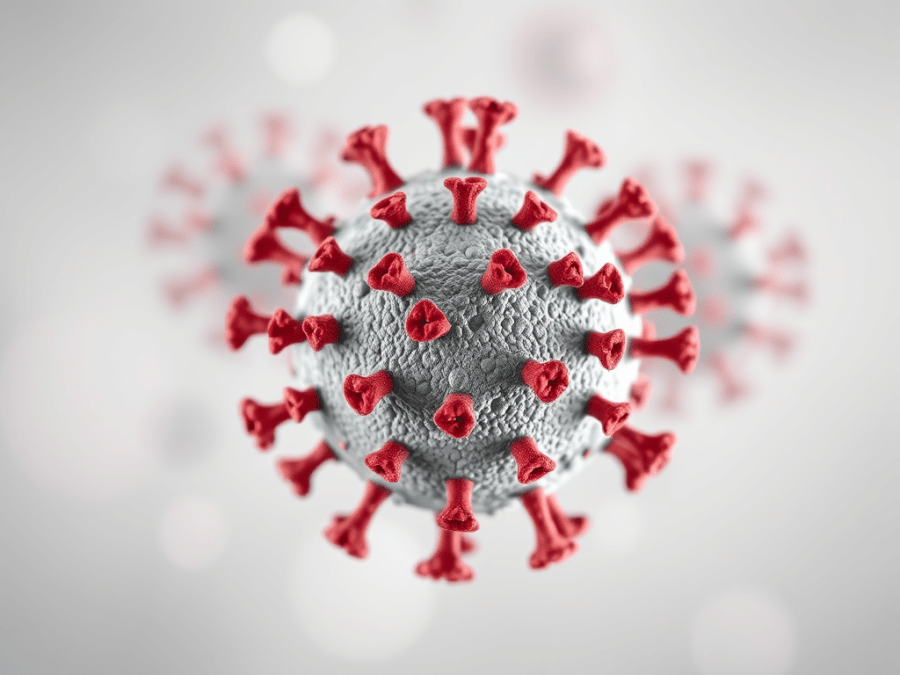
Measles is caused by the measles virus, part of the Morbillivirus family. It’s a single-stranded RNA virus that first infects the respiratory tract, then spreads throughout the body.

How It Spreads

The virus is extremely contagious. When someone coughs or sneezes, droplets can hang in the air for up to two hours, and touching a contaminated surface, then your eyes, nose, or mouth, can spread it just as easily.

If someone is exposed and not immune, nine out of ten will get sick. People with measles can spread the virus four days before the rash starts and four days after. That’s one reason outbreaks move so quickly.

The infectiousness of a virus is often measured by R0. For measles, in an unvaccinated community, R0 runs between 12 and 18, meaning one person can spread it to 12 to 18 others, a transmission rate high enough that public health teams treat a single confirmed case as urgent rather than waiting to see if it spreads further. Get 95 percent of a community vaccinated and R0 drops to about 1, which usually stops an outbreak in its tracks.

Symptoms

The illness follows a predictable pattern. Fever first. Then the rash.

About 7 to 21 days after exposure, early symptoms show up: high fever, cough, runny nose, red and watery eyes. Two or three days later, tiny white spots called Koplik spots can appear inside the mouth. By days 3 to 5 of illness, a red rash spreads from the face and hairline down the body, sometimes raised in the center, often with the fever spiking again at the same time.

Why It’s Serious

Complications are common. Pneumonia is the leading cause of death from measles. About one in a thousand people develops encephalitis, or brain inflammation, which can cause seizures or permanent damage. Severe diarrhea can cause dehydration. In rare cases, blindness or hearing loss occur.

There’s also a delayed complication called subacute sclerosing panencephalitis, a chronic infection of the central nervous system that shows up 6 to 8 years after measles. Symptoms include weakness, tremors, difficulty walking, and eventually coma. It is progressive and untreatable.

Infants, pregnant patients, and people with weak immune systems are at highest risk.

Diagnosis and Treatment

Diagnosis is usually confirmed by blood testing for IgM antibodies, which indicate recent infection. Respiratory swabs from the nose and throat can also detect measles RNA by PCR testing. Sometimes urine is tested as well.

There is no direct antiviral therapy. Treatment is supportive: keeping patients hydrated, managing fever and discomfort with acetaminophen or ibuprofen, and in children, supplementing with vitamin A. The virus lowers vitamin A levels in the body, and supplementing helps reduce the risk of severe complications.

What To Do if Someone Gets Measles

Isolation is critical. A patient should stay isolated for at least four days after the rash appears. Family and close contacts should be alerted. Post-exposure prophylaxis is an option for people who are unvaccinated or whose immunity is uncertain. The MMR vaccine may help if given within 72 hours of exposure. If that’s not possible, immune globulin (IVIG) within 6 days is another option, though the two should not be given together.

Complications need close monitoring. Breathing trouble, high fever that does not improve, or neurological symptoms should trigger immediate medical evaluation.

Prevention

The MMR vaccine is the most effective protection we have. Two doses run about 97 percent effective. Children should get their first dose at 12 to 15 months and the second between ages 4 and 6. Adults without immunity should receive at least one dose, and during outbreaks, infants as young as 6 months may be vaccinated early.

Vaccination protects the person who gets it. It also protects those who can’t get vaccinated themselves, including babies too young for the series and patients with immune conditions that rule out live vaccines. Stopping an outbreak for good takes at least 95 percent community coverage.

Closing

The 2025 measles outbreak showed how quickly this virus can return when vaccination coverage drops. Recognizing symptoms early, isolating cases, and vaccinating remain the keys to controlling it. As healthcare providers, we need to keep talking with patients about the value of the MMR vaccine and stay proactive about reporting and diagnosing cases.

For more information, visit the CDC’s measles page.

Scott Rennie, D.O.
Board Certified in Obesity Medicine and Family Medicine

This blog is for educational purposes only and does not constitute individual medical advice. Always consult your own physician before making changes to your health, medications, or treatment plan.

Sources

Tuberculosis in 2025: Kansas Outbreak, Vaccines, and Staying Safe

Tuberculosis is still very much with us. Kansas dealt with a large outbreak in 2025, a reminder of how persistent this disease can be. As of January 2025, more than 67 active cases had been confirmed, mostly in Wyandotte and Johnson counties. There were fatalities, and the number of latent infections was rising at the time. Public health teams worked hard to contain it. It’s a reminder that TB remains a threat in both high-risk groups and the general population.

What TB Is

TB is caused by Mycobacterium tuberculosis. It usually attacks the lungs, but it doesn’t stop there: it can affect the brain, kidneys, spine, and other organs. It spreads through the air when someone with active TB coughs, sneezes, or even talks, and people nearby can breathe in the bacteria without realizing it.

Symptoms and Progression

The first signs can be subtle. A cough that won’t go away, maybe three weeks or more. Some patients cough up blood or sputum. Chest pain, fatigue, fever, night sweats, loss of appetite, and unexplained weight loss are common. Left untreated, TB can destroy lung tissue and spread further, causing meningitis, bone infection, or failure of multiple organs.

Latent vs Active

It’s important to separate latent TB from active disease. Latent TB means the bacteria are present but not causing illness. The person has no symptoms and is not contagious. But the bacteria can “wake up,” especially if the immune system gets weaker, and turn into active TB.

Active TB means the bacteria are multiplying, symptoms are present, and the patient can spread it to others. That’s the form that requires urgent treatment.

How It’s Detected

Testing matters. The skin test (the PPD or tuberculin test) is still used. A small injection under the skin, and the site is checked in 48 to 72 hours. Blood tests like QuantiFERON-TB Gold or T-SPOT.TB are often preferred, especially for people who got the BCG vaccine, since it can interfere with skin test results.

If TB is suspected, chest imaging can show lung changes, and sputum culture confirms the presence of M. tuberculosis. That culture is the gold standard for diagnosis in someone with symptoms.

The Role of the BCG Vaccine

The only vaccine we have is BCG. It’s mostly given to infants in countries where TB is widespread. It helps protect children from the most severe forms of TB, like meningitis, but it’s less effective at preventing pulmonary TB in adults. In the United States, it’s not routinely used because of its limited impact on adult disease and the way it interferes with skin testing.

Some healthcare workers in high-risk settings or people with repeated exposure may still receive it.

Protecting Against TB

Vaccination isn’t the whole answer for TB. Early detection and treatment carry just as much weight, maybe more. People at higher risk should be screened regularly, and treating latent TB is critical, because it stops progression to active disease.

Simple steps help too: masks in healthcare settings, good airflow in crowded places, covering your mouth when you cough, washing your hands regularly. During outbreaks, N95 or P100 respirators are the masks that actually filter TB bacteria from the air. Surgical masks don’t provide the same protection.

Treatment and Why It Has to Be Completed

TB can be treated, but it takes time. Standard therapy is multiple antibiotics for six to nine months. Isoniazid, rifampin, ethambutol, and pyrazinamide are the most commonly used.

Stopping treatment too soon is dangerous, because that’s exactly how drug-resistant TB develops, and multidrug-resistant TB is much harder to treat, far more expensive, and comes with worse outcomes across the board. An incompletely treated patient is also still contagious. Public health departments often use directly observed therapy, or DOT, where someone watches patients take their medications. It might sound strict, but it works. It prevents resistance and saves lives.

Public Health and What’s Next

TB is a problem here at home, and the outbreak in Kansas proves it. It spreads any time we let our guard down. Healthcare providers need to push for routine testing in high-risk groups, make sure patients complete treatment, and support public health efforts.

Patients and communities have a role too: stay informed, recognize symptoms, seek evaluation early. And we need continued research into better vaccines and treatments.

Scott Rennie, D.O.
Board Certified in Obesity Medicine and Family Medicine

This blog is for educational purposes only and does not constitute individual medical advice. Always consult your own physician before making changes to your health, medications, or treatment plan.

Sources

Flu Prevention: Vaccines, Symptoms, and Treatment Options

Influenza causes major illness every year despite vaccines and treatment options. The 2024-2025 season was a busy one. By mid-January 2025, the CDC had reported over 10 million flu-related illnesses and about 120,000 hospitalizations, numbers that ran ahead of the prior year. Flu season typically peaks between December and February. That swing from year to year reminds us how much flu activity depends on strain changes, how many people get vaccinated, and what immunity looks like across the population.

Why History Matters

Flu is not new. The 1918-1919 pandemic killed an estimated 50 million people worldwide. Three later pandemics, in 1957, 1968, and 2009, each showed how dangerous a new strain can be. Every one of them pushed public health toward stronger vaccines, better antivirals, and better surveillance.

Public Health Impact

Every year influenza causes between 290,000 and 650,000 deaths worldwide. Young children, older adults, pregnant people, and those with chronic conditions carry the most risk. Flu season also strains hospitals and clinics, and it costs billions in missed workdays and healthcare spending on top of the direct health toll.

How Flu Spreads

The incubation period is short, usually about two days. Transmission happens through droplets, when people cough, sneeze, or talk, and through contaminated surfaces if someone touches their face afterward. In households and schools, attack rates can reach 20 to 30 percent.

People can spread flu a full day before symptoms start, and for up to a week after. Immunocompromised patients can spread it longer than that.

Symptoms and Complications

Classic symptoms are fever, cough, sore throat, body aches, fatigue, and headache. Children are more likely than adults to get vomiting or diarrhea along with it.

For most people the illness runs its course. But complications are common enough to take seriously: secondary bacterial pneumonia, worsening asthma or COPD, myocarditis, encephalitis, even ARDS. These are the cases that fill hospital beds every winter.

Influenza A and B

Both influenza A and B drive seasonal flu, but they behave differently. Influenza A is more common, infects humans and animals, and is behind pandemics. Subtypes like H1N1 and H3N2 are defined by their surface proteins. Influenza B only infects humans, and it has two main lineages, Victoria and Yamagata. Outbreaks from influenza B tend to be smaller but still cause serious illness, especially in children. A often dominates earlier in the season, while B shows up later, though they can circulate together.

Diagnosis

Most of the time, diagnosis starts clinically. But testing can confirm it. Rapid tests give results in about 15 minutes, though sensitivity is limited. RT-PCR is much more accurate and is considered the gold standard.

Vaccination

The flu vaccine changes yearly to match expected strains. For 2024-2025, the U.S. vaccine was trivalent, not quadrivalent: two influenza A strains, H1N1 and H3N2, and one influenza B strain, Victoria. B/Yamagata was left out of that season’s formulation, per the CDC’s ACIP recommendations, because global surveillance had not detected it since 2020.

Effectiveness runs 40 to 60 percent, depending on the match and the patient’s age and health. Vaccines come in several forms: inactivated injectable, live attenuated nasal spray, and higher-dose or adjuvanted versions for older adults.

Treatment

Antivirals work best started within 48 hours of symptoms. Oseltamivir is oral and the one used most. Zanamivir is inhaled, peramivir is intravenous and usually reserved for hospitalized patients, and baloxavir is a single-dose oral option that blocks replication.

Supportive care still matters most: rest, fluids, acetaminophen or ibuprofen for fever and pain, and close monitoring for complications in anyone at higher risk.

Prevention

Annual vaccination is the best prevention. Handwashing, covering coughs, staying home when sick, and avoiding close contact with ill people all reduce spread. Masks and improved ventilation are useful in crowded settings, especially when flu activity runs high.

Final Notes

Flu is not going away. Each season differs, but the tools we have (vaccines, antivirals, good hygiene, early recognition) make a real difference when used consistently. As physicians, we need to push vaccination, treat high-risk patients early, and keep reminding our communities that influenza is more than “just a cold.”

Scott Rennie, D.O.
Board Certified in Obesity Medicine and Family Medicine

This blog is for educational purposes only and does not constitute individual medical advice. Always consult your own physician before making changes to your health, medications, or treatment plan.

Sources

  • Centers for Disease Control and Prevention. FluView Surveillance. https://www.cdc.gov/fluview/surveillance/index.html
  • World Health Organization. Influenza (Seasonal). https://www.who.int/news-room/fact-sheets/detail/influenza-(seasonal))
  • Dawood FS, et al. Estimated global mortality associated with the first 12 months of 2009 pandemic influenza A H1N1 virus circulation: a modelling study. Lancet Infect Dis. 2012;12(9):687-695. PMID 22738893.
  • Grohskopf LA, et al. Prevention and Control of Seasonal Influenza with Vaccines: Recommendations of the Advisory Committee on Immunization Practices, United States, 2024-25 Influenza Season. MMWR Recomm Rep. 2024;73(RR-5):1-25. PMID 39197095.

Is Pertussis Contagious? Symptoms and Treatment Explained

Pertussis, or whooping cough, made a comeback in 2024. Outbreaks were reported in different regions around the world, and the United States was no exception, with cases rising for several years running despite decades of vaccination effort, and in 2024 there were more than 35,000 reported cases, higher than what we’d typically seen over the prior decade. Some of that traces to waning vaccine immunity, incomplete vaccine schedules, and vaccine hesitancy. Schools were a particular hotspot, especially among older children and adolescents who had missed boosters.

This isn’t a new story. In the early 20th century, pertussis was one of the leading causes of death in children. In the 1920s and 1930s, hundreds of thousands of cases occurred every year in the U.S., and fatality rates in infants sometimes reached 5 to 10 percent. Families often saw multiple children get sick at the same time. Hospitals had few tools to help. No antibiotics. No vaccines. Isolation was the only real measure available, and it wasn’t enough.

The arrival of the first whole-cell vaccine in the 1940s changed the picture, and by the 1950s and 60s, pertussis cases had dropped by more than 90 percent. It went from a routine killer to something most doctors rarely saw. But the drop didn’t mean it disappeared; over time, as immunity fades and vaccine uptake slips, the disease resurfaces.

What Pertussis Does in the Body

The cause is Bordetella pertussis, a gram-negative bacterium discovered in 1906. It attaches to the airway lining using adhesion proteins and releases toxins that damage the respiratory tract and disrupt the immune response. Pertussis toxin, adenylate cyclase toxin, and tracheal cytotoxin are some of the key players, and together they paralyze cilia, create thick mucus, and inflame the airways. That’s what sets up the violent coughing fits and the difficulty clearing secretions.

The incubation period is usually 5 to 10 days but can stretch out to 3 weeks, and transmission is mainly through droplets when people cough, sneeze, or talk, though it can also spread indirectly through contaminated surfaces.

The Course of Illness

Pertussis has three stages. The first, the catarrhal stage, looks a lot like a cold. Patients may have mild cough, runny nose, and low-grade fever. But this is also the most contagious stage, and infants in this stage can suddenly stop breathing or develop pneumonia.

After one to two weeks, the paroxysmal stage begins, the coughing fits severe, sometimes so prolonged that patients vomit or become exhausted. The classic “whoop” happens when the patient forcefully inhales after running out of breath. This stage can last weeks.

Finally comes the convalescent stage. Symptoms ease, but the cough may linger for months, and infants are at the highest risk of complications throughout, including pneumonia, seizures, and encephalopathy.

How Long People Are Contagious

Without treatment, a person with pertussis can remain infectious for weeks, often up to three weeks into the paroxysmal stage. With antibiotics, contagiousness drops significantly after five days of therapy.

Diagnosing Pertussis

Clinical suspicion is usually the first step. The cough pattern and exposure history often give it away. PCR testing is the most rapid and sensitive diagnostic method now, while culture is still considered the gold standard, though rarely used because it takes longer and needs special media. Serology may help later in the illness.

Treatment and Timing

Macrolides like azithromycin are first-line treatment, with trimethoprim-sulfamethoxazole an option if macrolides can’t be used. Antibiotics are most effective early, ideally in the catarrhal stage, but they’re still useful later to limit spread.

The CDC recommends treating patients within three weeks of cough onset if they’re over a year old, within six weeks for infants under one, and also within six weeks for pregnant women close to delivery. Supportive care, hydration, rest, and monitoring, is especially important for infants, who may need hospitalization.

Post-Exposure Prophylaxis

Preventing spread matters just as much as treating active cases, and giving antibiotics to close contacts can stop the chain. This is particularly recommended for infants under 12 months, pregnant women in their third trimester, and household members or healthcare workers exposed to confirmed cases. Timing matters: post-exposure prophylaxis should start within 21 days of exposure.

Prevention and Vaccination

Vaccination is still the strongest defense. The childhood DTaP series provides good protection early on, though immunity fades over time. About 98 percent of children are immune one year after their last DTaP dose, but that drops to around 70 percent five years later. That’s why boosters are needed.

The Tdap booster is given at 11 or 12 years of age, again in adulthood every 10 years, and during each pregnancy between 27 and 36 weeks. Protection from Tdap is estimated at about 73 percent in the first year and 34 percent after four years. This waning immunity is a major factor in outbreaks.

Public health responses focus on quick recognition, isolation of cases, prophylaxis for contacts, and community education, and mask use, hand hygiene, and cleaning surfaces all help reduce spread.

Why Vigilance Matters

Pertussis is not a disease of the past. It’s resurging in part because immunity doesn’t last forever, and physicians need to recognize it early and treat aggressively, while patients and families need to keep vaccination schedules up to date. When that doesn’t happen, infants and medically fragile patients pay the highest price.

Scott Rennie, D.O.
Board Certified in Obesity Medicine and Family Medicine

This blog is for educational purposes only and does not constitute individual medical advice. Always consult your own physician before making changes to your health, medications, or treatment plan.

Sources

  • Centers for Disease Control and Prevention. Pertussis (Whooping Cough). https://www.cdc.gov/pertussis
  • Cherry JD. The science and fiction of the “resurgence” of pertussis. Pediatrics. 2003;112(2):405-406. PMID 12897292.
  • American Academy of Pediatrics. Red Book: 2021–2024 Report of the Committee on Infectious Diseases.
  • Clark TA. Changing pertussis epidemiology: Everything old is new again. J Infect Dis. 2014;209(7):978-981. PMID 24626532.

Human Metapneumovirus (hMPV): What You Need to Know

Human metapneumovirus, or hMPV, doesn’t get the same attention as influenza or COVID-19, but it’s worth understanding. It was first identified in 2001, though genetic studies suggest it has circulated for decades, and it’s a member of the Paramyxoviridae family, the same family that includes RSV.

Transmission is through respiratory droplets. That means coughing, sneezing, or close contact with an infected person is usually how it spreads, and anyone can get it, though young children, older adults, and people with weakened immune systems are most vulnerable to severe illness.

Where It Shows Up

hMPV is found worldwide. It circulates throughout the year but tends to spike in late winter and spring in temperate regions, and improved diagnostics over the last two decades have shown just how common it is. Clusters show up in schools, childcare centers, nursing homes, and hospitals. Often alongside influenza and RSV activity.

In the United States, the CDC tracks it as part of routine respiratory surveillance, and globally, WHO lists it as one of several viruses contributing to seasonal surges of respiratory illness.

Symptoms and Overlap

The symptoms of hMPV are familiar. Patients may have fever, cough, sore throat, congestion, fatigue, and sometimes wheezing, and in healthy people, illness usually resolves within one to two weeks. In infants, older adults, or immunocompromised patients, the disease can progress to bronchiolitis or pneumonia.

The overlap with RSV, influenza, and COVID-19 makes it nearly impossible to identify clinically without testing, and in practice, we often don’t test unless patients are hospitalized or part of an outbreak under investigation.

Why It Matters

Most patients recover with supportive care. But hMPV deserves attention for a few reasons: high-risk populations can become severely ill enough to need hospitalization. Unlike flu or COVID-19, there’s no vaccine and no specific antiviral, so care stays supportive: oxygen, fluids, symptom management. And hMPV adds to the seasonal burden on the system overall, and when it circulates alongside RSV and flu, pediatric and ICU beds can fill fast.

Current Reports

China had reported more cases the previous winter, mostly among children under 14 in northern provinces. The increase triggered heightened monitoring at the time, though local health authorities noted the pattern was typical for the season and not as severe as the same period the year before. The WHO emphasized that hMPV is a known virus, not a new or emerging threat, and said it did not represent a global health emergency.

What To Watch For

For physicians, it comes down to clinical awareness. If a patient has unexplained respiratory illness, especially if they’re very young, older, or immunocompromised, consider hMPV in the differential. For patients, the message is simple: good hygiene matters, and wash hands, avoid close contact when sick, and stay home if you’re symptomatic. These are the same steps that help reduce spread of other respiratory viruses.

hMPV doesn’t carry the same weight as influenza or COVID-19, but it plays a consistent role in seasonal respiratory disease, and understanding it helps us manage patients more effectively and prepare for the extra strain it can place on hospitals during peak months.

Scott Rennie, D.O.
Board Certified in Obesity Medicine and Family Medicine

This blog is for educational purposes only and does not constitute individual medical advice. Always consult your own physician before making changes to your health, medications, or treatment plan.

Sources