
The 2025 measles outbreak was one of the most concerning we’d seen in more than a decade. As of March 2025, Texas alone had reported almost 200 confirmed cases, the highest in years. Other states, including New Mexico, Georgia, Kentucky, New Jersey, New York, Pennsylvania, Rhode Island, Washington, California, and Florida, were seeing rising numbers too. Most of those infected were younger than 19, and 95 percent had either not been vaccinated or had an unknown vaccine status. Roughly one in five patients had needed hospitalization by that point. Tragically, one unvaccinated child in Texas had died.
Lower vaccination rates in some communities made it easier for the virus to spread at the time. Clinicians need to stay alert regardless: a cough, fever, and rash in an area with known cases should still raise immediate suspicion for measles.
What Measles Is
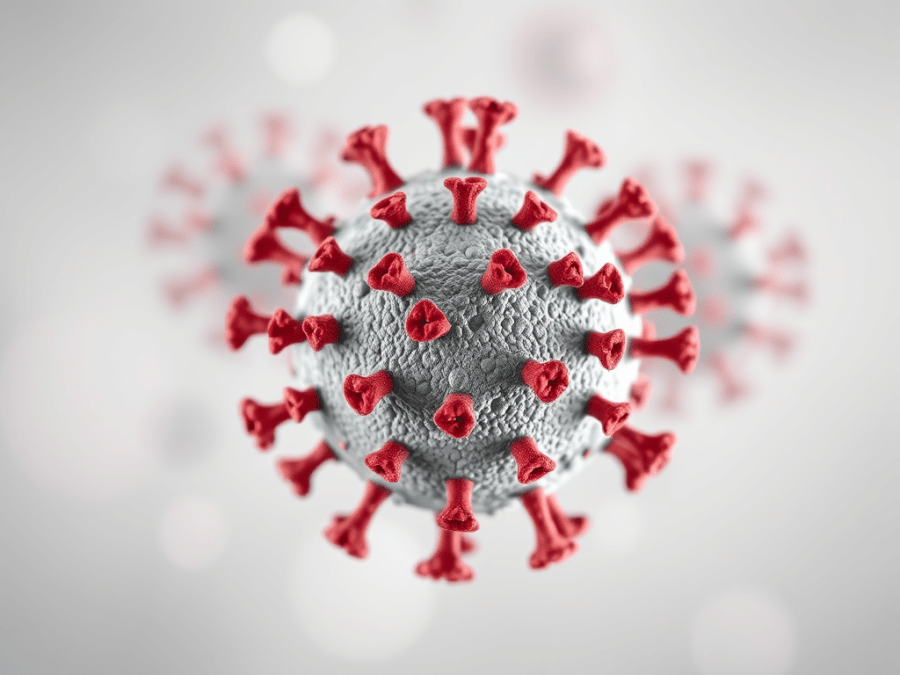
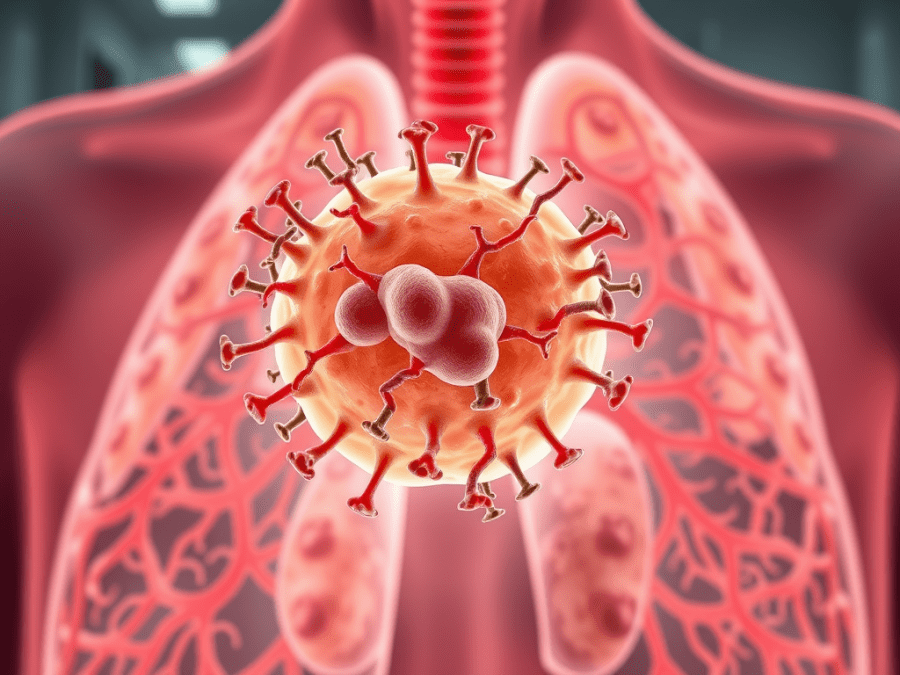
Measles is caused by the measles virus, part of the Morbillivirus family. It’s a single-stranded RNA virus that first infects the respiratory tract, then spreads throughout the body.
How It Spreads
The virus is extremely contagious. When someone coughs or sneezes, droplets can hang in the air for up to two hours, and touching a contaminated surface, then your eyes, nose, or mouth, can spread it just as easily.
If someone is exposed and not immune, nine out of ten will get sick. People with measles can spread the virus four days before the rash starts and four days after. That’s one reason outbreaks move so quickly.
The infectiousness of a virus is often measured by R0. For measles, in an unvaccinated community, R0 runs between 12 and 18, meaning one person can spread it to 12 to 18 others, a transmission rate high enough that public health teams treat a single confirmed case as urgent rather than waiting to see if it spreads further. Get 95 percent of a community vaccinated and R0 drops to about 1, which usually stops an outbreak in its tracks.
Symptoms
The illness follows a predictable pattern. Fever first. Then the rash.
About 7 to 21 days after exposure, early symptoms show up: high fever, cough, runny nose, red and watery eyes. Two or three days later, tiny white spots called Koplik spots can appear inside the mouth. By days 3 to 5 of illness, a red rash spreads from the face and hairline down the body, sometimes raised in the center, often with the fever spiking again at the same time.
Why It’s Serious
Complications are common. Pneumonia is the leading cause of death from measles. About one in a thousand people develops encephalitis, or brain inflammation, which can cause seizures or permanent damage. Severe diarrhea can cause dehydration. In rare cases, blindness or hearing loss occur.
There’s also a delayed complication called subacute sclerosing panencephalitis, a chronic infection of the central nervous system that shows up 6 to 8 years after measles. Symptoms include weakness, tremors, difficulty walking, and eventually coma. It is progressive and untreatable.
Infants, pregnant patients, and people with weak immune systems are at highest risk.
Diagnosis and Treatment
Diagnosis is usually confirmed by blood testing for IgM antibodies, which indicate recent infection. Respiratory swabs from the nose and throat can also detect measles RNA by PCR testing. Sometimes urine is tested as well.
There is no direct antiviral therapy. Treatment is supportive: keeping patients hydrated, managing fever and discomfort with acetaminophen or ibuprofen, and in children, supplementing with vitamin A. The virus lowers vitamin A levels in the body, and supplementing helps reduce the risk of severe complications.
What To Do if Someone Gets Measles
Isolation is critical. A patient should stay isolated for at least four days after the rash appears. Family and close contacts should be alerted. Post-exposure prophylaxis is an option for people who are unvaccinated or whose immunity is uncertain. The MMR vaccine may help if given within 72 hours of exposure. If that’s not possible, immune globulin (IVIG) within 6 days is another option, though the two should not be given together.
Complications need close monitoring. Breathing trouble, high fever that does not improve, or neurological symptoms should trigger immediate medical evaluation.
Prevention
The MMR vaccine is the most effective protection we have. Two doses run about 97 percent effective. Children should get their first dose at 12 to 15 months and the second between ages 4 and 6. Adults without immunity should receive at least one dose, and during outbreaks, infants as young as 6 months may be vaccinated early.
Vaccination protects the person who gets it. It also protects those who can’t get vaccinated themselves, including babies too young for the series and patients with immune conditions that rule out live vaccines. Stopping an outbreak for good takes at least 95 percent community coverage.
Closing
The 2025 measles outbreak showed how quickly this virus can return when vaccination coverage drops. Recognizing symptoms early, isolating cases, and vaccinating remain the keys to controlling it. As healthcare providers, we need to keep talking with patients about the value of the MMR vaccine and stay proactive about reporting and diagnosing cases.
For more information, visit the CDC’s measles page.
—
Scott Rennie, D.O.
Board Certified in Obesity Medicine and Family Medicine
This blog is for educational purposes only and does not constitute individual medical advice. Always consult your own physician before making changes to your health, medications, or treatment plan.
Sources
- Centers for Disease Control and Prevention. Measles (Rubeola). https://www.cdc.gov/measles
- Minta AA, et al. Progress Toward Regional Measles Elimination, Worldwide, 2000-2021. MMWR Morb Mortal Wkly Rep. 2022;71(47):1489-1495. PMID 36417303. https://www.cdc.gov/mmwr/volumes/71/wr/mm7147a1.htm
- Moss WJ. Measles. Lancet. 2017;390(10111):2490-2502. PMID 28673424. https://pubmed.ncbi.nlm.nih.gov/28673424/
- Moss WJ, Griffin DE. Global Measles Elimination. Nature Reviews Microbiology. 2006;4(12):900-908. PMID 17088933. https://pubmed.ncbi.nlm.nih.gov/17088933/
 Doctor Rennie's Blog