
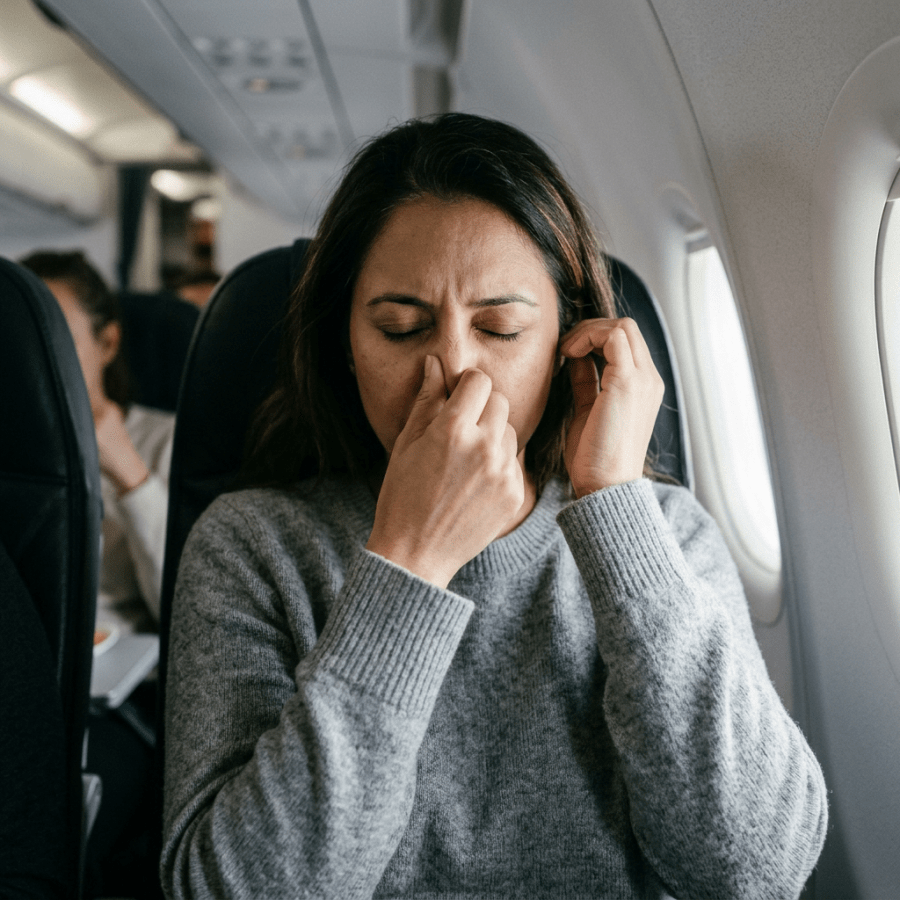
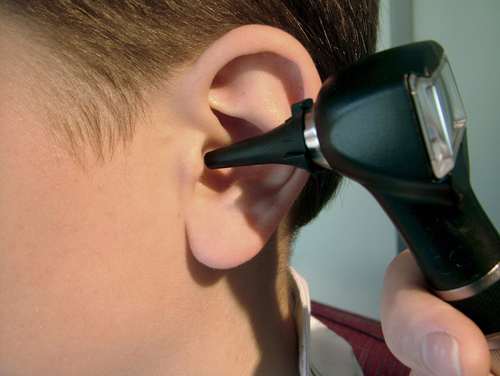
 The Eustachian tube connects the middle ear to the back of the throat and nose. It equalizes the pressure of the ear and is often responsible for the pop sensation that you may feel as you are gaining elevation if you ride on an airplane or drive your car up a mountain pass. If there is a problem with the Eustachian tube, the air pressure inside the middle ear becomes different than the outside air pressure. This leads to pain and a pressure sensation of the ear drum. It can also caused decreased hearing on the affected side. In the medical profession, we use the term “barotrauma” to describe this phenomenon.
Symptoms of Eustachian tube dysfunction (ETD):
1) Ear pain – this can feel just as painful as an ear infection
2) Trouble hearing
3) Ringing in the ear
4) Feeling dizzy
5) Feeling pressure or fullness in the ear
Most of the time Eustachian tube problems are not serious and they get better on their own. They rarely can lead to a more serious problem such as:
1) Middle ear infection
2) Torn eardrum
3) Hearing loss
If a child has Eustachian tube problems for long periods of time, they can have language or speech problems as a result of not hearing well.
Causes: Anything that make the Eustachian tube swollen or inflamed such as recent upper respiratory infection or common cold, allergies, sinus infection or sudden air pressure changes (happens when people fly on an airplane, scuba dive or drive in the mountains).
When to seek medical help: If the symptoms are severe, getting worse or are not improving within a few days.
Treatment: The treatment of Eustachian tube dysfunctions is tailored to the individual patient and the cause of the disorder. Some possible treatment options might be:
1) Nasal sprays – for example Flonase, Nasonex, or Rhinocort
2) Oral antihistamine medications such as Benedryl, Zyrtec, Claritin or Allegra
3) Oral or topical decongestant medications such as Sudafed or Afrin nasal spray
4) Surgery: Most of the time ear tubes are not needed for this problem, however some people do have tube placed in the ear drugs to help with this disorder
5) Special ear plugs that are used on an airplane, or when driving that help decrease the pressure on the ear drum.
Otolaryngologists are doctors that specialize in the Ears, Nose and Throat (ENT). If you are looking for an Otolaryngologist in your area, the American Academy of Otolaryngology has a useful locator on their website: http://www.entnet.org/
I hope that you have found this information useful. Wishing you the best of health,
The Eustachian tube connects the middle ear to the back of the throat and nose. It equalizes the pressure of the ear and is often responsible for the pop sensation that you may feel as you are gaining elevation if you ride on an airplane or drive your car up a mountain pass. If there is a problem with the Eustachian tube, the air pressure inside the middle ear becomes different than the outside air pressure. This leads to pain and a pressure sensation of the ear drum. It can also caused decreased hearing on the affected side. In the medical profession, we use the term “barotrauma” to describe this phenomenon.
Symptoms of Eustachian tube dysfunction (ETD):
1) Ear pain – this can feel just as painful as an ear infection
2) Trouble hearing
3) Ringing in the ear
4) Feeling dizzy
5) Feeling pressure or fullness in the ear
Most of the time Eustachian tube problems are not serious and they get better on their own. They rarely can lead to a more serious problem such as:
1) Middle ear infection
2) Torn eardrum
3) Hearing loss
If a child has Eustachian tube problems for long periods of time, they can have language or speech problems as a result of not hearing well.
Causes: Anything that make the Eustachian tube swollen or inflamed such as recent upper respiratory infection or common cold, allergies, sinus infection or sudden air pressure changes (happens when people fly on an airplane, scuba dive or drive in the mountains).
When to seek medical help: If the symptoms are severe, getting worse or are not improving within a few days.
Treatment: The treatment of Eustachian tube dysfunctions is tailored to the individual patient and the cause of the disorder. Some possible treatment options might be:
1) Nasal sprays – for example Flonase, Nasonex, or Rhinocort
2) Oral antihistamine medications such as Benedryl, Zyrtec, Claritin or Allegra
3) Oral or topical decongestant medications such as Sudafed or Afrin nasal spray
4) Surgery: Most of the time ear tubes are not needed for this problem, however some people do have tube placed in the ear drugs to help with this disorder
5) Special ear plugs that are used on an airplane, or when driving that help decrease the pressure on the ear drum.
Otolaryngologists are doctors that specialize in the Ears, Nose and Throat (ENT). If you are looking for an Otolaryngologist in your area, the American Academy of Otolaryngology has a useful locator on their website: http://www.entnet.org/
I hope that you have found this information useful. Wishing you the best of health,
Scott Rennie, D.O.
Board Certified in Obesity Medicine and Family Medicine
This blog is for educational purposes only and does not constitute individual medical advice. Always consult your own physician before making changes to your health, medications, or treatment plan.
 Doctor Rennie's Blog