

Why Stress Makes You Hungry: The Link to Obesity

One of the harder conversations I have with patients carrying overweight and obesity is about stress and eating. People tell me they reach for snacks when they are anxious or exhausted. That part is familiar to everyone. What is less obvious is how thoroughly stress rewrites the biology of appetite, and how far past willpower the problem sits.

Under ordinary circumstances, hunger runs on homeostatic systems responding to real energy needs. Stress shifts that balance toward non-homeostatic eating, meaning eating driven by something other than fuel. Cortisol rises. Brain reward pathways get stimulated. Cravings sharpen for calorie-dense, highly processed food. Over time the pattern feeds visceral fat gain and insulin resistance (Adam & Epel, Physiol Behav, 2007).

The affect regulation model explains the loop. Stress raises negative emotion, anxiety, sadness, tension. Eating reduces those feelings briefly. That behavior can escalate into binge episodes defined by loss of control and large quantities of food, and binge eating then reinforces itself psychologically and biologically (Heatherton & Baumeister, Psychol Bull, 1991; Telch & Agras, Int J Eat Disord, 1996). Cortisol rises further, abdominal fat increases, glucose spikes worsen insulin resistance.

Sleep and physical activity sit on top of this. Poor sleep increases cravings and erodes impulse control. Exercise works the other way, spending energy while lowering stress and improving mood, and patients who increase activity often find cravings less overwhelming. Food type matters too. Ultra-processed products are engineered to be hyper-palatable and push reward systems harder than whole foods do. Sugary drinks and fructose-rich snacks impair satiety and drive fat storage.

Identifying stress eating often starts with a plain question. I ask patients whether they feel they eat more than the people around them, or whether they ever feel out of control around food. Those two questions surface patterns people have struggled to put into words. Catching it early makes everything downstream more effective.

Patients with stress eating or binge eating disorder face additional obstacles. They drop out of weight programs at higher rates, regain faster, and need strategies reaching past diet and exercise. Emotional regulation, awareness of hunger and fullness cues, and methods for reducing stress responses all become part of the treatment rather than adjuncts to it. Emotion regulation deficits are well documented in binge eating disorder specifically (Czaja, Rief & Hilbert, Int J Eat Disord, 2009).

Mindfulness has trial support. The SHINE study found that a mindfulness-based intervention reduced reward-driven eating and improved fasting glucose in adults with obesity, with modest but real weight change and without strict calorie counting (Daubenmier et al., Obesity, 2016; Mason et al., J Behav Med, 2016). Cognitive behavioral therapy is the other well-supported tool, particularly for binge eating disorder. Both give patients skills for managing stress that don’t route through food.

Medication has a role. Lisdexamfetamine is FDA-approved for moderate to severe binge eating disorder. SSRIs and topiramate get used in selected cases. Continuous glucose monitoring has been explored as a way to show patients how binge episodes register physiologically in real time, and the work so far is early and promising rather than established (Presseller et al., Int J Eat Disord, 2024). Bariatric surgery remains an option, though outcomes may be less favorable when binge behaviors haven’t been addressed first.

Stress eating is biology, psychology, and environment colliding in ways that push people toward overeating, and weak discipline explains none of it. Naming it and treating both the triggers and the physiology is what breaks the cycle. Treatment combining stress management, emotional regulation, and behavioral support makes lasting change realistic.

Scott Rennie, D.O.

References:

1. Adam TC, Epel ES. Stress, eating and the reward system. Physiol Behav. 2007;91(4):449-458. https://pubmed.ncbi.nlm.nih.gov/17543357/

2. Heatherton TF, Baumeister RF. Binge eating as escape from self-awareness. Psychol Bull. 1991;110(1):86-108. https://pubmed.ncbi.nlm.nih.gov/1891520/

3. Telch CF, Agras WS. Do emotional states influence binge eating in the obese? Int J Eat Disord. 1996;20(3):271-279. https://pubmed.ncbi.nlm.nih.gov/8912039/

4. Czaja J, Rief W, Hilbert A. Emotion regulation and binge eating in children. Int J Eat Disord. 2009;42(4):356-362. https://pubmed.ncbi.nlm.nih.gov/19040265/

5. Daubenmier J, et al. Effects of a mindfulness-based weight loss intervention in adults with obesity: A randomized clinical trial. Obesity (Silver Spring). 2016;24(4):794-804. https://pubmed.ncbi.nlm.nih.gov/26955895/

6. Mason AE, et al. Effects of a mindfulness-based intervention on mindful eating, sweets consumption, and fasting glucose levels in obese adults. J Behav Med. 2016;39(2):201-213. https://pubmed.ncbi.nlm.nih.gov/26563148/

7. Presseller EK, et al. Using Continuous Glucose Monitoring to Passively Classify Naturalistic Binge Eating and Vomiting Among Adults With Binge-Spectrum Eating Disorders: A Preliminary Investigation. Int J Eat Disord. 2024. https://onlinelibrary.wiley.com/doi/10.1002/eat.24266

Board Certified in Obesity Medicine and Family Medicine

This blog is for educational purposes only and does not constitute individual medical advice. Always consult your own physician before making changes to your health, medications, or treatment plan.


Does Poor Sleep Make You Gain Weight? Sleep and Obesity

When we talk about weight management, the conversation centers on diet and exercise. Both are critical. Sleep gets skipped. The research keeps showing it as a major player in metabolism, appetite, and energy balance, and for patients working on weight, the link is worth understanding.

Sleep is a biologic state touching nearly every system. The American Academy of Sleep Medicine and the Sleep Research Society jointly recommend seven or more hours a night for adults, and their consensus statement links shorter sleep to weight gain and obesity among other outcomes (Watson et al., Sleep, 2015). Too little of it throws off hormones, eating patterns, and decision-making around food.

Short sleep tracks consistently with higher obesity risk. In a controlled crossover study, adults restricted to four hours a night for five nights consumed roughly 300 calories more per day than the same people sleeping nine hours, with the excess weighted toward fat and carbohydrate (St-Onge et al., Am J Clin Nutr, 2011). Sleep restriction raises ghrelin, which drives hunger, and lowers leptin, which signals fullness (Spiegel et al., Ann Intern Med, 2004). Patients also snack more often and stretch their eating window across the day (Barragan et al., J Clin Sleep Med, 2023).

Brain imaging helps explain it. After sleep loss, reward centers light up in response to images of calorie-dense food. People report stronger cravings and are willing to pay more for high-calorie options after a single bad night (St-Onge et al., Am J Clin Nutr, 2012; Rihm et al., J Neurosci, 2019). I have seen patients describe exactly this. Their self-control, as they put it, vanishes after a bad night.

Does less sleep burn more calories? Slightly, and it doesn’t help. Insufficient sleep raises total daily energy expenditure by about 5%, roughly 100 calories a day, and participants in that work ate well past the deficit and gained weight (Markwald et al., PNAS, 2013). More hours awake means more hours eating. The net energy balance goes the wrong direction.

Poor sleep also undermines weight loss efforts directly. In a calorie restriction study, participants with short sleep lost more lean mass and less fat than those sleeping adequately (Nedeltcheva et al., Ann Intern Med, 2010). Variable sleep patterns predict weaker weight loss and worse food choices (Papandreou et al., Int J Obes, 2020). Running the other way, a randomized trial extending habitual sleep by just over an hour reduced daily intake by about 270 calories and produced modest weight loss with no diet changes at all (Tasali et al., JAMA Intern Med, 2022). That trial is the one I find most useful with patients, because it asks for something people can actually do.

The practical implication is that sleep is an active part of metabolism rather than optional recovery time. I suggest patients track it alongside food and steps, the same way they might track blood pressure or glucose.

Simple things help. Consistent bed and wake times support circadian rhythm. A cool, dark, quiet room improves quality. Avoiding caffeine, alcohol, or heavy meals before bed makes a measurable difference. When patients wake in the night, I tell them not to lie there clock-watching. Getting up briefly, reading, and returning to bed when sleepy works better. Small adjustments, and they shift the trajectory.

For providers, the take-home is to ask about sleep the way we ask about diet or exercise. For patients, prioritizing it changes appetite, energy, and weight in ways that show up on a scale. Nutrition and activity matter enormously, and without adequate sleep the system is working against both.

Scott Rennie, D.O.

References:

1. Watson NF, et al. Recommended Amount of Sleep for a Healthy Adult: A Joint Consensus Statement of the American Academy of Sleep Medicine and Sleep Research Society. Sleep. 2015;38(6):843-844. https://pubmed.ncbi.nlm.nih.gov/26039963/

2. St-Onge MP, et al. Short sleep duration increases energy intakes but does not change energy expenditure in normal-weight individuals. Am J Clin Nutr. 2011;94(2):410-416. https://pubmed.ncbi.nlm.nih.gov/21715510/

3. Spiegel K, et al. Brief communication: Sleep curtailment in healthy young men is associated with decreased leptin levels, elevated ghrelin levels, and increased hunger and appetite. Ann Intern Med. 2004;141(11):846-850. https://pubmed.ncbi.nlm.nih.gov/15583226/

4. Barragan R, et al. J Clin Sleep Med. 2023;19(10):1785-1794.

5. St-Onge MP, et al. Sleep restriction leads to increased activation of brain regions sensitive to food stimuli. Am J Clin Nutr. 2012;95(4):818-824. https://pubmed.ncbi.nlm.nih.gov/22357722/

6. Rihm JS, et al. J Neurosci. 2019;39(5):888-899.

7. Markwald RR, et al. Impact of insufficient sleep on total daily energy expenditure, food intake, and weight gain. Proc Natl Acad Sci USA. 2013;110(14):5695-5700. https://pubmed.ncbi.nlm.nih.gov/23479616/

8. Nedeltcheva AV, et al. Insufficient sleep undermines dietary efforts to reduce adiposity. Ann Intern Med. 2010;153(7):435-441. https://pubmed.ncbi.nlm.nih.gov/20921542/

9. Papandreou C, et al. Int J Obes (Lond). 2020;44(6):1279-1285.

10. Tasali E, et al. Effect of Sleep Extension on Objectively Assessed Energy Intake Among Adults With Overweight in Real-life Settings: A Randomized Clinical Trial. JAMA Intern Med. 2022;182(4):365-374. https://pubmed.ncbi.nlm.nih.gov/35129580/

Board Certified in Obesity Medicine and Family Medicine

This blog is for educational purposes only and does not constitute individual medical advice. Always consult your own physician before making changes to your health, medications, or treatment plan.

Why Is Losing Weight and Keeping It Off So Hard?

As a physician, one of the most common questions I hear from patients is, “Why is it so hard to lose weight and keep it off?” The answer sits in how the body protects its energy stores. What once kept humans alive through scarcity now works against us, in a world of constant food access. The brain runs this system. Understanding its role is where treatment has to start.

Fat storage was never a flaw. Our biology stores energy as fat because that protected our ancestors when food access was unpredictable. Without it, surviving famine would have been unlikely (Schwartz et al., Endocr Rev, 2017).

The brain monitors and regulates fat mass much like a thermostat, a concept called the defended fat mass, or set point, and when fat stores rise, the brain senses the change through hormones like leptin and insulin and responds by increasing energy use while dialing down appetite. When fat stores fall, the brain reads that as a threat. It lowers energy use and ramps up hunger to rebuild the reserve.

That’s why weight loss so often gets followed by regain. The body works to hold on to defended fat mass, and it works at it actively (Rosenbaum & Leibel, Int J Obes, 2010).

The trouble is that our environment no longer matches our biology. Calorie-dense processed food, disrupted sleep, chronic stress, and sedentary living push fat mass higher than what was historically defended. Over time, this reset drives obesity at the population level (Hall & Guo, Gastroenterology, 2017).

Obesity is best understood as a neurometabolic disease. The body does exactly what it was built to do here: protect its energy reserves. In the modern world, though, that defense turns harmful, raising the risk of diabetes, cardiovascular disease, and hypertension (Heymsfield & Wadden, N Engl J Med, 2017).

The real goal of treatment is to recalibrate the defended fat mass. When the brain adapts to a lower set point, weight loss follows without a running fight against hunger.

This is where medications enter. Phentermine reduces appetite by stimulating the nervous system. Topiramate cuts cravings and helps stabilize mood. Bupropion/naltrexone targets reward pathways to blunt food cravings. Liraglutide, a GLP-1 receptor agonist, increases satiety and slows digestion. Newer agents, semaglutide and tirzepatide chief among them, are highly effective GLP-1 receptor agonists that produce sustained weight loss (Wilding et al., N Engl J Med, 2021).

Not every medication works on the brain. Orlistat blocks fat absorption in the gut. It helps some patients, but it doesn’t touch defended fat mass, which caps its long-term effect (Yanovski & Yanovski, JAMA, 2014).

The core point: weight regulation is hardwired. Not chosen. Patients live inside a system where the brain works hard to preserve fat stores. Treatments that respect that biology work better than the ones that ignore it.

Scott Rennie, D.O.

References:

Hall KD, Guo J. Obesity Energetics: Body Weight Regulation and the Effects of Diet Composition. Gastroenterology. 2017;152(7):1718-1727. PMID 28193517. https://pubmed.ncbi.nlm.nih.gov/28193517/

Heymsfield SB, Wadden TA. Mechanisms, Pathophysiology, and Management of Obesity. N Engl J Med. 2017;376:254-266. PMID 28402780. https://pubmed.ncbi.nlm.nih.gov/28402780/

Rosenbaum M, Leibel RL. Adaptive thermogenesis in humans. Int J Obes (Lond). 2010;34 Suppl 1:S47-55. PMID 20935667. https://pubmed.ncbi.nlm.nih.gov/20935667/

Schwartz MW, et al. Obesity Pathogenesis: An Endocrine Society Scientific Statement. Endocr Rev. 2017;38:267-296. PMID 28898979. https://pubmed.ncbi.nlm.nih.gov/28898979/

Wilding JPH, et al. Once-Weekly Semaglutide in Adults with Overweight or Obesity. N Engl J Med. 2021;384:989-1002. PMID 33567185. https://pubmed.ncbi.nlm.nih.gov/33567185/

Yanovski SZ, Yanovski JA. Long-term Drug Treatment for Obesity: A Systematic and Clinical Review. JAMA. 2014;311:74-86. PMID 24231879. https://pubmed.ncbi.nlm.nih.gov/24231879/

Board Certified in Obesity Medicine and Family Medicine

This blog is for educational purposes only and does not constitute individual medical advice. Always consult your own physician before making changes to your health, medications, or treatment plan.

Intensive Lifestyle Programs for Weight Loss: How They Work

Managing obesity well takes more than one strategy. It usually means combining lifestyle changes, medication, and sometimes surgery. Among these, high intensity lifestyle treatment, or HILT, stands out. It’s evidence-based, and it works in both primary care and specialty settings.

At its core, HILT teaches patients the skills that make change last: self-monitoring, goal setting, problem solving, stimulus control. When someone learns to track what they eat, spot the triggers, and reframe the thoughts that used to derail them, the long-term outcomes improve.

Take self-monitoring as an example. A patient who writes down everything they eat, or uses an app that syncs with a fitness tracker, notices patterns fast. Eating more late at night. Eating more on stressful workdays. That kind of awareness is what makes change possible, whether someone prefers a paper journal or a smart scale synced to a phone.

Stimulus control is another powerful tool. I’ve seen families make simple adjustments like moving fruit to the front of the fridge or putting candy in a cupboard out of sight. Small changes. They reduce temptation more than people expect, and patients often notice they snack less without trying particularly hard.

Energy density comes up often in these conversations. People tend to eat a fairly consistent weight of food each day, so choosing foods with fewer calories per gram helps them feel full without overeating. A bowl of vegetable soup fills the stomach more than the same weight of fried food does. Water-rich foods and fiber shift that balance further. Patients often say they’re surprised at how satisfied they feel after increasing lean proteins and high fiber foods.

Positive reinforcement matters too. Talk about pounds lost alone and patients feel defeated fast. Recognize the behavior instead, cooking at home, walking after dinner, and motivation holds up better.

Visit frequency turns out to be critical. The evidence shows that intensity of support tracks directly with outcomes, and the sweet spot seems to sit somewhere between 14 and 26 visits in the first year, weekly at the start, tapering to every two weeks as a patient stabilizes, then to monthly once someone has lost more than three kilograms and needs mainly to hold the line rather than keep pushing. Without that ongoing support, weight regain is common.

HILT delivers well by video visit. Patients report self-monitoring data and daily routines on the call, and for most of what HILT actually does, goal setting, problem solving, stimulus control, that’s enough to tailor the plan without an office ever entering the picture.

Coverage is another consideration. Medicare and many private insurers reimburse for intensive behavioral therapy in primary care under a set cadence: weekly visits for the first month, every other week for the next five months, then monthly for six months if the patient is making progress. That cadence traces back to a national coverage determination effective in 2011, not 2015 as sometimes cited. Physicians, nurse practitioners, physician assistants, and auxiliary staff under supervision can all provide the care.

The research backing HILT holds up. Clinical trials show patients in structured programs are nearly twice as likely to lose more than 5 percent of their body weight compared with usual care. The Look AHEAD trial followed patients for years. The intensive lifestyle group averaged a 6.2 percent loss at four years, settling to 4.7 percent by eight. Combine any of this with newer medications like semaglutide or tirzepatide, and results run stronger still.

For me, HILT is the foundation. Medications and surgery can help, but without the skills to manage daily decisions, the gains don’t last. Structured, supportive, skill-based programs give patients their best shot at results that hold.

Scott Rennie, D.O.

References:

Leblanc ES, O’Connor E, Whitlock EP, Patnode CD, Kapka T. Effectiveness of Primary Care-Relevant Treatments for Obesity in Adults. Ann Intern Med. 2011;155:434-447. PMID 21969342. https://pubmed.ncbi.nlm.nih.gov/21969342/; Jensen MD, et al. 2013 AHA/ACC/TOS Guideline for the Management of Overweight and Obesity in Adults. J Am Coll Cardiol. 2014;63:2985-3023. https://doi.org/10.1016/j.jacc.2013.11.004; Wadden TA, Butryn ML, Hong PS, Tsai AG. Behavioral Treatment of Obesity in Patients Encountered in Primary Care Settings. JAMA. 2014;312:1779-1791. PMID 25369490. https://pubmed.ncbi.nlm.nih.gov/25369490/

Centers for Medicare and Medicaid Services. National Coverage Determination 210.12, Intensive Behavioral Therapy for Obesity, effective November 29, 2011. https://www.cms.gov/medicare-coverage-database/view/ncd.aspx?NCDId=353

Wing RR, et al. (Look AHEAD Research Group). Long-term effects of a lifestyle intervention on weight and cardiovascular risk factors: four-year results of the Look AHEAD trial. Arch Intern Med. 2010;170(17):1566-1575. PMID 20876408. https://pubmed.ncbi.nlm.nih.gov/20876408/ (four-year data); Look AHEAD Research Group. Eight-year weight losses with an intensive lifestyle intervention. Obesity (Silver Spring). 2014;22:5-13. PMID 24307184. https://pubmed.ncbi.nlm.nih.gov/24307184/ (eight-year data)

Wadden TA, et al. STEP 3: Effect of Subcutaneous Semaglutide vs Placebo as an Adjunct to Intensive Behavioral Therapy on Body Weight. JAMA. 2021. PMID 33625476. https://pubmed.ncbi.nlm.nih.gov/33625476/; Wilding JPH, et al. Once-Weekly Semaglutide in Adults with Overweight or Obesity. N Engl J Med. 2021;384:989-1002. PMID 33567185. https://pubmed.ncbi.nlm.nih.gov/33567185/

Board Certified in Obesity Medicine and Family Medicine

This blog is for educational purposes only and does not constitute individual medical advice. Always consult your own physician before making changes to your health, medications, or treatment plan.

Talking to Your Child About Weight: A Family Approach

Pediatric obesity affects nearly one in five children in the United States (Stierman B, Afful J, Carroll MD, et al. National Health Statistics Reports, No. 158, 2021). In primary care, we’re often the first to see the signs. We see families regularly. That gives us a real chance to guide prevention and help establish healthy habits early.

The American Academy of Pediatrics recommends eleven visits in the first two years of life. Those visits do more than cover vaccines and ear checks: they’re a chance to track growth, notice concerning patterns early, and build trust with parents. Short counseling moments, repeated over time, often make more impact than a single long lecture. Small doses, consistently given.

The Chronic Care Model gives us a structure to work from. It starts with decision support, like using BMI and growth charts to flag risk. It builds in self-management tools such as plate planners that make meal discussions concrete, emphasizes delivery system design, and connects practices to community resources so families don’t feel like they’re managing this on their own (Dietz WH, Lee J, Wechsler H, Malepati S, Sherry B. Health Affairs. 2007, 26(2):430-440).

During pregnancy, maternal smoking and psychological stress both raise a child’s later obesity risk (Rayfield S, Plugge E. J Epidemiol Community Health. 2017, 71:162-173) (Dancause KN, Laplante DP, Oremus C, Fraser S, Brunet A, King S. Pediatr Res. 2012, 71:126-131). From birth through the toddler years, setting expectations around normal growth and picky eating helps prevent overfeeding. In preschool and elementary school, reinforcing habits around meals and activity can keep BMI from drifting up. Once kids reach adolescence, weight management often needs more direct intervention (Cardel MI, Atkinson MA, Taveras EM, Holm JC, Kelly AS. JAMA Pediatr. 2020, 174:609-617).

Parental obesity, maternal smoking during pregnancy, a chaotic home feeding environment: all of it raises the odds of rapid early weight gain (Stettler N, Zemel BS, Kumanyika S, Stallings VA. Pediatrics. 2002, 109:194-199). These are the kids who benefit most from structured follow-up.

Meta-analyses show up to a 22 percent reduction in obesity risk from breastfeeding, though the effect drops to about 7 to 10 percent once you adjust for maternal obesity and socioeconomic status (Owen CG, Martin RM, Whincup PH, Smith GD, Cook DG. Pediatrics. 2005, 115:1367-1377) (Harder T, Bergmann R, Kallischnigg G, Plagemann A. Am J Epidemiol. 2005, 162:397-403). Breastfed infants are better at regulating their own intake, and breastmilk itself carries bioactive compounds that affect metabolism (Arenz S, Rückerl R, Koletzko B, von Kries R. Int J Obes (Lond). 2004, 28:1247-1256).

I often tell parents to expect a “three-day eating cycle” in toddlers. One day they eat well, the next they pick at food, the third day they do something in between. Framing it this way reassures parents and heads off unnecessary pressure at mealtime. Another helpful concept is covert restriction, simply not bringing high-calorie snacks into the house in the first place. That avoids turning junk food into a “forbidden fruit” while still shaping healthier choices (Ogden J, Reynolds R, Smith A. Appetite. 2006, 47:100-106).

Motivational interviewing works by asking how they view their child’s weight, showing growth charts, and framing recommendations without blame: all of it makes these conversations more effective (Barlow SE. Pediatrics. 2007, 120 Suppl 4:S164-192). Simple, achievable goals work better than long lists. I often start with two diet-related changes, like reducing sugary drinks and adding vegetables, and one activity change, such as more outdoor play.

Checking in every three months, celebrating small wins, reinforcing progress: that’s what keeps families engaged. Counseling doesn’t need to be perfect. It needs to be consistent.

Scott Rennie, D.O.
Board Certified in Obesity Medicine and Family Medicine

This blog is for educational purposes only and does not constitute individual medical advice. Always consult your own physician before making changes to your health, medications, or treatment plan.

Sources:

How Obesity in Pregnancy Affects the Baby and Placenta

As healthcare providers, we’ve long recognized the importance of maternal health in shaping pregnancy outcomes. What’s become clearer in recent years is the role of epigenetics, changes in gene expression that don’t alter DNA itself but influence how genes are turned on or off.

When we look at pregnancies complicated by obesity, DNA methylation patterns in the placenta are altered, with increased methylation suppressing genes that matter for nutrient transport and fetal growth. DNA hydroxymethylation, usually tied to active gene expression, tends to drop at the same time. One study found a 21 percent increase in methylated regions and a 31 percent decrease in hydroxymethylated regions in placentas from obese pregnancies compared with lean ones (Mitsuya K, Parker AN, Liu L, Ruan J, Vissers MCM, Myatt L. PLOS ONE. 2017, 12(10):e0186115).

These changes show up directly in the structure and function of the placenta. Inflammatory changes are common, disrupting hormonal signals and communication between maternal and fetal systems, while lipid buildup in placental cells interferes with normal function and impaired blood vessel development slows villous maturation, reducing the placenta’s ability to exchange oxygen and nutrients efficiently (Saben J, Lindsey F, Zhong Y, et al. Placenta. 2014, 35:171-177).

Mitochondrial function also suffers. Placental cells from obese pregnancies generate less ATP through oxidative phosphorylation. Less energy available means nutrient transport and other vital processes get compromised, which can directly affect fetal growth and development (Mele J, Muralimanoharan S, Maloyan A, Myatt L. Am J Physiol Endocrinol Metab. 2014, 307:E419-E425).

The clinical consequences are real. Growth restriction at one extreme, excessive growth at the other. Both ends of that spectrum carry a higher risk of metabolic problems later in life, including insulin resistance and obesity (Ornoy A. Reprod Toxicol. 2011, 32:205-212).

In practice, weight and metabolic health before and during pregnancy matter more than we once realized. Supporting women to reach a healthier weight before conception can reduce risks. During pregnancy, balanced diets built around whole foods, healthy fats, and complex carbohydrates can help improve metabolic stability. For women with metabolic dysfunction, medications such as metformin may play a role in improving insulin sensitivity.

Regular follow-up lets us track maternal health and fetal growth, and adjust care as needed. The goal reaches past the pregnancy itself. Reducing the child’s long-term risk of obesity and metabolic disease matters just as much.

Scott Rennie, D.O.
Board Certified in Obesity Medicine and Family Medicine

This blog is for educational purposes only and does not constitute individual medical advice. Always consult your own physician before making changes to your health, medications, or treatment plan.

Sources:

  • 1. Mitsuya K, Parker AN, Liu L, Ruan J, Vissers MCM, Myatt L. Alterations in the placental methylome with maternal obesity and evidence for metabolic regulation. PLOS ONE. 2017;12(10):e0186115. https://pubmed.ncbi.nlm.nih.gov/29045485/
  • 2. Saben J, Lindsey F, Zhong Y, et al. Maternal obesity is associated with a lipotoxic placental environment. Placenta. 2014;35(3):171-177. https://pubmed.ncbi.nlm.nih.gov/24484739/
  • 3. Mele J, Muralimanoharan S, Maloyan A, Myatt L. Impaired mitochondrial function in human placenta with increased maternal adiposity. Am J Physiol Endocrinol Metab. 2014;307(5):E419-E425. https://pubmed.ncbi.nlm.nih.gov/25028397/
  • 4. Ornoy A. Prenatal origin of obesity and their complications: gestational diabetes, maternal overweight and the paradoxical effects of fetal growth restriction and macrosomia. Reprod Toxicol. 2011;32(2):205-212. https://pubmed.ncbi.nlm.nih.gov/21620955/

Why Your Body Fights to Regain the Weight You Lost

As physicians, we often see patients who manage to lose weight but can’t seem to keep it off. One of the biggest physiological reasons is adaptive thermogenesis. Understanding what it is, and how the brain adapts too, helps explain why long-term maintenance is so hard.

Adaptive thermogenesis is the body’s way of conserving energy after weight loss. Drop a significant amount of weight, and the body needs fewer calories to function. That makes it harder to hold on to the new weight. The research goes back decades and shows the effect clearly: people who lose ten percent or more of their body weight need roughly 300 to 400 fewer calories a day to maintain that weight than someone at the same size who never lost it (Leibel et al., NEJM, 1995; Rosenbaum et al., Am J Physiol, 2003).

It’s easiest to picture with two patients. Same height, same weight, same activity. One has always been at that weight. The other lost ten percent to get there. The second patient has to eat several hundred calories less, or burn that much more through activity, just to stay even. That’s the metabolic disadvantage weight-reduced patients live with.

What makes this harder is that adaptive thermogenesis doesn’t fade away. Studies show the effect can last for years, even after weight stays stable (Sumithran et al., NEJM, 2011; Rosenbaum et al., JCI, 2008; Martins et al., AJCN, 2020). This isn’t a short-lived adjustment. Patients have to adjust to the reality that the body keeps pushing back against weight maintenance, sometimes for years after the loss.

The brain changes too. Imaging studies show heightened activity in reward and decision-making regions like the globus pallidus, insula, and ventral striatum after weight loss. Food looks more appealing. Cravings get stronger, and resisting them gets harder. Meanwhile regions tied to satiety and control, the hypothalamus and cingulate gyrus among them, go quiet. Patients feel less full, notice their intake less, and have less control over eating. It’s a setup for regain.

Despite these challenges, there are lessons from people who succeed. The National Weight Control Registry has followed thousands of long-term maintainers. On average they eat about 100 to 150 fewer calories daily than peers at the same weight who never lost it. They move more, roughly 45 extra minutes of activity a day. They watch less television, and they show consistent awareness and restraint around eating. Nothing flashy. It just works against the biology.

Exercise, aerobic and resistance both, raises energy expenditure and helps preserve muscle mass, which supports metabolism. Mindful eating and careful tracking help patients avoid unintentional increases in intake. Structured programs and social support provide accountability, which matters when the body is working against the patient. Regular follow-up visits help sustain those behaviors.

Adaptive thermogenesis and brain adaptations stack the deck against weight maintenance. Understanding the physiology makes it easier to set realistic expectations, though, and to design strategies that work with a patient’s biology instead of against it.

Scott Rennie, D.O.
Board Certified in Obesity Medicine and Family Medicine

This blog is for educational purposes only and does not constitute individual medical advice. Always consult your own physician before making changes to your health, medications, or treatment plan.
References:

  • 1. Leibel RL, Rosenbaum M, Hirsch J. Changes in Energy Expenditure Resulting from Altered Body Weight. N Engl J Med. 1995;332:621-628. https://pubmed.ncbi.nlm.nih.gov/7632212/
  • 2. Sumithran P, Prendergast LA, Delbridge E, et al. Long-Term Persistence of Hormonal Adaptations to Weight Loss. N Engl J Med. 2011;365:1597-1604. https://pubmed.ncbi.nlm.nih.gov/22029981/
  • 3. Rosenbaum M, et al. Effects of experimental weight perturbation on skeletal muscle work efficiency in human subjects. Am J Physiol Regul Integr Comp Physiol. 2003;285:R183-R192. https://pubmed.ncbi.nlm.nih.gov/12609816/
  • 4. Rosenbaum M, et al. Leptin reverses weight loss-induced changes in regional neural activity responses to visual food stimuli. J Clin Invest. 2008;118:2583-2591. https://pubmed.ncbi.nlm.nih.gov/18568078/
  • 5. Martins C, Roekenes J, Salamati S, Gower BA, Hunter GR. Metabolic adaptation is an illusion, only present when participants are in negative energy balance. Am J Clin Nutr. 2020;112:1212-1218. https://pubmed.ncbi.nlm.nih.gov/32844188/

Why Exercise Matters for Obesity Beyond Weight Loss

When we counsel patients about obesity management, one of the most common misconceptions is that exercise by itself is the best way to lose weight. On video visits, patients often tell me they’ve started walking every day or signed up for the gym, expecting big changes in their weight within weeks. Sometimes even clinicians lean into that belief. But the data consistently show that diet has a much stronger impact on weight loss than exercise alone.

That doesn’t mean physical activity isn’t important. Far from it. The average weight loss from exercise alone is modest, usually around two to three kilograms. Add diet changes, and outcomes improve significantly. Patients who combine both tend to lose more weight and, more importantly, keep it off better.

The role of exercise extends well beyond weight loss itself. It preserves lean body mass, lowers blood pressure, improves cholesterol, and supports long-term physical function. Pharmacotherapy shows the same pattern: medications can drive the weight loss, but adding structured activity makes the results more sustainable.

The type of activity matters. Aerobic exercise, walking, cycling, swimming, drives calorie expenditure, but resistance training helps maintain or build muscle, which matters most when calories are reduced. The combination works best. Most recommendations center around 150 minutes of moderate-intensity activity per week, which can mean brisk walking 30 minutes a day, five days a week. Some patients prefer high-intensity interval training because it takes less time, though not everyone tolerates it well. For beginners, discomfort and injury risk run higher, so starting gradually makes sense.

It’s important to manage expectations. When a patient logs on discouraged because an exercise program hasn’t led to major weight loss, that’s a teaching moment. Diet has to be part of the plan too, and exercise alone was never going to get there. Once patients understand that, they’re more willing to combine strategies instead of giving up.

Adherence and enjoyment are often the deciding factors. People stay consistent when they choose activities they actually like. One patient may thrive on group classes, another prefers solitary walks with a podcast. Both approaches work, if they’re done regularly.

Daily habits outside the gym matter too. Non-exercise activity thermogenesis, or NEAT, is the energy used in everyday movement: standing during phone calls, walking instead of driving short distances, taking the stairs instead of the elevator, plus gardening, housework, walking a dog, small things patients can relate to. Increasing NEAT can meaningfully raise daily calorie burn without feeling like a formal workout.

For us as providers, diet drives most of the weight loss, but physical activity is essential for maintaining it and for overall health. Framing it this way helps patients set realistic expectations while reinforcing that movement stays a regular part of life.

Reference:

Swift DL, McGee JE, Earnest CP, Carlisle E, Nygard M, Johannsen NM. The Effects of Exercise and Physical Activity on Weight Loss and Maintenance. Prog Cardiovasc Dis. 2018;61(2):206-213. https://pubmed.ncbi.nlm.nih.gov/30003901/

Scott Rennie, D.O.

Board Certified in Obesity Medicine and Family Medicine

This blog is for educational purposes only and does not constitute individual medical advice. Always consult your own physician before making changes to your health, medications, or treatment plan.

Hip Pain on the Side: Greater Trochanteric Bursitis Explained

Lateral hip pain that lingers and gets in the way of ordinary activity comes up constantly in my practice. One of the usual culprits is greater trochanteric bursitis, or GTB. It frustrates patients, partly because it takes a while to get named correctly. It gets called arthritis. It gets called a back problem. Catching it early changes how the whole thing goes.

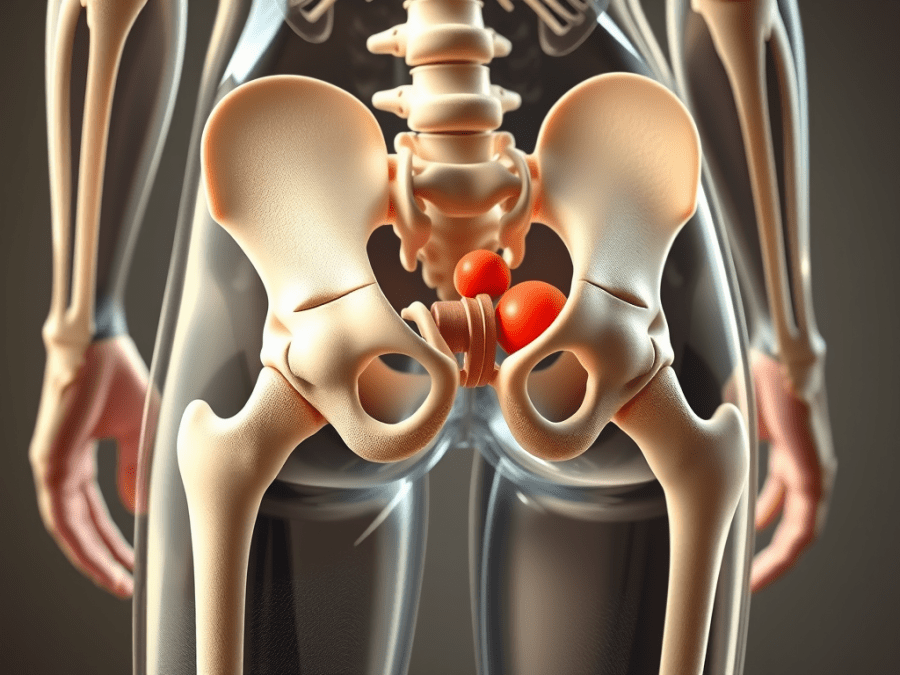
The greater trochanter is the bony bump on the outside of the hip, the one you can find with your fingers. Bursae sit around it, small fluid-filled sacs that keep bone, muscle, and tendon from grinding against each other. Inflame one and you get pain along the outer hip.

Symptoms

Patients describe an ache or a burn over the side of the hip. It can run down the outside of the thigh, though it rarely travels past the knee. Activity makes it worse: stairs, long walks, and lying on that side at night, which is the complaint that finally brings people in. The area is almost always tender to pressure. Some patients mention stiffness after sitting a while, or difficulty getting the hip moving again.

The symptom picture overlaps with lumbar radiculopathy and osteoarthritis, which is exactly why it’s so often mislabeled.

Diagnosis

History does most of the work. When did it start, what makes it worse, was there a fall, and did anything change recently in activity or training. That last question earns its keep more often than people expect.

Point tenderness directly over the greater trochanter is the classic finding. A positive Trendelenburg sign, which reflects gluteal weakness, points toward associated tendon involvement rather than isolated bursitis.

Imaging isn’t always needed. X-rays rule out arthritis. Ultrasound or MRI can show bursal inflammation or gluteal tendinopathy when the case isn’t behaving.

Treatment

Most patients get better with conservative care, and I want to be clear that conservative here doesn’t mean passive. Rest from whatever’s aggravating it, ice over the outer hip, and an NSAID like ibuprofen or naproxen for pain and swelling will settle the acute phase.

Physical therapy is the piece that actually changes the trajectory. Strengthening the gluteal muscles and improving hip stability relieves current symptoms and makes recurrence less likely. I’ve had patients who could barely sleep on their side due to the pain, and after a few weeks of targeted therapy, they were back to normal activities.

When conservative care runs out of road, a corticosteroid injection into the bursa can help, and ultrasound guidance improves accuracy enough to be worth asking for. Platelet-rich plasma and shockwave therapy are still being studied in resistant cases. Surgical bursectomy is rare and belongs to the severe cases that have failed everything else.

Prevention and Long-Term Outlook

Preventing recurrence means dealing with what caused it. Weight management reduces load through the hip. Footwear matters, particularly for anyone on their feet all day on hard floors. Regular hip strengthening and flexibility work keeps the area stable, and patients who avoid long stretches of unbroken sitting or standing tend to hold their gains.

Working Together

For colleagues: keep the differential wide on lateral hip pain, and get physical therapy involved early rather than after the third failed round of anti-inflammatories. A multidisciplinary approach is what produces durable outcomes here.

For patients: this hurts, it can drag on, and it’s genuinely treatable. Most people get their mobility back and return to normal routines.

Scott Rennie, D.O.

Sources

  • Segal NA, Felson DT, Torner JC, et al. Greater trochanteric pain syndrome: epidemiology and associated factors. Arch Phys Med Rehabil. 2007;88(8):988-992.
  • Strauss EJ, Nho SJ, Kelly BT. Greater trochanteric pain syndrome. Sports Med Arthrosc Rev. 2010;18(2):113-119.
  • Bird PA, Oakley SP, Shnier R, Kirkham BW. Prospective evaluation of magnetic resonance imaging and physical examination findings in patients with greater trochanteric pain syndrome. Arthritis Rheum. 2001;44(9):2138-2145.

Board Certified in Obesity Medicine and Family Medicine

This blog is for educational purposes only and does not constitute individual medical advice. Always consult your own physician before making changes to your health, medications, or treatment plan.