
Is Yo-Yo Dieting Bad for You? Weight Cycling Explained

A lot of my patients describe the same arc. They work hard, lose weight, feel good for a while, and then months or years later it comes back. That repeated loss and regain is weight cycling. It is common, and it is hard on people both physically and emotionally.

The question I hear most often is whether it is even worth trying if the weight is coming back anyway. The research answers that more clearly than it used to, and the answer is yes.

Weight cycling generally means repeated intentional loss followed by unintentional regain. Some researchers set the bar at a 10 percent change in body weight occurring three or more times. Depending on the study, it affects 20 to 35 percent of men and up to half of women (Montani et al., 2015).

Why does the weight return? Biology pushes back harder than most people anticipate. After weight loss, resting energy expenditure falls further than body size alone would predict, and this metabolic adaptation can persist for years, meaning the body burns less than expected (Fothergill et al., 2016). Hormones move too. Leptin drops, hunger hormones climb, and patients end up hungrier and less satisfied by meals than they were before (Sumithran et al., 2011). The body also tends to compensate for exercise by raising appetite. Together these explain why maintenance is the hard part, not the losing (Thomas et al., 2012).

The real question is whether the cycling itself does damage. Large reviews and cohort studies have not found strong evidence that weight cycling raises mortality or major chronic disease risk when the weight loss is intentional and supervised (Mehta et al., 2014). Some work suggests regain may favor fat over muscle, visceral fat especially, though the findings are inconsistent (Mackie et al., 2017).

The psychological picture is better than most people assume. Foster and colleagues found that patients who regained weight still reported improvements in mood, hunger, and eating behavior after the loss phase (Foster et al., 1996). Other work has found no consistent long-term harm from the pattern itself (Osborn et al., 2011).

So should patients keep trying? The National Task Force on the Prevention and Treatment of Obesity concluded in 1994 that weight cycling should not deter people from attempting weight loss, and that position has held up (National Task Force, JAMA 1994). The benefits of intentional loss, lower blood pressure, better lipids, better glucose control, better quality of life, generally outweigh the risk of regaining.

One of my patients lost about 8 percent of her body weight through diet and walking. A year later most of it had come back. During the stretch she kept it off, though, her blood pressure normalized and she came off one of her antihypertensives. The weight returned. The benefit she got during that window was real and measurable, and the research says her experience is the rule rather than the exception.

What I steer patients toward is sustainable habit rather than another aggressive diet. Regular activity, consistent eating patterns, decent sleep, and watching the trend line instead of the daily number. A setback does not undo the progress. Staying connected to support, whether that is a clinician, a dietitian, or counseling, matters more than most people expect.

Weight cycling is real and it is discouraging. It is not a reason to stop. Even temporary weight loss buys real health, and the useful reframe is to treat weight management as ongoing care rather than a project with an end date.

Scott Rennie, D.O.

References

Montani JP et al. Obesity Reviews. 2015.

Fothergill E et al. Obesity. 2016.

Sumithran P et al. NEJM. 2011.

Thomas DM et al. Obesity. 2012.

Mehta T et al. Obesity Reviews. 2014.

Mackie GM et al. Obes Res Clin Pract. 2017.

Foster GD et al. J Consult Clin Psychol. 1996.

Osborn CY et al. Ethn Dis. 2011.

National Task Force on the Prevention and Treatment of Obesity. Weight cycling. JAMA. 1994;272(15):1196-1202.

Board Certified in Obesity Medicine and Family Medicine

This blog is for educational purposes only and does not constitute individual medical advice. Always consult your own physician before making changes to your health, medications, or treatment plan.


How Much Exercise Do You Need to Lose Weight?

Patients ask me all the time how much exercise really matters for weight loss. The honest answer is that it depends on what they are trying to do. Losing weight quickly, keeping it off, and staying healthy are three different goals, and exercise performs very differently against each one.

On one point the research is not ambiguous. Exercise on its own rarely produces large weight loss. Most trials show modest changes, roughly half a kilogram to three kilograms, and that is in people putting in 180 to 270 minutes a week (Jakicic et al., 2019). Below 150 minutes, most people do not lose much at all. I see the same thing on my schedule. Patients who start walking three times a week often feel noticeably better while the scale barely moves, and that gap is worth naming out loud before they get discouraged by it.

None of which makes exercise optional. It is among the best tools we have for preventing regain. Long-term data show that people sustaining higher volumes, often north of 250 minutes a week, are considerably more likely to hold onto a 10 percent loss (Jakicic et al., 2014). That is where the real return sits.

Paired with dietary change, the numbers improve. Adding exercise to calorie restriction increases short-term loss by about 20 to 25 percent over diet alone (Wing et al., 1998; Goodpaster et al., 2010). I had a patient who was cutting calories carefully and getting almost nothing for it until she added regular cycling. With both together she lost roughly twice as much and held it considerably longer.

Type and volume both matter. For general health, 150 minutes of moderate activity a week is the baseline. For meaningful weight loss, 250 to 300 minutes is closer to what is needed. For maintenance, somewhere in the 200 to 300 range seems to work. None of this requires a gym. Walking, yard work, and even light activity like standing or slow walking accumulate, and a 2021 doctoral dissertation found that increasing light-intensity activity independently predicted weight loss at both 6 and 12 months (Jackson, 2021).

Practically, I tell patients to start from where they actually are. Adding steps, breaking up long stretches of sitting, and picking something they do not dread produces more consistency than any prescribed routine they will abandon in a month. Thirty to sixty minutes on most days works whether it comes in one block or four. And if weight loss is the goal, it has to be paired with dietary change; exercise alone will disappoint them.

Exercise is not a shortcut to weight loss, and patients who come in expecting it to be will be let down. What it does do is keep lost weight off, improve metabolic health, and protect function as people age. Move more, sit less, keep going.

Scott Rennie, D.O.

References

Jakicic JM et al. Physical Activity and the Prevention of Weight Gain in Adults: A Systematic Review. Med Sci Sports Exerc. 2019;51(6):1262-1269.

Jakicic JM et al. Obesity. 2014;22:2284-2292.

Goodpaster BH et al. JAMA. 2010;304(16):1795-1802.

Wing RR et al. Am J Clin Nutr. 1998;67(3):551-558.

Physical Activity Guidelines Advisory Committee. 2018 Scientific Report.

Jackson R. Doctoral dissertation, 2021.

Board Certified in Obesity Medicine and Family Medicine

This blog is for educational purposes only and does not constitute individual medical advice. Always consult your own physician before making changes to your health, medications, or treatment plan.
Do Weight Loss Supplements Work? What Research Shows

Patients ask me about supplements constantly. They have seen an ad promising fast results from something natural and want to know whether it is worth a try. The answer is duller than the advertising. The evidence behind most weight loss supplements is thin, and the safety problems are not.

Paul R. Thomas at Columbia University’s Institute of Human Nutrition has reviewed this literature. What he and others find is that these products mostly do not work. The studies that exist tend to be small, short, and funded by the companies selling the product. Where a benefit shows up, it is small. Garcinia cambogia came in at under a kilogram of difference against placebo. That is not what patients are hoping for when they buy it, and it is not remotely close to what lifestyle change or an FDA-approved medication will do (Thomas, 2022).

The marketing claims sort into a few categories. Appetite suppression is credited to hoodia, glucomannan, and saffron. Metabolic or energy boosting gets attributed to caffeine, green tea extract, and bitter orange. Fat absorption blocking is the pitch for chitosan, and reduced fat synthesis for CLA and garcinia cambogia. The proposed mechanisms sound reasonable. The measured effects are close to nothing.

Safety is the more serious issue. Supplements do not have to be proven safe or effective before they are sold, because they are regulated closer to food than to drugs. The FDA can generally act only after harm is documented, which leaves a wide window. Independent testing has repeatedly turned up quality failures, including heavy metal contamination and doses that do not match the label. Some products have been found to contain banned or genuinely dangerous drugs, among them sibutramine, pulled from the market over cardiovascular risk, and phenolphthalein, a carcinogen (Tucker et al., 2018).

The harm is documented rather than theoretical. Roughly 23,000 emergency department visits a year in the United States are attributed to supplements, and weight loss and energy products account for most of them. The usual presentations are palpitations, chest pain, and tachycardia, and the patients are disproportionately young adults in their twenties and early thirties (Geller et al., 2015).

When patients ask what to do, I tell them to be careful. If they are going to use something, single-ingredient products from established national brands are the safer end of the pool, ideally with third-party verification such as USP or NSF. Avoid proprietary blends that will not disclose what is in them. Be suspicious of anything promising to melt fat. If they have a reaction, stop the product, keep the bottle, and report it to Poison Control and the FDA’s MedWatch program.

Supplements are everywhere and the evidence does not support them. Nutrition, physical activity, behavioral support, and where appropriate FDA-approved medication remain both more effective and considerably safer than whatever is currently being advertised.

Scott Rennie, D.O.

References

Thomas PR. Weight Loss Supplements. Columbia University Institute of Human Nutrition, 2022.

Geller AI et al. Emergency Department Visits for Adverse Events Related to Dietary Supplements. NEJM. 2015;373:1531-1540.

Tucker J et al. Unapproved Pharmaceutical Ingredients Included in Dietary Supplements Associated With US Food and Drug Administration Warnings. JAMA Network Open. 2018;1(6):e183337.

Board Certified in Obesity Medicine and Family Medicine

This blog is for educational purposes only and does not constitute individual medical advice. Always consult your own physician before making changes to your health, medications, or treatment plan.

Does Chronic Stress Cause Weight Gain? A Doctor Explains

Obesity gets described as a balance of diet and exercise, and stress plays a far larger role in it than most people are told. I have seen patients who eat well and stay active and still lose ground the moment their stress rises. Research from Dr. Rajita Sinha at Yale explains a good deal of why. Chronic stress produces measurable biological change, well past anything you would call a mood.

Stress acts on the brain circuits governing emotion, motivation, and self-control. Those circuits overlap with the ones handling food reward and craving, particularly for calorie-dense processed food (Sinha et al., 2022). Cortisol climbs under chronic stress. Ghrelin rises with it while leptin falls. What you end up with is a body primed to eat more, in an environment where high-calorie food is always within reach.

Calling that emotional eating undersells it. In Sinha’s lab work, people exposed to stress through guided imagery ate more snack food afterward, and participants who were already overweight were the most affected. Their cravings and calorie intake tracked with measured increases in cortisol and ghrelin. The stress reached past how they felt and changed how their brains and bodies handled food.

The pandemic ran this experiment at national scale. Nearly half of U.S. adults gained weight over that period, with worse effects among people who already had higher BMIs (Khubchandani et al., 2022). Children were not spared; CDC data showed the rate of BMI increase doubling against pre-pandemic years (Lange et al., 2021). The predictors of gain were emotional distress, having children at home, and how long it had been since someone last weighed themselves.

Work outside the pandemic points the same way. In one community study, people with higher baseline cortisol and greater insulin resistance were more likely to gain weight over the following six months (Chao et al., 2017). Those markers did more than correlate with obesity. They predicted it.

That has pushed researchers past the eat-less-move-more framing toward treatments aimed at the stress itself. Mindfulness-based stress reduction lowers food cravings, perceived stress, and blood pressure in people with obesity (Tuit et al., 2011). There is even evidence in parenting: a small study of low-income mothers found mindful parenting reduced parental stress and was associated with healthier BMI outcomes in their children (Jastreboff et al., 2018).

Medical and surgical treatment still matter, and the evidence suggests they perform best alongside strategies that reduce stress reactivity and support executive function. Stress management belongs in the treatment plan rather than tacked onto the end of it.

I have seen patients who feel defeated because they are certain the weight they gained under stress was a personal failure. The science says otherwise. Stress reshapes brain pathways, moves hormone levels, and changes eating behavior in ways we can measure. None of that makes change impossible. It does mean compassion is not optional in this conversation, and that treating stress as part of the disease moves the discussion off blame and onto something we can actually act on.

Scott Rennie, D.O.

References

Sinha R. Chronic Stress and Obesity. Yale School of Medicine, Columbia Obesity ABOM Virtual Course, 2022.

Chao A et al. High Cortisol and Insulin Resistance Predict Weight Gain. Obesity. 2017.

Khubchandani J et al. Depression and Anxiety Predict Weight Gain During the COVID-19 Pandemic. Diabetes & Metabolic Syndrome. 2022.

Lange SJ et al. Body Mass Index Increase in Children During COVID-19. MMWR Morb Mortal Wkly Rep. 2021.

Tuit K et al. Mindfulness and Stress Reduction in Obesity. Appetite. 2011.

Jastreboff AM et al. Mindful Parenting and Childhood Obesity Prevention. Journal of Pediatrics. 2018.

Board Certified in Obesity Medicine and Family Medicine

This blog is for educational purposes only and does not constitute individual medical advice. Always consult your own physician before making changes to your health, medications, or treatment plan.

How Weight Stigma Hurts Health and Makes Obesity Worse

Conversations about obesity circle back to calories, exercise, and willpower almost every time. Weight stigma gets far less airtime and carries comparable weight. I have seen patients delay care or stop coming back entirely because of how they were treated somewhere else. The discomfort is the smaller part of it. The evidence says stigma itself worsens health and can contribute to weight gain.

Weight stigma is being stereotyped or discriminated against because of body size. It shows up in schools, workplaces, public spaces, and clinical settings. Dr. A. Janet Tomiyama’s work frames it as a chronic stressor, and stress is never metabolically neutral. It sets off hormonal changes that drive appetite and shift metabolism.

Her team built the COBWEBS model to describe the loop. Stigma triggers stress, cortisol rises, cravings intensify, calorie-dense food becomes more appealing, weight gain follows, and the weight gain brings more stigma (Tomiyama, 2014).

The measurements back the model. Women with higher BMIs who reported more stigma experiences had significantly higher morning cortisol than women at similar BMIs reporting fewer such experiences (Tomiyama et al., 2014). What separated the two groups was not their weight. It was how they had been treated.

Simulated experience shows it too. Participants who wore a fat suit to approximate living in a larger body reported more distress afterward and ate more calorie-dense snacks than controls (Heldreth et al., 2018). The premise that shaming people improves their health does not survive contact with the data. It usually produces the opposite.

The longitudinal picture is worse. Adolescent girls teased about their weight by family or peers had higher BMIs years later, holding self-esteem and body image constant (Hunger & Tomiyama, 2014). Stigma sits upstream of obesity as well as downstream. It forecasts it.

Healthcare has no exemption here. Clinicians who specialize in obesity medicine have been shown to carry implicit anti-fat bias, and patients pick up on it immediately. I have had patients tell me directly that they put off care because they did not want to be weighed or judged again. The literature matches what they describe: stigma in healthcare settings is associated with shorter visits, fewer diagnostic tests, and worse outcomes (Tomiyama et al., 2022).

It reaches providers as well. Medical students who internalize anti-fat bias have higher rates of depression and substance use. The damage runs in more than one direction.

Weight stigma is a health risk in its own right. It raises stress, fuels craving, keeps people away from care, and pushes outcomes the wrong way. What patients need is care aimed at behavior and health rather than at their size, and the work for us is examining our own language, our assumptions, and the spaces we ask people to walk into.

Scott Rennie, D.O.

References

Tomiyama AJ. Weight stigma is stressful: A review of evidence for the Cyclic Obesity/Weight-Based Stigma model. Appetite. 2014.

Tomiyama AJ et al. Health Psychology. 2014.

Heldreth CM, Incollingo Rodriguez AC, Tomiyama AJ. Obesity. 2018.

Hunger JM, Tomiyama AJ. JAMA Pediatrics. 2014.

Tomiyama AJ et al. Stigma and health outcomes in clinical settings. 2022.

Board Certified in Obesity Medicine and Family Medicine

This blog is for educational purposes only and does not constitute individual medical advice. Always consult your own physician before making changes to your health, medications, or treatment plan.
Weight Loss After 65: Treating Obesity in Older Adults

Obesity in older adults is a clinical problem about mobility, independence, and quality of life, and the number on the scale is the least interesting part of it. The problem is growing as the population ages. In the NHANES data, 38.9% of adults 60 and over meet criteria for obesity (Emmerich SD, NCHS 2024).

Between 2010 and 2050 the U.S. population over 65 will nearly double, from 40 million to more than 80 million (U.S. Census Bureau). Aging brings multimorbidity, frailty, and loss of independence with it, and excess adiposity adds a layer on top. Older adults with obesity are more likely to experience disability, reduced gait speed, and earlier institutionalization (Batsis JA, Eur J Intern Med 2014; Elkins JS, Obesity 2006). Body composition also shifts with age, with sarcopenia and visceral adiposity together making BMI a much less trustworthy measure than it looks (Batsis JA, Int J Obes 2016).

So the question is not really whether weight loss is safe in older adults. It is how it gets done. Intentional, structured weight loss helps when it is handled carefully. Randomized trials show that combining diet with exercise improves physical performance even when the weight loss itself is modest (Villareal DT, NEJM 2011; Batsis JA, J Am Geriatr Soc 2016). The danger sits with weight loss that is unintentional or too aggressive, which costs lean mass and bone density and raises fracture risk (Ensrud KE, J Clin Endocrinol Metab 2005). That is why the intervention has to protect muscle: resistance training, and protein intake of at least 1.0 to 1.2 g/kg/day, with leucine-rich sources where possible (Porter Starr K, J Gerontol Med Sci 2016).

Function is the goal, not the scale. Better mobility, more independence, better quality of life. Which means starting with an assessment of baseline function and cognition before recommending weight loss at all, and factoring in food security, transportation, and whether the patient is also caring for someone else. Physical therapists, dietitians, and care managers earn their place in this (Batsis JA, JAMDA 2011).

Medications are an option and they need care here. GLP-1 receptor agonists like semaglutide and liraglutide, and combinations like bupropion/naltrexone, are promising, but older adults have been poorly represented in the trials (Hollander P, Diabetes Care 2013; Grunvald E, Gastroenterology 2022). In practice hypotension, hypoglycemia, GI intolerance, and lean mass loss all carry more weight in a frail patient than they would in a younger one (Volpe S, Nutrients 2023; Batsis JA, Nat Rev Endocrinol 2018). I go slower on titration with these patients than the labeling suggests, and I ask about falls before I ask about weight.

What works is tailored and multidisciplinary. DASH or Mediterranean patterns are reasonable starting points. Activity should be gradual, supervised, and matched to ability, along the lines of the LIFE trial (Pahor M, JAMA 2015). Behavioral support delivered through community programs or telemedicine works in this population, which matters given how much harder it is for older patients to get to an office (Alberts SM, Gerontologist 2021; Batsis JA, BMC Geriatrics 2021). And sarcopenia, osteoporosis, and medication side effects all need watching throughout.

Treating obesity in older adults means preserving mobility, strength, and vitality rather than chasing an ideal weight. Done carefully, it buys people independence and dignity, which is what they came in for.

Scott Rennie, D.O.

Board Certified in Obesity Medicine and Family Medicine

This blog is for educational purposes only and does not constitute individual medical advice. Always consult your own physician before making changes to your health, medications, or treatment plan.

What Brain Scans Show About Appetite and Overeating

Patients say a version of the same thing constantly: “I know what I should eat, but I still crave the wrong things.” That gap between knowledge and behavior is what pushed researchers toward the brain. Functional MRI has shown that appetite runs on circuits that defend fat mass and respond to food cues, and that willpower is a small part of the story.

For years we leaned on BMI as the working definition of obesity. A BMI over 30 got the label, and the number explained nothing about why weight gain happened or why some patients struggle far more than others. Schwartz and colleagues reframed it in 2017 as “a disorder of energy homeostasis, characterized by the defense of an elevated body fat mass” (Schwartz et al., Endocr Rev, 2017). That definition earns its keep. It says the body is working to hold fat stores high, and that when weight comes off, biology answers with stronger hunger signaling, slower metabolism, and shifted hormones.

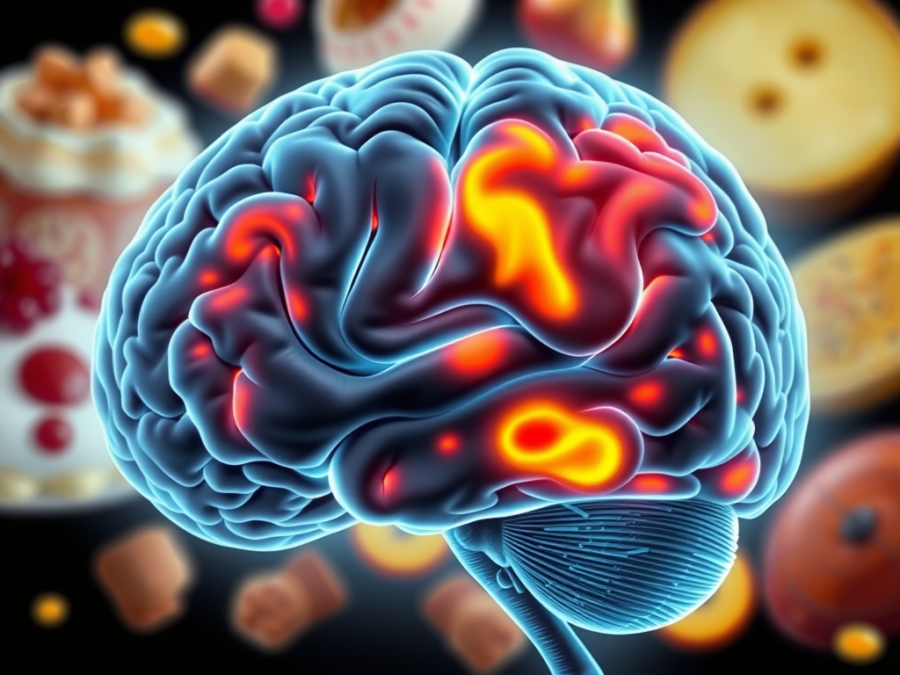
The gut-fat-brain conversation sits at the center. Leptin, ghrelin, insulin, GLP-1, and PYY all shape hunger and satiety, and fMRI shows how those signals land. High-calorie food cues light up the amygdala, striatum, medial orbitofrontal cortex, and ventral tegmental area, all reward and craving territory (Schur et al., Int J Obes, 2009; Melhorn et al., Am J Clin Nutr, 2018). After weight loss, that reward response doesn’t fade, which is a large part of why relapse is the rule. Interventions do move it. Leptin replacement, intranasal insulin, GLP-1 agonists, and bariatric surgery all reduce this activation (Holsen et al., Int J Obes, 2018; van Bloemendaal et al., Diabetes, 2014).

One finding deserves more attention than it gets: looking at pictures of calorie-dense food predicts what people actually eat. In studies where participants later chose from a buffet, those with higher reward activation to food images selected more high-fat, high-calorie items. The brain response translated into behavior at the table.

That has treatment implications. Patients with persistent reward-driven responses may get the most from GLP-1 agonists like semaglutide. For others, agents acting on central insulin or leptin signaling may fit better. Bupropion-naltrexone targets reward pathways directly and may suit patients where hedonic eating is the main driver. Obesity is a brain-based condition, and it needs brain-aware treatment.

Inflammation belongs in this picture too. Valdearcos and colleagues showed that rodents on a high-fat diet developed hypothalamic gliosis, an inflammatory response in the brain, before they gained significant weight (Valdearcos et al., Cell Metab, 2017). Human MRI findings line up. Individuals with obesity are more likely to show signs of hypothalamic gliosis (Schur et al., Obesity, 2015; Kreutzer et al., Diabetes, 2017). Inflammation may disrupt appetite regulation early, helping drive the defense of elevated fat mass.

For clinicians, this changes the posture. Blaming patients for “failing” when weight returns misreads the physiology. Their biology is built to resist fat loss. Medications acting on appetite centers belong in long-term care rather than short courses. Diet quality may matter for brain inflammation as well as calorie balance. And as with any other chronic disease, the expectation should be continuous management rather than a one-time fix.

Framing obesity as a chronic brain and inflammatory disease does something useful for the room. It takes stigma out of it. Patients are living with a condition in which the brain defends fat mass through powerful signals, and that framing replaces shame with something we can actually treat.

Scott Rennie, D.O.

References:

1. Schwartz MW, Seeley RJ, Zeltser LM, et al. Obesity Pathogenesis: An Endocrine Society Scientific Statement. Endocr Rev. 2017;38(4):267-296. https://pubmed.ncbi.nlm.nih.gov/28898979/

2. Schur EA, et al. Activation in brain energy regulation and reward centers by food cues varies with choice of visual stimulus. Int J Obes (Lond). 2009;33(6):653-661. https://pubmed.ncbi.nlm.nih.gov/19365394/

3. Melhorn SJ, et al. Am J Clin Nutr. 2018;107(4):574-582.

4. Holsen LM, et al. Int J Obes (Lond). 2018;42(4):785-793.

5. van Bloemendaal L, et al. GLP-1 receptor activation modulates appetite- and reward-related brain areas in humans. Diabetes. 2014;63(12):4186-4196. https://pubmed.ncbi.nlm.nih.gov/25071023/

6. Valdearcos M, et al. Microglial Inflammatory Signaling Orchestrates the Hypothalamic Immune Response to Dietary Excess and Mediates Obesity Susceptibility. Cell Metab. 2017;26(1):185-197.e3. https://pubmed.ncbi.nlm.nih.gov/28683286/

7. Kreutzer C, et al. Hypothalamic Inflammation in Human Obesity Is Mediated by Environmental and Genetic Factors. Diabetes. 2017;66(9):2407-2415. https://pubmed.ncbi.nlm.nih.gov/28576837/

8. Schur EA, et al. Radiologic evidence that hypothalamic gliosis is associated with obesity and insulin resistance in humans. Obesity (Silver Spring). 2015;23(11):2142-2148. https://pubmed.ncbi.nlm.nih.gov/26530930/

Board Certified in Obesity Medicine and Family Medicine

This blog is for educational purposes only and does not constitute individual medical advice. Always consult your own physician before making changes to your health, medications, or treatment plan.

Doctor Supervised Weight Loss: What Works Long Term

Telling patients to eat less and move more doesn’t cut it. Obesity is a chronic disease, and progress requires structured, ongoing, individualized care. The hardest part clinically is making sure the weight that comes off is fat rather than muscle.

Losing muscle costs more than strength. It costs independence, recovery capacity, and eventually survival. Older adults and patients with low baseline activity are the most exposed. Poorly managed weight loss produces sarcopenia, the loss of muscle mass and function. Layer excess fat on top and you get sarcopenic obesity, where a patient looks heavy and is functionally weak and metabolically compromised at the same time.

The European Working Group on Sarcopenia in Older People sets out how to catch it early. It starts with loss of strength, measured by grip strength or a chair-stand test. DXA or BIA can confirm low muscle mass. Poor strength plus low mass plus reduced physical performance defines severe sarcopenia. These definitions give us a framework to act before decline becomes permanent (Cruz-Jentoft et al., Age Ageing, 2019).

Muscle mass predicts survival on its own. Appendicular Lean Mass Index, lean tissue in the arms and legs divided by height squared, is a reliable measure, and people in the top quartile carry substantially lower all-cause mortality than those in the lowest, even after adjusting for BMI and comorbidities (Srikanthan & Karlamangla, Am J Med, 2014). Put plainly, a patient with stronger arms and legs has better odds of living longer regardless of what the scale says.

Strength testing matters as much as mass. Low grip strength tracks with higher mortality from cardiovascular disease, cancer, and respiratory illness. Poor lower-body strength, showing up as slower gait speed or difficulty rising from a chair, tracks with frailty, hospitalization, and long-term disability.

Both measures are cheap and fast, and both are underused. Grip strength needs a dynamometer and a hand to put it in, which rules it out of any remote encounter. The 30-second sit-to-stand doesn’t. A hard chair, arms crossed over the chest, as many stands as the patient can complete in thirty seconds, counted by whoever is watching. It works over video as well as it works in a room, and it yields a number worth tracking across visits. One usable functional measure beats a chart full of weights.

Nutrition is the cornerstone of preserving muscle during weight loss. The baseline protein RDA of 0.8 g/kg/day is inadequate for many adults, particularly older patients and anyone in a calorie deficit. The evidence supports closer to 1.2 to 1.6 g/kg/day, and up to 2.0 g/kg/day in some medically supervised cases (Paddon-Jones et al., Am J Clin Nutr, 2015; Bauer et al., J Am Med Dir Assoc, 2013). Spacing intake across meals rather than loading it at dinner sustains muscle protein synthesis better. Whey and casein, soy, eggs, and blended plant sources all work.

Calculating a target in patients with obesity is genuinely awkward. Actual body weight overshoots. Ideal body weight undershoots. Adjusted body weight is the usual compromise, and reasonable clinicians disagree about which to use. For a 5’6″ patient, a target weight around 73 kg at 1.5 g/kg puts the daily goal near 110 grams, which is a number a patient can actually work with.

Exercise has to include both resistance and aerobic work. Resistance training protects and builds lean mass. Aerobic activity improves cardiovascular and metabolic health. A 2022 systematic review and meta-analysis found the combination conferred the greatest mortality risk reduction, and notably found that weight training alone wasn’t associated with lower mortality among people doing no aerobic exercise (Shailendra et al., Am J Prev Med, 2022). For a patient that translates to brisk walking or cycling most days plus two or three weekly strength sessions using bands, weights, or bodyweight.

Think of muscle like a retirement account. Build it and hold it early, so it is there when it is needed. A patient in their seventies who lands in the hospital with pneumonia can lose a large fraction of their reserve to a few days of immobility and poor intake. If the reserve was thin going in, the decline may be permanent, and it shows up later as falls, fractures, and lost independence. Investing ahead of time changes that trajectory.

Medication is a real adjunct, and it has to be paired with strategies that protect lean tissue. GLP-1 receptor agonists produce substantial weight loss, and a meaningful fraction of that loss is lean mass. Adequate protein and resistance training are the mitigation strategies with actual evidence behind them, and body composition deserves monitoring wherever it is available rather than weight alone.

As clinicians, we need to screen past BMI. Ask about physical activity. Get a functional measure. Consider dietary adequacy. Refer to dietitians, physical therapists, or trainers where it helps, and even a single session with a trainer improves safety and confidence with resistance work. Set goals patients can hold: one to two pounds a week of fat loss while protecting muscle.

Obesity treatment is chronic care. The point is helping patients hold strength, mobility, and independence while metabolic health improves, and preserving muscle sits at the center of that.

Scott Rennie, D.O.

References:

1. Cruz-Jentoft AJ, et al. Sarcopenia: revised European consensus on definition and diagnosis. Age Ageing. 2019;48(1):16-31. https://pubmed.ncbi.nlm.nih.gov/30312372/

2. Srikanthan P, Karlamangla AS. Muscle mass index as a predictor of longevity in older adults. Am J Med. 2014;127(6):547-553. https://pubmed.ncbi.nlm.nih.gov/24561114/

3. Paddon-Jones D, et al. Protein and healthy aging. Am J Clin Nutr. 2015;101(6):1339S-1345S. https://pubmed.ncbi.nlm.nih.gov/25926511/

4. Bauer J, et al. Evidence-based recommendations for optimal dietary protein intake in older people: a position paper from the PROT-AGE Study Group. J Am Med Dir Assoc. 2013;14(8):542-559. https://pubmed.ncbi.nlm.nih.gov/23867520/

5. Shailendra P, et al. Resistance Training and Mortality Risk: A Systematic Review and Meta-Analysis. Am J Prev Med. 2022;63(2):277-285. https://pubmed.ncbi.nlm.nih.gov/35599175/

Board Certified in Obesity Medicine and Family Medicine

This blog is for educational purposes only and does not constitute individual medical advice. Always consult your own physician before making changes to your health, medications, or treatment plan.

Nutrition and Vitamins After Weight Loss Surgery

Obesity is a chronic metabolic disease, and it disrupts nutrient handling long before surgery enters the conversation. Insulin resistance, chronic low-grade inflammation, altered gut hormones, and environmental exposures all change how nutrients are absorbed and used. Which is why so many patients arrive at a bariatric evaluation already deficient. Iron, vitamin D, B12, and folate are the gaps that show up most often on pre-op screening.

That baseline matters, because surgery does more than shrink the stomach or limit intake. It rewires physiology in ways that improve metabolism and open the door to new deficiencies at the same time.

Take Roux-en-Y gastric bypass. Skipping the proximal small intestine reduces absorption of iron, calcium, and several vitamins. Sleeve gastrectomy cuts ghrelin, the hunger hormone, and also changes how bile acids and gut microbiota handle nutrients. Across procedures, GLP-1 and PYY rise, boosting satiety and improving glucose metabolism, while also setting up the risk of postprandial hypoglycemia down the line. The same shifts that explain the weight loss explain why monitoring isn’t optional.

The nutritional risks are substantial. The 2019 multisociety perioperative guideline, cosponsored by AACE, The Obesity Society, ASMBS, the Obesity Medicine Association, and the American Society of Anesthesiologists, lays out 85 recommendations covering exactly this territory (Mechanick et al., 2019). Vitamin D and calcium deficiency approach universality without supplementation. Thiamine deficiency is easy to miss and clinically urgent when it appears. Iron, folate, zinc, and copper run low frequently, particularly after bypass and biliopancreatic diversion.

Protein deserves its own attention. Guidelines recommend 60 to 100 g/day, and real-world intake falls short of that repeatedly. A systematic review found protein intake below 60 g/day in the majority of studies examined, alongside significant lean mass loss (Ito et al., Obes Surg, 2017). That is the road to sarcopenia after weight loss, which undercuts the metabolic gains the surgery was supposed to deliver. Supplementation trials have tested doses in the 15 to 30 g/day range with mixed results, and a systematic review of the whole literature concluded the evidence for lean body mass preservation remains inconclusive (Nuijten et al., Nutr J, 2021). Worth saying plainly rather than overselling the shake.

For clinicians the plan is simple and demands discipline. Protein first. Multivitamins, calcium citrate with vitamin D, B12, and iron are required rather than suggested. Folate belongs in the plan, particularly for menstruating women and anyone with pre-op anemia. Transdermal patches are emerging for patients who can’t tolerate or adhere to oral supplements, though long-term data are thin.

Follow-up is more than labs. Education, repeated counseling, and multidisciplinary care are what make the difference. Dietitians, endocrinologists, and surgeons all have a role. Telehealth has opened real doors here, and models mixing remote contact with targeted in-person visits appear to improve long-term adherence. Prescriptions alone don’t carry patients through this. Structured support does.

One complication turning up more often is post-bariatric hypoglycemia, especially after Roux-en-Y. These patients present with symptomatic drops in blood sugar after meals, sometimes years out from surgery, driven by exaggerated GLP-1 and insulin secretion. Management usually comes down to lowering dietary glycemic load, cutting concentrated sugars, and spreading carbohydrate evenly through the day. Recognizing it early matters, because it gets misattributed constantly when nobody is thinking about it.

The larger point: bariatric surgery is a powerful intervention and it isn’t a cure. The operation is one part of it. Lifelong nutritional surveillance and metabolic management are the other. Prioritize protein, close the micronutrient gaps, keep follow-up consistent, and outcomes are both safer and more durable.

Scott Rennie, D.O.

References:

1. Mechanick JI, et al. Clinical Practice Guidelines for the Perioperative Nutrition, Metabolic, and Nonsurgical Support of Patients Undergoing Bariatric Procedures: 2019 Update. Endocr Pract. 2019;25(12):1346-1359. Cosponsored by AACE/ACE, TOS, ASMBS, OMA, and ASA. https://pubmed.ncbi.nlm.nih.gov/31682518/

2. Parrott J, et al. American Society for Metabolic and Bariatric Surgery Integrated Health Nutritional Guidelines for the Surgical Weight Loss Patient 2016 Update: Micronutrients. Surg Obes Relat Dis. 2017;13(5):727-741. https://pubmed.ncbi.nlm.nih.gov/28392254/

3. Ito MK, et al. Effect of Protein Intake on the Protein Status and Lean Mass of Post-Bariatric Surgery Patients: a Systematic Review. Obes Surg. 2017;27(2):502-512. https://pubmed.ncbi.nlm.nih.gov/27844254/

4. Nuijten MAH, et al. The effect of additional protein on lean body mass preservation in post-bariatric surgery patients: a systematic review. Nutr J. 2021;20(1):27. https://pubmed.ncbi.nlm.nih.gov/33750392/

Board Certified in Obesity Medicine and Family Medicine

This blog is for educational purposes only and does not constitute individual medical advice. Always consult your own physician before making changes to your health, medications, or treatment plan.

Weight Loss Surgery Risks and How to Lower Them

Bariatric surgery has become one of the most effective treatments for obesity and its complications. Roux-en-Y gastric bypass and sleeve gastrectomy are performed more often now as safety has improved and demand has grown. Surgery is still surgery, and the risks are worth knowing in detail.

The numbers are encouraging. In the LABS Consortium multicenter prospective study, 30-day mortality was 0.3% across 4,776 patients, and major adverse events including venous thromboembolism, reoperation, or extended hospitalization occurred in 4.3% (LABS Consortium, NEJM, 2009). For context, that mortality rate sits below several common major operations. Vigilance still matters, particularly in patients with prior VTE, untreated sleep apnea, poor functional status, or very high BMI.

Among early complications, leaks are what surgeons and patients fear most. Anastomotic leaks occur in about 1% of gastric bypass patients and 2 to 5% after sleeve gastrectomy (Sakran et al., Surg Endosc, 2013; Rosenthal et al., Surg Obes Relat Dis, 2012). Median time to diagnosis is around a week, which usually means the patient is already home. Treatment ranges from drainage and stents to reoperation. Endoscopic vacuum therapy is a newer approach with reported success rates up to 90% (Markus et al., Langenbecks Arch Surg, 2022).

Thrombosis is the other serious early risk. Deep vein thrombosis and pulmonary embolism account for a large share of postoperative deaths, and 70 to 80% of cases occur after discharge (O’Connor et al., Surg Obes Relat Dis, 2021). That timing is the whole problem. There is no universal agreement on extended prophylaxis, and weight-based dosing with enoxaparin is often considered for high-risk patients. Portal vein thrombosis is less common and has been reported almost exclusively after sleeve gastrectomy. These patients present with abdominal pain and are treated with anticoagulation (Parikh et al., Surg Obes Relat Dis, 2017).

Obstruction is a particular concern in bypass patients. Small bowel obstruction can follow adhesions, hernias, or clots, and internal hernias are the tricky ones. Symptoms may be vague, intermittent pain or nausea, or they may present as a full obstruction. Missing it leads to bowel ischemia. A high index of suspicion is the only real defense.

Nutritional problems arrive later and cause real harm when overlooked. Thiamine deficiency can produce Wernicke’s encephalopathy with confusion, ataxia, and nystagmus, and it develops in patients with vomiting or poor intake. Deficiencies in iron, calcium, vitamin D, and B12 are common. Routine supplementation and lab monitoring at three months, six months, and annually thereafter are the standard for good reason (Makarewicz et al., Obes Surg, 2007).

Weight regain is a reality rather than a failure. Roughly one in five patients regains some weight after gastric bypass. Sometimes the cause is behavioral, sometimes anatomical. Either way it is a signal to look more closely, and revisional surgery can be appropriate depending on anatomy and history.

For clinicians, the practical question is when to send a patient back to their bariatric team. Persistent abdominal pain, food intolerance, unexplained weight regain, or concerning deficiencies should all prompt referral. Imaging, endoscopy, or revision may follow.

Bariatric surgery can transform a patient’s life and substantially improve comorbidities. The benefits come attached to responsibilities: careful preoperative evaluation, surgical expertise, and long-term follow-up. Patients do best when both they and their providers understand what can go wrong and stay alert for the early signs.

Scott Rennie, D.O.

References:

1. Longitudinal Assessment of Bariatric Surgery (LABS) Consortium. Perioperative safety in the longitudinal assessment of bariatric surgery. N Engl J Med. 2009;361(5):445-454. https://pubmed.ncbi.nlm.nih.gov/19641201/

2. Sakran N, et al. Surg Endosc. 2013;27(1):240-245.

3. Rosenthal RJ, et al. International Sleeve Gastrectomy Expert Panel Consensus Statement. Surg Obes Relat Dis. 2012;8(1):8-19. https://pubmed.ncbi.nlm.nih.gov/22248433/

4. O’Connor EA, et al. Surg Obes Relat Dis. 2021;17(7):1218-1225.

5. Parikh M, et al. Surg Obes Relat Dis. 2017;13(11):1835-1839.

6. Markus PM, et al. Langenbecks Arch Surg. 2022;407(3):1039-1047.

7. Makarewicz W, et al. Wernicke’s syndrome after sleeve gastrectomy. Obes Surg. 2007;17(5):704-706. https://pubmed.ncbi.nlm.nih.gov/17658034/

Board Certified in Obesity Medicine and Family Medicine

This blog is for educational purposes only and does not constitute individual medical advice. Always consult your own physician before making changes to your health, medications, or treatment plan.