Red first aid kit with white cross on a rock in green forest

Wilderness Medicine: A Discussion on Hawaii Public Radio

Here’s a link to a discussion I had with Dr. Kathy Kozak about Wilderness Medicine on Hawaii Public Radio on 1/6/14.   Listen Here:   Happy New Year,

Scott Rennie, D.O.
Board Certified in Obesity Medicine and Family Medicine

This blog is for educational purposes only and does not constitute individual medical advice. Always consult your own physician before making changes to your health, medications, or treatment plan.


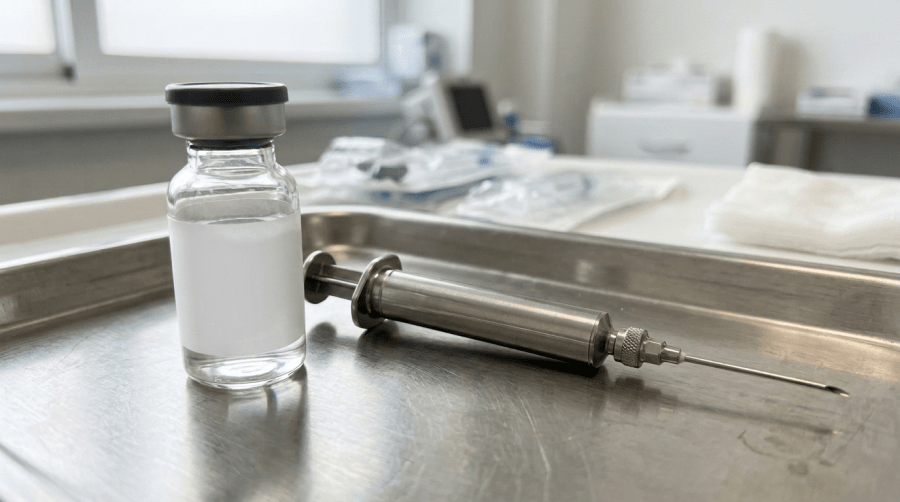
A vaccine vial and syringe resting on a stainless steel clinic tray

HPV (Human Papillomavirus) Vaccine: What You Need to Know

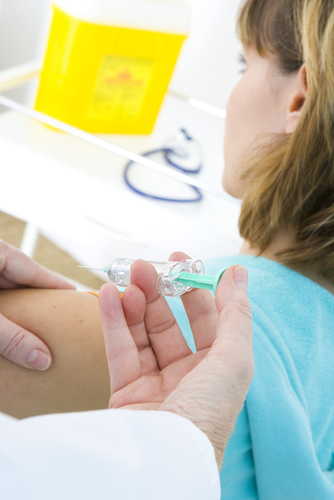
shutterstock_167922080

One of the most controversial topics in medicine recently has been the HPV vaccine. It can save lives by helping prevent cervical cancer, but it works best when given at an early age.

What is HPV? Genital human papillomavirus (HPV) is the most common sexually transmitted virus in the United States. More than half of sexually active men and women are infected with HPV at some time in their lives.

About 20 million Americans are currently infected, and about 6 million more are infected each year. HPV is usually spread through sexual contact.

Most HPV infections cause no symptoms and go away on their own. HPV can cause cervical cancer in women. Cervical cancer is the second leading cause of cancer deaths among women worldwide. In the United States, about 12,000 women develop cervical cancer every year, and about 4,000 are expected to die from it.

HPV is also associated with several less common cancers: vaginal and vulvar cancers in women, and anal and oropharyngeal cancers, which involve the back of the throat including the base of the tongue and the tonsils, in both men and women. HPV can also cause genital warts and warts in the throat.

There is no cure for HPV infection, but some of the problems it causes can be treated.

HPV vaccine: why get vaccinated? The HPV vaccine can be given to both males and females. It prevents most cases of cervical cancer in females if given before exposure to the virus. It can also prevent vaginal and vulvar cancer in females, and genital warts and anal cancer in both males and females. Protection is expected to be long-lasting. Vaccination is not a substitute for cervical cancer screening, and women should still have regular Pap tests.

Who should get the HPV vaccine and when? As of 2013, the vaccine was given as a 3-dose series: the first dose, the second one to two months later, and the third six months after the first. Booster doses were not recommended. The vaccine was recommended for girls and boys at 11 or 12 years of age, and could be started at age 9.

Why is HPV vaccine recommended at 11 or 12 years of age? HPV infection is easily acquired, even with only one sexual partner. That is why the vaccine should be given before any sexual contact takes place. Response to the vaccine is also better at this age than at older ages.

Catch-up vaccination: In 2013 the vaccine was recommended for females aged 13 to 26 who had not completed the series, and for males aged 13 to 21. It could be given to men aged 22 through 26 who had not completed the series, and was recommended through age 26 for men who have sex with men or whose immune systems are weakened by HIV infection, illness, or medication. It may be given at the same time as other vaccines.

Update, 2026: The schedule and age range have both changed since this post was written. The series is now 2 doses when started between ages 9 and 14, with the second dose 6 to 12 months after the first, and 3 doses when started at age 15 or older or for people who are immunocompromised. Catch-up vaccination is recommended through age 26 for everyone. For adults aged 27 through 45, vaccination is a shared decision between patient and clinician rather than a routine recommendation. The vaccine is not licensed beyond age 45. Check current CDC guidance at https://www.cdc.gov/vaccines-children/schedules/index.html and talk to your provider about what applies to you.

Some people should not get HPV vaccine or should wait: Anyone who has had a life-threatening allergic reaction to any component of the vaccine, or to a previous dose, should not receive it. Tell your doctor if the patient has any severe allergies, including an allergy to yeast. The vaccine is not recommended during pregnancy, though receiving it while pregnant is not a reason to consider terminating the pregnancy. Women who are breastfeeding may receive it.

What are the risks from this vaccine? As of 2013 the HPV vaccine had been used in the U.S. and around the world for about six years with a strong safety record. Any medication can cause a serious problem or severe allergic reaction, though the risk of a vaccine causing serious injury or death is very small. Life-threatening allergic reactions are very rare, and when they occur it is within minutes to hours of vaccination. Several mild to moderate problems are known to occur. These do not last long and resolve on their own:

  1. Reactions in the arm where the shot was given
  2. Pain around the injection site
  3. Redness or swelling around the injection site
  4. Mild fever up to 100 degrees F
  5. Moderate fever up to 102 degrees F
  6. Headache
  7. Fainting during the procedure, usually from nervousness

What should I look for in a moderate or severe reaction? Any unusual condition, such as a high fever or a change in behavior in the person who was vaccinated. Signs of a serious allergic reaction include difficulty breathing, hoarseness or wheezing, hives, paleness, weakness, a fast heart rate, or dizziness. If any of these occur, call a medical provider or 911 immediately.

Scott Rennie, D.O.

Board Certified in Obesity Medicine and Family Medicine

This blog is for educational purposes only and does not constitute individual medical advice. Always consult your own physician before making changes to your health, medications, or treatment plan.

This information comes from the U.S. Department of Health and Human Services Centers for Disease Control and Prevention (CDC).

Blog: https://doctorrennie.wordpress.com

Celiac Disease and Gluten Sensitivity: Why Go Gluten Free?

One of the most common questions I hear from patients lately is about the gluten free diet. Many want to know if going gluten free can help with weight loss, low energy, bloating, constipation, or heartburn. The conversation around gluten is everywhere. Some of the information is accurate, but a lot of it is based on rumor or advertising.

So what exactly are Celiac disease, gluten intolerance, and gluten sensitivity?

Celiac disease is an autoimmune condition that affects about 1% of the population. When patients with Celiac disease eat gluten, their immune system reacts by damaging the small intestine. Gluten is a protein found in wheat, rye, and barley. For people with this condition, avoiding these foods is essential. Even small amounts can cause illness.

Gluten intolerance, sometimes called non-Celiac gluten sensitivity, is different. It may affect as many as 10% of people. Symptoms can be milder than Celiac disease and may involve more than just the gastrointestinal tract. Definitions of gluten intolerance have shifted over time as we learn more, but the general idea is that some people feel unwell after eating gluten even without the intestinal damage seen in Celiac disease.

The small intestine’s main job is absorbing nutrients from food. In Celiac disease, that lining gets damaged, which makes it harder for the body to take in vitamins and minerals. Symptoms can include diarrhea, abdominal pain, gas, weight loss, and deficiencies in iron or vitamins. Some patients develop related conditions, such as osteoporosis or thyroid disease. Celiac disease is also linked to dermatitis herpetiformis, a very itchy rash that can form on the elbows, knees, or back.

There’s even an increased risk of intestinal lymphoma in patients with untreated Celiac disease. While this cancer is rare, the risk decreases when gluten is eliminated from the diet.

So how do we test for Celiac disease?

The most definitive test is a biopsy of the small intestine, usually done during an endoscopy. Blood tests can also help, such as tissue transglutaminase antibody (TTG) or endomysial antibody (EMA). These are often used in a Celiac panel. Your doctor can help decide which test makes sense based on your symptoms.

There isn’t a test for gluten intolerance. If blood work and biopsy are normal but symptoms improve on a gluten free diet, that’s sometimes how the diagnosis is made.

Celiac disease appears to have a genetic component. It’s more common in patients with European ancestry, as well as in parts of the Middle East, North Africa, and South Asia. It is rare in populations from northern Asia and southern Africa.

Treatment is simple in theory but difficult in practice. The only effective treatment is to completely avoid gluten. About 70% of patients feel better within two weeks of eliminating gluten. Antibody levels in the blood often return to normal as well. But gluten is in many foods, and avoiding it requires major lifestyle changes. It’s not just bread and pasta. Gluten can hide in supplements, sauces, and processed foods.

A dietician who specializes in Celiac disease is often the best partner for patients making these changes. They can help identify hidden sources of gluten and ensure nutritional needs are still being met. That’s important because gluten free foods often contain less iron, vitamin D, and B vitamins. Some processed gluten free products add extra sugar or fat to make up for texture.

Patients sometimes ask if they should just “try going gluten free.” I usually recommend testing first if symptoms suggest Celiac disease. That way, you don’t lose the chance to confirm the diagnosis. If the tests are negative, you can still try eliminating gluten to see if you feel better, but do it with support from a healthcare provider or dietician.

Practical considerations matter. Many people with Celiac disease also need extra calcium and vitamin D, and sometimes blood tests for iron, folic acid, or B12. Osteoporosis can be a risk, so bone density testing may be appropriate. Dairy intolerance is also common until the intestine heals.

Some naturally gluten free foods include rice, corn, potatoes, beans, nuts, seeds, and soy. Foods to avoid are wheat, rye, barley, malt, brewer’s yeast, and most oats unless specifically labeled gluten free. Most wines are safe, but most beers are not.

Gluten intolerance and Celiac disease are real conditions, but gluten isn’t harmful for most people. It’s important to understand why a gluten free diet might be necessary and not assume it’s a guaranteed path to better health.

For more information:

This is for educational purposes only. If you think you may have Celiac disease or gluten intolerance, talk with your healthcare provider.

Scott Rennie, D.O.
Board Certified in Obesity Medicine and Family Medicine

This blog is for educational purposes only and does not constitute individual medical advice. Always consult your own physician before making changes to your health, medications, or treatment plan.
Reference: Ciclitira PJ, King AL, Fraser JS. AGA technical review on Celiac Sprue. Gastroenterology 2001;120:1526.

shutterstock_146760950

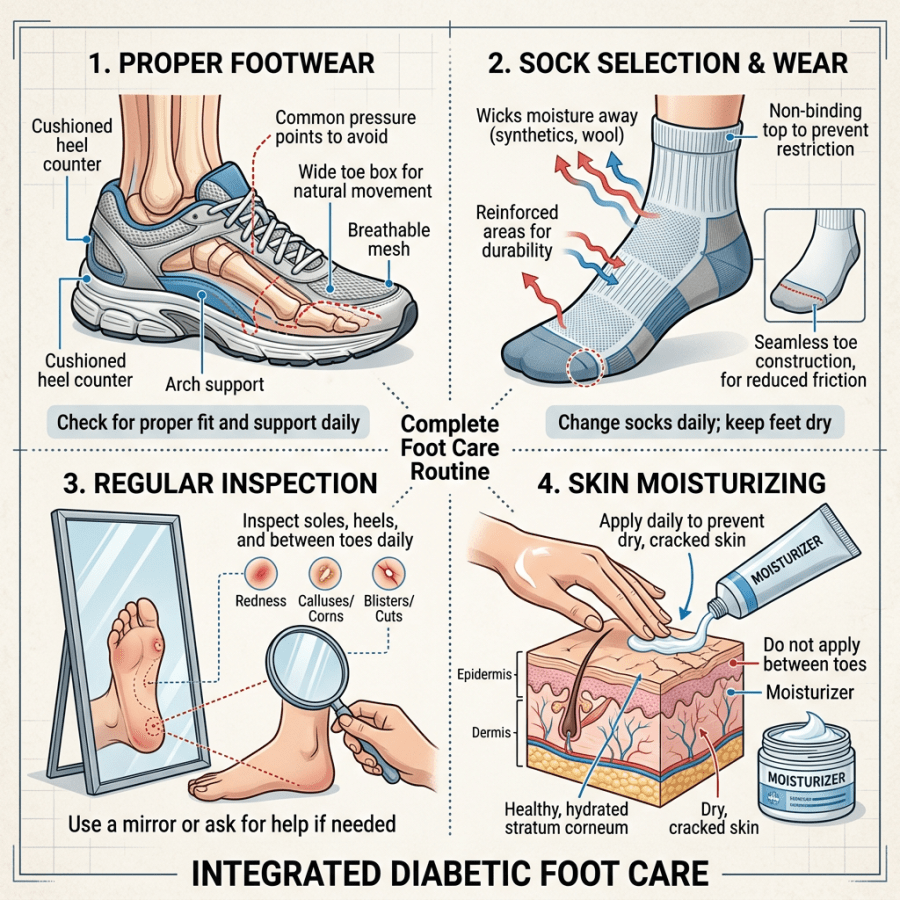
Diagram showing proper footwear, sock selection, foot inspection, and skin moisturizing for diabetic foot care.

Diabetic Foot Care: How to Check and Protect Your Feet

shutterstock_110360354Patients who have diabetes need to pay extra attention to their foot care to help prevent infections.  I’ve had numerous patients with diabetes need foot or toe amputations that could have been prevented with excellent foot hygiene.  Small scrapes in the skin or ingrown nails can become extremely bad very quickly with diabetes because patients who have diabetes often don’t have as much sensation (due to damage to the nerve endings and blood vessels in your feet).  This can make it difficult to detect sores and once an infection is present it can be very difficult to treat.  I thought I’d put together some tips to help you keep your feet healthy and decrease the risk for infections.

  1. Stop smoking:  If you smoke, this can decrease the blood flowing to your feet and make foot problems worse.
  2. Inspect your feet everyday:  Look for blisters, cuts, cracks or sores.  If you cannot see your feet well then use a mirror or have a family member help you.
  3. Wash your feet everyday:  Use warm (not hot) water – be sure to check the temperature with your hands rather than your feet.
  4. Dry your feet well:  Pat them dry and do not rub the skin on your feet too hard.  Dry between each toe.  If the skin on your feet stays moist, bacteria or fungus can grow and that might lead to a foot infection.
  5. Keep your feet soft:  Use a skin moisturizer such as Aveeno, Dove or Cetaphil on your feet to keep your skin soft and prevent calluses and cracks.  Don’t put the cream between your toes unless you are treating athlete’s foot with a fungal cream.  Make sure to wear socks or traction on your feet after applying the cream so you don’t slip and fall.
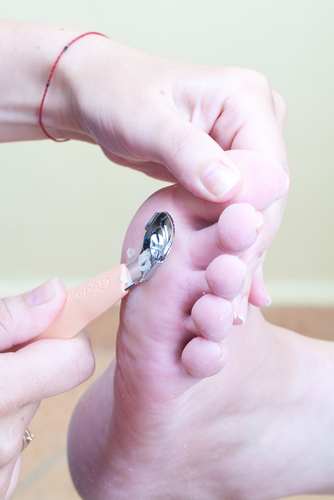
  6. Clean under your toenails carefully:  Don’t use sharp objects under your toenails.  Instead use the blunt end of a nail file or other rounded tool to decrease the chance of piercing the skin.
  7. Trim and file your toenails straight across:  This helps prevent ingrown nails.  Use a nail clipper instead of scissors.  Then use an emery board to smooth the edges.  If you need help trimming your nails, schedule an appointment with your medical provider.
  8. Change your socks everyday:  Socks should have a thick cushion and fit loosely around your feet.  Socks without seams are best because seams often rub the feet.  Do not wear stockings, socks, or garters that come up to the thigh or knees unless your medical provider advises you to do so because they can decrease the blood flow to your feet.
  9. Look inside your shoes before putting them on:  Check them every day for gravel, torn linings, or thorns that can cause blisters or sores.
  10. Do not go barefoot:  Don’t wear sandals or shoes with thin soles because these types of shoes are easy to puncture.  They also do not protect your feet from hot pavement or cold weather.
  11. Have your medical provider check your feet during each visit:  If you notice a problem with your feet, see your medical provider right away rather than trying to treat it with a home remedy.  Some home remedies or treatments that you can buy without a prescription (such as corn removers) can be harmful.
  12. Keep your blood sugar down:  Watch what and how you eat, monitor your blood sugar, take your medications and get regular exercise.

When to seek medical help:

A)      If you cannot do proper foot care

B)     If you have a foot sore or ulcer that is not healing after 3 days (including corns, calluses or ingrown nails)

C)     If you have black and blue areas in your toes or feet

D)    If you have peeling skin or blisters between your toes

E)     If you have a fever for more than 24 hours and a foot sore

F)     If you have new numbness or tingling in your feet that does not go away after you move your feet or change positions

G)    If you have unexplained or unusual swelling of your foot or ankle

H)    Anytime you have questions about your feet or concerns it is best to contact your medical provider


I hope that you have found this information useful.  Wishing you the best of health,

Scott Rennie, D.O.
Board Certified in Obesity Medicine and Family Medicine

This blog is for educational purposes only and does not constitute individual medical advice. Always consult your own physician before making changes to your health, medications, or treatment plan.

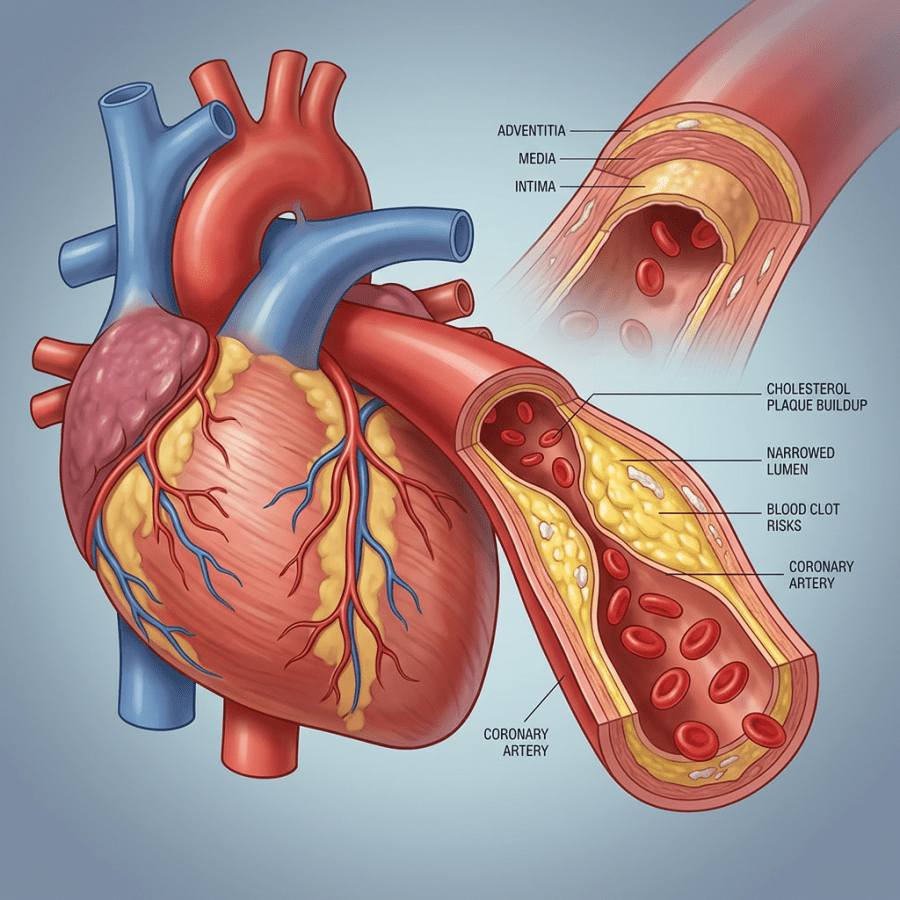
Heart anatomy with coronary artery cross-section showing cholesterol plaque buildup, narrowed lumen, and blood clot risks

Why Does High Cholesterol Matter? A Doctor Explains

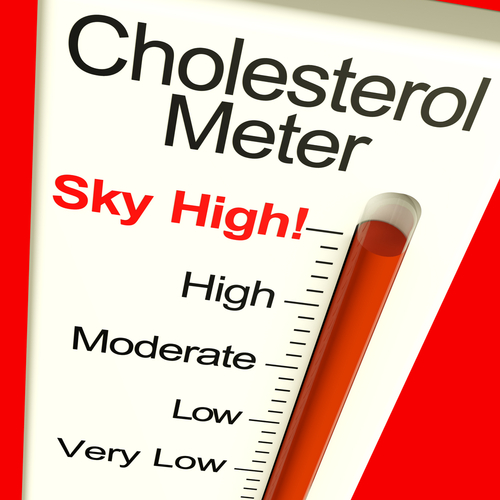
shutterstock_92612734One of the most common questions that patients ask me is why they should take medication for cholesterol.  They often don’t have any symptoms of high cholesterol and many people don’t like the idea of taking a medication for something that they don’t feel is causing them any problems.  I felt like it was important to write a little bit about cholesterol, triglycerides, goals and treatment options. So why should you care if your cholesterol is high?  Did you know that there are both good and bad forms of cholesterol?  What’s the difference between high cholesterol and hyperlipidemia?  These are all great questions and I will attempt to answer them in this article. When we use the term hyperlipidemia, we are generally speaking about the amount of fats in the bloodstream being elevated.  Fats include both cholesterol and triglycerides.  When the level of fat is elevated in the bloodstream it can collect in your blood vessels and cause blockages. If you think about your blood vessels as being hoses that feed the different organs of your body, you can imagine cholesterol as a substance which collects or coats the inside of these vessels so that the blood has a narrowed space to flow through.  If too much cholesterol fills up in the blood vessels it can make it difficult for the blood to flow through this area and reach certain areas of the body. If the blood flowing through your body is blocked and cannot get to a certain area of your heart, you could have a heart attack.  If blood has trouble reaching an area of your brain, you could have stroke.  So how do you know if your blood vessels are being blocked by fats such as cholesterol or triglycerides? Will you have symptoms?  It can be very challenging to know if you are getting fat from cholesterol and triglycerides stuck in your blood vessels. You might not have symptoms until the blood vessels become plugged to such a degree that blood cannot get through.  At this time, your heart or brain may suffer permanent damage from a heart attack or stroke.  It’s very important to prevent the blood vessels in the body from becoming plugged with cholesterol or triglycerides that we refer to a plaque when it combines with other cells of the body such as platelets. Why are doctors even more worried about my cholesterol levels now that I was diagnosed with diabetes?  Diabetes means that your blood sugars are likely higher than they should be.  High sugar within the blood vessels causes damage that makes the inside of the vessels (where the blood flows) become sticky and the cholesterol and platelets stick inside the blood vessels that have been damaged by high blood sugar much easier.  Smoking also causes damage (increased stickiness) to the insides of the blood vessels and makes it easier for cholesterol plaque to stick inside the arteries and potentially lead to a heart attack or stroke. Most of us have heard the terms “good cholesterol and bad cholesterol.”  Two difference forms of cholesterol known and LDL (Low density Lipoprotein) and HDL (High Density Lipoprotein) are commonly measured in your lipid tests.  We like to see a high level of HDL because this type of cholesterol actually lowers the risk of heart disease and stroke by destroying the plaques that build up within the blood vessels.  We like to see low levels of LDL because this type of cholesterol is the bad kind that combines with platelets and sticks inside the blood vessels and can increase the risk for heart attack or stroke.  Total cholesterol is a combined measure of both the HDL and LDL cholesterol.  You don’t need to fast anymore to be able to measure your cholesterol.  There is a direct LDL and HDL test that can be done at your office visit without fasting (only if the local lab offers it).  When I’m looking at the patients lab results, I’m more concerned about the HDL and LDL than I am with the total cholesterol because I want the HDL to be high and the LDL to be low.  So what should your cholesterol numbers be?  Well that depends on your risk factors for heart attack, stroke, kidney disease and whether you have diabetes.  We try to get the levels of LDL cholesterol lower in patients who have diabetes, kidney disease or who have already had a heart attack or stroke. So how low should you go?
  1. For someone who has had a heart attack or stroke:  an LDL below 70-80 mg/dL is recommended, especially if they have diabetes or smoke
  2. If you have heart disease but do not smoke, have kidney disease or diabetes then we try to get the LDL below 100mg/dL
  3. If you do not have heart disease but have risk factors such as diabetes or tobacco use then we try to get the LDL below 130mg/dL
  4. If you have zero or only one risk factor for heart disease then we he try to get the LDL lower than 160 mg/dL
The ideal for the LDL has been changing over the years, but in general we now recognize that getting the LDL as low as possible is usually beneficial. What about the triglycerides?  We have some evidence to suggest that elevated triglyceride levels increase the risk of heart disease but high triglycerides have not generally been thought to pose the same risk of heart disease as high LDL cholesterol.  We consider normal to be below 150mg/dL, borderline high to be 150-199 and high to be over 200.  Triglycerides need to be measured after fasting for at least 12 hours (nothing to eat or drink except water).  We usually treat a patient to lower the triglycerides if they are higher than 500-1000 mg/dL, if they also have high LDL, strong family of heart disease or other risk factors. When should I start getting my cholesterol checked?  Most experts believe that you should start getting your cholesterol checked at age 35 in men (if they don’t have risk factors such as
  1. High blood pressure
  2. Smoking
  3. Diabetes
  4. Kidney problems
  5. Family history of heart disease in a close relative under age 50
  6. Family history of high cholesterol
Or at age 20 in men who have any of the risk factors above.  Women should get their cholesterol checked at age 45 if they don’t have the risk factors above or at age 20 if they do have any of the risk factors above. Treatment for hyperlipidemia (High cholesterol/triglycerides): The decision to treat high cholesterol (LDL) or high triglycerides should be a joint decision with you and your medical provider.  There are several possible treatment options and the decision may be better may by use of a Framingham 10-year risk of coronary heart disease calculator (http://hp2010.nhlbihin.net/atpiii/calculator.asp).  There is one for women and a separate one for men based on the patient’s age, blood pressure, total cholesterol, HDL cholesterol, whether they are taking blood pressure medication, whether they smoke and whether they have diabetes.  1)      Lifestyle changes:  Every medical provider has been trained to educate patients that LDL cholesterol can be reduced by reducing total and saturated fat in the diet and losing weight (if you are overweight).  In addition, exercising aerobically for 30 minutes a day, 5 days a week (at least) and eating a diet rich in fruits and vegetables can also help reduce the bad LDL cholesterol and increase the good HDL cholesterol. 2)     Statins such as Lipitor (also called Atorvastatin), Lovastatin, Pravastatin, Simvastatin, Fluvastatin and Rosuvastatin are usually the first line of treatment for patients with high LDL cholesterol because they work very well for most people.  They can reduce cholesterol levels by as much as 20-60%.  Statins have also been shown to reduce triglycerides (but they don’t work as well for that as some other medications) and slightly increase the good HDL cholesterol.  Some patients have complained of constipation, heart burn or muscle cramps while taking a statin medication.  Usually switching to a different statin can help.  In addition, you should generally not drink grapefruit juice while taking statins because this increases the risk for muscle cramps or other side effects. We also need to monitor your liver function closely while taking a statin.  3)     Zetia is a newer medication which supposedly has fewer side effects than statins and has been shown to lower LDL cholesterol but studies are still ongoing to discover if patients who take this medication daily have fewer heart related problems than those who don’t take it.  4)     Cholestyramine, colesevelam and colestipol are bile acid sequestrants that reduce the amount of cholesterol absorbed from food.  Some people who take these medications however complain of nausea, bloating and abdominal cramping. Patients taking digoxin or Coumadin need to be careful when taking this medication as they can interfere with each other.  5)     Niacin is a B vitamin that can lower cholesterol.  It can have an unpleasant side effect of causing skin flushing however.  A friend of mine in medical school took a high dose of niacin to help lower his cholesterol after hearing a lecture about it and developed itchy red skin (it got better) because he started out at a dose that was too high too quickly.  We usually start taking it at a very low dose and gradually increase the dose along with taking aspirin. Your body becomes acclimated to the Niacin so you don’t have to worry about the skin flushing, itching or tingling after about 10 days.  If you forget to take it for a day and then re-start Niacin at the same dose you took it at previously however, you can be in for a rude surprise when the flushing starts again.  We don’t usually recommend niacin for patients who have gout because it can cause an increase in uric acid levels.  6)     Gemfibrozil, fenofibrate and fenofibric acid  or Tricor are a group of medications called “Fibrates”.  These medications are good at lowering the triglycerides but don’t help very much with lowering the bad LDL cholesterol.  They can help raise the good HDL cholesterol slightly though.  Some patients have complained of muscle pain when taking these medications and you need to be careful if you take them at the same time you take a statin because there is more risk of muscle pain and we have to monitor the liver function closely. Non-prescription treatments for high cholesterol:
  1. As I already mentioned lifestyle modification including healthy dietary changes and increased exercise can be beneficial
  2. Niacin – see above
  3. Fish oil – Eating a diet rich in oily fish such as anchovies or tuna has been shown to help reduce triglyceride levels in some people.  There are various companies that make fish oil supplements and most studies have recommended a daily 1 gram fish oil supplement to be tried if you do not eat enough fish.
How often should I have my cholesterol checked?  There is no concrete data that tell us how often your cholesterol should be checked once it has been treated adequately with medication or it has been shown to be within acceptable limits.  Purposed data suggest rechecking every 5 years for those without heart disease, diabetes or other risk factors.  We usually however check cholesterol and liver enzymes for those patients on medication every three months if they are not at their goal and at least once a year once they have reached their goal LDL and/or triglyceride levels. For more information check out the resources below: Framingham Heart Study:  www.framingham.com/heart/ National Cholesterol Education Program of the National Heart, Lung and Blood Institute (NIH):  http://www.nhlbi.nih.gov/health/public/heart/chol/cholesterol_atglance.htm   I hope that you have found this information useful.  Wishing you the best of health,

Updated for 2026: The Risk Calculator Itself Was Replaced This Year

This post is from 2013, which turned out to be the exact year the ground started moving. Cholesterol guidance has been rewritten more than once since, and in March 2026 it changed again in a way that will affect whether some people are advised to take a statin at all. Start with what happened right after I wrote this. The old approach chased numbers. You had an LDL target, and treatment was titrated until you hit it. The 2013 guideline threw that out, because nobody had ever run the trial that tested treating to a target. What replaced it was risk based: estimate a person’s ten year cardiovascular risk, then pick a statin intensity to match (1). That is why your doctor may have stopped talking about your LDL number and started talking about your risk percentage. It confused a lot of people, including a fair number of physicians.

What Changed in March 2026

The cardiology societies issued a new guideline on March 13, 2026, and the headline is that the risk calculator has been swapped out (2). The old Pooled Cohort Equations, in use since 2013, have been replaced by the PREVENT calculator. Two things about it are worth your attention. It no longer uses race as an input. The old equations adjusted risk by race in a way that was never biologically sound, and removing it is overdue. It also recalibrates risk downward. The older equations were overestimating ten year risk substantially. In practice that means some people previously told they should be on a statin will now calculate as lower risk than they did before. I want to be careful about how I put the next part. The 2026 guideline also revisits numeric LDL goals, which is a partial return to the target based thinking that was abandoned in 2013. I am not going to publish specific thresholds here, because I have not read them in the primary document rather than a summary of it, and a cholesterol number is not something to be approximately right about. Ask your own physician what target, if any, applies to you under the current guideline.

Statin Intensity, Which Is the Part That Actually Matters

When someone says they are on a statin, the dose tells you more than the name does. High intensity means atorvastatin 40 to 80 milligrams or rosuvastatin 20 to 40 milligrams. Moderate intensity means atorvastatin 10 to 20, rosuvastatin 5 to 10, or simvastatin 20 to 40 (3). Plenty of people who believe they are treated are on a dose well below what their risk calls for. That is worth knowing about yourself. For prevention in people who have not had a cardiovascular event, the US Preventive Services Task Force position from August 2022 still stands: statins are recommended for adults aged 40 to 75 with at least one risk factor and a ten year risk of ten percent or more, and can reasonably be offered between 7.5 and ten percent. Above 75, they found the evidence insufficient to make a call either way (4).

There Are Options Beyond Statins Now

In 2013 this was essentially a statin conversation, with ezetimibe as the one add on. That is no longer true. PCSK9 inhibitors, bempedoic acid, and inclisiran have all arrived since. None of them displaces statins as first line, and the last of those in particular is still accumulating hard outcome data. But if you genuinely cannot tolerate statins, or you are on a maximum dose and still not where you need to be, there are real options now, and there were not. Lipoprotein(a) is the other addition. It is largely inherited, it is not something diet or exercise moves, and it is not on a standard lipid panel. It has moved toward being measured once in a lifetime rather than not at all. If heart disease runs early in your family and nobody can explain why, it is worth asking about.

Why This Suits a Video Visit Well

This is one of the things telemedicine handles about as well as anything. The lab draw happens near you, wherever is convenient. Everything after that is a conversation. Interpreting the panel, running your risk, deciding whether to treat, choosing an intensity, sorting out side effects, adjusting a dose. None of it requires me to be in the room. One practical note: for a baseline panel you generally do not need to fast anymore. Fasting still matters if your triglycerides run very high or there is a suspected inherited lipid disorder, so ask before you skip breakfast unnecessarily, or before you assume you can. What I cannot do from here is the blood draw, the liver or muscle enzyme checks if you develop symptoms, or a coronary calcium scan when your risk sits in the grey zone and we need a tiebreaker.

Get Seen Urgently If

Chest pain, pressure, jaw or arm pain, sudden breathlessness, or stroke symptoms. That is an emergency, not a lipid appointment. Severe muscle pain or weakness on a statin, particularly with dark urine, which needs same day evaluation rather than stopping the drug and waiting. Triglycerides in the very high range, which carries a real risk of pancreatitis. An LDL of 190 or above, especially with a family history of early heart disease, which raises the question of familial hypercholesterolemia and is a genetics conversation rather than a routine one.

The Bottom Line

If your risk was last calculated before 2026, it was calculated with equations that have since been replaced, and the answer may be different now. Find out what statin intensity you are actually on rather than just the name. And if you were told years ago that statins were your only option, that has not been true for some time.

Sources

1. ACC/AHA Release Updated Guideline on the Treatment of Blood Cholesterol to Reduce ASCVD Risk. American Family Physician. August 15, 2014. https://www.aafp.org/pubs/afp/issues/2014/0815/p260.html 2. American College of Cardiology. ACC and AHA Issue Updated Guideline for Managing Lipids and Cholesterol. March 13, 2026. https://www.acc.org/about-acc/press-releases/2026/03/13/18/01/accaha-issue-updated-guideline-for-managing-lipids-cholesterol 3. Overview of the New ACC/AHA Lipid Guidelines. American Family Physician. June 1, 2019. https://www.aafp.org/pubs/afp/issues/2019/0601/p716.html 4. US Preventive Services Task Force. Statin Use for the Primary Prevention of Cardiovascular Disease in Adults. August 23, 2022. https://www.uspreventiveservicestaskforce.org/uspstf/recommendation/statin-use-in-adults-preventive-medication

Related Reading

When to Use Telemedicine vs. Urgent Care: How I Spot the Sick One Scott Rennie, D.O.

Board Certified in Obesity Medicine and Family Medicine

This blog is for educational purposes only and does not constitute individual medical advice. Always consult your own physician before making changes to your health, medications, or treatment plan.
Collection of labeled skincare bottles, brush, facial cleanser, and natural elements on fabric

Acne Treatment: What Should You Do About Your Acne?

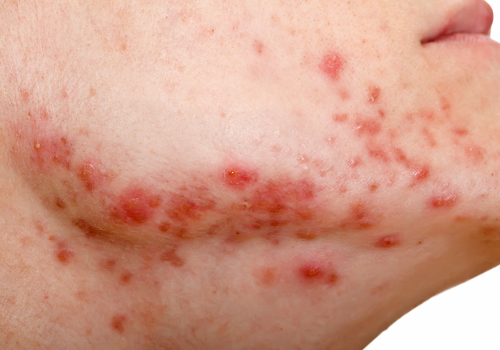
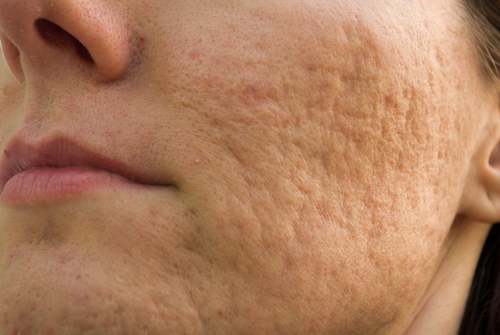
shutterstock_124292974shutterstock_153263516During the first week of my third year medical school dermatology rotation I thought I’d definitely decided that I wanted to become a dermatologist.  I’d been present in the room with my dermatology preceptor and patients who asked about what to do for their acne at least a hundred times, and I knew I could give the same speech as my dermatology teacher.  I later changed my mind about becoming a dermatologist but I still have a great interest in dermatology.  Most people who come into the medical clinic due to problems with acne have tried various over the counter treatments to help with common black heads, white heads or deep cysts from acne.  It’s a common problem for adolescents (85% are effected) and teenagers but also effects many adults as well.  Untreated acne can lead to embarrassment, loneliness and even permanent facial scarring.

So what is acne?  Acne is a skin problem where the openings in the skin where hairs come out (pores) become blocked by skin cells and oil and this creates a plug.  During adolescence the glands that produce oil in the skin enlarge and produce increased amounts of the oily substance we call sebum.  These oil glands are most often found on the face (most commonly an area called the T-Zone of the face – around the eyebrows and nose), neck, chest, upper back and arms.  Even normally, there are bacteria which are present on the surface of the skin and normally they don’t cause any problems in small numbers.  With an increased production of oil on the surface of the skin that occurs during adolescence however, these bacteria reproduce and become present on the surface of the skin in much higher numbers than normal.  The bacteria then combine with the oil and skin cells and become trapped in the pores (hair follicles) and lead to the formation of tender “pimples” that we call acne.

A special type of acne that affects newborn babies is called neonatal acne and usually goes away within a few weeks after birth.  It is related to the hormones from pregnancy and causes small pimples often noticeable on a newborn babies face

There are multiple types or ways we describe acne and grade the severity

  1. Non-inflammatory acne is acne without redness or skin swelling and usually is described as just being whiteheads or blackheads.
  2. Inflammatory acne has redness and swelling and is more severe.  There can be papules, pustules, nodules or cysts present.

Causes of acne:

  1. Sebaceous (oil) glands become more sensitive to hormones during adolescence and become enlarged and produce more oil than normal which increased the likelihood of acne.
  2. Cosmetics that contain oil may clog pores in a similar way to the oil secreted by the sebaceous glands in the skin and can lead to acne.
  3. Frequent or aggressive rubbing with soaps or cleansers can actually increase the production of oil from the skin.  Wash your skin gently.
  4. Some people believe that diet can affect acne.  If you find that you develop worsening oily skin or acne after eating certain foods, avoid these foods if possible.
  5. Psychological stress can increase or worsen acne.

Acne Treatment:  Since there are multiple causes of acne, there is not once simple treatment that works for everyone.  Skin doctors (dermatologists) usually recommend a combination of treatments to reduce acne formation in multiple ways.  Some simple suggestions are outlined below but keep in mind that they may not work for everyone.

  1. Wash your face with a gentle non-soap skin cleanser.  Most of the dermatologists that I’ve trained with have recommended a fragrance free cleanser such as Cetaphil or Dove.  They usually recommend using warm water and washing gently with your hands rather than using a washcloth, skin brush or skin scrubber.  Some of the prescription skin cleansers contain an antibiotic or sulfa base that helps soak up the oil and decrease the bacterial count on the surface of the skin.  In general we don’t recommend washing your face more than twice a day unless you have been sweating excessively or you need to wash off sunscreen.
  2. Most dermatologists don’t recommend picking or squeezing pimples yourself because you might risk causing scars or worsening the infection.  Hearing this however always makes me laugh (usually not out loud in front of the dermatologist though) because they often help patients to pick and squeeze their pimples in a fashion similar to what I think most people would probably do themselves at home.  The difference however is that in the office, they have access to special instruments and tools to help reduce the risk of scarring.
  3. Cautious use of skin moisturizers is recommended.  Remember, your skin is producing oil in abundance and that is a natural skin moisturizer.  If you use too much moisturizer you could worsen the acne by causing plugging of the pores/hair follicles.  If you use a skin moisturizer to help minimize dryness or peeling in certain areas, be sure it’s hypoallergenic or “non-comedogenic” formula to decrease the chance of blocking the skin pores.
  4. Sun screen:  Many of the antibiotics and even topical medications prescribed by medical professionals can increase your chances of getting a sun burn.  Use a sunscreen with at least an SPF of 15 and make sure the sunscreen blocks both UVA and UVB.
  5. Over the counter products:  There is a huge market for acne medications.  Television ads, various articles on the internet and in magazines tout the latest non-prescription skin formula.  Most of these “formulas” that I’ve encountered contain benzoyl peroxide, salicylic acid or a combination of these two ingredients and put their own brand names on them.  I recommend reading the ingredients to determine if the formula you are about to purchase is similar to one you might have already tried.  Benzyl peroxide is an agent that dries the skin and helps decrease the amount of oil.  It is usually applied twice a day.  You should be aware that it can irritate the skin and possibly cause skin redness or flaking.  It can also bleach your pillow case or clothes so be careful not to get it on your favorite items.   If you find that the over the counter product that you try is not working, contact a healthcare provider.  Untreated or inadequately treated acne can lead to permanent scarring of your skin.

Prescription treatments:  Prescriptions for acne can be divided into topical (applied directly to the skin) and non-topical treatments.

A)     Topicals: 

  1. Prescription skin cleansers are topical washes that often contain an antibiotic or drying agent.  They are made to be hypoallergenic and usually do not have a fragrant odor to them.  Examples of a topic skin cleaner include a sulfacetamide/sulfur topical wash.  Multiple companies produce their own brands such as Klaron,  Plexion, Rosanil or Rosula.  These are usually expensive and insurance companies often do not cover them.
  2. Benzoyl peroxide mixed with topical antibiotics: Various pharmaceutical companies make combined products that include benzoyl peroxide with various topical antibiotics such as clindamycin, erythromycin or metronidazole.  Examples are Acanya, BenzaClin, Benzamycin, or Duac.  These topical can be solutions, gels or creams.
  3. Topical antibiotic only:  Many topical antibiotics are produced to help reduce the bacterial count on the skin.  Most of them contain Erythromycin, Clindamycin, Sulfacetamide,  Metronidazole or Dapsone.  Examples are Aczone, Clenia, Cleocin T, Clindagel, Klaron, Metrocream, and Sulfacet-R.
  4. Retinoids:  These medications often produce skin drying and can cause irritation.  Examples are Retin-A, Differin and Tazorac.  Differin tends be less potent and Tazorac is the strongest of the three.  The first time I tried using Retin-A, I woke up with red, irritated, scaly skin that looked worse than the acne.   I recommend starting with a small amount and trying on a small patch of skin first to see how your skin reacts to it.

B)     Oral antibiotics:  The reasons for using an oral antibiotic to treat acne are actually two-fold.  The first reason is that some oral antibiotics have been found to have anti-inflammatory properties in the skin and decrease the inflammatory response leading to the pimples.  The other reason is more straight-forward – to reduce the bacterial count on the skin and thereby decrease the acne.  The most commonly prescribed oral antibiotics for acne at this time are Minocycline or Doxycycline but they should not be used during pregnancy or in young children.

C)     Oral Isotretinoin (previously called Accutane):  It’s also called Amnesteem, Claravis and Sotret.  This medication is most often limited to be prescribed only by dermatologists are physicians who have had special training about this medication.  This is one of the most successful medications that we have for the treatment of severe acne and is usually taken as a pill once or twice a day for 20 weeks.   The reason it is not the first line of treatment for acne and mostly prescribed by dermatologists is because there are some possible serious side effects that can occur when using this medication.  Isotretinoin can cause miscarriage or life-threatening malformations to babies so it cannot be taken by women who are pregnant or at risk of becoming pregnant.  Most dermatologists require women of child bearing age to use  birth control before they will prescribe this medication.  There are strict rules for using the medication regulated by the iPLEDGE program:

  1. Women have to have two documented negative pregnancy tests before starting the medication and continue to take monthly pregnancy tests throughout their treatment.
  2. Any women who might become sexually active (or is already sexually active) with a male partner must use two forms of birth control for at least one month before starting therapy and continue until one month after stopping the medication.
  3. Women of child bearing age who could become pregnant must get their prescription filled at the pharmacy within 7 days of receiving it from their doctor.  Each month a new prescription must be written by their doctor.
  4. Women who cannot become pregnant or men must participate in iPLEGE but do not have to do the pregnancy testing or use birth control.

Side effects of oral Isotretinoin:  I’ve seen many patients who are treated with this medication and I’ve noticed that it works very well for their acne in most cases.  Some of the common side effects that I’ve observed are:

  1. Cracking or sore lips and dry or peeling skin.  Patients may get nosebleeds very easily and have a tough time wearing contact lenses because their eyes dry out.  They may have itchy skin (because of the dryness).  Skin sensitivity to the sun is increased and risk of sunburn is severe.
  2. There can be an increased level of triglycerides (fat) in the blood, it can cause liver damage and cause changes in blood counts when taking this medication so monitoring the blood cholesterol and triglyceride level as well as liver function and blood count is important.
  3. There has been some talk about an increased risk for depression or suicidal behavior when taking this medication but there is not enough evidence to conclude that this is a risk.

Hormone treatment options:  Women with acne are sometimes prescribed a birth control pill to help control acne.  Some hormones and IUDs and injectable hormones however can actually worsen acne, so make sure to talk to your doctor about which birth control might be better for acne if you are considering this form of treatment.

A blood pressure medication called spironolactone has also been used to help with acne because it can effect  hormone levels in women (and thereby decrease acne) but it can also cause an increase in the blood potassium and birth defects so it is usually cautiously.

Where to get more information:

  1. American Academy of Dermatology:  http://www.aad.org/skin-conditions/dermatology-a-to-z/acne
  2. National Library of Medicine:  www.nlm.nih.gov/medlineplus/acne.html


I hope that you have found this information useful.  Wishing you the best of health,

Scott Rennie, D.O.
Board Certified in Obesity Medicine and Family Medicine

This blog is for educational purposes only and does not constitute individual medical advice. Always consult your own physician before making changes to your health, medications, or treatment plan.
Blog: https://doctorrennie.wordpress.com

References:

  1. Haider A, Shaw JC. Treatment of acne vulgaris. JAMA 2004; 292:726
  2. Ozolins M, Eady EA, Avery AJ, et al. Comparison of five antimicrobial regimens for treatment of mild to moderate inflammatory facial acne vulgaris in the community: randomized controlled trial. Lancet 2004; 364:2188
Anatomical diagram of elbow joint highlighting inflamed olecranon bursa, humerus, ulna, olecranon process, triceps tendon, and synovial fluid.

What Is Olecranon Bursitis, Also Called Elbow Bursitis?

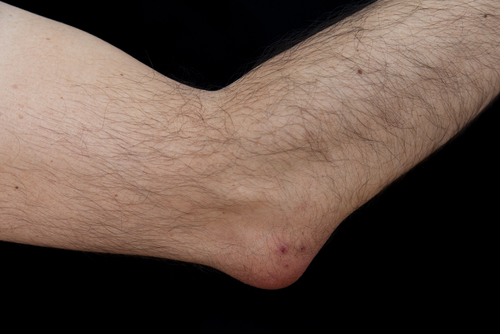
  shutterstock_159146555shutterstock_138510524A patient came in today complaining about a lump on her elbow and that is has been slightly painful for the last week.  She is a student and spends many hours reading books and resting her elbow on a table while studying.  This disorder called olecranon bursitis is a fairly common condition in which the bursa, which is a sac-like structure that protects the elbow from pressure injuries becomes inflamed. Bursas are found all over the body including the shoulders, elbows, knees, feet and hips.   They contain a lubricating fluid that fills the sac and decreases the friction between ligaments, bones and tendons. Bursitis of the elbow can be caused from:
  1. Prolonged pressure on a bursa (such as when leaning on the elbow while studying for long periods of time or resting the elbow on a car door during a long trip).
  2. Repetitive motions that cause irritation (laying carpet is an example).
  3. An injury or trauma
  4. Medical conditions such as gout or rheumatoid arthritis or pseudogout
  5. An infection within the bursa (called septic bursitis)
Usually a bursitis is not caused from an infection, but when there is redness and warmth to the skin there is a higher chance of infection.  If the skin overlying the elbow becomes punctured or injured there is a higher chance of a septic elbow bursitis. How would I know if I have bursitis or some other type of problem causing the elbow pain?  A medial provider who has experience with joint conditions will likely be able to diagnose the problem after examining you and hearing about your symptoms.  If there is redness or increased warmth to the area in addition to the swelling, a medical provider might ask to use a syringe and needle to remove a sample of fluid from the bursa to test for infection.   The fluid from the elbow can also be tested for crystals that can be caused by gout or pseudogout.  If you have uric acid crystals in your elbow, the medial provider will help you lower your uric acid levels to prevent worsening symptoms and decrease the chances of crystals forming in other joints. For more information about gout, please see my blog article on that topic. Sometimes an x-ray, ultrasound or MRI is ordered if there is still some uncertainty about the cause of the elbow problem. What can I do for the bursitis?  Treatment of elbow bursitis involved decreasing the pressure or motion that is causing the inflammation.  If there is infection, treating with antibiotics is important.  If the bursitis is not due to an infection however, then draining the fluid usually is not very helpful because the bursa will create more fluid and only enlarge again.  In addition, there is a risk of introducing infection into the joint if a needle is put poked through the skin and into the bursa.  If there was not an infection already present within the bursa or joint, there is a greater chance of introducing infection by attempting to withdraw the fluid.  It is important to rest the joint and apply ice.  We also usually prescribe an anti-inflammatory medication such as naproxen or ibuprofen.  Sometimes heat or a steroid injection is also used to help decrease the inflammation.  Heat can be applied to the elbow with a hot pack, a heating pad or hot water bottle.  Ice can be applied using a frozen gel pack or a bag of frozen peas.  I usually don’t recommend using either ice or heat for more than 20 minutes at a time and recommend caution so you don’t burn the skin. How can I prevent bursitis?  Irritation to the small bursal sacs can be minimized by decreasing repetitive motions, using cushions or pads to reduce the pressure on joints and taking periodic short breaks from tasks that increase joint pressure.  If you start having pain in a joint, this is a warning that there is too much stress and the activity should be modified or avoided.   I hope that you have found this information useful.  Wishing you the best of health,

Scott Rennie, D.O.
Board Certified in Obesity Medicine and Family Medicine

This blog is for educational purposes only and does not constitute individual medical advice. Always consult your own physician before making changes to your health, medications, or treatment plan.

Cross-section illustration of human skin showing epidermis, dermis, hair follicle, sweat gland, blood vessels, and fat cells

What Is Psoriasis? An Overview of This Skin Condition

shutterstock_45868720shutterstock_45922807A few times each week a patient will come in to see me due to a rash of unknown cause.  The rash is usually an inflamed, red skin and sometimes it’s a bit thickened and/or covered with a silvery scale.  Since psoriasis often develops in adults, many people are puzzled when they come in and learn they have psoriasis and have lots of questions about the condition.  I’d try to answer some of the most common questions that patients ask me about psoriasis.

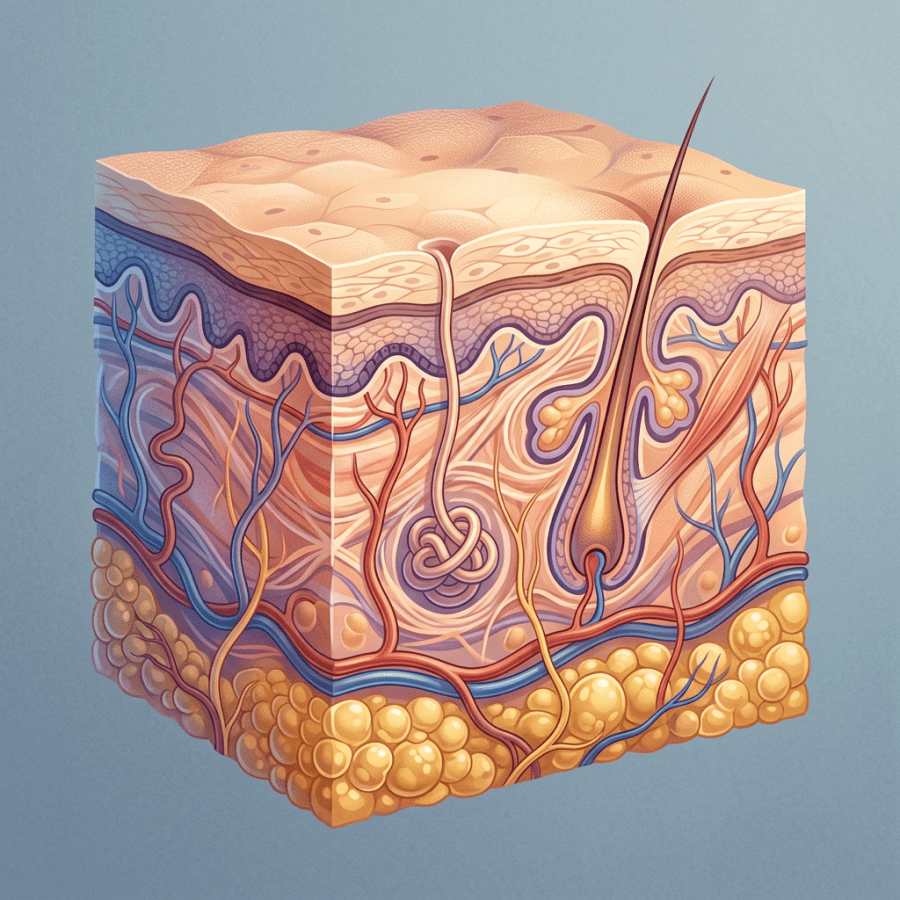
What causes psoriasis?  We’re not exactly sure about the cause, but we do know that it seems to have a genetic link (it often runs in families), it involves the immune system and environmental conditions seem to trigger it.  The skin actually is made up of several layers and the top layer of your skin is in a state of shedding old skin cells as new skins cells are produced.  This process keeps the top layer of skin relatively smooth.  Psoriasis is a process in which the outter layer of skin cells grow too quickly and they stop shedding properly.  This leads to a scaly build-up of skin cells that we see on the skin in affected patients.  We believe that the immune system causes certain cells to enter the skin and cause the disorder.

About 40% of patients with psoriasis have family members who also have the condition.

We know that smoking appears to increase the risk of psoriasis.  Certain medications can worsen psoriasis symptoms including beta blockers (used for blood pressure), lithium, and medications that we commonly use to treat malaria.  Stress and anxiety may trigger psoriasis to become noticeable in people who have the genetic risk.  It has also been linked with obesity and increased risk for heart disease.

What are the symptoms of psoriasis?  How do I know if I have it?  A medical provider may determine if you have psoriasis usually by examining your skin.  There is not a blood test that can tell you if you have psoriasis but a doctor may due a biopsy of your skin if it is not clear what is causing your rash.  There are several symptoms of psoriasis including:

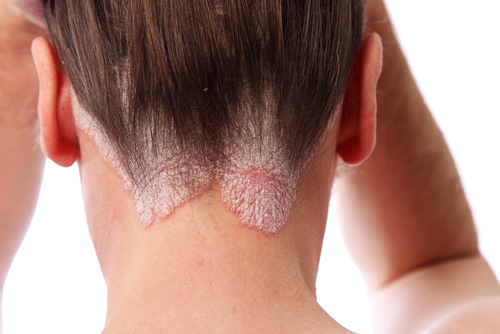
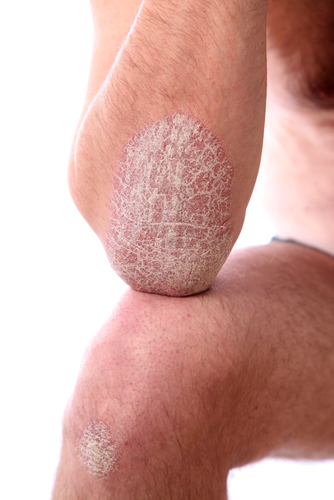
  1. Patches of skin more common on certain areas of the body such as the elbows, knees, scalp, genitals, and belly button that may be dry or red and have a white or silver scale.  If you peel the scale off, the skin will likely bleed.
  2. Sometimes people with psoriasis develop a form of arthritis that causes joint pain or aching
  3. At times patients with psoriasis can develop finger or toenail pitting, or crumbling

What can I do about my psoriasis?  Is there a cure?  Unfortunately there is not a complete cure for psoriasis but there are treatment options that can substantially improve the symptoms.  Patients who have severe psoriasis that is highly noticeable to other people may feel embarrassed or feel low self-esteem or anxiety due to the disorder.  The treatment offered to a patient will depend on the severity of the symptoms, the area of the body affected as well as the cost and convenience of treatment and other medical conditions that the patient may have.  Severe psoriasis is usually always treated by a dermatologist (skin specialist) and patients with psoriatic arthritis may be treated by a rheumatologist (joint specialist).  Treatments are organized by whether they are topically applied to the skin or are taken orally or given in an injectable form.

Topical medications:

  1. Moisturizers:  It is very important to keep the skin moist so that the itching and irritation caused by the psoriasis is minimized.  Decreasing the itching and irritation helps to decrease the risk of scarring.  Patients who are constantly scratching their skin may cause increased inflammation and risk damaging their skin and cause thickening and increase the risk for infection.  Greasy ointments or thick creams work better than lotions.
  2. Steroid creams or ointments:  work to decrease the inflammation and redness of the skin.  The most potent creams or ointments work the best for psoriasis but require a prescription.  Sometimes solutions are easier to apply when patients has psoriasis of the scalp.
  3. Tar:  Comes from coal and has been used to treat psoriasis for years.  It is commonly found in shampoos such as Neutrogena T-Gel.  It seems to help decrease the amount of cells produced in the epidermis that actually causes the psoriasis.  Preparations containing tar are non-prescription and over the counter and may be in the form of lotions, creams, oils or shampoos.  They can stain the skin, hair and clothing but are not thought to have any serious side effects.
  4. Ultraviolet Light:  Patients often find that their psoriasis is better in the summer time with exposure to the sun’s ultraviolet light.  Other people actually treat their psoriasis in sun tanning beds if their condition is severe.  The risk of causing skin cancer must be weighed against the effects of psoriasis.
  5. Calcipotriene (Dovonex):  This is a cream that is applied twice a day and slows the growth of the epidermal skin cells.  Another medication called calcitriol (Vectical) is similar to Dovonex and Taclonex is a medication that has calcipotriene and betamethasone (a steroid cream) combined together.
  6. Tazarotene (Tazorac):  This is a vitamin A derivative that is a cream or gel and is applied once a day.  It can cause skin irritation so sometimes it is washed off after 20 minutes.  This medication is similar to Retin-A and Differin.
  7. Calcineurin inhibitors (Protopic and Elidel): are creams that are often used on the face or in skin fold areas where scarring or disfigurement may occur if high potency steroids are used.

Medications that suppress the immune system:  Several medications target the immune system such as Enbrel, Amevive, Remicade, Humira and Stelara.  These are usually reserved for severe forms of psoriasis because they are very expensive and are injections that are either given into the skin or muscle or into a vein over hours in the doctor’s office.  Methotrexate and cyclosporine also suppress the immune system and can increase the risk of the patient developing an infection.

Soriatane is an oral medication that is derived from vitamin A and is called a retinoid.  It may help reduce the symptoms of psoriasis in 3-6 months but should generally not be used in women of child-bearing age as it can cause severe birth defects.

For additional information, feel free to check out the following sites:

  1. Psoriaisis.net:  http://www.skincarephysicians.com/psoriasisnet/whatis.html
  2. National Psoriasis Foundation:  www.psoriasis.org/home/
  3. American Academy of Dermatology:  www.aad.org/skin-conditions/dermatology-a-to-z/psoriasis


I hope that you have found this information useful.  Wishing you the best of health,

Scott Rennie, D.O.
Board Certified in Obesity Medicine and Family Medicine

This blog is for educational purposes only and does not constitute individual medical advice. Always consult your own physician before making changes to your health, medications, or treatment plan.

Blog: https://doctorrennie.wordpress.com

References:

  1. Schon, M, Boehncke, W-H Psoriasis. New England Journal of Medicine 2005; 352:1899
  2. Lebwohl M. Psoriasis. Lancet 2003; 361:1197
  3. Strober BE, Siu K, Menon K. Conventional systemic agents for psoriasis. A systematic review. J Rheumatol 2006; 33:1442.