
Does Meal Timing Affect Your Metabolism and Health?

When you eat can matter as much as what you eat. Not a fad, a measurable physiological pattern, and one most people never think to adjust. Timing affects weight management, metabolic health, and even the risk of chronic disease, and the field studying the connection between circadian rhythms and eating patterns has a name: chrononutrition.

Typical eating habits in the U.S. don’t line up well with what the research suggests is healthiest. Most people eat less than a quarter of their daily calories before noon, and more than a third after 6 p.m. The average eating window stretches nearly fifteen hours a day (Gill and Panda, 2015). That long, backloaded pattern is linked to higher body fat, worse glucose tolerance, and poorer metabolic outcomes.

Evidence favors eating earlier. In one trial, people who made breakfast their largest meal had better glucose and insulin control, felt more satisfied during the day, and lost more weight than those who made dinner the main meal (Jakubowicz et al., 2013). That tracks with circadian biology: the body handles nutrients more efficiently in the morning than late at night.

Breakfast does more than supply calories. Regular breakfast eaters tend to take in more vitamins and minerals overall (St-Onge et al., 2017), and they show lower rates of obesity and more stable weight over time. Skipping breakfast, by contrast, tracks with higher BMI, larger blood sugar swings, and greater cardiovascular risk.

Time-restricted eating fits the same pattern. Narrow the eating window to eight or twelve hours and total calorie intake often falls on its own, insulin sensitivity improves, and fat oxidation increases (Gill and Panda, 2015). Early time-restricted eating, where meals cluster in the morning and early afternoon, improves appetite control and fat metabolism specifically (Ravussin et al., 2019).

Intermittent fasting runs on the same logic. The most common version is 16:8: fast sixteen hours, eat during an eight-hour window. Alternate-day fasting has also been studied, and it produces weight loss similar to plain calorie restriction, though dropout rates run higher (Trepanowski et al., 2017).

What the science of chrononutrition shows is that timing matters. Shifting more calories to the first part of the day improves metabolism and weight control, breakfast and early meals set the body up for better glucose regulation and satiety, and time-restricted eating and intermittent fasting add tools on top of that, especially when they lean toward earlier eating windows rather than later ones. For patients, these strategies are often more about changing the clock than drastically changing the plate.

Scott Rennie, D.O.
Board Certified in Obesity Medicine and Family Medicine

This blog is for educational purposes only and does not constitute individual medical advice. Always consult your own physician before making changes to your health, medications, or treatment plan.

References:

  • Gill S, Panda S. A Smartphone App Reveals Erratic Diurnal Eating Patterns in Humans that Can Be Modulated for Health Benefits. Cell Metabolism. 2015;22(5):789-798. PMID 26411343. https://pubmed.ncbi.nlm.nih.gov/26411343/
  • Jakubowicz D, et al. High Caloric Intake at Breakfast vs. Dinner Differentially Influences Weight Loss of Overweight and Obese Women. Obesity (Silver Spring). 2013;21(12):2504-2512. PMID 23512957. https://pubmed.ncbi.nlm.nih.gov/23512957/
  • St-Onge MP, et al. Meal Timing and Frequency: Implications for Cardiovascular Disease Prevention. Circulation. 2017;135:e96-e121. PMID 28137935. https://pubmed.ncbi.nlm.nih.gov/28137935/
  • Ravussin E, et al. Early Time-Restricted Feeding Reduces Appetite and Increases Fat Oxidation But Does Not Affect Energy Expenditure in Humans. Obesity (Silver Spring). 2019;27(8):1244-1254. PMID 31339000. https://pubmed.ncbi.nlm.nih.gov/31339000/
  • Trepanowski JF, et al. Effect of Alternate-Day Fasting on Weight Loss, Weight Maintenance, and Cardioprotection Among Metabolically Healthy Obese Adults. JAMA Intern Med. 2017;177(7):930-938. PMID 28459931. https://pubmed.ncbi.nlm.nih.gov/28459931/
Does Food Order Affect Blood Sugar? What to Eat First

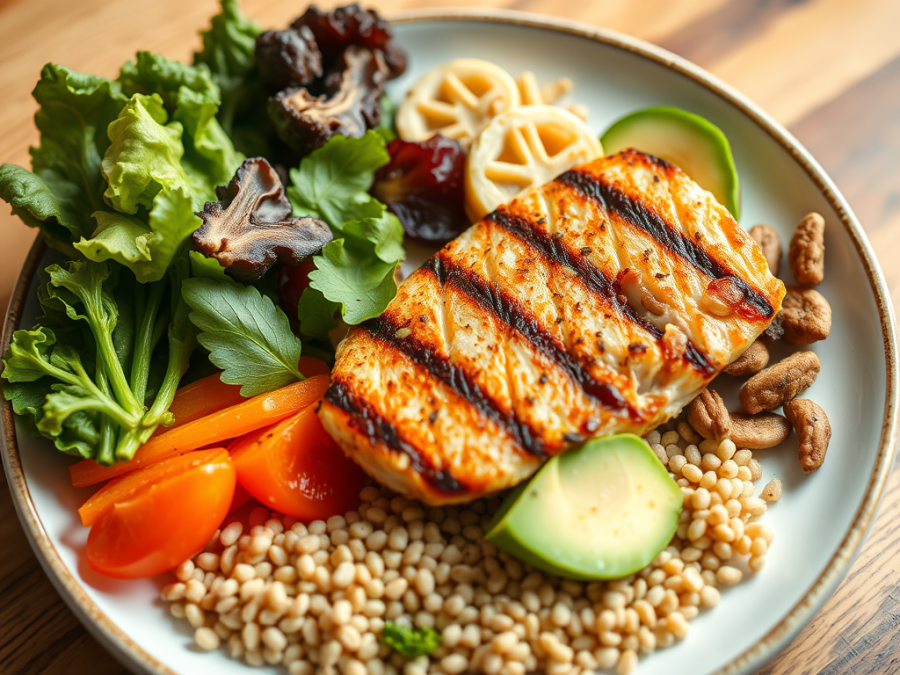
One of the more practical strategies to come out of recent nutrition research is food order, also called nutrient sequencing. The order in which you eat macronutrients changes how your body responds to the meal, and starting with protein, fat, or fiber before carbohydrate can blunt the post-meal glucose spike and soften the insulin response that follows it.

In a small, tightly controlled study, Shukla and colleagues found that eating vegetables and protein before carbohydrate produced a 73 percent reduction in post-meal glucose and nearly a 50 percent reduction in insulin, compared with eating carbohydrate first (Shukla et al., 2015). Touhamy and colleagues reported something similar in patients with type 2 diabetes: when carbohydrates came last, glucose peaks were 44 percent lower and glycemic variability improved (Touhamy et al., 2025).

People with obesity often report better satiety eating this way. Those with prediabetes see improved tolerance and reductions in HbA1c. Children with type 1 diabetes show smaller post-meal glucose rises when protein and fat come before carbs (Faber et al., 2018). Women with gestational diabetes also see better glycemic control with a carbohydrate-last pattern during pregnancy (Murugesan et al., 2024).

Protein and fat slow gastric emptying. That delays carbohydrate absorption and keeps the glucose peak lower. Incretin hormones like GLP-1 and GIP get stimulated too, which improves insulin sensitivity and overall glucose regulation.

It usually comes down to small shifts: a salad or a non-starchy vegetable first, a few bites of protein, a small portion of healthy fat, and only then rice or bread. Even in food cultures where carbohydrate traditionally opens the meal, reordering it is usually possible. I’ve seen patients make it work by adding a quick vegetable starter at home or choosing a protein appetizer when dining out. They often say it feels more doable than committing to a strict low-carb plan.

No food groups to cut. No restrictive plan to follow. Just change the order in which you eat, and the metabolic payoff can be substantial.

Scott Rennie, D.O.
Board Certified in Obesity Medicine and Family Medicine

This blog is for educational purposes only and does not constitute individual medical advice. Always consult your own physician before making changes to your health, medications, or treatment plan.

Sources:

  • Shukla AP, Iliescu RG, Thomas CE, Aronne LJ. Food Order Has a Significant Impact on Postprandial Glucose and Insulin Levels. Diabetes Care. 2015;38(7):e98-e99. PMID 26106234. https://pubmed.ncbi.nlm.nih.gov/26106234/
  • Touhamy S, et al. Carbohydrates-Last Food Order Improves Time in Range and Reduces Glycemic Variability. Diabetes Care. 2025;48(2):e15-e16. PMID 39688621. https://pubmed.ncbi.nlm.nih.gov/39688621/
  • Faber EM, van Kampen PM, Clement-de Boers A, Houdijk ECAM, van der Kaay DCM. The Influence of Food Order on Postprandial Glucose Levels in Children with Type 1 Diabetes. Pediatric Diabetes. 2018;19(4):809-815. PMID 29527759. https://pubmed.ncbi.nlm.nih.gov/29527759/
  • Murugesan R, Kumar J, Thiruselvam S, et al. Food Order Affects Blood Glucose and Insulin Levels in Women with Gestational Diabetes. Frontiers in Nutrition. 2024;11:1512231. PMID 39777075. https://pubmed.ncbi.nlm.nih.gov/39777075/

Can You Do Intermittent Fasting on Ozempic or Wegovy?

Weight comes up in almost every visit I do. For some patients it is fifteen pounds standing between them and a better blood pressure number. For others it is obesity that has already done damage, and the conversation starts further back. The work can feel overwhelming from the inside. What’s changed is that the tools finally match the size of the problem. Medications like Ozempic, Wegovy, Mounjaro, and Zepbound, the GLP-1 receptor agonists, have shifted how this is approached, and paired with a structure like intermittent fasting they help people lose weight and keep it off.

What GLP-1 Agonists Do

These drugs mimic glucagon-like peptide-1, a hormone that regulates appetite and blood sugar. Given as medication, they slow gastric emptying and push stronger satiety signals to the brain, so fullness arrives earlier and stays longer. They also improve insulin sensitivity, which is why they earned their place in type 2 diabetes first.

The weight effect is substantial. Wegovy and Zepbound carry FDA approval specifically for weight loss. Ozempic and Mounjaro are approved for diabetes and produce strong weight results as well, which is the source of most of the confusion patients arrive with about which drug is which.

How They Work With Intermittent Fasting

Intermittent fasting improves insulin sensitivity, supports fat loss, and helps regulate hunger hormones. Staying with it is the hard part. Many patients tell me they can’t get past the hunger. GLP-1 medications change that equation by blunting appetite and cravings, which makes a fasting schedule something a person can actually hold.

A patient of mine started a 16:8 fasting plan (16 hours fasting, 8 hours eating) while on a GLP-1 medication. Before starting the medication, she felt shaky and irritable during fasting. After starting, she was surprised by how manageable it felt. She ate smaller meals, felt full, and didn’t struggle to maintain the fasting window.

Side Effects and Adjustments

Nausea leads the list, and it’s worst early. Diarrhea and reflux show up too. Most of it settles as the body adapts. Start low, titrate slowly, and resist the urge to chase the next dose because the scale stalled for two weeks. Patients who stay in contact through the titration get their dose adjusted before they quit over side effects, and the ones who go quiet are the ones who stop the drug entirely.

Barriers to Access

Getting these medications is its own project. Cost is the main wall. Insurance coverage for weight loss remains inconsistent in a way that’s hard to explain to a patient who has just been told the drug would help, and out-of-pocket pricing is punishing. Demand has outrun supply, so delays and shortages are part of the picture.

Then there are the compounded versions. Some pharmacies sell them well below brand pricing, and they’re not FDA-approved. Safety and potency can’t be guaranteed. I tell patients to stay away from them, and I don’t soften that advice when someone pushes back on price.

Putting It Into Context

These aren’t quick fixes. They are tools, and they work when they sit on top of durable changes: balanced eating, regular activity, attention to mental health. Intermittent fasting is one workable way to structure eating alongside them. The lifestyle piece doesn’t become optional because a medication is doing part of the lifting.

When patients pair the medication with habits they can sustain, results hold longer and vary less. The goal is a set of strategies that still works three years from now, not the fastest possible drop on the scale.

Scott Rennie, D.O.

Sources

U.S. Food and Drug Administration. FDA Approvals: Wegovy, Zepbound.

Wilding JPH, et al. Once-Weekly Semaglutide in Adults with Overweight or Obesity. N Engl J Med. 2021;384:989-1002.

Jastreboff AM, et al. Tirzepatide Once Weekly for the Treatment of Obesity. N Engl J Med. 2022;387:205-216.

American Diabetes Association. Pharmacologic Approaches to Glycemic Treatment: Standards of Medical Care in Diabetes, 2024. Diabetes Care. 2024;47(Suppl 1):S181-S202.

Board Certified in Obesity Medicine and Family Medicine

This blog is for educational purposes only and does not constitute individual medical advice. Always consult your own physician before making changes to your health, medications, or treatment plan.

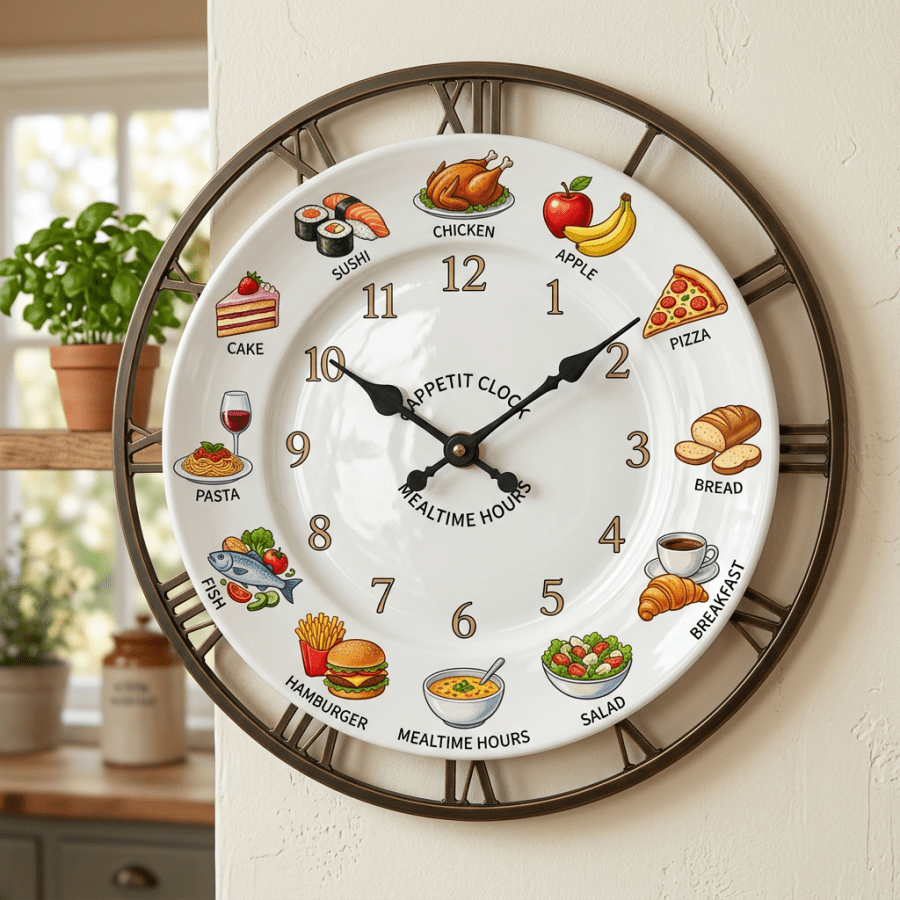
Wall clock with illustrations of various foods representing mealtime hours

Does Intermittent Fasting Work? A Doctor Explains

snake-diet-fasting

Intermittent fasting, sometimes called therapeutic fasting or intermittent energy restriction, has gained attention both in the media and in clinical practice. Patients ask about it regularly, often because they’ve heard it can help with weight loss or with lowering blood sugar in diabetes.

I have no ties to pharmaceutical companies or research groups, and I don’t profit from sharing this information. My purpose is simply to explain what I’ve seen and what the research shows. For patients with diabetes or heart disease, or those taking medications, I always recommend making changes under the guidance of a physician. Fasting can alter medication needs quickly, sometimes within days.

Why Weight Matters

About 75% of adults in the United States are overweight or obese, and the number continues to rise. Excess weight contributes to metabolic syndrome, diabetes, hypertension, and heart disease, and it increases the risk of stroke and some cancers. Many patients struggle with arthritis or back pain from the mechanical stress of extra weight. Others develop sleep apnea, fatigue, or sexual dysfunction. Beyond the health issues, there are real-world effects: trouble traveling, difficulty exercising, and limits on daily activities.

Why “Eat Less, Move More” Falls Short

The common advice is to cut calories and exercise more. Most patients I’ve seen have tried this approach at some point. The problem is that it rarely works long term; weight usually returns, often within months.

A striking example came from contestants on The Biggest Loser. Many lost large amounts of weight during the show, but most regained it later. As one participant admitted, “we’re all fat again.” Research supports this. A 2012 study in the New England Journal of Medicine followed patients on calorie restriction and found no sustained improvement in BMI after five years. The Women’s Health Initiative produced similar results over nine years.

The reason is physiology. When calorie intake drops, the body adapts by slowing its metabolism. If someone weighs 230 pounds and cuts back to 1500 calories a day, the body may drop its resting burn rate to 1300 calories. That person feels cold, sluggish, and hungry. Hormones like ghrelin keep signaling hunger, even long after dieting begins, and eventually weight creeps back.

The Role of Insulin

Energy comes from two sources: food and stored fat. When we eat, insulin rises and directs the body to store extra energy as glycogen or fat. At the same time, fat breakdown is switched off. This makes weight loss difficult if insulin stays high, especially with frequent meals or a high-carbohydrate diet.

How Intermittent Fasting Works

Intermittent fasting lowers insulin levels by reducing the frequency of eating. With food energy unavailable, the body taps into fat stores. Fasting can be combined with any diet, but it works particularly well with lower carbohydrate intake, since that also keeps insulin levels down.

Patients use different fasting schedules. A common one is the 16:8 approach, where meals are limited to an 8-hour window. Some prefer one meal a day. Others follow alternate-day fasting or the 5:2 pattern, eating normally for five days and restricting calories for two.

Water intake is essential. During fasting, the body needs extra water to help mobilize fat for energy. Electrolytes, especially sodium, potassium, magnesium, and calcium, also need attention, since ketosis increases their loss through the kidneys. Many patients avoid “keto flu” symptoms like dizziness, fatigue, or cramps by adding broth or electrolyte-rich foods.

What the Evidence Shows

Fasting does not slow metabolism. In fact, studies have shown a slight increase in metabolic rate during fasting, partly due to rises in norepinephrine (Zauner C, Am J Clin Nutr 2000;71:1511-1515). Hunger doesn’t keep building either. Ghrelin levels rise and fall around usual mealtimes, then settle back if food is skipped.

Research also shows fasting preferentially burns fat rather than muscle (Drenick EJ, Am J Public Health Nations Health. 1968;58(3):477-484). Men and women both respond with fat loss, averaging about half a pound per fasting day in controlled studies.

Beyond weight, there are possible additional benefits. Animal studies suggest longer lifespan, reduced cancer risk, and protection against neurodegenerative conditions. Human research is still developing, but some studies show improved insulin sensitivity, better blood sugar control, and even improved mood and cognition.

Safety and Practical Considerations

Fasting is not new. Hippocrates wrote about it, Plato praised it, and major religions have incorporated fasting traditions for centuries, from Ramadan to Lent to the Jewish high holy days. In most overweight patients it is safe when supervised. It is not appropriate for those who are pregnant, underweight, or struggling with eating disorders.

Patients with diabetes, especially those on insulin, need careful monitoring. Many see rapid improvements in blood sugar and may require lower doses. Some patients with type 1 diabetes using low-carb diets report more stable glucose and lower A1c.

For patients who like numbers, tools exist to track progress. Ketone meters can show if the body is burning fat. Blood sugar meters can help patients see how specific foods affect them. Insulin testing is available in labs, but not over the counter.

The Bottom Line

Intermittent fasting is not a fad. It is a structured way to reduce insulin, tap into fat stores, and improve metabolic health. Like any medical intervention, it should be individualized. With guidance, many patients find fasting more sustainable than calorie restriction and more effective for long-term weight control.

Scott Rennie, D.O.

Sources

  • Zauner C, et al. Resting energy expenditure in short-term starvation is increased as a result of an increase in serum norepinephrine. Am J Clin Nutr. 2000;71:1511-1515.
  • Drenick EJ, et al. Prolonged starvation as treatment for obesity. Am J Public Health Nations Health. 1968;58(3):477-484.
  • Sumithran P, et al. Long-term persistence of hormonal adaptations to weight loss. N Engl J Med. 2011;365:1597-1604.
  • Look AHEAD Research Group. Long-term effects of a lifestyle intervention on weight and cardiovascular risk factors. N Engl J Med. 2013;369:145-154.

Board Certified in Obesity Medicine and Family Medicine

This blog is for educational purposes only and does not constitute individual medical advice. Always consult your own physician before making changes to your health, medications, or treatment plan.

Vintage balance scale holding fresh tomatoes, carrots, broccoli, and greens

How Do You Actually Lose Weight? A Doctor Explains

Disclosures: I have no conflicts of interest with pharmaceutical companies or research groups, and I don’t make money from sharing this information. My purpose is to provide educational value for patients and colleagues. If you’re on medications for diabetes, hypertension, or heart disease, work with a physician who understands nutrition and diet so adjustments can be made safely.

Weight management is one of the biggest health challenges we face in the U.S. About 75% of Americans are overweight or obese, and that number keeps climbing. Obesity contributes to metabolic syndrome, diabetes, heart disease, stroke, arthritis, sleep apnea, and several cancers. It also lowers energy, reduces confidence, and limits mobility. Patients often tell me they can’t do the things they imagined doing in retirement, like traveling, because of joint pain, back problems, or poor stamina.

Measuring Weight and Risk

In medicine, we usually start with Body Mass Index (BMI), which compares weight to height. A BMI of 18.5-24.9 is considered normal, 25-29.9 overweight, 30-39.9 obese, and 40 or higher morbidly obese. BMI isn’t perfect, especially in athletes with high muscle mass; for them, body fat percentage is more accurate. Obesity is defined as 25% body fat or more for men and 32% or more for women.

Why Weight Loss Is So Hard

Patients often tell me they’ve tried diets, lost a few pounds, then stalled or regained. Many describe feeling cold, hungry, and irritable when cutting calories. Even when weight loss succeeds, it often rebounds, the familiar yo-yo effect.

Part of this is due to how the body regulates weight. Think of it as a “set point.” If you’ve been 230 pounds for years, your body may accept that as its new baseline. If you then cut calories, your metabolism adapts by slowing down. Instead of burning 1800 calories a day, your body may drop to 1300. You feel sluggish, chilled, and hungry. Weight loss slows, and sometimes you even gain despite eating less.

The Role of Insulin

Insulin is usually discussed in the context of diabetes, but it’s central to weight regulation. Our blood can only hold about one teaspoon of sugar, roughly 4 grams, at any time. When we eat carbohydrates, they break down into sugar, and insulin moves that sugar into cells. Excess gets stored as fat.

This mechanism is protective. In times of famine or illness, stored fat can be used for energy. But in modern life, where high-carb foods are constantly available, insulin is triggered frequently. That keeps the body in fat-storage mode and blocks fat breakdown (lipolysis).

Carbohydrates, Fat, and Protein

Carbohydrates include sugars, starches, and grains, but also fruits and vegetables. Foods like rice, pasta, potatoes, and bread raise blood sugar the most, leading to higher insulin release. Federal nutrition advice pushed hard in this direction: the 1977 Senate report Dietary Goals for the United States recommended that most calories come from carbohydrate, and the USDA Food Guide Pyramid that followed in 1992 carried the same message. Since then, obesity and diabetes rates have surged (Micha R, et al. JAMA. 2017;317(9):912-924).

Fat was once vilified, but the story is more nuanced. Eating fat doesn’t necessarily make you fat. Fat provides satiety and doesn’t cause the same insulin spikes that carbohydrates do. Traditional populations consuming higher-fat diets often have lower rates of obesity and diabetes. Fats that are liquid at room temperature, such as olive, avocado, or nut oils, are generally healthier than industrial seed oils like soybean or corn.

Protein is essential, but too much can be converted into sugar through gluconeogenesis. I usually recommend moderate protein intake, since overeating protein can work against weight loss by raising glucose levels.

A Practical Approach: Low Carbohydrate, High Fat (LCHF)

For many patients, shifting to a low-carb, higher-fat diet is effective. It reduces insulin spikes, promotes fat burning, and increases satiety. Foods that fit well include avocados, eggs, nuts, fatty fish, cheese, olive oil, and non-starchy vegetables. Processed foods, sugary drinks, cereals, pastries, and high-carb snacks usually derail progress.

One example I often share with patients: compare a 300-calorie soda to 300 calories of eggs and avocado. The soda doesn’t trigger satiety hormones like leptin and ghrelin, so you don’t feel full. The eggs and avocado, higher in fat and protein, send stronger signals of fullness and reduce the urge to keep eating.

The Role of Exercise

Exercise is valuable for mood, cardiovascular health, and strength. But weight loss depends more on diet. A single cookie may contain 200 calories. You can eat it in seconds, but it takes a 20-minute run to burn it off. Most people can’t out-exercise a high-calorie, high-carb diet.

Alcohol and Weight

Alcohol can complicate weight loss. Beer and sugary cocktails are carb-heavy. Wine and spirits without mixers are lower, but alcohol lowers inhibitions, making it easy to overeat. Patients trying to lose weight need to be mindful about drinking.

Safety in Diabetes

Low-carb, high-fat diets can be safe and beneficial in both type 1 and type 2 diabetes, but medication adjustments are often required. Many patients with type 2 diabetes reduce or even stop insulin once carbs are lowered. Patients with type 1 often report more stable blood sugars and improved A1c. Close monitoring with a physician is critical.

Side Effects and Adjustments

Some patients experience “keto flu” when transitioning from carbs to fat metabolism. Symptoms include fatigue, nausea, irritability, and cramps. They usually resolve in a few days with hydration and adequate electrolytes. Because ketosis increases sodium loss, patients may need to add salt, about 5 grams a day total, from foods or broth, unless restricted for heart failure or severe hypertension. Magnesium, potassium, and calcium should also be maintained.

A rare but important issue is cholesterol. About 10% of patients on a low-carb, high-fat diet may see an increase in LDL cholesterol. Most improve, but it’s worth monitoring.

Tools for Tracking

Some patients like evidence that they’re in ketosis. Urine test strips are unreliable. Blood ketone meters, similar to glucose meters, are more accurate. Even patients without diabetes can use glucose meters to see how food choices affect their blood sugar. Unfortunately, there’s no simple home test for insulin levels, but labs can measure it when needed.

Intermittent Fasting

Intermittent fasting fits naturally with low-carb eating. Eating once or twice a day allows insulin levels to fall further, encouraging fat breakdown. Patients may consume the same total calories, but spacing meals differently can improve insulin sensitivity and fat loss. Early research also suggests fasting may reduce cancer risk and extend lifespan, though more studies are needed (Longo VD, et al. Cell Metab. 2014;19:181-192).

The Bottom Line

Weight gain is complex, but insulin, carbohydrate intake, and the body’s set point all play key roles. Shifting to a low-carb, higher-fat diet can help reset metabolism, improve diabetes, and reduce reliance on medications. Adding intermittent fasting may enhance those effects.

Patients should approach these strategies carefully, ideally with medical guidance, especially if they take insulin or blood pressure medications. Done properly, this approach helps with far more than weight. It improves energy, mood, and long-term health.

Scott Rennie, D.O.

Sources

  • Sumithran P, et al. Long-term persistence of hormonal adaptations to weight loss. N Engl J Med. 2011;365:1597-1604.
  • Micha R, et al. Association Between Dietary Factors and Mortality From Heart Disease, Stroke, and Type 2 Diabetes in the United States. JAMA. 2017;317(9):912-924.
  • Longo VD, Mattson MP. Fasting: Molecular Mechanisms and Clinical Applications. Cell Metab. 2014;19:181-192.

Board Certified in Obesity Medicine and Family Medicine

This blog is for educational purposes only and does not constitute individual medical advice. Always consult your own physician before making changes to your health, medications, or treatment plan.

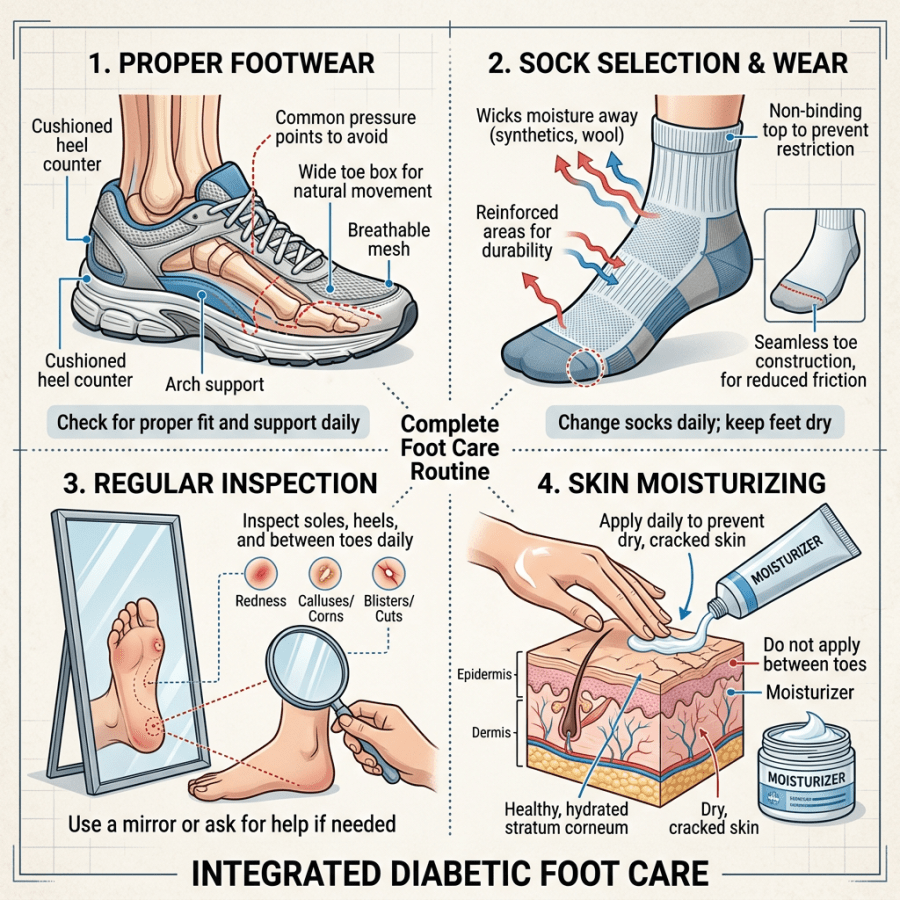
Diagram showing proper footwear, sock selection, foot inspection, and skin moisturizing for diabetic foot care.

Diabetic Foot Care: How to Check and Protect Your Feet

shutterstock_110360354Patients who have diabetes need to pay extra attention to their foot care to help prevent infections.  I’ve had numerous patients with diabetes need foot or toe amputations that could have been prevented with excellent foot hygiene.  Small scrapes in the skin or ingrown nails can become extremely bad very quickly with diabetes because patients who have diabetes often don’t have as much sensation (due to damage to the nerve endings and blood vessels in your feet).  This can make it difficult to detect sores and once an infection is present it can be very difficult to treat.  I thought I’d put together some tips to help you keep your feet healthy and decrease the risk for infections.

  1. Stop smoking:  If you smoke, this can decrease the blood flowing to your feet and make foot problems worse.
  2. Inspect your feet everyday:  Look for blisters, cuts, cracks or sores.  If you cannot see your feet well then use a mirror or have a family member help you.
  3. Wash your feet everyday:  Use warm (not hot) water – be sure to check the temperature with your hands rather than your feet.
  4. Dry your feet well:  Pat them dry and do not rub the skin on your feet too hard.  Dry between each toe.  If the skin on your feet stays moist, bacteria or fungus can grow and that might lead to a foot infection.
  5. Keep your feet soft:  Use a skin moisturizer such as Aveeno, Dove or Cetaphil on your feet to keep your skin soft and prevent calluses and cracks.  Don’t put the cream between your toes unless you are treating athlete’s foot with a fungal cream.  Make sure to wear socks or traction on your feet after applying the cream so you don’t slip and fall.
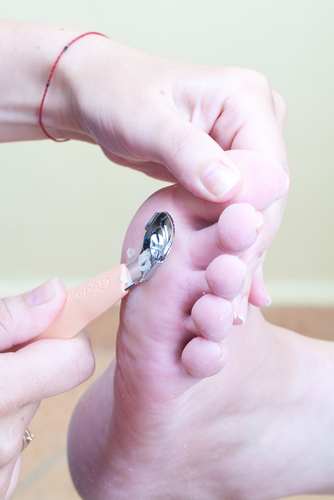
  6. Clean under your toenails carefully:  Don’t use sharp objects under your toenails.  Instead use the blunt end of a nail file or other rounded tool to decrease the chance of piercing the skin.
  7. Trim and file your toenails straight across:  This helps prevent ingrown nails.  Use a nail clipper instead of scissors.  Then use an emery board to smooth the edges.  If you need help trimming your nails, schedule an appointment with your medical provider.
  8. Change your socks everyday:  Socks should have a thick cushion and fit loosely around your feet.  Socks without seams are best because seams often rub the feet.  Do not wear stockings, socks, or garters that come up to the thigh or knees unless your medical provider advises you to do so because they can decrease the blood flow to your feet.
  9. Look inside your shoes before putting them on:  Check them every day for gravel, torn linings, or thorns that can cause blisters or sores.
  10. Do not go barefoot:  Don’t wear sandals or shoes with thin soles because these types of shoes are easy to puncture.  They also do not protect your feet from hot pavement or cold weather.
  11. Have your medical provider check your feet during each visit:  If you notice a problem with your feet, see your medical provider right away rather than trying to treat it with a home remedy.  Some home remedies or treatments that you can buy without a prescription (such as corn removers) can be harmful.
  12. Keep your blood sugar down:  Watch what and how you eat, monitor your blood sugar, take your medications and get regular exercise.

When to seek medical help:

A)      If you cannot do proper foot care

B)     If you have a foot sore or ulcer that is not healing after 3 days (including corns, calluses or ingrown nails)

C)     If you have black and blue areas in your toes or feet

D)    If you have peeling skin or blisters between your toes

E)     If you have a fever for more than 24 hours and a foot sore

F)     If you have new numbness or tingling in your feet that does not go away after you move your feet or change positions

G)    If you have unexplained or unusual swelling of your foot or ankle

H)    Anytime you have questions about your feet or concerns it is best to contact your medical provider


I hope that you have found this information useful.  Wishing you the best of health,

Scott Rennie, D.O.
Board Certified in Obesity Medicine and Family Medicine

This blog is for educational purposes only and does not constitute individual medical advice. Always consult your own physician before making changes to your health, medications, or treatment plan.

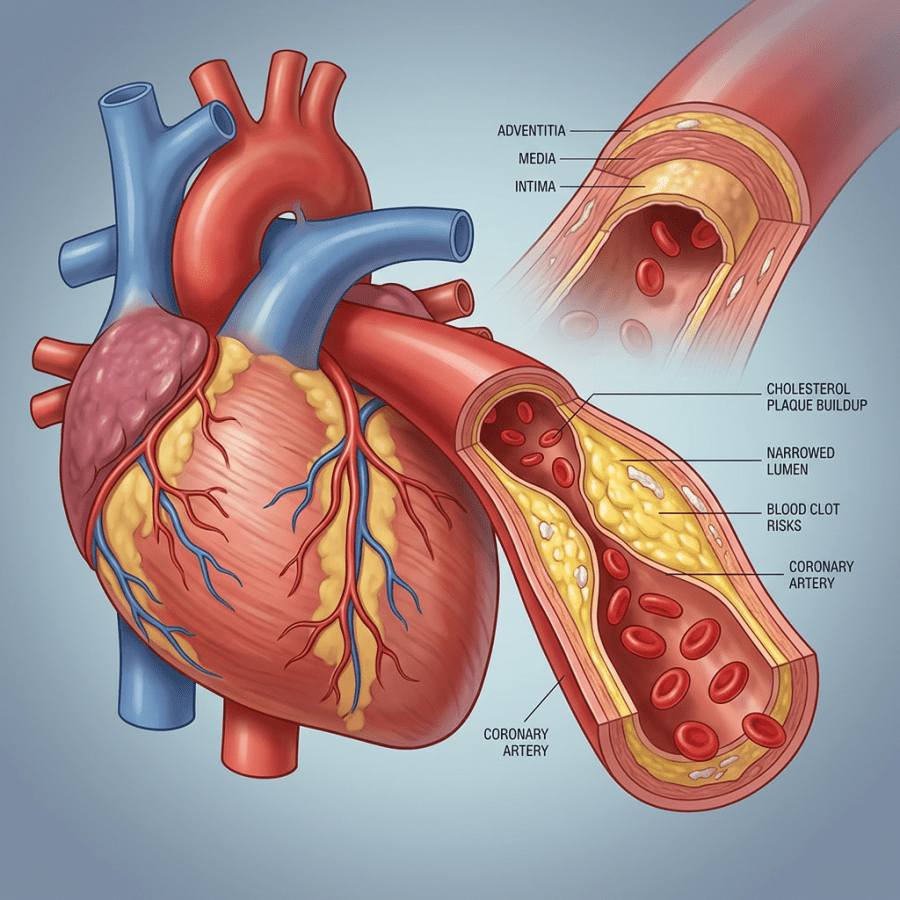
Heart anatomy with coronary artery cross-section showing cholesterol plaque buildup, narrowed lumen, and blood clot risks

Why Does High Cholesterol Matter? A Doctor Explains

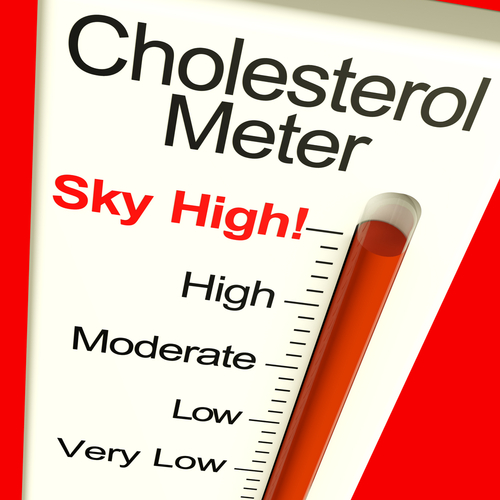
shutterstock_92612734One of the most common questions that patients ask me is why they should take medication for cholesterol.  They often don’t have any symptoms of high cholesterol and many people don’t like the idea of taking a medication for something that they don’t feel is causing them any problems.  I felt like it was important to write a little bit about cholesterol, triglycerides, goals and treatment options. So why should you care if your cholesterol is high?  Did you know that there are both good and bad forms of cholesterol?  What’s the difference between high cholesterol and hyperlipidemia?  These are all great questions and I will attempt to answer them in this article. When we use the term hyperlipidemia, we are generally speaking about the amount of fats in the bloodstream being elevated.  Fats include both cholesterol and triglycerides.  When the level of fat is elevated in the bloodstream it can collect in your blood vessels and cause blockages. If you think about your blood vessels as being hoses that feed the different organs of your body, you can imagine cholesterol as a substance which collects or coats the inside of these vessels so that the blood has a narrowed space to flow through.  If too much cholesterol fills up in the blood vessels it can make it difficult for the blood to flow through this area and reach certain areas of the body. If the blood flowing through your body is blocked and cannot get to a certain area of your heart, you could have a heart attack.  If blood has trouble reaching an area of your brain, you could have stroke.  So how do you know if your blood vessels are being blocked by fats such as cholesterol or triglycerides? Will you have symptoms?  It can be very challenging to know if you are getting fat from cholesterol and triglycerides stuck in your blood vessels. You might not have symptoms until the blood vessels become plugged to such a degree that blood cannot get through.  At this time, your heart or brain may suffer permanent damage from a heart attack or stroke.  It’s very important to prevent the blood vessels in the body from becoming plugged with cholesterol or triglycerides that we refer to a plaque when it combines with other cells of the body such as platelets. Why are doctors even more worried about my cholesterol levels now that I was diagnosed with diabetes?  Diabetes means that your blood sugars are likely higher than they should be.  High sugar within the blood vessels causes damage that makes the inside of the vessels (where the blood flows) become sticky and the cholesterol and platelets stick inside the blood vessels that have been damaged by high blood sugar much easier.  Smoking also causes damage (increased stickiness) to the insides of the blood vessels and makes it easier for cholesterol plaque to stick inside the arteries and potentially lead to a heart attack or stroke. Most of us have heard the terms “good cholesterol and bad cholesterol.”  Two difference forms of cholesterol known and LDL (Low density Lipoprotein) and HDL (High Density Lipoprotein) are commonly measured in your lipid tests.  We like to see a high level of HDL because this type of cholesterol actually lowers the risk of heart disease and stroke by destroying the plaques that build up within the blood vessels.  We like to see low levels of LDL because this type of cholesterol is the bad kind that combines with platelets and sticks inside the blood vessels and can increase the risk for heart attack or stroke.  Total cholesterol is a combined measure of both the HDL and LDL cholesterol.  You don’t need to fast anymore to be able to measure your cholesterol.  There is a direct LDL and HDL test that can be done at your office visit without fasting (only if the local lab offers it).  When I’m looking at the patients lab results, I’m more concerned about the HDL and LDL than I am with the total cholesterol because I want the HDL to be high and the LDL to be low.  So what should your cholesterol numbers be?  Well that depends on your risk factors for heart attack, stroke, kidney disease and whether you have diabetes.  We try to get the levels of LDL cholesterol lower in patients who have diabetes, kidney disease or who have already had a heart attack or stroke. So how low should you go?
  1. For someone who has had a heart attack or stroke:  an LDL below 70-80 mg/dL is recommended, especially if they have diabetes or smoke
  2. If you have heart disease but do not smoke, have kidney disease or diabetes then we try to get the LDL below 100mg/dL
  3. If you do not have heart disease but have risk factors such as diabetes or tobacco use then we try to get the LDL below 130mg/dL
  4. If you have zero or only one risk factor for heart disease then we he try to get the LDL lower than 160 mg/dL
The ideal for the LDL has been changing over the years, but in general we now recognize that getting the LDL as low as possible is usually beneficial. What about the triglycerides?  We have some evidence to suggest that elevated triglyceride levels increase the risk of heart disease but high triglycerides have not generally been thought to pose the same risk of heart disease as high LDL cholesterol.  We consider normal to be below 150mg/dL, borderline high to be 150-199 and high to be over 200.  Triglycerides need to be measured after fasting for at least 12 hours (nothing to eat or drink except water).  We usually treat a patient to lower the triglycerides if they are higher than 500-1000 mg/dL, if they also have high LDL, strong family of heart disease or other risk factors. When should I start getting my cholesterol checked?  Most experts believe that you should start getting your cholesterol checked at age 35 in men (if they don’t have risk factors such as
  1. High blood pressure
  2. Smoking
  3. Diabetes
  4. Kidney problems
  5. Family history of heart disease in a close relative under age 50
  6. Family history of high cholesterol
Or at age 20 in men who have any of the risk factors above.  Women should get their cholesterol checked at age 45 if they don’t have the risk factors above or at age 20 if they do have any of the risk factors above. Treatment for hyperlipidemia (High cholesterol/triglycerides): The decision to treat high cholesterol (LDL) or high triglycerides should be a joint decision with you and your medical provider.  There are several possible treatment options and the decision may be better may by use of a Framingham 10-year risk of coronary heart disease calculator (http://hp2010.nhlbihin.net/atpiii/calculator.asp).  There is one for women and a separate one for men based on the patient’s age, blood pressure, total cholesterol, HDL cholesterol, whether they are taking blood pressure medication, whether they smoke and whether they have diabetes.  1)      Lifestyle changes:  Every medical provider has been trained to educate patients that LDL cholesterol can be reduced by reducing total and saturated fat in the diet and losing weight (if you are overweight).  In addition, exercising aerobically for 30 minutes a day, 5 days a week (at least) and eating a diet rich in fruits and vegetables can also help reduce the bad LDL cholesterol and increase the good HDL cholesterol. 2)     Statins such as Lipitor (also called Atorvastatin), Lovastatin, Pravastatin, Simvastatin, Fluvastatin and Rosuvastatin are usually the first line of treatment for patients with high LDL cholesterol because they work very well for most people.  They can reduce cholesterol levels by as much as 20-60%.  Statins have also been shown to reduce triglycerides (but they don’t work as well for that as some other medications) and slightly increase the good HDL cholesterol.  Some patients have complained of constipation, heart burn or muscle cramps while taking a statin medication.  Usually switching to a different statin can help.  In addition, you should generally not drink grapefruit juice while taking statins because this increases the risk for muscle cramps or other side effects. We also need to monitor your liver function closely while taking a statin.  3)     Zetia is a newer medication which supposedly has fewer side effects than statins and has been shown to lower LDL cholesterol but studies are still ongoing to discover if patients who take this medication daily have fewer heart related problems than those who don’t take it.  4)     Cholestyramine, colesevelam and colestipol are bile acid sequestrants that reduce the amount of cholesterol absorbed from food.  Some people who take these medications however complain of nausea, bloating and abdominal cramping. Patients taking digoxin or Coumadin need to be careful when taking this medication as they can interfere with each other.  5)     Niacin is a B vitamin that can lower cholesterol.  It can have an unpleasant side effect of causing skin flushing however.  A friend of mine in medical school took a high dose of niacin to help lower his cholesterol after hearing a lecture about it and developed itchy red skin (it got better) because he started out at a dose that was too high too quickly.  We usually start taking it at a very low dose and gradually increase the dose along with taking aspirin. Your body becomes acclimated to the Niacin so you don’t have to worry about the skin flushing, itching or tingling after about 10 days.  If you forget to take it for a day and then re-start Niacin at the same dose you took it at previously however, you can be in for a rude surprise when the flushing starts again.  We don’t usually recommend niacin for patients who have gout because it can cause an increase in uric acid levels.  6)     Gemfibrozil, fenofibrate and fenofibric acid  or Tricor are a group of medications called “Fibrates”.  These medications are good at lowering the triglycerides but don’t help very much with lowering the bad LDL cholesterol.  They can help raise the good HDL cholesterol slightly though.  Some patients have complained of muscle pain when taking these medications and you need to be careful if you take them at the same time you take a statin because there is more risk of muscle pain and we have to monitor the liver function closely. Non-prescription treatments for high cholesterol:
  1. As I already mentioned lifestyle modification including healthy dietary changes and increased exercise can be beneficial
  2. Niacin – see above
  3. Fish oil – Eating a diet rich in oily fish such as anchovies or tuna has been shown to help reduce triglyceride levels in some people.  There are various companies that make fish oil supplements and most studies have recommended a daily 1 gram fish oil supplement to be tried if you do not eat enough fish.
How often should I have my cholesterol checked?  There is no concrete data that tell us how often your cholesterol should be checked once it has been treated adequately with medication or it has been shown to be within acceptable limits.  Purposed data suggest rechecking every 5 years for those without heart disease, diabetes or other risk factors.  We usually however check cholesterol and liver enzymes for those patients on medication every three months if they are not at their goal and at least once a year once they have reached their goal LDL and/or triglyceride levels. For more information check out the resources below: Framingham Heart Study:  www.framingham.com/heart/ National Cholesterol Education Program of the National Heart, Lung and Blood Institute (NIH):  http://www.nhlbi.nih.gov/health/public/heart/chol/cholesterol_atglance.htm   I hope that you have found this information useful.  Wishing you the best of health,

Updated for 2026: The Risk Calculator Itself Was Replaced This Year

This post is from 2013, which turned out to be the exact year the ground started moving. Cholesterol guidance has been rewritten more than once since, and in March 2026 it changed again in a way that will affect whether some people are advised to take a statin at all. Start with what happened right after I wrote this. The old approach chased numbers. You had an LDL target, and treatment was titrated until you hit it. The 2013 guideline threw that out, because nobody had ever run the trial that tested treating to a target. What replaced it was risk based: estimate a person’s ten year cardiovascular risk, then pick a statin intensity to match (1). That is why your doctor may have stopped talking about your LDL number and started talking about your risk percentage. It confused a lot of people, including a fair number of physicians.

What Changed in March 2026

The cardiology societies issued a new guideline on March 13, 2026, and the headline is that the risk calculator has been swapped out (2). The old Pooled Cohort Equations, in use since 2013, have been replaced by the PREVENT calculator. Two things about it are worth your attention. It no longer uses race as an input. The old equations adjusted risk by race in a way that was never biologically sound, and removing it is overdue. It also recalibrates risk downward. The older equations were overestimating ten year risk substantially. In practice that means some people previously told they should be on a statin will now calculate as lower risk than they did before. I want to be careful about how I put the next part. The 2026 guideline also revisits numeric LDL goals, which is a partial return to the target based thinking that was abandoned in 2013. I am not going to publish specific thresholds here, because I have not read them in the primary document rather than a summary of it, and a cholesterol number is not something to be approximately right about. Ask your own physician what target, if any, applies to you under the current guideline.

Statin Intensity, Which Is the Part That Actually Matters

When someone says they are on a statin, the dose tells you more than the name does. High intensity means atorvastatin 40 to 80 milligrams or rosuvastatin 20 to 40 milligrams. Moderate intensity means atorvastatin 10 to 20, rosuvastatin 5 to 10, or simvastatin 20 to 40 (3). Plenty of people who believe they are treated are on a dose well below what their risk calls for. That is worth knowing about yourself. For prevention in people who have not had a cardiovascular event, the US Preventive Services Task Force position from August 2022 still stands: statins are recommended for adults aged 40 to 75 with at least one risk factor and a ten year risk of ten percent or more, and can reasonably be offered between 7.5 and ten percent. Above 75, they found the evidence insufficient to make a call either way (4).

There Are Options Beyond Statins Now

In 2013 this was essentially a statin conversation, with ezetimibe as the one add on. That is no longer true. PCSK9 inhibitors, bempedoic acid, and inclisiran have all arrived since. None of them displaces statins as first line, and the last of those in particular is still accumulating hard outcome data. But if you genuinely cannot tolerate statins, or you are on a maximum dose and still not where you need to be, there are real options now, and there were not. Lipoprotein(a) is the other addition. It is largely inherited, it is not something diet or exercise moves, and it is not on a standard lipid panel. It has moved toward being measured once in a lifetime rather than not at all. If heart disease runs early in your family and nobody can explain why, it is worth asking about.

Why This Suits a Video Visit Well

This is one of the things telemedicine handles about as well as anything. The lab draw happens near you, wherever is convenient. Everything after that is a conversation. Interpreting the panel, running your risk, deciding whether to treat, choosing an intensity, sorting out side effects, adjusting a dose. None of it requires me to be in the room. One practical note: for a baseline panel you generally do not need to fast anymore. Fasting still matters if your triglycerides run very high or there is a suspected inherited lipid disorder, so ask before you skip breakfast unnecessarily, or before you assume you can. What I cannot do from here is the blood draw, the liver or muscle enzyme checks if you develop symptoms, or a coronary calcium scan when your risk sits in the grey zone and we need a tiebreaker.

Get Seen Urgently If

Chest pain, pressure, jaw or arm pain, sudden breathlessness, or stroke symptoms. That is an emergency, not a lipid appointment. Severe muscle pain or weakness on a statin, particularly with dark urine, which needs same day evaluation rather than stopping the drug and waiting. Triglycerides in the very high range, which carries a real risk of pancreatitis. An LDL of 190 or above, especially with a family history of early heart disease, which raises the question of familial hypercholesterolemia and is a genetics conversation rather than a routine one.

The Bottom Line

If your risk was last calculated before 2026, it was calculated with equations that have since been replaced, and the answer may be different now. Find out what statin intensity you are actually on rather than just the name. And if you were told years ago that statins were your only option, that has not been true for some time.

Sources

1. ACC/AHA Release Updated Guideline on the Treatment of Blood Cholesterol to Reduce ASCVD Risk. American Family Physician. August 15, 2014. https://www.aafp.org/pubs/afp/issues/2014/0815/p260.html 2. American College of Cardiology. ACC and AHA Issue Updated Guideline for Managing Lipids and Cholesterol. March 13, 2026. https://www.acc.org/about-acc/press-releases/2026/03/13/18/01/accaha-issue-updated-guideline-for-managing-lipids-cholesterol 3. Overview of the New ACC/AHA Lipid Guidelines. American Family Physician. June 1, 2019. https://www.aafp.org/pubs/afp/issues/2019/0601/p716.html 4. US Preventive Services Task Force. Statin Use for the Primary Prevention of Cardiovascular Disease in Adults. August 23, 2022. https://www.uspreventiveservicestaskforce.org/uspstf/recommendation/statin-use-in-adults-preventive-medication

Related Reading

When to Use Telemedicine vs. Urgent Care: How I Spot the Sick One Scott Rennie, D.O.

Board Certified in Obesity Medicine and Family Medicine

This blog is for educational purposes only and does not constitute individual medical advice. Always consult your own physician before making changes to your health, medications, or treatment plan.

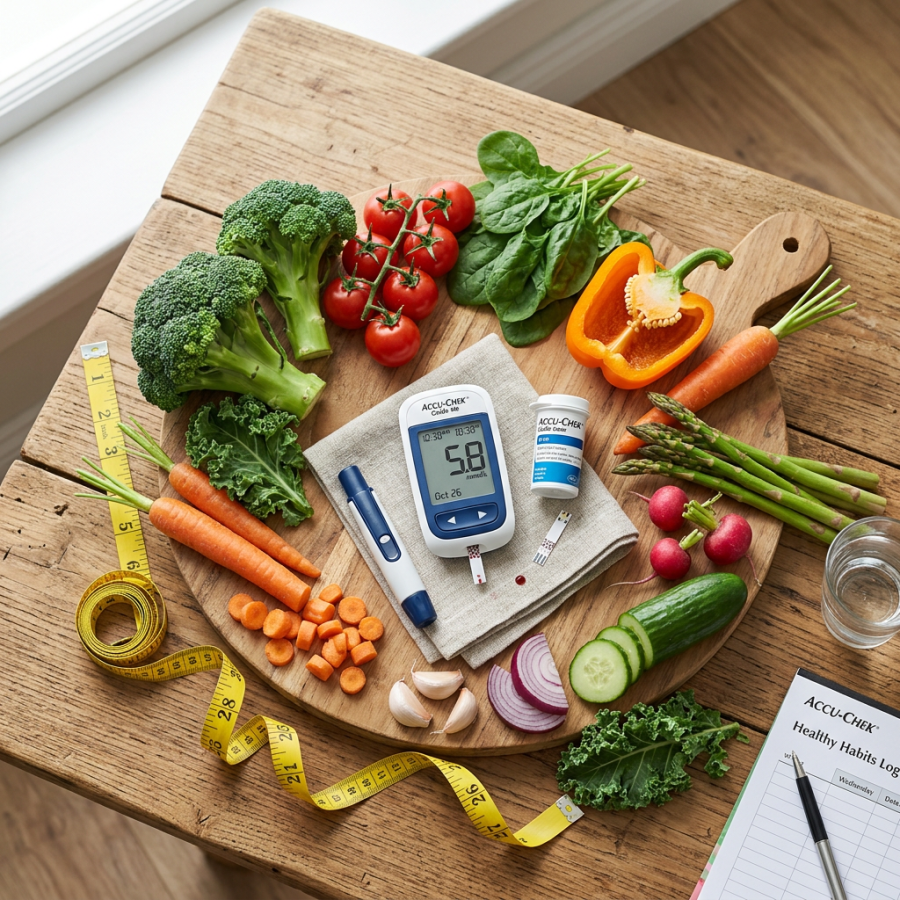
Glucose meter showing reading with fresh vegetables and measuring tape on wooden cutting board

Newly Diagnosed With Type 2 Diabetes: What You Should Know

shutterstock_128763464When a patient comes into the clinic and is diagnosed with diabetes, they usually have lots of questions.  Often we discover that they are diabetic when they come in for another reason and time is often limited so I thought it would be helpful to discuss some information that I think is important for a newly diagnosed diabetic patient to understand.

Diabetes:  A condition that disrupts the way your body uses blood sugar (glucose).  We classify diabetes as type 1 or type 2.  About 90 percent of people in the United States, Canada and Europe with diabetes have type 2.

To understand the difference between type 1 diabetes and type 2 diabetes, it’s important to understand a little about insulin.  Insulin is a hormone in the body that allows all the microscopic cells inside your body to absorb and use glucose (sugar) which is one of the fuels for your body.  Without enough glucose you may become tired, shaky, and not feel well.  People with diabetes usually have enough sugar (digested from food) and insulin in their blood, the problem is that the cells inside the body can become resistant to insulin.  Insulin is like a key that unlocks the cells inside our bodies and allows us to absorb the glucose that is present in the bloodstream.  If our body cannot use our  insulin effectively, the sugar in body will rise.

Type 1 diabetes  is a problem where the pancreas (an organ inside your abdomen) does not make enough insulin.  Remember, insulin is the key that unlocks cells/organs inside the body so that we can absorb glucose (sugar) from the blood.  Without enough insulin, our blood sugar goes up and cannot be absorbed.  We often treat patients with type 1 diabetes by giving them insulin because their body does not make it at all.  That way the insulin will allow their body to absorb the sugar in their blood and use this “fuel” to live. Our body can also use fat as fuel instead of sugar/glucose.  Some patients who have type 1 diabetes do really well by eating a low carbohydrate, high fat diet (LCHF).  Many of my patients who have type 1 diabetes are able to keep their blood sugars more stable with an LCHF diet than they can with a standard high carbohydrate diet.

Type 2 diabetes is a problem where the body cannot use the insulin effectively because of an overconsumption of carbohydrates.  We sometimes refer to patients who have type 2 diabetes as having insulin resistance because their bodies becomes resistant to their insulin over time.  We often treat patients with type 2 diabetes by helping them lower their blood sugar naturally by taking in less carbohydrates and may also prescribe medications that help the body use insulin more effectively.  Usually, patients with type 2 diabetes are overweight because of an overconsumption of carbohydrates/sugar that is stored in body fat.  As body fat accumulates, our bodies become resistant to insulin and may develop type 2 diabetes.

Causes of type 2 diabetes:  The most important risk factor for developing type 2 diabetes is the overconsumption of carbohydrates (carbs).  Food nutrients come in the form of carbohydrates, protein and fat.  When we consume carbohydrates, our insulin levels rise to help us use and store the sugar energy that comes from these carbs.  Most of the storage is in the form of body fat because the insulin that is released by the body to help us process these carbs is the “storage hormone.”  As fat stores in the body get filled up, the body naturally becomes more and more resistant to insulin – the body doesn’t want to store anymore fat.  The end result is that the body has to produce increasing amounts of insulin to overcome this insulin resistance and keep the blood sugars under control.  Our body can compensate for the overconsumption of carbohydrates for awhile (months or years), but eventually the body may fail to produce enough insulin to keep the blood sugar low enough and then type 2 diabetes can be diagnosed.

The likelihood of developing diabetes is higher in certain ethnic groups such as people of Hispanic, African and Asian descent. Environmental factors such as what you eat and how active you are the most important risk  factors for  developing type 2 diabetes.

Fat, an alternative fuel source for the body instead of sugar:

There is good news when it comes to diabetes and also losing weight.  We can use fat as a source of energy to fuel the body instead of carbohydrates.  By consuming a low carbohydrate/high fat diet our body will use body fat as an energy source by breaking it down into ketone bodies.  As we eat less carbohydrates, we allow our insulin levels to remain low and therefore as a natural consequence, we breakdown stored body fat instead of becoming more overweight.  Losing weight helps us become less resistant to insulin and improve our blood sugar naturally.  In my opinion, this diet is one of the best ways to treat diabetes.

Pregnancy:  About 3-5% of patients who are pregnant develop “gestational diabetes” or diabetes in pregnancy.  Diabetes during pregnancy usually resolves after the delivery of the baby however these women are at increased risk of developing type 2 diabetes later in life.

Symptoms of diabetes:  Some people develop symptoms and many people who have diabetes don’t have symptoms.  Possible symptoms include:

1)   Feeling thirsty

2)   Fatigue or feeling tired frequently

3)   Needing to urinate frequently

4)   Blurred vision

Testing for diabetes:  There are several tests to measure blood sugar (glucose) to establish a diagnosis of diabetes:

1)   Random blood sugar:  If you check your sugar and at any time of day regardless of when you ate and your blood sugar is 200 mg/dl or higher, and you have symptoms – it is likely that you have diabetes.

2)   Fasting blood sugar:  A blood test that is performed after not eating or drinking anything except water for 8-12 hours (overnight usually).  If your blood sugar is less than 100mg/dl  – you probably do not have diabetes.  If it’s between 100-125, you have an impaired test and are at risk of developing diabetes if lifestyle changes are not made.  If the fasting glucose is greater than 125, and symptoms are present, you have diabetes.

3)   Hemoglobin A1c:  A blood test that measures your average blood sugar over the past 3 months.  The normal value is usually 4-5.6%.  This test can be done at anytime of day. A result of 5.7-6.4 indicates a high risk of developing diabetes and greater than 6.4 indicates diabetes.

4)   Oral glucose tolerance test:  A patient who is fasting for 8-12 hours usually comes in and then drinks a special glucose solution (usually orange or lemon flavored) and your blood sugar is tested before drinking it and again an hour and sometimes 2 hours after drinking the solution.  If your blood sugar is higher than 200 two hours after the glucose tolerance test, you have diabetes.

Other medical problems:  Often people who have diabetes also have high blood pressure, and/or high cholesterol as well.

Reasons to get your blood sugar under control:  Many newly diagnosed diabetic patients aren’t really sure about the value of having good control of their blood sugars because many people don’t have symptoms when their blood sugar is elevated.  I think it’s important to remind ourselves of the adverse consequences of poorly controlled diabetes:

1)  Increased risk for heart attack/stroke – with poorly controlled blood sugars, you increase your risk of heart attack or stroke dramatically

2)  Diabetic retinopathy – diabetes can cause blindness

3)  Diabetic nephropathy – diabetes can cause permanent kidney damage and is a leading cause for patients to require kidney dialysis

4)  Diabetic neuropathy – diabetes can cause chronic pain or numbness which usually starts in the toes and feet.  This can progress and become very painful with time.

5)  Poor wound healing – when blood sugars are not well controlled, wounds such as a common scrape or cut can take much longer to heal and become prone to infection.

6)  Poor circulation – many patients with poorly controlled diabetes have such poor circulation into their feet or toes that then have partial amputations of limbs performed when chronic infection or death of tissue occurs because of poor circulation.

My recommendations:

1)  Talk to your primary care physician.

2)   Decrease the quantity of carbohydrates/sugar that you’re consuming.  Avoid soda pop, fruit juices, sports drinks, energy drinks, frappiccinos, candy, pastries (doughnuts, cookies, brownies), potatoes, rice, noodles, breakfast cereals, ice cream, jams and jellies, yogurt that has lots of sugar, and processed foods.  Do not add sugar to foods that you eat.  Be careful with fruit because there is a lot of sugar in fruit.

3)   Meet with a diabetic nurse educator to make sure you understand how to use your glucometer, check your blood sugars and take your medication.

4)   Record your blood sugars every day with a glucometer.  Usually, I recommend that when you first are diagnosed with diabetes that you check more frequently including first thing in the morning before breakfast, 2 hours after breakfast, 2 hours after lunch, and right before going to bed.  Write the dates and times down in a journal or computer spreadsheet and remember to bring this with you when you come to your doctor appointment.  You can also email or fax these records to your doctor if this is easier for you.

5)   Record your blood pressures twice a day – first thing in the morning and also right before going to bed.  Try not to check your blood pressure right after exercise or after drinking a cup of coffee, tea or other caffeinated beverage.

6)   Make a list of all the medications that you take, and bring the list with you each time you go to your doctor.  If your doctor changes any of your medications or dosages, have them write the change on your medication list and update the list at home at your first opportunity.

If you think that you or someone that you know has diabetes, please make sure to be seen by a medical provider.


I hope that you have found this information useful.  Wishing you the best of health,

Scott Rennie, D.O.
Board Certified in Obesity Medicine and Family Medicine

This blog is for educational purposes only and does not constitute individual medical advice. Always consult your own physician before making changes to your health, medications, or treatment plan.

Blog: https://doctorrennie.wordpress.com


Resources:

The following organizations also provide reliable health information.

  • National Library of Medicine

(www.nlm.nih.gov/medlineplus/healthtopics.html)

  • National Institute of Diabetes and Digestive and Kidney Diseases

(www.niddk.nih.gov)

  • American Diabetes Association (ADA)

(800)-DIABETES (800-342-2383)
      (www.diabetes.org)

  • The Hormone Foundation

(www.hormone.org/public/diabetes.cfm, available in English and Spanish)