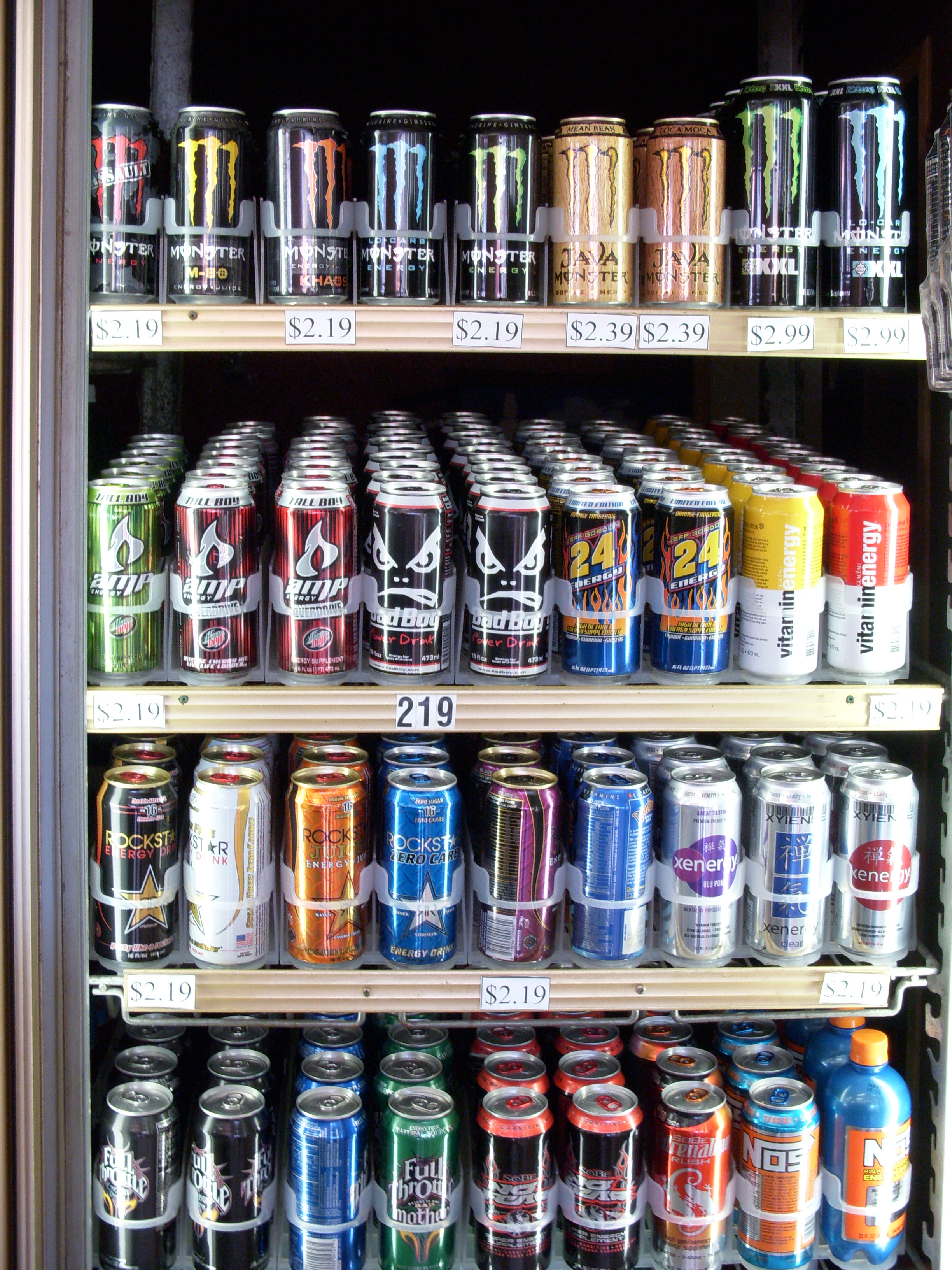
Flat vector outdoor air quality monitoring station

EPA Air Monitoring Effort: What the Statement Says

3/15/2011 WASHINGTON – As the Nuclear Regulatory Commission has said, we do not expect to see radiation at harmful levels reaching the U.S. from damaged Japanese nuclear power plants. As part of the federal government’s continuing effort to make our activities and science transparent and available to the public, the Environmental Protection Agency (EPA) will continue to keep all RadNet data available in the current online database. In addition, EPA plans to work with its federal partners to deploy additional monitoring capabilities to parts of the western U.S. and U.S. territories. As always, EPA is utilizing this existing nationwide radiation monitoring system, RadNet, which continuously monitors the nation’s air and regularly monitors drinking water, milk and precipitation for environmental radiation. The RadNet online searchable database contains historical data of environmental radiation monitoring data from all fifty states and U.S. territories.

Scott Rennie, D.O.
Board Certified in Obesity Medicine and Family Medicine

This blog is for educational purposes only and does not constitute individual medical advice. Always consult your own physician before making changes to your health, medications, or treatment plan.

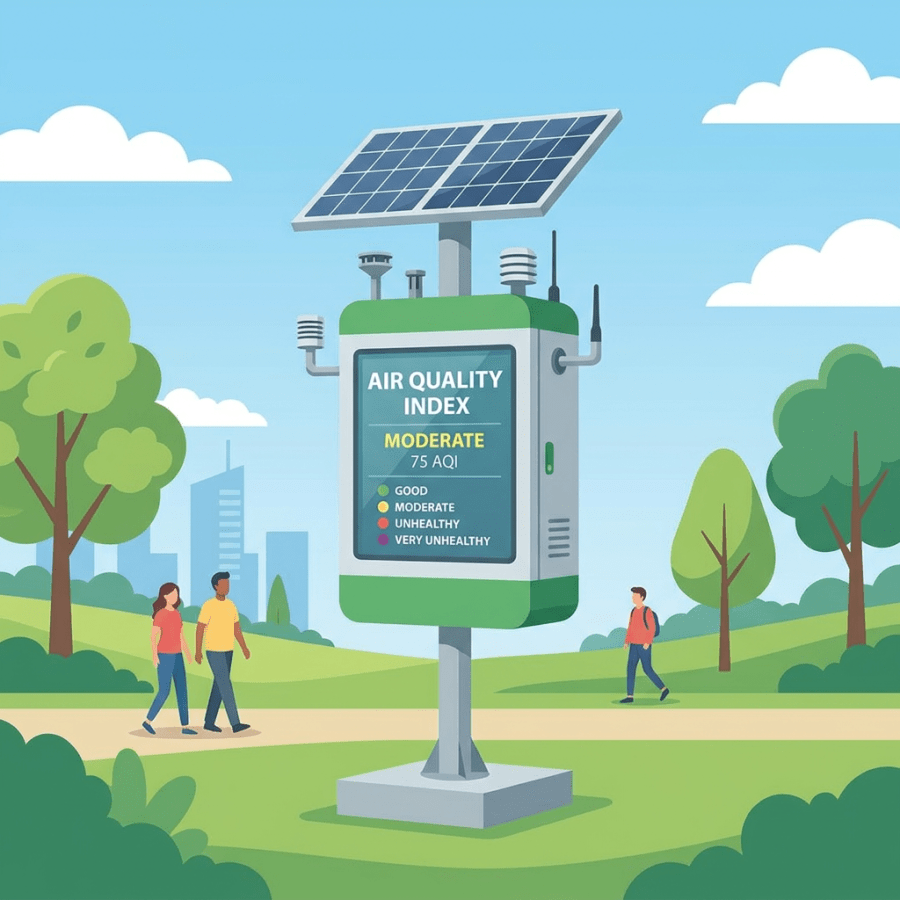
Hand holding a RADSENSE PRO-2000 radiation detector showing 0.15 µSv/h safe level

Japan Nuclear Meltdown: What Is the Radiation Risk?

FAQ on Radiation Risk From Tsunami-Damaged Nuclear Plants
By Daniel J. DeNoon WebMD Health News
Reviewed by Laura J. Martin, MD
radiation warning
March 15, 2011 — Among the casualties of Japan’s earthquake/tsunami disaster were several nuclear power plants. Damage and failed cooling systems have raised the fears of a total meltdown. There’s hope that a major nuclear disaster can be averted. But what are the risks from the radiation that already has been released — and from the radiation that could be released if containment efforts fail?

What does it mean for a nuclear energy plant to melt down?

“Meltdown” is not a technical term, but it vividly describes the worst-case scenario for a nuclear reactor. Nuclear reactors generate power via controlled nuclear fission, which occurs when enough radioactive material is gathered into a critical mass. Control rods can separate the radioactive material, thus ending the nuclear reaction. That’s exactly what happened when the March 11 earthquake hit Japan. Control rods effectively halted the nuclear reactions. This means there is no danger of a nuclear blast from Japan’s damaged nuclear plants. But the nuclear materials inside the reactors remain radioactive, which means they give off a great deal of heat. It takes days to cool these materials down, and spent fuel rods must be kept submerged in a cooling bath until their radioactivity decays and their intense temperature goes down. If not cooled, these materials will melt. In a worst-case scenario, they could possibly melt right through the thick metal shield that contains the reactor, spilling highly radioactive materials into the environment. When the tsunami hit Japan’s Fukushima Daiichi nuclear plant, three reactors lost power. That meant serious trouble, as the pumps needed to cool the overheated reactors with water stopped running when their battery backups were exhausted. Nuclear reactors have two main containers that keep radioactive materials from spreading outside the plant. One container is the thick-walled building surrounding each reactor. The other is a thick metal vessel that makes up the outer wall of the reactor itself. As water cools the fuel rods in the innermost container, steam is created. The intense heat also releases hydrogen from the water. If the pressure inside the container gets too high, the steam has to be vented. This releases some radioactivity. It also releases hydrogen, which can build up inside the building. Three of the six buildings housing Fukushima Daiichi’s six reactors had hydrogen explosions. One, on March 14, injured 11 workers and could be felt for miles. However, the internal containment walls appear to remain intact.  The third blast at unit 2 may have caused a small breach in the inner containment vessel, as radioactivity around the plant shot up to dangerous levels before going down.

How much radiation has escaped Japan’s damaged nuclear plants?

One of the emergency measures being taken to prevent a meltdown is the release of steam from the reactors. This means some radiation is released into the environment with each release of the high-pressure steam.

How much radiation has escaped Japan’s damaged nuclear plants? continued…

Japan’s nuclear energy agency reported on March 14 that measures of radiation outside the plant are higher than legal limits, but that they were not dangerously high. That changed on the morning of March 15, when radiation levels shot to 400 millisieverts per hour — well above the danger zone. Radiation levels then dropped to about 0.6 millisieverts per hour. By comparison, a chest X-ray is 0.02 to 0.67 millisieverts. In a year, the typical U.S. resident is exposed to 3 millisieverts. A person who receives a short-term dose of 1,000 millisieverts will experience radiation sickness but probably will survive. Short-term doses of 2,000 to 10,000 millisieverts have an increasing probability of causing a fatal cancer. Radiation levels in Tokyo are reported to be 20 times above normal but still not in the danger zone. However, a no-fly zone has been imposed for an 18-mile radius around the nuclear plant. On March 14, officials ordered the evacuation of all residents living within 20 kilometers (about 12.5 miles) of the plant. On March 15 they advised people living between 20 kilometers and 30 kilometers (about 18.6 miles) to remain indoors. News reports indicate many of these residents are fleeing the area instead. Some 100,000 people are reported to be in the area. Another radiation issue is in reactor 4, which had been shut down before the earthquake. Spent fuel rods still were cooling in the plant’s rooftop pool.  That cooling system appears to be in trouble, as a fire was reported in the plant. Should these fuel rods become exposed, a large amount of radiation will be released. On March 15, plant officials were hoping to refill the pool via water dropped by helicopter. For now, the chief radiation danger is to plant workers desperately trying to mitigate the disaster. Only a skeleton crew remains on site, threatened by radiation, fire, and hydrogen explosions. One of the reactors, reactor 3, is said to be running on mixed-oxide (MOX) fuel. MOX fuel contains plutonium in far greater amounts than regular nuclear fuel and would be more toxic if released into the environment.

If the Japanese nuclear reactors melt down, how dangerous would it be?

Some of the workers trying to prevent a meltdown have already suffered radiation sickness and injury from explosions related to hydrogen buildup outside the reactor core. “The scariest outcome from such releases of radiation are the immediate effects, which are going to be only felt by personnel who have to go into the building and shut it down,” radiation biologist Jacqueline P. Williams, PhD, tells WebMD. Williams is a researcher in the department of radiation oncology at the University of Rochester, N.Y.

If the Japanese nuclear reactors melt down, how dangerous would it be? continued…

The long-term effects of radiation exposure, Williams says, are the various cancers that can occur. The most cancers most commonly associated with radiation are leukemia and cancers of the thyroid, lung, and breast. The worst nuclear disaster ever was in 1986 at the Chernobyl nuclear plant in northern Ukraine. This wasn’t the same kind of disaster as in Japan, as it was caused by a series of human and mechanical failures. The result was a series of explosions that shot a plume of radioactive materials into the air. Fallout from Chernobyl fell heavily on Belarus, Russia, Ukraine, Finland, Norway, Sweden, Austria, and Bulgaria. “The Chernobyl cloud technically covered a huge area. It did follow the jet stream and everything else,” Williams says. “But radioactive particles have substance, they have weight. The bigger the particle, the quicker it falls out of the cloud. So the contamination area where you have risks from contamination are relatively close to the disaster site. As far as I am aware, the cancers from Chernobyl radiation occurred in and around Chernobyl itself.” However, radioactive iodine from the Chernobyl cloud fell on fields where it was absorbed by grass, eaten by cows, and drunk as milk by children. Until 1998, there was a significant increase in thyroid cancer among children in the affected areas. A meltdown in Japan would be devastating to the local environment. Should there be a release of radiation, and should winds blow in the wrong direction, residents of Japan would be affected to some degree. But the effects almost certainly will not go far beyond the borders of Japan.

Could radiation from Japan’s nuclear plants affect the U.S.?

No radiation from the Japan disaster is expected to hit the U.S., say experts from the Oregon State University department of radiation health physics. “Any radioactive contaminants released will end up raining out of the atmosphere into the Pacific Ocean, where they will be diluted and absorbed, or in the very near vicinity of the plants,” Kathryn Higley, PhD, says in a news release. “This is not Chernobyl.”

Who is most at risk from radiation exposure?

Radiation risks are different for people at different stages of life:
  • Radiation has harmful effects on child development.
  • Radiation can induce cancers that appear years after an adult is exposed.
  • Elderly people’s cells may have reduced ability to repair damage from radiation.
“Radiation research worldwide has been very much in decline, and has only received a little boost since 9/11,” Williams says. “In the past 10 to 20 years research has focused on medical radiation therapy and not on accidental or incidental exposure.” According to Lisandro Irizarry, MD, chair of emergency medicine at The Brooklyn Hospital Center in New York, symptoms of acute radiation poisoning are nauseaand vomiting. Other symptoms include fever, dizziness, disorientation, and bloodydiarrhea. Symptom onset is quickest with the greatest radiation exposure.

What is the best way to prevent radiation exposure?

In the event of a nuclear accident, people living near nuclear power plants generally are provided with potassium iodine pills. That’s because radiation leaks tend to carry radioactive iodine. The pills load the thyroid gland with iodine and prevent uptake of radioactive molecules. But the best way to prevent radiation exposure is to stay indoors, close the windows, and turn off external sources of air, such as air-conditioning, until the all-clear is given or until you can safely be evacuated from a contaminated area. “Contamination from fallout comes from touching a contaminated surface, from it falling, from inhaling it, or ingesting it,” Williams says. “So in case of an event, be sure to drink bottled water and eat only sealed food that has not been outside.”

Scott Rennie, D.O.
Board Certified in Obesity Medicine and Family Medicine

This blog is for educational purposes only and does not constitute individual medical advice. Always consult your own physician before making changes to your health, medications, or treatment plan.
Steaming cup of coffee in a dark ceramic mug on a wooden table next to coffee beans and wooden spoon

5 Health Reasons You Shouldn’t Quit Drinking Coffee

Okay, so I’m a coffee drinker and I’m always looking for reasons to support my habit. I read this article posted by Kerri-Ann Jennings, a dietician who works for EatingWell Magazine. I thought you might be interested… By Kerri-Ann Jennings, M.S., R.D., Associate Nutrition Editor at EatingWell Magazine I really like coffee. The morning ritual of brewing a cup, the smell that perks me up before I take a sip and, of course, the flavor all make it my favorite beverage aside from water (water’s delicious!). As a registered dietitian and a nutrition editor for EatingWell Magazine, I know that coffee is fine in moderation. It has lots of antioxidants and is low in calories if you don’t load it up with cream and sugar. Nonetheless, I always feel slightly guilty about drinking it—you know, in a “it’s so good, it must be bad” kind of way. Which is why I’m always delighted to hear of new reasons that coffee is good for your health…and there are plenty! Over 18,000 studies on coffee have been published in the past few decades, revealing these benefits, many of which Joyce Hendley wrote about in the March/April issue of EatingWell Magazine: 1. It protects your heart: Moderate coffee drinkers (1 to 3 cups/day) have lower rates of stroke than noncoffee drinkers, an effect linked to coffee’s antioxidants. Coffee has more antioxidants per serving than blueberries, making it the biggest source of antioxidants in American diets. All those antioxidants may help suppress the damaging effect of inflammation on arteries. Immediately after drinking it, coffee raises your blood pressure and heart rate, but over the long term, it actually may lower blood pressure as coffee’s antioxidants activate nitric acid, widening blood vessels. 2. It diverts diabetes: Those antioxidants (chlorogenic acid and quinides, specifically) play another role: boosting your cells’ sensitivity to insulin, which helps regulate blood sugar. In fact, people who drink 4 or more cups of coffee each day may have a lower risk of developing type 2 diabetes, according to some studies. Other studies have shown that caffeine can blunt the insulin-sensitivity boost, so if you do drink several cups a day, try mixing in decaf occasionally. 3. Your liver loves it: OK, so the research here is limited, but it looks like the more coffee people drink, the lower their incidence of cirrhosis and other liver diseases. One analysis of nine studies found that every 2-cup increase in daily coffee intake reduced liver cancer risk by 43 percent. Again, it’s those antioxidants—chlorogenic and caffeic acids—and caffeine that might prevent liver inflammation and inhibit cancer cells. 4. It boosts your brain power: Drinking between 1 and 5 cups a day (admittedly a big range) may help reduce risk of dementia and Alzheimer’s disease, as well as Parkinson’s disease, studies suggest. Those antioxidants may ward off brain cell damage and help the neurotransmitters involved in cognitive function to work better. 5. It helps your headaches: And not just the withdrawal headaches caused by skipping your daily dose of caffeine! Studies show that 200 milligrams of caffeine—about the amount in 16 ounces of brewed coffee—provides relief from headaches, including migraines. Exactly how caffeine relieves headaches isn’t clear. But scientists do know that caffeine boosts the activity of brain cells, causing surrounding blood vessels to constrict. One theory is that this constriction helps to relieve the pressure that causes the pain, says Robert Shapiro, M.D., Ph.D., associate professor of neurology and director of the Headache Clinic at the University of Vermont Medical School. Now, that’s not to say that coffee doesn’t have any pitfalls—it does. Some people are super-sensitive to caffeine and get jittery or anxious after drinking coffee; habitual coffee drinkers usually develop a tolerance to caffeine that eliminates this problem (but they then need the caffeine to be alert and ward off withdrawal headaches). Coffee can also disturb sleep, especially as people age. Cutting some of the caffeine and drinking it earlier in the day can curb this effect. Lastly, unfiltered coffee (like that made with a French press) can raise LDL cholesterol, so use a filter for heart health. But if you like coffee and you can tolerate it well, enjoy it…without the guilt.

Scott Rennie, D.O.
Board Certified in Obesity Medicine and Family Medicine

This blog is for educational purposes only and does not constitute individual medical advice. Always consult your own physician before making changes to your health, medications, or treatment plan.

Seattle skyline with Space Needle, waterfront, boats, and mountains under clear sky

Vitamin D and Sunshine: Make the Most of a Sunny Seattle Day

shutterstock_115649197

Vitamin D has been in the spotlight for years now. In younger people, most of what we need can usually come from the sun. Mayo Clinic notes that even 10 minutes of sun exposure may be enough to prevent deficiencies. Yet when we actually measure vitamin D in patients, we see that a large number are still deficient.

Does that mean we’re not getting enough sunlight? In some places, probably. Living in Seattle, for example, where sunny days are limited and sunscreen is used frequently, low levels make sense. It also points to the role of diet. Foods like fatty fish, eggs, fortified milk, and cod liver oil provide vitamin D, but many people don’t get enough of those either.

So what happens if your vitamin D levels are too low? Media reports have linked deficiency with a long list of conditions: diabetes, high blood pressure, multiple sclerosis, certain cancers, depression, fatigue, osteoporosis, fractures, peripheral vascular disease, rheumatoid arthritis, Parkinson’s, Alzheimer’s, prostate cancer, weight gain, and even seasonal affective disorder. The list is long.

The important thing to know is that most of these links come from observational studies. That type of study can show association but doesn’t prove cause and effect. Research is still ongoing. What we do know with more confidence is that vitamin D deficiency reduces calcium absorption, which contributes to osteoporosis. Low bone density makes bones fragile, and even a minor fall can result in a fracture.

How do you know if your level is too low? If you have a diet that includes vitamin D-rich foods and you get regular sun exposure, you’re probably fine. But certain risk factors raise the likelihood of deficiency. These include obesity, darker skin tones, older age, breastfeeding in infants, inflammatory bowel disease such as Crohn’s or ulcerative colitis, cystic fibrosis, and some seizure medications. The elderly, in particular, have a reduced ability to produce vitamin D in their skin when exposed to sunlight.

The test we use is called 25-OH vitamin D. It’s a simple blood test that your medical provider can order. I use it often for patients who are at risk or have symptoms that raise concern. From there, we work together to bring levels into the recommended range.

Can you get too much vitamin D? Yes. Excess supplementation can cause hypervitaminosis D, which leads to symptoms like constipation, loss of appetite, dehydration, fatigue, irritability, muscle weakness, and vomiting. This is why it’s important to check in with your medical provider before starting high doses.

Scott Rennie, D.O.
Board Certified in Obesity Medicine and Family Medicine

This blog is for educational purposes only and does not constitute individual medical advice. Always consult your own physician before making changes to your health, medications, or treatment plan.

Sources:

Black lockbox secured with a cable and brass padlock on a workshop bench

Gun Safety for Kids: What Every Parent Should Know


Source:  Kidshealth.org Website

Guns are in more than one third of all U.S. households, so they’re a very real danger to children, whether you own one or not. That’s why it’s important to talk to kids about the potential dangers of guns, and what to do if they find one.

If you do keep a gun in the house, it’s vital to keep it out of sight and out of reach of kids. The gun should be kept locked and unloaded, and the ammunition should be stored separately.

Guns and Pretend Play

Allowing kids to play with toy guns is a personal decision, as is how to respond to a child’s pretend shooting action during the course of play. Remember that even if you don’t allow your kids to have a toy gun, their friends may have them. So explain to your kids that real guns — unlike toy guns or those shown on TV, in movies, or in video games — can seriously injure or even kill a person.

Talking to Kids About Gun Safety

Teach kids to follow these rules from the National Rifle Association (NRA) if they come into contact with a gun:

  • stop
  • don’t touch
  • remove yourself from the area
  • tell an adult

It’s particularly important that children leave the area where the gun is located to avoid being harmed by someone who doesn’t know not to touch it. A child as young as 3 has the finger strength to pull a trigger.

It’s also important for kids to tell an adult about a gun that’s been found.

If You Have a Gun in Your Home

Many kids are raised with guns in the home, particularly if hunting is a part of family recreation. If you keep a gun in the home, it’s important to teach your kids to act in a safe and responsible way around it.

To ensure the safest environment for your family:

  • Take the ammunition out of the gun.
  • Lock the gun and keep it out of reach of kids.
  • Lock the ammunition and store it apart from the gun.
  • Store the keys for the gun and the ammunition in a different area from where you store household keys. Keep the keys out of reach of children.
  • Lock up gun-cleaning supplies, which are often poisonous

If you own a gun or have found one in your home and want to dispose of it, call your local police station. Do not dial 911 or an emergency line. Laws differ between states, but generally, the firearm will be checked to ensure it was not part of a criminal investigation and then it will be destroyed.

Community “buy-back” or “amnesty” days are another disposal option. These programs allow people to bring unwanted guns to a designated place where they will be made unusable. To find out if your community hosts such a program, contact your local police department — but don’t wait until such a program becomes available to dispose of an unwanted firearm.

Gun Safety Outside Your Home

Gun safety does not end when your child leaves your home. Kids can still come in contact with a gun at a neighbor’s house, when playing with friends, or under other circumstances away from home. Discuss gun safety with other family members or the parents of friends if your child spends time in their homes. It may feel like an awkward conversation, but the person you ask will likely understand that you only have your child’s safety in mind.

A Word About BB Guns

BB guns and pellet guns are not regulated by the government, but can cause serious injury. The U.S. Consumer Product Safety Commission (CPSC) recommends that kids under the age of 16 not use high-velocity BB guns or pellet guns. Kids who have a BB gun, or are likely to come into contact with one, must know to never point it at anyone, including themselves.

Reviewed by: Mary L. Gavin, MD
Date reviewed: July 2008

Scott Rennie, D.O.
Board Certified in Obesity Medicine and Family Medicine

This blog is for educational purposes only and does not constitute individual medical advice. Always consult your own physician before making changes to your health, medications, or treatment plan.

Grey dog sleeping on a plush rug in a living room near a patterned sofa and wooden side table

Dementia in Pets: What Are the Early Warning Signs?

We’ve gotten better at spotting the signs of Alzheimer’s disease in people. But what about animals? Can we recognize something similar in them, and more importantly, is there anything we can do to slow it down?

Steve Dale wrote about this in USA Today Weekend, and it raises an important point. Cognitive dysfunction (CD) in pets is real. It’s not a brand-new condition, but as our dogs and cats live longer, we’re seeing it more often and learning how to identify it. Gary Landsberg, a veterinary behaviorist in Ontario, explained it simply: it has always been there, but now we’re better at recognizing the patterns. His current research is even looking at the condition in cats.

One easy way for pet owners to remember the common signs is with the acronym DISH. Disorientation shows up as confusion, like a dog trying to push through the wrong side of a doggie door. Changes in interaction are another clue, such as a once-social pet becoming withdrawn. Sleep problems may appear as cats yowling in the middle of the night or dogs pacing for hours with no clear reason. And then there’s house soiling, where a well-trained animal suddenly starts having accidents indoors.

That’s usually how CD is diagnosed—by ruling out other possible causes and then looking for these consistent patterns. Owners often describe little things at first that don’t seem connected, but over time they add up.

What can we do about it? Right now, the strongest evidence points to one very practical step: exercise. Professor Carl Cotman at the University of California, Irvine, who directs the Institute for Brain Aging and Dementia, has studied how dementia affects both people and animals. His work suggests the brain responds the same way in both cases, and physical activity makes a difference.

This is an area of ongoing research, but it’s also something pet owners can act on right now. Just as we encourage older adults to stay active, it looks like our aging pets may benefit from the same approach.

Scott Rennie, D.O.
Board Certified in Obesity Medicine and Family Medicine

This blog is for educational purposes only and does not constitute individual medical advice. Always consult your own physician before making changes to your health, medications, or treatment plan.

Sources:

  • Dale S. “Spotting signs of dementia in pets.” USA Today Weekend.

  • Landsberg GM, Veterinary Behaviorist, Cancog Technologies.

  • Cotman CW, University of California, Irvine, Institute for Brain Aging and Dementia.

Nightstand with thermometer, glass of water, cough syrup, tissues, sweater, and book beside a woman sleeping in bed

Child Has a Fever? Why You Shouldn’t Rush to Medicate

By Bonnie Rochman Monday, February 28, 2011
Parents, especially new ones, freak out about fevers. A third of all pediatric visits involve worried parents bringing in feverish little ones. But there’s really no reason to fret when your kiddo’s temperature starts to rise. And there’s no reason to push drugs to alleviate the fever, according to a new clinical report published online today in the journal Pediatrics.
Fever in and of itself is not harmful. Even more than that, it can actually be helpful since it prompts the body to churn out more infection-fighting white blood cells. Because fever decreases the ability of viruses and bacteria to reproduce, it can actually shorten the duration of an illness. It’s not that you want your child to suffer in hopes that a cold will wind down sooner, but Janice Sullivan, a co-author of the study, says it’s not necessary to ply children with acetaminophen (Tylenol) or ibuprofen (Advil, Motrin) unless they’re uncomfortable. “There’s a myth out there that if you have a fever, you could have brain damage or seizures. That causes parents to be very anxious,” says Sullivan, a professor of pediatric critical care and clinical pharmacology at the University of Louisville. “Sometimes children with a fever of 103 will sit and play and act completely normal.” (More on Time.comHouse Calls: A New Pediatric Model?) The report reveals that parents aren’t always making the best decisions for their kids when it comes to fever. They’re quick to pour a shot of bubble-gum-flavored meds for any fever, even when doctors wouldn’t advise it for a temp of less than 101 degrees. A quarter of caregivers say they’d give medicine for a fever less than 100 degrees, and 85% of parents said they’d awakened their child to give fever-reducing medication. Note to parents: don’t do this. If a child’s able to snooze, waking him serves only to disrupt his sleep and remind him how miserable he is. There are a few exceptions to the don’t-worry-about-fever rule: infants less than three months old with a temperature greater than 100.4 degrees should go straight to the doctor, as should babies between three and six months with a fever over 101 degrees. But after six months of age, fevers up to 103 degrees are not typically cause for concern. Higher fevers, combined with vomiting, diarrhea and no other signs or symptoms, may warrant a doctor’s visit. But if Tylenol or Advil can bring down the fever, there’s probably no reason to head to the pediatrician. (More on Time.comDad Helping with the Kids? Moms: Expect Conflict, Not Cooperation) Bottom line: in otherwise healthy children, there’s really no temperature at which you have to treat a fever. If you decide to, however, make sure to go about it the right way. Dosages should be decided according to weight, not age. Sullivan says half of parents incorrectly dose their children. Also, stay away from the kitchen teaspoon; it’s not a reliable way to dispense liquid medication. Instead, use a measuring device you can pick up at any pharmacy. Even those are not always fool-proof, according to an analysis in the Journal of the American Medical Association of 200 of the top-selling children’s cough and cold, allergy, analgesic and gastrointestinal over-the-counter liquid medications that found disturbing levels of inconsistency in medication labeling and measuring devices. (More on Time.comDosages for Children’s Liquid Medications Confound Parents) The Pediatrics report also weighs in on the practice of alternating between acetaminophen and ibuprofen for particularly hard-to-budge fevers, citing “evidence that combining these two products is more effective than the use of a single agent alone; however, there are concerns that combined treatment may be more complicated and contribute to the unsafe use of these drugs.” The takeaway? As with all things relating to kids and medication, proceed with caution.

Scott Rennie, D.O.
Board Certified in Obesity Medicine and Family Medicine

This blog is for educational purposes only and does not constitute individual medical advice. Always consult your own physician before making changes to your health, medications, or treatment plan.

A specimen collection cup in a white rack on a laboratory bench

Why Is Urine Drug Testing an Underused Tool in Medicine?

Source:  Pain Management Today – an eNewsletter Series
Urine Drug Testing: An Underused Tool
The use of prescription opioids has increased over the last 10 years as an accepted method for treating chronic noncancer pain.1 Concurrently, there has been a greater incidence of prescription drug abuse as demonstrated by epidemiologic, emergency room, and treatment admission data.1 The challenge of using opioid analgesia therapy lies in balancing 2 important public health concerns2:
  1. Responding to the huge unmet need of relieving chronic pain
  2. Preventing the abuse of opioid medications
NIPC Algorithm 7 Treatment principles courtesy of the NIPC faculty View Large Algorithm Download the PDF
Physicians have long been apprehensive regarding the use of this therapy because of the misuse of opioids (eg, addiction, diversion, abuse), tolerance, cognitive effects, and dependence. These have all contributed to the underutilization of opioid therapy.2Physicians caring for patients with chronic pain often struggle to provide adequate pain control while avoiding the risk of substance abuse.3One method that should be considered as part of the overall patient monitoring and treatment plan is the use of urine drug testing (UDT).There are a variety of biological specimens used in performing laboratory drug testing, including urine, blood, sweat, saliva, hair, and nails. Each provides a different level of sensitivity, specificity, and accuracy. Urine is most often the preferred test substance due to ease of collection. Concentrations of drugs and metabolites also tend to be high in urine, allowing longer detection times than concentrations in the serum.4A closer look at UDT options Ensuring adherence by determining the presence of prescribed opioids and monitoring the use of nonprescribed or illicit substances are 2 important goals of UDT in the population receiving opioid therapy for chronic pain.5Two types of UDTs are typically used: immunoassay and gas chromatography–mass spectrometry (GC-MS).Immunoassays use antibodies to detect the presence of specific drugs or metabolites and are the most common method used for the initial screening process. Advantages of immunoassays include not only their relatively low cost, small sample sizes, and rapid turnaround, but the fact that these tests can be done at the point of care by minimally trained staff. The principal disadvantage of immunoassays is their relatively low specificity and the potential for receiving false-positive results, which require a second test for confirmation. Results of immunoassays are always considered presumptive until confirmed by a laboratory-based test for the specific drug (eg, GC-MS or high-performance liquid chromatography).GC-MS is highly sensitive and specific, yet even GC-MS can fail to identify a positive specimen (eg, hydromorphone, fentanyl) if the test column is designed to detect only certain substances (eg, morphine, codeine).4 Ensuring that testing is done at the proper intervals It is generally accepted that urine drug testing should be conducted at the initiation of treatment and at specified intervals thereafter as one of several means to predict poor compliance with opioids and continued illicit drug use.1,6 It is also indicated when a patient changes medication regimens, exhibits aberrant opiate use behaviors, or shows a decline in function. For a patient on a stable treatment regimen, it is recommended that urine testing be performed randomly and based on individual risk assessment.1,7 When unexpected findings are identified on a screening immunoassay, a GC-MS should be performed to confirm and detail the findings. Testing isn’t done often enough Although UDT is generally recommended, one study reports that family practice physicians obtained urine drug tests in less than 2% of their chronic pain patients receiving opioid therapy.3,8 To date, UDT is voluntary and physicians may incorporate it into their practices as they see fit. However, this will change in Florida with the passage of SB 462, the prescription drug monitoring bill that requires mandatory urine drug testing (at the initiation of medication prescription and twice yearly thereafter), medical record documentation of testing, assessment planning, informed consent, and periodic review of therapeutic objectives.2 While addiction centers have adopted UDT as a standard, chronic pain clinics, internists, and family practitioners have yet to duplicate this practice.9 This may be due to a lack of understanding about the uses or interpretations of UDT. A 2008 survey at the American Congress of Pain Medicine questioned 99 attendees about their urine testing practices for patients on opioid therapy. The survey revealed that the majority of urine testing was driven by clinicians’ desire to detect undisclosed or illicit substances rather than an interest in evaluating appropriate opioid use.2 A panel for drug toxicology To address the use of illicit substances, several authors have suggested a panel for drug toxicology in pain patients that includes cocaine, amphetamines, opiates, methadone, and marijuana.1 Interestingly, it is not a problem for the majority of patients taking illicit substances to provide a negative sample because they are usually able to abstain before an upcoming appointment even if they use an illegal drug recreationally. Patients unable to provide a clean urine sample demonstrate an inability to control use, increasing the suspicion of substance abuse or even addiction.1 What UDT can, and can’t, tell us Some have erroneously suggested that UDT can determine not only if the patient is taking the prescribed drug, but also whether he/she is taking the prescribed dose.10 This is incorrect, since most opioids are eliminated by drug-metabolizing enzymes and transported by systems that show a substantial degree of intra-individual variability.3 Therefore, elimination rates at any one point in time will fluctuate.11 Additionally, urine pH changes based on the time of day a medication is taken. This can produce a large variability in urine drug concentrations as well as analytical variability (especially with immunoassays).3 Absorption and distribution may vary from patient to patient and, thus, similar doses will not result in similar systemic exposure (eg, drug concentration at the site of effect) or similar pharmacologic effects. A word about false negatives Attention must also be paid to drugs that do not appear in a urine test. While a negative test may suggest that the patient is nonadherent or may be diverting drugs, there are other possible explanations for such results, including human error, bacterial contamination, or mislabeling. Importantly, false negatives may occur when testing cutoff rates appear at a subthreshold level (ie, if the cutoff rate for an opioid is 50 ng/mL and the urine test detects 49 ng/mL, test results will turn out “negative” for that particular opioid).2 Generally, a diagnosis of addiction should never be made based on the results of urine toxicology alone and should be considered within the context of aberrant medication use, drug-seeking behaviors, and unimproved or declining function.1,12 Despite their limitations, UDTs provide additional information beyond behavioral monitoring. A recent study found that monitoring urine toxicology was more effective at identifying patients with problems than monitoring behaviors alone, and monitoring behaviors alone would have resulted in missing approximately half of the patients with problems.9 A “problem” was defined as the presence of either a positive illicit urine toxicology screen or behavioral issues such as reports of lost or stolen prescriptions, consumption in excess of prescribed dosage, visits without appointments, multiple drug intolerances and allergies, and/or frequent telephone calls. The probability of a problem was greatest in the younger patient groups, with 61% of the patients younger than 40 years and 30% of those older than 60 years having a problem (P=.001).9 When opioid misuse is suspected based on urine toxicology screening, it is important to further assess and address the basis of misuse and refer the patient for appropriate care if mental health problems, addiction, or other health issues appear to contribute. Time to give UDT another look? UDT represents a useful adjunctive testing mechanism that should be strongly considered in tandem with other forms of patient monitoring, such as regular follow-up visits, behavioral observation, risk assessment, and reviewing prior history of addiction or substance abuse. While its role should not be overstated—physicians should avoid making judgments about patient compliance based solely on the results of a urine test—urine testing should be considered as part of an integrated drug compliance regimen.2


Scott Rennie, D.O.
Board Certified in Obesity Medicine and Family Medicine

This blog is for educational purposes only and does not constitute individual medical advice. Always consult your own physician before making changes to your health, medications, or treatment plan.

Remove background people and all can text

Energy Drinks and Kids: What a Pediatrics Report Found

AP
By LINDSEY TANNER, AP Medical Writer – Mon Feb 14, 12:02 am ET
CHICAGO – Energy drinks are under-studied, overused and can be dangerous for children and teens, warns a report by doctors who say kids shouldn’t use the popular products. The potential harms, caused mostly by too much caffeine or similar ingredients, include heart palpitations, seizures, strokes and even sudden death, the authors write in the medical journal Pediatrics. They reviewed data from the government and interest groups, scientific literature, case reports and articles in popular and trade media. Dakota Sailor, 18, a high school senior in Carl Junction, Mo., says risks linked with energy drinks aren’t just hype. Sailor had a seizure and was hospitalized for five days last year after drinking two large energy drinks — a brand he’d never tried before. He said his doctor thinks caffeine or caffeine-like ingredients may have been to blame. The report says some cans have four to five times more caffeine than soda, and Sailor said some kids he knows “drink four or five of them a day. That’s just dumb.” Sailor has sworn off the drinks and thinks other kids should, too. The report’s authors want pediatricians to routinely ask patients and their parents about energy drink use and to advise against drinking them. “We would discourage the routine use” by children and teens, said Dr. Steven Lipshultz, pediatrics chairman at the University of Miami’s medical school. He wrote the report with colleagues from that center. The report says energy drinks often contain ingredients that can enhance the jittery effects of caffeine or that can have other side effects including nausea and diarrhea. It says they should be regulated as stringently as tobacco, alcohol and prescription medicines. “For most children, adolescents, and young adults, safe levels of consumption have not been established,” the report said. Introduced more than 20 years ago, energy drinks are the fastest growing U.S. beverage market; 2011 sales are expected to top $9 billion, the report said. It cites research suggesting that about one-third of teens and young adults regularly consume energy drinks. Yet research is lacking on risk from long-term use and effects in kids — especially those with medical conditions that may increase the dangers, the report said. The report comes amid a crackdown on energy drinks containing alcohol and caffeine, including recent Food and Drug Administration warning letters to manufacturers and bans in several states because of alcohol overdoses. The report focuses on nonalcoholic drinks but emphasizes that drinking them along with alcohol is dangerous. The American Association of Poison Control Centers adopted codes late last year to start tracking energy drink overdoses and side effects nationwide; 677 cases occurred from October through December; so far, 331 have been reported this year. Most 2011 cases involved children and teens. Of the more than 300 energy drink poisonings this year, a quarter of them involved kids younger than 6, according to a data chart from the poison control group. That’s a tiny fraction of the more than 2 million poisonings from other substances reported to the group each year. But the chart’s list of reported energy drink-related symptoms is lengthy, including seizures, hallucinations, rapid heart rate, chest pain, high blood pressure and irritability, but no deaths. Monday’s paper doesn’t quantify drink-related complications or deaths. It cites other reports on a few deaths in Europe of teens or young adults who mixed the drinks with alcohol, or who had conditions like epilepsy that may have increased the risks. Maureen Storey, senior vice president of science policy at the American Beverage Association, an industry group, said the report “does nothing more than perpetuate misinformation” about energy drinks. Many of the drinks contain much less caffeine than coffee from popular coffeehouses, and caffeine amounts are listed on many of the products, she said in a written statement. Caffeine is safe, but those who are sensitive to it can check the labels, she said. A clinical report on energy drinks is expected soon from the American Academy of Pediatrics that may include guidelines for doctors. Dr. Marcie Schneider, an adolescent medicine specialist in Greenwich, Conn., and member of the academy’s nutrition committee, praised Monday’s report for raising awareness about the risks. “These drinks have no benefit, no place in the diet of kids,” Schneider said.

Scott Rennie, D.O.
Board Certified in Obesity Medicine and Family Medicine

This blog is for educational purposes only and does not constitute individual medical advice. Always consult your own physician before making changes to your health, medications, or treatment plan.