Man in navy suit holding his lower back in pain in office hallway

Low Back Pain: What Can Actually Help You Find Relief?

shutterstock_115219366

Low back pain is one of the most common reasons people see a doctor. About 8 out of 10 adults will have at least one episode at some point in their lives. The pain is usually felt along the lumbar spine and can worsen with bending, twisting, or even just sitting down. In many cases the muscles that support the back are the main source of the pain. Sometimes arthritis or a bulging disk irritates the nerve roots and that’s when patients notice symptoms like numbness, tingling, or weakness in the legs.

Sciatica is a well-known example. That’s when one of the nerve roots of the sciatic nerve is irritated, sending sharp, burning pain down the back or side of the thigh and often all the way to the ankle or foot. It may also come with numbness or tingling.

Most back pain gets better with conservative care, but there are times when patients should see a doctor right away. If someone over 70 suddenly develops back pain, if the pain persists at night even while lying down, or if it comes with weakness in the legs, loss of bladder or bowel control, unexplained fever, or weight loss, those are red flags. A history of cancer, osteoporosis, or a significant fall also raises concern. And if pain hasn’t improved at all after four weeks, it’s worth reevaluating.

Doctors usually start with a history and physical exam. Imaging tests like x-rays can pick up things such as compression fractures or alignment issues. CT or MRI scans are used when more detail is needed, especially to look at soft tissues, disks, or nerves. A bulging disk will often improve on its own over time as the body reabsorbs it, so surgery isn’t the first step unless there are severe symptoms.

Activity is important. Studies show patients recover faster when they keep moving. Staying in bed too long can actually make pain worse. Heat can ease stiffness in the first couple of weeks, and alternating ice and heat sometimes helps too. I usually encourage people to keep working if possible, but to avoid heavy lifting, prolonged standing, or twisting motions.

Medications have a role. Over-the-counter options like acetaminophen, ibuprofen, or naproxen can reduce pain and inflammation. Muscle relaxants such as cyclobenzaprine or baclofen may help in the short term, but they can cause drowsiness, so patients need to be cautious with driving or operating machinery. Narcotics are occasionally used but carry more risks and aren’t typically needed for most back pain.

Exercise is helpful once the pain begins to settle. Early stretching can sometimes aggravate symptoms, but as recovery progresses, a structured program that builds flexibility and strengthens core muscles supports long-term improvement. If pain lingers beyond four to six weeks, physical therapy is often recommended. Therapists focus on strengthening, posture, and mobility to reduce recurrences.

As an osteopathic physician, I sometimes use hands-on manipulation. By improving range of motion in restricted areas, it’s possible to break the cycle of stiffness and pain. Other approaches that can help certain patients include massage, yoga, acupuncture, injections, or even traction. Braces may be useful in select cases. Surgery is an option, but usually only when there’s severe nerve involvement or persistent symptoms that don’t respond to other treatments.

Prevention is key. Staying active, exercising regularly, and keeping the core muscles strong all help protect the back. Avoiding repetitive heavy lifting or twisting motions reduces strain. When lifting can’t be avoided, bending at the knees rather than the waist protects the spine. Stretching the hamstrings, quadriceps, piriformis, and gluteal muscles also supports spinal health.

Related Reading

How to Stretch Out Properly

How to Manage Chronic Pain Without Relying on Medication

Cervicalgia – A Pain in the Neck

Hip Pain on the Side: Greater Trochanteric Bursitis Explained

Scott Rennie, D.O.
Board Certified in Obesity Medicine and Family Medicine

This blog is for educational purposes only and does not constitute individual medical advice. Always consult your own physician before making changes to your health, medications, or treatment plan.


Wooden nightstand with a glass of water, rolled towel on a plate, clock, lamp, and book beside a sleeping person in bed

Headaches: Migraine, Cluster, Tension and Chronic Daily Pain

shutterstock_142814494We see patients with headaches in the medical clinic almost everyday. Although they are usually not life threatening they can be quite debilitating. Several different types of headaches have been described in the literature including: 1)   Tension/Muscle contraction type headache 2)   Migraine headache 3)   Chronic daily headache 4)   Cluster headache Muscle contraction/Tension headache symptoms:  pressure or tightness around both sides of head or neck, mild to moderate pain that is steady and usually does not throb, pain is generally not made worse with activity, pain can increase or decrease in severity, there is often tenderness in the muscles of the head, neck or shoulders. Migraine headache symptoms:  migraines are a type of headache that seems to get worse with light, noise or motion.  Some people have nausea and vomiting with this type of headache.  Migraines can last for a few hours to up to 3 days. Migraine triggers:  Some possibilities include:  Stress, anxiety, worry, menstral periods, birth control pills, fatigue, lack of sleep, hunger, certain foods or drinks (wine, any alcohol, aged cheeses, nutrasweet, MSG, nuts), etc. Cluster headache symptoms:  Cluster headache are more rare.  They begin quickly without any warning and reach their peak within just a few minutes.  The headache is usually deep, excruciating, continuous and feels explosive, although can be pulsatile and throbbing.  The attack may happen up to 8x/day but usually only lasts for a short time (between 15 minutes – 3 hours).  The pain usually is around the eyes or temples and rarely starts in the face, neck, hear or side of the head.  It’s always on one side, and never on both sides of the head.  Most people who get this type of headache are very uncomfortable and can be restless and pace or rock back and forth when the attack occurs.  Cluster headaches can be associated with tear production, eye redness and runny nose, sweating and pale skin.  These types of headaches can begin at any age but have a genetic component. Chronic daily headache/Medication overuse headache:  Headaches that occur as frequently as every day or present more than 15 days per month or at least three months are considered chronic daily headaches.  Most people with this type of headache have migraine or muscle contracture type headaches as the underlying type.  If you use medications frequently to treat headaches, a vicious cycle can occur where the frequent headache cause the patient to take medication frequently (non-prescription or prescription) and then a rebound headache occurs as the medication wears off.  Some types of medication that can cause these rebound headaches are: 1)   Narcotic medications such as vicodin or Percocet 2)   Butalbital medications such as Fiorinal or Fioricet 3)   NSAIDS such as Advil, Motrin, Aspirin 4)   Triptans (such as Imitrex) 5)   Excedrine (aspirin, caffeine and acetaminophen combo) Other types of headaches:  Sinus headache or post-trauma headache Danger signs of headache:  Seek medical attention of you have any of the following: 1)   Headache is the worst headache of your life 2)   Headache comes on suddenly and becomes severe within seconds or minutes 3)   Occurs with a seizure, personality change, confusion or passing out 4)   Beings right after vigorous exercise or a minor injury 5)   New headache and is accompanied by numbness, weakness or vision changes. Do I have a brain tumor?  Headaches do occur in approximately 50% of people with brain tumors.  However, headaches are common and tumors are rarely found in people who are being evaluated for headaches.  If you are concerned about the possibility of brain tumor, please see a medical provider. Treatment of headache:  The treatment is tailored to the individual patient.  Treating the underlying cause of the headache is the most efficient way to reduce the pain and frequency of headaches.  Sometimes  a headache diary can be helpful for people who have frequent and severe headache in order to help determine what might be triggering the headache. For migraines, we break the treatment into two groups: acute management of the headache (medication you can take immediately for relief), and preventive management which include medications you can take on a regular basis to reduce the frequency of headaches that occur in the future. Some medications which might be used to treat and acute headache are pain relievers such as aspirin, Tylenol, Toradol,  Excedrine, Triptans(such as Imitrex) for migraine, anti-nausea agents such as Reglan or Phenergan, Ergotamines, and sometimes narcotic pain medications. For migraine prevention, commonly prescribed medications include beta blockers (propranolol is an example), tri-cyclic antidepressant medications such as amitriptyline, anti-seizure medications such as Depakote, Neurontin or Topamax, calcium channel blockers such as Verapamil. Neurologists are doctors that specialize in the diagnosis and treatment of headaches.  To find a neurologist near you check out the American Academy of Neurology website at:  http://patients.aan.com/findaneurologist/   I hope that you have found this information useful.  Wishing you the best of health,

Scott Rennie, D.O.
Board Certified in Obesity Medicine and Family Medicine

This blog is for educational purposes only and does not constitute individual medical advice. Always consult your own physician before making changes to your health, medications, or treatment plan.

Person holding abdomen, appearing in pain, wearing grey sweatshirt

What’s Causing My Abdominal Pain? Common Causes Explained

shutterstock_152569646Patients who present to the clinic or urgent care with abdominal pain can be some of the most challenging, because of the many different causes.  The job of your primary care or urgent care provider is to determine whether the pain is requiring immediate surgical evaluation. Medical providers must try to determine which patients can safely be observed and their symptoms treated and which patients require further investigation by a specialist such as a surgeon.  This is difficult because abdominal pain is often non-specific and presents with other symptoms very commonly. Triage:  We must urgently investigate abdominal pain in many patients.  Some patients require assessment of their airway, breathing and circulation followed by appropriate resuscitation.   Patients who may need surgery must be transferred to a facility where they can receive that care where appropriate nursing care, laboratory, surgical consultation, and radiology facilities are available. Patients who are having less severe pain or signs on exam may require consultation or referral for further management. Helpful information from patients: 1)   Time course of pain 2)   Location of pain 3)   Radiation of pain 4)   Factors that make the pain worse or better (such as foods or antacids) 5)   Associated symptoms including fever, chills, weight loss, nausea, vomiting, diarrhea, constipation, blood in the stools, jaundice, change in stool or urine color or diameter of the stools. 6)   Past medical history, including history of abdominal surgeries 7)   Family history of bowl disorders 8)   Alcohol intake 9)   Medications – including Tylenol, aspirin, and ibuprofen/aleve 10)  Menstral and contraceptive history in women Surgical abdomen:  Usually defined as a condition with rapidly worsening course without surgical intervention.  Obstructions of the intestines and peritonitis (inflammation/irritation of the inner wall of the abdomen that covers most abdominal organs) are reasons for referral to a surgeon. Sometimes tests will be ordered such as an abdominal radiograph,  CBC, comprehensive metabolic panel with liver enzymes, lipase, a urine analysis and pregnancy test (in women of childbearing potential). Other things we consider in determining the cause of the abdominal pain are the location of the pain and changes in where the pain radiates as well as how rapidly the pain gets worse. Some possible causes of abdominal pain are many – gallstones or gallbladder dysfunction, peptic ulcer, hiatal hernia, pneumonia, heart attack,  pancreatitis, heartburn, lactose intolerance, celiac sprue, pregnancy (including ectopic), endometriosis, sickle cell disease,  appendicitis, ovarian cyst or torsion, UTI, kidney stones, constipation, colitis, diverticulitis, pelvic inflammatory disease, gastroenteritis, intestinal ischemia (decreased blood flow to the intestines), diabetic ketoacidosis, kidney infection, abdominal aortic aneurism, or even trauma. Treatment:  Is tailored to address the cause of the pain.  If no cause can be found at your doctor’s office, the goal is to determine whether it is safe for you to go home with medications to help with the pain, and testing done as an outpatient or whether you need to be transferred to the hospital where further workup can be done immediately.   I hope that you have found this information useful.  Wishing you the best of health,

Scott Rennie, D.O.
Board Certified in Obesity Medicine and Family Medicine

This blog is for educational purposes only and does not constitute individual medical advice. Always consult your own physician before making changes to your health, medications, or treatment plan.

Orange Electrolyte+ drink bottle and bowl of crackers on a wooden tray on bed

Gastroenteritis: Nausea, Vomiting, Diarrhea and Dehydration

Editor’s note, August 2026. This post recommends advancing to a BRAT or BRATTY diet. That advice has been dropped. Returning to a normal diet as soon as it is tolerated is preferred now, because the restricted version is low in protein and energy and does not shorten the illness. The rehydration advice below still stands, and it is the part that matters.

shutterstock_103672964Viral gastroenteritis is an illness that we often see in the urgent care and medical clinic in both adults and children.  It causes diarrhea and vomiting. How do I get infected?  If you touch an infected person or an object that has been touched by someone who is infected (that has the virus on it), you could become contaminated.  If you eat foods or drink liquids with the virus you may also become infected.  It is important for people with the virus to wash their hands. Symptoms: Possible symptoms include nausea, vomiting, diarrhea, fever, headache or muscle aches, belly pain or cramping and loss of appetite.  If your body loses too much water, you can become dehydrated.  Symptoms of dehydration include dark yellow urine, feeling thirsty, tired, dizzy or confused.  Dehydration that is severe can be life threatening.  Babies, infants, young children and the elderly are more likely to become dehydrated. When should I call a doctor or nurse?  If you or your family member has symptoms of dehydration (mentioned above), diarrhea or vomiting that lasts longer than 24 hours, vomiting blood or have bloody diarrhea, they haven’t had anything to drink in a few hours or been able to urinate in the past 6-8 hours during the day, if a baby or young child hasn’t had a wet diaper in 4-6 hrs. Diagnosis:  Most of the time the diagnosis can be made after obtaining a history and performing a physical exam, but sometimes your healthcare provider may obtain blood tests, urine tests or tests on a stool sample. Treatment of viral gastroenteritis:  For severe gastroenteritis with dehydration patients are sometimes treated with IV fluids (a thin tube that goes into the vein).  We do not give antibiotics for viral gastroenteritis because they don’t help cure a viral infection.  We can give medicine in the IV to help reduce the nausea as well.   Sometimes suppositories or oral medications for nausea can be helpful.  Small sips of clear fluids at home every 15 minutes can help prevent dehydration.  We generally try to avoid red colored fluids so that if it passes right through, we don’t confuse the red color for blood in the stool.  Once vomiting has stopped for 24 hours, starting small bites of crackers can be tried.  The diet usually advances to a “BRATTY” diet at this point – ie. “Bannanas, Rice, Apples, Tea, Toast and Yogurt” are all bland foods that are easy on the stomach. Prevention of viral gastroenteritis:  Wash your hands with soap after using the bathroom or change your child’s diaper and before you eat.  Avoid changing diapers near where you prepare food and make sure your baby gets the rotavirus vaccine.  Rotavirus is a common infection that causes severe nausea, vomiting and diarrhea in children. Dehydration:  This is a term that medical providers use to describe when the body loses too much water.  It can be mild or severe.  Usually mild dehydration doesn’t cause problems, however severe hydration is a medical emergency and can be life threatening.  You children and babies are more at risk for dehydration because they have a small body mass and less to lose to begin with. Causes of dehydration:  Vomiting, diarrhea, sweating/high fever, medicines called diuretics or water pills.  Also some people who have nausea or sore throat might not drink enough fluids. Symptoms of dehydration:  With mild dehydration, patients might not notice any symptoms, however as dehydration gets worse it can cause: 1)   Feeling thirsty 2)   Urinating less often, or having dark yellow or brown urine 3)   Dry mouth or cracked lips 4)   No tears when a child cries 5)   Feeling tired or confused 6)   Feeling light headed or dizzy 7)   Eyes look sunken in the face 8)   Babies can have a sunken gap between the bones in the babies skull. This soft spot can feel/look caved in. When to seek help:  Call your medical provider if your child has any symptoms of dehydration.  You should also call if the patient has diarrhea that lasts more than a few days, vomits blood or has bloody diarrhea, vomiting lasts more than 24 hours, urinating much more than usual, haven’t had anything to drink in many hours, hasn’t needed to urinate in the past 6-8 hours (in adults/older children) or hasn’t had a wet diaper in 4-6 hrs.   I hope that you have found this information useful.  Wishing you the best of health,

Scott Rennie, D.O.
Board Certified in Obesity Medicine and Family Medicine

This blog is for educational purposes only and does not constitute individual medical advice. Always consult your own physician before making changes to your health, medications, or treatment plan.

Breakfast table with quinoa bowl, porridge with berries, sliced avocado, whole grain toast, and fresh fruits

I think I may be constipated – How do I know?

shutterstock_136335587Constipation is a common condition that I see in the clinic.  It’s a topic that few people enjoy talking about but is very common.  In fact, almost everyone gets constipated at some time during his or her life.  Women and the elderly are more commonly affected.  Though not usually serious, constipation can be a concern. Constipation:  A bowl motility disorder that occurs when bowl movements become less frequent.  The normal time between bowl movements varies widely from person to person – some people having a bowl movement 3 times a day, and others only 1 to 2 times per week.  In general, going more than 3 days without a bowl movement can cause pain.  After 3 days, the stool becomes harder and more difficult to pass. Some signs that you may be constipated (2 or more during 3 months at least):  Straining during bowl movement more than 25% of the time, lumpy or hard stools more than 25% of the time, sensation of anorectal obstruction, sensation of incomplete evacuation more than 25% of the time, manual maneuvering required to defecate, three or fewer bowl movements in a week. Symptoms of constipation:  Infrequent bowel movements and/or difficulty passing stool, swollen abdomen or abdominal pain, vomiting. Some causes of constipation:  Medications (especially strong pain medications such as narcotics, antidepressants or iron pills), low fiber diet, dehydration, disruption of regular diet or routine (traveling), inadequate activity or exercise, eating large amounts of dairy products, stress, resisting the urge to have a bowl movement (sometimes the result of painful hemorrhoids), overuse of laxatives, hypothyroidisms, Parkinson’s disease or Multiple Sclerosis, antacid medications containing calcium or aluminum, depression, eating disorders, irritable bowl syndrome, pregnancy and colon cancer. Treatment options: Increase hydration – drink 1.5 – 2 quarts of water each day Add fruits and vegetables to your diet Eat prunes and/or bran cereal A mild stool softener or laxative may be used Medication choices: 1)   Bulk forming laxative:  Metamucil, Citrucel, Fibercon or Benefiber 2)   Surfactants – Lower the surface tension of stool, thereby allowing water to more easily enter the stool.  Docusate/Colace is an example 3)   Osmotic agents: Cause intestinal water secretion and thereby increase stool frequency.  Examples are Polyethylene glycol (PEG) which is also known as Miralax.  Excessive use of these agents may result in electrolyte and volume overload in patients with renal or cardiac dysfunction.  Lactulose is a synthetic disaccharide that is not metabolized in the intestine, thus water and electrolytes remain in the lumen of the intestine. Sorbitol is a less expensive alternative.   Saline laxatives such as milk of magnesia and magnesium citrate are poorly absorbed and act as hyperosmolar solutions. 4)   Stimulant laxatives:  Dulcolax, senna and sodium picosulfate primarily exert their effects via alteration of electrolyte transport by the intestinal mucosa. 5)   Suppositories:  For treatment of functional defecation disorder – glycerin or bisacodyl suppositories may help liquefy stool and thereby overcome the obstruction. Other treatments for Constipation:  Behavioral approaches (habit training has been especially successful for children), biofeedback – a behavioral approach that can be used to correct inappropriate contraction of the pelvic floor muscles and external anal sphincter during defecation in patients with functional defecation disorder. Warning about constipation:  Since constipation can be a sign of possible bowl obstruction or even cancer – I recommend calling your doctor if this is a new problem for you, if you have blood in your stool, you are losing weight even if you’re not dieting, you have severely painful bowl movements, your constipation has lasted more than two weeks.   I hope that you have found this information useful.  Wishing you the best of health,

Scott Rennie, D.O.
Board Certified in Obesity Medicine and Family Medicine

This blog is for educational purposes only and does not constitute individual medical advice. Always consult your own physician before making changes to your health, medications, or treatment plan.

Scenic sunrise landscape with foggy hills and vision care icons including eye, glasses, contact lens, eye drops, sun protection, and eye chart

Pink Eye: What You Should Do When Your Eyes Turn Red

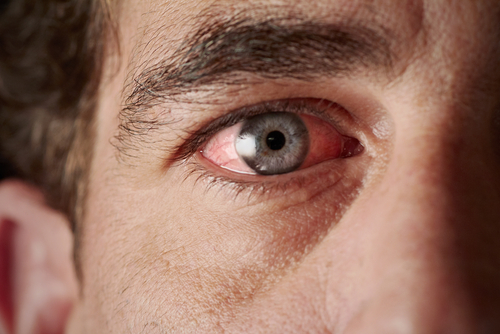
shutterstock_126608381Pink eye is also known as conjunctivitis which literally means “inflammation of the conjunctivia.”  The conjunctiva is the thin membrane that lines the inside surface of the lids and the white portion of your eye.   It is one of the most common conditions seen in the medical office in kids and adults, especially because it can be contagious and parents bring their children in to the doctor because they cannot attend daycare.  Kids are often sent home from school with this condition due to worry about spreading it around the classroom. Conjunctivitis is usually not serious, and often goes away on it’s own even if no treatment is given.  More serious conditions that can cause pink eyes are acute angle closure glaucoma, iritis, and infectious keratitis. It is important to be examined by a healthcare provider since there are many conditions that can cause eye redness and discharge.  Common questions that your healthcare provider may ask are:  When it began?  Has anyone else in the house had similar symptoms?  Is there continuous discharge from the affected eye?  Is the discharge watery, thin and mucus-like or thick and sticky?  Are there non-eye symptoms such as cough, fever, sore throat, runny nose,  or sneezing? There are 4 main types of conjunctivitis: 1)   Viral infectious 2)   Bacterial infectious 3)   Allergic non-infectious 4)   Nonspecific Viral conjunctivitis:  Can be caused by a common cold.  You may have symptoms of an eye infection alone, or as part of a general cold syndrome with swollen lymph nodes (glands), fever, sore throat and runny nose.  It is very contagious, and usually spread by contact with objects that have come into contact with the infected person’s secretions.  An example is when the infected person touches their eye, and then touches another surface such as a door handle or shares an object that has touched their eye (pillow case for example). Symptoms of viral conjunctivitis are redness, gritty feeling in one or both eyes, mucus or watery discharge.  There might be crusting in the morning followed by watery discharge.  The second eye then might also become infected within a couple days. Treatment of viral eye infections:  There is not a medicine that will cure a viral conjunctivitis.  You usually will start feeling better within a few days although symptoms can get worse for the first 3-5 days.  Gradual improvement usually occurs over 1-2 weeks.  Morning crusting can continue for up to 2 weeks after initial symptoms although redness, irritation and tearing should be improved.  A topical antihistamine eye drop may help relieve the itching and irritation of the viral eye infection.  These drops do not require a prescription.  A common eye drop used is called Visine (don’t use the one that says it has a decongestant or says “gets the red out.”  Another antihistamine medicine that is often helpful is called Zaditor.  Make sure you wash your hands to prevent spread of the infection.  A warm or cool compress over the eye may also help reduce the discomfort. Bacterial conjunctivitis:  It can be very difficult to distinguish between a bacterial and viral eye infection.  A bacterial eye infection is very contagious and often affects multiple family members.  It is spread by contact similarly to viral eye infections.  The symptoms may be redness, and thick discharge from the affected eye.  Both eyes, however may become infected.  Discharge may be yellow, white or green and it usually continues through the day.  The affected eye is often stuck shut in the morning. Treatment of Bacterial conjunctivitis:  Usually we treat with an antibiotic eye drop or ointment.  The ointments stay in the eye longer and therefore usually don’t have to be applied as often.  Erythromycin ophthalmic ointment is an example, and is applied inside the lower eye-lid about 3-6 times per day for 10 days. The ointment tends to blur the vision while it’s there because it’s an ointment, so many patients prefer the drops instead.  The antibiotic eye drops and applied more often (up to every 2 hours) because they are washed away easier by tears.  Sometimes eye redness can get worse after using antibiotics if the patient is allergic to the drop.  This is common with gentamycin antibiotic eye drops.  If that occurs, switching to a different antibiotic can be helpful.    The redness, irritation and discharge to should improve within 24-48 hours. Non-Specific conjunctivitis:  Sometimes inflammation of the conjunctiva of the eye occurs without infection or allergy.  There are several causes for this:  Dry eyes, inflammation due to contact with a chemical/irritant, or a foreign body in the eye (such as dust, or an eyelash).  The redness and discharge can continue for 12-24 hours after the object is removed. Allergic conjunctivitis:  Eye symptoms/redness caused by allergies usually is accompanied by itching, and possibly a runny nose, itchy throat and sneezing.  Some or all of these accompanying symptoms due not have to be present. If you wear contact lenses:  You should be examined by a health-care provider before starting treatment.  Sometimes an infection to the cornea can occur when wearing contacts and that is more serious.  While you have conjunctivitis, it is generally recommended not to wear your contact lenses. When to see an eye care specialist:  Usually your doctor will refer you to an eye specialist if you have any of the following symptoms which may indicate a more serious problem:  Pain with eye movement, trouble seeing, difficulty keeping the eye open or sensitivity to light, severe headaches with nausea, recent eye trauma, use of contact lenses.   I hope that you have found this information useful.  Wishing you the best of health,

Scott Rennie, D.O.
Board Certified in Obesity Medicine and Family Medicine

This blog is for educational purposes only and does not constitute individual medical advice. Always consult your own physician before making changes to your health, medications, or treatment plan.

Diagram of esophagus, lower esophageal sphincter, stomach, stomach acid, and acid reflux causing heartburn

Heartburn and GERD: Answers to Your Common Questions

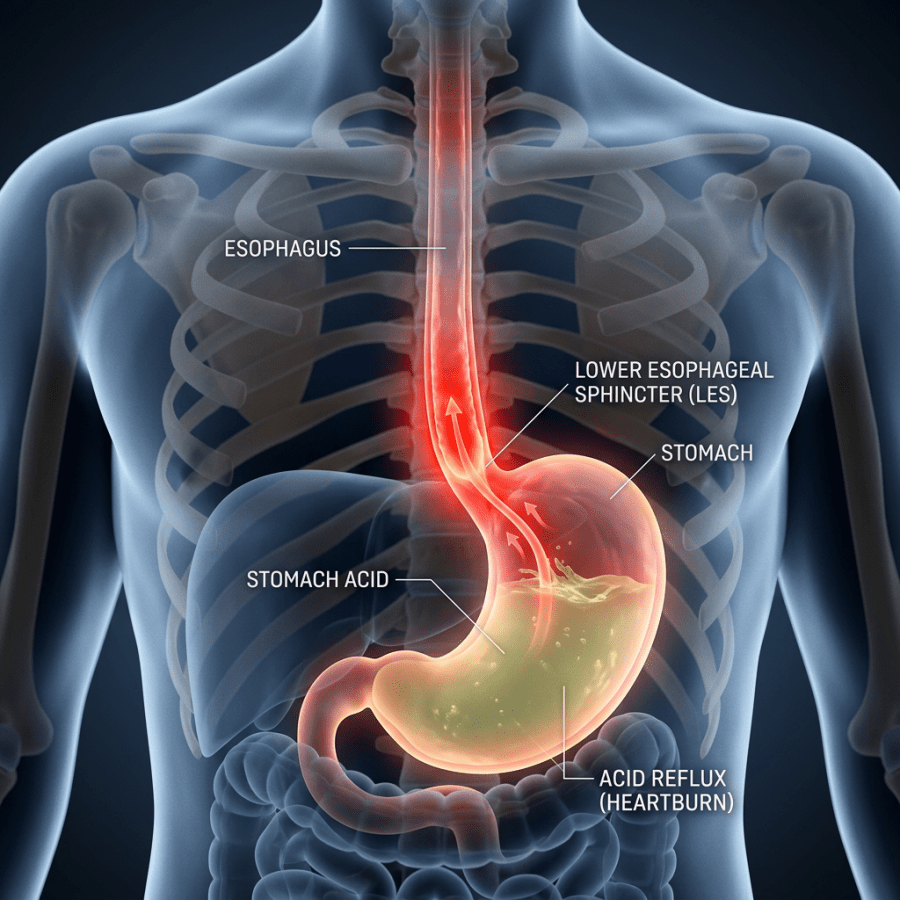
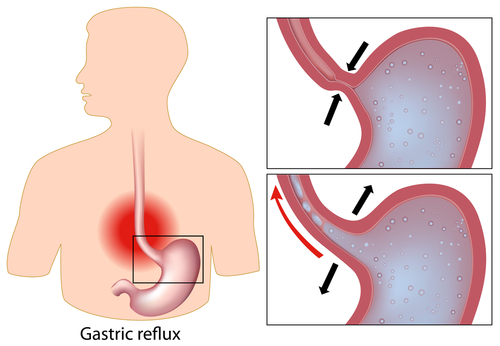
shutterstock_74586250I often get questions from patients asking how to treat their heartburn also called gastroesophageal reflux disease or GERD.  It is sometimes confusing to diagnose and can also cause dangerous complications if not treated. GERD is a common condition where acid contents from the stomach go backwards up the esophagus (food tube between your mouth and stomach).  This can irritate and inflame the esophagus causing a burning sensation and other problems.  There is a sphincter/valve at the top of the stomach that helps keep the stomach contents from going backwards, but if the spincter (called the lower esophageal sphincter or LES) doesn’t fully close, liquid contents of the stomach which contain acid can leak back into the esophagus. Risk factors:  Obesity, pregnancy, smoking, hiatal hernia (a problem where part of the stomach moves above the diaphragm), alcohol and medications.  The medication list is extensive and includes: 1)   Non-steroidal anti-inflammatory medications such as ibuprofen, aspirin or aleve 2)   Beta-blockers which are used for high blood pressure 3)   Bronchodilators such as prednisone used for asthma 4)   Calcium channel blockers used for high blood pressure 5)   Dopamine-active medications used for Parkinson’s disease 6)   Sedative medications which are used for insomnia/anxiety 7)   Tri-cyclic anti depressant medications – used for pain/IBS Symptoms of GERD:  Nausea after eating, hiccups, feeling that food is stuck behind breastbone, burning pain in the chest which is increased by bending, stooping, lying down or eating, usually worse at night and relieved by antacids. How do I find out if I have GERD/Heartburn?  There are many different tests that can be used to help diagnose esophageal reflux such as:  a trial of a medication for heartburn such as a GI cocktail (a mixture of Mylanta, viscous lidocaine and donnatol), esophagogastroduodenoscopy(EGD) – which is when a doctor inserts a camera that looks down the esophagus when you are under anesthesia, barium swallow, esophageal pH monitoring, and esophageal manometry.  Sometimes a stool blood test is used to diagnose bleeding that might be coming from the esophagus, stomach or intestines. Helicobacter Pylori, also known as H. pylori is a bacterium that is commonly found in the stomach.  About half of the world’s population has this bacteria and they have no symptoms and will never develop problems.  However, H. pylori can cause stomach ulcers, and much less commonly, stomach cancer.  We really don’t know why some people with H. pylori get these symptoms and others do not. Stomach ulcers can cause symptoms such as pain or discomfort in the upper abdomen, bloating, feel full after eating only a small amount of food, lack of appetite, nausea and vomiting, black or tar-colored stools,  and even low blood count and fatigue. Treatment:  Treatment is tailored toward the individual patient and might include some of the following options: 1)   Treat H. pylori with antibiotics if it is present 2)   Diet modification – avoid a core group of reflux-inducing foods (fatty foods, chocolate, peppermint, excessive alcohol) and spicy foods like citrus fruits, coffee, tomatoes/marinara sauce (found in spaghetti and pizza), garlic, onions, peppers, chili, carbonated beverages 3)   Stop smoking or chewing tobacco 4)   Reduce or stop medicines which can make GERD worse such as NSAIDs (aspirin, ibuprofen, Aleve, Excedrine etc. – see list above) 5)   Refrain from laying in a supine (on your back) after meals and avoid meals right before bedtime 6)   Lose weight – obesity is a risk factor for GERD, erosive esophagitis, and esophageal adenocarcinoma (cancer). 7)   Promotion of salivation by chewing gun, or oral lozenges might be helpful for mild heartburn as saliva neutralizes refluxed acid. 8)   Acid-suppressive medications:
  1. Antacids such as tums
  2. H2 blockers such as famotidine (Pepcid) twice a day for mild GERD. This post originally named Zantac. Ranitidine is no longer available: the FDA asked manufacturers to pull it from the US market in April 2020 after NDMA contamination was found in the product. The box sold as Zantac 360 today contains famotidine, which is a different drug
  3. Prescription PPI (such as Prilosec) – for more severe GERD
9)    Acid barrier medications:  Sucralfate protects the stomach or ulcer from acid by acting as a barrier It is important to be monitored closely if you are taking medication for heartburn because some of the complications that come with heartburn/reflux and the possibly with the medications used to treat them might be:  Pneumonia, hypergastrinemia, atrophic gastritis, intestinal infections, vitamin B12 malabsorption, iron malabsorbtion, hip fracture and calcium malabsorption, magnesium absorption and drug interactions.   I hope that you have found this information useful.  Wishing you the best of health,

Scott Rennie, D.O.
Board Certified in Obesity Medicine and Family Medicine

This blog is for educational purposes only and does not constitute individual medical advice. Always consult your own physician before making changes to your health, medications, or treatment plan.

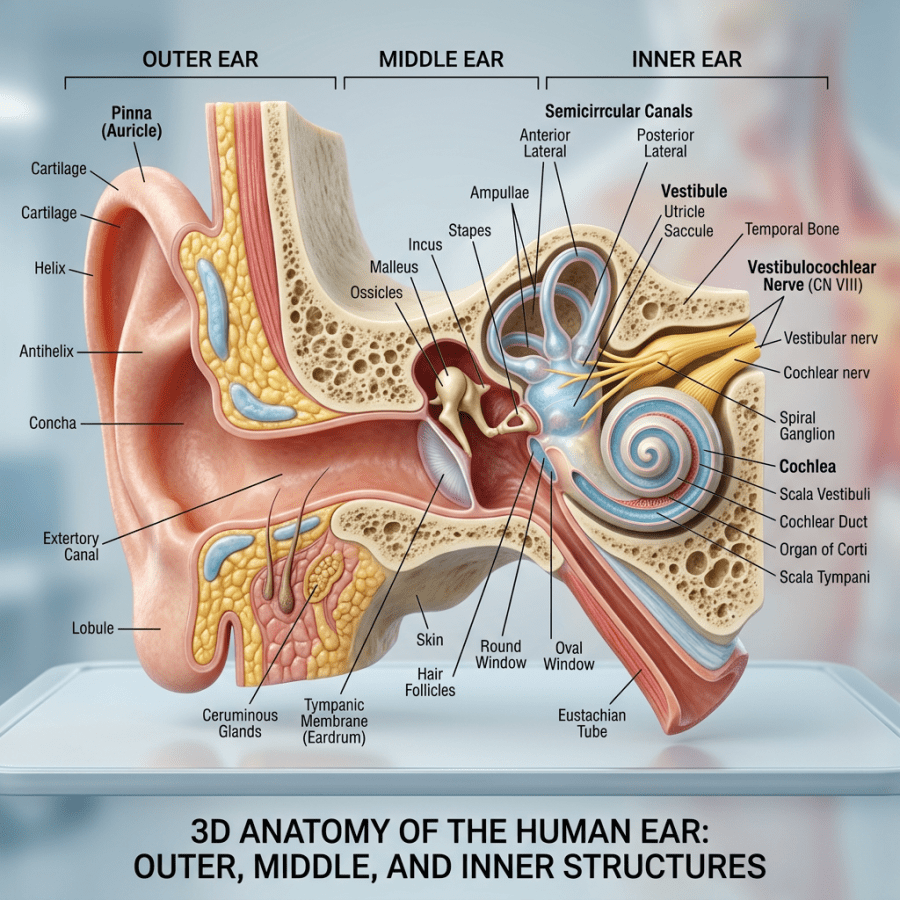
3D anatomy of human ear with labels of outer, middle, and inner ear parts

What Is Otitis Media? Ear Infection Basics Explained

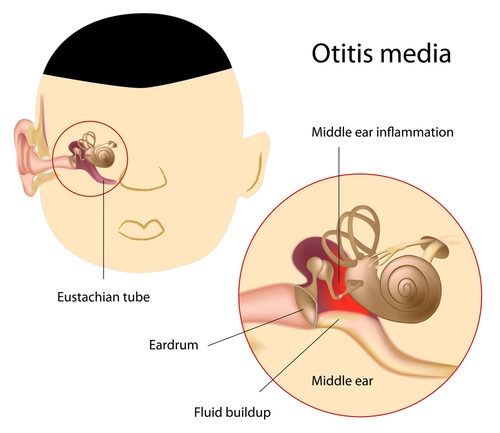
shutterstock_88241470Ear infections, which are also known as otitis media are common problems that bring patients into the medical clinic.  They affect children more than adults.  In fact, about 50% of infants have at least one ear infection by their first birthday.  Otitis media often causes fever, ear pain, irritability, temporary hearing loss, and sometimes loss of appetite. Ear infection:  called otitis (otitis = ear, media = middle) by medical providers is an infection of the middle section of the ear.  Patients often develop after an upper respiratory infection or common cold first.  A viral URI can cause swelling in the nose, throat and Eustachian tube (tube that connects the middle ear to the throat and helps equalize the pressure when you go up on an airplane of over a mountain pass).  When this happens, fluid may build up in the middle ear and bacteria or viruses can then infect that fluid and cause the ear infection.  Increasing pressure can cause the eardrum to bulge (which we can see when we look in your ears) which leads to pain, ringing and sometimes difficulty hearing. Symptoms (not everyone has these): 1)   Fever (usually temperature greater than 100.4 degrees F) 2)   Pulling on the ear (children) 3)   Fussiness or irritability 4)   Decreased activity 5)   Lack of appetite 6)   Vomiting or diarrhea How do we know if there is an ear infection?  We can see the ear drum on examination using the otoscope.  The eardrum, when infection is present looks red, and often has a bulged look to it from the pressure of the infection in the middle ear.  If there is no infection present, there is usually no redness.  There can be pressure, however even if no infection is present if the Eustachian tube is swollen (this is called Eustachian tube dysfunction and can also be painful). Treatment:  The treatment of ear infections can be different depending on which geographic region you are seen.  In Europe, they might monitor the patient for 72 hours without the use of antibiotics.  Often the symptoms will improve on their own with the use of anti-inflammatory medications such as ibuprofen or aleve along with rest, and sometimes ear drops for pain (if the patient is 2 years or older).  In Europe, they treat without antibiotics first because ear infections are caused by a virus about 40-50% of the time and antibiotics will not cure a viral infection. In the United States, however there is a consensus that antibiotics are the initial therapy of choice for ear infections. There is, however an increasing trend to monitor the patient and only treat with antibiotics if the patient is not improving within 72 hours.  Other reasons observation may be recommend are: 1)   It is not clear whether the patient has an ear infection based on exam 2)   The patient is older than 2 years old 3)   The ear pain and fever are mild 4)   The patient is otherwise healthy There is also an emergency of bacteria that are becoming resistant to the normal antibiotic dosage that we have used in the past, and therefore higher dosages have been recommended over the last few years.  We usually recommend an ear drops to help with the pain as well as an anti-inflammatory medication such as ibuprofen. The choice of antibiotic is usually amoxicillin for 10 days, except in patients who are allergic, who were treated with antibiotics in the previous 30 days.  Azithromycin or erythromycin can be used if the patient is allergic to amoxicillin, however resistance of the bacteria is common (approximately 25-35%). A single shot of ceftriaxone (50mg/kg) IM (max 1 gram/day) has been effective for treatment of ear infections in children who fail amoxicillin but there is controversy over how many doses to administer.  A single dose has been approved for treatment of ear infections in the US. If ear tubes are present, we can consider topical ear drops such as ofloxacin or ciprofloxacin but oral is preferred in most patients.  Swimming should not be allowed if there is a tear in the ear drum, or if there is any drainage from the ear canal. Surgical treatment for recurrent ear infections can also be an option.  A small opening in the ear drum called a myringotomy may be made and a tube to maintain the opening Follow-up:  If you are not feeling better within 48 hours of treatment, your symptoms get worse, you develop stiff neck, severe headache, confusion, swelling around the ear, dizziness, vomiting, or unusual sleepiness,  please call your health care provider for advice. Complications of ear infections:  Possibly complications include rupture of the ear drum, hearing loss or mastoiditis (infection of the mastoid bone of the skull located just behind the outside ear)   I hope that you have found this information useful.  Wishing you the best of health,

Scott Rennie, D.O.
Board Certified in Obesity Medicine and Family Medicine

This blog is for educational purposes only and does not constitute individual medical advice. Always consult your own physician before making changes to your health, medications, or treatment plan.
Steaming glass cup of honey lemon tea with honey dipper and lemon slice

Help, I have a sore throat! Is it Strep? Understanding pharyngitis

shutterstock_120865177Sore throat is one of the most common problems that people have in the winter when they come to the medical clinic. There are many different causes of a sore throat, including bacterial or viral infections.  Although a sore throat usually resolves without any complications, there are times that antibiotic treatment is required.  There are very rare causes of sore throat pain that can be serious or life threatening.

When to call the doctor:  Since it’s tough to know your sore throat is caused by a virus or bacteria, I encourage you to call your doctor if one or more of the following are present:  temperature > 101 degrees F or 38 degrees C, season is late fall, winter or early spring, you don’t have a cough, the age of the patient is between 5-15 years old, recent exposure to someone with strep throat, difficulty breathing/swallowing, your voice sounds muffled, they have a stiff neck or difficulty opening their mouth.

Causes of sore throat:  Viruses are the most common cause of sore throat, but bacteria are another common cause.  The causes of sore throat depend on the age of the patient as well as the season and geographic location.  Many different viruses can cause swelling and throat pain.  Most common viruses that cause sore throat also cause the common cold, but others include influenza, adenovirus, and Epstein-Barr virus (the cause of mononucleosis).

Symptoms of viral pharyngitis:  Usually with a viral infection, the patient will have runny nose, nasal congestion and can even have irritation and/or redness of the eyes, cough, hoarseness, skin rash and even diarrhea.  Viral infections can also cause fever that makes you feel miserable.  A high fever does not mean that your you have a bacterial infection.

Group A streptococcus – (GAS):   The bacteria that causes strep throat.  Other bacteria can also cause sore throat, but group a strep is the most common.  Up to 30% of children with sore throat will have strep throat.  Winter and early spring are the most common times of the year when it occurs.  It is the most common in school-age children and their young siblings.

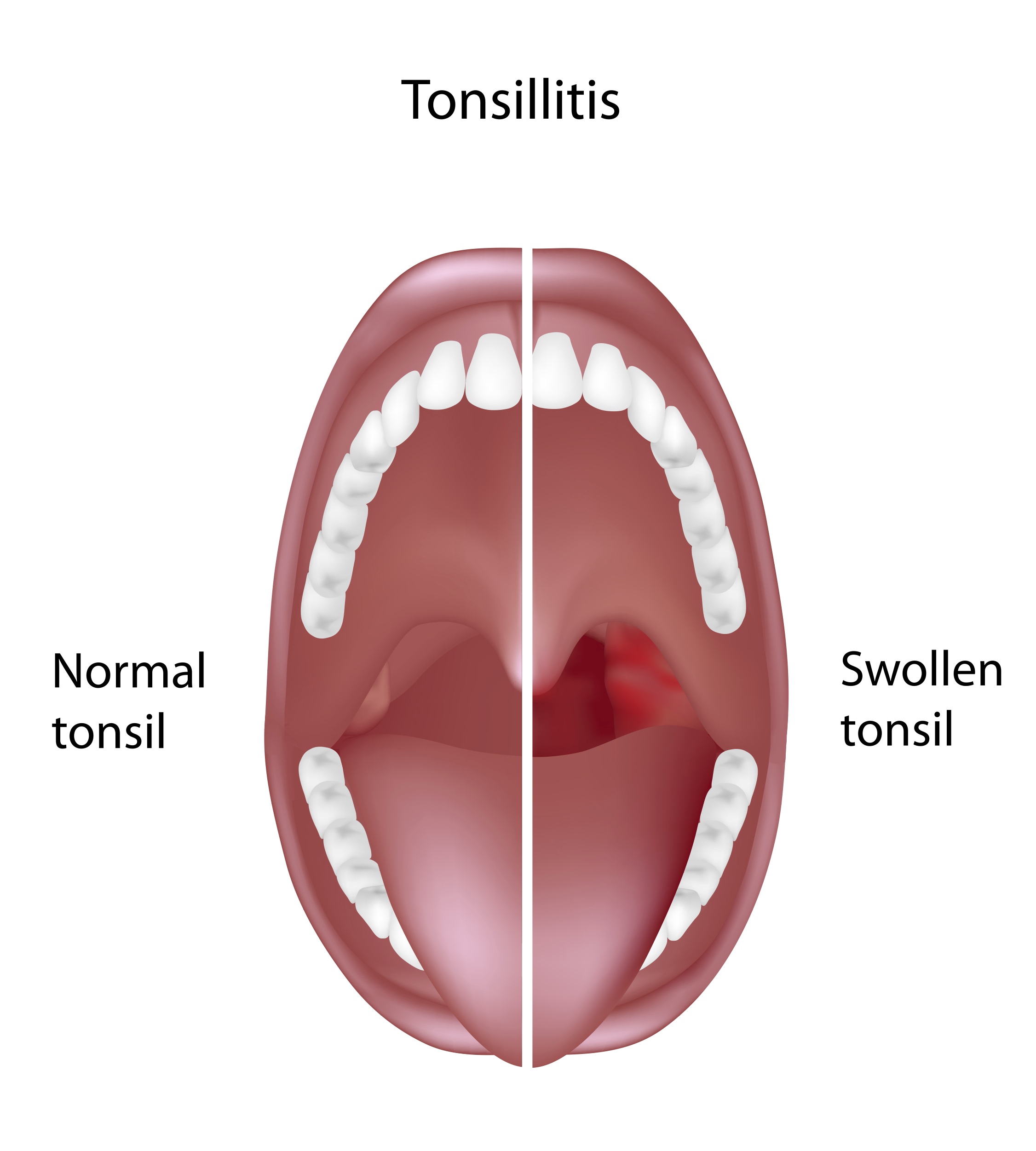
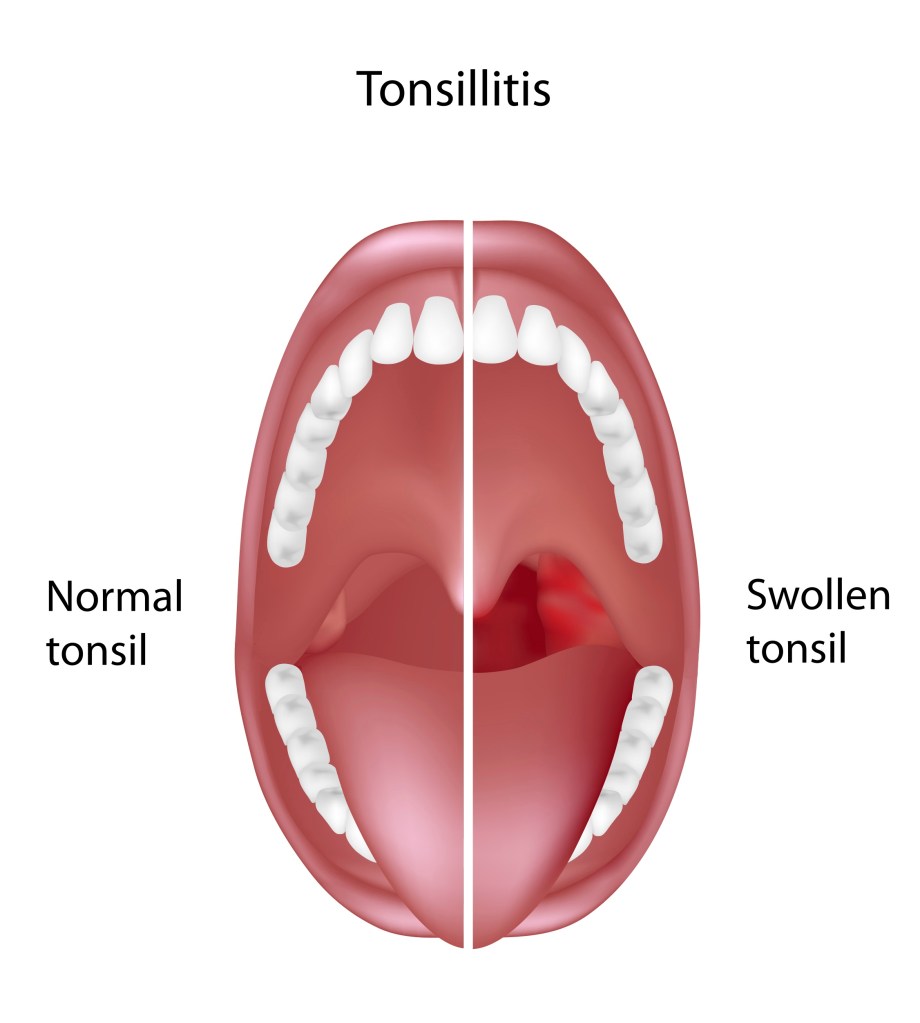
Symptoms of  Strep Throat:  Sudden development of fever (temperature > 100.4 degrees F), headache, abdominal pain, nausea and vomiting, swollen glands in the neck, white patches of pus in the back or sides of throat, small red spots on the roof of the mouth.  A cough and cold are not usually seen with strep throat.

Diagnosis:  Most of the time the cause of the sore throat is a virus and does not require treatment with antibiotics.  It is, however important to recognize and treat kids with strep throat to prevent complications of strep throat which can cause rheumatic fever.  There are two types of tests that can help diagnose strep throat.  One is a rapid strep test and the other is a throat culture.  Both of these tests require a swab of the back of the throat to look for the strep bacteria.   The throat culture is more accurate, but it takes 24-48 hours to get the results back.  The rapid test isn’t quite as accurate but the benefit is that you know the results before going home from the clinic.

Treatment:  The treatment of sore throat depends on the cause; strep throat is treated with antibiotic while viral pharyngitis is treated with rest, pain relievers and measure to make the patient more comfortable while the body heals. It is important to monitor for dehydration because some children with sore throat are reluctant to drink or eat due to pain.

Strep throat is usually treated with an antibiotic such as penicillin or similar antibiotic.  After 24 hours of treatment, children can return to school most of the time.  If they are having trouble swallowing or eating, they should not go to school and should be re-evaluated.  The antibiotic is usually continued for a full 10 day course.

Anti-inflammatory medications such as naproxen, ibuprofen, dexamethasone or prednisone can be helpful to reduce the pain of sore throat.  Oral rinses such as salt-water gargles, sprays, lozenges, and sipping warm liquids can also be helpful for sore throat pain.

Complications of strep throat:  Most of the time strep throat itself isn’t dangerous.  It can, however lead to serious complications such as the spread of the bacteria to the sinuses, skin, blood and middle ear.  Strep throat can also lead to Scarlet fever (illness with rash), inflammation of the kidney (post-streptococcal glomerulonephritis), and even Rheumatic fever, which is a serious condition that can affect the heart, joints, nervous system and skin.


I hope that you have found this information useful.  Wishing you the best of health,

Strep is one of the harder calls to make over video, since nobody can swab a throat through a camera. I went into that in the trouble with diagnosing strep throat and ear infections by telemedicine.

Updated for 2026: There Is a New Guideline, the First Since 2012

This post went up in 2012, the same year the infectious disease society last wrote formal guidance on strep throat. In October 2025 they finally revised it, so the timing here is almost comic. Here is what is different. The headline change is that scoring is now formally part of deciding who gets tested. Centor, McIsaac, or FeverPAIN, in adults and in children three and up. Before, scoring was something many of us used out of habit and clinical sense. Now it is written down (1). Worth being honest about the strength of that: the recommendation is conditional and the certainty of evidence behind it is rated very low. It is a sensible way to organize thinking, not a law of nature. The four things the score is asking about have not changed. Fever. Tonsillar swelling or exudate. Tender, swollen nodes in the front of the neck. And absence of cough, which is the one people forget and the one that carries a lot of weight. A cough pushes the odds toward a virus, hard.

Treatment Has Barely Moved, and That Is Remarkable

Group A strep has never developed penicillin resistance. Not once, not anywhere, in seventy odd years of use. Penicillin V for ten days, amoxicillin for ten days, or a single intramuscular shot of benzathine penicillin remain the answer (1). The ten days matters and it is where treatment quietly fails. You will feel better in two or three days. The course is not about how you feel, it is about preventing rheumatic fever, and stopping early is the common reason that protection is lost. If you carry a penicillin allergy label, cephalexin or cefadroxil are reasonable, but not if your reaction was the immediate kind, hives, swelling, wheeze, within minutes to hours. Macrolides and clindamycin are the fallbacks, with the caveat that resistance to both is real and varies a great deal by region (1). This is also the point where I would send you to read about getting a penicillin allergy label removed, because most of them are wrong, and this is exactly the situation where carrying a wrong one costs you the best drug.

Testing Got Better

The rapid antigen test you are used to runs around 86 percent sensitivity and 96 percent specificity. The newer molecular point of care tests come in between 93 and 99 percent sensitive (2). Practically: a positive rapid test is trustworthy, and a negative one in someone who really looks like strep is worth a second thought.

The Honest Limit of a Video Visit

I want to be straightforward, because this is the condition where patients are most often frustrated with me. I cannot swab your throat through a camera. I also cannot feel your neck. Two of the scoring elements are things I am partly taking your word for or judging from a photograph, which is not the same as an exam. What that means in practice is that I can tell you whether you are likely enough to have strep to be worth testing, and I can sort out the large group who clearly have a virus and need nothing. What I cannot do is confirm strep from here. If your score is high, you need a swab, and that means going somewhere. What helps me most is a well lit photo of the back of your throat, taken with a phone flash and a spoon handle, and a straight answer about whether you have a cough.

When It Is Not Strep and Not Minor

Some throat problems are emergencies and they announce themselves. Drooling, or being unable to swallow your own saliva. Noisy breathing. Being unable to open your mouth fully. A voice that sounds like you are talking around a hot potato. Swelling clearly worse on one side, pushing things across. A stiff neck. Any of those, stop reading and go be seen. Those patterns suggest a peritonsillar abscess, epiglottitis, or worse, and none of them get better with a prescription sent to a pharmacy.

The Bottom Line

No cough plus fever plus swollen glands plus pus on the tonsils is worth a swab. Cough and a runny nose almost never is. If you are treated, finish all ten days even though you will feel fine by day three.

Sources

1. Infectious Diseases Society of America. Clinical Practice Guideline for the Diagnosis and Management of Group A Streptococcal Pharyngitis. Updated October 14, 2025. https://www.idsociety.org/practice-guideline/streptococcal-pharyngitis2/ 2. Management of Sore Throat: Time to Update. American Family Physician. 2024;109(4):301-302. https://www.aafp.org/pubs/afp/issues/2024/0400/editorial-sore-throat.html

Related Reading

Am I Truly Allergic to Penicillin? When to Use Telemedicine vs. Urgent Care: How I Spot the Sick One Mononucleosis – The Kissing Disease What Is a Viral Upper Respiratory Infection (URI)? I hear it almost every day now. “I think I just need a Z-Pak.” Scott Rennie, D.O.

Board Certified in Obesity Medicine and Family Medicine

This blog is for educational purposes only and does not constitute individual medical advice. Always consult your own physician before making changes to your health, medications, or treatment plan.

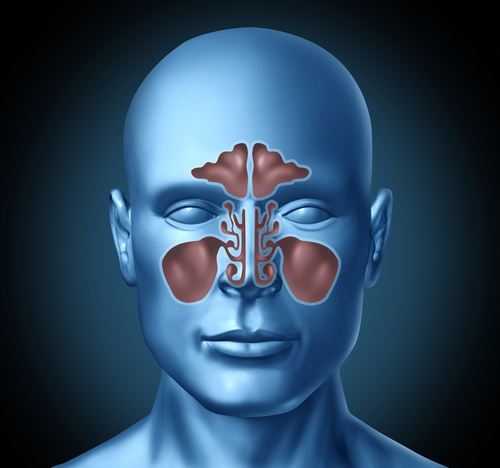
Transparent human head with highlighted red inflamed sinus cavities and visible brain and skull structures

Sinusitis (Sinus Infection): What You Should Know Now

shutterstock_79855315This is the time of year when many people are getting sick with a cold or flu and then develop nasal congestion and pressure.  How do you know when you have a sinus infection?  Do you need to see a doctor?  This will attempt to help answer those questions. Sinusitis:  Swelling of the lining of the sinuses and nose.  The sinuses are the hollow areas within the facial bones that are connected to the nasal openings.  The sinuses are lined with mucous membranes, similar to the inside of the nose. Symptoms:  Nasal congestion, purulent discharge, dental pain, facial pain, especially if it’s worse when bending forward.  Other signs include fever, fatigue, cough, ear pressure/fullness, bad breath and headache. When to get help immediately:  High fever > 102.5, sudden severe pain in the face or head, double vision or difficulty seeing, confusion or difficulty thinking clearly, swelling or redness around one or both eyes, stiff neck or shortness of breath. Diagnosis:  Highly predictive symptoms of a sinus infection include purulent rhinorrhea and nasal congestion with facial pressure/pain.  The diagnosis is supported by the sensation of ear fullness, cough, difficulty smelling and headache.  Symptoms that may suggest a bacterial sinus infection include:  worsening of symptoms after initial improvement of symptoms.  It is generally not possible to distinguish between viral and bacterial sinus infections in the first 10 days of illness even based on history, examination or radiology studies. Most of the time radiologic tests such as x-rays or CT/Cat scans are not indicated for acute sinus infections.  These radiological tests may show sinus fluid levels in both viral and bacterial sinus infections but it cannot distinguish between the two. In general acute rhinosinusitis (ARS) is the most common type that we see in the medical clinic.  It is a symptomatic inflammation of the nasal passages and paranasal sinuses lasting less than 4 weeks. There are different classifications of sinusitis that are based on the length of symptoms. 1)   Acute rhinosinusitis: symtpoms for less than 4 weeks 2)   Subacute rhinosinusitis:   symptoms for 4-12 weeks 3)   Chronic rhinosinusitis:  symptoms persist greater than 12 weeks 4)   Recurrent acute rhinosinusitis:  4 or more episodes of ARS per year with resolution of symptoms in-between these episodes. A sinus infection can be either viral or bacterial.  Viral sinus infections usually last 7-10 days and most sinus infections are this type.  Bacterial sinus infections usually (75%) go away on their own as well, but can take a month or more.  In rare cases, patients with a bacterial sinus infection can develop a complication called orbital cellulitis. It is very challenging for the doctor to determine whether a sinus infection is viral (like a common cold) or bacterial.  Antibiotics may be helpful for the bacterial kind of sinus infection but won’t help the viral infection.  Even though about most of the sinus infections are viral, 85-98% of the patients with sinus infections in the US are prescribed an antibiotic when seen in the clinic. Acute bacterial infection occurs in only 0.5 to 2.0 percent of patients with sinus infections and virus is causing the symptoms 98-99.5% of the time. How do you get a sinus infection?  Viral sinusitis begins with direct contact of the virus into the eyes or nasal mucosa by respiratory droplets from someone else.  Symptoms usually develop within the next day after exposure from someone else.  Bacterial sinus infections occur when bacteria secondarily infect the inflamed sinus cavity.  Most of the time this is a complication of a viral sinus infection but can also be a complication from with allergies, mechanical obstruction of the nose, swimming, intranasal cocaine use, impaired mucociliary clearance due to cystic fibrosis, or immunodeficiency. You are more likely to develop a sinus infection if you smoke or you already have an impaired respiratory tract such as in cystic fibrosis. Treatment:  Since viral sinus infections usually resolve within 10 days, most of the time we use medications to treat symptoms with these symptoms without the use of antibiotics.  An exception would be in the case of a patient who is getting worse after initial improvement or patients with severe symptoms are who are clearly worsening or are immunocompromised.  For viral sinusitis, treatment aims to relieve the symptoms of nasal pressure/obstruction and runny nose.  The medications do not shorten the duration of the illness in viral infections. Options for  treatment include: 1)   Analgesics such as ibuprofen, naproxen or Tylenol 2)   Topical steroid nasal spray such as Flonase, Rhinocort or Nasonex 3)   Oral decongestant such as Sudafed or anti-inflammatory medication such as prednisone 4)   Antihistamines such as Benadryl, Zyrtec, Allegra or Claritin 5)   Zinc preparations have been used, but if sprayed in the nose they way cause difficulty with smell are not recommended. 6)   Nasal saline rinses Treatment of bacterial sinus infections may include antibiotics, however 40-60% of patients with bacterial sinus infections will clear their infection without antibiotics. Antibiotics:  Studies have shown nearly identical results in adults with the use of amoxicillin, Bactrim or erythromycin compared to other antibiotics.  Most of the time we use Amoxicillin, either 875mg twice a day or 500mg three times a day for 10-14 days.  If someone has an allergy to penicillin, Bactrim, doxycycline or other antibiotics might be chosen.  There are some strains of S. pneumonia bacteria that are becoming resistant to amoxicillin.   I hope that you have found this information useful.  Wishing you the best of health,

Scott Rennie, D.O.
Board Certified in Obesity Medicine and Family Medicine

This blog is for educational purposes only and does not constitute individual medical advice. Always consult your own physician before making changes to your health, medications, or treatment plan.