 I credit the information that I’ve learned and presented here to Karen Van Hoesen, MD who is an expert in Wilderness Medicine and has specialized training in Dive Medicine and water related injuries and illness.
Drowning is the 3rd most common cause of accidental deaths in the U.S, and the leading cause of death in children < 5 years old. Every year drowning accounts for a least 500,000 deaths worldwide and about 4,000 fatalities in the US. 2005 WHO Definition: “Drowning is the process of experiencing respiratory impairment from submersion/immersion in liquid.”
There are several factors that are common to drowning:
1) Age: More common in toddlers and teenage boys
2) Location: Most frequent in home swimming pools, bathtubs and buckets
3) Sex: More common in male than female
4) Race: Happens more commonly in ethnic minorities
5) Drugs: Being under the influence of alcohol contributes greatly to drowning accidents (more than 50% of adult drowning deaths are believed to be alcohol related).
6) Trauma: More common secondary to diving or falls
7) Drowning is the leading cause of death in Scuba
The effects of drowning on the organ systems involve spasm of the larynx, and flooding of the lungs with water causes loss of surfactant (a fluid that helps keep the small air sacs of the lung open). The decreased oxygenated blood flow leads to decreased cardiac output and abnormal heart rhythms may occur. Decreased oxygenated blood to the brain causes damage to the brain in multiple areas. Decreased blood flow to the kidneys can lead to kidney failure.
Clinical presentation of the drowning victim: There is a broad spectrum to how they look clinically. They can be alert or comatose. They can have signs of decreased blood flow such as blue tone to the skin, or have signs of coughing, increased respiratory rate, increased heart rate and low grade fever. A chest X-ray may be normal or can show signs of severe damage to the lungs called ARDS (acute respiratory distress syndrome). Imaging of the brain might show swelling.
Early complications (within 4 hours) of Near Drowning:
1) Spasm of the upper airway
2) Vomiting with breathing in vomit
3) Hypothermia
4) Seizures
Late complications (after 4 hours) of Near Drowning:
1) ARDS – Lung failure
2) Anoxic-ischemic encephalopathy – brain damage due to low oxygen
3) Pneumonia due to inhaling water
4) Lung abscesses
5) Renal failure
6) Sepsis – overwhelming infection of the body
Near Drowning Treatment (Before reaching the Hospital): Training in basic life support is very helpful!
1) Call for Help!
2) Mouth-to-Mouth in shallow water or stable surface – do not wait for ambulance
3) Do not give chest compressions in the water
4) Do not give Heimlich maneuver
5) Give oxygen at highest concentration available (if you have an oxygen tank)
6) Think about head or neck trauma
7) Rewarm the patient
Outcomes: 90% of children survive submersion. 68% of patients need CPR, success of resuscitation at the site of the drowning/near drowning is key. Poor outcomes are more common for those patients who don’t get CPR until they get to the hospital or are submerged for more than 10 minutes. Cold water is beneficial because it tends to decreases the oxygen needs of the body.
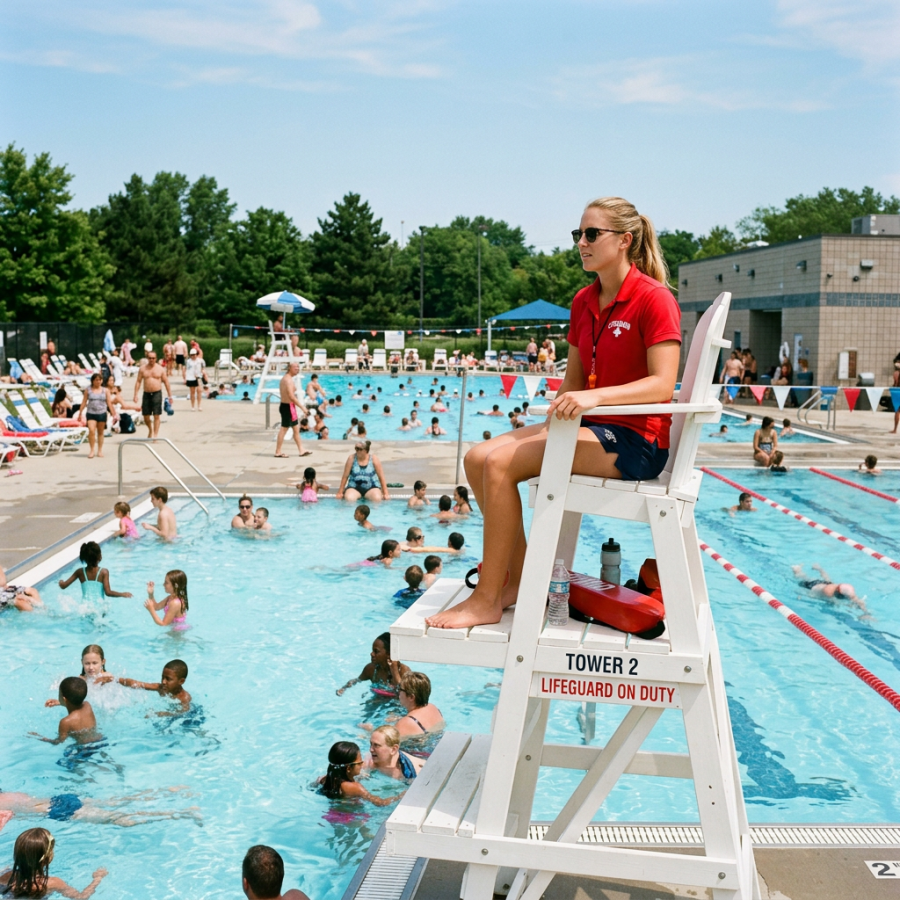
Prevention: Pool covers, pool alarms, and fences around pools can be very helpful. Supervise young children when around water. Train young children in aquatic programs for infants and toddlers. Have personal floatation devices available. Do not drink alcohol or use illicit drugs if you are around the water!
Please seek training by a medical professional to help prevent water related injuries. I highly recommend that everyone get basic life support training. To find the nearest place to get CPR training for the non-medical person, check out: http://www.heart.org (American Heart Association)
If you are interested in learning more about wilderness medicine, a great resource for information is the wilderness medical society: http://www.wms.org/
I hope that you have found this information useful. Wishing you the best of health,
I credit the information that I’ve learned and presented here to Karen Van Hoesen, MD who is an expert in Wilderness Medicine and has specialized training in Dive Medicine and water related injuries and illness.
Drowning is the 3rd most common cause of accidental deaths in the U.S, and the leading cause of death in children < 5 years old. Every year drowning accounts for a least 500,000 deaths worldwide and about 4,000 fatalities in the US. 2005 WHO Definition: “Drowning is the process of experiencing respiratory impairment from submersion/immersion in liquid.”
There are several factors that are common to drowning:
1) Age: More common in toddlers and teenage boys
2) Location: Most frequent in home swimming pools, bathtubs and buckets
3) Sex: More common in male than female
4) Race: Happens more commonly in ethnic minorities
5) Drugs: Being under the influence of alcohol contributes greatly to drowning accidents (more than 50% of adult drowning deaths are believed to be alcohol related).
6) Trauma: More common secondary to diving or falls
7) Drowning is the leading cause of death in Scuba
The effects of drowning on the organ systems involve spasm of the larynx, and flooding of the lungs with water causes loss of surfactant (a fluid that helps keep the small air sacs of the lung open). The decreased oxygenated blood flow leads to decreased cardiac output and abnormal heart rhythms may occur. Decreased oxygenated blood to the brain causes damage to the brain in multiple areas. Decreased blood flow to the kidneys can lead to kidney failure.
Clinical presentation of the drowning victim: There is a broad spectrum to how they look clinically. They can be alert or comatose. They can have signs of decreased blood flow such as blue tone to the skin, or have signs of coughing, increased respiratory rate, increased heart rate and low grade fever. A chest X-ray may be normal or can show signs of severe damage to the lungs called ARDS (acute respiratory distress syndrome). Imaging of the brain might show swelling.
Early complications (within 4 hours) of Near Drowning:
1) Spasm of the upper airway
2) Vomiting with breathing in vomit
3) Hypothermia
4) Seizures
Late complications (after 4 hours) of Near Drowning:
1) ARDS – Lung failure
2) Anoxic-ischemic encephalopathy – brain damage due to low oxygen
3) Pneumonia due to inhaling water
4) Lung abscesses
5) Renal failure
6) Sepsis – overwhelming infection of the body
Near Drowning Treatment (Before reaching the Hospital): Training in basic life support is very helpful!
1) Call for Help!
2) Mouth-to-Mouth in shallow water or stable surface – do not wait for ambulance
3) Do not give chest compressions in the water
4) Do not give Heimlich maneuver
5) Give oxygen at highest concentration available (if you have an oxygen tank)
6) Think about head or neck trauma
7) Rewarm the patient
Outcomes: 90% of children survive submersion. 68% of patients need CPR, success of resuscitation at the site of the drowning/near drowning is key. Poor outcomes are more common for those patients who don’t get CPR until they get to the hospital or are submerged for more than 10 minutes. Cold water is beneficial because it tends to decreases the oxygen needs of the body.
Prevention: Pool covers, pool alarms, and fences around pools can be very helpful. Supervise young children when around water. Train young children in aquatic programs for infants and toddlers. Have personal floatation devices available. Do not drink alcohol or use illicit drugs if you are around the water!
Please seek training by a medical professional to help prevent water related injuries. I highly recommend that everyone get basic life support training. To find the nearest place to get CPR training for the non-medical person, check out: http://www.heart.org (American Heart Association)
If you are interested in learning more about wilderness medicine, a great resource for information is the wilderness medical society: http://www.wms.org/
I hope that you have found this information useful. Wishing you the best of health,
Scott Rennie, D.O.
Board Certified in Obesity Medicine and Family Medicine
This blog is for educational purposes only and does not constitute individual medical advice. Always consult your own physician before making changes to your health, medications, or treatment plan.
 Doctor Rennie's Blog