
When people ask about first aid for seizures, I usually start with the basics. Carry medical identification. If an emergency happens, it helps bystanders and providers know you have a seizure disorder and what to do next. Family, friends, and coworkers should also know how to respond. Safety comes first, and the details matter.
It’s important to think about daily risks. Someone with uncontrolled seizures should be cautious around high places, moving equipment, hot stoves, or machinery. Staying active is still encouraged, but some activities call for extra planning. Swimming, climbing, or gymnastics are safer when another person is present who understands seizures and knows basic life-saving skills. Even routine things like bike riding or canoeing can be made safer with helmets and life jackets.
Medication is another cornerstone. If you’ve been prescribed an anticonvulsant, don’t stop it suddenly or change the dose without talking to your doctor. The exact drug and dose depend on the type of epilepsy and factors like weight, age, and other health conditions. Watch out for drug interactions, including with over-the-counter medications. Pharmacists are a good resource when you’re not sure. Alcohol should also be avoided since it can interfere with seizure control.
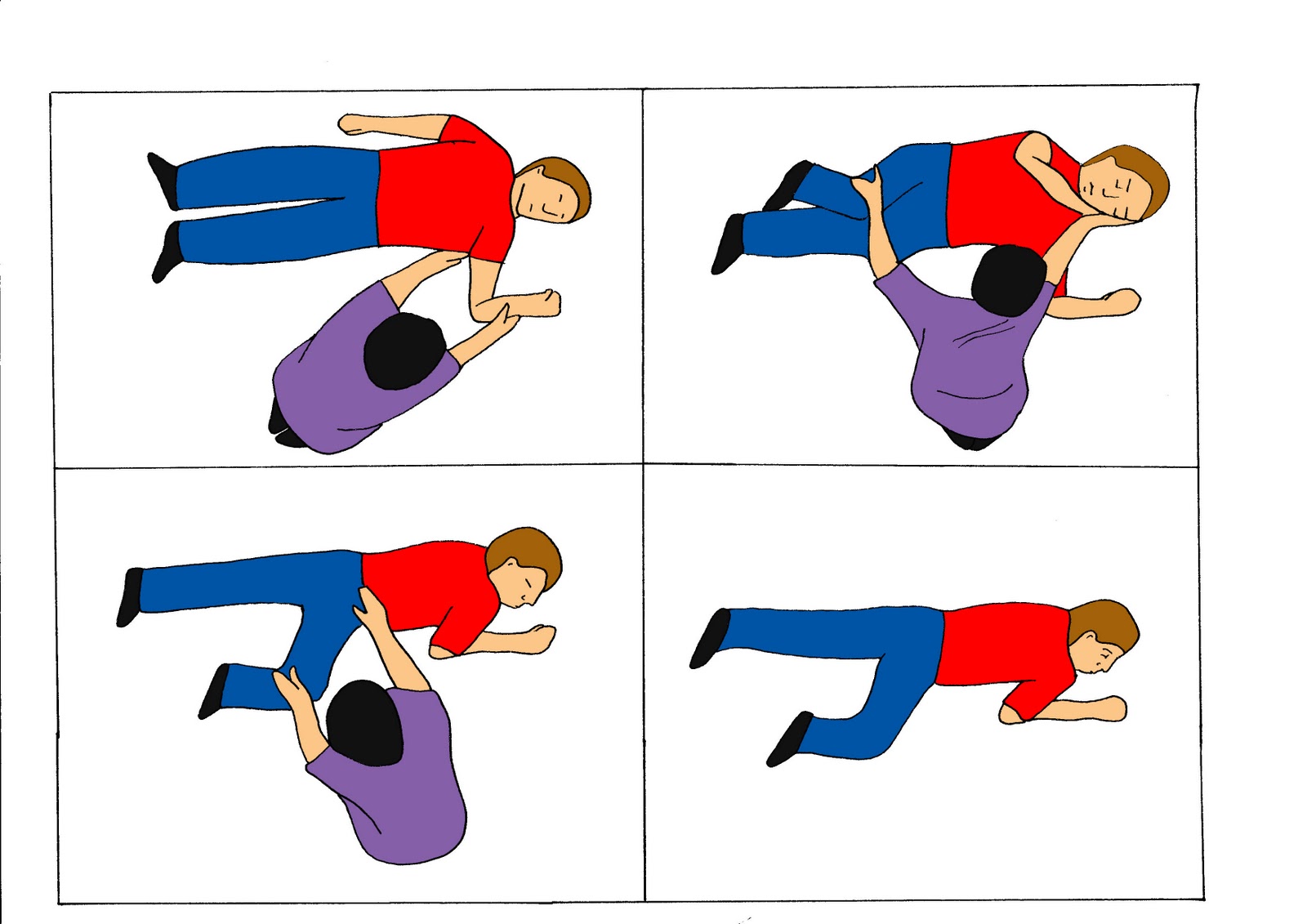
If someone has a seizure, the steps are simple but crucial. Loosen anything tight around the neck. Move sharp objects away to reduce injury risk. Don’t try to hold the person down. Don’t put anything in the mouth. Let the seizure run its course. When it’s over, place the person on their side so the airway stays clear. Often, there’s confusion after the event, so it helps to stay close until they’re fully awake.
Not every seizure requires a trip to the hospital. If it ends in a minute or two and the person has a known diagnosis of epilepsy, observation may be enough. Call an ambulance if the seizure lasts more than five minutes, if seizures repeat without recovery in between, or if the person doesn’t regain awareness. Extra caution is needed if there are other medical conditions such as diabetes or heart disease.
Children can have many types of seizures, and the approach shifts depending on what you see. With a generalized tonic-clonic seizure, keeping the airway open and the head protected are priorities. With absence seizures, observation and careful note-taking matter more. If awareness is altered but movements continue, guiding the child to a safe place is often the best step. Any first seizure in a child should prompt medical evaluation, and some types such as infantile spasms need urgent attention.
I once spoke with a parent who said the hardest part wasn’t the seizure itself, but the panic from bystanders. Having clear instructions—move objects, stay calm, wait it out—made the difference between chaos and control. That’s why education is as important as medication.
This is for general information only and not meant as medical advice for an individual patient. If you or someone you love has seizures, discuss a personalized plan with your healthcare provider.
Wishing you the best of health,
Scott Rennie, D.O.
Board Certified in Obesity Medicine and Family Medicine
This blog is for educational purposes only and does not constitute individual medical advice. Always consult your own physician before making changes to your health, medications, or treatment plan.
Source:
 Doctor Rennie's Blog