
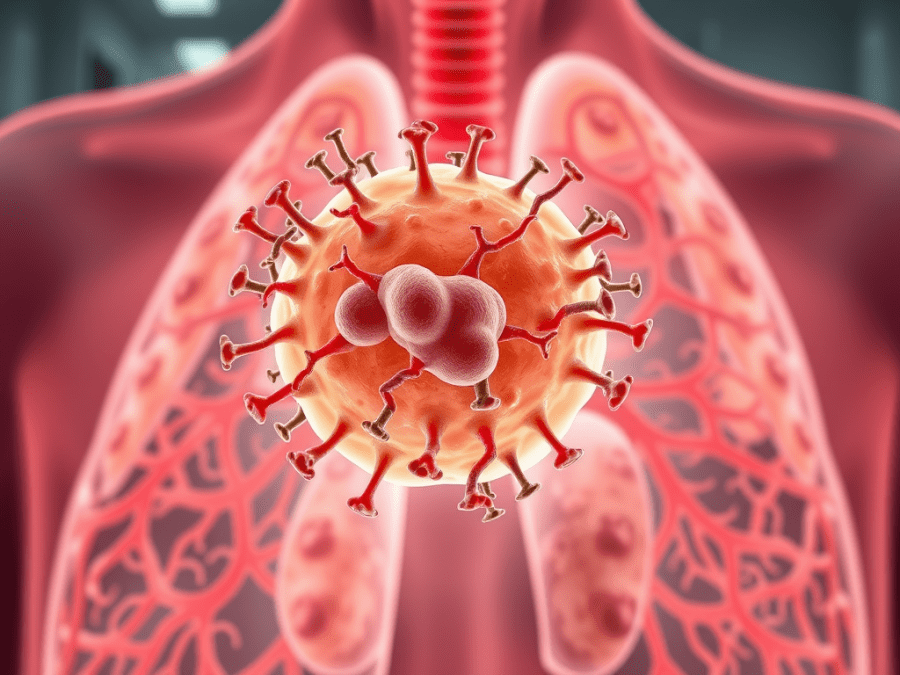
Pertussis, or whooping cough, made a comeback in 2024. Outbreaks were reported in different regions around the world, and the United States was no exception, with cases rising for several years running despite decades of vaccination effort, and in 2024 there were more than 35,000 reported cases, higher than what we’d typically seen over the prior decade. Some of that traces to waning vaccine immunity, incomplete vaccine schedules, and vaccine hesitancy. Schools were a particular hotspot, especially among older children and adolescents who had missed boosters.
This isn’t a new story. In the early 20th century, pertussis was one of the leading causes of death in children. In the 1920s and 1930s, hundreds of thousands of cases occurred every year in the U.S., and fatality rates in infants sometimes reached 5 to 10 percent. Families often saw multiple children get sick at the same time. Hospitals had few tools to help. No antibiotics. No vaccines. Isolation was the only real measure available, and it wasn’t enough.
The arrival of the first whole-cell vaccine in the 1940s changed the picture, and by the 1950s and 60s, pertussis cases had dropped by more than 90 percent. It went from a routine killer to something most doctors rarely saw. But the drop didn’t mean it disappeared; over time, as immunity fades and vaccine uptake slips, the disease resurfaces.
What Pertussis Does in the Body
The cause is Bordetella pertussis, a gram-negative bacterium discovered in 1906. It attaches to the airway lining using adhesion proteins and releases toxins that damage the respiratory tract and disrupt the immune response. Pertussis toxin, adenylate cyclase toxin, and tracheal cytotoxin are some of the key players, and together they paralyze cilia, create thick mucus, and inflame the airways. That’s what sets up the violent coughing fits and the difficulty clearing secretions.
The incubation period is usually 5 to 10 days but can stretch out to 3 weeks, and transmission is mainly through droplets when people cough, sneeze, or talk, though it can also spread indirectly through contaminated surfaces.
The Course of Illness
Pertussis has three stages. The first, the catarrhal stage, looks a lot like a cold. Patients may have mild cough, runny nose, and low-grade fever. But this is also the most contagious stage, and infants in this stage can suddenly stop breathing or develop pneumonia.
After one to two weeks, the paroxysmal stage begins, the coughing fits severe, sometimes so prolonged that patients vomit or become exhausted. The classic “whoop” happens when the patient forcefully inhales after running out of breath. This stage can last weeks.
Finally comes the convalescent stage. Symptoms ease, but the cough may linger for months, and infants are at the highest risk of complications throughout, including pneumonia, seizures, and encephalopathy.
How Long People Are Contagious
Without treatment, a person with pertussis can remain infectious for weeks, often up to three weeks into the paroxysmal stage. With antibiotics, contagiousness drops significantly after five days of therapy.
Diagnosing Pertussis
Clinical suspicion is usually the first step. The cough pattern and exposure history often give it away. PCR testing is the most rapid and sensitive diagnostic method now, while culture is still considered the gold standard, though rarely used because it takes longer and needs special media. Serology may help later in the illness.
Treatment and Timing
Macrolides like azithromycin are first-line treatment, with trimethoprim-sulfamethoxazole an option if macrolides can’t be used. Antibiotics are most effective early, ideally in the catarrhal stage, but they’re still useful later to limit spread.
The CDC recommends treating patients within three weeks of cough onset if they’re over a year old, within six weeks for infants under one, and also within six weeks for pregnant women close to delivery. Supportive care, hydration, rest, and monitoring, is especially important for infants, who may need hospitalization.
Post-Exposure Prophylaxis
Preventing spread matters just as much as treating active cases, and giving antibiotics to close contacts can stop the chain. This is particularly recommended for infants under 12 months, pregnant women in their third trimester, and household members or healthcare workers exposed to confirmed cases. Timing matters: post-exposure prophylaxis should start within 21 days of exposure.
Prevention and Vaccination
Vaccination is still the strongest defense. The childhood DTaP series provides good protection early on, though immunity fades over time. About 98 percent of children are immune one year after their last DTaP dose, but that drops to around 70 percent five years later. That’s why boosters are needed.
The Tdap booster is given at 11 or 12 years of age, again in adulthood every 10 years, and during each pregnancy between 27 and 36 weeks. Protection from Tdap is estimated at about 73 percent in the first year and 34 percent after four years. This waning immunity is a major factor in outbreaks.
Public health responses focus on quick recognition, isolation of cases, prophylaxis for contacts, and community education, and mask use, hand hygiene, and cleaning surfaces all help reduce spread.
Why Vigilance Matters
Pertussis is not a disease of the past. It’s resurging in part because immunity doesn’t last forever, and physicians need to recognize it early and treat aggressively, while patients and families need to keep vaccination schedules up to date. When that doesn’t happen, infants and medically fragile patients pay the highest price.
—
Scott Rennie, D.O.
Board Certified in Obesity Medicine and Family Medicine
This blog is for educational purposes only and does not constitute individual medical advice. Always consult your own physician before making changes to your health, medications, or treatment plan.
Sources
- Centers for Disease Control and Prevention. Pertussis (Whooping Cough). https://www.cdc.gov/pertussis
- Cherry JD. The science and fiction of the “resurgence” of pertussis. Pediatrics. 2003;112(2):405-406. PMID 12897292.
- American Academy of Pediatrics. Red Book: 2021–2024 Report of the Committee on Infectious Diseases.
- Clark TA. Changing pertussis epidemiology: Everything old is new again. J Infect Dis. 2014;209(7):978-981. PMID 24626532.

 Doctor Rennie's Blog