
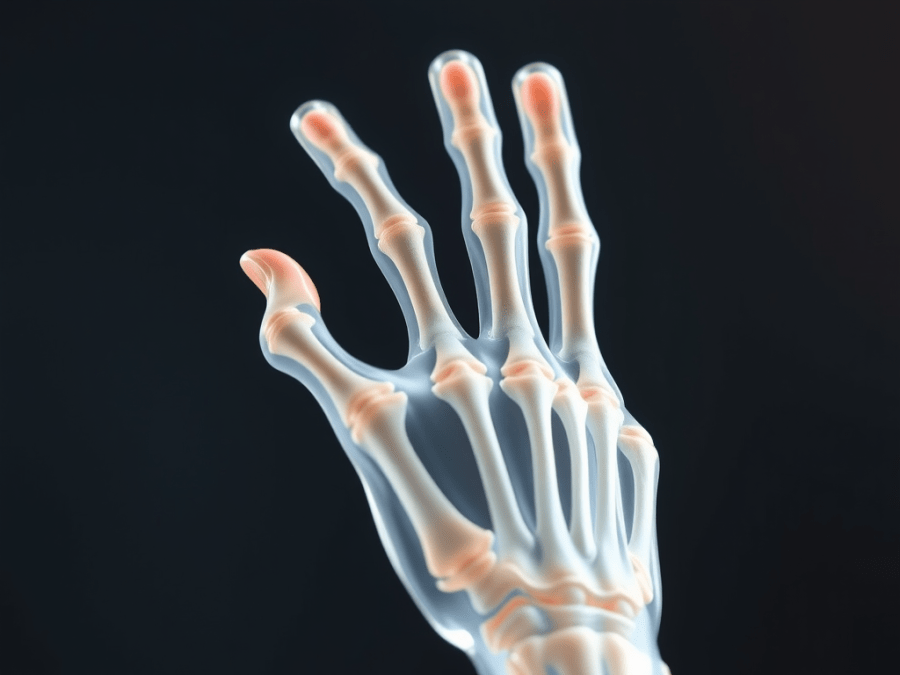
In my urgent care years I often saw patients complaining that one of their fingers got stuck when they tried to bend or straighten it. They would describe how the finger locked in a bent position, and when they forced it straight, it popped painfully back into place instead of moving smoothly. This is what we call trigger finger. It’s a type of tenosynovitis, which means inflammation of a tendon and the protective sheath around it.
Tendons are the strong cords that connect the muscles in your hand to your finger bones. When the tendon or its sheath gets inflamed, movement becomes restricted. Most of the time this happens in the hand or wrist, though it can also occur in the ankle.
The causes vary. Repeated use of the hand with the same motion, like gripping tools or typing, is a common reason. Infection is another possibility, especially if bacteria spread into tissues under the skin.
Symptoms usually start with pain and stiffness, often worse in the morning. Many patients notice a popping or catching sensation when trying to straighten the finger. In some cases the finger locks completely in a bent position. A small, tender lump can sometimes be felt at the base of the affected finger on the palm side. Swelling is also possible, along with trouble gripping or holding objects. Trigger finger most often affects the thumb and middle fingers.
Diagnosis is usually made by physical exam, and most of the time testing isn’t needed. If there’s a history of trauma or concern for infection, your doctor may order x-rays, an ultrasound, or blood work to rule out other issues.
Treatment depends on the severity and the underlying cause. Rest and ice are often the first steps. A cold pack, or even a bag of frozen vegetables, applied to the swollen area for 15 minutes every few hours can help calm inflammation. Nonsteroidal medications like ibuprofen or naproxen may ease discomfort, though they don’t cure the condition.
For more persistent cases, a steroid injection directly into the tendon sheath can reduce swelling and improve movement. If infection is the culprit, antibiotics are required. Surgery is an option for severe or stubborn cases where conservative measures don’t help. Once the symptoms improve, gentle finger stretches can restore motion and prevent stiffness from returning.
Board Certified in Obesity Medicine and Family Medicine
This blog is for educational purposes only and does not constitute individual medical advice. Always consult your own physician before making changes to your health, medications, or treatment plan.
 Doctor Rennie's Blog