
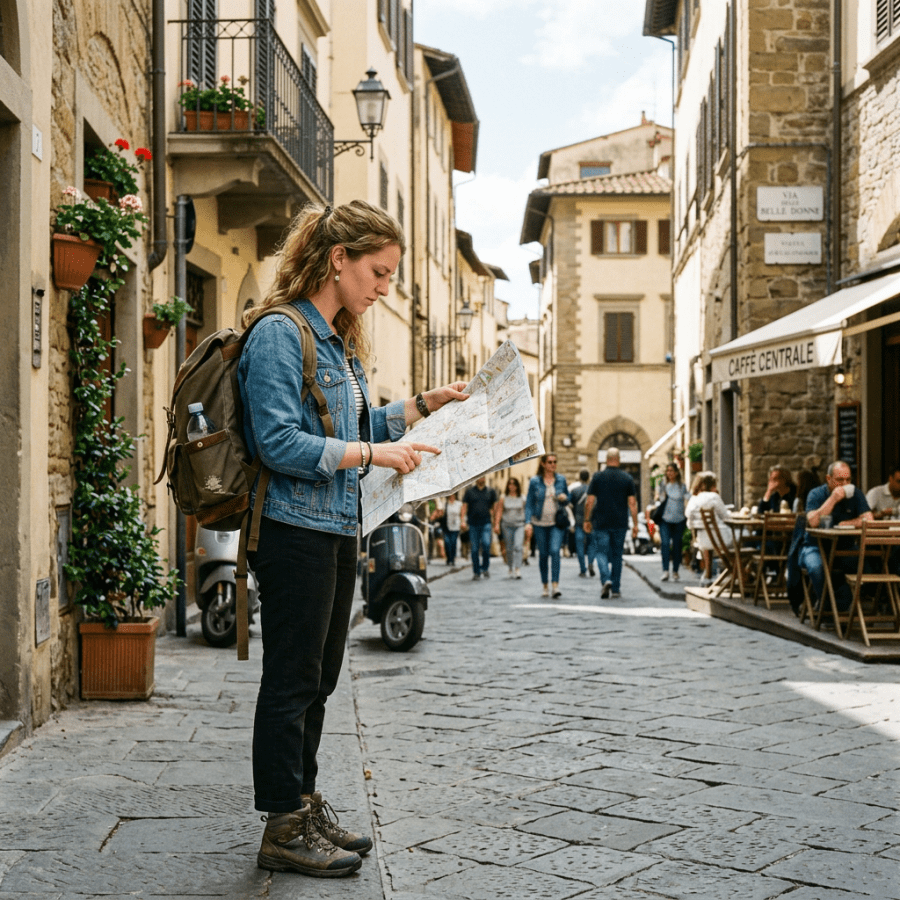
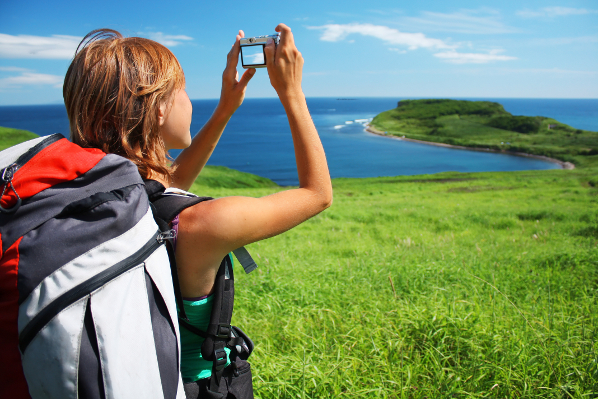
Traveler studying a map on a historic Italian street

9 Travel Tips Every Solo Female Traveler Should Know

 -  HuffingPost
The most frequently asked question I get is how I afford to travel. The second? My tips for solo female travel. I reluctantly did my first solo trip in 2007 to Zacatecas, Mexico.  I had just moved to Monterrey, Mexico to start a new teaching job the month before, and was already anxious to begin exploring the rest of the country. Zacatecas, a five-hour bus journey away, was the perfect weekend trip and a great opportunity to get myself better acquainted with the country. After searching for a travel partner and coming up empty-handed, I did something I never imagined I would do: I booked a ticket… for one. I haven’t looked back No longer a slave to others’ schedules, finances and indecision about just whether they wanted to travel with me or not, what’s followed since are a slew of solo journeys that have taken me to the literal and figurative hot spots of Central and South America, through Europe, and down to Australia. I have learned that I enjoy travelling by myself and that, more importantly, I am confident travelling by myself — though I never compromise my safety. What’s more, you are not a “loser”for rolling solo; quite the contrary in fact. Being able to travel alone signals a certain self-assuredness and a desire do to more and see more on one’s own terms. Travelling solo is freeing and helps you to become more aware, both of yourself and of your surroundings. Here are my 9 tips for solo travel if you’re a girl:
     1. Be Prepared – A well-considered itinerary helps me feel secure and keeps me occupied. I do a lot of research and planning before I get on the bus or plane or train. At the very least, as a female travelling alone, you should book your first night of accomodation before your arrival at your destination.
     2. Look Purposeful – Being prepared and knowing where you’re going helps immensely with this. Don’t show your ignorance, fear, and vulnerability while on the road — it may encourage unwanted attention and invite others to take advantage of you. Try not to idle on the sidewalk looking lost; instead approach someone who looks knowledgeable right away and confidently ask where you need to go. Bring a book to restaurants so you’re not staring off into oblivion, uncomfortably waiting for your food to come.
     3. Take Walking Tours – Kill two birds with one stone: Learn about your destination and battle loneliness at the same time. Walking tours are a great way to orient yourself, as well as meet other adventure-seekers discovering the same place as yourself.  I met to see Riverdance with a some Australians I met on a walking tour of Dublin.  I went to eat kebabs with folks I met on the free walking tour in Budapest and had fish and chips with an American couple I met on the walking tour inEdinburgh.
In the Chilean desert, I booked three days of excursions with a local operator and spending the three days touring with the same group of travellers. In all cases, strangers, became friends, at least for a little while.
     4. Stay In Hostel And Be Sociable – Most hostels have common rooms and host community building events. I’ve met tons of people in my hostel who I’ve shared precious moments with abroad.  If sharing a room with strangers creeps you out, you can always stay in a private room — many hostels have them. Prefer to stay in a hotel? No problem. Many hostels post events on their websites, and you don’t necessarily have to be a guest to attend. Don’t miss out on a prime opportunity to meet other travellers!
     5. Dress Appropriately – Yes, I know we should be able to dress any way we want. Yes, I know that no state of undress provides a valid excuse to get harassed. But let’s get real: dressing a certain way in certain places will net you attention, some of which may be negative.  I like short shorts more than anyone, but I don’t enjoy catcalls or having unsavoury people touch or follow me because three-quarters of my legs are on display. I like to remain as “below the radar”as possible when I travel, and try to blend in with the locals as much as I can.  This makes my trip much more enjoyable. I thus try to conform, at least with my clothing, to cultural norms, and dress conservatively in countries (and/or tourist sites) where it is expected.
     6. Be In Touch– Always have an emergency contact number at hand, and let people at home know your whereabouts.
I suffered an extreme bout of food poisoning last September while by myself in Guatemala and couldn’t leave my hotel room for 36 hours. Stupidly, I couldn’t even contact my boyfriend (who was at home in Germany) at the time, as I didn’t have his phone number memorized and was too sick to go to the internet cafe to look up the number online. A simple but good idea would be to take a few index cards and write down all pertinent contact information that can be used by yourself and/or others in case tragedy strikes.  Keep them on your person and distribute in case of emergency.
     7. Avoid Negative Attention – Sometimes negative attention, in particular from males, cannot be helped. My simple rule is to not engage: I ignore, I deflect, I keep it moving.  I don’t respond to taunts or negativity.  I remove myself quickly from situations where I am a target.
     8. Find A Sister In Crime – Who better to understand your plight, your fears, and your concerns than another female travelling on her own? I seek out those like myself before and during my travels, both to get the skinny on what its like to go it alone as a female in certain places, as well as to potentially buddy up on day trips and the like once I’m there. A few summers ago while travelling solo around Eastern Europe, I made friends with an American on our severely delayed train from Vienna, Austria to Krakow, Poland. By the time we got off the train, we were fast friends, and we shared our travel experiences over dinner.
Our conversation about what it’s like to travel as a girl was probably one of the most enlightening I’d had all that year, and we were shocked at how much our travel styles complimented each other.
     9. Let your hair down and enjoy! – This goes without saying. Live in the moment. Embrace the experience. Act every bit the fun, fearless, female traveller you are. And learn to relish in the luxury of your own company.

Scott Rennie, D.O.
Board Certified in Obesity Medicine and Family Medicine

This blog is for educational purposes only and does not constitute individual medical advice. Always consult your own physician before making changes to your health, medications, or treatment plan.
10 Best Tips to Make Your Next Business Trip Easier

A large part of my patient panel spends more time in airports than at home. Many fly a few times a month, sometimes every week. I came across a series of travel tips from Dan Pink, who’s been posting short video advice for almost two years. He recently added his tenth tip, and I thought they were worth sharing because I plan to use them myself on an upcoming trip to Scandinavia.

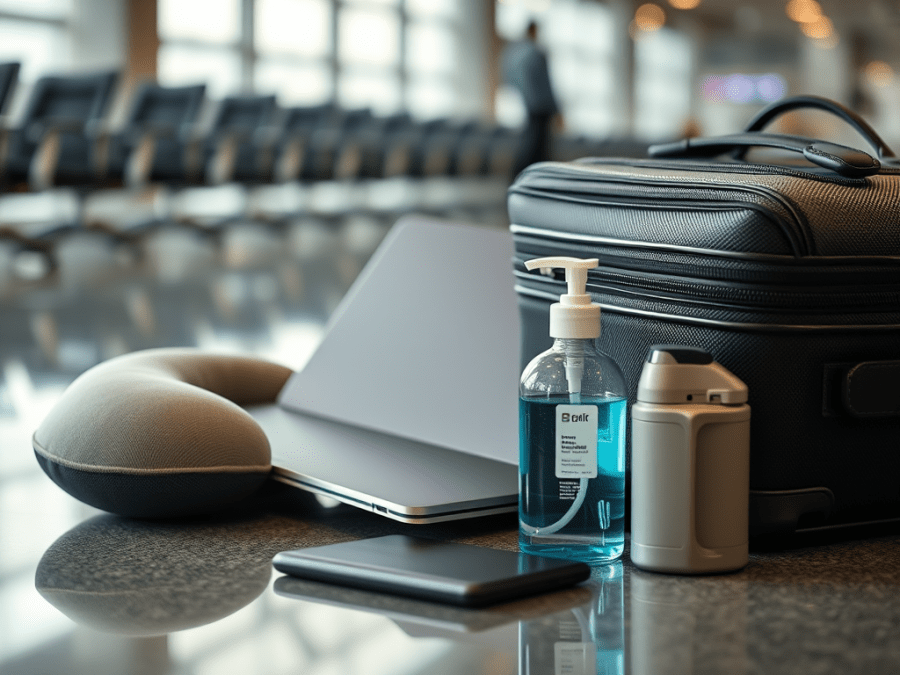
He starts with germs. Airplanes are crowded, enclosed spaces where bacteria and viruses spread easily. Dan recommends carrying a small bottle of hand sanitizer and a tube of Bacitracin. Clean your hands, then put a little Bacitracin on your fingertip and coat the inside of each nostril. It’s a small step that can lower the odds of picking up something during the flight.

Noise is another issue. Instead of spending money on bulky noise-canceling headphones, Dan suggests soft disposable earplugs. They’re cheaper, lighter to carry, and you can wear them through takeoff and landing without worrying about electronics. They also make it easier to fall asleep since you don’t have large headphones pressing against your head.

Food choices can make or break a trip. Dan offers four simple rules he follows at airports. First, eat where the pilots and flight crews are eating. They’ve usually figured out the best options. Second, go for protein instead of carbs since it lasts longer. Third, stick with bottled water instead of soda, which can upset digestion. And if you’re completely unsure, the fallback is a chicken quesadilla, which tends to be a safe bet.

Family travel gets its own acronym: HAHU. Hustle, anticipate, and heads up. It’s a reminder that moving quickly, planning ahead, and staying alert can make group travel smoother.

One thing few people think about is the tray table. It’s one of the dirtiest surfaces on a plane since it rarely gets cleaned. Dan carries antibacterial wipes and uses them before setting anything down. He warns that the wipe will probably look unpleasant after you use it, but that’s the point.

For people who work on the road, staying connected matters. At the time Dan was filming, he recommended wireless broadband USB modems. While mobile hotspots and international SIM cards are more common now, the idea is the same—find a way to simplify internet access so you’re not juggling multiple logins and fees. Convenience often outweighs cost.

Security lines are their own challenge. Dan noticed that certain lines tend to move faster. If you qualify for premier status, it’s worth trying that line. If not, ask the agent which line seems to be moving quickest. Solo male business travelers usually move quickly because they carry fewer items and treat the line like a race. On the other hand, lines with vacationing couples tend to slow things down.

Once you’ve checked in to your hotel, the temptation is to turn on the TV. Dan’s advice is not to. He says it’s too easy to waste an hour and a half. Instead, use the time to call a loved one, get some exercise, or read.

Jet lag is another big challenge for frequent flyers. Dan focuses on three things: time, food, and light. Reset your watch to the destination’s time zone as soon as you board and try to sleep according to that schedule. Eat less on the plane and save your main meal for when you arrive. And most importantly, align your sleep with local light. If it’s daytime, stay awake even if you’re tired. If it’s night, go to bed even if you’re not tired. For those who can’t fall asleep easily, Dan’s trick is simple—take one Benadryl and read The Economist.

Finally, he suggests buying a local newspaper when you arrive in another country. Carrying a paper makes you blend in a little more, which can reduce attention in big cities. Even if you can’t read the language, you can still learn from the pictures, and the paper makes good wrapping material for souvenirs.

These are straightforward tips, and I wouldn’t have thought of most of them myself. With upcoming travel, I plan to try them all.

This article is for information only and isn’t medical advice. If you have health concerns, please talk with your healthcare provider.

Scott Rennie, D.O.
Board Certified in Obesity Medicine and Family Medicine

This blog is for educational purposes only and does not constitute individual medical advice. Always consult your own physician before making changes to your health, medications, or treatment plan.


Sources:

  • Pink, Dan. “Dan Pink’s Travel Tips” [Video series, 2006–2008].

  • Centers for Disease Control and Prevention (CDC). “Traveling Safely with Chronic Conditions.” CDC, 2023.

  • Federal Aviation Administration (FAA). “Traveler Health and Safety Tips.” FAA, 2023.