
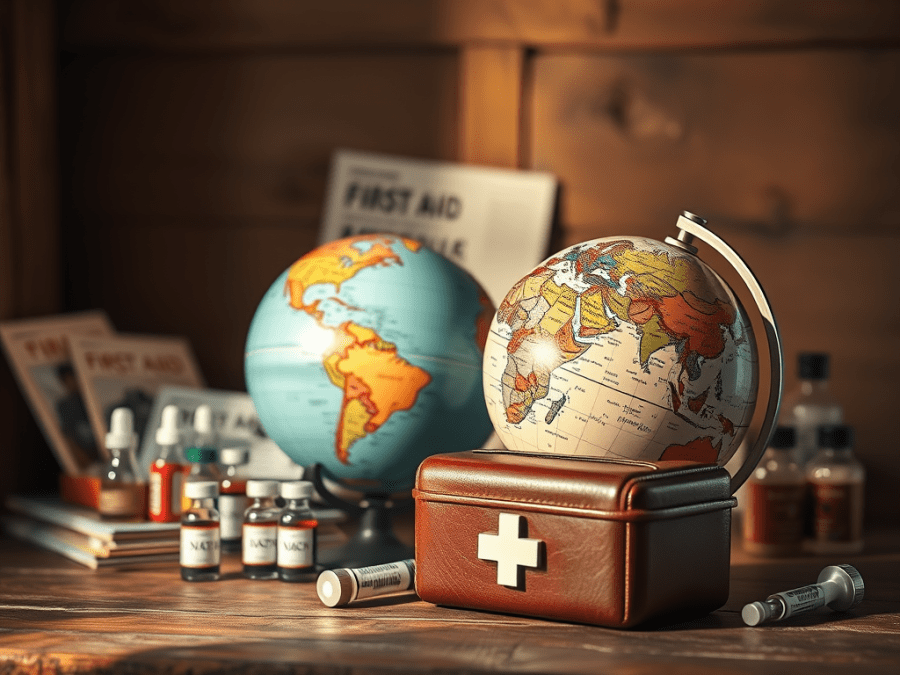
2026 Travel Medicine Guide: Vaccines, Antibiotics, Safety Tips, and What You Don’t Need

Travel has fully returned, and patients are planning international trips again, with a wide range of destinations and styles. On these video visits, the questions almost always start with vaccines or antibiotics. The real foundation of travel medicine is something else entirely: understanding the specifics of the trip. When I talk with someone preparing to travel, I start with where they are going, how long they will be away, what kind of environment they will be in, and whether they have a chronic condition that might change their risk. Those details matter. A medication or vaccine that is essential for one itinerary may be unnecessary for another.

The first step is confirming routine immunizations. MMR, Tdap, influenza, COVID, and varicella should be current for every traveler, regardless of destination. People sometimes think travel preparation means exotic vaccines. But many illnesses that interrupt trips are the same preventable infections we vaccinate against at home. Once routine protection is confirmed, I look at travel-specific vaccines based on destination and activities. Hepatitis A is worth adding for most international travel where sanitation varies. Hepatitis B belongs on the list for long-term travel, healthcare exposure risk, or an uncertain vaccination history. Typhoid covers travel to many parts of Asia, Africa, and Central America. Yellow fever is required for entry into several countries in sub-Saharan Africa and South America, and Japanese encephalitis matters for long stays in rural areas of Asia or frequent outdoor exposure. Ghana is the example I reach for. Yellow fever vaccination is required for entry, and travelers turn up regularly who have never had it and did not know it was mandatory. That gets sorted first, then malaria prevention if the itinerary runs rural. My view: skipping a vaccine that’s actually required for entry is the most avoidable mistake I see. It’s an easy one to catch, too, if we go through the itinerary first.

Rabies vaccination before travel is another example of something that depends heavily on the details. Someone visiting large cities in Europe for a week has almost no need for it. Someone staying in remote areas, volunteering with animals, or hiking in places where medical care is difficult to access may benefit from receiving it ahead of time. Exposure risk drives that decision, not the destination’s reputation.

Antibiotics come up frequently, and this is where expectations and guidelines often differ. Many travelers assume an antibiotic is something they should take with them in case they get sick. In reality, travelers diarrhea is the most common illness during international travel. Most mild cases respond to hydration and over the counter medications rather than antibiotics. When antibiotics are appropriate, the choice depends on symptom severity and regional resistance patterns. Rural Cambodia is the one that comes up. Travelers remember taking ciprofloxacin on a previous trip and want it again. Updated resistance data has made ciprofloxacin a poor choice there, so the plan changes, and food and water safety carries more of the load. My own bias here. I’d rather a patient carry the right antibiotic and never use it than assume hydration will be enough on a five-day trek.

For a basic travel kit, I usually start with acetaminophen and ibuprofen, which cover pain, fever, and the aches that come with viral illnesses; for gastrointestinal symptoms, loperamide and bismuth subsalicylate handle most mild travelers diarrhea, and oral rehydration salts matter just as much, since dehydration from diarrhea or heat is often the bigger problem than the diarrhea itself. If nausea or motion sickness is a concern, I’ll prescribe ondansetron ahead of time. For moderate or severe diarrhea, azithromycin or a clinician-selected alternative is the antibiotic I reach for, not something to use for every loose stool. Acetazolamide comes up for rapid ascent or high-altitude destinations. For malaria prevention, the choice sits between atovaquone-proguanil, doxycycline, and mefloquine. It depends on the region, the length of the trip, and the traveler’s medical history. Antihistamines and intranasal steroids round out the kit for anyone with seasonal or environmental triggers.

Safety planning is a major part of effective travel preparation, but it often gets the least attention; we discuss how to carry a medication list, a brief summary of medical conditions, and insurance information, along with knowing how to access care in the destination country. Food and water hygiene still matters in many regions. So does mosquito protection for illnesses like dengue and chikungunya that do not have widely recommended vaccines for travelers. For destinations with malaria risk, prophylactic medications and mosquito avoidance measures remain a core part of the plan; and for high altitude trips, preventive medications can help if ascent is rapid or unavoidable. If I had to rank these, food and water discipline prevents more sick days than any pill I prescribe. A basic first aid kit rounds this out: adhesive bandages for cuts, scrapes, and blisters; sterile gauze and medical tape for larger wounds; antibiotic ointment to prevent minor wound infections; hydrocortisone cream for itching and insect bites; alcohol or antiseptic wipes to clean a wound before dressing it; tweezers for splinters or ticks; an elastic compression wrap for sprains or mild injuries; a digital thermometer, essential for evaluating fever or illness on the road; and gloves for basic hygiene when handling a wound.

Many travelers also assume they need more than they actually do. Someone visiting Western Europe with up to date routine vaccines usually does not need any additional travel specific vaccines. Travelers often believe they need antibiotics for every trip or that malaria medication protects them from dengue or chikungunya. Which it does not. Correcting these misconceptions is, in my view, as valuable as any vaccine I give: it keeps people from paying for protection they don’t need.

Combine all of this with a clear discussion of itinerary, health history, and realistic risk. Most travelers leave the visit feeling better prepared, not overwhelmed by unnecessary steps. Travel medicine should be individualized. What someone needs for a two week trip to Western Europe is very different from what is needed for remote backpacking in Southeast Asia or trekking at high altitude in Peru. Once the plan matches the destination, everything else becomes much clearer.

Scott Rennie, D.O.

Sources

CDC Yellow Book (cdc.gov)

CDC Travel Vaccine Guide (cdc.gov)

CDC Travelers Diarrhea (cdc.gov)

WHO Travel and Health (who.int)

WHO International Travel Requirements (who.int)

UPMC Travel Health (upmc.com)

TravelHealthPro (travelhealthpro.org.uk)

National Library of Medicine Travelers Diarrhea Review (ncbi.nlm.nih.gov)

Pyllola Travel Vaccines Guide (pyllola.com)

Immunize.org Travel Vaccines (immunize.org)

Board Certified in Obesity Medicine and Family Medicine

This blog is for educational purposes only and does not constitute individual medical advice. Always consult your own physician before making changes to your health, medications, or treatment plan.
Open suitcase packed with clothes beside a passport and sunglasses

Essential Foreign Travel Tips: What to Know Before You Go

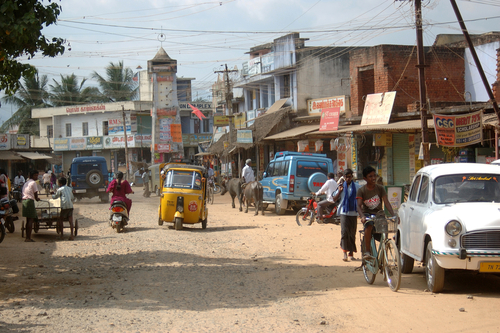
shutterstock_144889000The information listed below is a smattering of information gained from real life experience, Wilderness Medicine Conferences, and is mostly credited to Gene Allred, MD a very experienced physician and world traveler. Two major categories for foreign travelers: A)  The senior traveler (age 65 and above) who have the resources to travel and may have a bucket list.  They have chronic medical conditions and in many foreign countries, access to medical care and medications is more difficult.  Think about access – i.e. there is probably not a wheelchair ramp available in many areas.  Bring your medications.  I don’t know how many times I’ve had patients travel here to Hawaii and not bring enough of their blood pressure medications with them, and I’m sure it happens when the go other places too.  Many seniors may might not get altitude sickness but may have cardiac strain from lower levels of oxygen or increased physical exertion.  Plan accordingly. B)  The adventure/exotic traveler (all ages) who tend to participate in more dangerous activities – mountain climbing, rock climbing, wilderness expeditions like kayaking the Nile river, etc.  These travelers have a higher incidence of trauma from MVA or injury from their activities.  Homicides in some areas may be more of a problem than an MVA.  We don’t think twice about putting on our seatbelt when we get in a car here in the USA, so don’t get in a taxi or bus without a seatbelt (the roads are often worse in other countries and there may be less lighting and more people).  If you do get into an MVA abroad, the medical care is probably not going to be as good as you would get in first world countries. Causes of death in foreign travelers: 1)   Almost 50% are from heart attacks and strokes, the other 50% is from trauma (motor vehicle accidents, drowning, falls and homicide) – also be aware that most counties outside of the US, Canada, Australia, New Zealand, Europe and Japan don’t screen their blood for HIV or Hepatitis C. 2)   Only 1% of death in foreign travel results from Infectious disease Most dangerous aspect for foreign travel:  Motor Vehicle Accidents – account for 25% of fatalities of U.S. travelers.  In Langos, Nigeria buses are called danfos “flying coffins.”  The rate of motor vehicle deaths compared to the USA: 1)   Sri Lanka – 23x more deaths from MVA than USA 2)   Turkey – 44x more deaths from MVA than USA 3)   China has 2% of the worlds driver’s and 15% of the fatalities – WHO 2007 4)   In Ghana 722 drivers were selected at random and 21% had blood alcohol level >80 mg/dl; 4% of the bus drivers had this level.  70% of the trauma patients here are transported by taxi or bus, and 22% and transported by private vehicle.  5% are transported by police and only 3% of trauma victims are transported by ambulance. In the USA, 60% of the motor vehicle crash deaths occur among the drivers.  In the 3rd world countries, 90% occur among passengers, pedestrians and cyclists.  Urban pedestrians account for 50-70% of the deaths due to motor vehicle accident. In contrast, the leading cause of injury/illness in foreign travel is infectious disease.  Up to 75% of travelers become ill from infectious disease, however only 1% of the deaths of international travelers are from infectious disease. Recommendation:  Before you travel, consult your physician, CDC or travel clinic.  Let your medical provider know the type of activities you are planning including whether going to a remote region, participating in a strenuous activity (cycling, mountain climbing, swimming in fresh water, or diving, etc.) Resources: http://www.travelhealthassist.com http://www.cdc.gov/travel http://travel.state.gov/travel/tips/safety/safety_1747.html Everyone needs Hepatitis A immunization when traveling to a high endemic area. Hepatitis A and B vaccinations are a lifetime investment. There are stories about bogus drugs and dirty needles used in certain areas. New Delhi, India (CNN) 2/21/09 – “Authorities were carrying out raids in India’s western Gujarat state for bogus drugs and recycled syringes after a hepatitis B outbreak left 32 people dead, officials said Saturday.”             *  Five medical practitioners were also arrested for violations             *  One arrested for reusing injection syringes             *  111 cases of hepatitis B in the district over two weeks with 32 dead I’m not saying that you should bring your own needles when traveling, but the news report above is frightening. Before your travel, consider the following: 1)  Plan at least three months ahead (buy your tickets, look into what visas you might need, if there a restrictions  and plan what to bring with you). 2)  Look at the CDC website – http://www.cdc.gov/travel and study up on where you are going and what diseases you need to be protected against. 3)  Get excellent travel insurance – there are many companies that offer this – International SOS is one of them https://www.internationalsos.com/en/.   Read the fine print and make sure the company that you go with doesn’t say something like “will evacuate to most appropriate facility” and something more specific like “Will evacuate to USA, Canada, Japan, Australia, New Zealand, or Europe” 4)   Decide what medical resources are available in the foreign country 5)  Plan for diarrheal illness – bring antibiotics (sometimes you might take prophylaxis) and medications to help slow the bowls such as Imodium. 6)   How will I get around while there?  Avoid car crashes – don’t get on a crowded bus, a motorcycle or scooter.  Wear your seatbelt! 7)  Stay sober when out in public – you are more of a helpless target if you’re drunk.  If you drink – do it in the hotel where it’s safer. 8)  Don’t look rich – avoid wearing fancy jewelry/watches or you’ll look like a good target. 9)   Problems of counterfeit drugs – i.e. take own medications 10)   Take a copy of your medical history/prescriptions, driver’s license, passport and visas.  Leave one copy at home with a friend and bring the original and one copy with you. 11)   Consider the season you are traveling in when going to a foreign country i.e. rainy vs. dry.  In malaria endemic regions, this may dramatically influence your risk 12)   Traveling in motor vehicles at night in third world countries substantially increases your risks of injury or death 13)   Acclimatize yourself to the altitude 14)   Bring sunblock 15)   Think about heat exposure 16)  Take drinking water precautions (chlorine dioxide, etc.) 17)  Be wary of swimming in fresh water or going barefooted – consider infections due to Schistosomiasis, Leptosirosis or Cryptosporidium 18)  Think about safety/security – 9% of U.S. travel fatalities are due to homicide.  9000 homicides in Sao Paulo in 1999, compared with 700 in New York City. 19)  Avoid dangerous situations – khakis = N. American, avoid going out alone at night, don’t wear expensive jewelry, carry no more cash than you need for the day and don’t flash roll of bills.  Use a hotel safe when available.  Fanny packs and purses are “one-stop” shopping targets – be aware of “slash and grab.”  Don’t accept food from strangers – “drug and rob scam,” Beware of “spilled food scam” (e.g. mustard), use licensed taxis over unlicensed taxis.  Scan your passport and then email it to yourself so you’ll be able to retrieve a copy. 20)  Protect yourself from insects – Dengue fever, Malaria (1-2 million deaths/year), West Nile Virus, etc.   The higher the concentration of DEET, the longer lasting it is – 99% DEET = 10 hours, 30% DEET is safe in kids down to 2 months of age.  DEET + Permethrin is > 99% effective.  Most malaria is Chloroquine resistant.  Three drugs of choice for malaria are Mefloquine, doxycycline and malarone (primaquine is 2nd line option). 21)  The unexpected usually happens.  Accept the things that are beyond your control.  Resign yourself to the fact that your luggage will be lost, your hotel reservations will be canceled, and your last flight out will leave without you.  They key is to then decide what you are going to do about it.  No matter how bad you think things are now, they can always get worse.  Always have a contingency plan.  Research alternative travel arrangements such as accommodations, research climate, local health risks, etc.  Instead of letting problems accumulate, deal with each challenge “head on.”  Work to “fix” one problem at a time and then move on to the next. If you are interested in learning more about wilderness medicine, a great resource for information is the wilderness medicine society:  http://www.wms.org/   I hope that you have found this information useful.  Wishing you the best of health,

Scott Rennie, D.O.
Board Certified in Obesity Medicine and Family Medicine

This blog is for educational purposes only and does not constitute individual medical advice. Always consult your own physician before making changes to your health, medications, or treatment plan.