
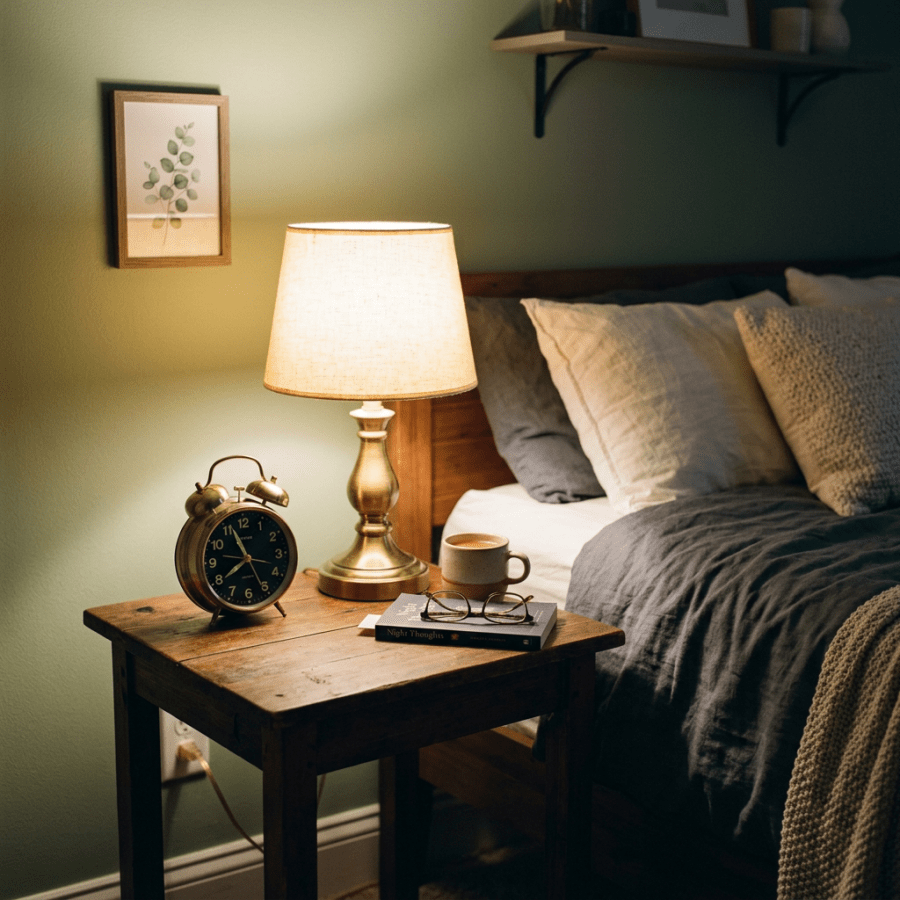
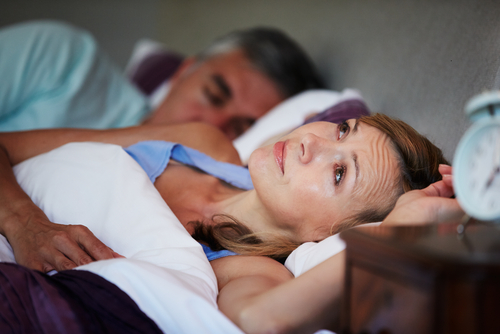
 It’s that time of the year again for most of us in the United States to change our clocks back one hour to standard time (except Alaska and Arizona). For most of us means gaining an extra hour of sleep on Sunday morning. The problem is that even this one hour time change can affect our “internal clock.” The good news is however, that this time shift in the autumn is better tolerated for most, than the change in the spring. If you find that you have trouble with your sleep however, here are some hints.
1. Don’t try to force yourself to go to sleep as this can cause frustration. If you go to bed and find that you cannot fall asleep within a reasonable amount of time – say 15-30 minutes, get up out of bed and do something else until you start to fall sleepy. Then go back to the bedroom and try sleeping again.
2. Don’t read or use your computer in the bed. If you do these other non-sleep related activities in bed, your brain actually begins to associate the bed with activities other than sleep.
3. Decrease the amount of light you are exposed to an hour or so before bedtime. Melatonin, a hormone released in the brain is affected by light exposure. As the amount of light entering your eyes decreases, the level of melatonin in the brain increases and stimulates sleepiness.
4. Don’t sleep in or take naps. Get up at your normal time, even if you don’t have any obligations that you need to attend to. Establishing a sleep pattern in important, and if you sleep in or take a nap, you may find it harder to sleep later on.
5. Adjust the temperature of the room. Usually decreasing the temperature slightly at the night is helpful, because the natural circadian rhythm during sleep decreases our temperature slightly.
6. Participate in some relaxing activity before bed rather than exercising, reading an adrenaline raising story, or watching a horror film. It may seem obvious, but even watching the nightly news before going to bed can make getting to sleep more challenging.
7. Decrease the noise in your environment. Wear ear plugs if you cannot change to a location that is quiet.
8. Don’t go to bed on an empty stomach, or when your stomach is over-full. Too much fluid intake may also cause unwanted trips to the toilet. Pay special attention to caffeine, nicotine and alcohol intake which can all negatively impact sleep. Alcohol may make you feel sleepy at first, but as it wears off it may disrupt sleep later in the night.
I hope that you have found this information useful. Wishing you the best of health,
It’s that time of the year again for most of us in the United States to change our clocks back one hour to standard time (except Alaska and Arizona). For most of us means gaining an extra hour of sleep on Sunday morning. The problem is that even this one hour time change can affect our “internal clock.” The good news is however, that this time shift in the autumn is better tolerated for most, than the change in the spring. If you find that you have trouble with your sleep however, here are some hints.
1. Don’t try to force yourself to go to sleep as this can cause frustration. If you go to bed and find that you cannot fall asleep within a reasonable amount of time – say 15-30 minutes, get up out of bed and do something else until you start to fall sleepy. Then go back to the bedroom and try sleeping again.
2. Don’t read or use your computer in the bed. If you do these other non-sleep related activities in bed, your brain actually begins to associate the bed with activities other than sleep.
3. Decrease the amount of light you are exposed to an hour or so before bedtime. Melatonin, a hormone released in the brain is affected by light exposure. As the amount of light entering your eyes decreases, the level of melatonin in the brain increases and stimulates sleepiness.
4. Don’t sleep in or take naps. Get up at your normal time, even if you don’t have any obligations that you need to attend to. Establishing a sleep pattern in important, and if you sleep in or take a nap, you may find it harder to sleep later on.
5. Adjust the temperature of the room. Usually decreasing the temperature slightly at the night is helpful, because the natural circadian rhythm during sleep decreases our temperature slightly.
6. Participate in some relaxing activity before bed rather than exercising, reading an adrenaline raising story, or watching a horror film. It may seem obvious, but even watching the nightly news before going to bed can make getting to sleep more challenging.
7. Decrease the noise in your environment. Wear ear plugs if you cannot change to a location that is quiet.
8. Don’t go to bed on an empty stomach, or when your stomach is over-full. Too much fluid intake may also cause unwanted trips to the toilet. Pay special attention to caffeine, nicotine and alcohol intake which can all negatively impact sleep. Alcohol may make you feel sleepy at first, but as it wears off it may disrupt sleep later in the night.
I hope that you have found this information useful. Wishing you the best of health,
Scott Rennie, D.O.
Board Certified in Obesity Medicine and Family Medicine
This blog is for educational purposes only and does not constitute individual medical advice. Always consult your own physician before making changes to your health, medications, or treatment plan.
 Doctor Rennie's Blog