
H5N1 Bird Flu: What Every Patient Should Know Today

As physicians, we try to keep an eye on infectious diseases that might pose broader risks. H5N1, also called highly pathogenic avian influenza or bird flu, remains one of those, and the virus mainly infects birds but has crossed into humans with severe outcomes. The first human cases were seen in Hong Kong in 1997. Since then, human infections have been sporadic, usually tied to direct contact with infected poultry or contaminated environments, and unlike seasonal influenza, it doesn’t spread efficiently from person to person.

WHO’s cumulative count puts the case fatality rate at about 52 percent, 463 deaths among 888 confirmed cases worldwide since 2003, in data current as of March 2024. Human cases identified in the United States during the 2024 dairy and poultry outbreak ran far milder than that historical average, and many were mild. But the potential for severe disease is still there.

Recent Human Cases

In the United States, poultry wasn’t the only exposure route. In March 2024, transmission from cows to humans was confirmed, and cats were infected too, after drinking raw milk from infected cows. Between March 28 and October 31, 2024, there were 45 human cases in six states, all in adults, 25 linked to infected cows and 20 to poultry. By January 2025, there had been about 90 reported human cases nationwide.

A common thread was inconsistent use of protective equipment, and infection rates ran higher when gloves, masks, and goggles weren’t used consistently. Among those infected during the March-October window, 71 percent reported wearing gloves, 60 percent eye protection, 47 percent face masks, and only 36 percent reported both eye protection and masks together. PPE seemed to make a real difference, but adherence was incomplete.

Symptoms

The most common presentation was conjunctivitis. About 93 percent of patients developed viral pink eye, and fever was reported in about half, with headaches and muscle aches close behind. Sore throat, cough, and fatigue were less frequent. Diarrhea and nausea were rare. The median duration of symptoms was four days. Severe disease can still progress quickly to respiratory failure, multi-organ involvement, and death, though fatality figures reflect real biases in surveillance and reporting, since mild and subclinical infections are the ones most likely to go undetected.

Diagnosing H5N1

Diagnosis depends on history and testing. Exposure to poultry, cows, or contaminated settings should raise suspicion in anyone with severe flu-like illness. Nasopharyngeal or conjunctival swabs are typically used. PCR testing is the gold standard. Culture is rarely done. Biosafety concerns. Serology is sometimes used for retrospective surveillance.

Monitoring and Management

Close surveillance is essential for people exposed to infected birds or animals, with daily checks for fever and respiratory symptoms during the incubation period, about 10 days, recommended. Public health reporting remains critical for containment.

Treatment relies on antivirals like oseltamivir or baloxavir if started early, and severe cases often require oxygen therapy or mechanical ventilation, with supportive care for complications like ARDS central to management.

Human-to-Human Spread

What keeps H5N1 from being a global pandemic threat is the lack of efficient human-to-human spread. There have been family clusters and caregiver cases, mostly in the mid-2000s, where limited transmission was suspected, including a mother in Thailand caring for her sick daughter and family members in Indonesia in 2006, cases that involved close, unprotected exposure where the virus didn’t transmit beyond those immediate contacts.

H5N1 lacked the genetic adaptations that would make it easily transmissible like seasonal flu or COVID-19, and the concern was that mutations or reassortment with human influenza strains could change that, which is why surveillance continued.

Where the Risk Stands

As of early 2025, the risk to the general public remained low, with most cases stemming from direct animal exposure and person-to-person spread limited. For clinicians, though, awareness matters: we need to consider H5N1 in patients with severe respiratory illness who also have a relevant exposure history. For patients, the focus should be on minimizing contact with infected poultry, avoiding raw milk, and following public health guidance on protective measures.

H5N1 was still circulating in birds, and occasionally in other animals, and it occasionally infected people, though it was not, at that point, spreading widely between humans. The threat was real but contained. The critical piece remains vigilance: watching for changes that would signal the virus adapting toward easier human spread.

Scott Rennie, D.O.

Sources

Garg S, Reinhart K, Couture A, et al. Highly Pathogenic Avian Influenza A(H5N1) Virus Infections in Humans. N Engl J Med. 2025;392(9):843-854. PMID 39740051.

Centers for Disease Control and Prevention. Avian Influenza A (H5N1) Virus. https://www.cdc.gov/bird-flu/situation-summary/index.html

World Health Organization. Avian Influenza Weekly Update. https://www.who.int/emergencies/disease-outbreak-news

Uyeki TM, Peiris M. Novel Avian Influenza A Virus Infections of Humans. Infect Dis Clin North Am. 2019;33(4):907-932. PMID 31668198.

Board Certified in Obesity Medicine and Family Medicine

This blog is for educational purposes only and does not constitute individual medical advice. Always consult your own physician before making changes to your health, medications, or treatment plan.


Human Metapneumovirus (hMPV): What You Need to Know

Human metapneumovirus, or hMPV, doesn’t get the same attention as influenza or COVID-19, but it’s worth understanding. It was first identified in 2001, though genetic studies suggest it has circulated for decades, and it’s a member of the Paramyxoviridae family, the same family that includes RSV.

Transmission is through respiratory droplets. That means coughing, sneezing, or close contact with an infected person is usually how it spreads, and anyone can get it, though young children, older adults, and people with weakened immune systems are most vulnerable to severe illness.

Where It Shows Up

hMPV is found worldwide. It circulates throughout the year but tends to spike in late winter and spring in temperate regions, and improved diagnostics over the last two decades have shown just how common it is. Clusters show up in schools, childcare centers, nursing homes, and hospitals. Often alongside influenza and RSV activity.

In the United States, the CDC tracks it as part of routine respiratory surveillance, and globally, WHO lists it as one of several viruses contributing to seasonal surges of respiratory illness.

Symptoms and Overlap

The symptoms of hMPV are familiar. Patients may have fever, cough, sore throat, congestion, fatigue, and sometimes wheezing, and in healthy people, illness usually resolves within one to two weeks. In infants, older adults, or immunocompromised patients, the disease can progress to bronchiolitis or pneumonia.

The overlap with RSV, influenza, and COVID-19 makes it nearly impossible to identify clinically without testing, and in practice, we often don’t test unless patients are hospitalized or part of an outbreak under investigation.

Why It Matters

Most patients recover with supportive care. But hMPV deserves attention for a few reasons: high-risk populations can become severely ill enough to need hospitalization. Unlike flu or COVID-19, there’s no vaccine and no specific antiviral, so care stays supportive: oxygen, fluids, symptom management. And hMPV adds to the seasonal burden on the system overall, and when it circulates alongside RSV and flu, pediatric and ICU beds can fill fast.

Current Reports

China had reported more cases the previous winter, mostly among children under 14 in northern provinces. The increase triggered heightened monitoring at the time, though local health authorities noted the pattern was typical for the season and not as severe as the same period the year before. The WHO emphasized that hMPV is a known virus, not a new or emerging threat, and said it did not represent a global health emergency.

What To Watch For

For physicians, it comes down to clinical awareness. If a patient has unexplained respiratory illness, especially if they’re very young, older, or immunocompromised, consider hMPV in the differential. For patients, the message is simple: good hygiene matters, and wash hands, avoid close contact when sick, and stay home if you’re symptomatic. These are the same steps that help reduce spread of other respiratory viruses.

hMPV doesn’t carry the same weight as influenza or COVID-19, but it plays a consistent role in seasonal respiratory disease, and understanding it helps us manage patients more effectively and prepare for the extra strain it can place on hospitals during peak months.

Scott Rennie, D.O.
Board Certified in Obesity Medicine and Family Medicine

This blog is for educational purposes only and does not constitute individual medical advice. Always consult your own physician before making changes to your health, medications, or treatment plan.

Sources

Person holding abdomen, appearing in pain, wearing grey sweatshirt

What’s Causing My Abdominal Pain? Common Causes Explained

shutterstock_152569646Patients who present to the clinic or urgent care with abdominal pain can be some of the most challenging, because of the many different causes.  The job of your primary care or urgent care provider is to determine whether the pain is requiring immediate surgical evaluation. Medical providers must try to determine which patients can safely be observed and their symptoms treated and which patients require further investigation by a specialist such as a surgeon.  This is difficult because abdominal pain is often non-specific and presents with other symptoms very commonly. Triage:  We must urgently investigate abdominal pain in many patients.  Some patients require assessment of their airway, breathing and circulation followed by appropriate resuscitation.   Patients who may need surgery must be transferred to a facility where they can receive that care where appropriate nursing care, laboratory, surgical consultation, and radiology facilities are available. Patients who are having less severe pain or signs on exam may require consultation or referral for further management. Helpful information from patients: 1)   Time course of pain 2)   Location of pain 3)   Radiation of pain 4)   Factors that make the pain worse or better (such as foods or antacids) 5)   Associated symptoms including fever, chills, weight loss, nausea, vomiting, diarrhea, constipation, blood in the stools, jaundice, change in stool or urine color or diameter of the stools. 6)   Past medical history, including history of abdominal surgeries 7)   Family history of bowl disorders 8)   Alcohol intake 9)   Medications – including Tylenol, aspirin, and ibuprofen/aleve 10)  Menstral and contraceptive history in women Surgical abdomen:  Usually defined as a condition with rapidly worsening course without surgical intervention.  Obstructions of the intestines and peritonitis (inflammation/irritation of the inner wall of the abdomen that covers most abdominal organs) are reasons for referral to a surgeon. Sometimes tests will be ordered such as an abdominal radiograph,  CBC, comprehensive metabolic panel with liver enzymes, lipase, a urine analysis and pregnancy test (in women of childbearing potential). Other things we consider in determining the cause of the abdominal pain are the location of the pain and changes in where the pain radiates as well as how rapidly the pain gets worse. Some possible causes of abdominal pain are many – gallstones or gallbladder dysfunction, peptic ulcer, hiatal hernia, pneumonia, heart attack,  pancreatitis, heartburn, lactose intolerance, celiac sprue, pregnancy (including ectopic), endometriosis, sickle cell disease,  appendicitis, ovarian cyst or torsion, UTI, kidney stones, constipation, colitis, diverticulitis, pelvic inflammatory disease, gastroenteritis, intestinal ischemia (decreased blood flow to the intestines), diabetic ketoacidosis, kidney infection, abdominal aortic aneurism, or even trauma. Treatment:  Is tailored to address the cause of the pain.  If no cause can be found at your doctor’s office, the goal is to determine whether it is safe for you to go home with medications to help with the pain, and testing done as an outpatient or whether you need to be transferred to the hospital where further workup can be done immediately.   I hope that you have found this information useful.  Wishing you the best of health,

Scott Rennie, D.O.
Board Certified in Obesity Medicine and Family Medicine

This blog is for educational purposes only and does not constitute individual medical advice. Always consult your own physician before making changes to your health, medications, or treatment plan.
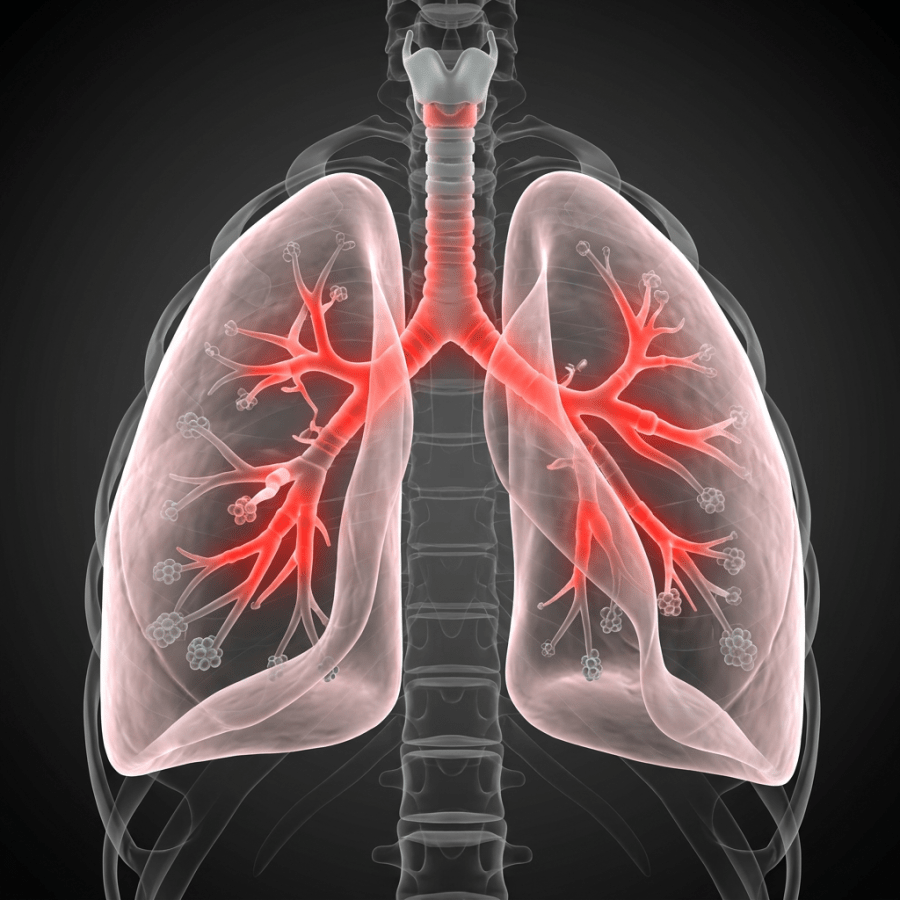
Human lungs with highlighted bronchial tubes and alveoli in a 3D anatomical view

The Doctor Says You Have Bronchitis: Is That Really Bad?

shutterstock_151516097Patients frequently come into the clinic with bronchitis, especially during the winter months.  Often, they are not sure what bronchitis is or how to treat it.  Here is some information about bronchitis and how it is treated that will hopefully answer some of these questions.  Bronchitis:  Inflammation/swelling of the bronchi (large tubes that carry air to the lungs).  There are two types of bronchitis.  The first type is acute (sudden onset) which is the most common reason for patients to come to the clinic and the second type is chronic (long-standing).  Acute bronchitis occurs with a viral infection such as a common cold – sometimes called a “chest cold.” When to see a medical provider:  Fever (temperature greater than 100.4 degrees F or 38 degrees C), cough that lasts greater than 10 days, chest pain with coughing, difficulty breathing, or coughing up blood, a barking cough that makes it hard to speak,  cough accompanied by unexplained weight loss. Symptoms of acute bronchitis:  The most common symptom of acute bronchitis is a nagging cough.  Some people cough up mucus that may be clear, yellow or green.  Fever is uncommon.  Chest discomfort, fatigue, and wheezing can be present.  Even after acute bronchitis has cleared, you may have a dry, nagging cough that lingers for several weeks. Causes of acute bronchitis:  The most common cause is a viral infection of the upper airway.  Less likely, it can also be caused from a bacteria called Bordetella pertussis which causes “whooping cough.” Treatment of acute bronchitis:  Relieve the symptoms of sore throat and congestion.  Antibiotics do not help acute bronchitis caused by a virus.  Antiviral agents are useful in some cases when the cause is influenza.  Do not smoke, drink plenty of fluids and rest.  Symptoms usually go away within 7 to 10 days if you do not have a underlying lung disorder.  A dry, hacking cough can linger for a number of months however. Although no specific treatment exists – there are several available options to reduce symptoms: 1)   Non-steroidal anti-inflammatory medication such as ibuprofen or naproxen 2)   Heated, humidified air can help improve symptoms of nasal congestion and cough 3)   Cough suppressant medications have not shown to be helpful for most patients 4)   Inhaler medications, commonly used for patients with asthma can sometimes be helpful to reduce bronchospasm/wheezing. Complications:  Pneumonia can develop from either acute or chronic bronchitis. Prevention:  Do not smoke, get a yearly flu vaccine and a pneumonia vaccination as directed by your doctor, reduce exposure to air pollution, wash your hands (and your children’s hands) frequently. Chronic bronchitis:  A cough that occurs on most days of the month for at least three months of the year during 2 consecutive years. Preventing the spread to others:  Hand washing is very important.  Alcohol-based rubs are a good alternative if no sink is available.  Use a tissue to cover your mouth hen sneezing or coughing and promptly throw away the tissue immediately.   I hope that you have found this information useful.  Wishing you the best of health,

Scott Rennie, D.O.
Board Certified in Obesity Medicine and Family Medicine

This blog is for educational purposes only and does not constitute individual medical advice. Always consult your own physician before making changes to your health, medications, or treatment plan.

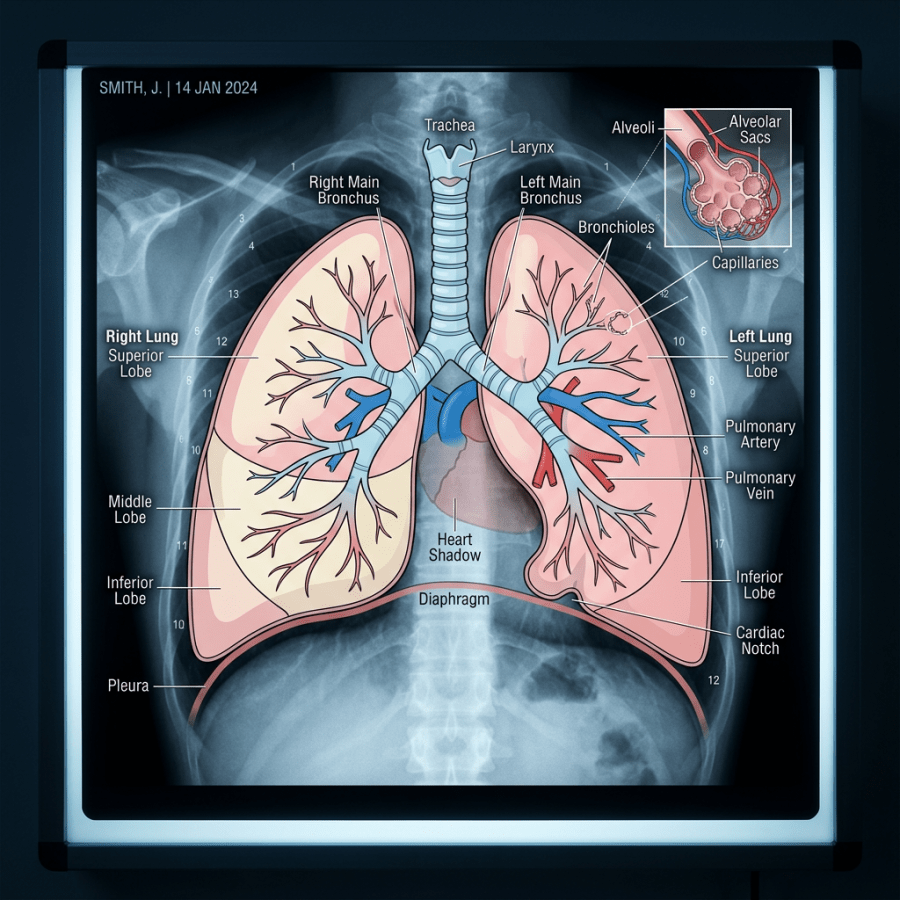
Chest X-ray with labeled lung anatomy including bronchi, lobes, pulmonary arteries and veins, diaphragm, and alveoli inset

Pneumonia: Viral, Bacterial or Walking? Am I at Risk?

shutterstock_112862059I have many patients who come to the urgent care this time of year due to cough and fever and they are worried about the possibility of pneumonia.  This is a valid concern, as pneumonia is a common illness and can lead to grave disability and even death.  Here are some questions they I often get asked and some information.  This is for informational use – please see a physician if you are worried about the possibility of pneumonia. What is pneumonia?  Community acquired pneumonia as an illness with symptoms that might be present such as cough (sometimes with mucus), fever, shaking chills, shortness of breath (may only occur when climbing stairs), and occasionally with confusion (especially in the elderly), excess sweating and clammy skin, headache, loss of appetite, low energy, and sharp or stabbing chest pain that gets worse when you breath deeply or cough. When I listen your lungs, I am listening for “crackles” which sound like scratchy sounds that sound similar to that produced by rubbing strands of hair together close to your ear. Sometimes I will order a blood test called a CBC to check white blood cell count, chest x-ray, CT  scan of the chest, and even a culture of the mucus you cough up to determine if there are bacteria present. What causes pneumonia?  Pneumonia can be caused by viruses or bacteria.  The most common pneumonia-causing germ in adults and young kids is Streptococcus pneumonia (pneumococcus).  Atypical pneumonia, often called walking pneumonia, is caused by bacteria such as Legionella pneumophila, Mycoplasma pneumonia and Chlamydophila pneumonia. Pneumocystis jiroveci pneumonia is sometimes seen in people whose immune system is not working well. Viruses are also a common cause of pneumonia, especially in infants and young children. What factors/conditions increase my chance of getting pneumonia?   Cerebral palsy, chronic lung disease (such as COPD, bronchiectasis, cystic fibrosis), cigarette smoking, difficulty swallowing (due to stroke, dementia, Parkinson’s disease, or other neurological condition), immune system problem, impaired consciousness, living in a nursing facility (such as a nursing home), other serious illnesses (such as heart disease, liver cirrhosis, or diabetes), recent surgery or trauma or recent cold, laryngitis or flu. How do you decide whether I need antibiotics and which antibiotic to use?  The choice of antibiotic is often determined by multiple factors including the patients age (certain germs are found more commonly in certain age groups), findings on chest x-ray and symptoms of the patient.  Chest x-ray in typical bacterial pneumonia (ie. pneumococcus or Streptococcus pneumonia usually confirms lobar involvement.  In contrast, in atypical pneumonia, chest x-ray shows more diffuse involvement (source – http://www.ncbi.nlm.nih.gov/pmc/articles/PMC2795279/).  If the pneumonia is caused by a virus, the antibiotic will obviously not affect the viral lung infection. What is pneumoncoccus (Streptococcus pneumonia)?  In countries like the United States, pneumococcus remains the most common and important disease-causing organism in infants. Although exact numbers are difficult to obtain, it is estimated that pneumococcus infection is responsible for more than one million of the 2.6 million annual deaths due to acute respiratory infection in children younger than 5 years. Children younger than 5 years, particularly aged 2 years or younger are at an increased risk of disease. In addition, absence of breastfeeding, exposure to cigarette smoke, daycare attendance, and lack of immunization with the pneumococcal conjugate vaccine further increase the risk of disease. Adults older than 55-65 years are the next most commonly affected age group worldwide.  As in the United States, the most common cause of Community Acquired Pneumonia (CAP) in Europe is S pneumoniae infection, affecting approximately 100 per 100,000 adults each year. Pneumococcus is usually treated with a medication such as penicillin/amoxicillin. What is atypical pneumonia (walking pneumonia)?  Atypical pneumonia refers to pneumonia caused by certain bacteria including Legionella, Mycoplasma and Chlamydophila.  Atypical pneumonia is most common in young adults and children.  Pneumonia due to mycoplasma and chlamydophila bacteria is usually mild.  The antibiotics used to treat atypical pneumonia include:  Azithromycin, Clarithromycin, Erythromycin, Fluroquinolones and Tetracyclines. What are the most common bacteria causing pneumonia in children?  That depends on the age of the child. 1)    Newborns (0 – 30 days):  Group B Streptococcus, Listeria, E-Coli, Klebsiella pneumonia 2)    Young infant (1 – 3 months):  S. pneumonia, S. aureus, and H. influenza 3)    Infants, toddlers and preschool-aged children:  Viruses remain the most common cause for approximately 90% of all pneumonias.  RSV(Respiratory Syncytial Virus) is the most common viral pathogen. 4)    School-aged children and young adolescents:  Mycoplasma pneumonia is the most frequent cause among older children. 5)    Older adolescents:  Mycoplasma pneumonia is the most common cause of community-acquired pneumonia during the teenage and young adult years. 6)    Immunocompromised children: Children with cystic fibrosis are especially prone to develop infections with S. aureus, P. aeruginosa, B. cepacia and other multi-drug resistant organisms. How is pneumonia spread?  Most of the time the infection is carried in the upper respiratory tract of the person infected.  It is spread by airborne or direct exposure to respiratory droplets from the infected person.  Illness among casual contacts is infrequent. How soon after exposure do symptoms occur?  The incubation period may vary, but is generally 1 to 3 days. Is there a vaccine to help prevent infections?  Yes, there are two different vaccines.  One primarily for adults and one for children.  The vaccine for adults had been available for many years and is called Pneumovax.  The pediatric vaccine is called Prevnar and is only for use in children under 5 years of age. Who should receive the  adult vaccine?  All adults 65 years of age or older.  All persons 2 years of age or older with:  chronic illness such as diabetes, heart or lung diseases, anatomic or functional asplenia, immunocompromised conditions (due to disease, cancer, chemotherapy or steroids), HIV infected individuals. Who should receive the childhood vaccine?  All children less than 24 months of age.  All children aged 2 to 5-6 yrs with high risk medical conditions.   I hope that you have found this information useful.  Wishing you the best of health,

Scott Rennie, D.O.
Board Certified in Obesity Medicine and Family Medicine

This blog is for educational purposes only and does not constitute individual medical advice. Always consult your own physician before making changes to your health, medications, or treatment plan.