

Telemedicine has become part of everyday care, and for good reason; it allows patients to connect with a physician from home, from work, or while traveling; and many problems can be managed safely and effectively through video visits. But not everything belongs in a virtual setting.
I follow guidelines, like the ones Teladoc, MDLive, and Amwell use, that help decide what’s safe to manage online and what has to be seen in person. Those rules aren’t arbitrary. They’re built around safety, the limits of a video encounter, and the risk of missing something serious.
What Actually Keeps a Visit Off Camera
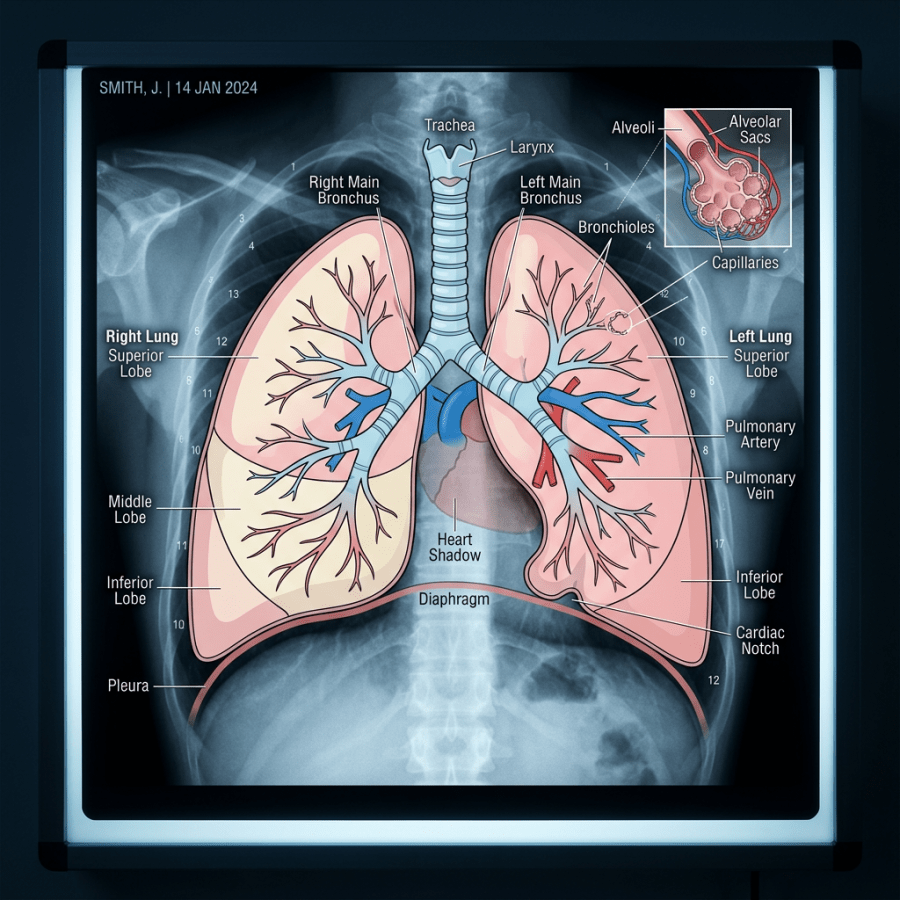
Some diagnoses depend on a tool or a test that doesn’t exist on a video call. An ear infection needs a direct look at the eardrum through an otoscope. Ear pain alone could just as easily mean wax buildup, dental pain, or referred throat irritation, and without visualizing the drum, the real cause gets missed (swimmer’s ear is the exception, along with cases where a family can upload a high-quality otoscope photo). A suspected blood clot in the leg, deep vein thrombosis, has exactly one way to confirm or rule out: an ultrasound, which no video visit can provide. Pneumonia works the same way. A cough that persists, worsens, or comes with fever and shortness of breath needs a chest x-ray and sometimes labs. Neither of which exists on a screen. Pediatric urinary tract infections need a urine sample tested before treatment. And abnormal uterine bleeding, which can signal serious gynecologic issues, usually needs labs or imaging to sort out.
Other conditions need hands-on assessment. Looking is not enough. Post-operative pain that’s worsening rather than expected can mean infection, bleeding, or a wound problem, and a physical exam is needed to check for swelling, drainage, or fever. Post-op patients are safest going back to their surgeon. Mastitis is similar. Breast pain and redness in a breastfeeding patient could be simple mastitis or could be an abscess that needs drainage. And a virtual exam cannot reliably tell the difference. Any laceration or wound that needs stitches has to be assessed and repaired in person; so do animal bites, dog, cat, or human, because of the infection risk and sometimes rabies exposure; and wound care, tetanus updates, and rabies prophylaxis all have to happen in the room.
A third group can turn dangerous fast and needs hospital-level resources. A fever over 103°F, or any systemic illness, can point to sepsis, meningitis, pneumonia, or another serious infection needing immediate labs, imaging, or IV treatment. Suspected meningitis, headache with fever and a stiff neck, needs immediate hospital evaluation with spinal fluid testing and IV antibiotics. It cannot be managed on a screen. Croup in a child, the barking cough and stridor, can worsen quickly enough that treatments like racemic epinephrine or oxygen have to happen in person and urgently. A skin abscess on the face, or periorbital cellulitis, can spread to deeper tissue including the brain and needs urgent evaluation, often with IV antibiotics. Suspected sepsis or a bloodstream infection has to be treated urgently in a hospital, full stop. Unexplained abdominal pain could be appendicitis, gallbladder disease, a bowel obstruction, or another emergency. And usually needs imaging and labs to sort out. Chest pain gets taken most seriously of all. It can represent a heart attack, a pulmonary embolism, or another life-threatening problem, and it gets an urgent in-person evaluation every time. The same logic covers a headache described as the worst of someone’s life, which can mean bleeding in the brain or meningitis; a concussion or closed head injury, which needs a neurologic exam and sometimes imaging; and eye problems like a foreign body, a chemical burn, sudden vision loss, or trauma, all of which need immediate in-person evaluation.
A last group has nothing to do with how sick someone looks and everything to do with what has to happen in a room. Controlled substances, stimulants, opioids, benzodiazepines, carry real risk of misuse and dependence. So regulations require in-person visits for initiation and refills. Some STD treatments need an in-office procedure; genital warts are the clearest example. And anything tied to a work-related claim, FMLA paperwork, workers’ comp, a disability determination, usually needs physical documentation and an in-person exam to be valid.
What About Rashes?
Rashes are a gray zone in telemedicine. Sometimes they are straightforward, like ringworm or athlete’s foot, and can be treated virtually with antifungal creams. Other times they are difficult to interpret. Safely treating a rash through telemedicine depends heavily on two things. The quality of the photo the patient uploads and a detailed medical history.
If the picture is blurry, poorly lit, or taken at the wrong angle, it may be impossible to tell the difference between something benign and something serious. Something like shingles or cellulitis. Even with good photos, asking the right questions, when it started, whether it itches, spreads, or comes with fever, can take time to sort out.
Diagnosing rashes virtually can sometimes be challenging, which is exactly why tele-dermatology has become its own field. Companies such as Teladoc now offer access to board-certified dermatologists who specialize in skin conditions. Patients can upload high-quality images and receive expert input, which improves accuracy and treatment options.
Conditions That Can Often Be Managed Virtually
Plenty of complaints are safe to handle over video: viral upper respiratory infections, sinus infections, uncomplicated urinary tract infections, mild to moderate asthma exacerbations, vaginal yeast infections, bronchitis without red-flag symptoms, most pink eye, cold sores, sprains and strains, seasonal allergies, skin conditions like eczema, ringworm, and jock itch, uncomplicated headaches or low back pain, and early or uncomplicated dental infections.
When a “Simple” Complaint Turns Out Not to Be
Patients don’t always see the warnings that some conditions can’t be managed online, and even when they do, some push back because getting to a clinic in person is inconvenient or expensive. Sometimes what looks straightforward at first turns into something else once the clarifying questions start: a “sinus infection” complaint that turns out to be severe facial swelling, a “back pain” complaint that turns out to come with fever and urinary incontinence. In my own practice, abdominal pain is the one that converts to an in-person visit almost every time, because it needs a hands-on exam. Boils and abscesses, febrile urinary tract infections, and rashes I can’t visualize well enough on a photo make up most of the rest.
Where These Guidelines Come From
Companies such as Teladoc, MDLive, and Amwell built their red-flag lists after years of clinical review. The goal is to prevent missed diagnoses and keep telemedicine a safe, effective model of care. These rules protect both patients and providers.
Telemedicine is powerful. It expands access and provides convenience. But it has boundaries. When I recommend that a patient be seen in person, it’s because safe, thorough care sometimes needs tools and testing. A video screen simply can’t provide them. When a patient pushes back, I tell them plainly that an in-person evaluation is needed for their own safety. If they keep insisting on staying virtual, I decline and explain that telemedicine has its own standards of care, similar to an in-person visit, built around guidelines that protect patients. Most understand. Not all of them agree.
Scott Rennie, D.O.
Board Certified in Obesity Medicine and Family Medicine
This blog is for educational purposes only and does not constitute individual medical advice. Always consult your own physician before making changes to your health, medications, or treatment plan.

 Doctor Rennie's Blog